By: HT Auto Desk | Updated on: 06 Apr 2024, 18:06 PM
Despite having the same working principle, AWD and 4WD are fundamentally different technologies meant for providing additional traction and channellin
…
Despite having the same working principle, AWD and 4WD are fundamentally different technologies meant for providing additional traction and channelling power to multiple axles or wheels.
Despite having the same working principle, AWD and 4WD are fundamentally different technologies meant for providing additional traction and channelling power to multiple axles or wheels.
The automotive industry is full of complex and interesting jargon. AWD and 4WD are two of them. AWD means All-Wheel Drive, while the 4WD means 4 Wheel Drive. Interestingly, a large number of car buyers and car owners think both the AWD and 4WD are the same. However, this is a misconception. While the underlying principles of both these two technologies are driving all the wheels of a car, AWD and 4WD are not the same.
Also Read : Driving in hills can be a lifetime experience but requires sharp attention to detail. Key tips here
Here is a comprehensive explainer to help you understand the differences between AWD and 4WD.
All-Wheel-Drive (AWD)
The All-Wheel-Drive (AWD) system powers all the four wheels of your car. There are two types of AWD systems, either the full-time AWD or part-time AWD. In full-time AWD, the system powers both the front and rear wheels all the time. On the other hand, the part-time AWD powers either the front or the rear wheels all the time. In both these two different types of AWD systems, the driver has no control over the power output a wheel or the set of wheels receive.
Based on the data received from a range of sensors, an onboard computer decides the amount of power, gauging the traction status of each wheel’s tyres. If the computer senses a certain wheel requires more power than the available amount, the AWD system sends additional torque instantly. In this process, the AWD system maximises the car’s traction in different driving conditions.
4-Wheel Drive (4WD)
The fundamental logic behind the 4-Wheel Drive (4WD) system is the same as the AWD, which is powering all the wheels. However, deep delving, the 4WD powers all four wheels of the car, with the energy channelled equally to the front and rear wheels. There are two types of 4WD systems, just like the AWD. These are full-time 4WD and part-time 4WD.
In full-time 4WD, all four wheels of the vehicle are powered at all times, while in part-time 4WD, generally the rear wheels are powered continuously with power sent to the front wheels only when needed. This is the area where the 4WD differs from an AWD, as the decision to send power to a set of wheels is taken by the driver manually through a button or a lever, not the vehicle’s onboard computer.
Additionally, a 4WD system gets two different modes, which are low-range and high-range. While the low-range mode is useful to maximise traction in low-speed or intense off-road situations, the the high-range mode improves traction in less intense off-roading and in slippery driving conditions like loose sand, gravel, and snow or ice.
By: HT Auto Desk | Updated on: 05 Apr 2024, 15:16 PM
A number of Chinese firms are looking at dictating the course which aim to turn flying cars into reality.
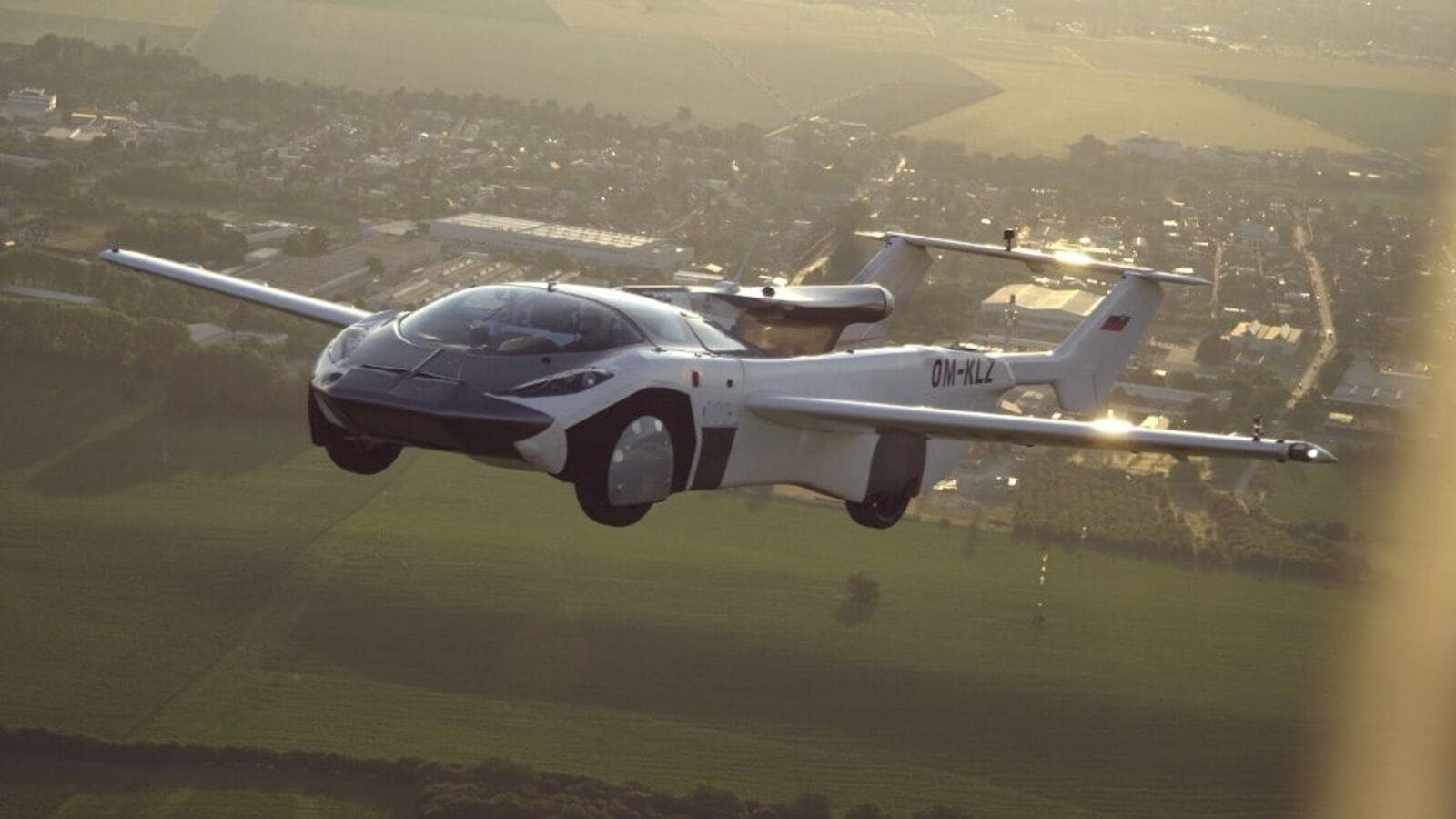
File photo of AirCar flying car during the course of its maiden test flight in Slovakia.
China is the world’s largest vehicle market. China is the world’s largest electric vehicle market. And it is likely that the country may take a lead in the fast-developing world of flying cars as well. A number of China-based companies are working on either developing models or procuring the technologies that would turn the ultimate dream in personal mobility sphere into reality.
In prime focus is Cangzhou-based company called Hebei Jianxin Flying Car Technology that recently bought exclusive rights to build AirCar, a flying car that successfully conducted its maiden test flight in 2020 and completed an inter city flight in 2021. Developed by Slovakia-based company called Klein Vision, AirCar will now serve as the basis on which Hebei Jianxin Flying Car Technology will develop its own versions of flying cars. These will be used for flights within pre-defined areas within the Chinese territory, according to the BBC.
Also Read : How flying cars can take over global farms, covering one acre every minute
The AirCar from Klein Vision is capable of operation on both surface as well as in the air. Its dimensions are similar to a conventional vehicle and is powered by a BMW-sourced engine. But it takes all of 120 seconds to transform into a flying machine that can travel an air distance of 1,000 kms at an altitude of 8,200 feet. It is also entirely capable of making maneuvers during flight time although it will require a runway and is not capable of vertical lift-off and landing.
Chinese dreams of flying cars take flight
While Hebei Jianxin Flying Car Technology now has the exclusive rights to build AirCar aircraft inside an undisclosed area in China, noticeable moves have been made by rival companies here too.
A Chinese company called Autoflight tested a drone capable of flying passengers. The drone was flown between Shenzhen and Zhuhai and completed the distance in 20 minutes. It would have taken around three hours to cover the distance between the two Chinese cities by road.
Then there is another company called eHang which received a safety certificate from officials in the country for a flying taxi powered by batteries.
All of these developments show that China has the potential to pave the way for flying cars to take over skies, both in the country and the world over. Experts and industry watchers point out that flying cars are inevitable and the only two big questions that remain are how to make these mobility options more cost viable and the regulations and supporting infrastructure that would be required.
Industries Minister D Sridhar Babu said that the Telangana government is holding discussions with Tesla by putting in all efforts to establish their p
…
Industries Minister D Sridhar Babu said that the Telangana government is holding discussions with Tesla by putting in all efforts to establish their plant in the state.
Tesla is reportedly sending a team in the third week of April to India to scout for locations to firm up its mega manufacturing plans to make vehicles in India (Representative picture) (HT_PRINT)
The Telangana government is holding discussions with Tesla by putting in all efforts to establish their plant in the state, Industries Minister D Sridhar Babu said on Thursday.
In a message on X Sridhar Babu said since December 2023 the state government has been actively focusing on major investment opportunities by global giants, and as part of its focus, Tesla’s planned investment initiatives in India are also being tracked.
“We have been studying and tracking Tesla’s planned investment initiatives in India. We have been making all-out efforts to bring Tesla to Telangana for some time… Our team is continuing the dialogue and discussions with Tesla by putting in all efforts for Tesla to establish their plant in Telangana,” he said.
Telangana with its industry-friendly policy, is working with a progressive and futuristic vision by creating a world-class infrastructure and hassle-free permissions system to enable best-in-class companies like Tesla to do business in Telangana, he added.
The minister’s comments came after BRS leader K T Rama Rao in a post tagged a news report suggesting that Tesla Motors will send a team to India to scout for locations for a proposed electric car plant with a proposed investment of USD 2-3 billion.
“Request Telangana Government to go all out and do your best to bring them to our state. Make sure Tesla team visits Hyderabad and understands the progressive industrial policies of Telangana Government,” Rama Rao said in the post.
By: HT Auto Desk | Updated on: 04 Apr 2024, 06:42 AM
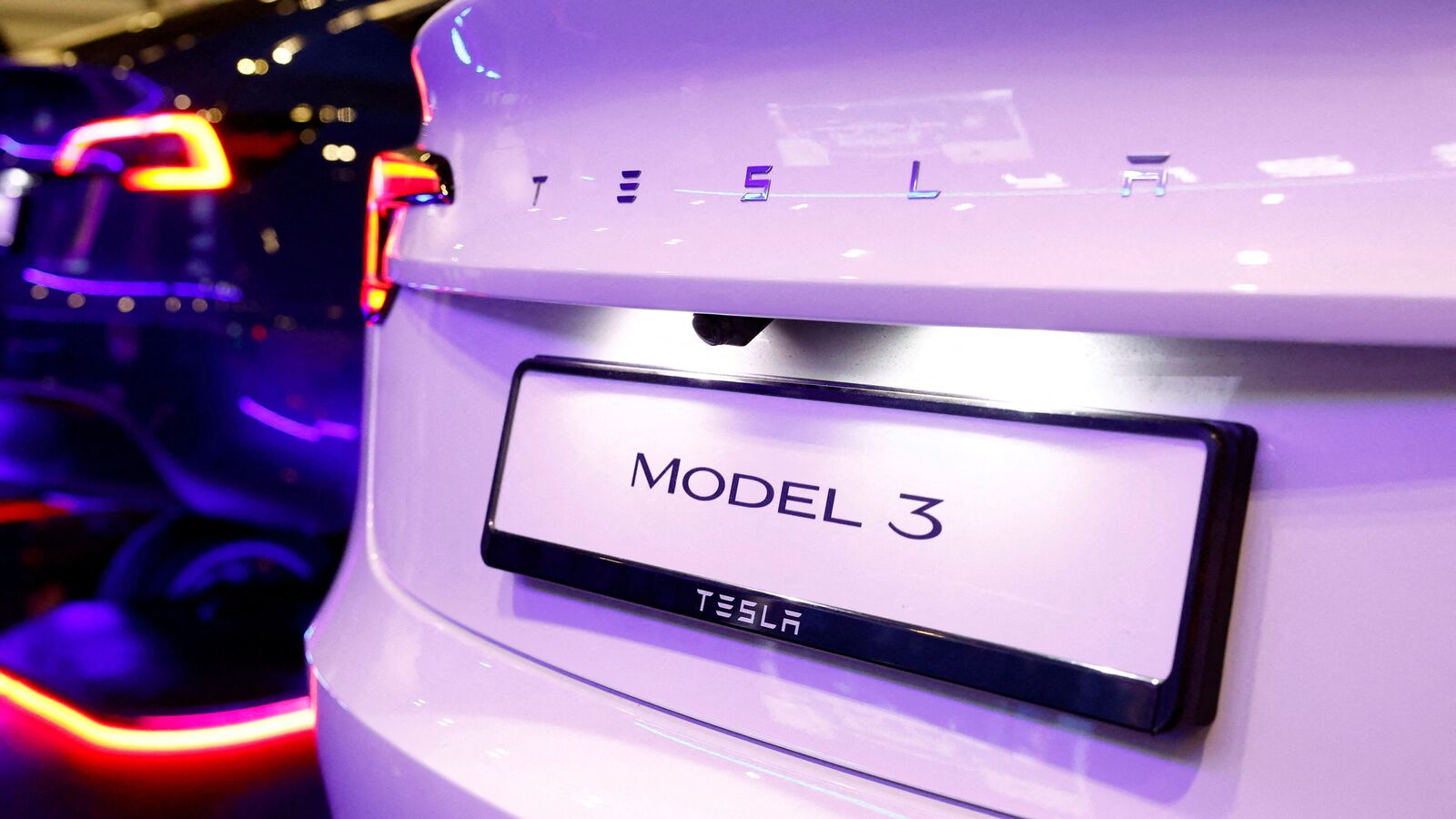
Tesla has started production of right-hand drive electric cars in its Giga Berlin plant focusing on the Indian market.
Tesla has started production of right-hand drive electric cars in its Giga Berlin plant focusing on the Indian market. (REUTERS)
Tesla has kicked off production for India-bound electric cars at its Giga Berlin facility, claims an HT report. The electric car manufacturer has started producing right-hand drive cars for the Indian market in its Berlin factory and hopes to have them on the roads of this country by the end of 2024, the report has stated quoting a person familiar with the OEM’s plans. Produced in a small number, these electric cars would be used as test prototypes in the Indian environment. However, the person didn’t reveal which models of the auto company are being produced as the Indian market-spec right-hand driver versions. Expect the EVs like Model 3 and Model Y to reach Indian shores.
Interestingly, this news comes immediately on the heels of the report that Tesla is sending a team to India in the third week of April to scout for locations to set up its manufacturing facility in the country. The OEM is reportedly planning to set up its India plant with an investment of about $3 billion.
The report stated that Tesla is working on its India plan in two dimensions, export and manufacturing dimensions. This comes after the Indian government announced its new EV policy in March this year, in which the customs duties for importing electric cars were reduced to boost electric mobility in India as well as local manufacturing. Also, this policy mandated that the OEMs could enjoy lower customs duty only if they set up manufacturing facilities in India with a certain level of investment. The Indian government linked the policy to a simultaneous manufacturing investment commitment above a certain threshold, within a specified period, and with a strong localisation of the supply chain as well.
In November 2023, it was reported that Tesla was working on its proposed most affordable car, which is likely to be a two-door sedan or SUV, which is specially focused on the Indian market. This affordable EV is meant to debut in Germany and India will be the second market for the car. This electric car is meant to be manufactured in Giga Berlin only. However, with the Indian market in focus, it will be later produced in Tesla’s intended India manufacturing plant as well.
Tesla is reportedly considering Gujarat, Maharashtra and Tamil Nadu for its intended India manufacturing plant site, primarily because these are coastal states with major ports, which will allow Tesla to export the cars produced locally in the country to overseas markets. The report further stated that Tesla will possibly make the largest foreign direct investment in India, including a direct and immediate investment of $3 billion to produce its most affordable new small car. Besides that, there would be a $10 billion commitment from its other partners to support this manufacturing ecosystem in the country, and a cumulative $15 billion in the battery industry ecosystem as well.
By: HT Auto Desk | Updated on: 03 Apr 2024, 07:30 AM
Real Driving Emissions (RDE) come as a significant technological upgrade in the BS6 emission norms.
Real Driving Emissions (RDE) come as a significant technological upgrade in the BS6 emission norms.
It’s been one year and a day past, the second stage of Bharat Stage Six or BS6 emission norms has been implemented across India. A key element of the BS6 emission regulation is the Real Driving Emission (RDE) norms. In fact, it can be called the driving force behind the second phase of the BS6 emission norms.
While we know that the BS6 emission norm is the latest emission regulation, that the vehicle manufacturers in the country must comply with while developing and making their respective vehicles, the idea of RDE is not clear to many.
Also Read : India might revise upcoming vehicle emission norms? Here’s why
To clear up your confusion, here is a comprehensive fact sheet about the RDE.
What is RDE?
Currently, to comply with the BS6 norms, vehicle emission measurements and tests are largely tested and determined in the laboratory with artificial scenarios that replicate the real world without any external influence. This results in differences between emission data produced during the lab test and in the real world. Here comes the RDE which has been developed as a testing method to measure emissions in actual driving conditions rather than laboratories.
The RDE mandates that vehicle manufacturers equip their vehicles with a Portable Emissions Measurement System (PEMS). Also, the norms mandate that diesel vehicles must come with Selective Catalytic Reduction (SCR) systems onboard. The SCR uses Diesel Exhaust Fluid (AdBlue), which significantly reduces emissions of compounds such as nitrogen oxides (NOx) by converting pollutants into water, nitrogen and small amounts of carbon dioxide. This eventually reduces the overall tailpipe emission of the vehicle.
During the first phase of BS6 norms, automakers could comply with regulations through the Lean NOx Trap (LNT) system, which allowed sub-2.0-litre diesel engines to achieve lower pollution levels. The bigger diesel motors already upgraded to the SCR system during the initial phase of BS6 emission norms. However, with the second phase of BS6 enforced, the automakers will have to use more sophisticated and expensive SCR systems.
RDE impact on car buyers
While the automakers have been bearing the majority of the impact of RDE implementation, the consumers are facing the impact mainly in the form of price hikes for vehicles. In the last one year, several automakers have increased their passenger vehicles’ pricing significantly irrespective of variants and powertrains. The small cars too have seen a significant price hike overall. These price hikes can be attributed to the overall production cost surge owing to the new norms among others. come
By: HT Auto Desk | Updated on: 02 Apr 2024, 07:01 AM
Rapid surges in SUV sales have propelled the growth in rural market sales for all the carmakers in India, while demand for small cars has slumped sign
…
Rapid surges in SUV sales have propelled the growth in rural market sales for all the carmakers in India, while demand for small cars has slumped significantly.
Rapid surges in SUV sales have propelled the growth in rural market sales for all the carmakers in India, while demand for small cars has slumped significantly.
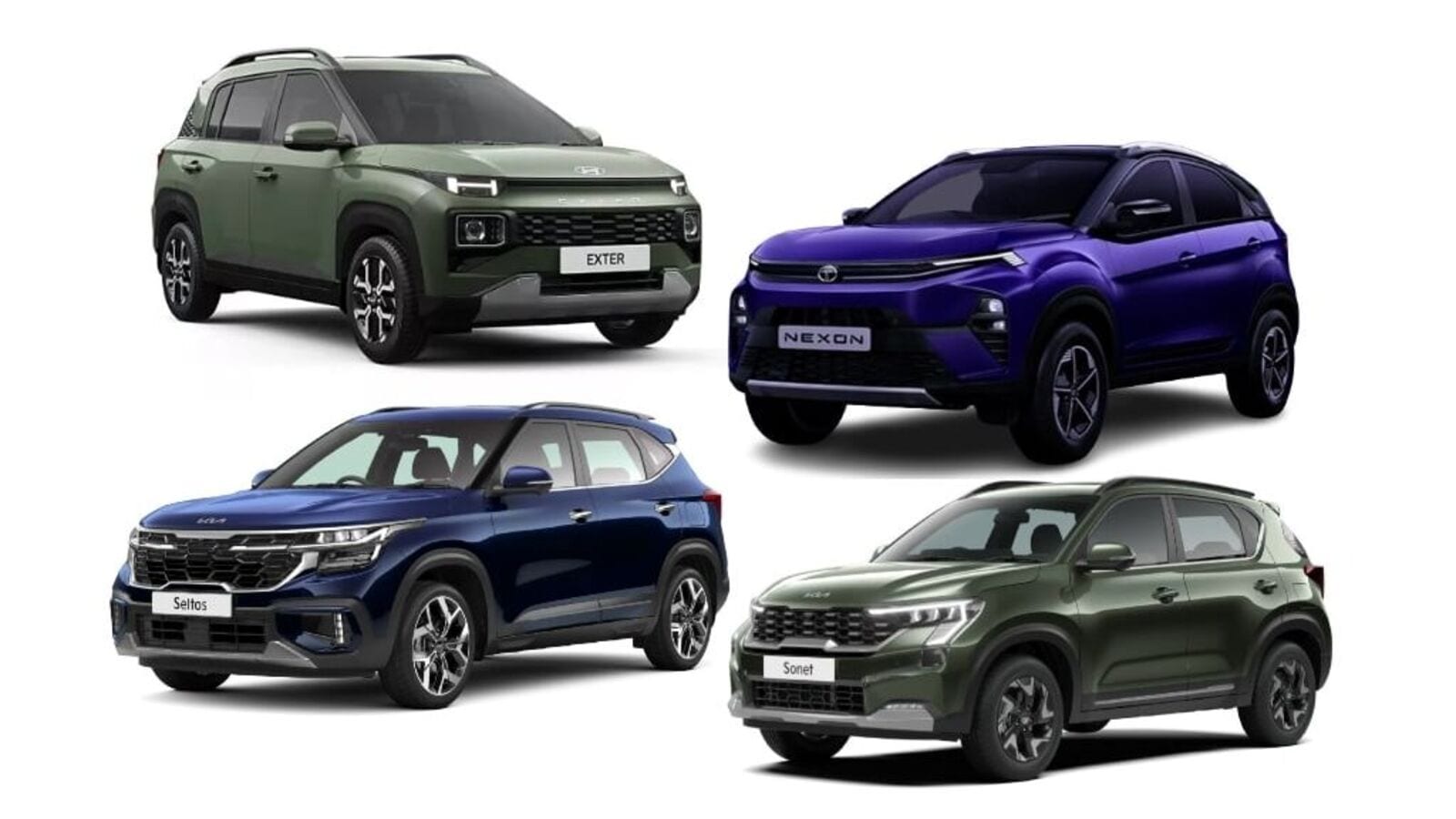
Rural India emerged as the driving force behind the record-breaking sales of passenger vehicle sales in FY24. After registering 41.2 lakh passenger vehicles in the CY23, now the Indian auto industry has sold 40 lakh PVs for the first time in a financial year in FY2024, reported Mint. Interestingly, this growth came despite the sliding numbers of hatchbacks, which conventionally remained the driving force behind the Indian passenger vehicle market as well as the rural PV sales.
The report has stated that in FY24, the Indian passenger vehicle market registered a total of 42.3 lakh units and one in every two cars sold in the country were SUVs. The overall passenger vehicle market in the country witnessed an 8.7 per cent year-on-year (YoY) growth over the 38.9 lakh cars sold in the previous financial year, which was another record for the Indian auto industry. Clearly, the sales of the passenger vehicles are on the momentum of creating incremental growth records over the last two financial years.
All OEMs register record rural sales
All the major car manufacturers in India reportedly witnessed all-time-high sales in rural markets in the last financial year. The demand and sales in the rural markets even overtook the urban markets, where the most preferred vehicles are SUVs.
Speaking on the rural demand and sales of Maruti Suzuki, the country’s most-selling passenger vehicle brand, Shashank Srivastava, executive committee member of Maruti Suzuki, said that sales for the OEM in the rural market were 7.87 lakh units, registering an 11 per cent YoY growth. He added that it was much better than the OEM’s urban market growth. “Rural sales of 7.87 lakh units this year, a growth of 11% year-on-year, have been much better than urban growth. Rural growth for the year is about 11% and urban growth is about 7%. And so, this is the highest-ever rural sales that we saw, which also should be a very good signal for the economy,” Srivastava said.
The second bestselling carmaker in India, Hyundai, attributed the rise in rural sales to multiple factors such as infrastructure development, increased access to information, and improved road quality across the country. Tarun Garg, Chief Operating Officer of Hyundai Motor India, said that rural sales for the OEM, for which SUVs account for more than 60 per cent of its total sales, reached a record 19.44 per cent in FY24, up from the previous year’s 18 per cent. This means that nearly one in every five Hyundai cars sold in India in FY24 were sold in rural areas. This signified a burgeoning consumer base beyond urban markets.
For homegrown auto major Tata Motors, rural sales contribute around 40 per cent to the OEM’s total sales. In the past five years, Tata Motors claims to have witnessed a five-times increase in rural market growth. The report quoted a Tata Motors spokesperson revealing that models like Tata Nexon, Punch and Tiago were the company’s highest-selling passenger vehicles in the rural markets in FY24. The OEM also attributed this sales surge to models like Punch CNG and Tiago EV.
What’s driving the surge in rural PV sales
The SUV segment in the Indian passenger vehicle market has been growing at a rapid pace over the last couple of years and it was no different in FY24. In the last fiscal, one in every two passenger vehicles sold in India, were SUVs, becoming the driving factor behind the overall PV sales growth as well as the rural market also. The segment reportedly registered its sharpest growth of 28 per cent in the last fiscal, while sales of hatchbacks or small cars accounted for 28 per cent of the total PV sales volume. The sales of hatchbacks witnessed a 12 per cent slump in the just concluded fiscal, compared to the FY23.
This comes as a major shift in trend. Earlier, the rural markets mostly preferred small cars at the entry level, but over the last couple of years that seems to have changed with aspirations of rural consumers also rising. Speaking on this, Shashank Srivastava said that the percentage sales of smaller cars is still higher in rural areas, but the overall segment construct of the markets is converging. Key factors such as rising rural incomes, higher internet penetration and connectivity are leading this change, Srivastava said. He also said the exponential growth in rural sales isn’t an isolated phenomenon, but a culmination of various factors fostering economic buoyancy in the countryside. “There seems to be a convergence in the segment choices of the rural and the urban consumers with a small lag of time,” the Maruti Suzuki official added.
By: HT Auto Desk | Updated on: 31 Mar 2024, 14:31 PM
Ahead of its official debut at the Beijing Motor Show on April 24, images of the Mini Aceman EV have been leaked online. The Aceman EV is set to play
…
Ahead of its official debut at the Beijing Motor Show on April 24, images of the Mini Aceman EV have been leaked online. The Aceman EV is set to play a key role in the automaker’s electric vehicle strategy.
The Aceman EV is set to play a key role in the automaker’s electric vehicle strategy (Coche Spias)
Mini has discontinued its Clubman model to make way for the Aceman EV, an electric vehicle that will play a crucial role in the automaker’s electric vehicle strategy. Set to debut at the Beijing Motor Show on April 24, leaked images of the Aceman showcase a design reminiscent of Mini’s larger Countryman model, positioning the Aceman between the smaller three-door Cooper and the Countryman in Mini’s lineup.
The Aceman EV retains most design elements from the Aceman concept displayed in 2022, with leaked images confirming a range-topping John Cooper Works (JCW) variant featuring larger alloys, low-profile tires, and racing-inspired decals. Compared to the Cooper hatch, the Aceman is 192mm longer, 23mm wider, and 130mm taller.
Inside, the Aceman will feature Mini’s new round touchscreen, touted as the first circular OLED touch interface in a production car. Traditional toggle switches and steering wheel buttons for media functions, drive modes, and cruise control will also be retained.
Also Read : Mini pulls plug on this car, makes room for electric Aceman
The Aceman will utilise a stretched version of Mini’s Spotlight Architecture, similar to the electric Cooper SE hatchback. The EV will be offered in two trim options – E and SE. The E will come as the base model and will get a single front axle-mounted electric motor paired with a 40 kWh battery pack. It will promise up to 300 km range on a single charge.
The top variant SE will get a bigger 54 kWh battery pack promising up to 400 km range on a single charge.While the range of the Aceman has not been officially disclosed, the specified battery sizes suggest a potential range of up to 400km.
By: HT Auto Desk | Updated on: 30 Mar 2024, 18:52 PM
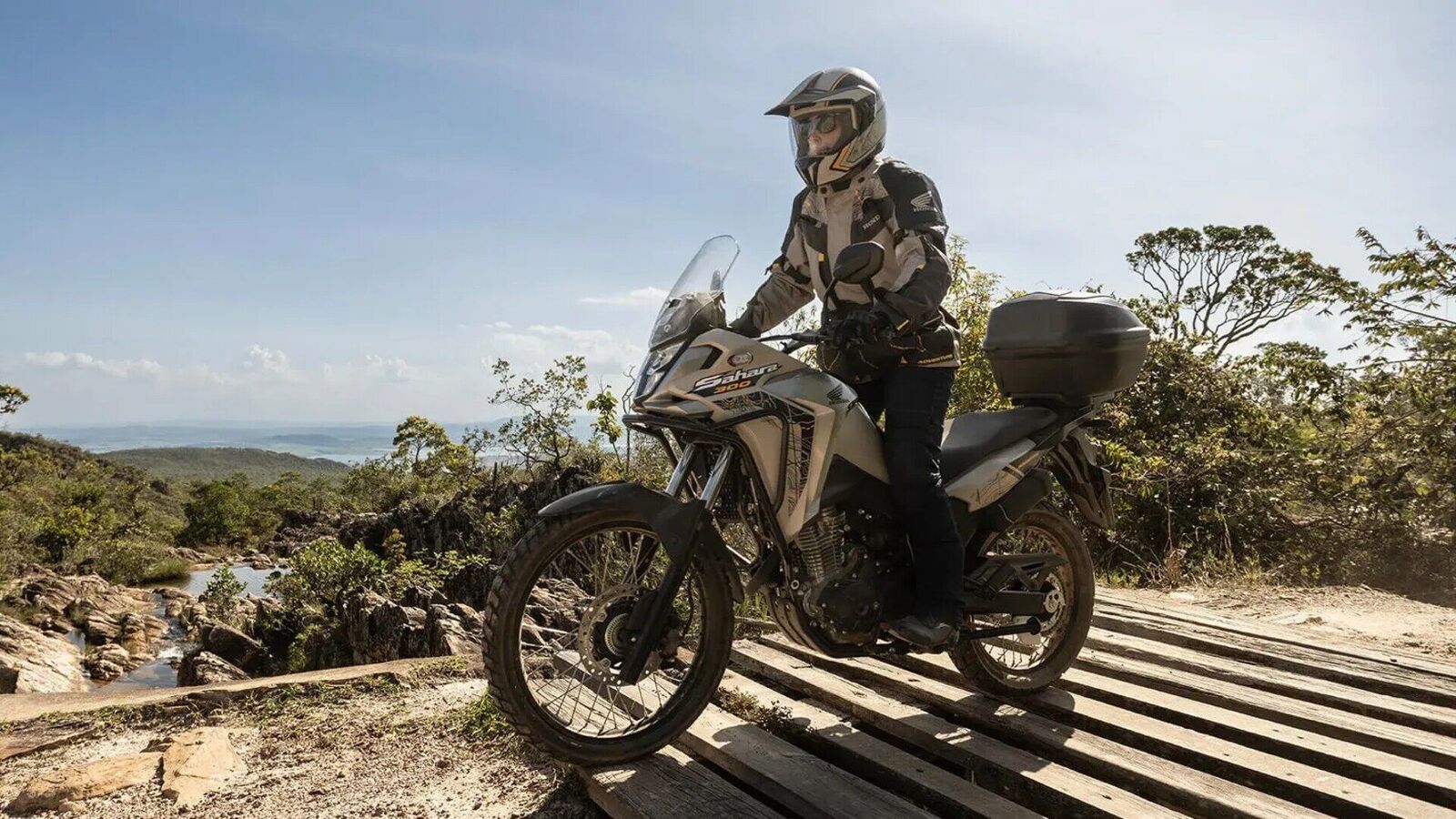
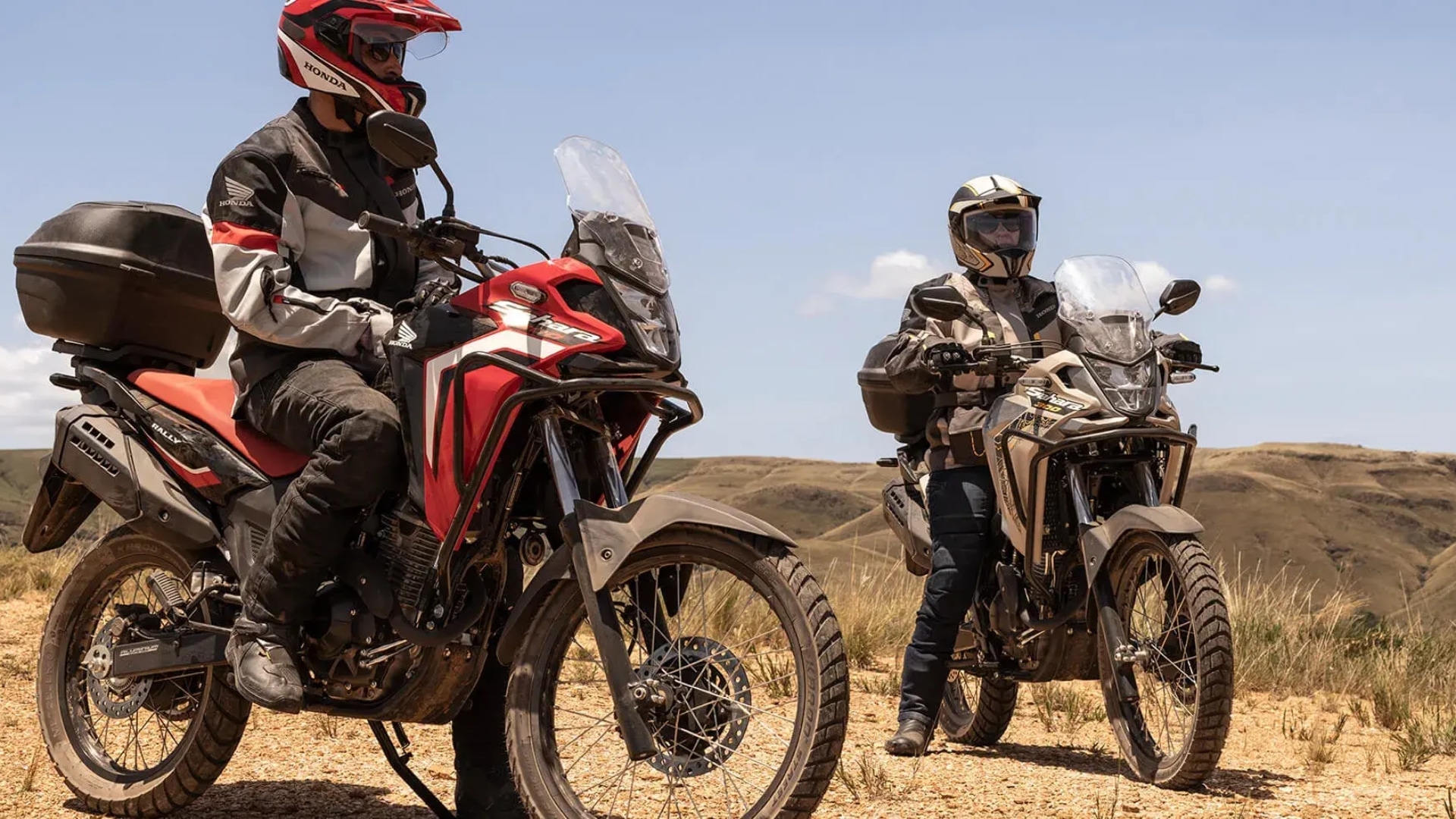
Honda Sahara 300 replaces the famed XRE 300 in Brazil and is more in line with the Honda CB range of adventure motorcycles.
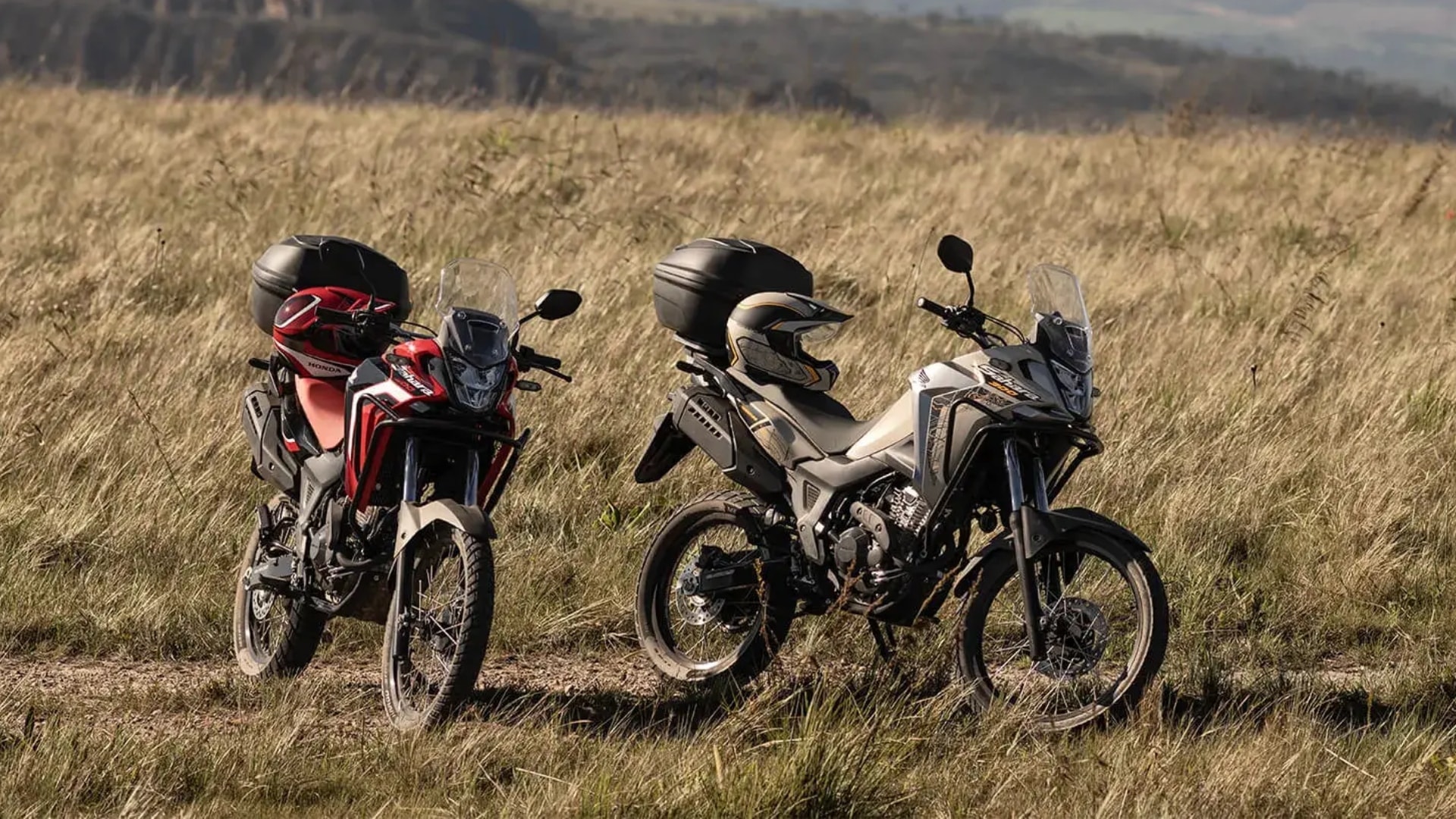
The Honda Sahara 300 is the successor to the very popular XRE 300 in Brazil and comes with all-new styling, a flex-fuel motor and immense off-road capability
Honda Motorcycle Brazil has introduced the new Sahara 300 to its market, bringing a new and more accessible adventure motorcycle to its stable. The new Honda Sahara 300 replaces the famed XRE 300 in the brand’s stable and the new offering is more in line with the manufacturer’s CB range of adventure motorcycles.
The new Honda Sahara 300 gets a complete redo over the XRE 300 with new body panels, more features and a revised motor. The feature list comprises a new digital instrument console, a Type-C USB charger, dual-channel ABS, pre-load adjustable suspension and more. The styling is identical to the Honda CB500X, albeit in a more skeletal and leaner form.
Also Read : Honda Motorcycle & Scooter India achieves major milestone, sells 6 crore units
The Honda Sahara 300 is powered by a 293 cc air-cooled, SOHC motor that can run on ethanol and petrol. It makes more power on ethanol
Power on the Honda Sahara 300 comes from the 293 cc, single-cylinder, air-cooled, SOHC motor. This is starkly different from the DOHC setup on the older XRE 300. The new engine is E100-compatible and is capable of churning out more power on ethanol in Brazil. The motor develops 25.2 bhp on ethanol as against 24.8 bhp on petrol, while peak torque stands at 27 Nm. The engine is paired with a 6-speed gearbox. With a kerb weight of just 149 kg, the Sahara 300 is light on its feet. However, the tall seat height of 859 mm may not be favourable for Indian customers.
Other components include telescopic forks at the front with 245 mm of travel while the rear gets a monoshock with 225 mm of travel. The bike rides on 21-inch front and 18-inch rear wire-spoked wheels. The Sahara 300 is available in three variants in Brazil – Standard, Rally and Adventure. Prices start from 27,090 Real (approx. ₹4.50 lakh) for Standard, 27,690 Real (approx. ₹4.60 lakh) for Rally, and 28,650 Real (approx. ₹4.76 lakh) for Adventure.
The Honda Sahara 300 ADV is available in three variants – Standard, Rally and Adventure
There’s no word if Honda plans to introduce the Sahara 300 in other markets, particularly India. The model would slot rather well between the CB200X and CB500X, should it be built and sold here. That said, rumours are rife of Honda India developing a new adventure motorcycle based on the CB350 platform. The company though is yet to confirm any details.
By: Paarth Khatri | Updated on: 29 Mar 2024, 19:04 PM
Ultraviolette currently only has F77 in the Indian market.
Image used for representational purposes only.
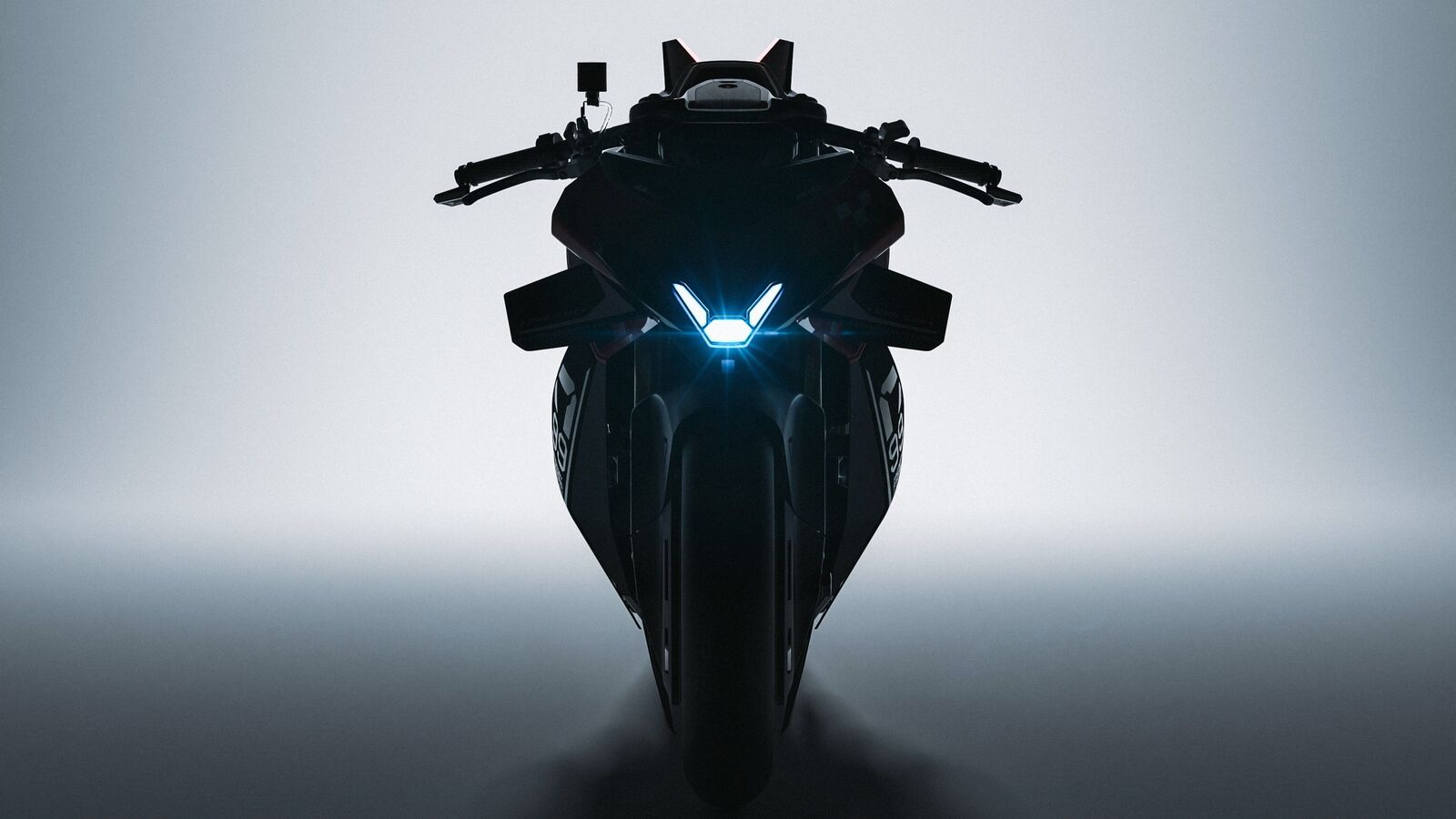
Ultraviolette has sent out an invite for 24th April. While the company has not officially revealed what it plans to do, it is expected to be a new product. The invite they sent out says ‘Flight Mode’ so it can be a new variant or a special edition of the F77 which is their electric motorcycle. There is also a possibility that Ultraviolette is working on a new OTA update for the motorcycle which will be revealed on the said date. Having said that, we would have to wait for the official confirmation to come from the brand. It can be expected that Ultraviolette will start releasing teasers closer to the event date.
One thing that we noticed is that earlier the brand revealed its F99 Racing Platform which is inspired by aviation and racing. Flight Mode is also a term that is associated with aviation so there is a possibility that the brand will showcase the F99 in the concept or production form at the event.
Ultraviolette F99 has a peak power output of 118 bhp which can provide a top speed of 265 kmph. The motorcycle weighs just 178 kg and can accelerate from 0-100 kmph in just 3 seconds.
It comes with a bodywork made up of carbon fibre while the frame is made up of steel hybrid construction and the swingarm is made up of aluminium. There are 17-inch alloy wheels, the front one measures 180/55 whereas the rear one measures 120/70. The wheelbase is 1,400 mm and the height is 1,050 mm.
Also Read : Ultraviolette enters Turkiye with the F77 e-motorcycle, forays into Europe
Ultraviolette recently entered Europe with kickstarting operations in Turkiye. The company showcased theUltraviolette F77 performance electric motorcycle at the Motobike Istanbul 2024 at the K-Rides pavilion. The F77 is the brand’s flagship offering and is made in India and will be exported from the manufacturer’s facility near Bengaluru.
By: Sameer Fayaz Contractor | Updated on: 28 Mar 2024, 21:56 PM
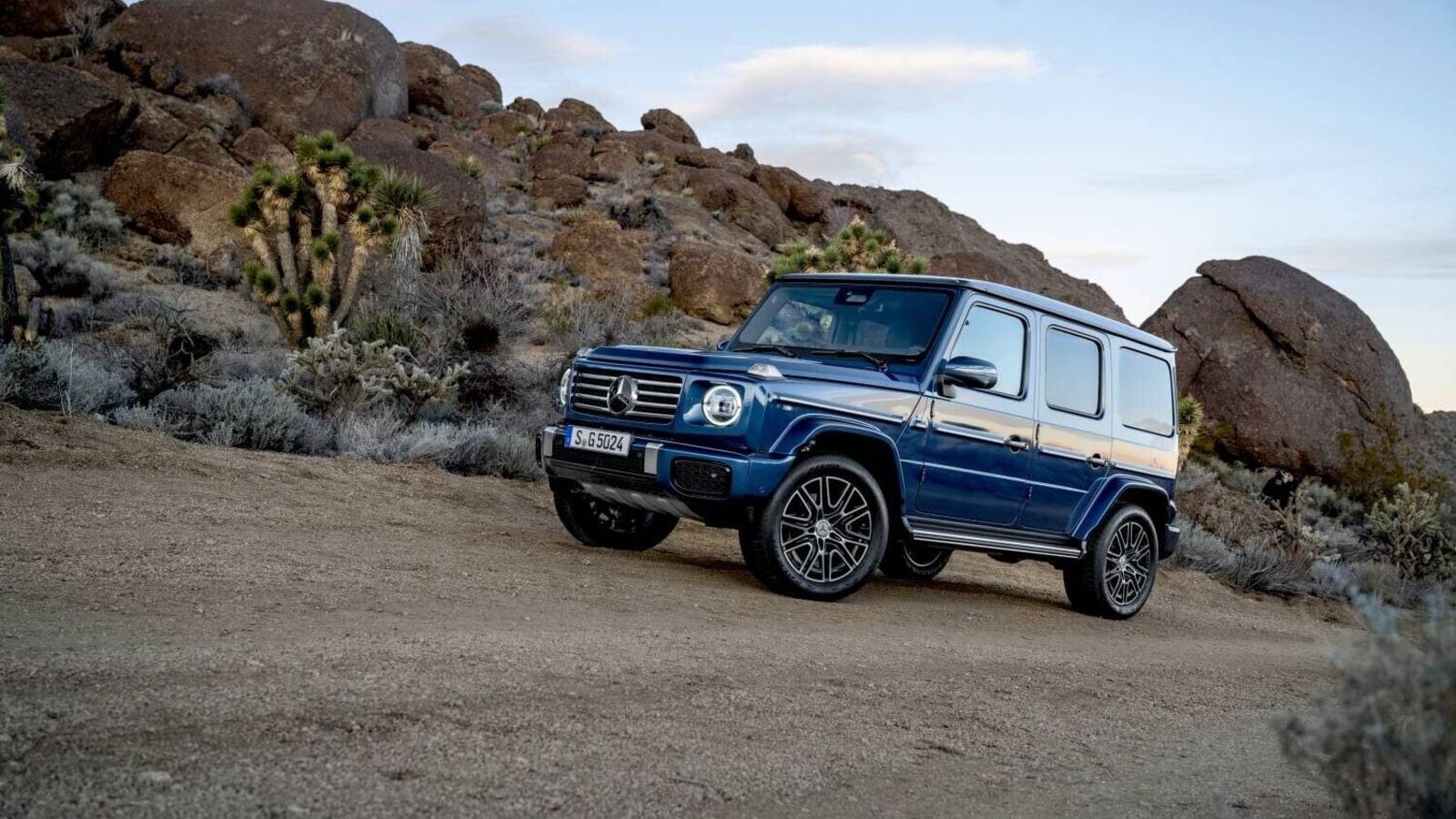
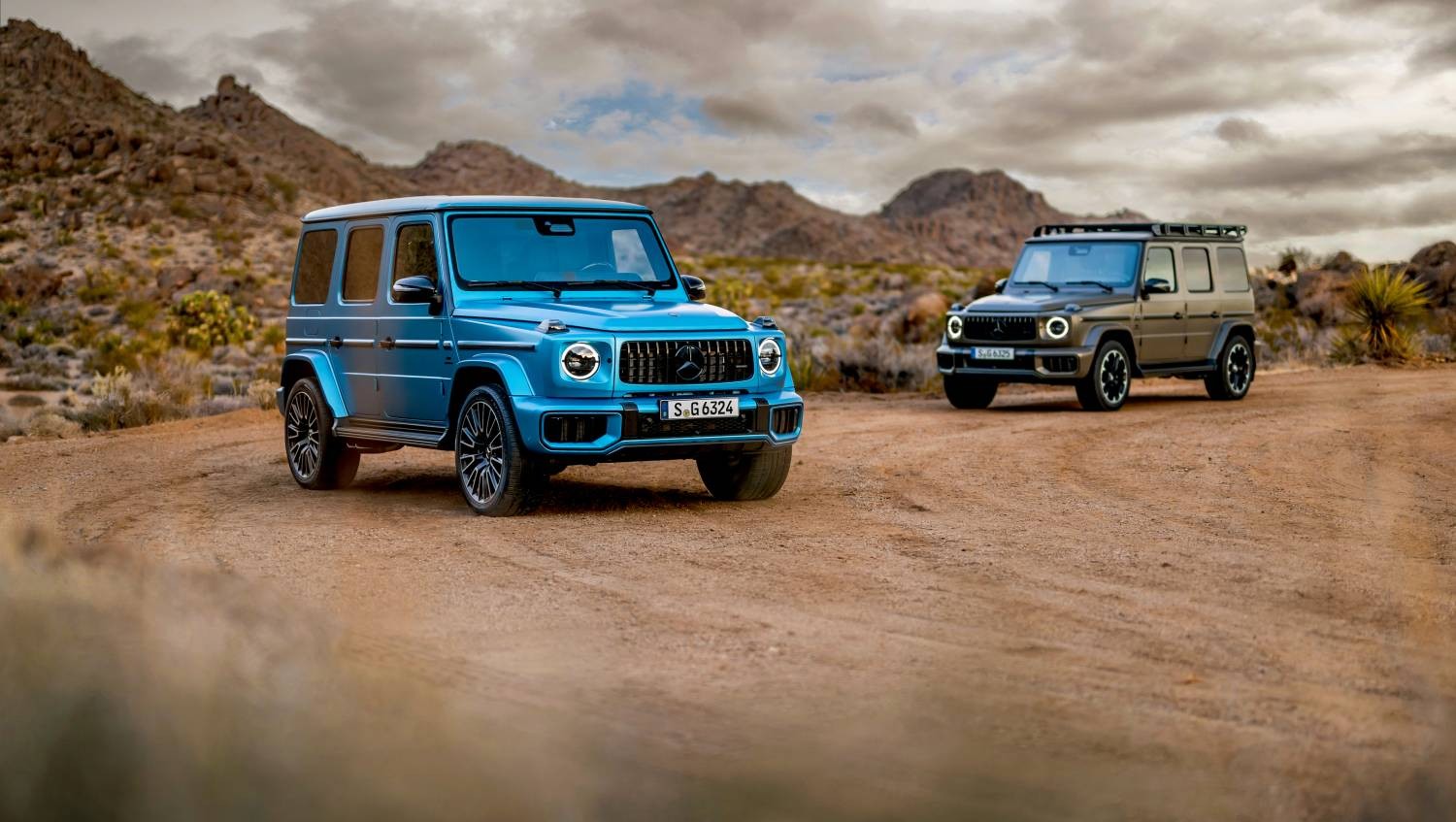
The 2025 Mercedes-Benz G-Class now comes with mild-hybrid engines across the range, more features, and driver assistance systems.
The 2025 Mercedes-Benz G-Class now gets the 48-volt mild-hybrid system as standard across the range, while gaining power on both petrol and diesel versions
Mercedes-Benz has taken the wraps off the 2025 G-Class facelift bringing key updates to the boxy off-roader. The 2025 Mercedes-Benz G-Class now comes with mild-hybrid engines across the range, more features, and driver assistance systems. Mercedes-Benz has revised the lineup to feature three variants with a straight six petrol or diesel and the top-spec AMG.
The 2025 Mercedes-AMG G63 has also been revised and continues to sport the 4.0-litre twin turbo V8 that develops the same 585 bhp and 850 Nm. The engine now comes with the mild-hybrid tech with the slight performance boost, which helps the performance SUV to sprint from 0-100 kmph in 4.2 seconds. The G63 also gets the new Active Ride Control suspension, while the G 550 now comes with the Transparent Hood feature that gives you a look under the bonnet of the SUV, making it a crucial feature when off-roading.
Also Read : Mercedes-Benz GLC gets a plug-in variant with 308 bhp & 217 kmph top speed
The 2025 Mercedes-Benz G-Class will make it to India sometime next year
The 2025 Mercedes-Benz G 500 or G 550 (depending on the market), now comes with a new 3.0-litre straight-six turbo petrol engine dropping the V8 motor on the predecessor. The engine develops 443 bhp and 560 Nm of peak torque, and comes with the 48-volt mild-hybrid system that provides a boost of 20 bhp and 200 Nm for improved performance and efficiency.
The new six-cylinder is more powerful when compared to the 416 bhp produced by the older V8, while peak torque has gone down with the V8 producing 610 Nm. The engine is paired with a 9-speed automatic transmission that sends power to all four wheels with three differential locks and a low-range function.
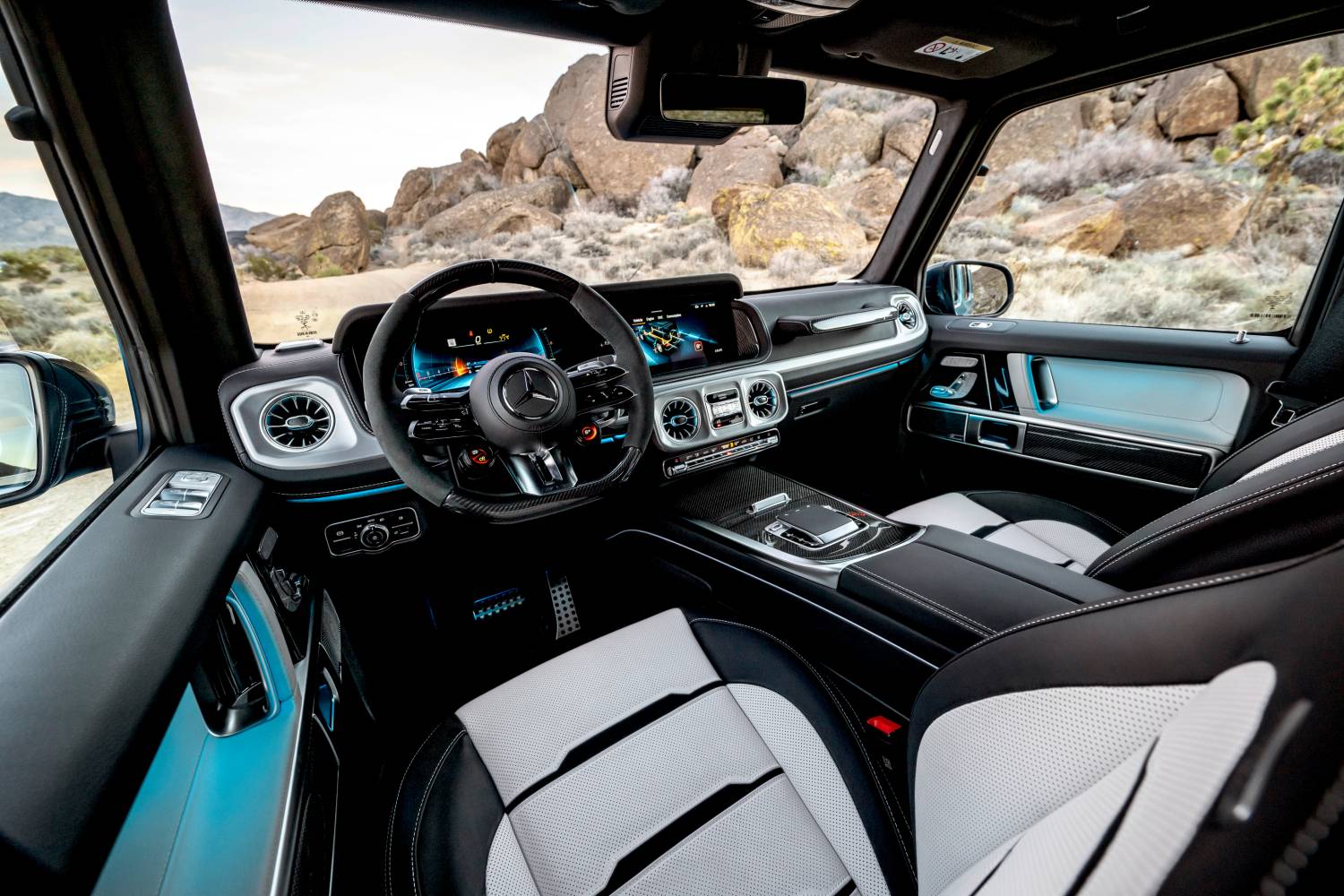
The 2025 Mercedes-Benz G-Class gets a subtle upgrade to the interior, notably adding more features and tech
Mercedes has also brought the G 450d to replace the G 400d diesel variant. The variant come with 3.0-litre, inline-six turbo diesel with mild-hybrid tech that produces 362 bhp and 750 Nm of torque. Othe upgrades including a new infotainment setup with the latest MBUX UI. The SUV also comes with wireless charging, climate control cupholders and two new 11.6-inch touchscreen units for the rear passengers.
By: HT Auto Desk | Updated on: 27 Mar 2024, 18:29 PM
The new Suzuki V-Strom 800DE is all set to take on the middleweight adventure motorcycle segment with the launch expected on March 29, 2024.
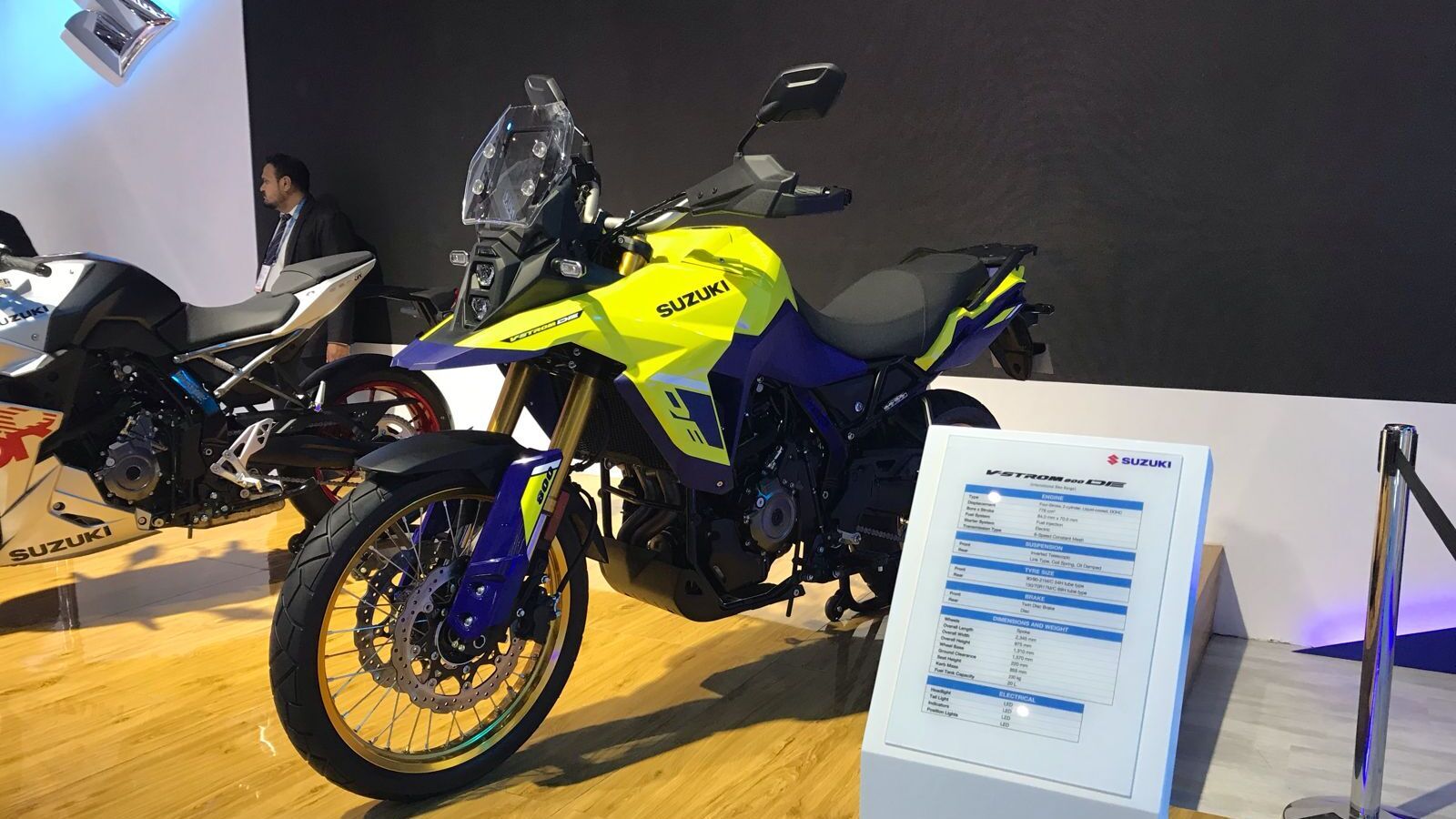
The Suzuki V-Strom 800DE on display at the Bharat Mobility Global Expo earlier this year
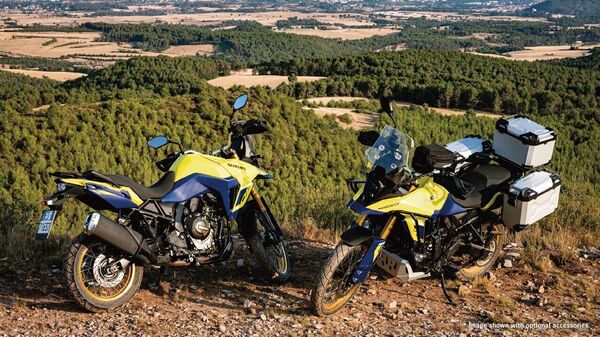
Suzuki Motorcycle India is all set to bring the V-Strom 800DE adventure tourer to the market soon. Expected to go on sale as early as March 29, 2024, the new Suzuki V-Strom 800DE replaces the V-Strom 650 in the brand’s lineup globally and is all set to take on the middleweight adventure motorcycle segment. Suzuki showcased the V-Strom 800DE at the Bharat Mobility Global Expo 2024 earlier this year, hinting at an imminent launch.
Suzuki has dropped the teaser for the V-Strom 800DE on its social media handles while the bike was also spotted testing on several occasions. The new adventure tourer gets a complete overhaul in design, performance and features over the older 650 cc offering. Power now comes from a newly-developed 776 cc parallel-twin, liquid-cooled engine replacing the 649 cc V-Twin. The motor develops 83 bhp and 78 Nm, paired with a 6-speed gearbox and a bi-directional quickshifter.
Also Read : Suzuki V-Strom 800DE unveiled with a new powerful engine
The Suzuki V-Strom 800DE swapped its V-Twin motor for a more power and higher displacement parallel-twin engine along with a host of other upgrades
The Suzuki V-Strom 800DE also comes with sharper styling and a tall stance, while other hardware components include USD forks at the front and a remote preload adjustable monoshock at the rear. Braking performance comes from dual 310 mm front discs and a single disc at the rear. The ADV gets dual-channel ABS as standard. The V-Strom 800DE rides on 21-inch front and 17-inch rear spoke wheels wrapped in 110/80 front and 150/70 rear tubeless tyres.
On the feature front, the V-Strom 800DE gets all-LED lighting, a 5-inch TFT digital instrument console, multiple ride modes, traction control, and more. The new adventure tourer marks Suzuki’s return to the big bike segment in India after a couple of years. The Suzuki V-Strom 800DE is expected to be priced around ₹10-11 lakh (ex-showroom), and will be competing with the Honda XL750 Transalp, BMW F 850 GS, Triumph Tiger 900, Kawasaki Versys 650 and the like in the segment.
By: HT Auto Desk | Updated on: 26 Mar 2024, 18:11 PM
The upcoming air module vehicle has been codenamed X3-F and is now a step closer to flight certification and customer deliveries.
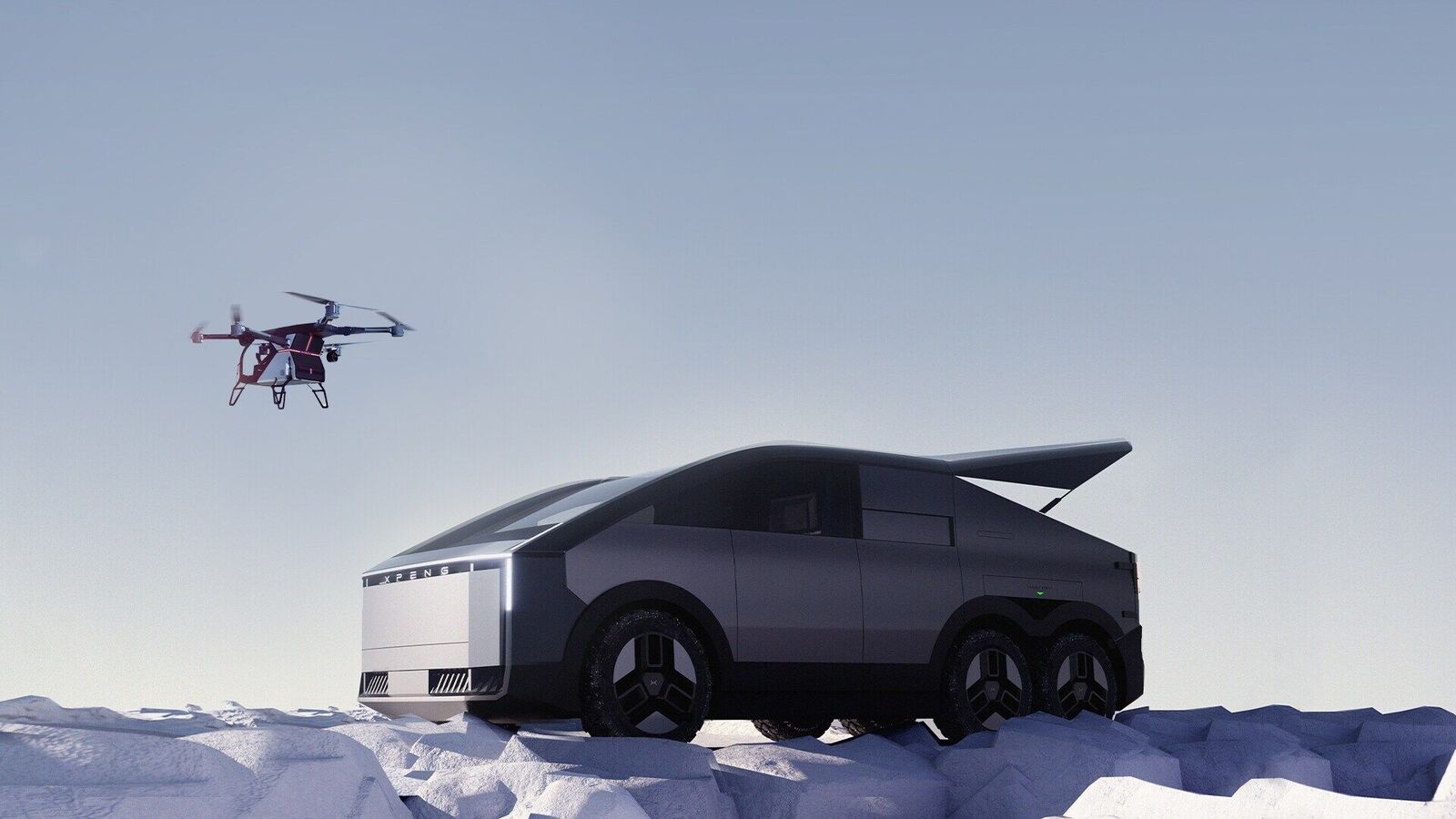
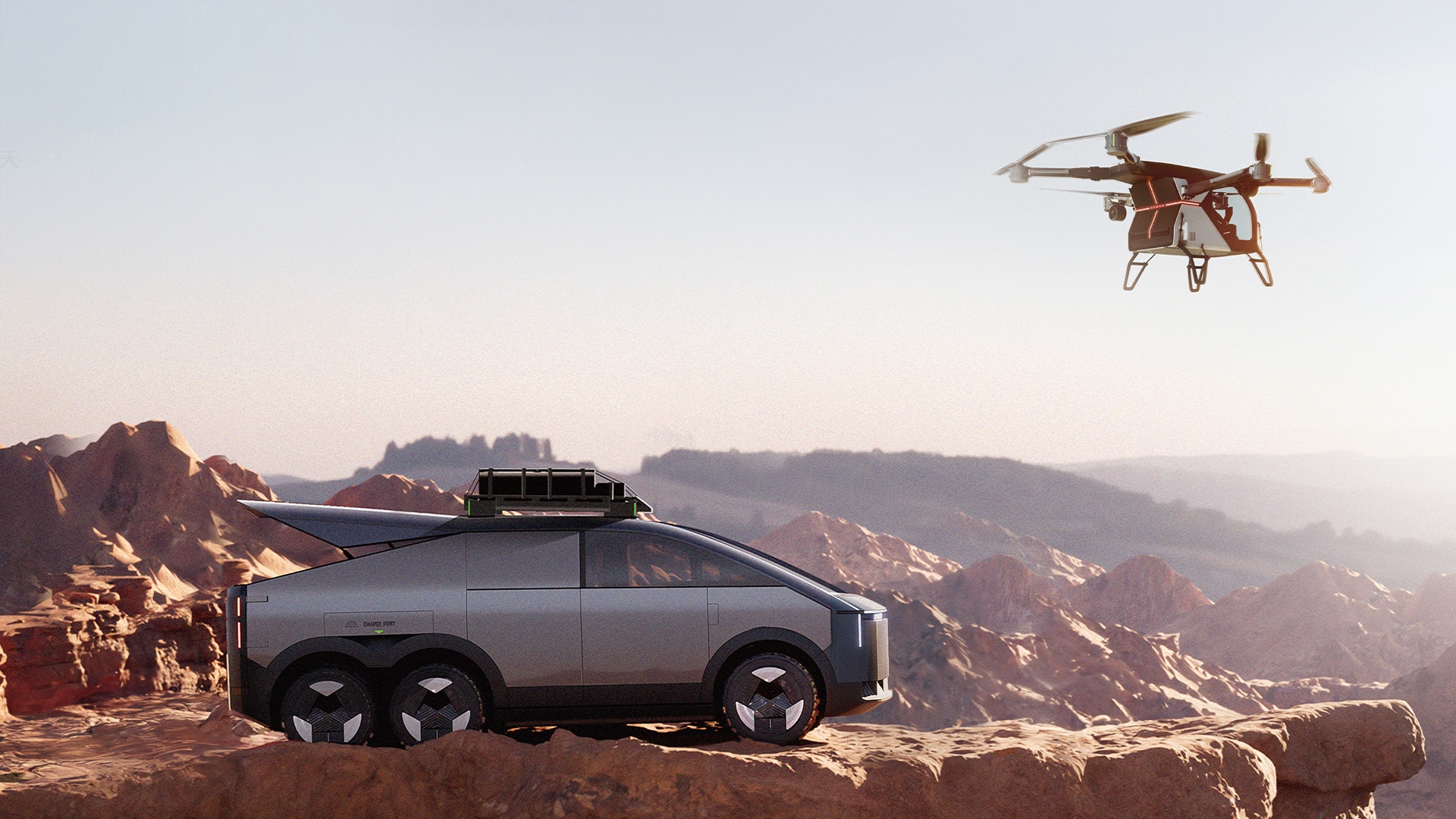
The XPeng AeroHT eVTOL flying car is now a step closer to flight certification and customer deliveries
Chinese auto giant, XPeng has announced receiving the design certification for its upcoming flying car. The company’s eVTOL (electric vertical take-off and landing) arm, Aero HT, is now closer to commencing commercial operations with its flying cars in China. The upcoming air module vehicle has been codenamed X3-F and is now a step closer to flight certification and customer deliveries.
XPeng previously showcased two new flying car designs at the company’s annual 1024 event last year – the X3 and a modular EV that could transport a separate eVTOL in its rear. The X3 could drive, park and take off on its own, learning much from the older X2 “flying car” developed by the company. The modular EV is now being developed to be brought into production in 2025 ahead of customer deliveries in China.
Also Read : XPeng unveils plan to go beyond cars with AI, flying car, robot.
The XPeng AeroHT eVTOL flying car will be able to navigate the roads and skies simultaneously
AeroHT’s new modular eVTOL will be able to navigate the roads and skies simultaneously. The company says its modular flying car is now “one step closer” to achieving this feat. The X3-F EV/eVTOL combo has had its Type Certificate application accepted by the Civil Aviation Administration of Central and Southern China (CAAC).
The certification applies specifically to the eVTOL air module portion of the upcoming offering, which comprises a 6×6 All-Wheel-Drive (AWD) ground modular for the EV. XPeng AeroHT says that having received the design certification from CAAC, the company is now looking forward to seeking airworthiness certification.
Once approved, AeroHT will be able to begin scaled production of the modular eVTOL with customer deliveries promised to begin by late 2025.
By: HT Auto Desk | Updated on: 25 Mar 2024, 17:52 PM
The new offering has been dubbed the Citroen C3X and is touted to be a crossover between a sedan and a coupe SUV.
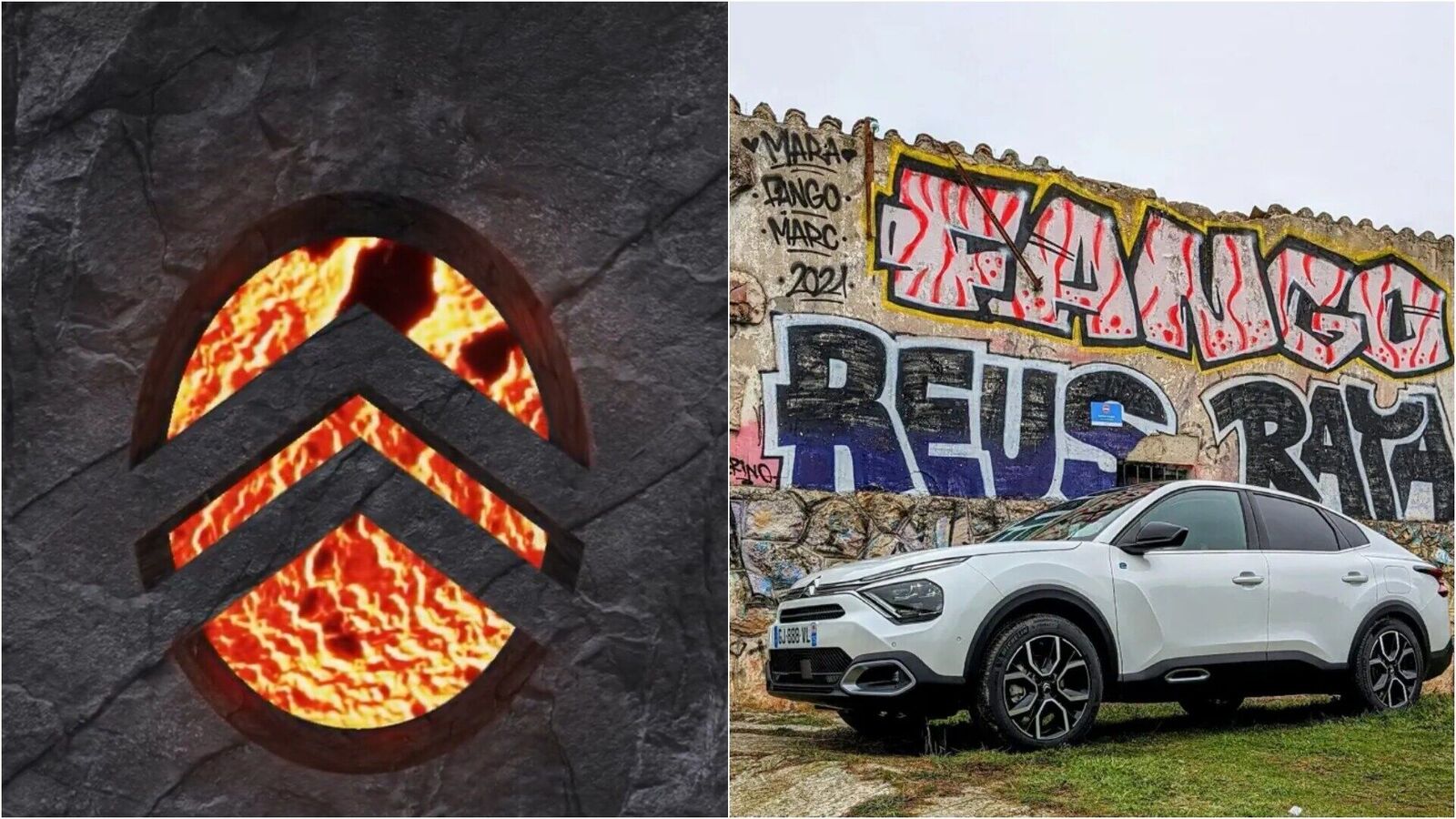
Citroen India has dropped a new teaser hinting at the launch of a new offering likely to be the C3X cross-sedan (Image used for representative purpose)
Citroen India will be introducing its fourth product in the country this year. This will be the brand’s third made-in-India offering based on the C-Cubed platform, which has been specifically developed for the Indian market. The new offering has been dubbed the Citroen C3X and is touted to be a crossover between a sedan and a coupe SUV. While the C3X was only an announcement so far, a new teaser by the automaker on social media hints at its imminent arrival.
The teaser video gives away little barring the line “Sophistication sculpted from dominance” along with a fiery Citroen logo. However, we do know that the C3X will be a cross-styled offering between a sedan and an SUV. Previous spy shots have suggested prominent styling cues including the split headlamp design that’s common to the C3 family, along with details like the lift-style door handles, a raked C-pillar, and a notchback-styled boot.
Also Read : Citroen C3, eC3 & C3 Aircross to get 6 airbags as standard
The Citroen C3X will be a high-riding sedan along the lines of the Volvo S60 Cross Country that was on sale globally a few years ago. The idea essentially brings SUV properties to the sedan with a higher ground clearance, coupe-like roofline, taller driving stance and more, while retaining the salient qualities of a sedan including the spacious second row, a sizeable boot, good handling and more.
The interior is expected to carry several components from the C3 family including the overall layout and features. Expect to see a large touchscreen infotainment system with Apple CarPlay and Android Auto compatibility, cube-like air-con vents, as well as a digital instrument console. Recent reports did suggest that Citroen was working on making the C3X more feature-rich over the C3 hatchback and C3 Aircross SUV, given the lukewarm response to these models so far.
Also Read : Citroen eC3 secures zero stars in Global NCAP crash test.
The Citroen C3X is expected to draw power from the 1.2-litre turbo petrol PureTech engine that also powers the C3 and C3 Aircross. The motor develops 108 bhp and 190 Nm of peak torque. Expect transmission options to include a 6-speed manual, while Citroen should offer an automatic option right from the launch.
Also Watch: Citroen C3 Aircross SUV: First drive review
The C3X will be competing in the crowded compact sedan segment against the Hyundai Verna, Honda City, Volkswagen Virtus, Skoda Slavia and Maruti Suzuki Ciaz. The Citroen offering though promises to hold its own given the unique design proposition, while an aggressive price tag should also work in its favour. We expect more details to unfold in the coming weeks.
By: HT Auto Desk | Updated on: 24 Mar 2024, 17:20 PM
A study by the Global Trade Research Initiative (GTRI) stated that the Indian government’s push for electric vehicles may result in large-scale entry
…
A study by the Global Trade Research Initiative (GTRI) stated that the Indian government’s push for electric vehicles may result in large-scale entry of Chinese companies into the country’s domestic market.
A study by the Global Trade Research Initiative (GTRI) stated that the Indian government’s push for electric vehicles may result in large-scale entry of Chinese companies into the country’s domestic market. (REUTERS)
The Indian government has been pushing hard for electric mobility over the last few years. As part of its commitment towards carbon neutrality, the Indian government has been encouraging the automakers to thrive for electric vehicles, which will help reduce the country’s vehicular emissions. However, this push to boost the domestic manufacturing of electric vehicles may result in large-scale entry of Chinese automakers into the Indian domestic market, claimed a report by the think tank Global Trade Research Initiative (GTRI).
The findings come at a time when the global automobile industry is witnessing a massive rise in Chinese auto companies, which are aggressively thriving to grab the electric vehicle markets across different continents with their affordable offerings, aided by substantial support from the Chinese government. Speaking about the projection, GTRI has said that China’s automotive industry, buoyed by substantial state support, has grown rapidly in electric vehicle technology, making it a major exporter of EVs and related components.
Watch: BYD Seal EV launched in India: Worry for Hyundai Ioniq 5, Kia EV6?
The report also stated that the renewed policy push to make India a hub for electric vehicle manufacturing and efforts of the private sector will result in a sharp increase in dependence on auto component imports from China. Interestingly, India’s auto component imports were $20.3 billion in 2022-23 and about 30 per cent of it came from China. As electric vehicles are getting greater focus in India, the auto component imports from China may increase further because it has a greater hold over the EV components’ global supply chain, the report said.
Currently, China has 75 per cent of the world’s battery production capacity and battery packs account for 40 per cent of the total sticker price of an electric vehicle. China also accounts for more than 50 per cent of global electric vehicle production and exports to markets around the world. While making projections about the Indian electric mobility scenario, the report said that in the next few years, every third electric vehicle and many passenger and commercial vehicles on Indian roads could be those made by Chinese auto companies. These could be directly by the Chinese OEMs or through joint ventures with Indian companies.
The report also stated that entry to the Indian market could provide a major relief to Chinese companies, as their exports to the European Union and the United States are declining owing to anti-subsidy probes and increased trade restrictions over the export of subsidised cars and EV batteries. Interestingly, this projection comes on the heels of the introduction of JSW MG Motor India, a joint venture between China’s SAIC and Indian conglomerate JSW Group. Forming the JV, the two companies announced that under the JSW MG Motor India, there will be an investment of ₹5,000 crore in India to enhance the production capacity locally. Also, the company aims to launch one new car in India every three to six months starting in September 2024.
By: HT Auto Desk | Updated on: 23 Mar 2024, 18:16 PM
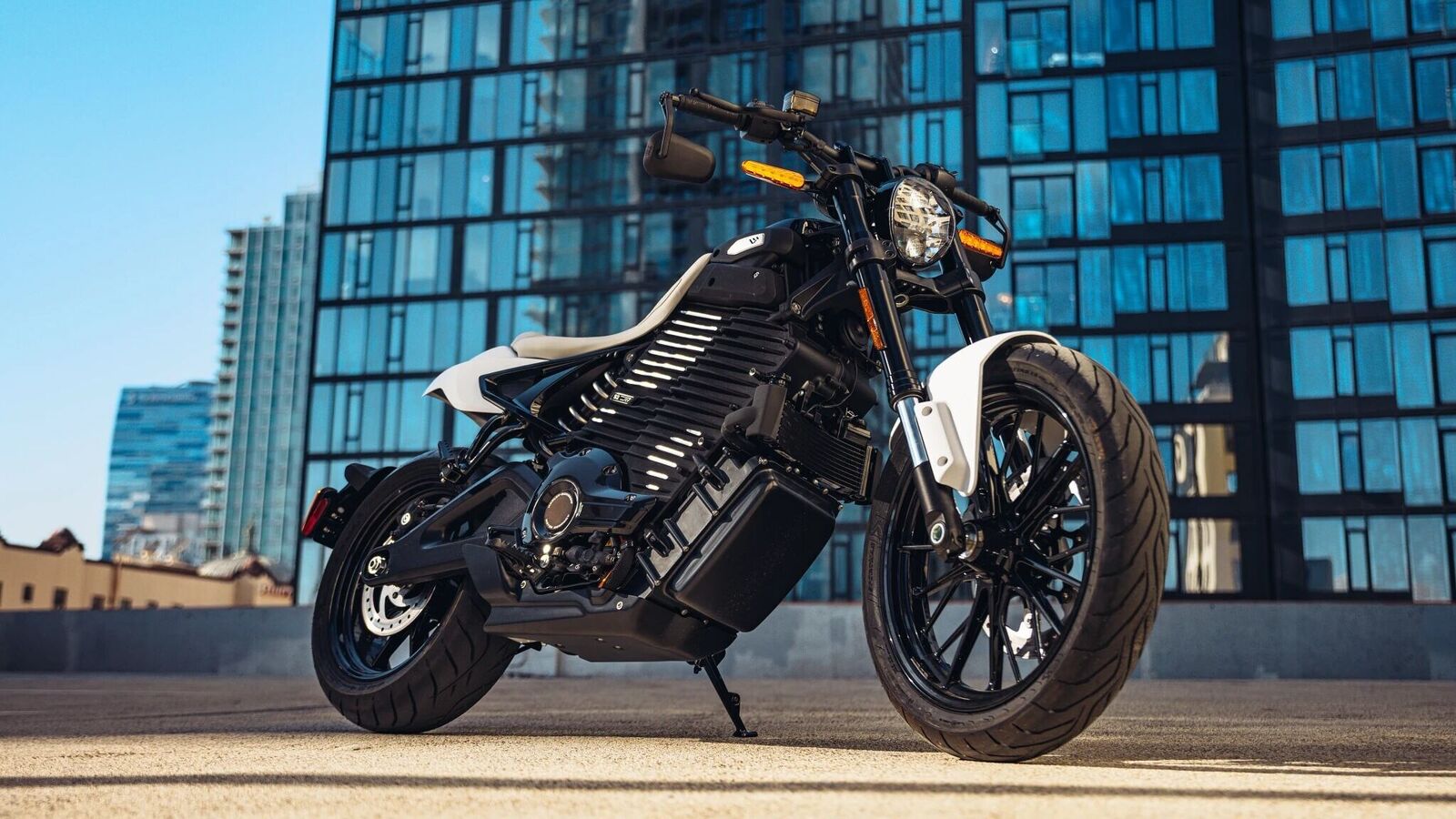
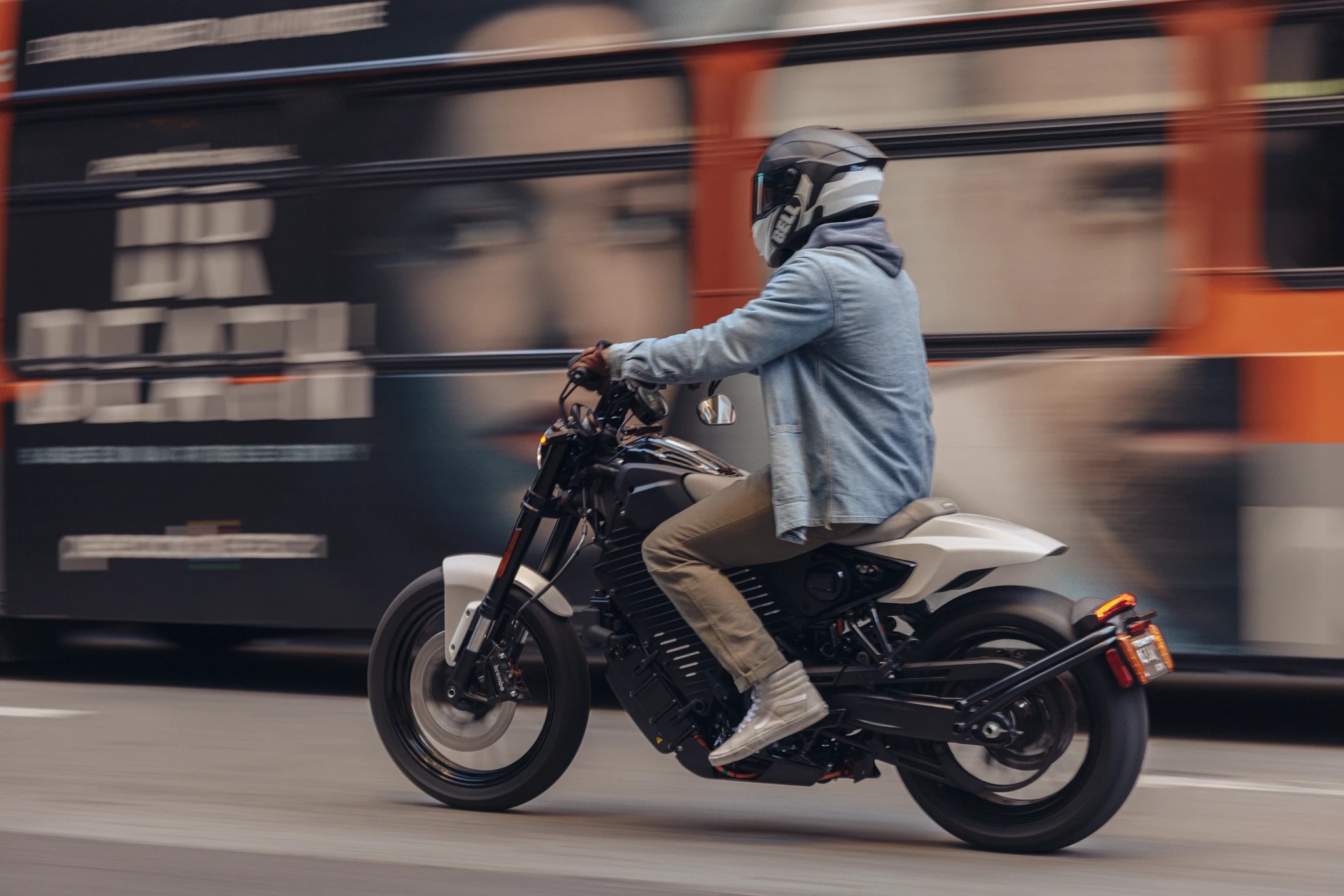
The new LiveWire S2 Mulholland appears to be closer to cruising roots of Harley-Davidson with its bobber-inspired styling.
The LiveWire S2 Mulholland is a Harley-inspired electric cruiser and is now on sale in the US
Harley-Davidson’s electric motorcycle division, LiveWire has introduced the new S2 Mulholland electric cruiser, its fourth all-electric motorcycle. The new LiveWire S2 Mulholland joins the S2 Del Mar and S2 Del Mar Le in the brand’s stable is appears to be closer to Harley’s cruising roots, as against the roadster styling on the former electric motorcycles.
The S2 Mullholland is based on LiveWire’s S2 electric platform. The electric cruiser draws power from a 10.5 kWh battery pack, while power comes from a 63 kW (84 bhp) PMS electric motor that can sprint from 0-60 kmph in 3.3 seconds and a top speed of 160 kmph. The e-cruiser promises a range of 195 km on a single charge in the city mode, which drops to 117 km in highway mode and the top speed is capped at 88 kmph.
Also Read : Harley-Davidson X440: Variants explained
The LiveWire S2 Mulholland gets a 10.5 kWh battery pack promising a range of 195 km on a single charge
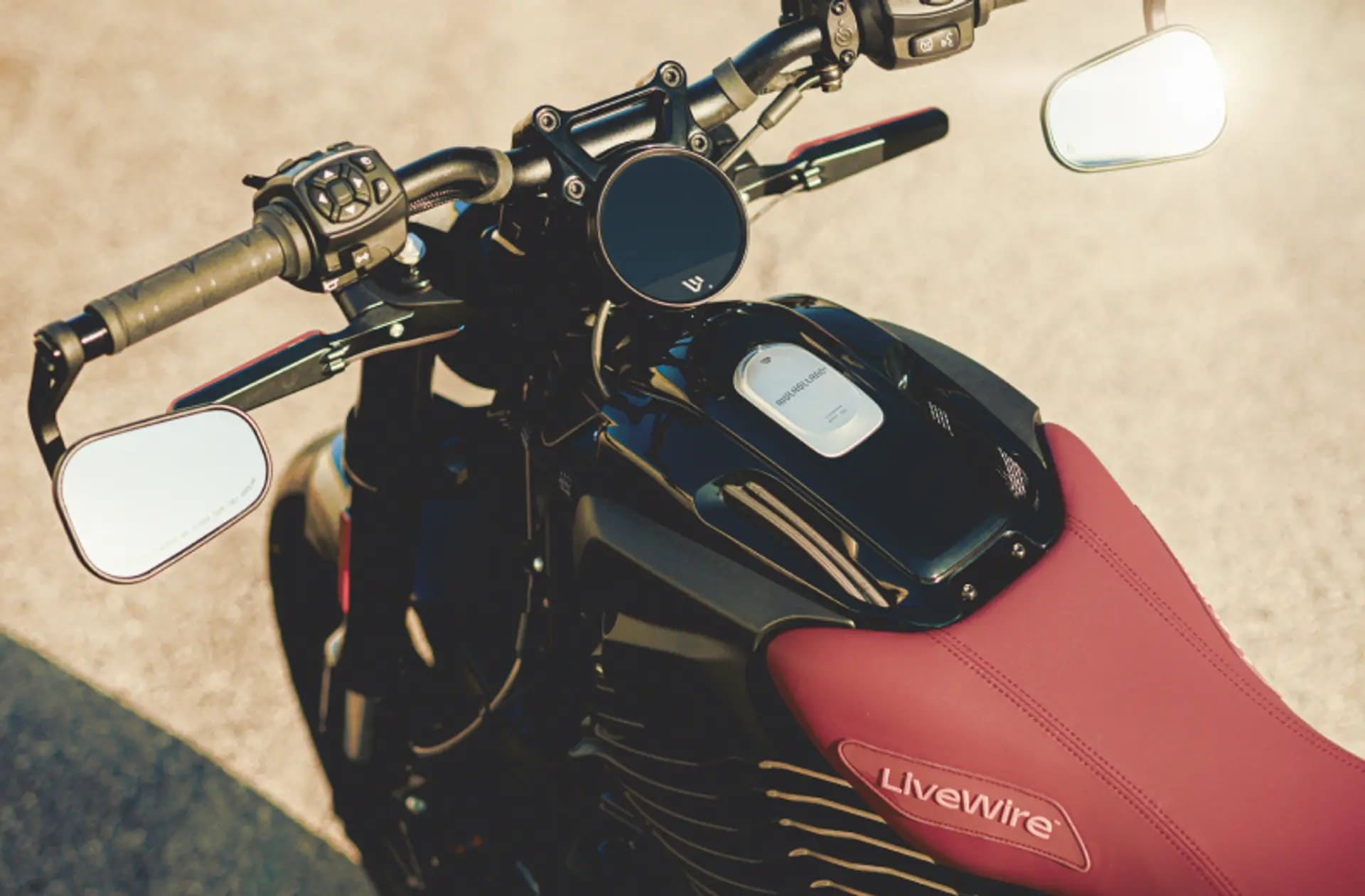
The LiveWire S2 Mulholland has been designed for the city to go around bar-hopping, which makes the range usable. The styling is reminiscent of Harley’s own bobber motorcycles. The flat handlebar with bar-end mirrors, round instrument pod, and a long and slender seat, give it a retro charm. The rider triangle is different from the S2 Del Mar.
The S2 Mulholland is the first of the brand’s bikes to offer CAP Hemp bio-composites in its construction including the front and rear fenders. The radiator shroud and wiring caddies are made of discarded ocean fishing nets, while the seat uses petroleum-free, recyclable silicone instead of leather or vinyl. It also gets all-LED illumination, a TFT screen, voice control, OTA updates, navigation, and more.
The LiveWire S2 Mulholland electric cruiser gets all-LED illumination, a TFT screen, voice control, OTA updates, navigation, and more
Suspension duties are handled by Hitachi front forks and a preload and rebound adjustable monoshock. Braking performance comes from Brembo M4.32 calipers, while the electric bobber rides on 19-inch front and 17-inch rear aluminium wheels. The electric motorcycle tips the scales at 195 kg.
Also Read : Hero MotoCorp partners with Zero Motorcycles for premium electric motorcycles
Harley-Davidson has not announced plans to bring the LiveWire electric motorcycles to the Indian market. The e-bikes are on sale in the US and other developed markets. The new S2 Mulholland does not have a direct rival in the Indian market.
By: HT Auto Desk | Updated on: 22 Mar 2024, 17:28 PM
Rajiv Bajaj, Managing Director – Bajaj Auto, confirmed that the first Bajaj CNG motorcycle will be launched in June this year.
Bajaj Auto will introduce the world’s first CNG motorcycle in June this year, which is likely to be an offering in the 110-125 cc segment (Image used only for representational purpose)
Bajaj Auto is developing the world’s first CNG motorcycle and the company recently fast-tracked the launch of the upcoming offering from 2025 to this year itself. Now, in a recent media interaction, Rajiv Bajaj, Managing Director – Bajaj Auto, has confirmed that the first Bajaj CNG motorcycle will be launched in June this year.
PTI reports that Rajiv Bajaj confirmed the development while speaking about the Bajaj Group’s commitment of ₹5,000 crore towards Corporate Social Responsibility (CSR) over the next five years. The launch timeline is in line with Bajaj’s previous statement confirming the bike’s development and expediting the launch to the next quarter.
Also Read : Bajaj Auto fast-tracks plans to launch CNG motorcycle, to arrive in next quarter
The lower running cost of the Bajaj CNG bike will be its USP, while prices are likely to be at a small premium over the petrol versions (HT_PRINT)
The CNG motorcycle is arguably Bajaj Auto’s most ambitious project yet in recent years. The company has the knowledge and know-how to build CNG three-wheelers but replicating the technology on a motorcycle will be a first anywhere in the world. Bajaj had previously highlighted the salient features of the upcoming CNG motorcycle including reduced tailpipe emissions, a 50-65 per cent cost reduction and a reported 50 per cent reduction in CO2 emissions. The upcoming CNG bike could be called the Bajaj Bruzer.
Recent spy shots also revealed a front disc brake and commuter stance of the motorcycle hinting at a 110-125 cc offering. The operating cost will be a huge factor with the CNG bike targeting mileage-conscious consumers. The motorcycle will have a second storage cylinder for CNG and the technology to run on both petrol and CNG. Bajaj is expected to introduce a new sub-brand for its CNG range, which will spawn more products in the future. The CNG offering is likely to be priced higher than the petrol variants due to the extensive changes and higher manufacturing costs.
Apart from the new CNG motorcycle, Rajiv Bajaj also spoke about the Pulsar brand hitting the two million sales mark soon. The Pulsar was launched in 2001 and was a game-changer for the company. The manufacturer is expected to bring its biggest Pulsar yet this year, which is rumoured to be a 400 cc single-cylinder offering.
By: Sameer Fayaz Contractor | Updated on: 21 Mar 2024, 18:49 PM
Ultraviolette has partnered with K-Rides, part of the Kibar Holding conglomerate, for the sales and distribution of the F77 performance e-bike in Turk
…
Ultraviolette has partnered with K-Rides, part of the Kibar Holding conglomerate, for the sales and distribution of the F77 performance e-bike in Turkiye.
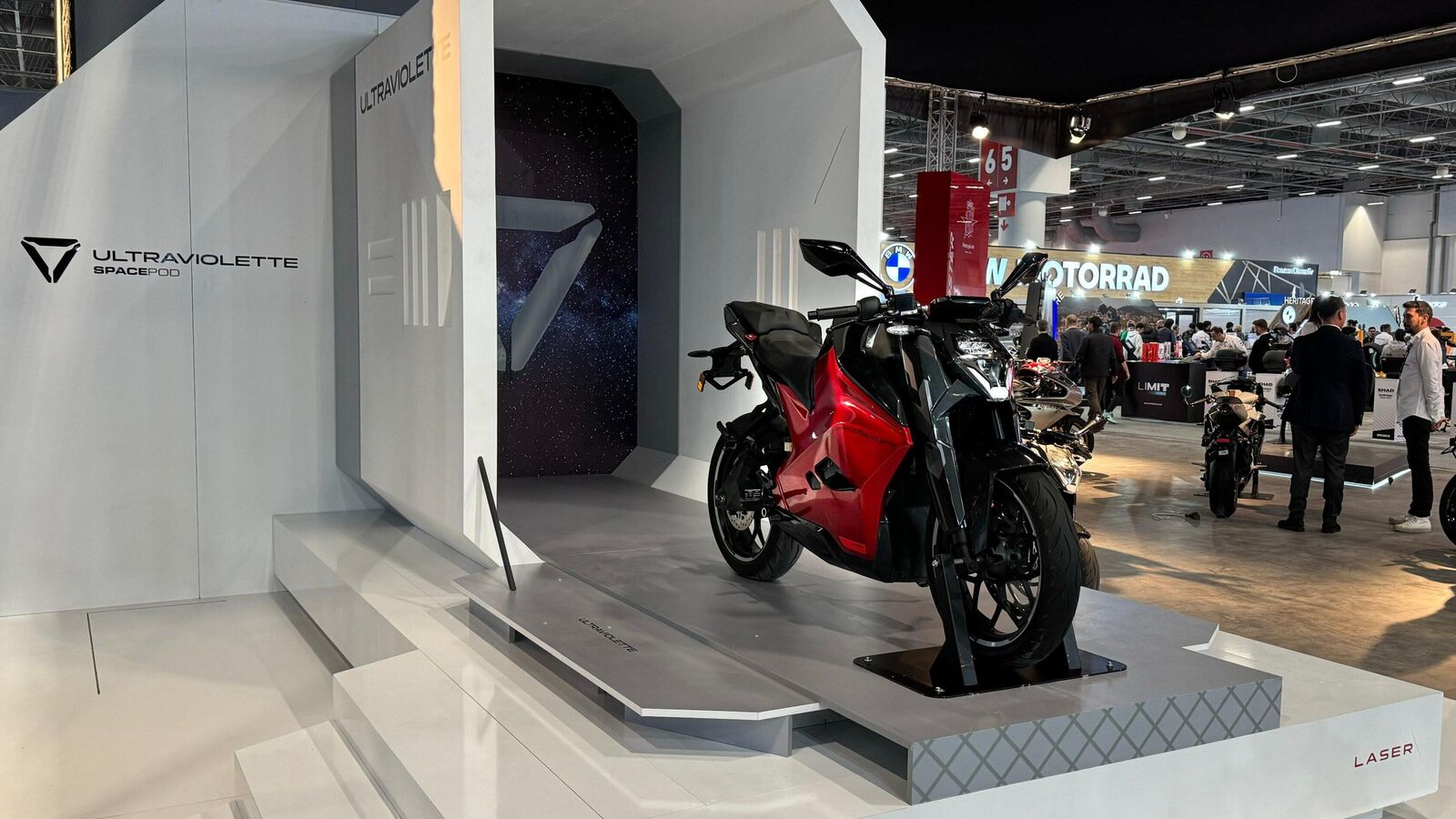
The Ultraviolette F77 on display at Motobike Istanbul 2024
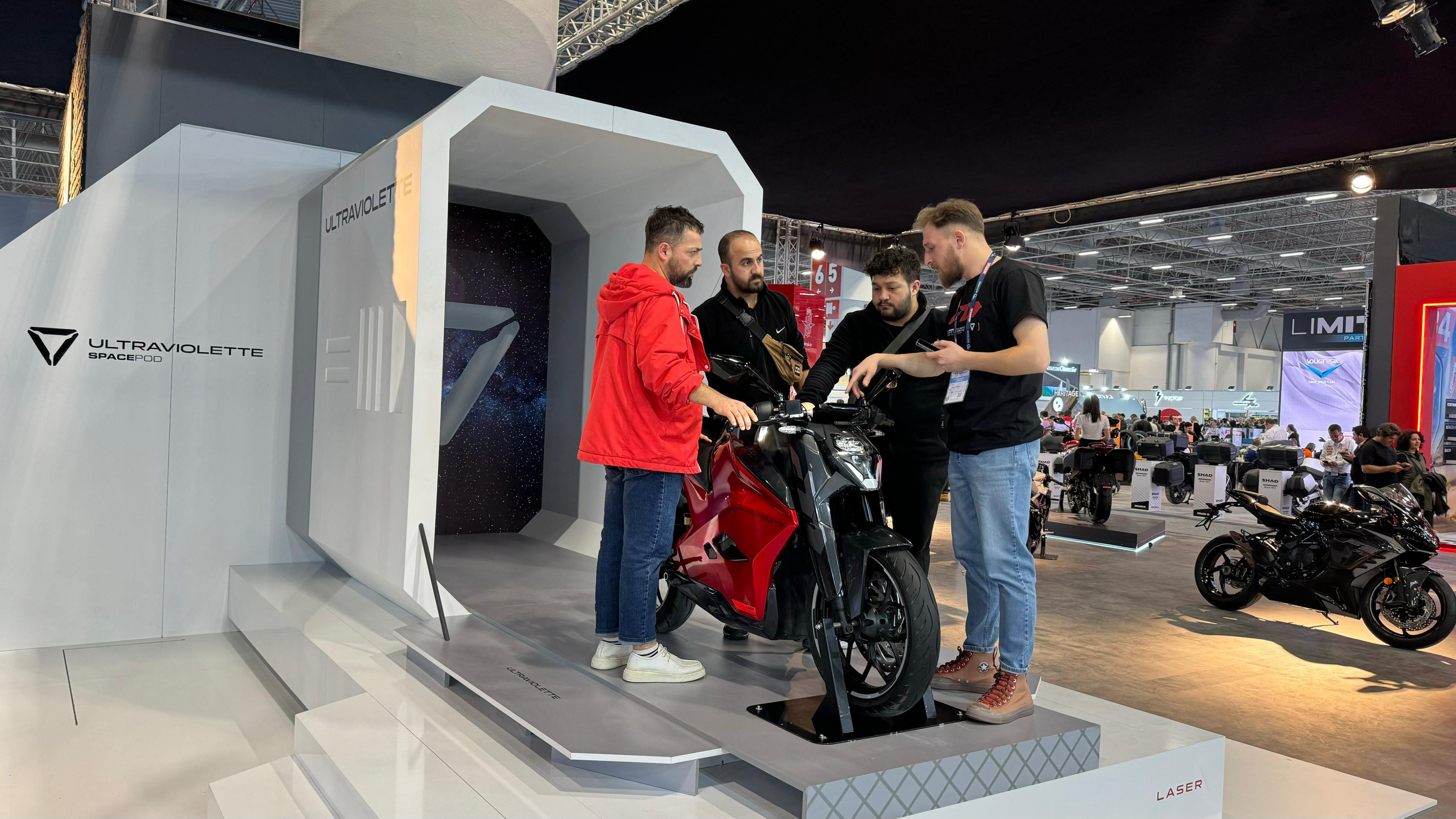
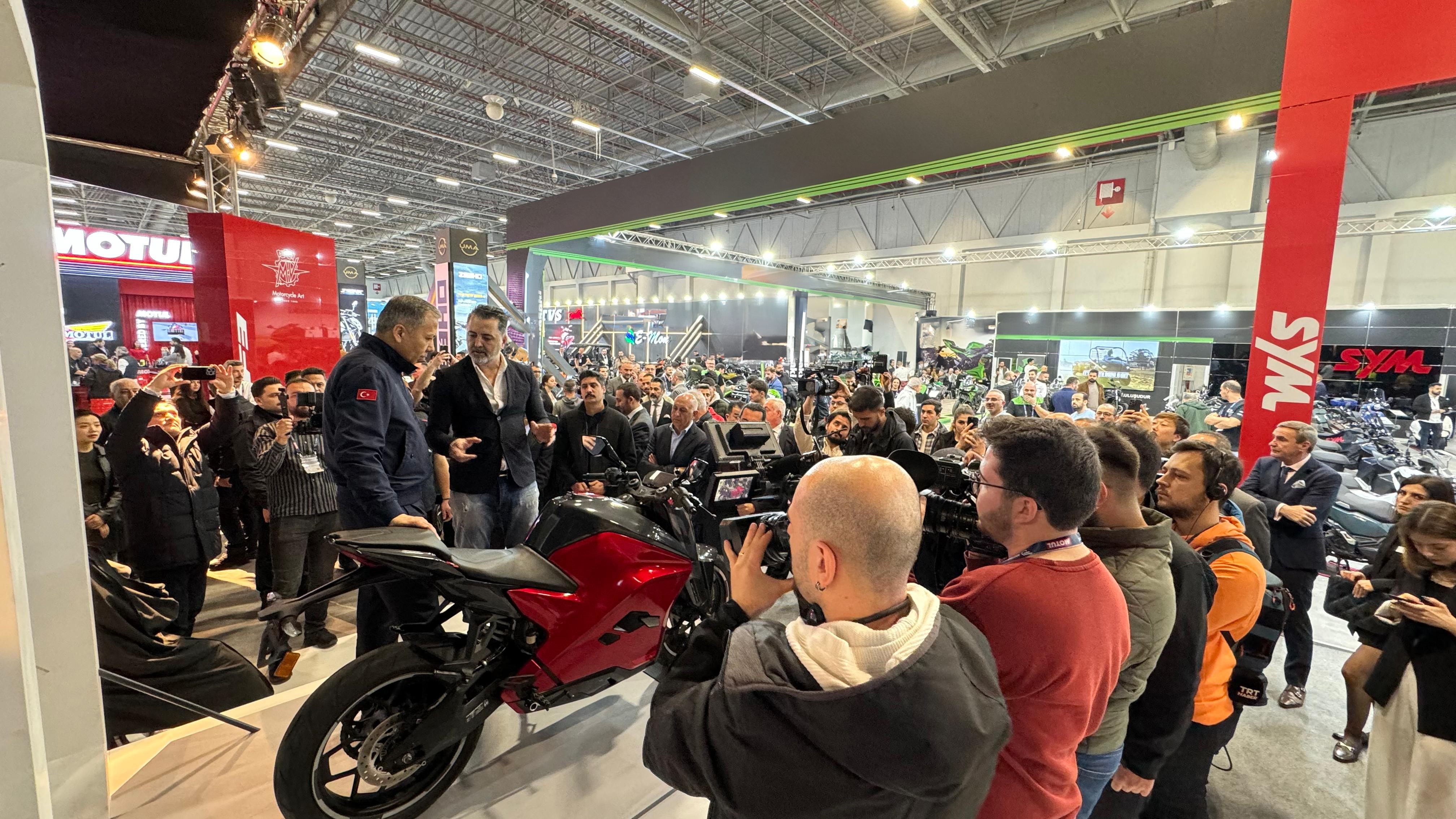
Ultraviolette Automotive has announced its foray into Europe, kickstarting operations in Turkiye. The company showcased the Ultraviolette F77 performance electric motorcycle at the Motobike Istanbul 2024 at the K-Rides pavilion. The F77 is the brand’s flagship offering and is made in India and will be exported from the manufacturer’s facility near Bengaluru.
Ultraviolette has partnered with Kibar Holding, a leading conglomerate in Turkiye, which has ventured into the two-wheeler sector with its new company K-Rides, for the sales and distribution of the F77. Ultraviolette and K-Rides are inviting potential buyers and stakeholders to check out the F77.
Also Read : Ultraviolette unveils electric superbike concept designed by students.
While Turkiye is the first market in Europe to get the Ultraviolette F77, we expect the company to announce newer markets in the coming months
Speaking about Ultraviolette’s arrival, Gökhan Lokmanoğlu, Chief Corporate Development Officer of Kibar Holding, said, “K-Rides, aligning with its mission to curate a distinctive portfolio featuring the most outstanding brands in the motorcycle world, known for their high performance and unique designs, is excited to introduce the F77 to the Turkish rider community in collaboration with Ultraviolette, the pioneering brand shaping the future of electric high-performance vehicles with its innovative designs.”
Speaking at the unveiling in Turkiye, Narayan Subramaniam, CEO & Co-Founder – Ultraviolette, said, “We are thrilled to showcase the Ultraviolette F77 to the vibrant and dynamic market of Türkiye in association with K-RIDES. At the time of the launch of the F77 back in 2022, Ultraviolette had received interest for its flagship motorcycle from over 190 countries hinting towards a strong global demand. The F77’s display at the MotoBike Istanbul 2024 signifies a decisive leap forward in Ultraviolette’s global expansion strategy. With the F77, motorcycle enthusiasts in Türkiye are poised to be thrilled by its Aviation DNA, ground-breaking design and unparalleled performance.”
Ultraviolette is inviting potential buyers and stakeholders to check out the F77 at Motobike Istanbul 2024
The Indian start-up’s entry into the Turkish market is in line with the company’s previous announcement of entering Europe this year. The brand announced its foray at EICMA 2023 last November and also confirmed that deliveries in Europe will begin in the second quarter of 2024.
The Ultraviolette F77 is built to the same spec for the world. The performance electric motorcycle packs a 30 kW (40 bhp) PMS electric motor with 100 Nm that sends power to the rear wheel. The e-bike can sprint from 0-60 kmph in 2.9 seconds and has a top speed of 152 kmph. The F77 gets the biggest battery on any electric two-wheeler in India with the 10.3 kWh unit promising a range of 307 km (claimed) on a single charge.
Watch: Ultraviolette F77 electric motorcycle | Review
Other features include a 5-inch TFT instrument console with smartphone connectivity, all-LED lighting, rider telematics, 9-axis IMU, dual-channel ABS and more. The Ultraviolette F77 is priced from ₹3.80 lakh for the Original, going up to ₹4.55 lakh (ex-showroom) for the Recon variant.
By: Sameer Fayaz Contractor | Updated on: 20 Mar 2024, 21:00 PM
The Isuzu D-Max BEV pre-production prototype will make its public debut at the upcoming Bangkok Motor Show and will enter production for Europe in 202
…
The Isuzu D-Max BEV pre-production prototype will make its public debut at the upcoming Bangkok Motor Show and will enter production for Europe in 2025.
The 2025 Isuzu D-Max Electric will have the same payload capacity as the diesel versions
Japanese auto major Isuzu has revealed its first battery electric vehicle (BEV), which is the electrified D-Max pickup. The Isuzu D-Max BEV pre-production prototype will make its public debut at the 2024 Bangkok International Motor Show in Thailand on March 27, and the company has confirmed that the electric pickup will enter production in 2025 for Europe. Isuzu says the electric D-Max will have the same payload capacity as its diesel counterpart.
The upcoming Isuzu D-Max BEV will be able to meet the commercial and passenger vehicle needs expected from a pickup, the company says, while retaining the “tough underlying performance expected of pickup trucks.” The electric pickup will come with a full-time 4WD system with newly developed e-axles in the front and rear.
Also Read : Isuzu announces I-Care pre-summer camp for D-Max, MU-X customers
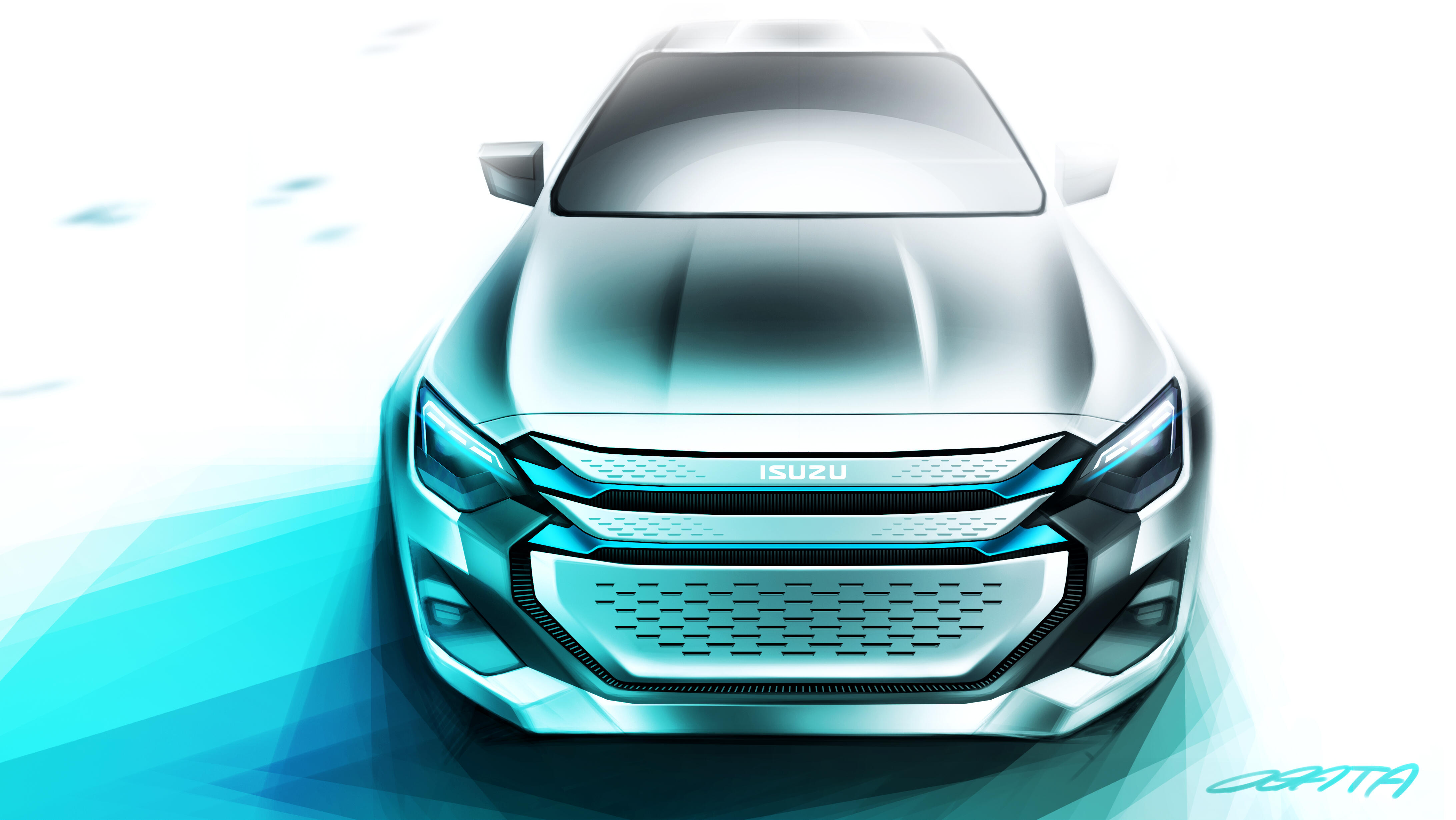
The Isuzu D-Max Electric prototype gets a redesigned nose with a covered grille and blue accents while the rest of the body shell remains the same
The Isuzu D-Max electric pickup prototype gets a 66.9 kWh lithium-ion battery pack, while power will come from two electric motors, one on each axle. The front electric motor develops 54 bhp and 108 Nm of peak torque, while the rear electric motor produces 121 bhp and 217 Nm. The combined output stands at 174 bhp and 325 Nm, which makes it more powerful than the base-spec 1.9-litre diesel version. The top speed though has been capped at 130 kmph.
Isuzu has not revealed details on the driving range yet of the D-Max BEV. Meanwhile, the company says that it will have a “high towing capacity” along with a robust frame and body, ensuring the performance remains on par with the diesel versions. The payload capacity stands at 1,000 kg with a 3,500 kg towing capacity, which is the same as the diesel model.
Isuzu has also unveiled the 1.9-litre diesel mild-hybrid engine for the D-Max but is yet to confirm when the new motor will enter production
Visually, the Isuzu D-Max electric prototype gets a redesigned front sporting a covered grille with blue accents. The profile appears largely the same as the diesel model, save for the new six-spoke alloy wheels, while the loading bed gets the “EV Concept” badging on the profile. Isuzu says the D-Max electric will go on sale in Europe first, followed by other markets including the “UK, Australia, Thailand and other countries.” However, it also added that the rollout will be based on market needs and the maturity of EV charging infrastructure.
In addition to the electric pickup, Isuzu has unveiled the D-Max prototype with a mild-hybrid diesel engine. The new D-Max Hi-Lander MHEV prototype comes with a 48-volt mild-hybrid system paired with the 1.9-litre turbo diesel engine. More details including power figures and plans for launch are yet to be revealed.
Also Read : Bringing in the new year with the Isuzu D-Max V-Cross: The last of old school
The Isuzu D-Max takes on the Toyota Hilux and Ford Ranger globally, both of which now offer mild-hybrid and plug-in hybrid options, depending on the market. The D-Max Electric will certainly keep Isuzu ahead of the curve, opening new room for growth. That said, it’s unclear if the D-Max BEV will make its way to the Indian market. Isuzu India is still retailing the previous generation D-Max in the country but could use this opportunity to bring the BEV and diesel versions to the market.
By: HT Auto Desk | Updated on: 19 Mar 2024, 20:45 PM
The latest video shows the upcoming e-scooter completing the water wading test. It also for the first time we see the Ather Rizta in action.
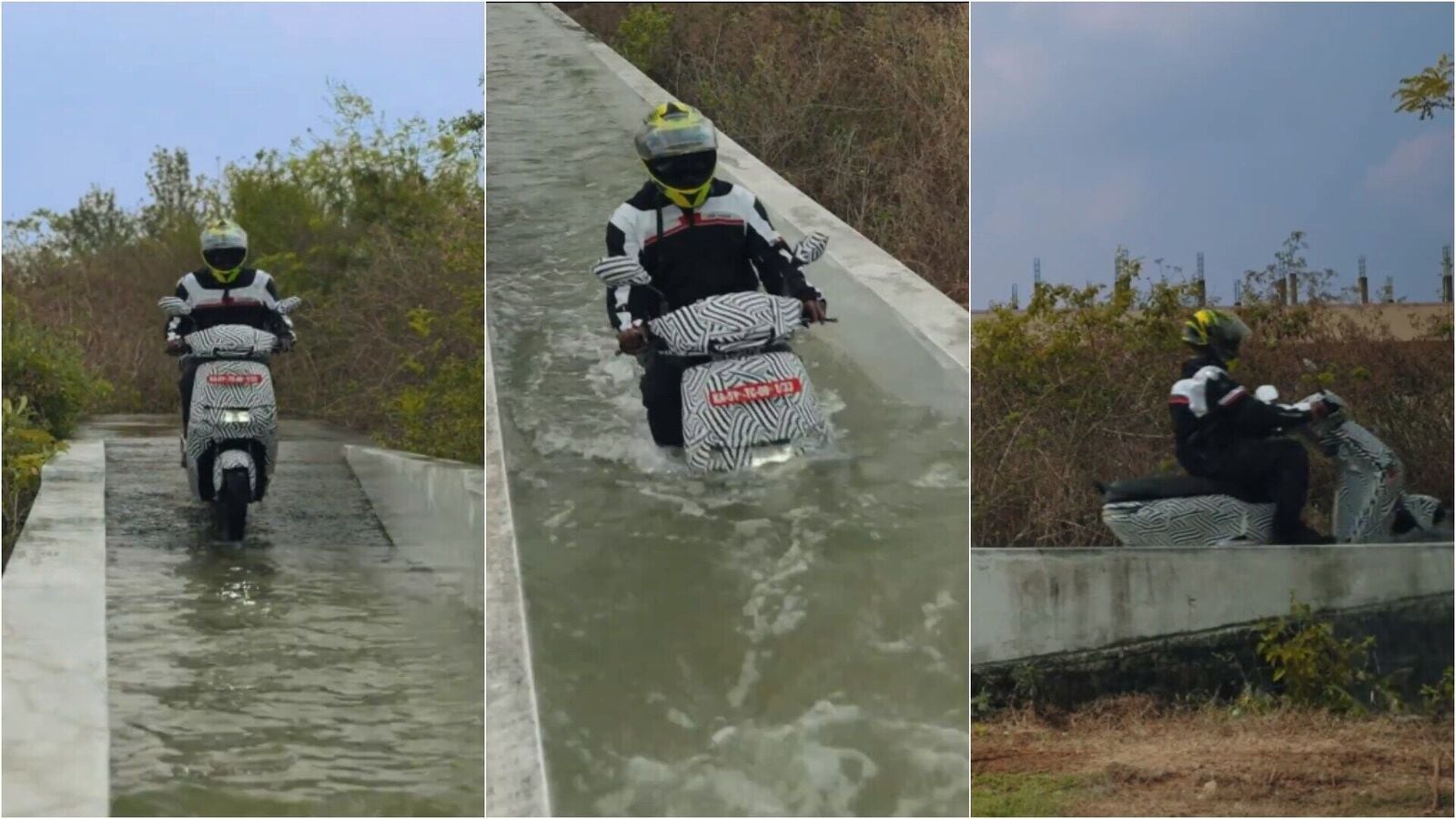
The latest teaser shows the upcoming Ather Rizta completing the 400 mm water wading test ahead of launch
The Ather Rizta electric scooter is all set to be launched on April 6, 2024, and the two-wheeler maker has dropped a new teaser revealing more details about the offering. The latest video shows the upcoming e-scooter completing the water wading test. It also for the first time we see the Rizta in action. The Rizta is a family electric scooter and will be sold alongside the sporty 450 series in the brand’s lineup.
The new teaser gives a clear view of the front design of the Ather Rizta. The e-scooter shows a more rounded styling, as well as its new bar-type, LED headlamp placed at the bottom of the apron, which reminds us of the TVS iQube. The large body shell and seat are evident. The water wading test demonstrates the vehicle’s ability to ride through flooded areas without the water penetrating critical components.
Also Read : Ather Rizta family electric scooter’s battery pack teased in new video
Despite being fully camouflaged, the Ather Rizta test mule gives away the telescopic front fork and a wide front tyre, while the rearview mirrors are visibly wider too. The TFT screen has been blurred in the teaser video but confirms its presence on the e-scooter. It should come with all the features from the 450X as well as the latest OTA update.
A previous teaser also showed the Rizta’s battery undergoing a 40-ft. drop test, demonstrating its endurance. Expect the Rizta to also come with a host of segment-first features although the manufacturer is yet to reveal more details. The brand has a host of announcements planned for April 6 at the Ather Community Day 2024, make sure to watch this space for all the action.
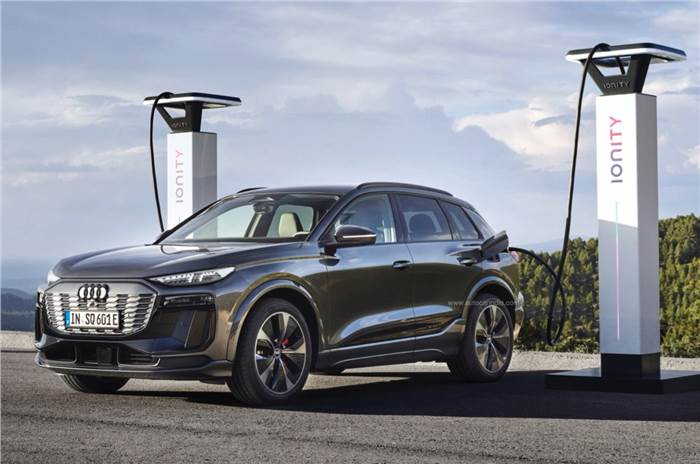
Q6 e-tron is the first Audi built on the Group’s PPE platform that’s set to underpin future models; India-bound in the next 10-12 months.
Published On Mar 18, 2024 11:30:00 PM
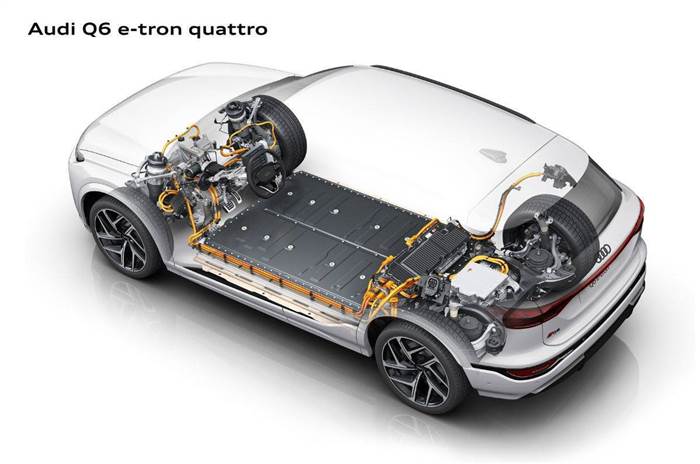
Audi says the Q6 e-tron isn’t just another new car, but the next step in the brand’s transformation into a premium electric mobility company. Indeed, the Q6 e-tron is the very first model to be built on the group’s new platform; the premium platform electric (PPE), which also underpins the Porsche Macan electric. The Q6 e-tron also comes with a new e&e architecture that gets an all-new electronic hardware and software, which is set to filter into the rest of the Audi range, including the internal combustion engine (ICE) models. So yes, the Q6 e-tron is a very important car to examine inside out.
Q6 e-tron is the first Audi on the VW Group’s PPE platform.
The VW group currently has four electric platforms: the MLB EVO platform that underpins the Q8 e-tron; the J1 Performance platform over which the e-tron GT and the Porsche Taycan are built; the MEB platform which the Q4 e-tron and the VW ID family use; and this, the new PPE that’s been designed to underpin EVs right from the midsize to the premium end. So models like this Q6 to sedans like the A6 will be built on it. The platform is also likely to expand and include electric versions of the A8 and the next generation Q8 too. A point to note, the Q6 e-tron is not related to the ICE Q6 on sale in China; that’s an entirely different model built on the MQB EVO platform and sits outside of the typical Audi hierarchy. In fact, Audi says the Q6 e-tron is a sister model to the Q5.
As for the new E3 1.2 e&e architecture, Audi says it has decoupled the hardware and software interdependence, so it should help the company adapt to fast evolving technology. Of course, it brings with it new hardware and software, including some AI tech.
Audi Q6 e-tron exterior style and design
At first look it’s very understated, much like all Audis, but a moment later you’ll soon see some rather striking design elements, and to my eyes it’s a very attractive balance. The grille is the Audi trapezoidal unit but it’s protruding a bit more and is largely sealed off; air flow being managed from the lower bumper area, which has a lot of angular and sharp edges. These elements will differ depending on the trim level.
The LED DRLs can have as many as eight different light signatures.
Unlike the Q4 and Q8 e-trons, the headlights and DRLs are now separate units, which show just how important DRLs have become. They occupy a larger area than the headlights, they sit on top and look really cool with eight different signatures that owners can select; the headlights are the familiar LED Matrix beams.
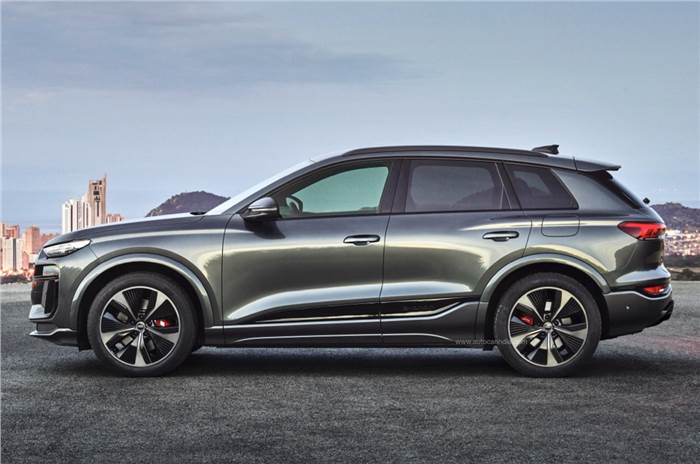
The profile is typical ICE-like with a long bonnet, and the cabin area stretches back neatly. It has a swept-back look, but even then, it’s very understated. You do see some really flashy elements like a front fender crease line and an extremely prominent, almost horizontal panel over the rear wheels, which Audi calls the Quattro blister. The doors have a contrast cladding below, with smooth but deep curves giving it a nice sensuous flair.
The character line over the rear wheel arch is what Audi calls the Quattro blister.
At the rear, there’s the now-familiar continuous light bar, but the highlight is the new second generation OLED lights, which have six OLED panels and a total of 360 segments. In what Audi says is possibly a world first, the tail-lights have a continuously animated pattern; think twinkling Diwali lights. There’s no real benefit though and if you don’t like them – I don’t – you can opt for different light signatures, some of which have a neat 3D effect.
OLED tail-lights can create warning triangles to alert cars behind of hazards ahead.
Thanks to the new E3 1.2 architecture, these lights can also actively communicate with the outside. So for instance if the Q6 detects some road work signs ahead, it will indicate this to the cars following it by showing small warning triangles in the tail-lights, this also happens when you switch on the hazard lights. Down below there’s a functioning diffuser that helps the Q6 achieve a 0.28 coefficient of drag.
Audi Q6 e-tron interiors, space and comfort
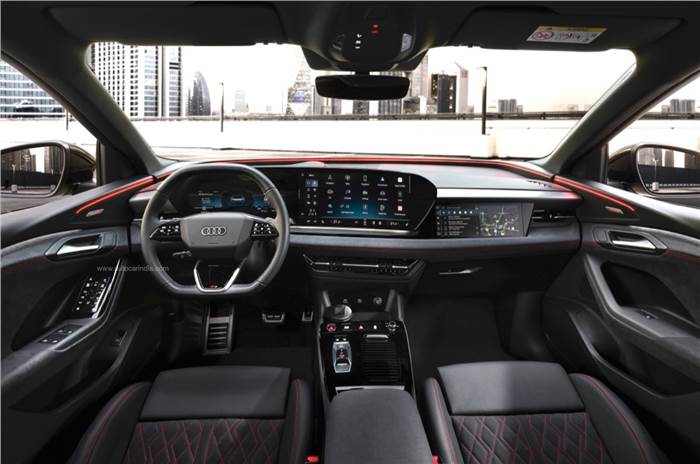
If the outsides are Audi-esque the interiors are pretty much all new. There’s now a single curved pane housing a 11.9-inch IP screen and a 14.5-inch central touchscreen. In an Audi first, it also has a passenger touchscreen. The 10.9-inch screen can also play videos which are obstructed from the driver’s view, the sound though will play over the car’s speakers. There’s an HUD with AR displays and the Audi assistant has a few more clever voice commands like asking it to lower a window half way down.
The curved infotainment and instrument cluster are an Audi first, so is the passenger touchscreen.
The new E3 1.2 architecture is based on the Android operating system, so Android Auto is included. Apple Carplay is also deeply integrated, and the system also brings in some AI bits, which Audi says will keep evolving. So for instance, if the car realises you are struggling with setting the right temperature, it would suggest things like using the cooled seats.
The steering wheel is all new and gone are the buttons, and in its place are touch surfaces. This is the same with the mirror controls; there are indents to guide your fingers around but buttons would have just been better. Also missing is the neat palm rest-integrated drive selector from the Q8 e-tron, and in its place is a simple toggle switch. HVAC controls are also sadly embedded into the touchscreen, but thankfully the familiar Audi media control dial hasn’t been deleted.
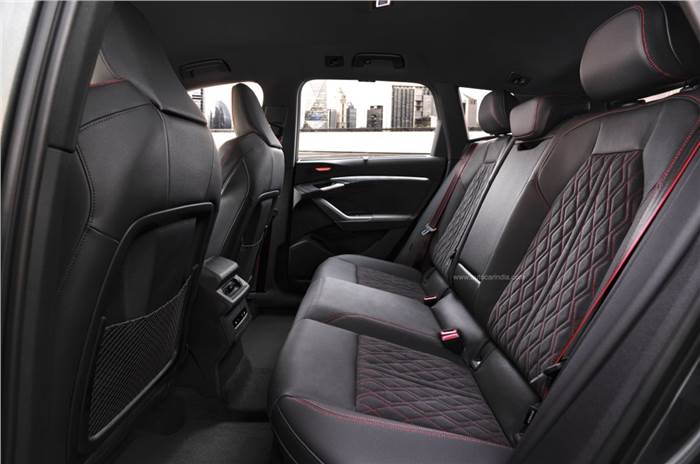
Rear seat space is pretty impressive, but some may find the backrest recline slightly upright.
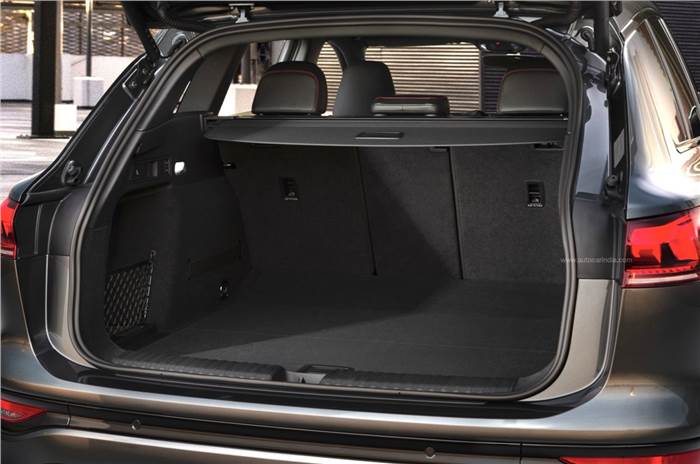
Space inside is pretty impressive, boot space stands at 526 litres and there’s a 64-litre frunk too. For my 5 foot 8 inch frame, front and rear legroom is more than adequate, and headroom is very good too, with about 5 inches to spare. We’ll know more about seat comfort when we spend substantially more time with the car, but first impressions are good. However, some will find the rear backrest recline slightly upright. In terms of features, it’s got all you’d expect like a premium 20-speaker Bang & Olufsen sound system, full ADAS suite, powered tailgate and 360-deg camera.
Boot has a generous 526 litres of space.
Audi Q6 e-tron performance and drive impressions
At launch, the Q6 e-tron will be offered in two AWD (Quattro) versions; Q6 and a sportier SQ6, with a rear-wheel drive model set to follow. The SQ6 puts out 517hp, does the 0-100kph dash in 4.3 seconds and tops out at 230kph, while the Q6 has 387hp, takes 5.9 seconds to 100kph and has a top speed of 210kph. We did drive both, but very briefly and only within the Audi training centre parking lot, so I can’t tell you much, except that acceleration is quick and steady, in typical EV fashion. Through rapid lane changes you can feel some weight, but it’s stable; again, having a low centre of gravity helps. Suspension duties are carried out by the optional adaptive air suspension system. We’ll have a proper drive review by the middle of this year so stay tuned for that.
Acceleration is brisk in typical EV fashion.
One bit that did stand out was the brakes – the blending of the recuperation from the motors and the friction brakes is very good, and pedal feel is uniform and positive. Audi says they have a complex brake blending program that, for the first time, can manage axle-specific blending too. It does work, braking is well controlled and you can’t tell when the friction brakes kick in. The company also says that about 90 percent of everyday braking would be handled by regenerative braking alone.
Audi Q6 battery, charging and range
Both the Q6 and SQ6 get the same 100kWh battery, so range is the only differentiating factor. The Q6 has a claimed WLTP range of 625km, while the SQ6 has a claimed range of 598km. There’s also a smaller 83kWh battery in the pipeline, which is basically the same lithium-ion prismatic unit but with two fewer (10) modules, and it’s this version that’s likely to be brought to India. With up to 270kW at 800 volts, the 100kWh battery can go from 10 to 80 percent in 21 minutes. On board AC charging speed is only 11kW, but an option of 22kW will be offered at a later stage.
Audi Q6 India launch and price
The Q6 e-tron launch is scheduled to take place by the middle of this year in Europe, followed by China. India launch is likely to take place by the end of the year or early next year, and it’s likely to be the two-wheel drive 83kWh battery, which would be priced around the Rs 70 lakh-80 lakh mark. With direct rivals like the iX3 and the Mercedes EQC, both not available in India, the Audi Q6 e-tron would sit between smaller electric SUVs like the Volvo XC40 and the BMW iX1, and larger SUVs like its sibling, the Q8 e-tron, the Mercedes EQE SUV and the BMW iX.
When it arrives in India, it will pretty much sit in a space of its own.








.jpg&c=0&w=700)