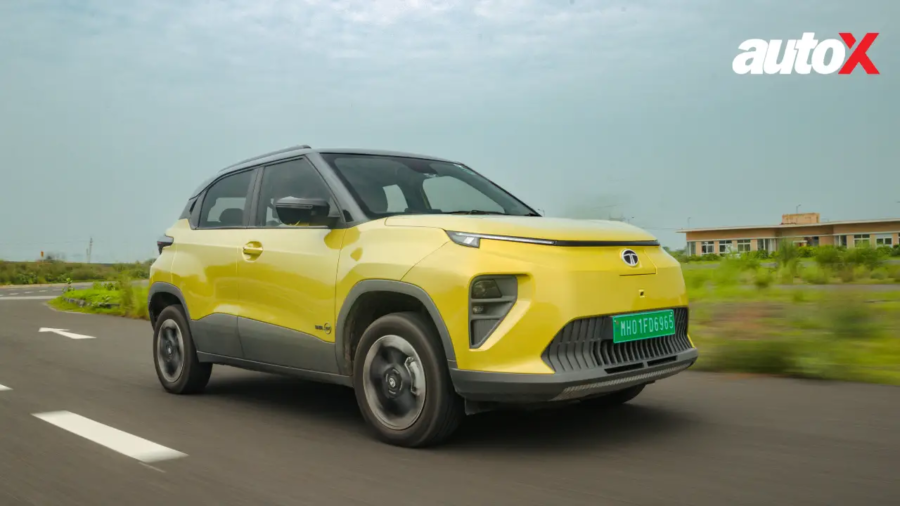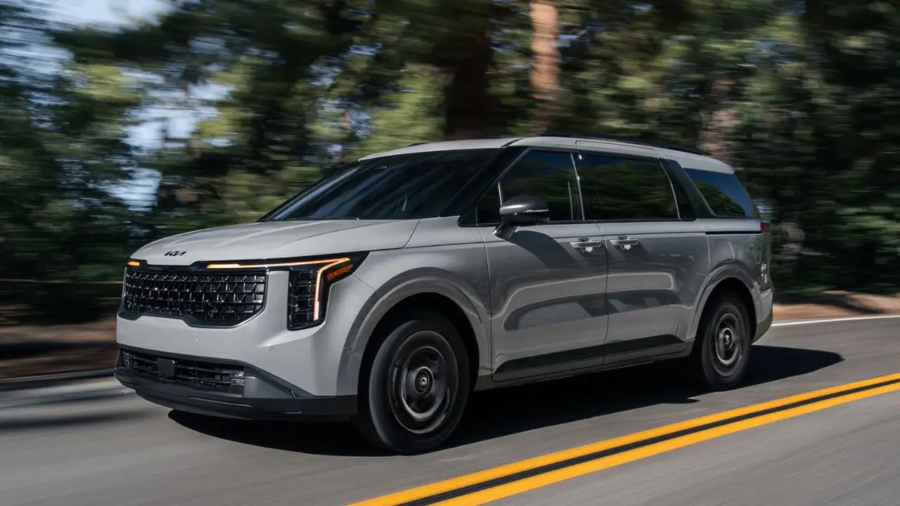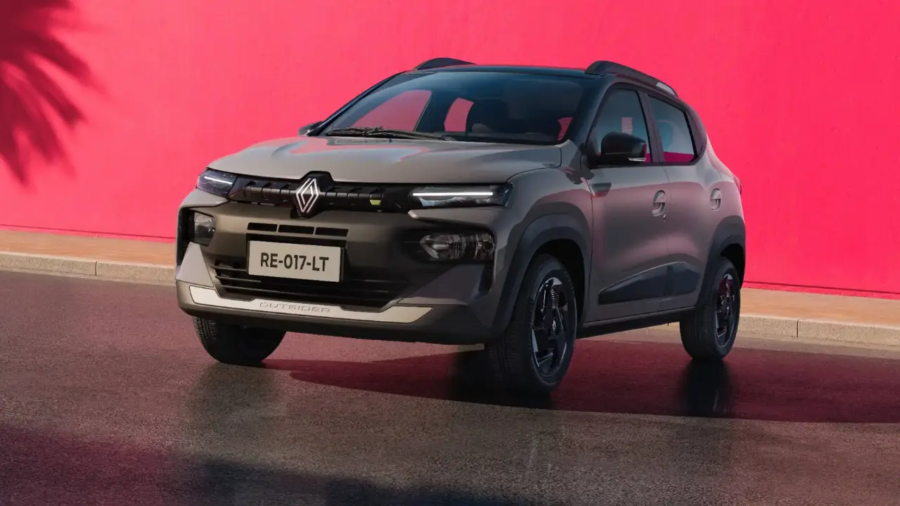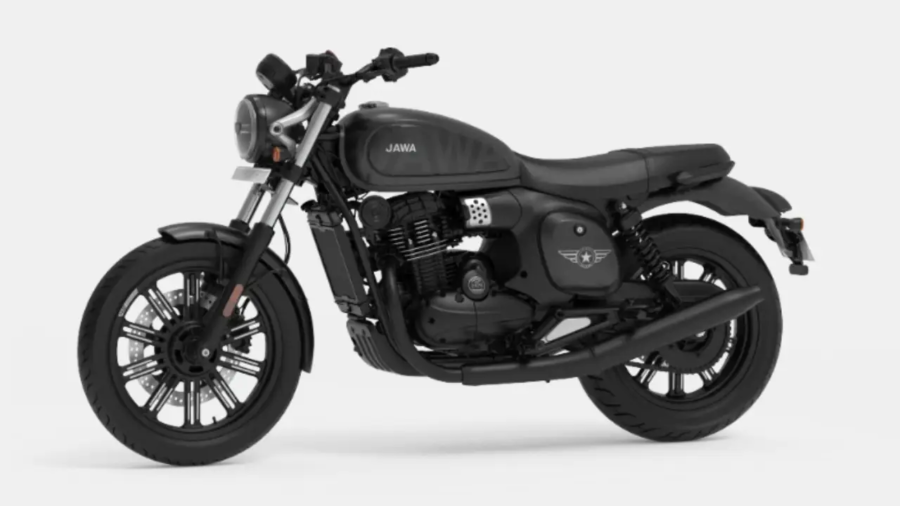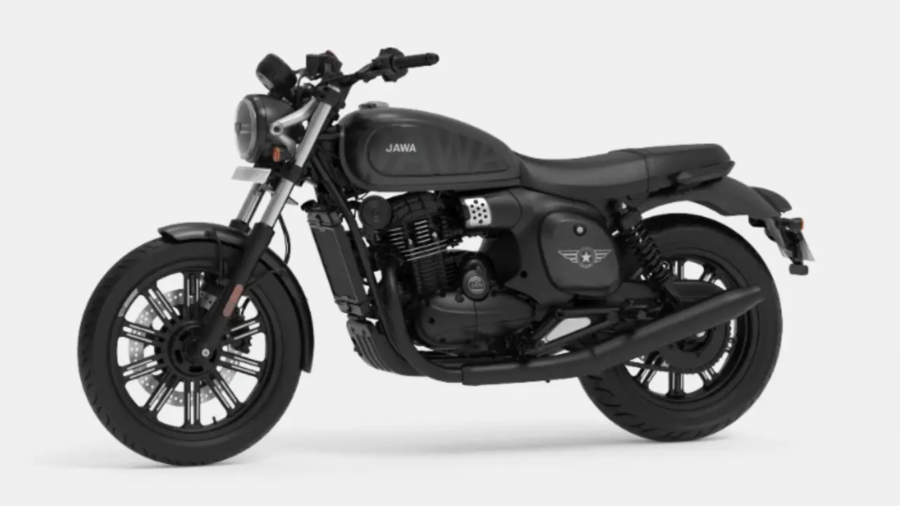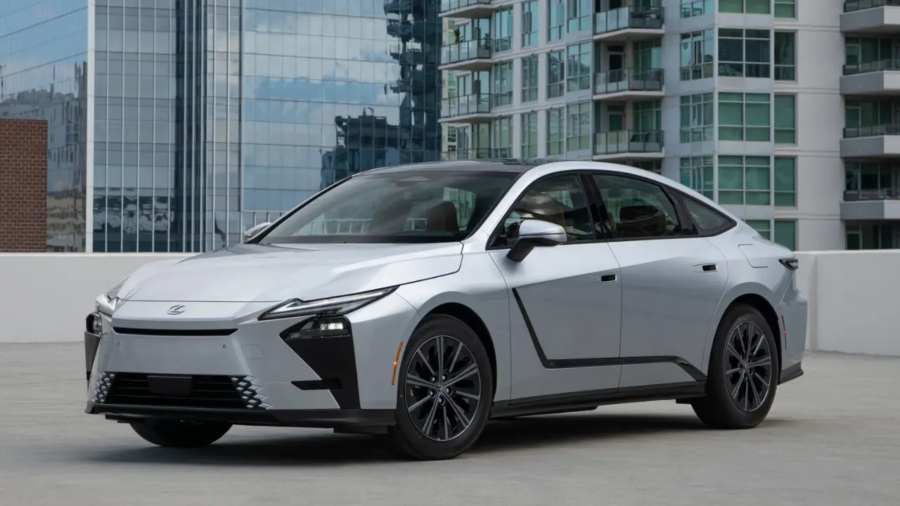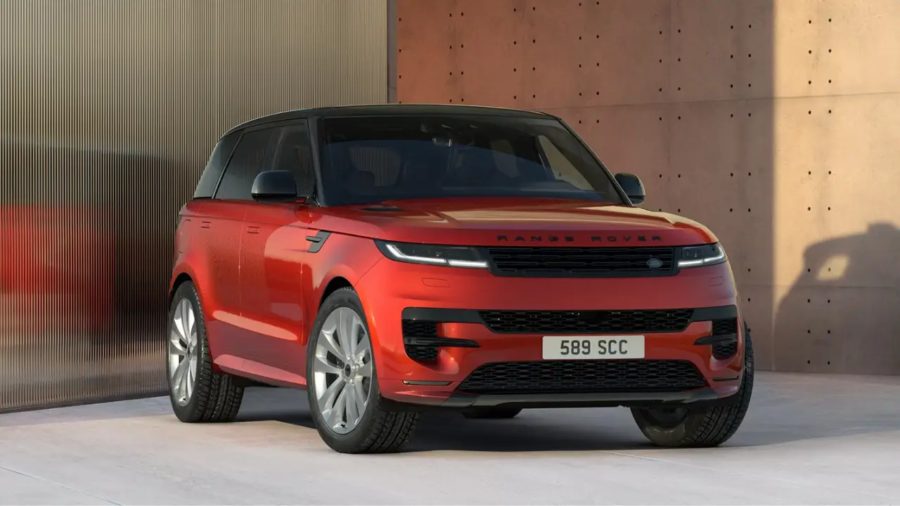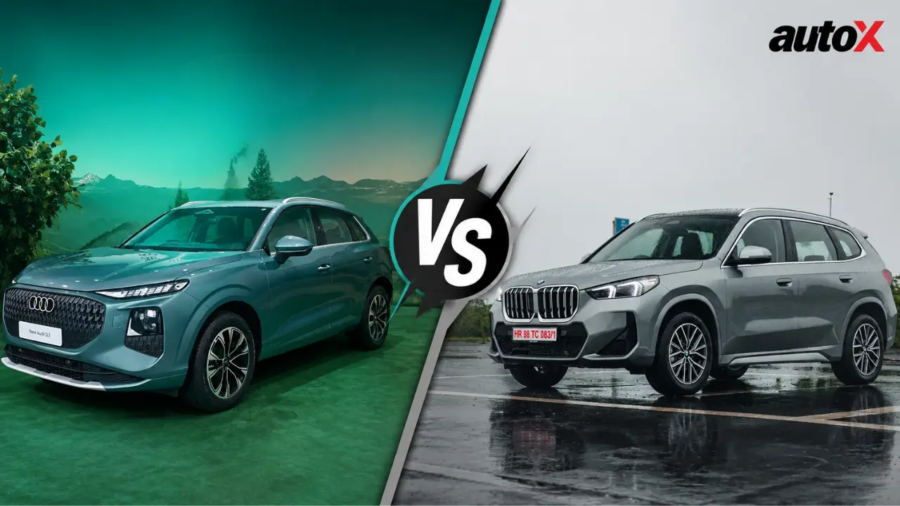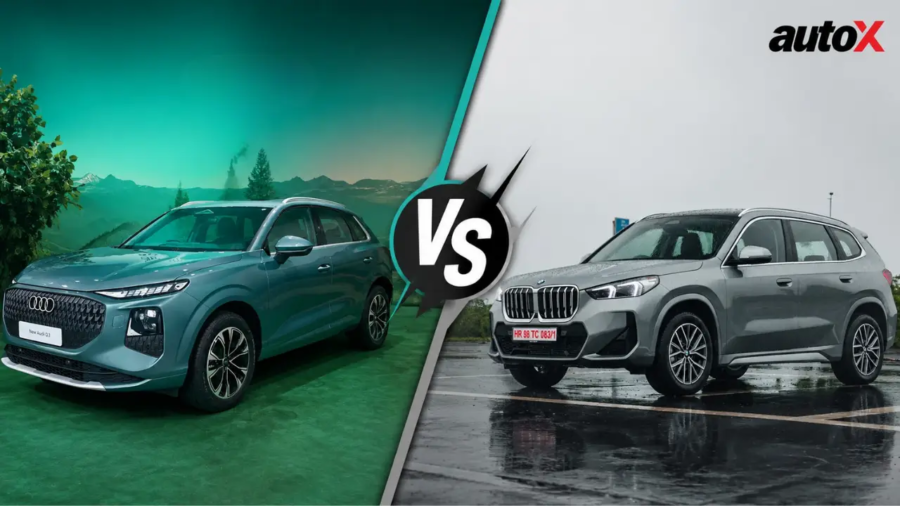
These are powerful SUVs with more than 150 HP power! Price starts from just ₹10.5 lakh

These are powerful SUVs with more than 150 HP power! Price starts from just ₹10.5 lakh

Finding the combination of power, performance and value for money in the Indian SUV market has always been a challenge. Nowadays, customers not only want stylish looks and features, but are also demanding a more powerful vehicle that can give strong performance in both highway, city and light off-roading. Renault Duster, MG Majestor and Mahindra Scorpio N are three strong contenders in this segment.

Duster is making a comeback in the new generation with modern technology and smart handling, while Mahindra Scorpio N is known for its rough and tough performance. MG Majestor, on the other hand, offers a full-size SUV experience with premium luxury and massive power. Which of these three is the best? Let us know.

Renault Duster

The new generation Duster comes with a 1.3-litre turbo petrol engine (TCe 160) producing 161-163 hp power and 280 Nm torque, which is one of the most powerful options in the segment. It comes with 6-speed manual or DCT automatic transmission. The strong points of the Duster are its agile handling, good mileage (up to 18 kmpl) and modern features like panoramic sunroof, dual screen setup, ADAS and LED lights.

Prices start from around ₹10.5 lakh and go up to ₹18-20 lakh. This mid-size SUV is best for those who want sporty driving, easy maneuverability and value. It also performs well off-roading, but not as strong as the Scorpio N under heavy load or extreme conditions.

MG Majestor

This flagship SUV offers 212-216 hp power and 478 Nm torque with a 2.0-liter twin-turbo diesel engine, which is the most powerful among the three. With 8-speed automatic, it is comfortable on long drives and strong in overtaking. The Majestor offers a premium experience with a 6/7-seater layout, luxury interiors, JBL audio, massage seats, level-2 ADAS and a 4×4 variant with triple diff lock.

Prices start from ₹41 lakh and go up to ₹45 lakh. It is ideal for family or business users who want luxury, space and raw power. It competes with Toyota Fortuner in the market. However, due to the large size, parking and fuel efficiency in the city can be a bit challenging.

Mahindra Scorpio N

Available in 2.2-litre diesel (172 hp, 400 Nm) or 2.0-litre petrol (200 hp) variants, it is the king of raw power and off-road capability. The strong body-on-frame chassis, 4×4 system and terrain modes make it unmatched on rough roads. With 6/7-seater option, premium features and aggressive styling, it is very popular among young buyers and adventure lovers.

Its price ranges from ₹ 13.5 lakh to ₹ 25 lakh, which makes it value for money. It is balanced in comfort, ride quality and road presence. However, in some cases the refinement may seem less than the Duster.

Who is better: If budget and daily use is a priority, then Renault Duster is a good choice. MG Majester is on top for power and luxury, while Scorpio N offers the best balance of performance, value and off-roading. Before choosing any one of the three, definitely take a test drive.

Source link

These SUVs are best for the middle class; Price starts from only ₹ 5,64,990

These SUVs are best for the middle class; Price starts from only ₹ 5,64,990

Last Updated:

Best SUV for Middle Class Family: If you want to buy an SUV for your family which is in budget, gives excellent mileage and is also strong in terms of safety, then this news is for you. From Tata Punch to Maruti Frontex and Hyundai Venue, we have compiled a list of SUVs that perfectly suit the needs of Indian middle class families. Before buying, definitely know which SUV can prove to be the best for you.

Tata Punch: This is a great and budget-friendly SUV for the middle class families of the country. Its ex-showroom price starts from around ₹ 5.65 lakh and goes up to ₹ 10.60 lakh. In terms of design, it looks quite muscular and bold, with a high bonnet and excellent ground clearance (193mm). Its interior comes with a dual-tone finish which gives a premium look to the cabin. Talking about the features, it includes modern options like 10.25-inch large touchscreen infotainment system, wireless Android Auto and Apple CarPlay, cruise control and sunroof.

Tata Punch Facelift

Tata Punch leads its segment in terms of safety, as it has received an excellent 5-star safety rating in the Bharat NCAP crash test. It has 6 airbags, Electronic Stability Program (ESP) and ISOFIX child seat anchors. It has a 1.2-litre 3-cylinder Revotron petrol engine, which generates power of 88hp. Along with this, it also has the option of company-fitted CNG. In terms of mileage, the petrol variant gives excellent mileage of around 18.8 to 20.09 km/litre and the CNG variant gives excellent mileage of up to 26.99 km/kg.

Nissan Magnite: This is an attractive option for families who want a big car at a low price. Its ex-showroom price ranges between ₹ 5.65 lakh to ₹ 10.96 lakh. Its exterior design is very aggressive and sporty, which has a large grille and attractive LED DRLs. Talking about the interior, its cabin is completely in black theme, which gives a very sporty feel. It has premium features like 9-inch touchscreen, wireless charger, 7-inch digital cluster and for the first time in this range, 360-degree camera.

Add News18 as
Preferred Source on Google

Nissan Magnet

Magnite is also quite solid in terms of safety, it has received a 4-star rating in the Global NCAP crash test. Essential safety features like 6 airbags, ABS, EBD, hill start assist and traction control are now available as standard in all its variants. In engine options, it has two petrol engines. First 1.0-litre naturally aspirated (71 bhp) and second 1.0-litre turbo-petrol engine (99 bhp). It has the option of manual and CVT automatic gearbox. Its mileage ranges from 17.9 to 19.9 km/litre depending on the variant, which is quite economical.

Hyundai Venue

Hyundai Venue: It is quite popular among the middle class due to its great looks, features and reliable performance. Its ex-showroom price starts from around ₹ 8.00 lakh and goes up to ₹ 15.65 lakh. In the new generation, its design has become very bold and modern, which has a large dark chrome grill and connected LED taillights. Its interior is quite ventilated and premium, with dual-tone dashboard and comfortable seats. The list of features includes dual 12.3-inch screens, voice-enabled sunroof and air purifier.

Hyundai Venue Price Hike

Strengthening the safety, Hyundai Venue has achieved 5-star safety rating in Bharat NCAP crash test. For safety, it has 6 airbags, level-2 ADAS (Advanced Driver Assistance System), electronic stability control and 360-degree camera. The Venue is offered with three engine options – 1.2-litre petrol (82bhp), 1.0-litre turbo-petrol (118bhp) and a powerful 1.5-litre diesel engine. Its diesel engine gives an excellent mileage of up to 24.2 km/litre, whereas the petrol engine easily gets a mileage of 17.5 to 20 km/litre.

Maruti Suzuki Fronx: Maruti Fronx is a great car for families who want the stylish design of a coupe with the tough looks of an SUV. Its ex-showroom price ranges between ₹ 7.46 lakh to ₹ 12.97 lakh. Its exterior design is inspired by the Grand Vitara, which has a large front grille and sleek LED lights. Talking about the interior, it has a very premium dashboard of plum and black combination. Features include 9-inch SmartPlay Pro+ touchscreen, head-up display (HUD) and advanced features like cruise control.

Maruti Fronx

In terms of safety, the Frontex is built on a strong Heartect platform and has received a 5-star safety rating in the crash test. For passenger safety, it has been provided with features like 6 airbags, ESP with hill-hold assist and 360-degree view camera. Talking about the engine, it has a 1.2-litre K-series petrol engine (88.5bhp) and a 1.0-litre turbo boosterjet engine (100bhp). It also has the option of smart hybrid technology and CNG. Its petrol mileage ranges from 20.01 to 22.89 km/litre, which is excellent.

Click here to add News18 Hindi as your favorite news source on Google.

Source link

Maruti Dzire becomes expensive! Prices rise by up to ₹7,500; See the new price list

Maruti Dzire becomes expensive! Prices rise by up to ₹7,500; See the new price list

Maruti Suzuki's best-selling sedan Dzire continues to dominate the market with sales of around 2.14 lakh units in 2025. It remained the top seller leaving behind its own models like Brezza and Swift. Now the company has increased the price of most of the variants of this popular sedan by up to ₹ 7,500, while the price of the base variant has been retained as before at ₹ 6.25 lakh (ex-showroom).

This increase has been done mainly keeping in mind the manufacturing cost and update of features. The Dezire is available with both petrol and CNG powertrain options, making it attractive for family and fleet users. Let us tell you how much the price has increased according to different variants.

  • CNG: Increase of ₹7,500. VXi CNG now ₹8.10 lakh, ZXi CNG now ₹9.11 lakh.
  • VXi MT/AMT: Increase by ₹5,000. VXi MT now at ₹7.22 lakh, VXi AMT now at ₹7.67 lakh.
  • ZXi MT/AMT: Increase by ₹5,000. ZXi MT now at ₹8.22 lakh, ZXi AMT now at ₹8.67 lakh.
  • ZXi+ MT/AMT: Increase by ₹5,000. ZXi+ MT now at ₹8.91 lakh, ZXi+ AMT now at ₹9.36 lakh.

Design and Interior

The new Dezire has been given a modern and sleek look. This includes Crystal Vision LED headlamps, DRL, LED tail lamps and painted alloy wheels. The length of the car is 3995 mm, which places it in the sub-4 meter sedan category. The new design is aerodynamic, which improves mileage.

The cabin is spacious and premium. Features like floating 9-inch touchscreen, digital instrument cluster, leather steering wheel and automatic climate control enhance comfort. With rear AC vents, wireless charger (in the top variant) and good quality materials, it is comfortable for long drives. Boot space is also adequate.

Features and safety

The Desire is now feature-packed. SmartPlay Pro+ infotainment system, wireless Apple CarPlay/Android Auto, cruise control, 360 degree camera, sunroof (ZXi+) and Suzuki Connect tech are included. Features like power windows, keyless entry and push-button start make daily use easy.

For safety, this car has 5-star Global NCAP and India NCAP rating. 6 airbags are standard across all variants. Features like ESP, ABS with EBD, hill hold, TPMS, rear parking sensors and ISOFIX child seat anchorage strengthen the safety.

Engine and Mileage

Dezire has a Z12E 1.2-litre 3-cylinder petrol engine, which produces 80.46 bhp power and 111.7 Nm torque. 5-speed manual or AMT transmission is available. In CNG variant, power is 68.79 bhp and torque is 101.8 Nm. ARAI mileage is 24.79-25.71 kmpl in petrol and 33.73 km/kg in CNG, making it the most economical sub-4 meter sedan.

Source link

24 KM Mileage, 6 Airbags… Price ₹ 4.95 Lakh! These cars are best for going to daily office

24 KM Mileage, 6 Airbags… Price ₹ 4.95 Lakh! These cars are best for going to daily office

HomePhotoAutoCar

24 KM Mileage, 6 Airbags, Price ₹ 4.95 Lakh! These cars are best for going to daily office

Last Updated:

Cheapest Automatic Cars In India: Tired of repeatedly pressing the clutch and changing gears in traffic? There are now many great options for automatic cars in India even for budget buyers. From Maruti Alto K10 to Tata Punch and Hyundai Exter, these cars offer a great combination of low price, excellent mileage and modern features. Know which automatic car can prove to be the best according to your budget and needs.

Maruti Suzuki Alto K10 is one of the most affordable and reliable automatic cars in the country. The ex-showroom price of its automatic (AMT) variant starts from around Rs 4.95 lakh and goes up to Rs 5.45 lakh. Talking about design, it is a compact hatchback, which turns easily in heavy traffic and narrow streets of the city. Its look is quite simple and attractive.

Maruti Suzuki Alto K10

In terms of features, it has a 7-inch touchscreen infotainment system, which supports Android Auto and Apple CarPlay. For safety, it has been provided with dual airbags, ABS with EBD and reverse parking sensors. It has a 1.0-litre K-series petrol engine, which generates power of about 67 bhp. Its automatic variant gives an excellent mileage of around 24.39 km/litre.

Renault Kwid is known for the most unique and sporty look in its segment. The starting ex-showroom price of its automatic variant (AMT) starts from around Rs 5.00 lakh. Its design is completely like a mini SUV, which has an excellent ground clearance of 184 mm. Because of this, this car easily crosses bad roads and potholes.

Add News18 as
Preferred Source on Google

Renault Kwid

Talking about the interior, it has a large 8-inch touchscreen infotainment system, digital driver display and rear parking camera. For safety, the company has given features like six airbags, Electronic Stability Program (ESP) and hill start assist. It comes with a 1.0-litre 3-cylinder petrol engine, which gives a power of 68 hp. Its automatic variant gives a mileage of around 22.3 km/litre to 22.5 km/litre.

Hyundai Exter On-Road Price & EMI Details

Hyundai Exter is a modern micro-SUV, which comes with its boxy and muscular design. The ex-showroom price of its automatic variant (AMT) starts from around Rs 6.91 lakh. Its design is quite bold, with H-shaped LED DRLs and sporty roof rails, which give it excellent visibility and strong road presence like a big car on the roads.

Inside the cabin, you get premium features like 8-inch touchscreen, rear AC vents, and single-pane sunroof. In terms of safety, Hyundai has provided 6 airbags and hill-start assist control as standard. It has a 1.2-litre 4-cylinder Kappa petrol engine, which is very quiet and refined. This engine produces 82 bhp power and gives a mileage of approximately 19.2 km/litre in automatic.

Top 10 CNG Cars in India

Tata Punch is one of the safest and best selling micro-SUVs of India. The starting ex-showroom price of its automatic variant (AMT) is around Rs 6.55 lakh. Its design is quite muscular and bold like an SUV. It has a high ground clearance of 193 mm, which makes it completely capable of running on all types of rough and paved roads.

Tata Punch Facelift

This car has received an excellent safety rating of 5-stars in the BNCAP crash test and it comes with 6 airbags as standard. As features, it has been given modern options like 10.25-inch large touchscreen, automatic climate control and voice assisted sunroof. It has a 1.2-litre Revotron petrol engine, which generates power of 88 PS and torque of 115 Nm. Its automatic version is capable of giving a claimed mileage of approximately 18.8 km/litre.

Click here to add News18 Hindi as your favorite news source on Google.

Source link

Big planning by Tata Motors! 6 new cars will come by FY2031, biggest bet on EV

Big planning by Tata Motors! 6 new cars will come by FY2031, biggest bet on EV

Last Updated:

Tata Motors has prepared such a master plan for the next 5 years, which can change the face of the Indian auto market. The company is aiming to double sales by FY2031 with a lineup of 15 models, 6 new nameplates, high-profile launches like Sierra EV, Safari EV and Avinya. After all, in which new segments is Tata going to enter and what will the customers get? Know complete information.

news quickly

Zoom

Tata will launch 6 new vehicles in the Indian market.

Tata Motors has made a future plan to take its passenger vehicle business to new heights. The company, which currently has 9 models, is planning to expand its lineup to 15 models by FY2031. The plan presented at the Investor Day includes more than 20 product interventions over the next five years, including 6 completely new nameplates, facelifts, powertrain upgrades and new variants.

Through this strategy, Tata aims to achieve 18-20 percent share in the Indian passenger vehicle market. The company will not only strengthen the existing segments but will also enter new segments, so that customers can get more options. Tata is preparing to reshape the future of mobility with a focus on EV and CNG. Overall, this plan focuses on doubling the company's annual sales and increasing production capacity.

New models and segment expansion

The main basis of Tata's strategy is the launch of 6 new models. The most talked about among these is Tata Sierra EV, which is going to be unveiled on June 30. After this, the all-electric Safari EV is expected to be launched in the festive season. Apart from this, next-generation EV range AVINYA will also be launched in the market soon. These launches will strengthen the company in SUV, crossover and premium segments.

Emphasis on electric mobility

Tata Motors considers EV a big part of the future. The company wants to have 30 percent share of EV in its passenger vehicle sales by FY2031. There are plans to increase the EV portfolio from 6 to 10 models. The company estimates that by 2030 the share of EV in the Indian market will reach 15-20 percent. Also giving importance to CNG vehicles, a target of 45 percent market share has been set for EV and CNG combined.

Sales and production targets

Tata, which is currently selling around 6.4 lakh units annually, aims to sell more than 12 lakh units annually by FY2031. For this, there are preparations to increase the production capacity from 9 lakh to 13 lakh units annually. This expansion will help the company to meet the increasing demand in the next 2-3 years.

About the Author

authoring

Ram Mohan MishraSenior Sub Editor

Ram Mohan Mishra, working as Senior Sub-Editor at News18 Hindi, is active in digital media since 2021 and is currently handling the Auto Desk. They provide car and bike related information in an easy, clear and reliable manner.read more


Source link

MG's new SUV will get a combo of Hybrid and Electric, will enter on July 16.

MG's new SUV will get a combo of Hybrid and Electric, will enter on July 16.

MG Motor India is going to introduce a new plug-in hybrid (PHEV) SUV next month i.e. on 16 July 2026, which will be based on the Wuling Starlight 560 available in the global market. A patent has been filed by SAIC-GM Wuling in India in March 2026, in which there are hints of MG branding. This launch will mark the company's formal entry into the PHEV segment in India, where options are currently limited.

The name of the model has not been announced yet, but the company's teaser says, 'Internet Inside has changed driving in India. Now the time has come for the next evolution of new energy vehicles. The initial showcase will be on the PHEV version, while the electric variant may also come later. This three-row SUV will target the growing hybrid demand of the Indian market. It has also been spotted during testing on Indian roads, which confirms the local development. Let's take a look at the details from design to powertrain.

Possible design and interior

Like the global model, this SUV will have an upright and bold SUV profile. It will have a tall bonnet, large front grille, squared wheel arches and black cladding on the lower body. LED headlamps and taillamps, roof rails, rear spoiler and 18-inch dual-tone alloy wheels can be provided. The rear design will be slightly vertical and MPV-style. Length will be around 4,745 mm and wheelbase will be 2,810 mm. Both five- and seven-seater layouts may be available.

Talking about the interior, its cabin will be minimalist, with less physical switches. There will be a 12.8-inch infotainment touchscreen and 8.8-inch digital instrument cluster on the dashboard. The global model has features like automatic climate control and six-speaker audio system, which can also be found in India.

Features and safety

The Indian version is expected to have connected technology, advanced driver assistance systems (ADAS), wireless charging, panoramic sunroof and premium materials. Depending on the global model, it is likely to get multiple airbags, ABS, EBD, ESC, 360-degree camera and structural safety features.

Powertrain and performance

The PHEV version will have a 1.5-litre petrol engine with a 20.5 kWh battery pack, which will give a total of 197 bhp power and 230 Nm torque. Electric-only range can go up to 100 KM in CLTC cycle. The electric version can get a range of up to 500 KM with 56.7 kWh battery and 136 bhp motor. It will offer smooth performance, better mileage and lower emissions. In the market, it competes with three-row SUVs like Mahindra XUV700 and Tata Safari. The estimated price can be kept around ₹ 30-40 lakh.

Source link

This hybrid SUV will make a big entry in the market; Price less than ₹10 lakh

This hybrid SUV will make a big entry in the market; Price less than ₹10 lakh

Maruti Suzuki is one of the most popular car companies in the country and now it is preparing to bring its popular Front Crossover in hybrid version. This model will be the company's first in-house strong hybrid, which will give excellent mileage in both city traffic and highways. The FrontX Hybrid is expected to be launched in late 2026 or early 2027. According to experts, its expected price can be kept between ₹ 8 to ₹ 13.5 lakh (ex-showroom), which will make it an affordable hybrid option.

Considering the success of the existing petrol version, the hybrid model will offer the best combination of fuel economy, low emissions and better performance. Keeping in mind the rising petrol prices and pollution in the Indian market, this model will prove attractive for young buyers and family users. The bold SUV-coupe styling of the Front is already being liked and the modern features and technology in the hybrid version will make it more competitive. Let's take a look at its possible design and engine-mileage details.

Design and interior

The design of the Front Hybrid will be very similar to the existing model, in which some updates can be included. It will have a bold front grille, sharp LED headlamps, muscular wheel arches and a coupe-style roofline, which will give it a sporty and premium look. It will look different on the road with hybrid badging, new alloy wheels and perhaps a lighter color option. Its stylish appeal will attract the youth in the compact SUV segment.

The cabin will be spacious and modern. Dual-tone interior, premium materials, soft-touch surface and good build quality will be available. Features like 9-inch touchscreen, head-up display, wireless charging and connected car technology will increase comfort. There will be enough legroom and headroom on the rear seats, which is suitable for family use.

Features and safety

Top variants will get 360° camera, electric sunroof, wireless Android Auto/Apple CarPlay, premium audio system and many connectivity options. Some features of ADAS (Advanced Driver Assistance System) like lane assist, automatic emergency braking etc. are also possible. Drive modes (including EV mode) with the hybrid system will further enhance the user experience.

Maruti is focusing on safety. 6 airbags, ESP, hill hold, 360° camera and ISOFIX child seat anchorage will be standard. Safety levels can also be provided with additional sensors and ADAS in the hybrid version. An AWD variant has also been spotted in testing, which will increase off-road capability.

Engine and Mileage

This strong hybrid system will come with Z12E 1.2-litre 3-cylinder petrol engine, which will work with the electric motor. In the series hybrid setup, the engine will mainly work as a generator. Estimated mileage could be around 35 km/litre (ARAI), especially in city driving, EV mode will provide great savings. Power and torque will be good, which is suitable for both daily commute and long drives.

Source link

Creta-Brezza tension increased! Renault Kiger comes with 35 new updates

Creta-Brezza tension increased! Renault Kiger comes with 35 new updates

Renault India has launched its popular sub-compact SUV Kiger with an updated version. More than 35 design and feature upgrades have been given in the new Kiger, which make it more aggressive in the segment. The special thing is that now the turbo petrol manual transmission (MT) variant is starting at ₹ 7.89 lakh (ex-showroom), making it one of the most affordable turbo-powered SUV options.

This update is based on Renault's 'Rethink Performance' philosophy, in which style, performance, fuel efficiency and safety have been balanced. The length of the sub-4 meter SUV remains 3991 mm, wheelbase is 2500 mm and ground clearance is 205 mm, which performs well in both city and highway. The new model comes with attractive colors, new Renault logo and sporty elements. The variants available include Authentic, Evolution, Techno and Emotion. Features like 360° camera, ventilated seats and premium audio are available in the top variants.

Design and interior

The exterior of the new Kiger is quite bold and refreshed. New front and rear bumpers, additional fog lights in the split headlamps, new Renault logo, new graphics on the C-pillar and 16-inch dual-tone alloy wheels give it a premium look. Special turbo badges and red brake callipers are available on turbo variants. The black cladding and LED light package add to the sporty appeal. Overall, it looks more modern and aggressive than before.

New color combinations, updated upholstery and new steering wheel (with new logo) have been provided in the cabin. Dual-tone upholstery, ambient lighting and leatherette seats (in higher variants) provide a premium feel. The space is quite practical with an 8-inch or 20.32 cm touchscreen, wireless smartphone connectivity and a digital driver display. 405 liters of boot space is enough for family use.

Features and safety

The new Kiger is feature-packed. Highlights include wireless Android Auto and Apple CarPlay, automatic climate control, push-button start, wireless charger, rain-sensing wipers, auto headlamps, cruise control, 360° camera (top variants) and Arcamis 3D sound system. Rear AC vents and electric ORVMs add comfort.

There is a big upgrade in safety. Now 6 airbags are standard in all variants. It has features like ESP, TPMS (Tire Pressure Monitoring), Hill Start Assist, ABS and rear camera. Higher variants come with 360° view and additional safety features, giving the best safety scores in the segment.

Engine and Performance

There are two engine options available in it. The first is a 1.0-litre NA petrol (72 PS / 96 Nm), which comes with a 5-speed MT or AMT. Second, there is 1.0-litre turbo petrol (100 PS / 160 Nm MT, 152 Nm CVT). The turbo engine gives spirited performance, especially in highway overtaking. The mileage claimed in Turbo MT is around 20.38 kmpl. Ride quality and handling are balanced, making it a family SUV worth enjoying.

Overall, the updated Renault Kiger offers a great combination of style, features, safety and performance. Starting at ₹7.89 lakh, the Turbo MT variant makes it attractive for budget-conscious buyers.

Source link

CNG vs EV Cars: Which one is better to buy for going to office? Understand with 5 year calculation

CNG vs EV Cars: Which one is better to buy for going to office? Understand with 5 year calculation

If you are thinking of buying a new car for 5 years, then this question will definitely be in your mind whether to buy CNG or EV car. Which car will put less burden on the pocket? Initially CNG cars seem quite cheap, but as you drive, the mathematics starts changing. Even though the starting price (Ex-Showroom Price) of electric vehicles may be high, their per kilometer expense and servicing cost is much lower than CNG.

In this article we will talk about every aspect like mileage, daily fuel cost, maintenance and resale value after 5 years. We are presenting before you very clear and honest calculations without any bias, so that you can take the most sensible decision as per your need and running (daily driving).

Calculating running costs

The biggest difference in the cost of CNG and electric cars comes here. Talking about CNG car, today the price of CNG is around ₹ 75 to ₹ 85 per kg. If the car gives a mileage of 20 km/kg, then the cost per kilometer comes to around ₹ 3.75 to ₹ 4.25.

At the same time, the average rate of electricity for charging an electric car at home is ₹ 7 to ₹ 8 per unit. A typical EV takes 30 units of electricity to be fully charged (costs approximately ₹ 240) and covers a range of 250 km. In this way the cost of EV comes to only ₹ 1 to ₹ 1.20 per kilometer.

  • If you travel 50 kilometers daily, the daily expense on CNG will be around ₹200, whereas on EV this expense will be only ₹50-₹60.

Servicing and maintenance expenses

Electric vehicles have less moving parts than CNG vehicles. CNG car has petrol engine only, hence engine oil change, air filter, spark plug, coolant and tuning of CNG kit have to be done. Its maintenance cost in 5 years can range from ₹ 30,000 to ₹ 45,000.

At the same time, in an electric car there is neither engine oil, nor piston, nor the hassle of gearbox. In this, only suspension, brake pads and tires have to be taken care of. Its servicing cost in 5 years does not exceed ₹ 15,000 to ₹ 20,000.

5 years complete mathematics

Let us assume that you drive 50 km every day. According to this, there will be a total running of 18,000 km in 1 year and 90,000 km in 5 years. Let us see what the total expenditure will be-

parameters cng car Electric Car (EV)
Starting price (estimated) ₹8.5 lakh (affordable) ₹11.5 lakh (₹3 lakh expensive)
Cost per km (fuel) ₹4.00 ₹1.10
Fuel cost of 90,000 KM ₹3,60,000 ₹99,000
5 years servicing cost ₹40,000 ₹18,000
Fear of changing the battery does not apply 8 Years/1.6 Lakh KM Warranty
Total Expenses (Car+Running+Service) ₹12,50,000 ₹12,67,000

Which is better for you?

It is clear from the above mathematics that after 5 years and 90,000 kilometers of driving, the total cost of both the cars becomes almost equal. If your budget is limited, your daily running is less than 30-40 km and you want to go on long journeys without worrying about charging (Range Anxiety), then CNG is still the best and safest option for you.

At the same time, if your daily running is 50 to 100 km or more, then EV is a boon for you. As the vehicle ages beyond 5 years, EV will save you lakhs of rupees. Also, it gives you a great and smooth driving experience without noise and hassle of changing gears.

Source link

25 KM Mileage, 6 Airbags… Price ₹ 3.50 Lakh! These 5-seater cars are best for small families

25 KM Mileage, 6 Airbags… Price ₹ 3.50 Lakh! These 5-seater cars are best for small families

Last Updated:

Cheapest 5 Seater Cars In India: Do you want to buy a reliable and affordable 5-seater car around Rs 5 lakh? There are many such cars in the Indian market which offer excellent mileage, good features and strong safety at a low price. Cars like Maruti Suzuki S-Presso, Alto K10, Renault Kwid and Tata Tiago still remain the first choice of millions of families. Know which of these cars can prove to be best for your budget and needs.

Maruti Suzuki S-Presso is a budget-friendly mini-SUV look car, whose ex-showroom price is approximately between ₹ 3.50 lakh to ₹ 5.25 lakh. Its bold front grille, high seating position and excellent ground clearance of 180mm give it a muscular design like a small SUV. Its compact design proves to be very practical for traveling on narrow streets and bad roads of the city.

Maruti S-Presso

The interior of this car has a digital instrument cluster mounted on the central console and a 7-inch touchscreen infotainment system, which supports Apple CarPlay and Android Auto. For safety, it has been provided with features like dual airbags, ABS, EBD, and hill hold assist with ESP. It has a 1.0-litre K-series petrol engine, which gives excellent mileage of 24 to 25 km/litre with both manual and AMT gearboxes.

Maruti Suzuki Alto K10

Maruti Suzuki Alto K10 has been the most reliable car in the middle class family, with the starting ex-showroom price starting from ₹ 3.70 lakh and going up to ₹ 5.45 lakh. Its new design is much sharper than before, with an attractive honeycomb front grille and new headlights. Due to its small size, this car is known to drive in heavy traffic and park easily.

Add News18 as
Preferred Source on Google

Maruti Alto

The cabin interior is quite clean and practical, where you get a new digital cluster, front power windows and SmartPlay touchscreen with smartphone connectivity. Keeping safety in mind, it has been provided with 6 airbags, reverse parking sensors and ESP. The 1.0-litre dual-jet petrol engine fitted in the vehicle is very responsive and gives an excellent mileage of around 24.39 to 24.9 km/litre.

Renault Kwid

Renault Kwid is the most stylish and modern looking hatchback car in its segment, whose ex-showroom price starts from ₹ 4.30 lakh and goes up to ₹ 6.39 lakh. Its bold SUV-like stance, attractive LED DRLs and the stunning dual-tone Climber edition are very appealing to the youth. Getting such a sporty and muscular design at a low price in this budget is really praiseworthy.

The Kwid gets a very premium feeling all-black interior, which has the largest 8-inch touchscreen infotainment system in this segment and a fully digital LED instrument display. For safety, it has important features like rear parking camera, ABS, EBD and dual front airbags. The 1.0-litre petrol engine available in it is quite smooth, which easily gives a mileage of around 21.46 to 22.3 km/litre in manual and automatic options.

Tata Tiago On-Road Price & EMI Details

Tata Tiago is the most robust and safe 5-seater hatchback car on this list, with starting ex-showroom prices starting at around ₹ 4.70 lakh. Its design is based on Tata's signature 'Impact 2.0' philosophy, which gives it a solid, premium and sporty look on the road. This car comes with the heaviest and strongest build quality in its category, which makes it different from other cars.

The interior of Tiago comes with dual-tone finish, which offers advanced features like Harman's spectacular 8-speaker sound system, digital cluster and automatic climate control. It has got an excellent safety rating of 4-stars in the Global NCAP crash test, which gives it the tag of the safest car in this budget. It has a large 1.2-litre Revotron petrol engine, which gives a mileage of approximately 19.01 km/litre with a strong power of 85 horsepower.

Click here to add News18 Hindi as your favorite news source on Google.

Source link

Manual vs Automatic Car: Which one is best to buy for daily up-down? Know

Manual vs Automatic Car: Which one is best to buy for daily up-down? Know

Manual vs Automatic Car: The decision to buy a car has always been a dilemma between heart and mind, especially when it comes to choosing between manual and automatic transmission. It is very important to know which car will prove to be the wisest deal for you for daily commute. The increasing traffic and heavy jams on Indian roads have made this debate even more interesting.

While manual cars are known for their excellent mileage and low starting price, automatic cars provide unmatched comfort in bumper-to-bumper traffic by freeing the driver from the hassle of changing gears and pressing the clutch. In this article, we will understand the complete mathematics of expenses and maintenance for 5 years, so that you can take the right decision according to your journey and budget.

What is best for commuting to office?

If your daily route is full of heavy traffic, intersections and red lights, then an automatic car can prove to be a boon for you. Repeatedly pressing the clutch and changing gears while going to and returning from office every day increases fatigue and mental stress in the legs. Automatic car almost eliminates this fatigue.

On the other hand, if your office route passes through expressways or roads with less traffic, where you have to drive at a constant speed, then a manual car will prove to be more economical and fun for you.

5 Year Calculation: Complete Mathematics of Expenses

Let us take the example of a normal hatchback or compact SUV (like Maruti Brezza, Tata Nexon or Hyundai i20) whose daily commute to office is around 40 kms. If the vehicle is driven 300 days in a year, this distance will become 12,000 kilometers annually and 60,000 kilometers in 5 years. The figures will be something like this-

Opening price difference: Generally, the price difference between manual and automatic variants (especially torque converter or DCT) of the same model ranges from ₹ 1,00,000 to ₹ 1,500,000 (in AMT this difference can be up to ₹ 50,000).

Fuel consumption (manual): Average mileage of 15 km/l in traffic. 4,000 liters of petrol for 60,000 km. At the rate of ₹100/litre, the cost will be ₹4,00,000.

Fuel consumption (automatic): Slightly less in traffic, i.e. mileage of 13 km/litre. 4,615 liters of petrol for 60,000 km. At the rate of ₹100/litre, the cost will be ₹4,61,500.

Maintenance and Clutch Replacement: In manual cars, due to heavy traffic, the clutch plate may have to be replaced at least once within 5 years or 60,000 km, which costs ₹10,000 to ₹15,000. Gearbox oil and maintenance of automatic (especially CVT/DCT) is a bit expensive.

Manual vs Automatic: 5 Year Cost Comparison

Cost Mode (5 years/60,000 km) manual car automatic car
Starting ex-showroom price (estimated) ₹8,50,000 ₹9,70,000
Total fuel cost ₹4,00,000 ₹4,61,500
Service and maintenance expenses ₹40,000 ₹50,000
Clutch/Gearbox Parts Replacement ₹12,000 (clutch plate) ₹0 (in general use)
Price + 5 years running cost ₹13,02,000 ₹14,81,500

Which makes more sense to buy?

It is clear from the above calculation that in a period of 5 years, an automatic car can become costlier by about ₹ 1.80 lakh compared to a manual car. If your budget is limited, you want complete control over the vehicle and there is less traffic on the way to your office, then it would be better to buy a manual car.

However, if you spend 1-2 hours every day in heavy traffic in metros like Delhi-NCR, Mumbai or Bengaluru, then automatic is a better option. The additional expenditure of Rs 1.80 lakh over 5 years (i.e. around Rs 3,000 per month) is a small price to pay for your knee pain, peace of mind and a comfortable journey. For the daily office commute, an automatic makes real sense.

Source link

'Comfort Edition' of this luxurious SUV comes in the market, priced at only ₹ 9.09 lakh

'Comfort Edition' of this luxurious SUV comes in the market, priced at only ₹ 9.09 lakh

Last Updated:

Citroen has launched its Aircross Comfort Edition in India, the starting price of which is only ₹ 9.09 lakh. The new variants come with the option of premium leatherette seats, advanced safety features, 10-inch touchscreen and many new accessory packs. The special thing is that these features have now reached the entry-level model. Know the price, features, engine of this new family SUV and whether it will be able to compete with Hyundai Creta and Kia Seltos.

news quickly

Zoom

Citroen Aircross Comfort Edition has arrived in the market.

Citroen India has launched the new Aircross Comfort Edition. This is a limited run model, whose starting ex-showroom price is Rs 9.09 lakh. The company has recently introduced this variant a few days after the launch of eC3X. In the Comfort Edition, the premium features have been extended to the entry-level variant, so that the customers get a better ownership experience.

The Citroen Aircross Comfort Edition is available in three variants – YOU (₹ 9.09 Lakh), PLUS (₹ 9.99 Lakh) and PLUS Turbo 7-seater (₹ 11.99 Lakh). Talking about design, the attractive SUV look of Aircross remains intact. Styling elements like fog lamps, wheel covers, door cladding and chrome inserts have been added to the Comfort Edition along with new accessory packs, which make it more modern. Let us know the details from features to engine performance.

Cabin and Comfort

The biggest update is the Metropolitan Beige leatherette upholstery, which is now standard across all variants. The cabin has been given a premium feel with adjustable front and rear headrests, black-grained surfaces, soft-touch elements and silver accents. For safety, the MAX pack offers predictive safety features like front collision warning, lane departure alert, pedestrian warning, vehicle distance alert.

Optional packs include 10-inch touchscreen infotainment system (wireless Android Auto and Apple CarPlay), reverse camera, wireless charger, JBL speakers, multi-camera dashcam etc. YOU Pack (Rs 36,600), PLUS Pack (Rs 8,460) and MAX Pack (Rs 40,000) are available.

Engine and Mileage

YOU and PLUS variants have a naturally aspirated petrol engine, while PLUS Turbo has a turbocharged engine. This family SUV offers a spacious cabin and flexible seating with manual transmission. Official mileage details have not been released yet, but Citroen is focusing on keeping it practical and competitive.

The new Aircross Comfort Edition is available for immediate booking. This model is an attractive option for those families who want premium feel and features at a low price. In the market it competes with SUVs like Hyundai Creta and Kia Seltos.

About the Author

authoring

Ram Mohan MishraSenior Sub Editor

Ram Mohan Mishra, working as Senior Sub-Editor at News18 Hindi, is active in digital media since 2021 and is currently handling the Auto Desk. They provide car and bike related information in an easy, clear and reliable manner.read more


Source link

Drivers' anger erupts over Green SM! Promised salary of ₹40,000, got only this much

Drivers' anger erupts over Green SM! Promised salary of ₹40,000, got only this much

Last Updated:

VinFast supported Green SM EV taxi service, recently launched in Delhi-NCR, seems to be running into trouble. Many drivers have alleged that the promises of monthly income of ₹35,000-40,000 made at the time of recruitment are not being fulfilled. In the video viral on social media, drivers are seen demanding their salary. After all, what is the whole controversy, what is the company's stand and what impact can it have on the EV taxi sector? Know the whole story.

news quickly

Zoom

Green SM Driver Salary Controversy: Know the whole matter.

Vietnam's Vinfast supported electric taxi service company Green SM, which was recently launched on the roads of Delhi-NCR, is embroiled in controversies. The company had recruited the drivers by promising them an attractive monthly salary of ₹35,000 to ₹40,000, but now many drivers allege that the salary is not being received on time or is being given very little.

In a viral Instagram reel, drivers are seen shouting – “Give us the celery, it is our rightful money, no one is begging.” This controversy is raising questions on the initial success of the company in Delhi-NCR. Drivers say that the promises of Minimum Business Guarantee (MBG) income are not being fulfilled, even though the company had entered the market with low fares (₹8 per km) and EV fleet. This case is highlighting the challenges of new players among platforms like Ola-Uber.

What is the matter?

Green SM (Green and Smart Mobility) is the mobility arm of Vinfast, which started with around 1,000 electric taxis in Delhi-NCR. The company launched a recruitment campaign by luring drivers with fixed salaries, incentives and stable income. Many drivers considered it a better option than the commission-based system of Ola-Uber. But a few days after the launch, problems in payments surfaced. Drivers allege that the initial promise of ₹ 1,346 per day or ₹ 35,000 monthly guarantee is not being given. One driver claimed that he got only ₹1,064 in the entire week.

View this post on Instagram


Source link

While buying an old car, check hypothecation and loan status like this, otherwise you will get stuck.

While buying an old car, check hypothecation and loan status like this, otherwise you will get stuck.

HomeLatest NewsAutoCar

While buying an old car, check hypothecation and loan status like this, otherwise you will get stuck.

Last Updated:

Are you preparing to buy a second hand car? It can be difficult to decide just by looking at the price and condition of the vehicle. Many times there is a bank loan outstanding on old cars, information about which is not given to the buyer. In such a situation, the bank can also confiscate the vehicle in future. Know how to check Hypothecation Status in minutes and by checking which important documents you can avoid loss of lakhs of rupees.

news quickly

Zoom

Do these important things while buying a second-hand car.

Second Hand Car Buying a (used car) can be a budget-friendly and wise decision, but if you are not careful, this deal can also become a problem for you. Often people buy a car immediately after seeing its condition and price, but forget to check its legal documents. The biggest fraud occurs when there is an old bank loan pending on the car, which in technical language is called 'Hypothecation'.

If you buy a car without checking the loan status, then in future the bank may confiscate that car or you may have to repay the old loan. Therefore, before finalizing the deal, check some important documents and loan pendency. Let us know what things should be kept in mind while buying a second hand car?

How to check hypothecation?

When any vehicle is taken on loan, its RC (Registration Certificate) is hypothecated to [Bank Name] It is written. After the loan is over, it is necessary to take NOC (No Objection Certificate) from the bank. Check it like this-

Parivahan Sewa Website: You can check the 'RC Status' of the vehicle by going to the official 'Vahan' website of the government and entering the vehicle number. If hypothecation is visible active there, it means that the loan is still running on paper.

Checking these important documents is also very important

Apart from the loan status, ask for the following documents to avoid fraud:

  • Original RC: Always check the original RC of the car. The owner's name, chassis number and engine number are recorded on it. The status of the loan is clearly written on the smart card RC.
  • NOC of the Bank: If there was a loan on the car and the owner claims that the loan has been repaid, then definitely ask for the original 'No Objection Certificate' (NOC) and Form 35 issued by the bank. Without this the name of the bank will not be removed from the RC.
  • Insurance Copy (Insurance Policy): Check whether the car insurance is valid or not. Also check whether any major accident claim has been taken in the previous records.
  • PUC Certificate: Pollution Under Control Certificate is legally mandatory, check its validity.

careful wisdom

After checking the documents, while getting the ownership transfer of RC done in your name, do not forget to submit the NOC of the bank in the RTO, so that the hypothecation can be completely removed from the records of the car. A small carelessness can cause you huge financial loss, so make payment only after complete satisfaction.

About the Author

authoring

Ram Mohan MishraSenior Sub Editor

Ram Mohan Mishra, working as Senior Sub-Editor at News18 Hindi, is active in digital media since 2021 and is currently handling the Auto Desk. They provide car and bike related information in an easy, clear and reliable manner.read more


Source link

These 5 features of Duster will be 'copy-pasted' in Nissan Tekton

These 5 features of Duster will be 'copy-pasted' in Nissan Tekton

Nissan India recently teased its upcoming compact SUV Tecton, which will share the platform with the Renault Duster. The Duster laid the foundation of the Indian compact SUV segment and has achieved success again in its second generation with a rugged design, great performance and a feature-packed cabin. Now its platform sharing partner Tekton is also going to enter the market.

In such a situation, it is natural that Nissan should include some of the best features of Duster in its new SUV to attract customers. This not only saves development costs, but also benefits from the strong share of both the brands. It will compete with competitors like Creta in the market, hence it is important to be equipped with premium comfort, safety and technology. Let us know those five important features which can be taken directly from Duster in Tecton.

Powered and Ventilated Seats

The new gen Duster has 6-way powered adjustable and ventilated front seats, which prove to be especially comfortable in summers. Nissan can also provide this feature in Tecton. This will reduce fatigue on long drives and make the cabin experience more premium. The demand for ventilation is increasing especially in the Indian climate, so this feature can attract young buyers.

powered tailgate

The powered tailgate available on the Duster is a convenient feature that helps in opening the boot easily even when carrying luggage. Its inclusion in Tecton will increase the premium feel of the SUV. In the busy life of the city, this small feature can make a big difference in daily use and will provide convenience to the customers while parking or shopping.

Level-2 ADAS Suite

Level-2 Advanced Driver Assistance System (ADAS) is very important from safety point of view. Features like adaptive cruise control, lane keep assist, lane departure warning, automatic emergency braking and blind spot monitoring have been provided in Duster. By including these in Tecton, it can become one of the safest vehicles in the segment. Considering the increasing traffic on Indian roads, this feature will prove to be very useful.

panoramic sunroof

The popularity of panoramic sunroof is continuously increasing among Indian buyers. The Duster offers one of the largest sunroofs in the segment, making the cabin more spacious, bright and premium. By adopting this in Nissan Tecton also, the cabin can be ventilated and modern. This feature in the family SUV will be attractive to both children and passengers.

Dual Large Screens

The new Duster has a 10.1-inch touchscreen infotainment system with Google built-in and digital driver display, which gives a modern look to the cabin. These screens can also be used in Tecton. However, the user interface will be Nissan's own. This setup with wireless Android Auto, Apple CarPlay, Google Maps and connected car technology will make Tecton full of technology.

Overall, adopting these features of Duster will not only make Tecton powerful but will also be able to offer better value as per the price. It is to be launched in the Indian market next month i.e. in July 2026.

Source link

Details of Skoda Kodiaq RS 4×4 from design, dimensions to performance revealed

Details of Skoda Kodiaq RS 4×4 from design, dimensions to performance revealed

Skoda Auto India has released the complete specifications of the sportier variant RS 4×4 of its popular three-row SUV Kodiaq. This model will be positioned above the regular L&K variant and will come to India in limited numbers (only 50 units). Bookings have already started, in which a token amount of ₹ 3 lakh will have to be paid. This high-performance SUV comes with a powerful 265 hp 2.0 TSI petrol engine, 4×4 system, premium interior and advanced safety features.

This SUV, which completes 0-100 kmph speed in just 6.3 seconds, can run at a maximum top speed of 231 kmph. Offering a perfect blend of sporty looks, luxurious comfort and strong performance, the Kodiaq RS is set to set a new benchmark in the luxury SUV segment in the Indian market. The price is expected to be above ₹50 lakh (ex-showroom). Let's take a look at the complete details.

Design and dimensions

The Kodiaq RS has special RS front and rear bumpers, glossy black styling elements, roof rails and rear spoiler. The LED matrix headlights come with Adaptive Front Light System, Cornering Function and Welcome Effect. The rear lights have dynamic blinkers and red decorative strip. 20-inch Elias alloy wheels will give the vehicle an aggressive look.

This SUV is 4,761 mm long, 1,864 mm wide and 1,682 mm high. Wheelbase is 2,789 mm and ground clearance is 194 mm. With a 7-seater layout, 58 liter fuel tank and 1,902 kg curb weight, it is quite practical for family use. Boot space starts from 281 liters and goes up to 1,976 litres.

Cabin and Comfort

The cabin is adorned with black leather upholstery, red contrast stitching and a sporty three-spoke steering wheel. The 26.03 cm virtual cockpit, panoramic sunroof, ambient lighting and aluminum pedals give a premium feel. Front sport seats with ventilation, heating, memory and thigh support.

Features and safety

The 32.77 cm touchscreen infotainment system supports wireless Apple CarPlay and Android Auto. Features like Canton Sound System (725W, 13 speakers), three-zone Climatronic AC, 360° camera, Intelligent Park Assist and Smart Dials are available. For safety, it includes 9 airbags (front, center, side and curtain), ESC, ABS, traction control and ADAS features like adaptive cruise control, lane assist, blind spot detection.

Engine and Performance

The 2.0 liter 4-cylinder turbo petrol engine generates 265 hp power and 400 Nm torque. With 7-speed DSG transmission and 4×4 system, it accelerates from 0-100 kmph in 6.3 seconds. Dynamic Chassis Control Plus and Progressive Steering make the driving experience more fun. Skoda Kodiaq RS is a great combination of performance, style and practicality, which will attract the customers as a limited edition.

Source link

These are the 5 best second hand cars in the country! Starting price less than ₹5 lakh

These are the 5 best second hand cars in the country! Starting price less than ₹5 lakh

Last Updated:

Buying a new SUV isn't in everyone's budget, but the right second-hand SUV can provide you with great value at a low price. If you are looking for a used SUV that is strong, reliable and low maintenance, then this list is for you. In this, those 5 SUVs from Maruti Brezza to Toyota Fortuner have been included, whose resale value, engine life and demand are tremendous even today.

news quickly

Zoom

These are the 5 best second hand SUVs of the country

Best Second-Hand SUVs in India: Rising prices of new vehicles, long waiting period and heavy depreciation in the first year are turning discerning buyers towards the second-hand market. In such a situation, buying a reliable second-hand SUV is a wise decision for those with limited budget. There are some SUVs in the Indian market, which are known for their strong structure, durable engine and excellent resale value.

The biggest concern when buying a used car is maintenance and reliability. Therefore, it is important to choose such vehicles whose spare parts are easily available and whose engine performs like new even after running for lakhs of kilometers. Based on research and market value, we have prepared a list of 5 most reliable second-hand SUVs in India, which can perfectly fit your budget.

Maruti Suzuki Brezza

If you are looking for a compact SUV with low maintenance and great mileage, then the old Brezza is the safest option. Both its old 1.3-litre DDis diesel engine and the later 1.5-litre petrol engine are famous for their longevity. Due to Maruti's large service network, its parts are available at very cheap prices in every city. It is still the first choice for middle class families. It can be bought for 4-5 lakhs.

Hyundai Creta

Hyundai Creta has maintained a strong hold in the second-hand market. This SUV is known for its smooth engine options (petrol and diesel), premium cabin and excellent resale value. Models from 2018 to 2021 are very popular in the second-hand market. Due to the abundance of features and comfortable ride quality, Creta can be trusted blindly.

Mahindra XUV500

Mahindra XUV500 is a powerful and economical option for big families and long journey lovers. Its 2.2-litre mHawk diesel engine is very powerful, which cruises easily even on bad roads. Although this vehicle is no longer available new, its demand is very high in the used vehicle market because it offers excellent road presence and 7-seater space at a low price.

Toyota Fortuner

When it comes to reliability, it cannot happen without the name of Fortuner coming up. This bulletproof engine of Toyota continues to run without any major complaints even after running 2-3 lakh kilometers. Although its price is slightly higher even in the second-hand market, its resale value and unmatched durability completely recovers the money. This is best for rough and tough use.

Tata Nexon

For buyers who give priority to safety, Tata Nexon is like hot cakes in the second-hand market. The strong build quality of this SUV, which has received a 5-star safety rating from Global NCAP, is its biggest USP. Its petrol and diesel engines are quite refined and its cabin is highly ventilated and spacious, which easily tolerates potholes on Indian roads.

About the Author

authoring

Ram Mohan MishraSenior Sub Editor

Ram Mohan Mishra, working as Senior Sub-Editor at News18 Hindi, is active in digital media since 2021 and is currently handling the Auto Desk. They provide car and bike related information in an easy, clear and reliable manner.read more


Source link

Shock to those buying Maruti e Vitara! Prices increased by ₹30,000

Shock to those buying Maruti e Vitara! Prices increased by ₹30,000

Maruti Suzuki has increased the prices of its entire car range from June 2026, with its first electric SUV e-Vitara being the most affected. By increasing the prices by up to ₹30,000, the company is covering the rising cost of raw materials. The e-Vitara is Maruti's first electric offering, which competes with vehicles like Hyundai Creta Electric, Tata Curvv EV, MG Windsor EV and Mahindra BE 6 in the Indian market.

It is built on the HEARTECT-e platform and comes with LFP blade battery technology, which ensures safety and longevity. This increase has become effective from June 14, 2026. There is no change in the price of the base variant Delta, while the mid-spec Zeta has seen the highest increase of ₹ 30,000. There has been an increase of up to ₹ 20,000 in Alpha and Alpha Dual Tone variants. Some variants have also become expensive for customers choosing BaaS (Battery as a Service) option.

Why is it becoming expensive?

Despite the strong demand and good sales of this SUV, this step has been taken due to cost pressure. The e-Vitara aims to strengthen Maruti's hold in the EV market, where it is proving to be an attractive option with features like ARAI range of up to 543 km and level-2 ADAS. Customers will now have to spend a little more, but the features and performance make it value for money.

Updated Price List (Ex-showroom, Estimated)

  1. Delta (49 kWh): ₹15.99 lakh (no change)
  2. Zeta (61 kWh): ₹17.49 lakh (₹30,000 increase)
  3. Alpha (61 kWh): Around ₹19.99 – 20.01 lakh (increase by ₹20,000)
  4. Alpha Dual Tone: Up to ₹20.21 lakh (increase by ₹20,000)

The base price for the BaaS model still starts at ₹10.99 lakh, but with battery rent (₹3.99-4.39 per km) some variants have become costlier. Overall the car will now be available between ₹16 lakh to ₹20.21 lakh.

Design and interior

The e-Vitara has a polyhedral muscular stance and futuristic front fascia. Aerodynamic design, Y-shaped LED DRLs, 18-inch alloy wheels and clean grille-less look make it look like a modern EV SUV. The premium cabin gets 10.1-inch infotainment, 10.25-inch digital driver display, ventilated front seats, ambient lighting and class-leading wheelbase. The spacious and comfortable cabin makes everyday driving a breeze.

Features, safety and range

It gets 7 airbags for safety, level-2 ADAS (15+ features), ABS with EBD, ESC, TPMS, 360 camera and ISOFIX with 360-degree camera, electric sunroof, wireless charging, connected car technology and automatic climate control. It has achieved a full 5-star rating in BNCAP.

It has two battery pack options – 49 kWh (142 bhp, 440 km range) and 61 kWh (172 bhp, 193 Nm, 543 km ARAI range). DC fast charging enables 10-80% charging in just 45 minutes. 3-phase AC permanent magnet synchronous motor gives smooth performance. Overall, despite the price increase, the e-Vitra can remain a strong contender in the EV segment.

Source link

These are the best sedans of the country; Price starts from just ₹6.26 lakh

These are the best sedans of the country; Price starts from just ₹6.26 lakh

Last Updated:

Best Sedan Cars in India: If you want to buy a car that gives a great balance of style, comfort, mileage and safety, then this report is for you. We have compared the price, features, mileage and safety of India's most popular sedan cars Maruti Suzuki Dzire, Honda Amaze, Hyundai Aura and Tata Tigor. Know which sedan can prove to be the best according to your budget and needs.

Maruti Suzuki Dzire: It offers a modern design with a new bold look, attractive front grille, LED headlights and stylish alloy wheels. Its cabin has great features like electric sunroof, large 9-inch touchscreen infotainment system, wireless Apple CarPlay/Android Auto and 360-degree camera. In terms of safety, this vehicle has become quite strong and has received an excellent 5-star safety rating in the Global NCAP crash test.

Maruti Suzuki Dzire

The ex-showroom price of this vehicle starts from around ₹ 6.26 lakh and goes up to ₹ 9.31 lakh. It has a 1.2-litre 3-cylinder petrol engine, which comes with manual and AMT automatic gearbox. This car is the king in terms of mileage; Its petrol variant gives an excellent mileage of around 24.79 to 25.71 km/litre and the CNG variant gives an excellent mileage of around 33.73 km/kg.

Honda Amaze: It is known for its premium and sharp design, which has a signature grille and attractive LED projector headlamps. Its interior has comfortable seats, 8-inch HD touchscreen, paddle shifters and a large boot space of 416 liters. Keeping safety in mind, this sedan has an excellent 5-star rating as well as modern features like 'Honda Sensing' i.e. ADAS (Advanced Driver Assistance System) and Lanewatch camera.

Add News18 as
Preferred Source on Google

The ex-showroom price of Honda Amaze in India starts from around ₹ 7.51 lakh and goes up to ₹ 10.90 lakh. This vehicle has a reliable 1.2-litre i-VTEC petrol engine, which generates power of 89 bhp. Talking about mileage, its manual transmission provides a mileage of 18.65 km/litre and the very smooth working CVT automatic variant provides a mileage of 19.46 km/litre.

Hyundai Aura: Its design is quite sporty and futuristic, which has black gloss grille, inverted L-shaped LED DRL and 15-inch diamond cut alloy wheels. In terms of features, it has an 8-inch touchscreen, footwell lighting, wireless charger, tire pressure monitoring and cruise control. For safety, the company provides 6 airbags as standard (in all variants), which make it safe.

Ex-showroom prices of Aura start from ₹6.00 lakh to ₹8.60 lakh, making it budget friendly. It has a very quiet and refined 1.2-litre Kappa petrol engine, which produces 82 bhp power and is available in manual and AMT options. Its petrol variant gives good mileage of around 20.5 km/litre and CNG variant gives good mileage of around 22 to 28 km/kg.

Tata Tigor: It looks very unique and stylish due to its coupe-like sloping roofline (Impact 2.0 design). Modern features like 10.25-inch large touchscreen infotainment, digital cluster, 360-degree camera and automatic climate control have been provided in its cabin. Like Tata vehicles, its safety is also excellent. It has received a 4-star safety rating in the Global NCAP crash test.

Tigor is the most affordable sedan in this segment, with ex-showroom price ranging between ₹ 5.55 lakh to ₹ 8.95 lakh. It has a 1.2-litre 3-cylinder Revotron petrol engine, which comes with manual and AMT transmission. Talking about mileage, this car gets a mileage of around 19.28 to 19.6 km/litre in petrol and around 26.49 to 28.06 km/kg in its CNG variant (which also comes in AMT).

Click here to add News18 Hindi as your favorite news source on Google.

Source link

These 5 new hybrid SUVs will make a big entry in the market, see the list

These 5 new hybrid SUVs will make a big entry in the market, see the list

The Indian auto market is rapidly turning towards hybrid and electric vehicles. Here the demand for fuel efficiency, low emissions and better performance is increasing. Many new hybrid SUVs are going to be launched in 2026, which will offer premium features, advanced safety and long range with petrol-electric combination. These include models ranging from compact to mid-size and luxury segments.

Renault Duster Hybrid will provide affordable options, while Kia Sorento, MG Starlight 560, JSW-Jetour T2 and BYD Seal U with PHEV technology will be perfect for long distance journeys. These vehicles are going to create a stir in the market with their blend of eco-friendly driving, modern design and technology. Customers will now be able to get the best balance of power, mileage and features.

Renault Duster Hybrid

The new gen Duster is going to be launched in the Indian car market around Diwali 2026. It will use a combination of 1.8 liter naturally aspirated petrol engine with electric motor and 1.4 kWh battery pack, which will give a total power of about 160 hp. It has 80% electric mode capability, which will make city driving extremely efficient. The design is aggressive and modern, while features include dual 10-inch screens, panoramic sunroof, level-2 ADAS, ventilated seats and 212 mm ground clearance. This mid-size SUV will offer a great blend of space, comfort and off-road capability.

Kia Sorento Hybrid

This is a 7-seater full-size SUV ready to enter the Indian market, which will compete with vehicles like Toyota Fortuner. It will provide luxurious interior, luxury features and advanced ADAS safety with premium hybrid technology. Expected price is between ₹28-45 lakh and launch is expected around October-November 2026. Sorento will become a strong contender in the family SUV segment with strong road presence, comfortable third row and excellent mileage.

MG Starlight 560

This is a plug in hybrid SUV to be launched in October 2026. In this, the combination of 1.5 liter petrol engine and electric motor will give 194 hp power and 230 Nm torque, along with 20.5 kWh battery which will give pure EV range of up to 100 km. This SUV, around the size of Hector, will come with a 5/7-seater option. The design has been patented and it will have modern features, good space and PHEV efficiency.

JSW-Jetour T2

JSW-Jetour T2 PHEV is an SUV with a boxy, rugged design, which is scheduled to be launched by Diwali 2026. With 1.5L turbo petrol engine and dual motor setup, it will give 221 hp+ power and 390 Nm+ torque. Its biggest USP is 139 km EV range with 26.7 kWh battery and total 1200 km combined range. With 4WD capability, 20-inch wheels and premium features, it will be offered in the ₹ 30-45 lakh range. Jetour T2 will prove to be a vehicle that solves the range anxiety and mileage problems of large SUVs.

BYD Seal U

BYD Seal U DM-i PHEV is BYD's first plug-in hybrid SUV, which will arrive in India by the end of 2026. With 1.5L turbo petrol engine and electric system, it will offer 300+ hp power and 18.3 kWh Blade battery, which will give 100 km EV range and 1200 km+ total range. With spacious interior, advanced technology, safety features and economical PHEV operation, Seal U will compete with vehicles like JSW Jetour T2 and MG Starlight. BYD's DM-i technology will keep it ahead in efficiency.

Source link