Tata's cheapest EV and CNG car updated! Know what changed in the new Tiago

Tata's cheapest EV and CNG car updated! Know what changed in the new Tiago

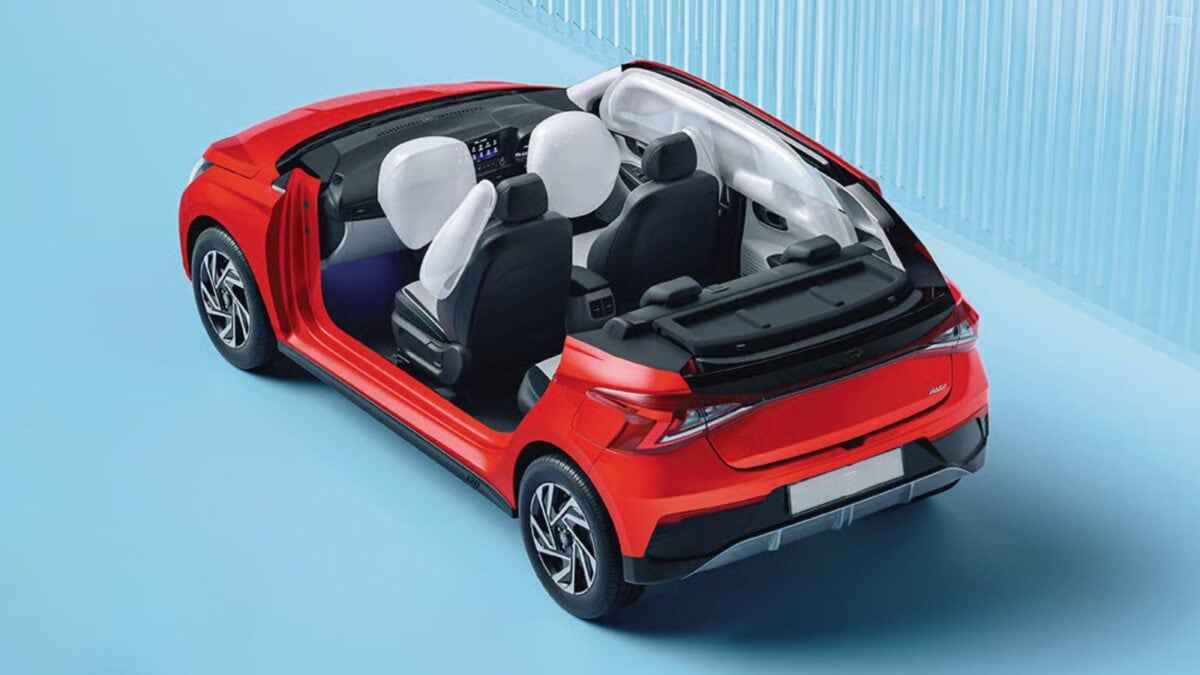
Tata Motors has officially launched the updated version of its popular hatchback Tiago in India. The new Tiago is available in petrol, CNG and electric variants. In this update, major changes have been made in the design, cabin and safety features of the car.

The petrol variant starts at ₹4.69 lakh (ex-showroom), while the CNG variant starts at ₹5.79 lakh and the Tiago EV starts at ₹6.99 lakh. At the same time, with Battery as a Service (BaaS) option, its starting price also becomes ₹ 4.69 lakh. With this launch, Tata has made Tiago more modern, safe and feature-packed than before.

New Tata Tiago Prices (Ex-Showroom)

Tiago Petrol MT

  • Smart: ₹4.69 lakh
  • Pure: ₹5.49 Lakh
  • Pure+: ₹5.99 lakh
  • Pure+ A: ₹6.49 lakh
  • Creative: ₹6.99 Lakh
  • Creative+: ₹7.29 lakh

Tata Tiago CNG MT-

  • Smart: ₹5.79 lakh
  • Pure: ₹6.49 Lakh
  • Pure+: ₹6.99 lakh
  • Pure+ A: ₹7.49 lakh
  • Creative: ₹7.99 Lakh

Tiago EV-

19 kWh battery

  • Smart: ₹6.99 lakh
  • Pure+: ₹8.49 lakh

24 kWh battery

  • Pure+: ₹9.49 lakh
  • Creative+: ₹9.99 lakh

exterior update

The 2026 Tiago facelift has a new front facia, slimmer LED headlamps, revised bumpers and integrated DRLs. The ICE version has got a gloss black grille and fog lamps, while the EV has been given a closed-off EV specific front design.

Both variants have connected LED taillamps, which give the car a wide and premium look. New alloy wheel designs and colors have also been introduced. New mint green color is available in Tiago EV and new coral orange color is available in petrol/CNG. Ground clearance remains 170 mm.

Cabin and Comfort

The interior of Tiago is completely new. The new dashboard comes with layered texture and fabric inserts. The feature list includes floating touchscreen infotainment system, freestanding digital instrument cluster, rotary drive selector, dual wireless charging pads, rear AC vents, USB TypeC ports, two spoke steering wheel (illuminated Tata logo), better AC cooling, cruise control, auto headlamps, rain sensing wipers and quick response paddle shifters. It has also been given 37 connected car features and segment-first built-in Bluetooth connectivity. 360 degree camera and blind view monitor are also new additions.

better safety

Tata has strengthened the roll cage and increased the use of high-strength materials. At the launch event, a unique dual crash test of Tiago CNG was shown, in which first frontal pole impact and then side impact test was done. Emphasis has also been laid on the safety of the twin cylinder CNG system.

powertrain options

  1. Petrol – 1.2 liter NA (86PS/113 Nm), with 5speed manual and AMT
  2. CNG: 1.2 liter iCNG( 75 PS/96.5 Nm) with 5speed manual and AMT
  3. EV: 19.2 kWh and 24 kWh batteries, range up to 315 km

Source link

You are stuck with petrol and diesel, while electric vehicles are being sold at a rapid rate.

You are stuck with petrol and diesel, while electric vehicles are being sold at a rapid rate.

If you are still entangled in the mathematics of rising prices of petrol and diesel, calculating the mileage or making rounds of the fuel station every week, then just wait! A large population of the country has now moved beyond this problem. Just when you are thinking of standing in petrol pump queues, the footfall of customers at Electric Vehicle (EV) showrooms is increasing.

A silent but very fast revolution is going on in the Indian automobile market. Data is witness that the confidence of Indian customers is now rapidly shifting from traditional fuel to 'green mobility'. If you are planning to buy a car in the coming days and you want to know why your next car should be an electric car, then this article of ours is useful for you.

EV sales are breaking records

If you look at the recent data of Federation of Automobile Dealers Association (FADA) and Government Vehicle Portal, the speed of EV will surprise you. The figures are as follows-

  • Huge jump in annual growth: The total sales of electric vehicles in India have registered an annual growth of about 35% to 40% over the previous financial years.
  • Dominance of two-wheelers: The youth and middle class of the country have taken charge of the EV revolution. The share of electric two-wheelers (scooters and bikes) alone in the total electric vehicle sales is more than 55%. Companies like Ola, Ather, TVS and Bajaj are selling thousands of units every month.
  • Revolution in the three-wheeler segment: The game has completely changed in the commercial segment. More than 50% of the total three-wheelers (auto rickshaws and loaders) sold in the country have now become electric. The entire structure of local transport and delivery is shifting to electricity.
  • Speed ​​in car market also: Thanks to companies like Tata Motors, MG and Mahindra, sales of electric cars have also seen a growth of up to 90% annually.

Why are people leaving petrol and diesel and choosing EV?

What happened that people suddenly started saying 'bye-bye' to petrol and diesel? There are some very concrete and practical reasons behind this. Come, let us try to know these also one by one-

1. Huge savings on pocket: While the average cost of driving a petrol car is Rs 7 to 9 per kilometer, an electric car runs for only Rs 1 to 1.5 per kilometer. In two-wheelers this cost is even less (about 25 to 30 paise per kilometer).

2. No maintenance hassles: A conventional engine has hundreds of moving parts. This includes things like engine oil, filter, spark plug, gearbox. There is no hassle in EV. No engine, no oil change, i.e. almost zero maintenance cost.

3. Increasing Range and Infrastructure: Earlier people were afraid what would happen if the battery ran out. But now the vehicles are giving a range of 150 to 500 kilometers in a single charge. Also, a network of charging stations has been spread from the highway to the society.

The future is EV!

Experts believe that the Indian auto market has now reached the turning point from where return is not possible. The government's FAME scheme, PLI scheme and tax exemptions given by state governments have doubled this pace. So next time you think of buying a car or bike, don't just look at petrol and diesel variants. The market trend is clear. The world is changing and vehicles are no longer being charged at petrol pumps but at home plug points.

Source link

Honda City Facelift or Hyundai Verna? Know which is better before buying

Honda City Facelift or Hyundai Verna? Know which is better before buying

Both 2026 Honda City Facelift and Hyundai Verna are attractive options for families and youth planning to buy a new car. The new facelift of Honda City comes with sporty looks, hybrid option and reliability, while Hyundai Verna attracts the youth with stylish design, powerful turbo engine and feature-loaded cabin. Prices for the Honda City start at ₹12 lakh and go up to ₹21 lakh, while the Verna is available from ₹10.98 lakh to ₹18.25 lakh (ex-showroom).

Both mid-size sedans offer a good balance of comfort, performance and value for money. City is more refined and mileage-focused, while Verna is ahead in dynamic driving and modern technology. Which one is better based on budget, preferences (mileage vs power) and features? Let us try to find out.

design details

The 2026 Honda City Facelift gets a new front with connected LED DRLs, revised grille, sportier bumper and new alloy wheels, which give it a premium and bold look. Its length is about 4594 mm. The design of Hyundai Verna is more sleek and youth-oriented. It can be purchased with sharp lines, stylish LED lights and sporty profile. The Verna is slightly wider (1765 mm), which increases road presence. City looks more mature and Verna is aggressive.

interior

The cabin of the City is refined and comfortable. It gets a new 10.1-inch touchscreen, ventilated front seats, ambient lighting and updated ivory white theme. Space is good, but the hybrid has slightly less boot space (306 L). The interior of Verna is more technology-forward. It has been introduced with dual 10.25-inch screens, better materials and sportier feel. The boot space is huge at 528 L. Verna looks a bit modern here.

Features and safety

Honda City has new additions like 360° camera, wireless Android Auto/Apple CarPlay, sunroof, ventilated seats, electric parking brake and connected car tech. Verna gets dual large screens, Bose audio (top variants), powered seats, dashcam and more gadgets. Verna is slightly ahead in features.

6 airbags are standard in both. City gets Honda Sensing Level-2 ADAS (Adaptive Cruise, Lane Keep, Collision Mitigation), 360° camera and ESC. The Verna also has a strong track record of good ADAS, 7 airbags (top) and a 5-star GNCAP rating. Both are quite safe.

Engine and Mileage

Honda City can be purchased in 1.5 liter NA petrol (121 PS, 145 Nm) engine and e:HEV hybrid (126 PS system, 253 Nm) options. Its maximum claimed mileage is 27.26 kmpl. At the same time, Hyundai Verna can be purchased with 1.5 liter NA (115 PS) or 1.5 liter Turbo (160 PS, 253 Nm) engine. Its maximum claimed mileage is 20.6 kmpl.

Source link

Electric Cab at ₹8/KM! VinFast coming to challenge Ola-Uber in India

Electric Cab at ₹8/KM! VinFast coming to challenge Ola-Uber in India

Last Updated:

A big change is about to come in the electric mobility sector in India. Vietnam's VinFast is preparing to directly challenge Ola and Uber through its Green SM taxi service. Starting with 1000 electric cabs in Delhi-NCR, fare of only ₹ 8 per kilometer and plan of 10,000 EV fleet is making this service special. The company's model will be different and more controlled than BluSmart, due to which passengers can get a better experience.

news immediately

Zoom

VinFast Green SM is coming to India.

Vietnam's electric vehicle manufacturer VinFast is preparing to launch a fully electric taxi service in India under its mobility arm Green and Smart Mobility (Green SM/GSM). This step can bring a big change in India's automotive and urban transportation sector.

The company has started recruitment of driver partners in Delhi-NCR. According to reports, Green SM is planning to deploy a fleet of around 10,000 VinFast electric vehicles, which will mainly include the Limo Green 7-seater electric MPV. In the initial phase, it may start with 1,000 vehicles in Delhi-NCR, after which there will be expansion in cities like Bengaluru and Hyderabad.

Fares lower than Ola, Uber

The specialty of the service is low fares. According to some sources, the travel fee will be kept at around Rs 8 per kilometer. The company will move away from the traditional aggregator model and adopt a model of company-owned vehicles and trained drivers, which will provide better control over vehicle condition, maintenance, charging infrastructure and service quality. There will be no system like surge pricing, which can prove attractive for passengers.

golden job opportunity

Drivers can be offered a salary of Rs 35,000 to Rs 40,000 per month, along with insurance and other facilities. The recruitment drive mainly focuses on NCR. Vinfast will ensure supply of vehicles from its Tamil Nadu plant, which will promote local manufacturing.

BluSmart has failed

This launch is taking place at a time when the country's leading electric cab player BluSmart had suspended operations some time ago. This has increased the demand for premium and reliable electric mobility. In direct competition with players like Ola, Uber and Rapido, Green SM will try to differentiate itself through 100% electric fleet, better control and sustainable mobility.

Auto experts believe that if the company keeps the charging network, vehicle uptime and customer experience strong, then it can give a new impetus to India's EV ecosystem. Vinfast has already planned market entry of passenger vehicles in India. This step of Green SM is an indication of the company's deep partnership in India.

About the Author

authoring

Ram Mohan MishraSenior Sub Editor

Ram Mohan Mishra, working as Senior Sub-Editor at News18 Hindi, is active in digital media since 2021 and is currently handling the Auto Desk. They provide car and bike related information in an easy, clear and reliable manner.read more


Source link

MG Majestor or Jeep Meridian? Before buying, know which SUV is more powerful

MG Majestor or Jeep Meridian? Before buying, know which SUV is more powerful

Both MG Majestor and Jeep Meridian are premium 7-seater SUVs, which target families and adventure lovers in the Indian market. MG Majestor has been launched recently and is giving a direct challenge to Toyota Fortuner. Its ex-showroom price starts from ₹ 40.99 lakh and goes up to ₹ 44.99 lakh in the top variant.

Whereas, Jeep Meridian is already available. Its starting ex-showroom price is ₹ 23.33 lakh and the top variant (Track Edition 4×4) goes up to around ₹ 37-38 lakh. The Majestor is big, powerful and feature loaded, while the Meridian offers value for money and the off-road prowess of the Jeep brand. Let us know who is better among the two?

Design and interior

MG Majestor is one of the largest SUVs in India. Its length is 5046 mm, width 2016 mm, height 1876 mm and wheelbase 2950 mm. Its look is modern, bold and luxurious, with horizontal LED lights and a massive grille. Jeep Meridian is 4769 mm long, which is more compact. Its design is rugged, muscular and off-road vibes with classic Jeep styling. Majestor is a clear winner in size.

Talking about the interior, the cabin of Majestor is large, airy and premium. Luxuries like dual 12.3-inch screens, panoramic sunroof, ventilated seats and JBL sound system are available. The third row is also suitable for adults. The interior of the Meridian is also nice and premium, but not as spacious and modern as the Majestor. The Meridian also gets a sliding second row.

Features and safety

Majestor takes the lead in this matter. It can be bought with Level 2 ADAS, 360° camera, multiple terrain modes, connected tech and luxury features. The Meridian also gets panoramic sunroof, 360° camera and ADAS (in top variants), but the Majestor is more tech-savvy.

Talking about safety, 6 airbags are standard in both. Majestor has Level 2 ADAS, 360° camera and sturdy chassis. The Meridian also has good safety kit (ESC, Hill Assist etc) and the Jeep has strong off-road safety. Majestor's size and ADAS give it an edge.

Engine and Performance

MG Majestor has a 2.0 liter twin-turbo diesel engine, which gives 215 PS power and 478 Nm torque. It can be bought with 8-speed AT. It is fast, refined and powerful. The 2.0 liter diesel engine of Jeep Meridian produces 172 PS power and 350 Nm torque and can be purchased with 6MT/9AT. Majestor is better in performance, torque and highway cruising, while Meridian gives good mileage and driveability. 4×4 and triple diff locks in Majestor give better off-road capability.

If you want bigger size, more power, luxury and advanced features, then MG Majestor is a better option. If the budget is low or you want Jeep branding and value, then Jeep Meridian is a smart choice. Both are good SUVs. The decision depends on your priority. You can choose either of the two according to your budget and needs.

Source link

Hyundai increased the prices of cars! Everything from Creta to i20 will be expensive

Hyundai increased the prices of cars! Everything from Creta to i20 will be expensive

Last Updated:

If you are planning to buy a new Hyundai car, then this news is very important for you. The company is going to increase the prices of its entire portfolio from June 1, 2026. Popular models like Creta, Venue, i20 and Alcazar may now be more expensive than before. After all, how much will the price increase, which models will be affected the most and what is the last chance for customers to save? Know complete details here.

news immediately

Zoom

Hyundai will increase the prices of its cars from June 1.

Hyundai Motor India has announced price increase on its entire product portfolio from June 1, 2026. This decision has been taken due to the continuous increase in raw materials, production costs and other operating expenses. The company had informed in the month of April itself that there would be an increase of about one percent, which is now being implemented from June 2026.

Hyundai says that the company is not passing the entire burden on the customers, but is only including a part of the additional cost in the prices. This increase will maintain the profitability of the company and will help in bringing better technology products in future. The rising prices of steel, aluminum and electronic components in the Indian automobile market have affected all the companies. Let us know how expensive can the different models be made?

Model wise growth estimates

Hyundai has not officially announced the exact increase for each model, but based on experts and market estimates the increase could be as follows

  • Hyundai Creta: ₹8,000 to ₹12,800
  • Hyundai Venue: ₹6,000 to ₹10,500
  • Hyundai i20: ₹5,500 to ₹9,000
  • Hyundai Alcazar: ₹9,000 to ₹12,000
  • Hyundai Grand i10 Nios and Aura: ₹4,000 to ₹7,500
  • Hyundai Tucson and Ioniq 5: ₹10,000 to ₹12,800

Note: The exact amount of increase will depend on the variant (Base, Mid, Top). The increase is likely to be less on entry level variants and more on high-end variants.

Why is it increasing?

The company had informed the stock exchange in April that it was going to increase the price by about 1% from May, but keeping in mind the market situation and customers, it was postponed to June 1. Hyundai clarified that it is not passing on the entire additional expense to customers, but only a portion.

advice for customers

Customers who book and take delivery by May 31, 2026, can get the benefit of the old prices. The new prices will be applicable to those purchasing from June. Hyundai's popular models like Creta, Venue, i20 and Alcazar are expected to be affected the most, as these are the company's best-selling vehicles.

This increase is common in the Indian auto industry. Other companies like Maruti Suzuki, Tata Motors and Mahindra also keep making similar price adjustments from time to time. Hyundai says that they are continuously working on cost control measures so that customers can get better value in future.

About the Author

authoring

Ram Mohan MishraSenior Sub Editor

Ram Mohan Mishra, working as Senior Sub-Editor at News18 Hindi, is active in digital media since 2021 and is currently handling the Auto Desk. They provide car and bike related information in an easy, clear and reliable manner.read more


Source link

MG Majestor vs Toyota Fortuner: Which SUV is more powerful under ₹40 lakh? Know

MG Majestor vs Toyota Fortuner: Which SUV is more powerful under ₹40 lakh? Know

MG Majestor vs Toyota Fortuner: After a long wait, MG Majester has been launched in the Indian market. Here it will compete directly with Toyota Fortuner. Majestor comes with larger dimensions, powerful twin-turbo diesel engine and latest features, while Fortuner is known for its reliability, resale value and off-road capability.

Talking about the price (ex-showroom, India), the MG Majestor starts at ₹ 40.99 lakh and goes up to ₹ 44-45 lakh for the top variant. Whereas Toyota Fortuner ranges from ₹ 34.76 lakh to ₹ 50.46 lakh. Majestor offers value for money, especially considering the features and size. Let's take a look at the details of both, from design to engine and mileage.

Design and interior

MG Majestor is much bigger than its competitor Fortuner. Its length is 5046 mm, width 2016 mm and height is 1876 mm, whereas the length of Fortuner is around 4795 mm. Majestor's bold front, LED headlamps, large grille and 19-inch alloy wheels give it an aggressive look. The design of Fortuner is more mature and classic, which has been liked for a long time. The D+ segment size of Majestor gives it more presence on the road.

The cabin of Majestor is more luxurious and spacious. It has dual 12.3-inch display, premium leatherette upholstery, massage, ventilated and heated seats, panoramic sunroof, 3-zone climate control and 12-speaker JBL sound system. The interior of Fortuner is also good, but looks old. It has an 8-inch touchscreen and 11-speaker JBL. Majestor is more modern and comfortable with 6-7 seater option.

Features and safety

Majestor is full of features. It can be bought with Level-2 ADAS (Adaptive Cruise, Lane Keep Assist), 360° camera, gesture tailgate, dual wireless charger and 64-color ambient lighting. Fortuner has basic and good connectivity features, but Majestor has an edge in this. 4×4 system is available in both, but Majestor gets triple diff lock and 10 terrain modes.

Fortuner has a good grip on safety. It has been introduced with 7 airbags, VSC and strong body. Whereas, Majestor has 6 airbags, level-2 ADAS and strong structure. Road test and long-term reliability of Fortuner is considered better.

Engine and Mileage

Majestor has a 2.0 liter twin-turbo diesel engine, which gives 215 PS power and 478 Nm torque. It is paired with 8-speed AT. Fortuner has 2.8 liter diesel (201 PS, 500 Nm) or 2.7 liter petrol option. The Majestor is quicker in performance, while the Fortuner has better torque. Real world mileage of both is around 10 KMPL.

Summary: MG Majestor competes with Fortuner in features, size and value. The Fortuner brand is strong in resale and service network. If you want modern tech and space then choose Majestor, for reliability with classic looks and features Fortuner is a good choice. Overall, Majestor is the most premium option in its segment.

Source link

MG Majestor launched in India, Fortuner buyers will be left wondering after hearing the price!

MG Majestor launched in India, Fortuner buyers will be left wondering after hearing the price!

JSW MG Motor India has officially launched its new flagship SUV MG Majestor after a long wait. Positioned as the country's first D+ SUV, this vehicle makes a strong entry in the premium full-size SUV segment. Where it emphasizes on size, luxury and off-road capability.

Its pricing starts at ₹40.99 lakh (ex-showroom) for the 4×2 automatic top trim, while the fully-loaded 4×4 automatic variant is priced at ₹44.99 lakh (ex-showroom). This SUV is available in 6-seater and 7-seater layout. In the market, it will compete directly with big SUVs like Toyota Fortuner and Jeep Meridian. Let's take a look at its design, engine and performance details.

Design and interior

The look of MG Majestor is very bold and commanding. This is the longest, widest and tallest SUV in the segment. Its length is 5,046 mm, width is 2,016 mm, height is 1,870 mm and wheelbase is 2,950 mm. The design has a large Mosaic Matrix grille, Dragon Eye LED DRLs, tri-beam LED headlamps, connected LED tail lamps and 19-inch alloy wheels. The high bonnet, boxy proportions and strong stance make it attractive off-road as well.

The interior is based on a premium black theme, with leather upholstery. Front seats are ventilated. Massage function, memory settings and welcome function are available in these. Features like column-mounted gear selector, electronic parking brake and auto hold give a feel of luxury.

Features and safety

The feature list includes dual 12.3-inch displays, wireless Android Auto/Apple CarPlay, 12-speaker JBL surround sound system, dual wireless charger and 3-zone climate control. In terms of safety, MG Majestor has Level-2 ADAS suite, in which assisted steering, braking and acceleration functions are provided. Apart from this, there are features like ESP, ABS, EBD, traction control, roll movement intervention and 360-degree HD camera.

Engine and Performance

Talking about powertrain, the 2.0-litre twin-turbo diesel engine generates 215.5 PS power and 478.5 Nm torque. It comes with 8-speed automatic gearbox. Customers can choose both 2WD and 4WD options. MG claims that it offers best-in-class power figures in the segment.

The off-road capability is extremely strong. It has an advanced intelligent 4WD system, which comes with 10 off-road modes. The special thing is that it has been provided with segment-first triple differential locks (front, rear and centre). 219 mm ground clearance and 810 mm water wading capability make it capable for hazardous terrains. Crawl Control mode is also available. Mileage can be around 10 KMPL.

Warranty and Booking Details

MG has also introduced the MG Shield Ownership Package with the Majestor, which includes 3 years unlimited kilometer warranty, 3 years roadside assistance and 3 labour-free periodic services. It can be purchased with four color options – Pearl White, Concrete Grey, Metal Black and Metal Ash. Bookings have already started at dealerships and online.

Source link

Compact SUV vs Big SUV: Which is best according to family, budget and parking? Know

Compact SUV vs Big SUV: Which is best according to family, budget and parking? Know

In today's time, whenever someone thinks of buying a new car, the first thought that comes to his mind is SUV (Sport Utility Vehicle). Due to high seating position, powerful looks and ability to move easily even on bad roads, the SUV craze is at its peak in India.

However, the real confusion starts when you have to choose between a small SUV (Compact/Sub-compact SUV) and a large SUV (Full-size/Mid-size SUV). Both have their advantages and disadvantages. Let us understand in very simple language which SUV will be perfect for you according to your family, budget and parking space.

1. Mathematics of budget

Buying a car always starts with the budget. Not only the cost of buying a car, but also the cost of running it matters. If your budget is between ₹ 8 lakh to ₹ 15 lakh, then a small SUV is best for you. Their engines are generally small (1.0L to 1.5L), due to which they give excellent mileage (15-20 km/litre).

Their insurance and maintenance costs are also less. Large SUVs usually start from ₹18 lakh and go up to ₹35-40 lakh or above. Due to larger engines, their mileage is less (10-14 km/litre) and the cost of servicing and parts is also much higher than that of small vehicles.

2. Parking and Traffic

Finding parking in big cities of India is like winning a war. Before choosing a vehicle, measure the size of the parking space of your home and office. The length of a small SUV is around 4 meters. They are very easy to maneuver in narrow streets, maneuver in heavy traffic and fit into small parking spaces.

The length of a large SUV is more than 4.5 meters. A good amount of experience is required to operate them. If your house has a narrow street or limited parking space, then a big SUV can become a daily headache for you.

3. Family size and comfort (space)

How many members are there in your family and how you use the vehicle, this is the biggest factor. The small 5-seater SUV is perfect for a small family of 4 to 5 members. In this, the front and rear passengers get good legroom and there is also a decent boot space (dicky) for weekend trips.

If you have a joint family or you often go on long trips with friends, then only a big SUV will be useful for you. Its third row is best for children or short journeys. Also, its heavy suspension provides a very comfortable ride during long distance journeys. See quick comparison table-

factor compact suv big suv
seating capacity 5 seater 6 to 7 seater
estimated budget ₹8 lakh to ₹15 lakh ₹18 Lakh to ₹40 Lakh+
mileage more (economical) low (heavy engine)
parking and traffic very easy a little difficult
travel comfort Best for city driving Best for highway and long trips

Final Verdict: If you mostly drive in city traffic, have a small family, less parking space and you want to enjoy the luxury of an SUV at a lower cost, then a smaller car is better. If you have a large family, you often take long trips on the highway, you need to carry heavy luggage (boot space) and budget and parking are not an issue, then you can choose a bigger car.

Source link

From Hyundai Aura to Honda Amaze, which sedan won in April? Know

From Hyundai Aura to Honda Amaze, which sedan won in April? Know

Despite questions being raised on its popularity, the sedan segment has performed brilliantly in April 2026. A total of 35,218 units were sold within this segment last month, which shows a strong annual growth of 21.92% as compared to 28,887 units in April 2025.

During this period, 6,331 additional vehicles were sold. However, there has been a slight decline of 8.52% on a monthly basis compared to 38,500 units in March 2026. Even amid the dominance of SUVs, sedans have attracted loyal customers due to their utility and low maintenance costs. Come, let us know about the 5 best selling sedans of last month.

1. Maruti Dzire

Maruti Dezire maintained its monopoly on the sedan segment in April 2026. With sales of 23,580 units it achieved a huge market share of 66.95%. Compared to 16,996 units in April last year, a tremendous increase of 38.74% was recorded. Due to fuel efficiency, reliability and attractive features, Dezire continues to be the first choice of Indian families.

2.Hyundai Aura

Hyundai Aura stood at second place, with 4,587 units sold. Its annual growth was 8.59% with 13.02% market share. Aura is very popular among young buyers due to its modern design, premium interior and good feature list. This sedan is proving to be a great option for value for money.

3.Honda Amaze

Amaze secured the third position with sales of 2,856 units. Its market share stood at 8.11% with an impressive annual growth of 41.46%. Due to its excellent driving dynamics, spacious cabin and reliable engine, Amaze is attracting those customers who want both performance and comfort.

4.VW Virtus

1,162 units of Volkswagen Virtus have been sold. However, a decline of 27.60% was recorded on an annual basis. With 3.30% market share, this premium sedan is still a favorite among buyers looking for dynamic handling and European build quality.

5. Tata Tigor/EV

Tata Tigor has made it to the top-5 with sales of 962 units. Its sales declined by 25.77% with 2.73% market share. With the electric variant, it remains an option for eco-conscious buyers. However, the petrol variant needs stronger marketing.

Apart from the top-5 cars of the segment mentioned above, 865 units of Hyundai Verna, 830 units of Skoda Slavia, 199 units of Toyota Camry and 177 units of Honda City were sold last month.

Source link

Honda City Facelift or Hyundai Verna? Know which is better before buying

2026 Honda City Facelift or Skoda Slavia? Before buying, know which sedan has the best power.

2026 Honda City Facelift vs Skoda Slavia: Honda City Facelift has made a new entry in the sedan segment. With its new sporty design, advanced features and hybrid option, this car remains a symbol of comfort and reliability. Whereas, Skoda Slavia attracts performance lovers with driving dynamics, space and 5-star safety. Both midsize sedans are giving tough competition in the premium segment.

Talking about ex-showroom prices, the Honda City facelift starts at ₹ 11.99 lakh (SV petrol MT), while the top ZX+ Hybrid variant goes up to ₹ 21 lakh. Skoda Slavia is more economical. Prices start at ₹10 lakh for the base Classic 1.0 TSI and go up to ₹17.99 lakh for the top Monte Carlo 1.5 DSG. The City hybrid offers value, while the Slavia offers a better entry price in lower variants. Let's take a look at the design, engine and mileage details of both.

design details

The Honda City facelift gets a sportier look with a new front facia, full-wide LED light bar, projector headlamps and aeroblade alloy wheels. It looks more modern and premium. The design of Skoda Slavia is European. Elegant with clean lines, butterfly grille, sleek profile and 16-inch alloys. The rear of the Slavia looks bolder, while the updated look of the City will appeal more to young buyers.

Cabin and Comfort

The interior of the City is now more refined. The new ivory white theme, ventilated front seats, 10.1-inch touchscreen and premium materials make it special. It has always been strong in space and comfort. The cabin of the Slavia is larger, with 521 liters of boot space more than the City. It has a 10-inch touchscreen, virtual cockpit and ventilated seats. The interior of the Slavia feels more spacious and family-friendly.

Features and safety

Features like 360-degree camera, wireless charging, ADAS (top variants), sunroof and connected tech have been added to the City facelift. Slavia gets a 10-inch screen, wireless Apple CarPlay/Android Auto, ventilated seats, sunroof and digital driver display. Both have good features, but the City Hybrid offers a smoother e-CVT experience, while the Slavia is more engaging with its driving modes.

The big plus of the Slavia is the 5-star Global NCAP rating, 6 airbags as standard, ESC, TPMS and the strong MQB platform. City also gives good safety. It gets 6 airbags, ABS, EBD, ADAS. However, the crash test performance of Slavia is considered better. ISOFIX and other standard safety features are present in both.

Engine and Mileage

The 1.5 liter i-VTEC petrol (121 PS, 145 Nm) with MT/CVT in the Honda City returns 17.77-17.97 kmpl, while the e:HEV Strong Hybrid (126 PS system, 253 Nm) returns a mileage of 27.26 kmpl. In Slavia, 1.0 liter TSI (115 PS, 178 Nm) gives a mileage of 18.73-20.32 kmpl and 1.5 liter TSI (150 PS, 250 Nm) with DSG gives a mileage of up to 19.36 kmpl.

Which is better: If you want comfort, mileage (especially hybrid) and long-term reliability, then the 2026 Honda City facelift is a better option. Skoda Slavia is ahead in terms of driving enjoyment, space, safety rating and value for money. The decision depends on your priority.

Source link

2026 Tata Tiago CNG will explode! Paddle shifters coming in CNG AMT for the first time

2026 Tata Tiago CNG will explode! Paddle shifters coming in CNG AMT for the first time

Tata Motors has released the details of the CNG variant of the facelift model of its popular hatchback Tiago. The company has revealed the interior and exterior of the car through a new video. The biggest news is that paddle shifters will be provided in the 2026 Tata Tiago CNG AMT. This feature will be a first in the segment, as this feature is not available in competitors like Maruti Celerio or Hyundai Grand i10 Nios.

After the petrol facelift of Tiago, now a glimpse of the CNG version has also been seen. Its prices are going to be officially announced on May 28. There is not much difference in the CNG model from the petrol version, except for some special technical aspects related to CNG. Let us know how different it can be.

Engine and Performance

Not many mechanical changes have been made. Tiago CNG will have the same 1.2 liter, three-cylinder naturally aspirated engine. In petrol mode it gives 86 hp power, while in CNG mode the power reduces to 75.5 hp. A 5-speed manual gearbox will be standard, along with the option of a 5-speed AMT.

Tata's popular dual-cylinder CNG technology (iCNG) will continue, which is space-saving and safe. The direct CNG start feature will also be retained, due to which the car starts easily even in cold weather.

Interior and new features

The interior has been made quite modern. Like the petrol model, the CNG will also get two free-standing screens – 10.25 inch touchscreen and a new digital driver display. The old LCD display will now be replaced by a digital unit.

The design of the dashboard has also been changed. Now it has been given a layered look, which looks more premium than the earlier swooping design. New features include 360 ​​degree camera, 2 wireless charging pads, rotary gear selector and push-button start/stop. These features make Tiago very competitive in its segment.

exterior updates

Soft updates have been given in the exterior, which make the car more modern and attractive. New bumpers, redesigned LED headlamps and taillamps (which are connected by a connecting band) give the car a fresh look. Newly designed alloy wheels have also been included.

Price and competition

The current Tiago CNG MT is priced between ₹5.54 lakh to ₹7.4 lakh, while the AMT variants go from ₹7.32 lakh to ₹7.92 lakh (ex-showroom). An increase of about ₹ 30,000 is expected in the facelift model.

This car will mainly compete with Maruti Suzuki Celerio and Hyundai Grand i10 Nios. The AMT option with paddle shifters will differentiate it from its competitors, especially for customers who want more control in an automatic transmission.

Overall, the 2026 Tata Tiago CNG facelift brings a good combination of style, features and convenience. It can prove to be a strong contender in the CNG segment, especially in cities, where people drive more cars and want to buy a car with good mileage.

Source link

Maruti WagonR became India's number 1 hatchback, Baleno and Swift also created a stir

Maruti WagonR became India's number 1 hatchback, Baleno and Swift also created a stir

The hatchback is the best choice for those looking for a better option between a sedan and an SUV. There are many options available in this segment in the Indian market. If we look at last month's sales, the demand for hatchbacks like Maruti WagonR to Hyundai i20 has increased.

All mass market hatchbacks combined have brought in a total of 95,907 new customers last month. This figure shows an annual increase of 21,732 units i.e. 29.30 percent compared to the total 74,175 units sold in April 2025. Let's take a look at the model-wise sales report.

Maruti WagonR

WagonR is at number one in terms of sales. A total of 18,648 units were sold last month. This figure shows an annual increase of 39.03 percent compared to the total 13,413 units sold in April 2025.

Maruti Baleno

Maruti Baleno is at second place in sales. A total of 18,306 units were sold last month. This figure shows an annual increase of 38.89 percent compared to the total 13,180 units sold in April 2025.

Maruti Swift

Swift is at number three in the list. A total of 17,829 units have been sold in April 2026. This figure shows an annual increase of 22.18 percent compared to the total 14,592 units sold in April 2025.

Maruti Alto

In terms of sales, Maruti Alto is at number four. A total of 10,856 units were sold last month. This figure shows an annual increase of 93.65 percent compared to the total 5606 units of Alto sold in April 2025.

Hyundai i20

On the basis of increase in sales, Hyundai i20 has registered its name in the list of top-5 cars. A total of 5624 units were sold last month. This figure shows an increase of 59.55 percent on an annual basis compared to the total 3525 units sold in April 2025.

Apart from the top-5 motorcycles of the segment mentioned above, last month there were 5488 units of Tata Tiago/EV, 5210 units of Maruti S-Presso, 4149 units of Hyundai i10 NIOS, 3360 units of Toyota Glanza, 2586 units of Tata Altroz, 2296 units of Maruti Celerio, 601 units of MG Comet EV, 531 units of Citroen C3, 531 units of Renault Kwid. 410 units and only 13 units of Citroen eC3 have been sold. At the same time, Maruti Ignis did not get a single customer last month.

Source link

Petrol and diesel holiday! Maruti is bringing 100% ethanol car…to be launched on June 5

Petrol and diesel holiday! Maruti is bringing 100% ethanol car…to be launched on June 5

Last Updated:

A big change is about to come in the automobile sector in India. Maruti Suzuki is going to launch the country's first E100 Flex Fuel Passenger Car on June 5, 2026, which will run on 100% ethanol. According to Union Minister Nitin Gadkari, this will reduce petrol expenses, increase farmers' income and reduce pollution. After all, how will this new flex fuel car be, how much mileage will it get and which model will be launched? Know complete details.

news immediately

Zoom

Maruti will soon launch a Flex Fuel car.

Union Minister Nitin Gadkari, while announcing at an event recently, said that the country's largest car maker Maruti Suzuki will launch India's first E100 flex fuel passenger car in Delhi on World Environment Day, June 5, 2026. This car will be able to run on 100% ethanol, which will prove to be a big step in reducing India's dependence on petrol and diesel, increasing the income of farmers and reducing pollution. Gadkari said that this vehicle will be capable of running on any mixture including E100 (100% ethanol). With this, India will be able to develop an ethanol ecosystem like Brazil.

Maruti has not yet revealed the name of the official model, but it is likely that the flex fuel version of WagonR or Fronx will be the first to hit the market. Earlier, the company had shown the Fronx Flex Fuel prototype in Japan. Let us know how Maruti's first flex fuel car could be in terms of design, engine and performance?

Design and interior

The design of the car will remain the same as the existing models. However, it will be offered with an ethanol compatible tank, piping and body reinforcement. Attractive LED lights, modern front grille and roof rails are expected. Expect to get a practical and spacious cabin, 7-inch touchscreen infotainment system, steering mounted controls, good quality fabric seats and digital instrument cluster.

Features and safety

Features like automatic climate control, rear parking sensors, USB charging, Bluetooth connectivity and keyless entry can be provided in it. Ethanol level indicator and fuel monitoring system will be new. Dual airbags, ABS with EBD, rear parking sensors, ISOFIX child seat anchors and high-strength steel structure make it special. Additional safety features can be added for flex fuel engines.

Engine and Mileage

It will potentially get a 1.2 liter flex fuel engine, which can run on both petrol and ethanol. Power may be slightly reduced in E100 mode, but torque will be good. Mileage is expected to be 20-22 kmpl on petrol and 15-18 kmpl on E100 (due to lower energy density of ethanol). Since ethanol is cheap (about ₹65/litre), the effective cost will be around ₹25/litre. This launch will boost India's ethanol blending program (beyond E20), reduce oil imports and benefit the environment.

About the Author

authoring

Ram Mohan MishraSenior Sub Editor

Ram Mohan Mishra, working as Senior Sub-Editor at News18 Hindi, is active in digital media since 2021 and is currently handling the Auto Desk. They provide car and bike related information in an easy, clear and reliable manner.read more


Source link

You will be surprised to see the cabin of the new Tata Tiago EV! Equipped with Dual Display and Premium Features

You will be surprised to see the cabin of the new Tata Tiago EV! Equipped with Dual Display and Premium Features

Last Updated:

There has been a stir in the Indian EV market as soon as the new interior of the 2026 Tata Tiago EV facelift has been revealed. Major updates like dual screen setup, wireless Apple CarPlay, premium cabin and bigger battery are making it more modern than before. There is also talk of getting a new i-Drive motor with Punch EV. What new will be available in this electric hatchback to be launched on May 28, know the complete details.

news immediately

Zoom

Tata Tiago EV interior has been revealed.

Tata Motors has also revealed the interior of the 2026 facelift model of its popular electric car Tiago EV. The new cabin looks quite modern, premium and feature-loaded compared to the old model. This change will play an important role in making Tiago EV more attractive.

The biggest and immediately noticeable change is the dual screen setup. There is a large landscape oriented infotainment screen on the left side of the dashboard, while a separate rectangular digital instrument cluster is provided just behind the steering wheel. Both the screens are neatly placed on the two-tone gray and black dashboard. Apple CarPlay is seen running on the infotainment screen, which confirms support for wireless connectivity.

How much has the instrument cluster changed?

The digital instrument cluster displays important information like speed, battery range, charge status, time and temperature in a clean and modern manner. This is much better and readable than the basic display of the old Tiago EV. The Tata EV badge is prominently seen in the middle of the steering wheel. Steering mounted controls are provided on both sides, through which audio, phone and other functions can be easily controlled.

Climate control panel also changed

The climate control panel is placed below the infotainment screen, which has physical rotary dials and buttons. With this, the temperature can be easily adjusted while driving without touching the screen. There is a row of additional buttons on the lower center console, as well as a drive mode toggle. Light gray fabric or soft-touch material has been used on the upper part of the dashboard, which gives a premium feel to the cabin. Overall the interior is clean, minimalistic and modern.

Updates in battery and performance also

There is also going to be a change in the battery pack options in 2026 Tiago EV. According to reports, the company may remove the 19 kWh entry-level battery. The new base variant will now come with a 24 kWh battery, while the top variant is likely to get a 30 kWh battery pack, which will give a longer range. Apart from this, the 6-in-1 i-Drive motor of Punch EV can also be given in Tiago EV facelift.

The price is expected to increase slightly, but the company will try to keep it affordable. The official launch of both the 2026 Tata Tiago EV and its ICE version is scheduled to take place on 28 May 2026. This facelift will not only make Tiago EV attractive from inside but will also make it a strong competitor in the segment in terms of features, technology and range. Tata's popular entry-level electric hatchback is going to make a comeback in the Indian EV market even more attractive.

About the Author

authoring

Ram Mohan MishraSenior Sub Editor

Ram Mohan Mishra, working as Senior Sub-Editor at News18 Hindi, is active in digital media since 2021 and is currently handling the Auto Desk. They provide car and bike related information in an easy, clear and reliable manner.read more


Source link

Mahindra XUV 7XO vs Hyundai Alcazar: Which is a better 7-seater SUV? Features, Mileage and Safety

Mahindra XUV 7XO vs Hyundai Alcazar: Which is a better 7-seater SUV? Features, Mileage and Safety

Both Mahindra XUV 7XO (XUV700 facelift) and Hyundai Alcazar are popular 7-seater family SUVs in the Indian market. Both of them are strong contenders in terms of space, features and performance. The starting ex-showroom price of XUV 7XO starts at ₹ 13.66 lakh, while that of Alcazar starts at ₹ 14.50 lakh.

In the top variants, the XUV 7XO goes up to ₹ 24 lakh and the Alcazar goes up to around ₹ 21 lakh. XUV 7XO is ahead in power and safety. Whereas Alcazar is better in refinementness, mileage and value-for-money. Both are good options for family use, highway trips or city driving. Let us take a look at the details from its design to engine and mileage.

design details

The design of XUV 7XO is bold and muscular. The new front grille, LED DRLs, connected taillights and big wheels give it road dominance. Its size is big, which gives better presence. The look of Alcazar is more premium and sleek. Hyundai's signature lighting comes with chrome elements and smooth lines. The Alcazar looks a bit compact but has an elegant appeal. The XUV 7XO is better for those who like adventurous looks, while the Alcazar will suit those who want soft and family-oriented styling.

Cabin and Comfort

Both come with premium interior. The XUV 7XO features dual 10.25-inch screens, ventilated seats (front + second row), panoramic sunroof and high quality materials. Space is very good, even the third row is usable for adults. The cabin of the Alcazar is refined and luxurious. There is superior fit-finish, soft-touch materials, ambient lighting and comfortable seating. The Alcazar is available in a 6-seater option (captain seats), which is more practical for families. XUV 7XO is ahead in space and practicality, Alcazar is better in comfort and luxury feel.

Features and safety

The XUV 7XO features level-2 ADAS, 540° camera, high-end audio, wireless charging, dual zone climate and a host of connected car tech. Alcazar is also feature loaded. There is panoramic sunroof, ventilated seats, Bose audio (in top variants), 360° camera, wireless Android Auto/Apple CarPlay and Smart Sense safety suite. The user interface of Alcazar seems more intuitive. Both are packed with modern features, but the XUV 7XO offers more advanced driver assistance.

Talking about safety, XUV 7XO has achieved 5-star rating in Bharat NCAP. It has 7 airbags, strong body structure and advanced ADAS. The Alcazar has 6 airbags, Hyundai SmartSense (ADAS), ABS, EBD and good safety features, but is considered to be a little behind the XUV 7XO in the NCAP test. XUV 7XO is a better option if safety is a priority.

Engine and Mileage

Mahindra XUV 7XO comes with powerful engine options. It has a 2.0 liter turbo petrol engine, which produces 200 bhp power and 380 Nm torque, while the 2.2 liter diesel engine produces 182 bhp power and 450 Nm torque. AWD option is also available in diesel variant. This SUV is very fun and powerful for overtaking and long drives on the highway. According to ARAI, the mileage of petrol variant is around 13-17 kmpl and that of diesel is around 15-17 kmpl.

On the other hand, Hyundai Alcazar offers a more refined and fuel efficient engine. In this, the 1.5 liter turbo petrol engine gives 157 bhp power, while the 1.5 liter diesel engine comes with 115 bhp power and 250 Nm torque. Alcazar City feels more smooth and comfortable in driving and daily use. It gives better mileage. The mileage is around 17.5 kmpl in petrol and 18-20.4 kmpl (ARAI) in diesel.

Source link

27 KM Mileage, Sunroof… Price Only ₹ 5,64,990! These SUVs are best for middle class

27 KM Mileage, Sunroof… Price Only ₹ 5,64,990! These SUVs are best for middle class

HomePhotoAutoCar

27 KM Mileage, Sunroof..Price Only ₹ 5.65 Lakh! These SUVs are best for middle class

Last Updated:

Best SUV For Middle Class Family in India: If you are planning to buy a safe, mileage friendly and feature-loaded SUV for your family, then this news is very useful for you. From Tata Punch to Hyundai Exter and Nissan Magnite, there are many great budget SUVs in the Indian market that offer premium features and strong safety at a low price. Know which SUV can prove to be the best for your family and budget.

Tata Punch: It is very popular among Indian families for its strong design and safety. This micro-SUV has received a 5-star safety rating in the Global NCAP crash test, which makes it very safe for children and elderly people to travel. Its high ground clearance and bold SUV design helps it move easily on all types of roads. Its ex-showroom price starts from ₹ 5,64,990.

2026 Tata Punch On Road Price & EMI

Talking about the features, it has a sunroof, 7-inch touchscreen infotainment system, automatic climate control and large boot space with twin-cylinder technology. Its 1.2 liter petrol engine gives a mileage of approximately 20.09 km/litre. At the same time, for budget-friendly driving, its CNG variant is capable of giving an excellent mileage of about 26.99 km/kg. It gets standard 6 airbags.

Hyundai Exter: It remains the first choice of middle class customers due to its modern look and segment-first features. Giving priority to safety in this SUV, 6 airbags have been provided as standard in all variants. Its cabin is well ventilated and sitting in it is very comfortable, which does not cause fatigue during long distance family journeys. Its starting ex-showroom price is ₹ 5,79,900.

Add News18 as
Preferred Source on Google

Hyundai Exter On-Road Price & EMI Details

This vehicle has premium features like single-pane sunroof, dashcam and a large 8-inch infotainment system. Its 1.2 liter 4-cylinder engine is very quiet and refined. Talking about mileage, its petrol variant gives an average of around 19.4 km/litre. Along with this, this SUV gives an excellent mileage of 27.1 km/kg in factory-fitted CNG mode.

Nissan Magnite: It is known for giving the feel of a big SUV at a low price. Its aggressive front grille, chrome finish and sporty looks give it the presence of a large SUV on the road. Inside the cabin, there is excellent legroom and wide seats, which prove to be very practical and comfortable for a family of five. It can be purchased for only ₹ 5,79,900.

Nissan Magnet

Magnite has modern features like 360-degree camera, wireless Android Auto/Apple CarPlay and cruise control. There is no CNG option available in it, but its 1.0-litre naturally aspirated petrol engine gives a mileage of around 19.35 km/litre. For those who want more power, its turbo-petrol variant is also available, which gets a mileage of around 20 km/litre.

Skoda Kylaq

Skoda Kylaq: Kylaq has set a new benchmark in the sub-4 meter SUV segment with its strong build quality and European driving dynamics. This vehicle, which has received 5-star safety rating from Bharat NCAP, is unmatched in terms of safety. Its suspension easily absorbs shocks from bad roads, providing a stable and safe journey to the family. Its ex-showroom price starts from ₹ 7,59,000.

This SUV includes great features like 10.1 inch infotainment system, ventilated front seats and electric sunroof. For performance, it has only 1.0-litre TSI turbo-petrol engine, which is quite powerful. This vehicle does not come in CNG, but its petrol manual variant gives a mileage of 19.68 km/litre and the automatic variant gives a mileage of 19.05 km/litre.

Click here to add News18 Hindi as your favorite news source on Google.

Source link

From Hyundai Aura to Honda Amaze, which sedan won in April? Know

These are the cheapest sedans in the country, price starts from only ₹ 5.49 lakh

Last Updated:

Best Sedan Cars Under ₹ 10 Lakh: If you want to buy a sedan in a budget of less than ₹ 10 Lakh which gives excellent mileage, strong safety and premium features, then this comparison is very important for you. Which car will prove to be best for the family among Tata Tigor, Hyundai Aura, Maruti Dzire and Honda Amaze? Know the complete details of price, CNG mileage, features and safety, so that buying your next car becomes easy.

Tata Tigor: Its ex-showroom price starts from ₹ 5.49 lakh and goes up to ₹ 8.84 lakh. The starting price of its CNG variant is around ₹ 7.22 lakh. This Tata sedan has innovative twin-cylinder technology, due to which the boot space remains intact. Its CNG mileage is up to about 26.49 km/kg.

Features and Safety: Its cabin has a 7-inch Harman touchscreen infotainment system, 8-speaker sound system, auto fold ORVMs and digital instrument cluster. In terms of safety, Tigor has received a 4-star safety rating from Global NCAP. It has essential safety features like dual airbags, corner stability control, ABS with EBD and puncture kit.

Hyundai Aura: Its ex-showroom price ranges between ₹ 6.00 lakh to ₹ 8.54 lakh. Its CNG variants range from ₹ 7.76 lakh to ₹ 8.54 lakh (ex-showroom). In terms of mileage, Aura's 1.2-litre Kappa engine is quite refined, which easily gives a mileage of around 22 to 25 km/kg in CNG mode.

Add News18 as
Preferred Source on Google

Features and Safety: Aura is known for its premium cabin and features. It has an 8-inch touchscreen, wireless charger, automatic climate control and footwell lighting. Hyundai has made a lot of improvements in terms of safety. Now it comes with 6 airbags as standard, along with Tire Pressure Monitoring System (TPMS) and rear parking camera.

Maruti Dzire

Maruti Suzuki Dzire: The ex-showroom price of Maruti Dzire in the new avatar starts from ₹ 6.26 lakh and goes up to ₹ 9.32 lakh. The price of its CNG variants (VXi and ZXi) starts from around ₹ 8.04 lakh. Talking about mileage, it gives excellent and segment-best mileage of about 33.73 km/kg on CNG.

Maruti Suzuki Dzire

Features and Safety: This sedan has modern features like 9-inch touchscreen infotainment system, wireless Android Auto and Apple CarPlay, cruise control and rear AC vents. It has become very strong in terms of safety and has received a 5-star safety rating in the crash test. Features like 6 airbags, ESP and ABS are standard in it.

Honda Amaze: Its ex-showroom price starts from ₹ 7.51 lakh and goes up to ₹ 10.00 lakh. It is worth noting that Honda Amaze does not come with a company-fitted CNG variant, but it is a great premium sedan in a low budget. Its 1.2-litre i-VTEC petrol engine gives a mileage of around 19.46 km/litre.

Features and Safety: The cabin of Amaze is very comfortable and spacious, with a large boot space of 420 litres. It has features like cruise control, LED projector headlights, guided rear camera and touchscreen infotainment. For safety, it has been provided with dual airbags, ABS, ISOFIX child seat anchor and extremely strong body structure, which makes long journeys safe.

Click here to add News18 Hindi as your favorite news source on Google.

Source link

Buying a new car? Do these 5 things before bringing it home, otherwise you will lose lakhs.

Buying a new car? Do these 5 things before bringing it home, otherwise you will lose lakhs.

Buying a new car is one of the biggest and most joyous purchases in life. But many times, out of excitement, people come home with only the keys at the time of delivery and later small and big problems start appearing. This is where the importance of PDI (Pre-Delivery Inspection) comes in. PDI is the final check that you must do before taking delivery of the car at the dealership. This ensures that your new car is in perfect condition when it leaves the factory.

Nowadays, car companies are delivering vehicles faster, but sometimes small defects remain during transportation, handling and assembly. By doing PDI you can quickly catch paint scratches, panel gaps, electrical faults or lack of documentation. A good PDI can save you the trouble of costly servicing or insurance claims later. According to experts, about 30-40% of new cars have some minor problem during PDI. Therefore, without hurry, spare at least 1-1.5 hours and do a complete investigation. Let us understand PDI in 5 different points.

1. Exterior body and paint check

Look around the entire body of the car in good light. There are no scratches, dents, orange peel or color mismatch on the paint. The gap (distance) of all the panels should be the same. There should not be any cracks on the headlight, taillight, indicator and windshield. Check the grip, pressure and manufacturing date of the tyres. If there is a transport film on the car, remove it and check the interior paint as well.

2. Checking the Interior and Features

There are no stains, tears or odors on the seats. The dashboard, door pads and headliner should be clean. Check all the electrical features like power windows, AC, infotainment system, lights, horn, central locking and sunroof (if any) one by one. Test the audio sound quality and all speakers.

3. Engine Bay and Underbody Inspection

Open the bonnet and look at the engine bay. No oil leaks, loose wires or abnormal gaps. Check brake fluid, coolant level and battery terminals. There should not be any scratches or damage on the underbody. The exhaust system should be clearly visible.

4. Document and Accessories Verification

Be sure to take RC, invoice, insurance, warranty card, service book, user manual and PDI checklist. The chassis and engine numbers must match the vehicle. All spare wheels, jack, tool kit and floor mats should be present. If any fitment accessories (mat, cover etc.) were ordered then check that also.

5. Test Drive and Final Check

Start the engine and listen to the sound. Test the brakes, accelerator, clutch (in manual) and steering at different speeds. There should be no unusual sounds, vibrations or pulling. All gears should be smooth. Drive the car a short distance and check ABS and all sensors.

If any problem is noticed after completion of PDI, immediately inform the dealer and get it rectified in writing. Remember, the best guarantee of a new car is your vigilance. With the right PDI, you will be able to enjoy your new car to the fullest without any tension. Overall, it is your right to take out time and do PDI and it will be very important in the future.

Source link

These 4 cool 7-seater EVs coming with 500KM range, will be a perfect fit for a big family.

These 4 cool 7-seater EVs coming with 500KM range, will be a perfect fit for a big family.

Last Updated:

The family car segment in India is going to see a big change soon. New 7-seater electric cars like Maruti YMC, Vinfast Limo Green, MG 520 and Tata Safari EV are going to be launched with 500KM+ range, ADAS and premium features. If you are planning to buy a future smart and economical EV for a big family, then these upcoming models can prove to be a game changer for you.

news quickly

Zoom

This 7-seater EV will be launched soon in the Indian market.

The demand for electric vehicles is increasing rapidly in the Indian auto market. Keeping in mind the needs of the family, companies are now bringing spacious 7 seater EV models. It will offer a blend of long range, premium features and eco-friendly performance. These upcoming cars will be perfect not only for city traffic but also for highway trips.

Models like Maruti YMC, Vinfast Limo Green, MG 520 and Tata Safari EV are going to be launched by 2026-2027. These cars will come with modern battery technology, advanced safety and comfortable cabin, which will meet the needs of both large families and fleet operators. With the government's EV policy and expansion of charging infrastructure, these models will give new heights to the Indian EV market. Let us know about these four upcoming 7-seater electric cars.

Maruti YMC

Maruti Suzuki is bringing its first dedicated 7-seater electric MPV YMC, which will be built on the eVitara platform. This approximately 4.5 meter long MPV will come with a flat floor, spacious 7-seat layout and family-oriented design. It is expected to have 49 kWh and 61.1 kWh battery options, which can give a range of 500-550 km. Features like RWD layout, large touchscreen, panoramic sunroof, ventilated seats and connected tech will make it attractive. Maruti's strong service network and affordable price (likely Rs 20-30 lakh) will make it a strong choice for a large family. Launch is expected in late 2026 or early 2027.

Vinfast Limo Green

Vietnamese company Vinfast's Limo Green is a practical 7-seater electric MPV, which is going to be launched in India soon. 4740 mm long, long wheelbase (2840 mm), this car will deliver 198-201 bhp power and 280 Nm torque with 60.13 kWh battery, which will offer 450-500 km range. Suitable for both families and fleets. It will have theater style seating, 10.1 inch touchscreen, multi-zone AC and level-2 ADAS features. Its premium and practical design is perfect for Indian roads.

MG 520

JSW MG Motor's MG 520 is a flagship 7 seater SUV, which is scheduled to be launched in late 2026 (around October). Based on the Wuling Starlight 560, this car is approximately 4.75 meters long and will come with both PHEV and EV powertrains. The EV variant is likely to have 500 km range and strong performance with a 56-60 kWh battery. With premium interior, advanced ADAS, panoramic sunroof and high-tech features, it will challenge Tata Safari and Mahindra XUV700 EV. The large cabin, good ground clearance and long range will make it attractive in the family SUV segment.

Tata Safari EV

Tata Motors is bringing an electric version of its popular Safari, which can be launched by the end of 2026 (around Diwali). Built on Gen 2 Acti.ev platform, this 7-seater car will offer 500-600 km range with 65-75 kWh battery pack. RWD/AWD options, Level 2+ ADAS, 540 degree camera and premium features will make it a top contender in the segment. With strong build quality, off-road capability and Tata's reliable EV technology, it will be ideal for large families. Expected price will be Rs 26-32 lakh ex-showroom.

About the Author

authoring

Ram Mohan MishraSenior Sub Editor

Ram Mohan Mishra, working as Senior Sub-Editor at News18 Hindi, is active in digital media since 2021 and is currently handling the Auto Desk. They provide car and bike related information in an easy, clear and reliable manner.read more


Source link