Will you not be able to buy vintage cars in India, will scrap policy end this culture?

Will you not be able to buy vintage cars in India, will scrap policy end this culture?

New Delhi. From now onwards, companies will have to keep funds aside for the vehicles which are to be scrapped after 15-20 years. The government has made a provision for this in the scrap policy. According to reports, this is going to put additional pressure of Rs 25,000 crore on companies. This is because the company will have to reserve funds from now for the scrap expenses that it will incur after 20 years. The impact of the scrap policy on companies is obvious, but a big question has arisen for common buyers as well. Will scrap policy end the culture of vintage cars?

The number of people who like vintage cars is in crores. The group of people who like vintage cars are ready to pay more for them than a new car. But when the vehicles will be scrapped within 20 years, there will be a time when the old vehicles which can be called vintage will not survive. This fear is justified to a large extent but not completely. Let us understand what are vintage cars and what is their future in India?

Will vintage cars really die out?

The biggest fear regarding the scrap policy in India is that old vehicles will be destroyed. But actually the government has made separate rules for vintage vehicles. In India, vehicles older than 50 years are kept in vintage category. There is a separate registration system for such vehicles. If an owner keeps his car in good condition then there is no need to scrap it.

However, there is a restriction on the use of these vehicles. These cannot be driven on daily roads. But they are allowed to run during rallies, shows or special occasions. This means that the culture of vintage cars will not end, but their use will definitely be limited.

The real crisis is on vehicles 20 to 45 years old.

The biggest problem is for those vehicles which are between 20 to 45 years. These vehicles are neither new nor made vintage. For this reason, they may have to bear the maximum impact of the scrap policy. If these vehicles get destroyed midway, then the number of new vintage cars may reduce in future.

The biggest misconception in scrap policy

People feel that as soon as the vehicle completes 15 or 20 years, it will be forcibly taken away. It's not like that. The rule says that there will be a fitness test of the vehicle after 15 years. If the vehicle meets the pollution and safety standards, it can be re-registered. This means that if you maintain your car well, you can drive it for a long time. This is the way through which many vehicles can enter the vintage category after reaching 50 years. But one thing to remember here is that after some time the fitness test and maintenance of that vehicle will become comparatively expensive. The real test will begin here.

Option to hold registration and static inheritance

The government is also working on such options where the vehicle can be kept as static heritage. This means that you will not drive the car on the road, but can keep it safely with you. In this situation the rule of scrap will not apply to the vehicle. This vehicle may not be used for roads, but it can survive as a historical asset.

Electric retrofitting can become a new path

Electric retrofitting can be a big way to save old vehicles in future. In this, the petrol or diesel engine of the vehicle is removed and it is converted into electric. Due to this the vehicle fits the pollution norms and can remain in use for a long time. This trend is increasing rapidly in many countries and is slowly being adopted in India too.

Difference between common man and rich man

The impact of the scrap policy will not be equal on everyone. A rich person can maintain his expensive car for a long time. He can pay heavy registration fees or keep the car in the garage. But it is not easy for a common man. Vehicles like Maruti Alto, Swift or Hyundai i20 may hardly become vintage in future. Because after 20 years their maintenance and paying taxes can become expensive.

How does scrap policy work in the world?

India is not the only country where old vehicles are being tightened. Such rules are already in force in many countries of the world.

Country policy Important thing
America Cash for Clunkers Discount on buying a new car on giving old car
Europe ELV Directive It is necessary to recycle 95% of the vehicles.
Japan Recycling Law Fees are charged only at the time of purchasing the vehicle
China ELV Rules Focus on reducing pollution and metal re-use

It is clear from these examples that the purpose of scrap policy is not just to remove old vehicles. Its real objective is to reduce pollution and make better use of resources.

Only real lovers will be able to keep vintage cars

Scrap policy will not eliminate vintage cars, but will definitely make their path difficult. For those who can manage their vehicles, options are open. But this change will bring challenges for the common people. This is the reason why the number of old vehicles on the roads may reduce in the coming times, while real vintage cars will remain limited to only special people.

Source link

This is the cheapest car in the country with ventilated seats! Price starts from only ₹ 8.37 lakh

This is the cheapest car in the country with ventilated seats! Price starts from only ₹ 8.37 lakh

Cheapest Car With Ventilated Seats in India 2026: In the Indian summer, car seats getting hot during long drives or in city traffic is a common problem. In such a situation, ventilated seats prove to be a great feature, which keeps the seat cool through air and provides comfort to the driver and passengers. Earlier this feature was limited to expensive luxury cars, but now it has become available in many cheap cars.

The most affordable options in 2026 include sub-4 meter SUVs and some MPVs, where the top variants will get ventilated front seats. These cars not only fit the budget but also have a good balance of safety, features and performance. Let us know about the 5 cheapest cars in the country that come with ventilated seats.

1.Renault Kiger

Renault Kiger is currently the cheapest car with ventilated seats in India. Front ventilated seats are available in its top-spec Emotion trim, whose starting price is only Rs 8.37 to 8.42 lakh (ex-showroom). This sub-4 meter SUV has a 1.0-litre naturally aspirated and turbo petrol engine, with the option of manual and CVT automatic transmission.

Apart from ventilated seats, Kiger gets 8-inch touchscreen, wireless Android Auto-Apple CarPlay and good ground clearance. It is perfect for those young buyers who want premium comfort in a budget. Despite the low price, this car is suitable for both city driving and highway driving.

2. Kia Sonet

Kia Sonet is quite popular and affordable among cars with ventilated seats. Front ventilated seats are available in the HTX and upper trims, with prices starting around Rs 11.60-11.65 lakh. Sonet has the option of 1.0-litre turbo petrol and 1.5-litre diesel engine, which give powerful performance.

With premium interior, large touchscreen, good sound system and multiple safety features, this car is also good for family use. Ventilated seats make driving quite comfortable in hot weather. Sonet has a strong hold in the market due to affordable maintenance and brand value.

3.Hyundai Venue

The Hyundai Venue is a favorite car in the sub-4 meter SUV segment, offering ventilated front seats in the HX8 and HX10 trims. The price of these variants starts from around Rs 11.91 lakh. Venue comes with attractive design, high quality interiors and many modern features like sunroof, wireless charging.

Both petrol and diesel engines are available in it, which give good mileage and performance. With ventilated seats, this car reduces fatigue on long drives. Hyundai's service network and resale value make it more attractive.

4. Skoda Kylaq

Skoda Kylak is a recently launched compact SUV, which offers ventilated seats in Prestige and Prestige+ trims. Their price starts from around Rs 11.75 to 11.99 lakh. The Kylak is powered by a 1.0-litre turbo petrol engine that produces 115 bhp and is available with manual or automatic gearbox.

European style build quality, spacious cabin and strong safety features are its main attractions. Driving experience becomes premium with ventilated seats. This is a good option for those who want both driving dynamics and comfort.

5. Tata Nexon

Tata Nexon has a strong identity in terms of safety and features. Ventilated front seats are available in top trims like Fearless+ PS, whose price starts from around Rs 12.17 to 12.27 lakh. Nexon is available in petrol, diesel, CNG and EV variants, which include a 5-star safety rating. It has a large touchscreen, 360-degree camera and strong body structure.

Source link

Big news for Brezza lovers! These 5 big updates will be available in facelift, boot space will also increase

Big news for Brezza lovers! These 5 big updates will be available in facelift, boot space will also increase

Last Updated:

Maruti Suzuki Brezza facelift is going to become more premium and practical than before. It can get major updates like 10.25-inch touchscreen, new 6-speed manual gearbox and turbo petrol engine. The special thing is the underbody CNG tank, which will improve the boot space. If you are thinking of buying a new SUV, then this upcoming Brezza can prove to be a game changer for you.

news immediately

Zoom

These 5 major changes can happen in Maruti Brezza Facelift.

Maruti Suzuki Brezza is one of the most popular compact SUVs in the country. Its facelift is going to be launched in 2026 with minor cosmetic changes, major interior upgrades and some important mechanical changes. It is expected that it will hit the market in mid-2026 (around May-July).

The new model will become more premium and practical than before with updates like 10.25-inch touchscreen, 6-speed manual gearbox, ventilated seats and better CNG option. Prices are likely to start from ₹8.5 lakh. Let us understand the updates in the new Brezza in 5 different points.

1. Bigger infotainment system and refreshed interior

There is a strong possibility that the 2026 Brezza facelift will get a 10.25-inch touchscreen infotainment system in place of the current 9-inch screen. It will have wireless Android Auto/Apple CarPlay support. The dashboard will also be revised with a new instrument cluster and better materials. Comfort features like ventilated front seats, powered driver seat and premium upholstery can be added in higher variants.

2. 6-speed manual gearbox

One major mechanical upgrade is the arrival of a 6-speed manual transmission. This new gearbox will provide better driving experience and efficiency in place of the existing 5-speed unit. This will be especially paired with the new engine option. Automatic variants will also be available.

3. New turbo petrol engine option

A 1.0-litre or 1.2-litre turbo petrol engine (about 100 PS power and 147-150 Nm torque) can be added to the Brezza, which will be sourced from the Frontex. This engine will give more responsive and fun driving. The 1.5 liter naturally aspirated petrol and CNG variants will also continue.

4. Underbody CNG Tank

The most practical update for the CNG variant is the underbody CNG tank. This will increase the boot space and improve the luggage capacity (in the current model the space is reduced due to the tank in the boot). These changes will make Brezza CNG more family-friendly.

5. Mild exterior updates and additional features

The exterior will see a new front grille, revised bumper, new alloy wheels and some changes at the rear. Some reports also mention safety features like Level 2 ADAS, better 360° camera and front parking sensors. The overall design will become more aggressive and modern.

This facelift will make Brezza stronger in the segment. Especially in terms of features, comfort and CNG practicality, it is going to change a lot. Complete information about price and variants will be available once more details are revealed closer to the launch.

About the Author

authoring

Ram Mohan MishraSenior Sub Editor

Ram Mohan Mishra, working as Senior Sub-Editor at News18 Hindi, is active in digital media since 2021 and is currently handling the Auto Desk. They provide car and bike related information in an easy, clear and reliable manner.read more

Source link

These 5 cool cars coming in May 2026, the list includes hybrid to electric SUV

These 5 cool cars coming in May 2026, the list includes hybrid to electric SUV

Upcoming Cars in May 2026: Indian The month of May is going to be very exciting in the auto market. Five major vehicles are going to be launched this month, which will cover the segments of sedan, premium SUV, performance SUV and electric vehicles. These include Honda City Facelift, MG Majestor, Toyota Urban Cruiser Ebella, Skoda Kodiaq RS and Tata Sierra EV.

These launches will give customers new options in style, features, performance and electric mobility. Updated Honda's popular sedan, MG's flagship SUV, Toyota's new EV, Skoda's sporty Kodiaq and Tata's affordable electric SUV are ready to create a stir in the market. These launches will increase competition and provide new options to customers. Come, let us know about everyone one by one.

Honda City Facelift (May 22)

Honda City Facelift is going to be launched in the market on 22nd May. This will be the second major update of the current generation. External changes may include new headlamps, taillights, redesigned bumpers and new alloy wheels. Features are expected to increase in the interior, such as ventilated seats, larger touchscreen, digital driver display and powered driver seat. The powertrain will retain the 1.5-litre petrol and hybrid options. It will compete with rivals like Verna, Virtus and Slavia. Estimated price will start from ₹12.5 lakh.

MG Majestor (1st or 2nd week of May)

MG Majestor is the successor to the already sold Gloster and will compete with the Fortuner in the full-size premium SUV segment. The 2.0-litre twin-turbo diesel engine will deliver 215 bhp power and 478 Nm torque, with 8-speed automatic and 4WD option. Luxury features include dual 12.4-inch screens, panoramic sunroof, JBL audio, massage seats and advanced off-road modes. The price is likely to be around ₹39-45 lakh.

Toyota Urban Cruiser Ebella (Last week of May)

Toyota's first mass-market electric car Urban Cruiser Ebella is based on the already selling Maruti e-Vitara. 49 kWh and 61 kWh battery options will be available, which can provide a range of 440-543 KM. Features will include 10.25-inch touchscreen, ventilated seats and sliding rear seats. The price is expected to be in the range of ₹16-20 lakh, which will challenge EVs like Creta Electric and BE 6.

Skoda Kodiaq RS (May-June)

Skoda Kodiaq RS will arrive in the Indian market in the second quarter of 2026. This performance version will offer a 2.0-litre TSI turbo-petrol engine (265 bhp, 400 Nm) with AWD and DSG gearbox. The speed of 0-100 kmph will be achieved in just 6.3 seconds. It will give a premium feel with blacked-out elements, sporty interior and big wheels. The estimated price is going to be ₹55-60 lakh.

Tata Sierra EV (3rd week of May)

Tata Sierra EV will be positioned below the Harrier EV. Both RWD and AWD options will come with good range and ADAS features. The ICE version will get slightly different styling, triple screen setup and panoramic sunroof. The price may range between ₹ 15-25 lakh, which will give a boost to the affordable EV segment. This launch will give new energy to the Indian car market.

Source link

28.65 KM Mileage, Sunroof… Price ₹ 10.50 Lakh! This is the cheapest hybrid SUV in the country

28.65 KM Mileage, Sunroof… Price ₹ 10.50 Lakh! This is the cheapest hybrid SUV in the country

Maruti Suzuki Victoris is currently the cheapest hybrid SUV in the country. It is a 5-seater mid-size SUV positioned between the Brezza and Grand Vitara, which Maruti sells through its ARENA outlet. Customers can buy it with stylish design, level-2 ADAS, 5-star safety and multiple powertrain options. It is a complete package with family use, adventure and better fuel efficiency.

If we look at the price details, the ex-showroom price of Victoris starts from ₹ 10.50 lakh and goes up to ₹ 19.99 lakh for the top variant. It can be purchased in total 36 variant options. Base LXi (Petrol MT) is available at ₹10.50 lakh, CNG option at ₹11.50 lakh and ZXi Plus Strong Hybrid variant at ₹19.99 lakh. If you are planning to buy Victoris recently, then take a look at its design, engine and performance details.

Design and interior

The design of Victoris is modern and bold. The front has a wide grille, swept-back LED headlamps and bold DRLs. The side profile features square wheel arches, dual-tone alloy wheels (17 inches) and muscular looks. There are connected LED taillights, spoiler and skid plate at the rear. Its length is 4360 mm and wheelbase is 2600 mm. It gives premium and commanding presence on the road.

The cabin is premium. The black-ivory comes with dual tone, 3-layer dashboard, 64-colour ambient lighting, soft-touch materials and contrast stitching. Panoramic sunroof, ventilated front seats, 8-way powered driver seat and rear AC vents add to the comfort. Space is good, but tall passengers may find rear headroom a bit tight. Boot space is practical.

Features and safety

It can be bought with a 10.25-inch digital instrument cluster, 10.65-inch touchscreen infotainment, 8-speaker sound system (Dolby Atmos), wireless charging, 360° camera, head-up display, cruise control, Alexa voice AI and Suzuki Connect app. Higher variants also have gesture control tailgate.

Victoris is currently the safest SUV of Maruti. It has received 5-star rating in Global NCAP and Bharat NCAP. Customers can buy it with 6 airbags as standard, TPMS, ABS with EBD, ESP and level-2 ADAS, which includes features like adaptive cruise control, lane keep assist, blind spot monitor and auto emergency brake.

Engine and Mileage

  • 1.5 L Petrol Engine: 102 bhp, 139 Nm with MT/AT/AWD option. ARAI Mileage 21 KMPL.
  • Hybrid: 140 bhp (petrol engine + motor), 139 Nm with e-CVT option. ARAI Mileage 28.65 KMPL.
  • CNG: 87 bhp (in CNG mode) and mileage up to 27 km/kg.

Source link

Tata still No.1, but Mahindra made a big play! See EV sales report

Tata still No.1, but Mahindra made a big play! See EV sales report

Last Updated:

In April 2026, the EV car market gained such momentum that it caught the attention of the entire auto sector. While Tata Motors maintained its dominance with a massive growth of 73%, Mahindra pulled off a major upset by overtaking MG for the second consecutive month. The competition has become more interesting with the entry of Maruti, VinFast and Tesla. Know which company won and which lagged behind.

news immediately

Zoom

Tata-Mahindra remains the leader in the EV market.

April 2026 has been a very good year for the Indian EV car market. Last month, a total of 17 companies together sold 23,163 units. This figure represents an impressive increase of 73 percent year-on-year compared to 13,409 units sold in April 2025. This is the second highest figure on a monthly basis after 23,749 units sold in March 2026.
Tata Motors still leads the market, but Mahindra overtook MG for the second consecutive month to take second place. Competition in the market has increased with the entry of new companies like Maruti, Vinfast and Tesla. Tata's market share declined from 53 percent in FY2025 to 40 percent in FY2026, while Mahindra and MG have grown rapidly. Let us take a look at the company wise sales report.
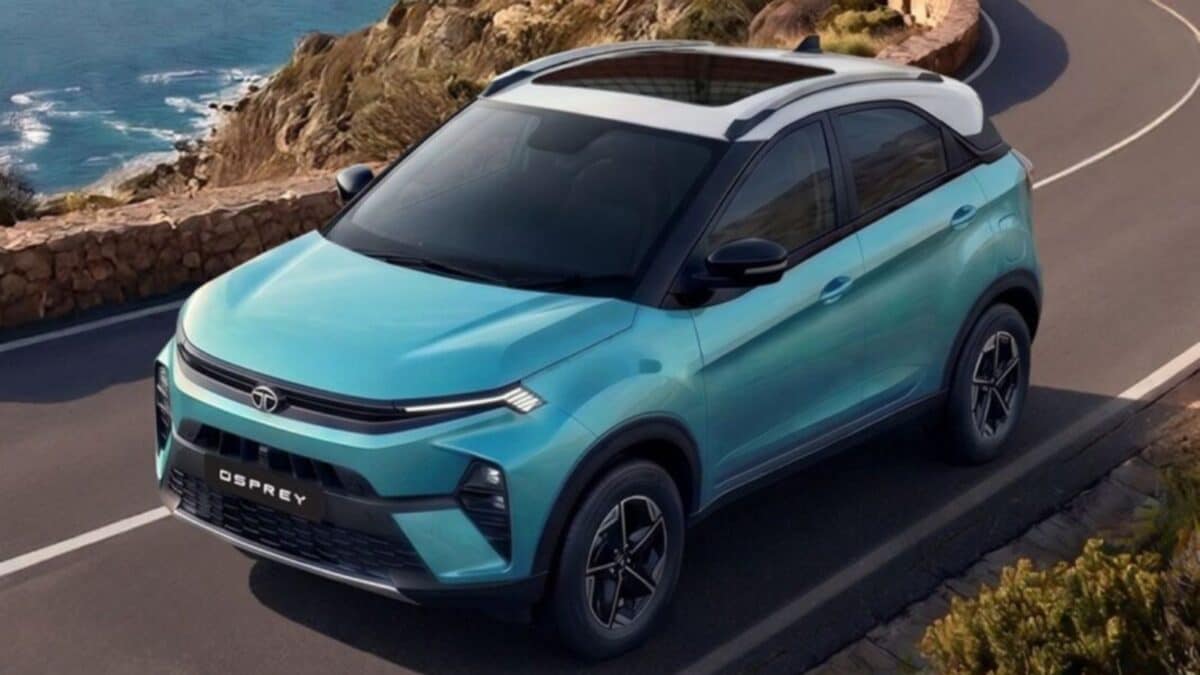
Tata Motors sold 8,506 units in April 2026, which is 77 percent more than 4,816 units last year. Its market share was 37 percent. Strong sales of the Harrier EV model boosted demand, while the Nexon EV, Tiago EV and Punch EV are also performing well.
Mahindra delivered 5,394 units, showing 63 percent YoY growth. This is the second consecutive month when Mahindra has left JSW MG behind. All three models BE 6, XEV 9e and XEV 9S are selling well. The company's market share has reached 24 percent.
JSW MG Motor India stood at third position. The company has sold 4,978 units, which is an annual increase of 32 percent. Windsor EV and BaaS options remain the main drivers of sales. The portfolio includes M9 MPV, ZS EV, Comet EV etc. Market share was 22 percent.
Vinfast secured fourth position by selling 1,231 units. This is the first time that the company could cross 1,000 units in a month. The VF6, VF7 and VF MPV 7 models are doing well with local assembly. A total of 3,500+ units have been sold since October 2025.
Maruti Suzuki has also sold 1,000+ units in a month for the first time. 1,222 units of e-Vitara were sold. Due to lack of production, the domestic market got limited allocation, mostly being exported. In FY2026, e-Vitara was ranked fifth in exports.
Hyundai's sales were 512 units, which is 31 percent less. Demand on Creta Electric and Ioniq 5 remained weak. The company's market share has remained at 2 percent.
BYD India has sold 467 units with 17 percent annual growth. Despite the limited service network and high price point, this is a respectable figure. Prices are being increased from May 1.
Kia has sold 341 units. The Carens Clavis EV model remains the main driver, while more expensive models like the EV6 and EV9 come as CBUs. Apart from this, 296 EVs of BMW, 104 EVs of Mercedes-Benz, 43 EVs of Tesla, 41 EVs of Volvo India, 25 EVs of Stellantis and only 1 EV of Porsche-Audi have been sold.

About the Author

authoring

Ram Mohan MishraSenior Sub Editor

Ram Mohan Mishra, working as Senior Sub-Editor at News18 Hindi, is active in digital media since 2021 and is currently handling the Auto Desk. They provide car and bike related information in an easy, clear and reliable manner.read more


Source link

Bring home this SUV for just ₹9,399! Best deal for office commuters

Bring home this SUV for just ₹9,399! Best deal for office commuters

Nissan Magnite is a popular sub-compact SUV of the country. It offers a great combination of style, performance and value for money. Recently, Nissan Motor India in partnership with Avis India has launched a leasing and subscription-based rental program for Magnite. This scheme is especially designed for corporate customers and those who want flexible mobility instead of owning a car.

Monthly rental starts from ₹9,399 (excluding taxes). Tenure is available up to 60 months and with a usage limit of 50,000 KM. Avis will handle the entire life cycle management. Procurement, registration, maintenance, insurance and end-of-term services are in their hands. This eliminates the stress of down payment, maintenance and resale value. This program is proving to be an attractive option for youth, business and family users. If you are planning to bring Nissan Magnite on rent, then take a look at its design and performance details.

Design and interior

The design of Nissan Magnite is bold and modern. At the front, the large honeycomb grille, LED bi-projector headlamps (with auto function), L-shaped LED DRLs and 3D honeycomb gradient LED tail lamps give it a premium look. With R16 diamond cut alloy wheels, functional roof rails, skid plates and a sporty stance, it looks attractive both in the city and on the highway. Ground clearance is 205 mm, which is perfect for Indian roads. Overall, it gives the presence of a big SUV in a small SUV.

The cabin is spacious, comfortable and premium. Top variants get leatherette quilted seats, soft-touch dashboard, ambient lighting and 60:40 split rear seats. Its PM2.5 filter keeps the cabin fresh. Good storage, armrest and ergonomic seating make long drives comfortable. The quiet cabin (quietest in the segment) and good visibility add to the driving experience.

Features and safety

It has an 8-inch touchscreen infotainment system, fully digital instrument cluster, wireless charger, automatic climate control, i-Key with push button start and JBL speakers (in the top variant) give a premium feel. 360 degree around view monitor makes parking easy. Rear AC vents, 60:40 split rear seats, multiple USB ports and good storage space ensure comfort even on long journeys.

For safety, it has been provided with 55+ active and passive safety features. 6 airbags, ABS with EBD, traction control, hill start assist, TPMS and ISOFIX child seat anchorage are standard across all variants. 360° surround view monitor, rear parking sensors and camera make parking safe. It has received a 5-star safety rating in the Global NCAP test.

Engine and Mileage

NA petrol option is also available in Nissan Magnite with 1.0 liter turbo petrol engine (100 PS power, 160 Nm torque). Transmission options include 5-speed manual, CVT or AMT. Its ARAI mileage is 19.9 kmpl in turbo manual and 17.9 kmpl in CVT. The option of CNG kit is also available at the dealer level.

Source link

This is the country's cheapest car with 6 airbags, price starts from only ₹ 3.70 lakh

This is the country's cheapest car with 6 airbags, price starts from only ₹ 3.70 lakh

HomePhotoAutoCar

This is the country's cheapest car with 6 airbags, price starts from only ₹ 3.70 lakh

Last Updated:

Cheapest Cars with 6 Airbags in India 2026: If you are planning to buy a car with high safety in low budget, then now you have great options. From Maruti Alto K10 to Tata Punch, there are many cars which come with 6 airbags and the price is also affordable. Know in this list which car gives the best mileage, features and value for money. So that your decision becomes easy.

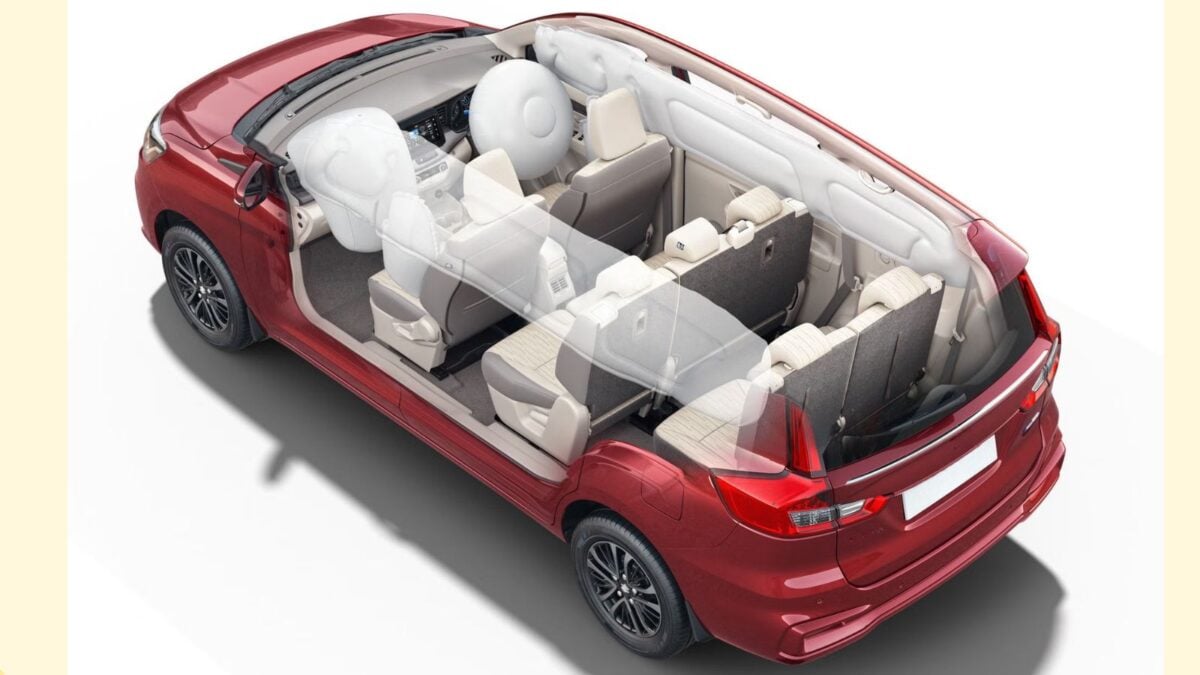
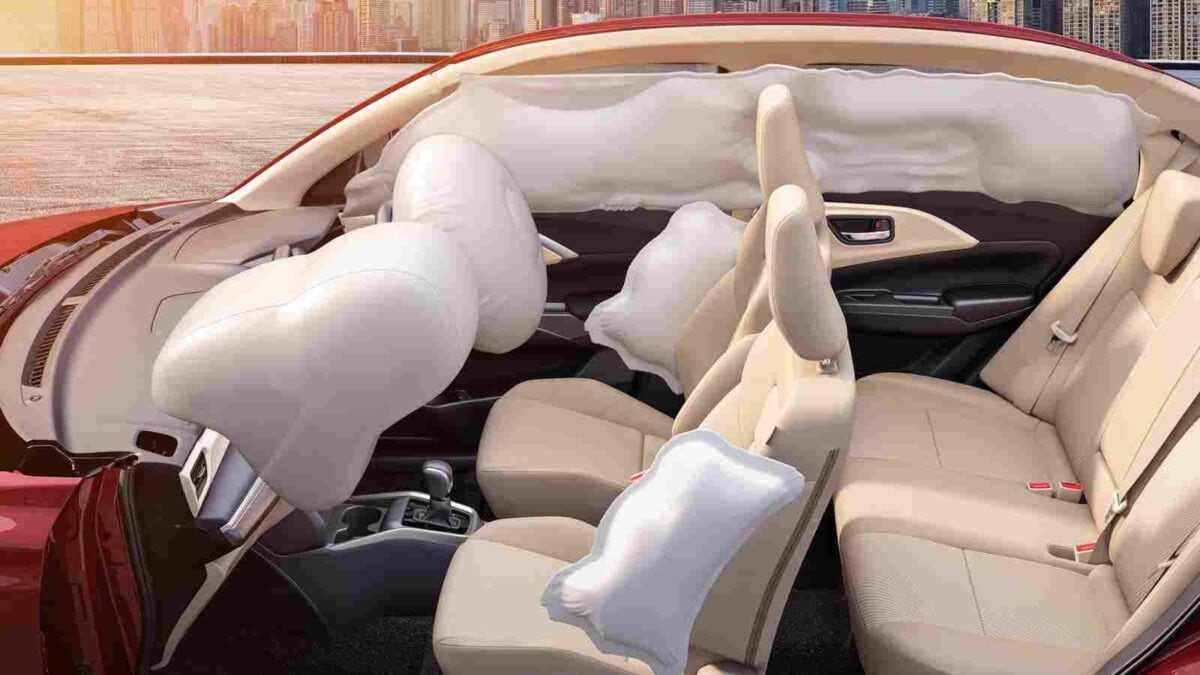
Maruti Suzuki Alto K10: This is currently the cheapest car with 6 airbags in India. This small hatchback is perfect for daily commuting. In the recent update, 6 airbags have been provided as standard in all variants, which provide excellent safety at this price. 1.0 liter petrol engine and CNG option available.

GST rate cut, new GST rate, Maruti Alto price drop, Car EMI reduction after GST cut, Alto car EMI calculator, GST benefit on cars, Cheapest cars in India 2025

Ex-showroom price of Alto K10 starts from ₹ 3.70 lakh. This is a light, fuel efficient and easy to drive car in city traffic. The option of AMT gearbox is also available in it. This is the top choice for those looking for security in the budget.

Maruti Celerio CNG

Maruti Suzuli Celerio: Celerio is the leader in terms of fuel efficiency. 6 airbags are standard across all variants, providing good protection to the family. Modern design, spacious interior and easy driving make it popular. The 1.0 liter engine is available in both petrol and CNG.

Add News18 as
Preferred Source on Google

Ex-showroom prices of Celerio start at ₹ 4.70 lakh. It gives comfortable driving with AMT option. This is a great option for those who want good mileage and safety in a limited budget.

Maruti Wagon R

Maruti Suzuki Wagon R: Wagon R offers a spacious cabin due to its tall boy design. After making 6 airbags and ESC standard, it has become even safer. Petrol-CNG options are available with 1.0L and 1.2L engines. This is perfect for family use.

Maruti Suzuki Wagon R

Ex-showroom price of Wagon R starts from ₹4.99 lakh. It is a practical, easy to maintain car with good resale value. Provides comfortable driving experience both in city and highway.

Tata Punch Facelift

Tata Punch: Tata Punch is a strong option in the micro-SUV segment. 6 airbags are standard across all variants and the 5-star safety rating makes it more attractive. High ground clearance, sturdy build and modern features are liked by young buyers.

Tata Pucnh

The starting ex-showroom price of Punch starts at ₹ 5.59 lakh. Petrol, CNG and AMT options are available. The SUV's great combination of style and safety is ideal for those on a tight budget.

Click here to add News18 Hindi as your favorite news source on Google.

Source link

Maruti again number-1, demand for Tata and Mahindra decreased! Renault wins, see sales report

Maruti again number-1, demand for Tata and Mahindra decreased! Renault wins, see sales report

Top 10 Car Brands April 2026: Indian car market is buzzing. The same was seen in last month's sale also. Car companies made huge sales in the first month of the financial year 2026-27 i.e. April 2026. Last month, the top 10 car companies together sold 4,31,085 units. This figure shows a slight increase of 1.92 percent on a monthly basis as compared to 39,539 units sold in March 2026.

Even in April 2026, Maruti Suzuki remained the country's largest car selling company. Apart from this, demand for Hyundai along with Tata and Mahindra has declined on monthly level. After Maruti, Renault is the only car company which has grown on a monthly basis. Let us take a look at the company-wise sales report.

Maruti Suzuki

Maruti Suzuki is at number one in terms of sales. A total of 1,87,704 units were sold last month. This figure shows a monthly increase of 10.8 percent compared to 1,69,428 units sold by Maruti in March 2026.

Tata Motors
Tata Motors is at second place in the list. Last month they sold a total of 59,000 units. This figure shows a monthly decline of 11.9 percent compared to the total 66,971 units sold in March 2026.

Mahindra

Mahindra is at third place in terms of sales. In April 2026, it got a total of 56,331 new customers. This figure shows a monthly decline of 6.5 percent as compared to 60,272 units sold in March 2026.

Hyundai

Hyundai's name is at number four. A total of 51,902 units were sold last month. This figure shows a monthly decline of 5.7 percent as compared to 55,064 units sold in March 2026.

Toyota

Despite decline in sales, Toyota has retained itself in the top-5 list. Last month it got a total of 30,159 new customers. This figure shows a monthly decline of 14 percent compared to the total 35,125 units sold in March 2026.

Apart from the top-5 companies of April 2026 mentioned above, last month 27,286 units of Kia, 5,413 units of Renault, 6,018 units of MG, 4,069 units of Honda and only 3,203 units of Nissan were sold.

Source link

35 KM mileage, 6 airbags…price starts from ₹ 3,49,900! These are the cheapest cars in the country

35 KM mileage, 6 airbags…price starts from ₹ 3,49,900! These are the cheapest cars in the country

HomePhotoAutoCar

35 KM mileage, 6 airbags…price starts from ₹ 3,49,900! These are the cheapest cars in the country

Last Updated:

Cars Under 5 Lakh: Amidst the rising prices of petrol and CNG, if you are looking for a car which runs more at less cost, then this list is very useful for you. From Maruti Alto K10 to Celerio and Tata Tiago, these cars not only give great mileage but also come with safety features. Some models are giving mileage up to 35 km/kg. The special thing is that their price starts from less than Rs 5 lakh. By seeing the complete list, you will be able to decide your next car easily.

Maruti S-Presso: Its petrol variant gives a mileage of up to 24.76 kmpl, while its CNG variant gives an excellent efficiency of 32.73 km/kg. Despite being a budget car, the company has provided 6 airbags in it, keeping in mind the safety of the passengers. This car remains the best and economical choice of 2026 for customers who want to travel long distances at low cost.

As powerful as its engine is, its cabin space is also comfortable, which makes it suitable for families. There is no competition in terms of mileage as it does not put a burden on the pocket even in heavy city traffic. Maruti's wide service network and the safety of 6 airbags along with low maintenance costs makes it an even more reliable and popular choice among middle class families. Its ex-showroom price starts from ₹ 3,49,900.

Maruti Suzuki Alto K10

Maruti Alto K10: The new Alto K10 offers a mileage of 24.39 kmpl with its petrol engine and it gives a huge economy of up to 33.85 km/kg on CNG mode. On the safety front, Maruti has included features like ABS and EBD with 6 airbags as standard in this small car. This car is a boon for those people who are looking for a car with the highest mileage amid rising fuel prices.

Add News18 as
Preferred Source on Google

Maruti Alto

The light weight and superior technology of Alto K10 makes it the most dynamic car on Indian roads, which is very easy to handle. The 6 airbags available in it make driving within the city safe and provide peace of mind to the driver. Whether you go to office or drop children to school, its CNG kit and high mileage makes your every journey very cheap and pleasant. It can be purchased at a starting ex-showroom price of ₹ 3,69,900.

Renault Kwid: Its petrol engine is capable of giving a mileage of 22.3 kmpl. In terms of safety, Renault has made a lot of improvements and now the Kwid gets 2 airbags along with over-speed alert and rear parking sensors. Along with its stylish looks, this car offers a balanced package of mileage and safety, which attracts the youth a lot.

Renault Kwid

The sporty look of Kwid makes it stand out from others on the road and its mileage makes it economical even on long distance journeys. Due to the presence of 2 airbags and strong chassis, this vehicle meets the safety standards in this budget range. If you want a car that looks premium and is cheap to run, then Kwid will prove to be a great budget-friendly option for you. Its ex-showroom price starts from ₹ 4,29,900.

Tata Tiago

Tata Tiago: It gives a mileage of 20.01 kmpl on petrol and 26.49 km/kg on CNG, which is considered quite satisfactory in its category. Tata is always ahead in safety, hence Tiago is backed by a 4-star global NCAP rating with 2 airbags which makes it the safest. This car is for those buyers who can compromise a bit on mileage but do not want to compromise on safety and build quality.

Tata Tiago

The biggest feature of Tiago is its stability, which keeps the car glued to the road even at high speed and does not allow the shaking to be felt. Features like 2 airbags and corner stability control provide the driver a feeling of complete control and safety even in difficult situations. It can be purchased at a starting ex-showroom price of only ₹ 4,59,990.

Maruti Celerio CNG

Maruti Celerio: It gives a tremendous mileage of 26.68 kmpl in petrol variant, which makes it the most fuel efficient petrol car in India. In CNG variant, it leaves everyone behind by giving a mileage of 35.60 km/kg and for safety, it has been provided with 6 airbags. This vehicle is the first choice for those who want a combo of maximum mileage and basic safety with premium features.

The new engine of Celerio not only tops in mileage but also reduces carbon emissions, which also makes it environment friendly. Along with 2 airbags, it also gets important safety features like child proof rear door lock which ensures the safety of the family. Its smooth gear shifting and huge CNG savings make it a perfect and affordable car for customers in both urban and rural areas. Its ex-showroom price starts from ₹ 4,69,900.

Click here to add News18 Hindi as your favorite news source on Google.

Source link

Barrier-free system launched…barriers ended! Now toll will be cut at 100 KM speed

Barrier-free system launched…barriers ended! Now toll will be cut at 100 KM speed

Last Updated:

Now you will not have to stop to pay toll on the highway, nor will you have to reduce your speed! For the first time in India, MLFF barrier-less toll system has been started, where vehicles will pay automatic toll as soon as they pass at a speed of 100 kmph. This new technology started on Surat-Bharuch NH-48 will not only save time but will also reduce jams and fuel consumption. After all, how does this system work? Know the complete details…

news immediately

Zoom

Barrier-Free Toll System Launched in India! (Image-AI)

An important and historic step has been taken towards making highway travel easier and faster in the country. Road Transport and Highways Minister Nitin Gadkari launched the country's first Multi-Lane Free Flow (MLFF) barrier-less tolling system at Choryaasi (Choryasi) toll plaza located on the Surat-Bharuch NH-48 section in Gujarat. This initiative will prove to be a major change in the direction of making India's tolling infrastructure completely digital and modern.

Under this new technology, there will be no need to stop or slow down the vehicles at the toll plaza. Vehicles will be able to pay toll only while passing through the highway at normal speed (100 km per hour or more). Automatic Number Plate Recognition (ANPR) cameras, high-speed RFID readers and updated FASTag technology have been used in the system. Cameras installed on the overhead gantry capture the vehicle number plate, read the FASTag information and the backend system automatically deducts the toll.

save time at the plaza

The government believes that this system will reduce travel time, reduce traffic jams on the highway and also save fuel. Along with this, pollution caused by vehicles will also reduce and human interference in the toll process will also reduce. Engines remain running due to vehicles stopping in traditional toll plazas, which increases unnecessary fuel consumption and carbon emissions.

What did Gadkari say?

The Union Minister said that this step will improve the Ease of Living for the common people and will also promote Ease of Doing Business for the business. This will also give impetus to the freight and logistics sector. He also said that under the leadership of Narendra Modi, the government is continuously working to create world-class and technology-based national highway infrastructure in the country.

This new initiative is being considered an important step towards digitalizing and modernizing India's tolling system, which will make highway travel even easier and more convenient in the future. The government aims to complete the process of making many more major toll plazas barrier-free by the end of 2026. This will not only increase passenger convenience but will also make India a great example of modern highway management globally.

About the Author

authoring

Ram Mohan MishraSenior Sub Editor

Ram Mohan Mishra, working as Senior Sub-Editor at News18 Hindi, is active in digital media since 2021 and is currently handling the Auto Desk. They provide car and bike related information in an easy, clear and reliable manner.read more



Source link

Great start for Mahindra! More than 94 thousand SUVs sold in April 2026

Great start for Mahindra! More than 94 thousand SUVs sold in April 2026

Mahindra has registered positive growth in its sales in April 2026. The company's total automotive sales (including exports) stood at 94,627 units in April 2026, which shows an increase of 14 percent compared to April 2025 last year. The SUV segment remains the company's strength, with 56,331 units sold in the domestic market. This figure shows an increase of about 8 percent compared to last year's 52,330 units. Total utility vehicle (UV) sales, including exports, stood at 57,833 units.

SUV sales recorded an annual growth of 7.65 percent in the month of April, which is a result of Mahindra's strong product strategy and increasing demand in the market. However, domestic SUV sales declined by 6.54 percent in April compared to 60,272 units in March 2026. This decline is in line with the seasonal trend, as the end of the financial year usually sees stronger dispatches. Mahindra's passenger vehicle sales are completely driven by SUVs, due to which the company has been successful in maintaining its strong position in the Indian SUV market.

This is the condition of commercial vehicle segment

The company also showed stable performance in the commercial vehicle (CV) segment. Domestic CV sales in April 2026 stood at 23,427 units. In this, 2,984 units (+13%) were sold in the Light Commercial Vehicle (LCV) under 2 tonne category and 20,443 units (+7%) in the 2-3.5 tonne category. Total sales of trucks and buses (above 3.5 tonnes) stood at 3,011 units, an increase of 11 percent. This includes cargo vehicles 1,159 units (+8%) and passenger buses 1,852 units (+14%). Sales of SML Mahindra have also increased by 15 percent to 1,741 units.

Demand for three-wheelers increased

Three-wheeler sales witnessed a spectacular 81 percent jump, with a total of 9,899 units sold. The company also performed tremendously in the export segment. Total exports in April 2026 were 4,970 units, which is 47 percent more than last year. This growth reflects the company's increasing reach in the global market.

Farm equipment business increased

Mahindra showed even better results in the farm equipment business i.e. tractor segment. Tractor sales in the domestic market stood at 46,404 units, which is an increase of 20 percent compared to 38,516 units in April 2025. Total tractor sales (including exports) reached 48,411 units, registering an annual growth of 21 percent. Tractor exports stood at 2,007 units, which is 30 percent more.

What did the company say?

The company said that the CV industry witnessed some slowdown in April, which could be attributed to financial contagion, inflationary pressures and geopolitical uncertainties. Despite these challenges, Mahindra has made an overall positive start. The company had achieved record SUV sales in the last financial year (FY26) and the beginning of FY27 is also showing strong signs.

Source link

Kia's bumper sale on the strength of Seltos and Sonet! All sales records were broken in April

Kia's bumper sale on the strength of Seltos and Sonet! All sales records were broken in April

Last Updated:

Kia India performed brilliantly in April 2026 and set a new record with sales of 27,286 units. The huge demand for Sonet and Seltos was the main reason behind the annual growth of 16%. With continuously strengthening sales and increasing market hold, Kia is now emerging rapidly in the Indian market. After all, what is the reason behind this success? Read the full news.

news immediately

Zoom

There has been a huge increase in Kia sales.

Kia India has recorded its best ever performance in April 2026. The company sold a total of 27,286 units in the month of April, which shows a strong growth of 16 percent compared to April last year. This figure is the biggest record for any April month so far for Kia.

The company's performance has continuously strengthened in the last few months. In March 2026, Kia registered a growth of 14.5 percent by selling 29,112 units, while 27,610 units were sold in February and 27,603 units in January. Thus, in the first quarter (Q1) of the financial year 2026, the company achieved an annual growth of 11.6 percent by selling a total of 84,316 units. It is clear from these figures that Kia's grip in the Indian market is continuously getting stronger.

High demand for Sonet and Seltos

Major credit for Kia's success goes to its popular models. Sonet and Seltos remain the best selling models of the company. The Sonet continues to show strong demand in the sub-compact SUV segment, while the new generation Seltos has attracted more attention after recently achieving a 5-star Bharat NCAP safety rating. Apart from this, Carens, Carnival and other premium models have also contributed significantly to the sales.

Kia India has maintained a very good product portfolio. The company is focusing on SUVs, MPVs and electric vehicles (like EV6 and EV9). Keeping in mind the changing preferences of Indian customers, Kia is regularly updating features, safety and technology. Recently launched new models and attractive discount offers on existing products (up to Rs 3.20 lakh on some models) have also helped in strong sales in April.

emerging kia

Competition in the Indian passenger vehicle market is very strong. Competing with companies like Maruti Suzuki, Hyundai, Tata Motors and Mahindra, Kia has maintained a market share of around 6.5 percent. The reasons for the company's success are considered to be its better design, premium feel, advanced safety features and good after-sales service.

This April 2026 sales of 27,286 units is not only a monthly record for Kia India but also marks a strong step towards sustained growth throughout the financial year. If the company continues to grow at this pace, better results can be expected in the coming months. Kia has now emerged as a strong player in the Indian automobile market.

About the Author

authoring

Ram Mohan MishraSenior Sub Editor

Ram Mohan Mishra, working as Senior Sub-Editor at News18 Hindi, is active in digital media since 2021 and is currently handling the Auto Desk. They provide car and bike related information in an easy, clear and reliable manner.read more


Source link

21 KM Mileage, Sunroof… Price Only ₹ 8 Lakh; This SUV made Hyundai happy!

21 KM Mileage, Sunroof… Price Only ₹ 8 Lakh; This SUV made Hyundai happy!

Last Updated:

In April 2026, Hyundai Motor India Limited made new sales records, where a tremendous surge was seen in the domestic market. The biggest reason for this growth was Hyundai Venue, which gave the best performance till date. Despite the decline in exports, the company's strategy is clear – focus on the Indian market. Will this momentum continue further? Know the full news.

news immediately

Zoom

Hyundai Venue is getting a lot of customers.

Hyundai Motor India Limited (HMIL) has started the financial year 2027 on a great note. In April 2026, the company has registered domestic sales of 51,902 units in India, which is a record for any April month so far. In April 2025, the company had sold 44,374 units, which means an annual growth (YoY) of 16.96% has been recorded this year. Talking about total sales (domestic + export), the company has sold 65,610 units in April 2026.

This figure is 7.96% more than last year's 60,774 units. However, there was a decline in exports. The company exported 13,708 units in April 2026, which is 16.41% less than 16,400 units in April 2025. There has been a slight decline (5.74%) in domestic sales compared to March 2026, but the strong year-on-year growth indicates continued demand in the Indian market.

Hyundai Venue broke records

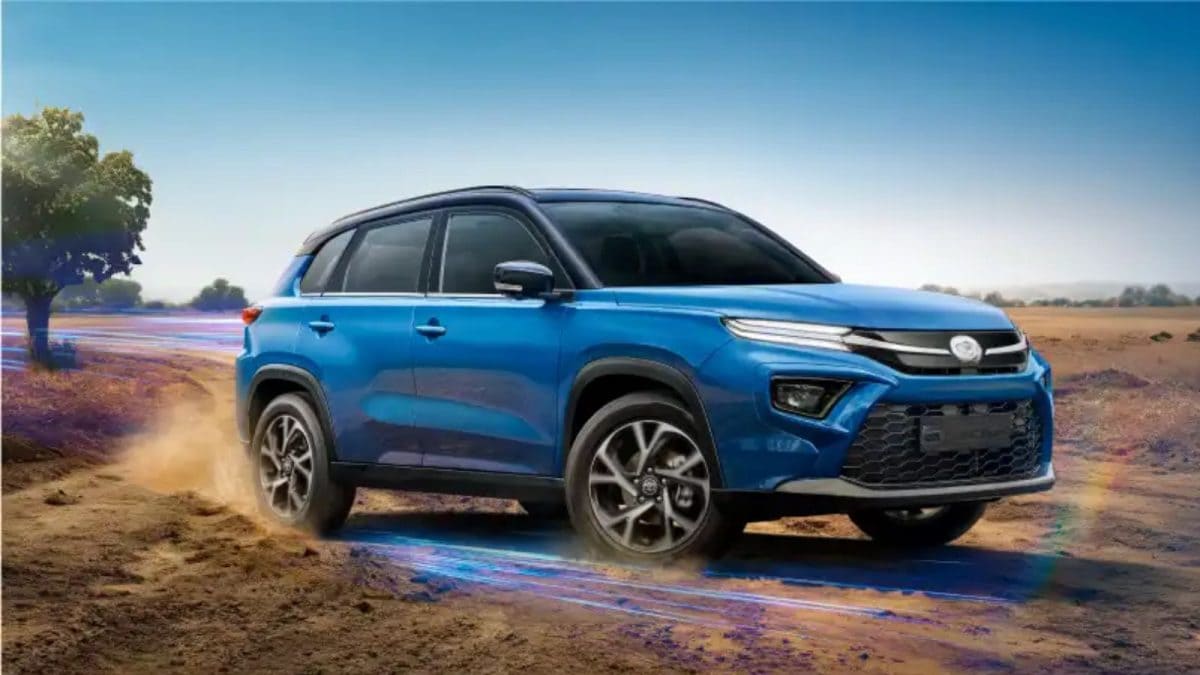
The biggest star of the company's success in April was Hyundai Venue. It posted its best ever monthly performance with domestic sales of 12,420 units. Recently, the confidence of buyers has increased after Venue and Venue N Line received 5-star Bharat NCAP safety rating. New updates, special editions and better safety features have made this sub-4 meter SUV more attractive.

The ex-showroom price of Hyundai Venue ranges between ₹8 lakh to ₹15.82 lakh. Its design is premium with a bold grille and connected LED taillamps. Features include 12.3-inch screen, 6 airbags, 360 degree camera, ADAS level 2 and sunroof. It comes in 1.2L petrol, 1.0L turbo and 1.5L diesel engine options. The mileage is 18 to 21 km/litre and it has got a 5-star safety rating in BNCAP.

Impact of product updates

Hyundai believes that product interventions made in various segments made this growth possible. Vehicles like Exeter, Verna, Creta (Summer Edition) and Ioniq 5 performed well. Apart from this, limited editions like Grand i10 Nios Vibe Edition and Venue Night Edition have kept the lineup fresh. The company maintains a strong presence in all major segments of hatchback, sedan, SUV and electric vehicles.

Domestic Focus Strategy

Despite fluctuations in the export market, Hyundai mainly focused on the domestic market in April. Strong demand for the SUV segment in the Indian market and the company's refreshed product range delivered good results. Experts believe that Hyundai will maintain this momentum in the coming times through new launches and updates. It will also try to keep the export strategy balanced amidst the challenges of the global market.

About the Author

authoring

Ram Mohan MishraSenior Sub Editor

Ram Mohan Mishra, working as Senior Sub-Editor at News18 Hindi, is active in digital media since 2021 and is currently handling the Auto Desk. They provide car and bike related information in an easy, clear and reliable manner.read more


Source link

Toyota's big bet! Will set up 3 new plants in India; Preparation to make 10 lakh cars annually

Toyota's big bet! Will set up 3 new plants in India; Preparation to make 10 lakh cars annually

Last Updated:

Toyota Motor Corporation has played a big bet amidst the boom of auto sector in India. The company is going to increase its production capacity to 10 lakh units annually by 2030 by setting up three new plants in Maharashtra. This investment can make India an export hub not only for the domestic market but also for Africa and the Middle East. Know the full impact of this mega plan.

news quickly

Zoom

Toyota will expand its business in India. (Image-AI)

Toyota Motor Corporation is planning to build three new vehicle assembly plants in India. With this, the company's production capacity in the country will more than double to 10 lakh units annually by 2030. According to Nikkei Asia report, due to recession in mature markets like America and China, global automakers are turning towards emerging markets. Toyota is also making India a major center of its future expansion.

New plants will be built in the state of Maharashtra. The first plant will be operational in 2029, while the remaining two will be operational in the 2030s. The total investment is estimated to be approximately 300 billion yen (about 1.9 billion dollars). These plants will not only serve as export hubs for the Indian market but also for the growing markets of Africa and the Middle East. Logistics is convenient due to Mumbai port being in Maharashtra. India's strong trade links with Africa-Middle East will boost exports.

Toyota's future plan

Currently, Toyota has three plants in South India, which mainly supply to the domestic market. With the new plants there will be a total of six factories. The new facility will produce three-row SUVs, which are quite popular in India and other emerging markets. It will be launched under the Corolla model. Apart from this, plug-in hybrid vehicles will also be manufactured, which will attract environmentally conscious customers.

India is an emerging market

India is currently the third largest market in the world in terms of sales of new vehicles. According to GlobalData, new vehicle sales in India are expected to reach 64.4 lakh units by 2030, which is 20% more than 2025. Africa's population is set to double to 2.5 billion by 2050, while the population of the Middle East is set to increase by 50% to 700 million. India's population will also reach 1.7 billion. It is clear from these figures that Toyota's growth in western markets will largely depend on India-based exports.

Dominance of Japanese companies

India has proved to be a fertile land for Japanese companies. Suzuki Motor has been active here since 1982 and its subsidiary Maruti Suzuki holds 40% share in the passenger vehicle market. Suzuki also supplies some models to Toyota, like Maruti EVX. Toyota is strong in the minivan, SUV and hybrid segments, which is meeting the growing demand of the middle class.

Other companies from all over the world are also investing heavily in India. Hyundai Motor bought General Motors' plant in 2023 and increased SUV production. The company holds more than 10% share in the Indian passenger vehicle market. Toyota's current production capacity is 31 lakh units in Japan, 22 lakh in China and 15 lakh units in America. With the new Indian plants, India will become the company's fourth largest production base.

About the Author

authoring

Ram Mohan MishraSenior Sub Editor

Ram Mohan Mishra, working as Senior Sub-Editor at News18 Hindi, is active in digital media since 2021 and is currently handling the Auto Desk. They provide car and bike related information in an easy, clear and reliable manner.read more


Source link

These explosive cars will enter the market in April 2026! Price starts from only ₹ 8.40 lakh

These explosive cars will enter the market in April 2026! Price starts from only ₹ 8.40 lakh

The month of April 2026 was much better for the Indian car market. During this period, many new and updated vehicles were launched, ranging from electric vehicles (EV) to petrol-diesel SUVs. These launches have offered diverse options keeping in mind the needs of families, young buyers and premium EV lovers. Vehicles like VinFast VF MPV 7, 2026 Volkswagen Taigun, 2026 Kia Syros, Tesla Model YL and 2026 Hyundai Ioniq 5 filled the market with new energy.

Some of these brought major updates in design, features and range, while some promised to deliver a premium experience at an affordable price. Overall, April 2026 has further strengthened the direction of electric and smart mobility on Indian roads. If you are planning to buy a new car recently and want a newly launched car, then take a look at its price and features.

VinFast VF MPV 7

It is an attractive 7-seater electric MPV launched in April 2026, which gave VinFast a strong entry in the Indian market. Its price starts from around ₹ 24.49 lakh (ex-showroom). It competes with vehicles like Kia Carens Clavis EV and BYD eMAX 7. VF MPV 7 has spacious three-row seating, modern minimalist interior and large touchscreen infotainment system. It has a battery of around 60 kWh, which provides good range and fast charging (10-70% in just 30 minutes). Offering the perfect combination of practicality, comfort and eco-friendly driving for the family, this MPV is suitable for both fleet and private users.

2026 Volkswagen Taigun

Its facelift was launched in early April 2026, which has given new strength to the mid-size SUV segment. With prices starting at ₹10.99 lakh (ex-showroom), it directly challenges vehicles like the Creta and Seltos. The updated model includes a new front fascia, connected LED headlamps, full-width LED light bar and similar styling at the rear. Features like new upholstery, larger infotainment screen and ventilated seats have been added to the interior. The special thing is that it has got a new 8-speed automatic gearbox, which gives better efficiency and driving experience. VW also introduced 75% value back shop, which is proving attractive for buyers.

2026 Kia Syros

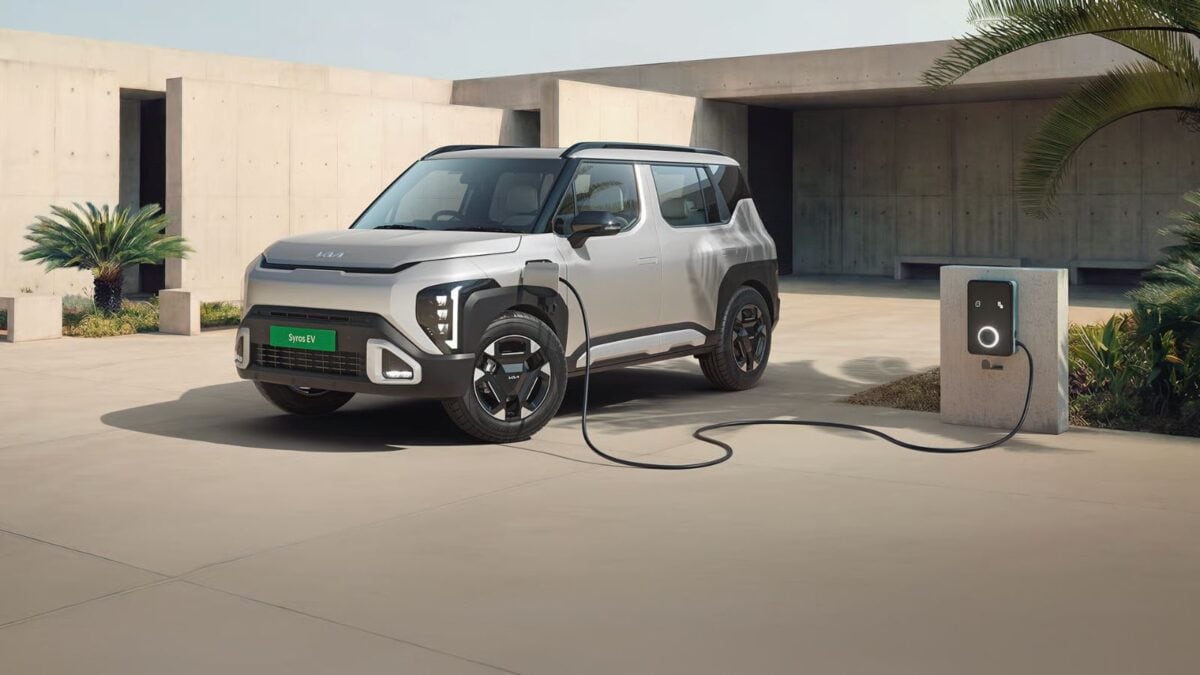
It entered the market in April 2026 with MY2026 updates, making it more value for money in the sub-4 meter SUV segment. The new price starts at ₹8.40 lakh (ex-showroom). Updates include a redesigned front bumper, glossy black skid plates, new paint options and sporty green brake callipers. The variant lineup has been reshuffled, with some new trims added and some removed, making the diesel automatic variants now more affordable. The premium features, good cabin space and strong performance remain the same in Syros. This update makes it a better choice for youth, family and first-time SUV buyers.

Tesla Model YL

Also launched in India in April 2026, it is the long wheelbase (LWB) version of the standard Model Y. It is designed for family users with a 6-seater (2-2-2 captain chairs) configuration. The increased wheelbase and overall length provide more leg room and cabin space in the third row. Tesla's strong performance, long range and advanced autopilot features remain intact in it. This launch in India is boosting Tesla's local presence and providing premium EV experience to large families. Although globally it was earlier available in China and other markets.

2026 Hyundai Ioniq 5

Its facelift will be launched in late April 2026, priced at ₹55.70 lakh (ex-showroom). The biggest update is a larger 84 kWh battery, which gives an ARAI certified range of up to 690 km. The design includes mild changes like new bumpers, alloy wheels and spoiler. The interior has features like dual 12.3-inch screens, wireless Android Auto/Apple CarPlay, ventilated seats and OTA updates. Safety features have also been strengthened. This update makes Ioniq 5 more competitive in the Indian EV market.

Source link

19 KM Mileage, Sunroof… Price ₹ 7.59 Lakh! People are buying this SUV in droves

19 KM Mileage, Sunroof… Price ₹ 7.59 Lakh! People are buying this SUV in droves

Volkswagen Group's two major companies, Volkswagen and Skoda, work together in the Indian market. They have made excellent sales in FY 2025-26. If we look at the figures, 1,13,131 units of both the companies were sold in FY26. This figure represents an annual increase of 23 percent compared to the total 87,092 units sold in FY2025.

If we look at the yearly figures, Skoda Kylaq is at number one in terms of sales. Apart from this, the demand for Skoda Slavia and Skoda Kushaq has decreased. At the same time, the demand for Skoda Kodiaq and VW Virtus has also increased marginally on an annual basis. Let's take a look at the company's model-wise sales report.

Skoda Kylaq

In terms of sales, Kylac is at number one. A total of 49,089 units have been sold in the financial year 2026. This figure represents a massive increase of 381 percent on an annual basis as compared to the total 10,205 units sold in FY25. The company sells it at a starting ex-showroom price of only ₹ 7.59 lakh.

The design of Skoda Kylak is modern and solid. It is being sold with LED headlamps, T-shaped taillights, 17 inch alloy wheels and 189 MM ground clearance. The cabin has a 10-inch touchscreen, digital cluster, ventilated seats, sunroof, wireless Android Auto/Apple CarPlay and good build quality. Features include sunroof, wireless charging, ambient lighting and cruise control.

For safety, it has been given 5-star Bharat NCAP rating, 6 airbags, 25+ features like ABS, ESC, TPMS, ISOFIX as standard. Its 1.0 liter 3-cylinder TSI turbo petrol engine produces 114 bhp power and 178 Nm torque, which is paired with 6-speed MT/AT option. Its claimed mileage goes up to 19.68 kmpl.

vw virtus

Virtus is second in the list. In the last financial year, this sedan got a total of 22,959 new customers. This figure represents an annual increase of 7 percent compared to the total 21,432 units sold in FY25.

Skoda Slavia

Demand for Slavia has declined marginally. A total of 14,382 new customers were found in the last financial year. This figure reflects an annual decline of 8 percent compared to the total 15,585 units sold in FY25.

vw taigun

Taigun is at number four in the list. A total of 13,702 new customers have been found in the financial year 2026. This figure shows a decline of 31 percent on an annual basis as compared to the total 19,910 units sold in FY25.

Skoda Kushaq

Despite falling sales, Kushaq has registered its name among the top 5 cars of the company. 19,910 people bought it in FY26. This figure shows a huge decline of 41 percent on an annual basis as compared to the total 17,358 units sold in FY25.

Apart from the top-5 cars of the two companies mentioned above, last financial year, 1,793 units of Kodiaq, 434 units of Tiguan, 243 units of Golf, 238 units of Tayron, 96 units of Octavia and only 4 units of Superb were sold.

Source link

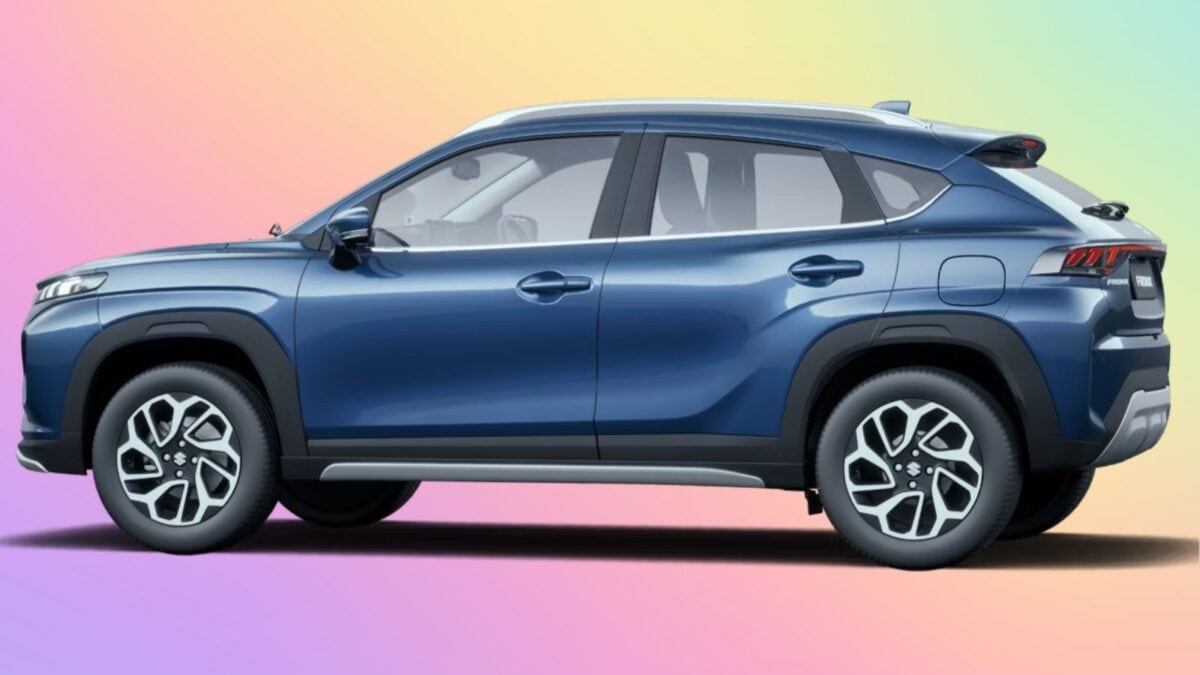
Global demand for Indian cars increased, Maruti Suzuki Fronx became the king of exports.

Global demand for Indian cars increased, Maruti Suzuki Fronx became the king of exports.

The popularity of cars made in the Indian market is continuously increasing in foreign markets also. This has been revealed in the export report for the financial year 2025-26. If we talk about the total exported cars in the financial year 2026, then 8,20,119 units of these have been sent to the foreign market. This figure shows an annual increase of 18.94 percent compared to the total 6,89,513 units sold in FY25.

Maruti Suzuki Fronx is at number one in terms of exports. Apart from this, demand for vehicles like Jimny and Verna has also increased in the foreign market. On the other hand, the export of cars like Baleno has decreased. Let us take a look at the model-wise export data.

Maruti Suzuki Fronx

Franks is at number one in terms of exports. In the last financial year, a total of 90,186 units were sent to foreign markets. This figure represents an annual increase of 30.45 percent compared to the total 69,133 units exported in FY25.

Maruti Suzuki Jimny

The second largest car sent to foreign markets is Jimny. Its 72,209 units were exported in the last financial year. This figure represents an annual increase of 50.49 percent as compared to 47,982 units shipped in FY25.

Hyundai Verna

Verna is at number three in the list. Its 63,044 units were sent abroad in the financial year 2026. This figure shows an annual increase of 19.82 percent compared to the total 52,615 units exported in FY25.

Nissan Magnite

In terms of exports, Magnite is at number four. A total of 56,704 units have been exported in the financial year 2026. This figure represents a spectacular increase of 94.49 percent on an annual basis as compared to 29,155 units shipped in FY25.

Maruti Swift

Swift is at number five in the list. Its 53,661 units have been exported in the financial year 2026. This figure shows an annual increase of 49.26 percent compared to 35,952 units in FY25.

Apart from the top-5 cars mentioned above, 53,181 units of Grand i10, 41,032 units of Baleno, 40,979 units of Dzire, 40,751 units of Aura and 40,210 units of S Presso have been exported in FY 2026.

Source link

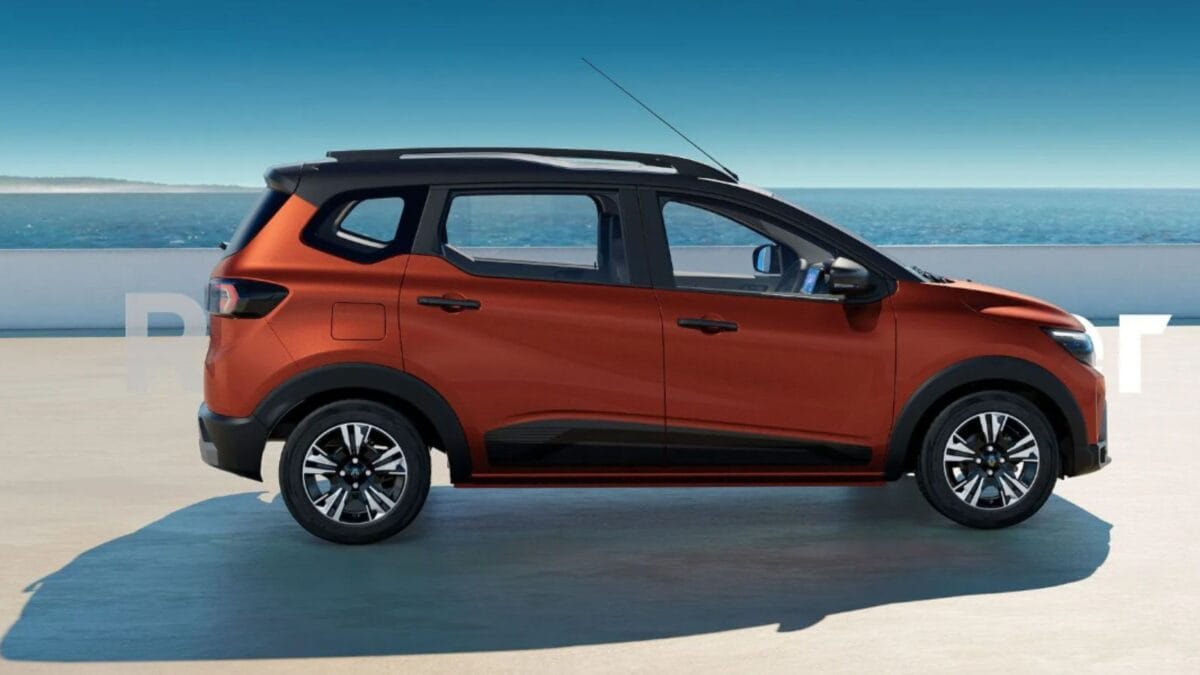
Which variant of Renault Triber is best? If you plan to buy, then know

Which variant of Renault Triber is best? If you plan to buy, then know

Renault Tribe has been updated recently. This 7-seater MPV is known for its modular seating, spacious cabin and affordable price. In the 2026 model year, it has been updated with some new features like automatic climate control etc. It is available with a 1.0 liter 3-cylinder petrol engine (72 PS power, 96 Nm torque) mated to 5-speed manual or AMT automatic transmission, which gives a mileage of around 20 kmpl. Ground clearance is 182 mm and boot space increases to 1065 liters when the third row is removed.

Its ex-showroom prices start from ₹5.81 lakh (Authentic) to ₹6.70 lakh for Evolution, ₹7.39 lakh for Techno and ₹8.00 lakh for Emotion (AMT option top variant ₹8.69 lakh). On-road prices in cities like Delhi-Gurugram can range from ₹6.5 lakh to ₹10 lakh. If you want to know its variant-wise details, then you have reached the right address. Let us know which of these four variants will be best for you?

Renault Triber Authentic Variants

The base variant Authentic of the Triber is the most affordable option, which is perfect for families who need a basic 7-seater but are on a tight budget. It comes with projector headlamps, body-coloured bumpers and 14-inch steel wheels. The biggest feature of the cabin is modular seating. The second row seats can slide, recline, one-touch fold and tumble, while the third row seats can be easily removed. This significantly increases the boot space in 5-seater mode and up to 1065 liters of cargo space is available in 2-seater flat floor mode. This feature is very useful for Indian families.

The interior gets manual AC, power windows, tilt adjustable steering, LED digital instrument cluster, 12V power socket and black upholstery. There is a USB charging port on the front. However, the infotainment system is not in the base variant, which may disappoint some buyers. But the basic features like rear power windows and flexible seating make it valuable.

For safety, it has standard 6 airbags, ABS with EBD, Electronic Stability Program (ESP), Traction Control System (TCS), Hill Start Assist, TPMS (Tire Pressure Monitoring System), rear parking sensors, ISOFIX child seat anchorage, three-point seatbelts on all seats and seatbelt reminder. These features make it a safe option in the segment. Ground clearance of 182 mm makes driving easily even on bad roads.

Renault Triber Evolution Variants

This variant also has 14-inch wheels, but some styling updates may be available. The main change is in the interior. It has an 8-inch or 20.32 cm floating touchscreen infotainment system, which supports wired Android Auto/Apple CarPlay. Audio quality is better with 4 speakers. A rear camera is also standard, which makes parking easier.

The seating and space are the same modular system. The second row is slide-recline-tumble and the third row is removable. Grab handles are found in the second and third row. The AC vents are with better distribution. Manual AC continues, but the cabin feels more premium. Power windows, tilt steering etc. are carry forward from the base. Safety features are almost the same as Authentic, but rear camera and infotainment system have been added for additional comfort.

Renault Triber Techno Variants

This variant gets LED tail lamps, roof rails (50 kg load capacity), 15-inch steel wheels with covers, door decals, turn indicators on ORVMs and some chrome accents. This makes the look a little more premium. Roof rails help in storing luggage on long trips.

The interior features driver seat armrest, steering mounted audio and phone controls, cooled center console, 12V socket in the second row, rear wiper and washer, dual-tone upholstery, upper glove box, chrome AC controls and rear seat lighting. The infotainment system is bigger and better. Day-night IRVM is also provided. Safety features are strong. It also gets all the standard safety systems with 6 airbags.

Renault Triber Emotion Variants

Emotion is the top-spec variant, which has almost all the premium features. It has automatic headlamps, cruise control, auto climate control, wireless Android Auto/Apple CarPlay, 7-inch TFT digital instrument cluster, push button start, driver seat height adjustment, auto-fold ORVMs, fog lamps, LED DRLs, rear defogger, front parking sensors etc.

The seating is modular, the cabin gives a more premium feel. All advanced safety features are standard. Emotion variant is best for families seeking luxury and comfort. The AMT option makes driving in city traffic easier. This variant showcases the full potential of Triber and is equipped with all the comfort features.

Source link

Which is better between Skoda Kushaq Facelift and Toyota Hyryder? know this

Which is better between Skoda Kushaq Facelift and Toyota Hyryder? know this

2026 Skoda Kushaq Facelift is launched in March 2026, which has a new design, panoramic sunroof, AI assistant and updated features. This is for those who want dynamic driving and premium feel. At the same time, Toyota Hyrider focuses on hybrid technology, excellent mileage and reliability of Toyota. Both give tough competition in the compact SUV segment. Kushaq suits the enthusiast driver, the Hyryder suits family use and low running costs.

Skoda Kushaq Facelift starts at ₹ 10.69 lakh (Classic+ 1.0 TSI MT) and the top variant goes up to ₹ 18.99 lakh (Monte Carlo 1.5 TSI DSG). Toyota Hyrider starts at ₹10.99 lakh (E NeoDrive Petrol MT) and the top hybrid variant goes up to ₹19.99-20.19 lakh. The price of both is similar in the base variant, but the Hyryder may be a little expensive in the top end. Let's take a look at the design, engine and performance details of both.

Design and interior

The Kushaq Facelift gets a new front grille with a connected LED light bar, slim LED headlamps, a new bumper and at the rear, connected LED taillights with illuminated Skoda logo. It looks more modern and premium. The Monte Carlo variant has sporty red accents. The design of the Hyryder is bold and SUV-like, giving it a long look (length 4365 mm), but it may look a bit dated compared to the facelifted Kushaq. The wheelbase of the Kushaq is 2651 mm long, which helps in cabin space. The Hyryder has 210 mm of ground clearance.

Its cabin is now brighter. Bees black theme, new 10.25-inch digital cockpit, 10.1-inch touchscreen, panoramic sunroof, rear seat massage function and ventilated front seats are available. Material quality is good. The Hyryder's interior is practical and family-friendly, with good build quality and space, but doesn't feel as tech-loaded and premium as the Kushaq. The Hyryder offers up to 373 liters of boot space.

Features and safety

The Kushaq Facelift comes with new features like Google Gemini AI Companion, wireless charger, power adjustable ventilated seats, rain-sensing wipers, front parking sensors and an updated infotainment system. The Hyryder gets a head-up display, 360-degree camera (in some variants), a good sound system and hybrid-specific features. Both have wireless Android Auto/Apple CarPlay, auto AC and cruise control. Kushaq looks more tech-forward.

Skoda Kushaq Facelift has retained the 5-star Global NCAP rating. 6 airbags standard, 40+ active-passive safety features, ESC, TPMS, hill hold and now all disc brakes are available in the 1.5 liter engine variants. Hyryder also has 6 airbags, good safety features, but has not yet got 5-star in GNCAP test. In terms of family safety, both the SUVs are good.

Engine and Mileage

The Skoda Kushaq can be bought with a 1.0 liter TSI turbo-petrol (115 PS/178 Nm) engine, mated to a 6MT or the new 8-speed TC AT. The second 1.5 liter TSI (150 PS/250 Nm) engine comes with 7-speed DSG. Its ARAI claimed mileage is around 18.72-19.76 kmpl.

Toyota Hyryder has a 1.5 liter petrol (101 bhp/137 Nm) engine, which also comes with MT/AT, AWD option and CNG. The strong hybrid (1490 cc TNGA + electric motor) is offered with e-CVT, producing 115 bhp power. Its ARAI claimed mileage goes up to 27.97 kmpl.

Our advice: Kushaq Facelift will suit those who want stylish look, premium interior, powerful engine and top safety. Hyryder is best suited for family users who want low fuel economy, hybrid technology, reliability and good resale value. Take a test drive and choose an SUV as per your requirement. Prices and features may change over time.

Source link