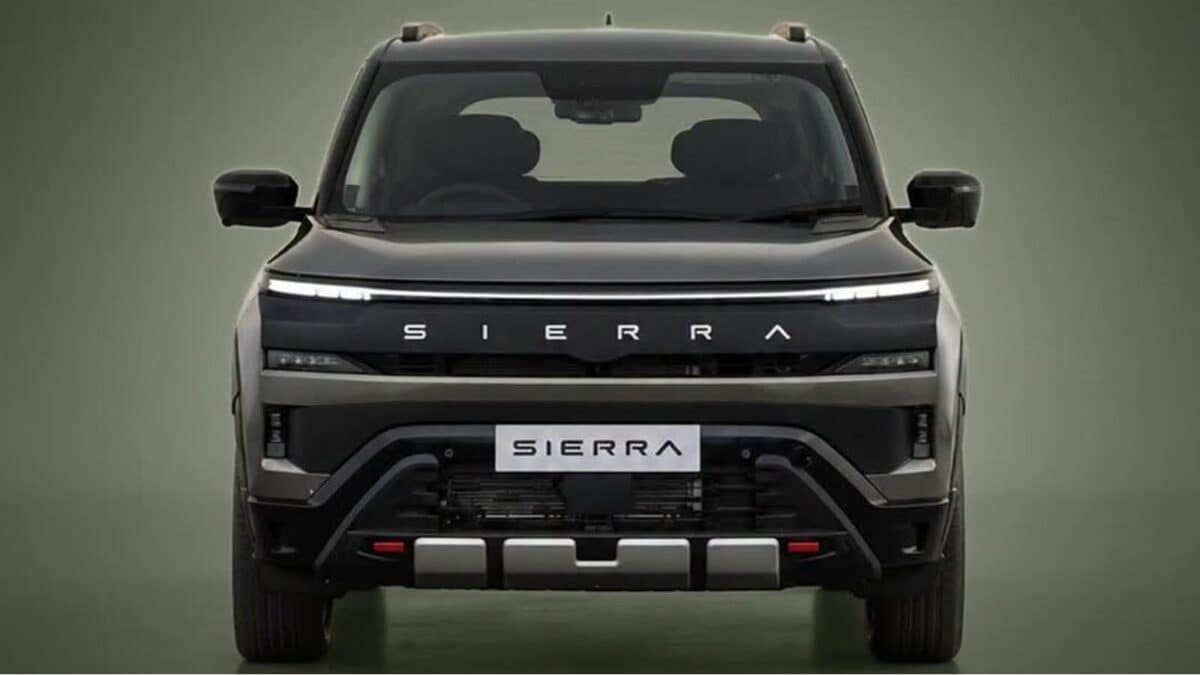
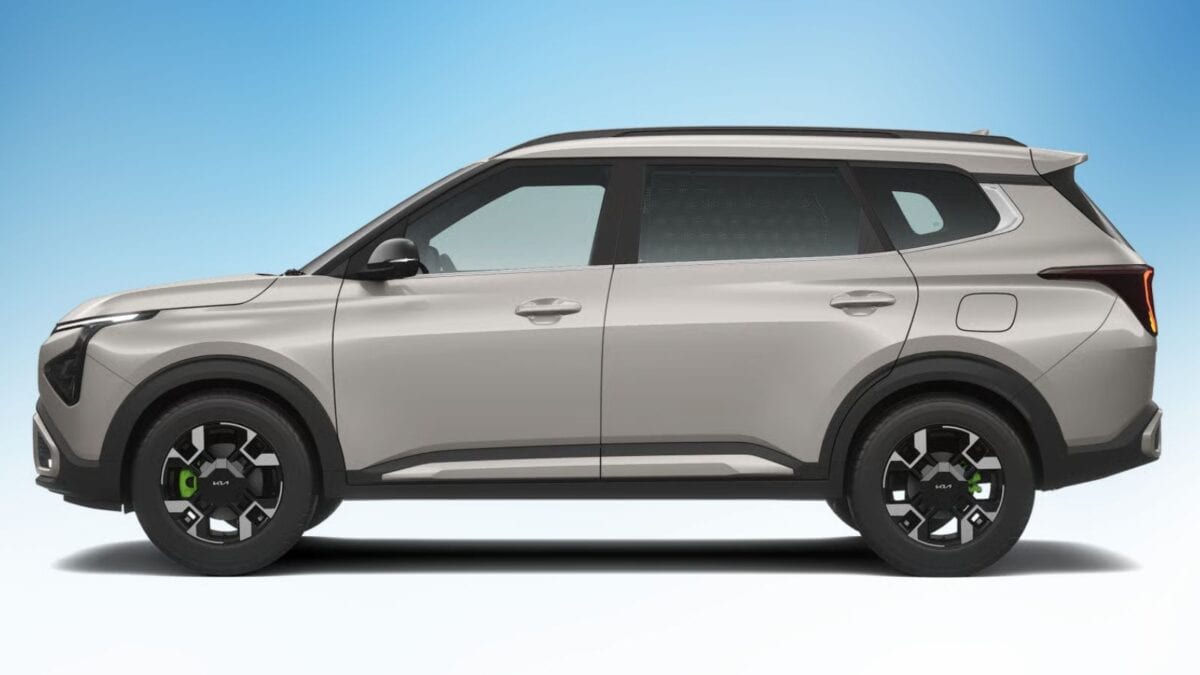
Vinfast's mega planning! Bringing new 7-seater EV in Indian market

Vinfast's mega planning! Bringing new 7-seater EV in Indian market

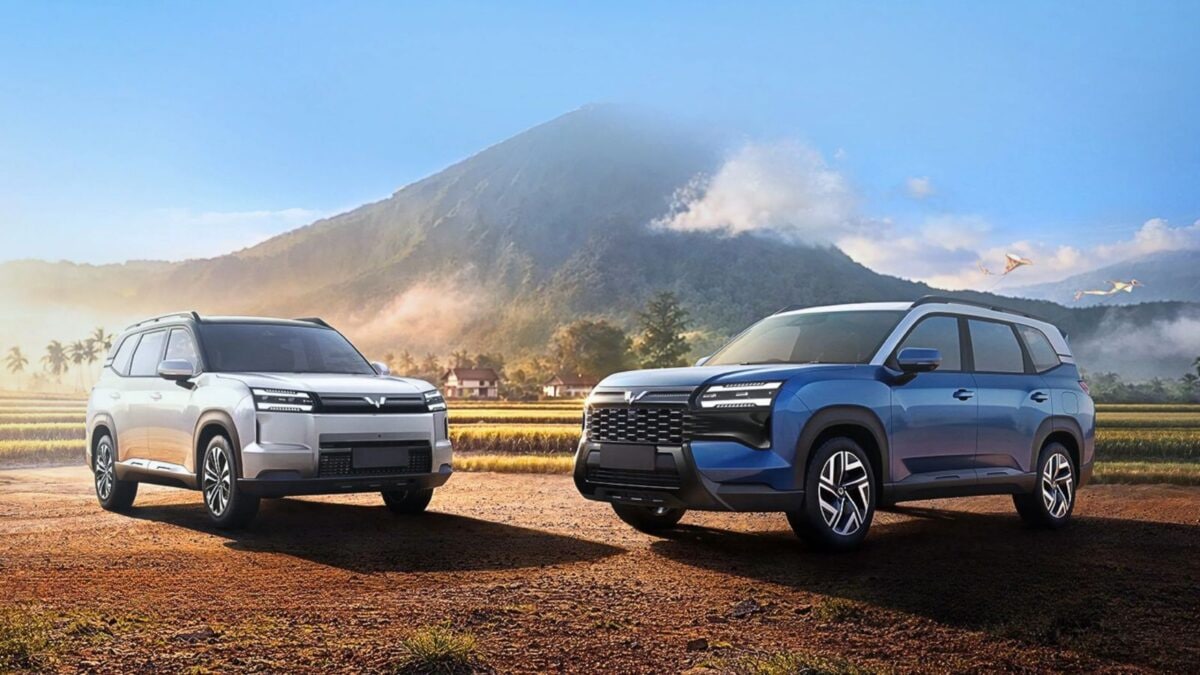
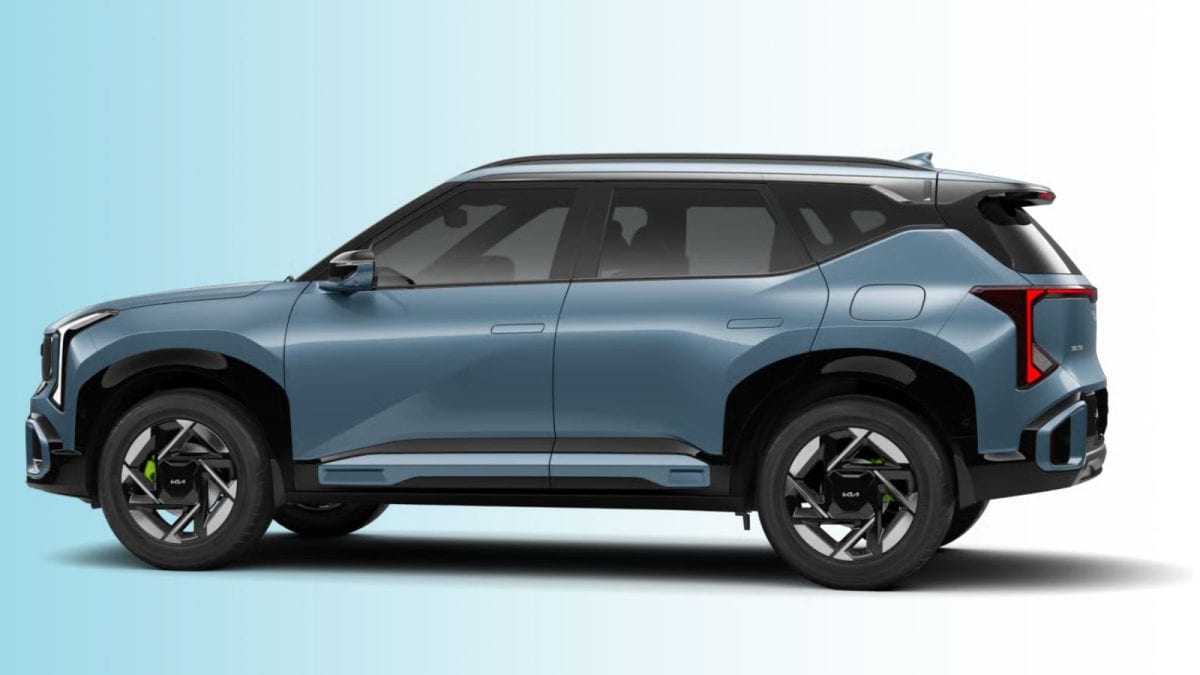
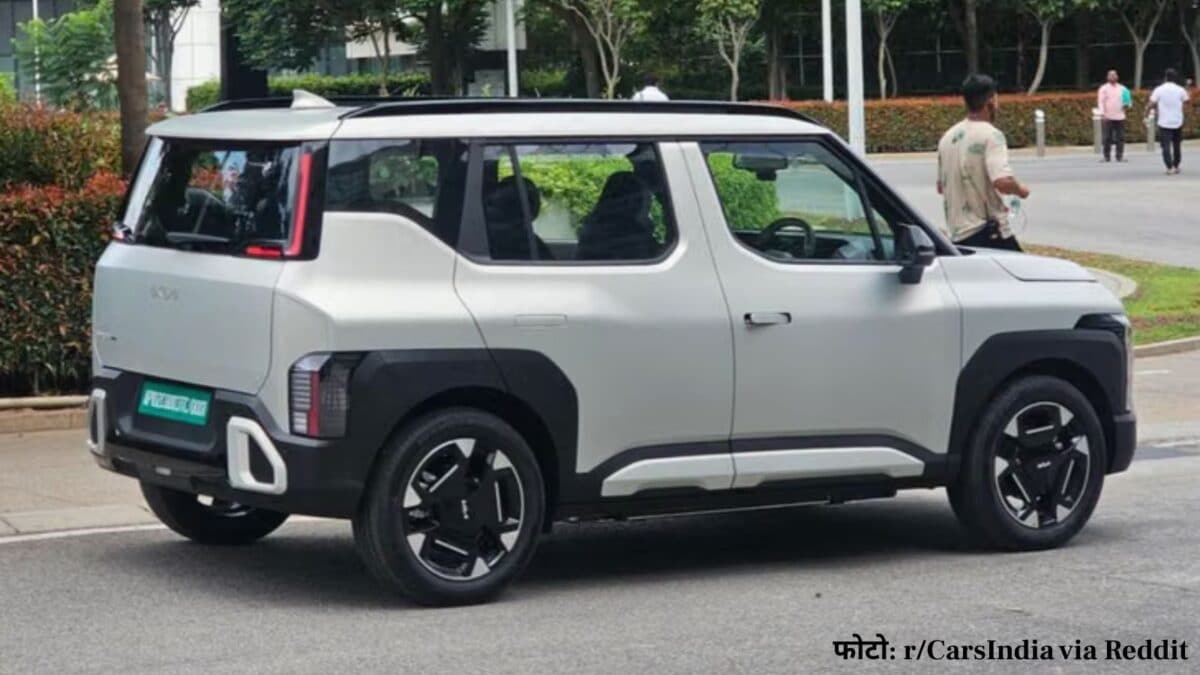
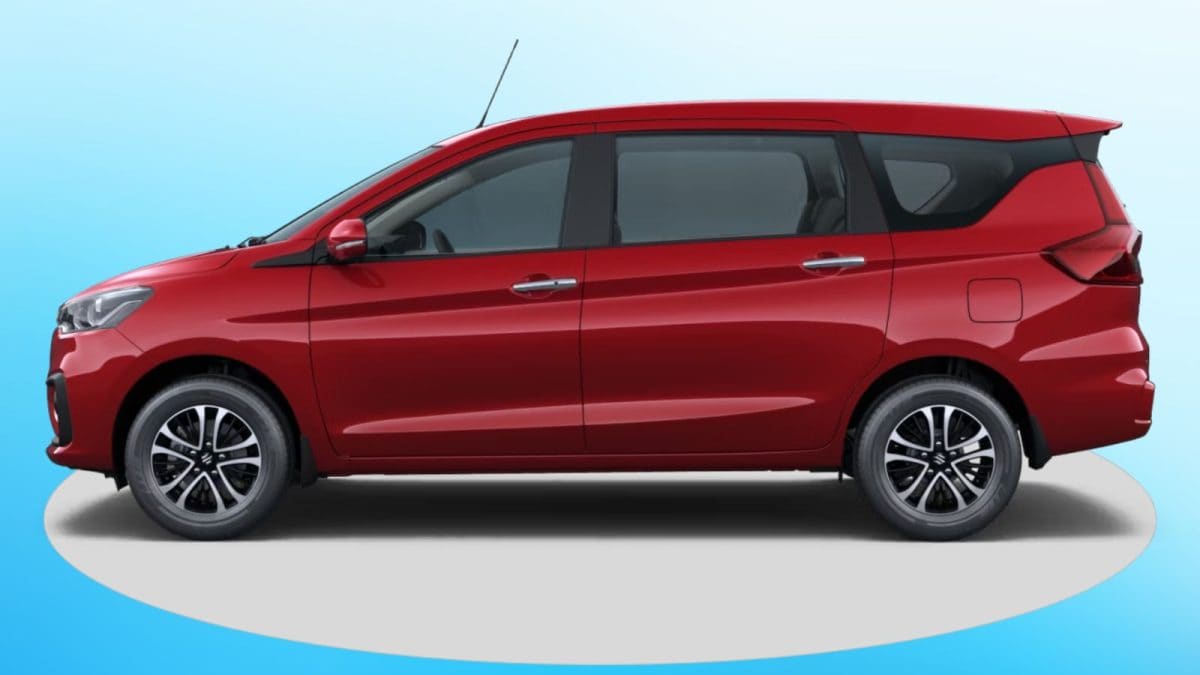
Vinfast has teased its new MPV (Multi Purpose Vehicle) in India, which is going to be launched soon. This 7-seater electric MPV is mainly known as Limo Green and VF MPV7. This model, already available in Vietnam, will be launched in India in the second quarter of 2026. The expected price of this MPV in India can be between Rs 19.90 lakh to Rs 23.90 lakh (ex-showroom).

It is suitable for both family use and fleet operators. It will compete with vehicles like Kia Carens Clavis EV and BYD eMAX 7. Let us know how special this new 7-seater electric car is going to be. Let's take a look at its design, interior, features, safety, battery, motor and range details.

Design and dimensions

The design of Vinfast's new MPV is modern and practical. It has the company's signature V-shaped lighting motif. A slim full-width LED light bar is provided in the front, which gives it a futuristic and premium look. The body is slab-sided, maximizing space.

Talking about dimensions, its length is approximately 4740 mm, width is 1872 mm, height is 1728 mm and wheelbase is 2840 mm. This size makes it quite spacious for a three-row MPV. 18-inch alloy wheels have been provided, which increase road presence. The overall design is family-friendly, with a good balance of practicality and style. With sliding door or regular door, it will prove to be comfortable both in the city crowd and on the highway.

Cabin and Comfort

The interior is minimalist and clean. The cabin has a 2+3+2 seating layout, which provides comfortable seating for 7 people. The third row is also usable, especially for family trips. The dashboard is simple, with a central touchscreen and 3-spoke steering wheel. Large center console increases storage and comfort.

Talking about cargo space, by folding the rear seats, you can get up to 1240 liters of space, which is enough to keep the luggage. The driver's seat is 6-way manually adjustable. The overall cabin is practical, with family essentials like USB charging ports and good headroom-legroom.

Features and safety

Features include a 10.1-inch touchscreen infotainment system, which can support Android Auto and Apple CarPlay. 4-speaker sound system, single-zone AC, USB Type-A and Type-C charging ports are provided. Driving modes (two modes) are available.

Some variants may have height-adjustable driver seat and other convenience features. 360-degree camera, parking sensors and more connectivity features can be added in Indian-spec. However, the features in the base variant have been kept basic, so that the price remains under control.

For safety, it can potentially be provided with 6 airbags and more advanced ADAS features like lane keep assist, automatic emergency braking when launched in India. All-disc brakes provide good braking performance. Overall, it will offer segment leading safety features, which are essential for family users.

Battery, Motor and Range

Talking about the powertrain, it is based on front-wheel drive (FWD) setup. It is fitted with a 60.13 kWh battery pack, which gives a claimed range of 450 km on the NEDC cycle. In real-world, it can be up to 350-400 km, which is sufficient for both city and highway. The electric motor generates 201 hp (150 kW) power and 280 Nm torque.

0-100 km/h speed can be achieved in just 10 seconds. Vinfast is giving 8 years or 160,000 km battery warranty on its vehicles, which is likely to be available with this also. Let us tell you that there are possible details. Changes can be seen at the time of launch.

Source link

Mercedes-Benz V-Class joins Shahrukh Khan's garage, see the complete car collection

Mercedes-Benz V-Class joins Shahrukh Khan's garage, see the complete car collection

Bollywood's 'Badshah' Shah Rukh Khan has made another wonderful addition to his luxury car collection. Recently news has come that King Khan has bought a new Mercedes-Benz V-Class, which costs around ₹ 1.4 crore. This new luxury MPV (Multi-Purpose Vehicle) is now gracing his garage. According to reports, after this new purchase, the value of Shahrukh's entire car collection has reached ₹ 30 crore to ₹ 50 crore.

This news has become a topic of much discussion among Bollywood fans and car lovers. Shahrukh Khan has always been known for his luxury and stylish lifestyle. His car collection is not only expensive but also very elite and perfectly selected. Recently, a shiny black Mercedes V-Class was seen outside his temporary residence Puja Casa in Mumbai.

King Khan's Mercedes-Benz V-Class

Renovation of Mannat is going on, so Shahrukh is currently living in Pooja Casa. This new car has been delivered after the bookings opened in early March and Shahrukh is among its first buyers. Cricketer Hardik Pandya and his girlfriend Mahika Sharma are also among the first buyers of this luxury van.

The Mercedes-Benz V-Class is a premium MPV that offers a perfect combination of comfort, space and luxury. Its ex-showroom price in India starts from around ₹ 1.4 crore, which is almost the same for both petrol and diesel variants. This car is ideal for family use, private travel or chauffeur-driven mode.

Cabin and Comfort

It has spacious interior, high-quality materials, advanced infotainment system and latest safety features. In terms of safety, it includes features like 7 airbags, ISOFIX child seat mounts, traffic sign recognition, driver attention assist, electronic parking brake with auto hold, 360 degree camera and auto dimming rearview mirror. This car is not only stylish, but also provides privacy and comfort, which meets the needs of celebrities. Shahrukh has chosen it in black color, which matches his personality.

Shahrukh Khan's car collection

Talking about Shahrukh Khan's car collection, it is really impressive. According to reports, his garage includes super luxury cars like Lexus LM 350h, Rolls-Royce Cullinan Black Badge, Bugatti Veyron, Bentley Continental GT, BMW 7 Series, BMW i8. Some reports also mention Mercedes S-Class, Audi A8, Range Rover Vogue etc.

Of these, the value of Bugatti Veyron alone is around ₹ 12 crores, which accelerates from 0 to 100 km/h in just 2.5 seconds and its top speed goes up to 400 km/h. The Rolls-Royce Phantom Drophead Coupe is priced around ₹9.5 crore, while the Bentley Continental GT ranges from ₹5 to ₹8 crore.

Source link

Tata will launch this cheap car soon; Price less than ₹5 lakh

Tata will launch this cheap car soon; Price less than ₹5 lakh

The 2026 facelift model of the ICE (petrol) variant of Tata Motors' popular entry-level hatchback Tiago has been spotted testing. Despite the heavy camouflage, the test mule hints at new design updates. These updates will help Tiago remain more competitive in the segment.

The new Tata Tiago will include improvements in exterior, interior, features and safety. The launch is expected to happen by mid or late 2026. This model will become an economical, stylish and safe option for city driving. Let us know what changes can be seen by the people waiting for the new Tiago.

possible design

A slimmer grille, redesigned headlamps and a new bumper can be seen at the front of the 2026 Tata Tiago facelift. The spy shots reveal that the headlamps will be sharper and more modern, which may include the signature of new LED Daytime Running Lights (DRLs). At the rear, a redesigned tailgate, new LED taillamps and flatter bumper are expected. New alloy wheel design and possibly new color options will give the car a fresh look.

interior update

There will be a refreshed dashboard design in the cabin. It is expected to include a larger touchscreen infotainment system (up to 10.25 inches) and a digital instrument cluster. The new steering wheel will give a premium feel to the cabin. The seating will be comfortable, the material quality will improve. Although the interior is hidden in the spy shots, but considering the trend of Tata's new cars, the cabin will be more modern and user-friendly.

Features and safety

New features may include a larger infotainment screen, wireless Android Auto and Apple CarPlay, automatic climate control, cruise control and possibly a 360-degree camera. There is also talk of a sunroof in some reports, which will be a big upgrade in the segment. Other features like push-button start, keyless entry, rear parking sensors and updated connectivity options will make the car more convenient. These updates will keep Tiago ahead of its competitors.

A major upgrade in safety is expected. The current model has a 4-star global NCAP rating, the new version may have 6 airbags as standard. Other features will include Electronic Stability Program (ESP), Tire Pressure Monitoring System (TPMS), Hill Start Assist, ABS with EBD and ISOFIX child seat anchorages. 360-degree cameras and additional sensors will make city driving safer. Tata always focuses on safety, so this facelift will become stronger.

Engine and Performance

No major changes are expected in the engine. It will come with a 1.2-litre Revotron petrol engine, which generates 86 PS power and 113 Nm torque. There will be an option of 5-speed manual or automatic transmission. The performance will be adequate for both city driving and highway driving, along with good fuel efficiency (about 20-23 kmpl).

In some reports, there are indications of making the engine more refined or improving the mileage. Suspension tuning will provide better ride comfort and handling. Overall, it is going to prove to be economical and value for money. Currently, its starting ex-showroom price is Rs 4.57 lakh and the updated model will also be launched for less than Rs 5 lakh.

Source link

These 5 cars are best for first time car buyers

These 5 cars are best for first time car buyers

Last Updated:

Best Cars for Beginners: If you are going to buy a car for the first time and safety is your first priority, then this news is very special for you. We are telling you about 5 such cars, which are not only easy for new drivers but are also equipped with tremendous safety features. From Tata Punch to Hyundai Exter, know which car will be the perfect first car for you.

Tata Punch: Tata's Punch is a great option for the youth driving a car for the first time. It has received 5-star safety rating in both Global NCAP and Bharat NCAP. Its robust 'ALFA-ARC' platform and high-strength steel body provide teens with added confidence and safety on the road, which is a must for new drivers.

Tata Punch, Tata Punch, Tata Punch safety, Tata Punch safety, Tata Punch crash test, Tata Punch crash test, Tata Punch price, Tata Punch price

In terms of safety, modern features like 6 airbags, ABS with EBD and brake sway control are available as standard in Punch. Its high seating position gives the driver a clear view of the road, making it easier to drive in crowded areas. Despite being small, it feels like a powerful SUV. Its starting ex-showroom price is ₹ 5.59 lakh.

Hyundai Exter On-Road Price & EMI Details

Hyundai Exter: Hyundai's Exter has taken safety to a new level in the entry-level segment. The biggest feature of this car is that it comes with 6 airbags as standard (in all variants). It acts as a safety shield for new drivers, which also ensures side and curtain protection.

Add News18 as
Preferred Source on Google

Features like Electronic Stability Control (ESC), Hill Start Assist and Vehicle Stability Management have been provided in Exeter. These technologies prevent the vehicle from sliding backward on slopes and maintain balance during sudden turns. Its easy driveability and tech-loaded interiors make it very attractive for teen-agers. It can be purchased at a starting ex-showroom price of ₹ 5.80 lakh.

Nissan Magnite: Magnite is known for its bold look and strong build. This sub-compact SUV has also achieved a rating of 4 to 5 stars (depending on different markets/versions) in crash tests. Its 'stable' footwell area and bodyshell make it safe and reliable even at high speeds.

Nissan Magnite

The Magnite features a 360-degree camera, which helps less experienced drivers when parking in tight spaces. Apart from this, it has features like traction control and hydraulic brake assist, which maintain the grip of the wheels on wet or slippery roads, thereby reducing the risk of accident. Its starting ex-showroom price is ₹ 5.62 lakh.

Maruti Swift

Maruti Swift: The new Maruti Swift has been made much safer than before. Giving priority to safety, features like 6 airbags and hill hold control have been added in the new model. This car has always been the first choice among teenagers due to its light weight and agile handling.

Maruti Swift

Features like ABS, EBD and Electronic Stability Program (ESP) are available in Swift, which prevent the vehicle from slipping when applied suddenly. Its maintenance cost is low and mileage is excellent, making it a practical and economical option for both the pockets and safety of first-time car buyers. You can buy it at a starting ex-showroom price of only ₹ 5.79 lakh.

Renault Kwid: This is a good option for those who want to start with a small and stylish car. It has been provided with basic but important safety features like driver side airbag, ABS with EBD and rear parking sensors. Its compact size makes it easy to handle in city traffic.

Renault Kwid

The high ground clearance of Kwid keeps it safe even on rough roads. Although, its safety rating has been low compared to other cars, but efforts have been made to improve the structural strength and safety kit in its latest updated models. This is an easy 'learning car' for young people. Its price starts from only ₹ 4.30 lakh.

Click here to add News18 Hindi as your favorite news source on Google.

Source link

JSW MG Motor is making all its vehicles expensive, prices are going to increase from April 1

JSW MG Motor is making all its vehicles expensive, prices are going to increase from April 1

Last Updated:

JSW MG Motor India has increased the prices of its cars by 2% from April 2026, due to which popular models like MG Hector, Windsor EV and ZS EV will become costlier. Rising costs and supply chain pressure have been cited as the reasons for this. If you are thinking of buying an MG car, then this update can have a direct impact on your budget. It is very important to know the complete details.

news quickly

Zoom

symbolic picture

JSW MG Motor India has announced an increase in the prices of its cars by up to 2 percent from April 2026. The company has clearly stated that this price hike is being done to partially mitigate the impact of the continuous increase in input costs. In the official statement released on March 30, 2026, JSW MG Motor India said that this price hike will be effective from April 1, 2026.

This increase will be applicable to the company's mainstream portfolio, which includes petrol, diesel and electric vehicles. However, prices of premium MG Select models like the MG Cyberster sportscar and the MG M9 luxury MPV are likely to remain the same. These models are sold through exclusive MG Select outlets and their prices will remain unchanged.

Why are prices increasing?

According to the company's statement, this price update is being done with the aim of partially offsetting the impact of continuously increasing input and production costs. In the automobile sector, the prices of steel, battery material, electronic components and other raw materials have been rising for some time. Global supply chain challenges, inflation and dependence on imported parts are the main reasons for increasing these costs. To avoid these pressures the company is taking these steps.

Petrol, diesel and EV included

This price increase will affect different models and variants differently. For example, the company's popular models include MG Hector, MG Astor, MG Gloster (soon to be replaced by Majestor), MG ZS EV, MG Comet EV and the best-selling MG Windsor EV. Windsor EV has recently become quite popular in the EV segment and its price may also increase by up to 2 percent. Customers are advised to contact the nearest MG dealership or check the company's official website for exact model-specific price updates.

everyone is increasing the price

Such small but regular price increases have become common for companies. Earlier in March 2026 itself, other companies like Tata Motors, BMW, Mercedes-Benz had also announced price hike from April. This trend shows that cost pressure is uniform across the sector. JSW MG Motor India is currently trying to strengthen its hold in the Indian market. After the participation of JSW Group, the company has focused on increasing production capacity, relying more on local components and accelerating the EV transition.

This news is a bit disappointing from the customers' point of view, especially for those who were planning to buy an EV. Models like MG Windsor EV and ZS EV are already being liked due to their attractive features, good range and competitive pricing. An increase of 2 percent can lead to an average additional expenditure of Rs 30 to 40 thousand, which is significant in the mid-size SUV or EV segment.

Source link

Hyundai Venue and Kia Seltos get 5-star safety rating

Hyundai Venue and Kia Seltos get 5-star safety rating

South Korean automakers Hyundai and Kia have achieved a big milestone in terms of safety of their popular SUV models in the Indian market. Both the Kia Seltos and Hyundai Venue (as well as the Venue N Line) have received a full 5-star safety rating in the recently released Bharat New Car Assessment Program (BNCAP) crash test results.

This achievement is an important step in promoting vehicle safety on Indian roads. BNCAP is an initiative of the Government of India, which tests the crash safety of vehicles sold in the domestic market and provides accurate information to the customers. Let us know how strong were these two SUVs considered in the crash test?

Safety test of Kia Seltos

Seltos was launched with an updated version in January 2026. It performed brilliantly in the BNCAP test. In Adult Occupant Protection (AOP) it got 31.70 out of 32 points, while in Child Occupant Protection (COP) it got 45 out of 49 points. In the frontal offset deformable barrier test (speed of 64 km/h), the Seltos scored 15.70 points out of 16. It got a perfect 16/16 points in the side movable deformable barrier test.

In side impact and pole tests, all critical body areas like head, neck, chest, abdomen and legs got 'Good' protection. Showed excellent performance in child safety with 24/24 points in dynamic testing and 12/12 points in child restraint system installation. This rating applies to all variants of the Seltos, making it a strong contender in the compact SUV segment.

How safe is Hyundai Venue?

Hyundai Venue and Venue N Line also achieved 5-star rating in BNCAP. It scored 31.15 out of 32 points in adult occupant protection and 44.46 out of 49 points in child occupant protection. The HX2 (diesel MT) and HX10 (diesel AT) variants were tested, but the rating is applicable to the entire lineup. The Venue showed strong structural integrity in frontal and side impact tests. In both models, 'Good' protection levels were seen in most critical areas, although some minor deductions may be related to equipment or structure.

Safety features of both

Both these SUVs are based on global platform, in which high-strength steel has been used. Talking about safety features, 6 airbags are standard in Seltos and Venue, along with Advanced Driver Assistance System (ADAS), Electronic Stability Control (ESC), Hill Start Assist, Tire Pressure Monitoring System, 360-degree camera and many other safety technologies. More than 65 advanced safety features have been provided in Hyundai Venue, of which 33 are standard.

This result is very important for the Indian market because after the launch of BNCAP, customers are now choosing cars by giving priority to safety. Earlier many cars had scored 4 or 5 stars, but now high safety standards are being set even in the compact and sub-compact SUV segment. Considering the number of road accidents in India, it is very important to choose cars with 5-star rating. Now Seltos and Venue have also joined the club of 5-star safety rated SUVs.

Source link

This hybrid SUV is ready to enter the market with a bang, price starts from ₹ 8 lakh

This hybrid SUV is ready to enter the market with a bang, price starts from ₹ 8 lakh

Maruti Fronx Hybrid may enter the Indian market soon. It is clear from the spy shots seen during testing and leaked reports that it will be launched by the end of 2026. This will be Maruti's first in-house strong hybrid model, which will give excellent mileage and performance by combining petrol and electric powertrain.

It may be costlier by around ₹ 2 lakh compared to the current Front, i.e. the ex-showroom price is expected to be between ₹ 8 to ₹ 15 lakh. Now let us know in detail with what changes it can be introduced in the market. Let's look at its possible design, interior, features, safety, engine and mileage details.

design details

The exterior design of the Front Front will remain very similar to the existing Front Front, but there will be some minor updates along with hybrid badging. This is a sporty coupe-style sub-compact SUV, which will especially attract the youth. Sharp LED projector headlamps, daytime running lights (DRLs) and chrome finished grill will be seen in the front. The side profile will feature dual-tone 16-inch alloy wheels, silver roof rails, faux skid plates and contrast colored body lines.

Connected LED taillights, roof spoiler and hybrid badging at the rear will give it a premium and modern look. For ADAS, radar sensors on the front grille and LiDAR sensors on the roof have also been seen, which will add a futuristic touch. Overall, the design will be bold, dynamic and premium, which will give off-road feel even on city roads. Due to HEARTECT platform the body will remain strong and light, which will improve handling.

Cabin and Comfort

In the interior, the Front Hybrid will maintain a premium and spacious feel. The 5 seater cabin will get dual-tone theme, leatherette seats, soft-touch materials and multi-color ambient lighting. The hybrid battery pack (1.5-2 kWh) will fit under the front passenger seat, which will not impact the boot space (about 308 litres) and cabin layout much.

There will be a larger 9-inch HD touchscreen on the dashboard, a heads-up display (HUD) in the top variants and rear AC vents along with USB charging ports. The seats will be comfortable and adjustable, which may also include the option of ventilated front seats. There will be good headroom and leg room in the cabin, which is perfect for family use. Due to the hybrid system, new elements like power flow display and EV mode indicator will be seen on the instrument cluster. Overall the interior will be modern, comfortable and full of technology.

Features and safety

The Front Hybrid will be loaded with features, which will make it a leader in the segment. The 9-inch SmartPlay Pro+ touchscreen infotainment system will support wireless Apple CarPlay and Android Auto. Satellite navigation, Suzuki Connect Tech, wireless charging, 360 degree camera, cruise control, push-button start, automatic climate control and Arkemis sound system will be available in standard or high variants.

Luxury features like sunroof, ventilated seats and power folding rear seats are also expected. Hybrid specific features will include EV-only drive mode, regenerative braking display and power flow monitor. With a total of 11-12 new features, this car will make driving fun and easy.

The company will offer it with standard 6 airbags (front, side and curtain), ABS with EBD, ESP (Electronic Stability Program), Hill Hold Assist, Traction Control, ISOFIX child seat mounts and TPMS (Tire Pressure Monitoring System). HEARTECT platform will provide a strong structure. The biggest update will be Level 1 or Level 2 ADAS. High rating is also expected in BNCAP test.

Engine and powertrain

Maruti's new in-house Z12E 1.2-litre 3-cylinder petrol engine will be used in the Front Hybrid, which generates around 80 bhp power and 112 Nm torque. This Strong Series will come with a hybrid system, where the petrol engine will mainly work to charge the battery (like a range extender) and the electric motor will drive the wheels. The battery will be of 1.5-2 kWh, which will fit under the front passenger seat. This system will improve the performance and provide silent and smooth driving. With this, claimed mileage can be up to 35-37.5 KMPL.

Source link

New Renault Duster vs Skoda Kushaq Facelift: Which has more power? Know

New Renault Duster vs Skoda Kushaq Facelift: Which has more power? Know

New Renault Duster vs Skoda Kushaq Facelift: Two new offerings have arrived in the Indian compact SUV segment. Renault has given a completely new avatar to the Duster, while Skoda has updated the Kushaq with a facelift. The prices of both are almost the same, but there is a lot of difference in design, engine, features and mileage.

The starting price of Renault Duster starts at ₹ 10.49 lakh, which can go up to ₹ 10.29 lakh for R-Pass subscribers. The price of top variant Iconic 1.3 Turbo DCT will be up to ₹ 18.49 lakh. A total of 19 variants are available. Prices for the Skoda Kushaq facelift start at ₹10.69 lakh and go up to ₹18.99 lakh for the top Monte Carlo. Let us look at the details from design to its engine and mileage.

Design and interior

The look of the new Duster is aggressive and muscular. It has new LED headlamps, bold front grille, high ground clearance (212 mm) and strong SUV styling, which gives an off-road image. It gives a modern touch while maintaining the heritage of the earlier Duster. At the same time, there are mild changes in Kushaq facelift. It gets a new front grille with red stripes, illuminated light bar, illuminated Skoda logo at the rear and sporty appeal. The design of Kushaq is more premium and refined, while Duster looks rugged and powerful. Panoramic sunroof is available in both the higher variants.

The cabin of the Duster is spacious, with a dual screen setup of a 10.1-inch infotainment screen and a 10.25-inch digital instrument cluster. Ventilated front seats, ambient lighting, powered tailgate and good boot space (up to 518 litres) are available. It is practical for family use. The interior of Kushaq facelift gives a more premium feel. Ventilated and power adjustable front seats, rear seat massage function, dual-zone AC with rear AC vents and updated matte finish. Both have wireless charging and connected tech. However, extra features like Google AI Companion are available in Kushaq.

Features and safety

Both the SUVs are feature-packed. Duster has features like level-2 ADAS (17 features), 360-degree camera, wireless Android Auto/Apple CarPlay, dual-zone climate control and powered tailgate. The Kushaq comes with a panoramic sunroof (standard in some variants), ventilated seats, rear massage, automatic climate control and an updated infotainment system. The Kushaq has 40+ safety features as standard, while the Duster emphasizes on ADAS. Overall, the Kushaq is slightly ahead in features, but the Duster's ADAS and 360 camera are a big plus.

Kushaq facelift has received 5-star global NCAP rating. The company sells it with standard 6 airbags, ESC, TPMS, ISOFIX and many active safety features. Duster is also targeting 5-star GNCAP. It includes 6 airbags, 360-degree camera, disc brakes on all wheels, electronic parking brake and ADAS.

Engine and Mileage

There is a big difference between the two in powertrain and mileage. Duster can be purchased with 1.0L Turbo (100 PS/160 Nm, 6MT), 1.3L Turbo (163 PS/280 Nm, 6MT/6DCT) and 1.8L Strong Hybrid E-Tech (160 PS, 80% city drive in EV mode) engines. It will be capable of giving a maximum mileage of up to 24 KMPL. At the same time, Kushaq can be purchased with 1.0 liter TSI (115 PS/178 Nm, 6MT/8AT) and 1.5 liter TSI (150 PS/250 Nm, 7DCT) engines. Its claimed mileage goes up to 19 KMPL.

Source link

New Hyundai Venue vs Nissan Magnite: Which SUV has more power? Know

New Hyundai Venue vs Nissan Magnite: Which SUV has more power? Know

New Hyundai Venue vs Nissan Magnite: If you are looking for an SUV cheaper than ₹ 8 lakh, then both Venue and Magnite can be the top choices in this segment. The Venue is known for its premium feel and features, while the Magnite is an attractive option with value for money and space. Both models are updated in 2026, which include better safety and features.

Nissan Magnite is quite affordable. Its base variant Visia starts at only ₹ 5.62 lakh. Whereas, the base variant HX2 of Hyundai Venue starts at only ₹ 8.00 lakh. That means Venue is on average ₹ 2-3 lakh more expensive than Magnite. Let us take a look at the design, interior, features, safety, engine and mileage details of both these SUVs.

design details

The design of Hyundai Venue is bold and modern. It has a cascading grille, sharp headlamps, LED DRL and muscular wheel arches. This attracts the youth more. Its length is around 3995 mm. The look of Nissan Magnite is also aggressive. Especially in the new update with LED projector headlamps, L-shaped DRL and LED fog lamps. Ground clearance is 205 mm, which is good for bad roads. Length of Magnite is 3994 mm, width is 1758 mm. Both have a premium feel, but the design of the Venue looks more polished and premium.

Cabin and Comfort

The cabin of Venue is more premium. Dual-tone interior, soft touch material, 10.25 inch touchscreen and digital instrument cluster is available. The seats are comfortable, but rear space could be a bit tight. The Magnite's interiors are also good, with newly updated soft touch leatherette, 9-inch touchscreen, 60:40 split rear seats and armrest. Rear leg room and headroom are better. Boot space in the Magnite is 336 liters (expandable to 690 litres). The interior of the Venue feels more luxurious, while the Magnite is practical and spacious.

Features and safety

Both have modern features, but Venue is ahead. Venue gets wireless Android Auto/Apple CarPlay, sunroof, ventilated seats, wireless charger, cruise control and premium sound system. Magnite has features like 360° around view monitor, wireless charging, climate control, cruise control and eco scoring. Both have auto headlamps, rear wiper and defogger.

Nissan Magnite has recently achieved 5 star adult and 3 star child safety rating in GNCAP. It has 6 airbags as standard, ABS with EBD, ESC, traction control, hill start assist, TPMS, 360° camera and ISOFIX. Hyundai Venue also has 6 airbags, ESC, hill assist and good safety suite. The Venue also has features like ADAS.

Engine and Mileage

Many engine options are available in Hyundai Venue. This includes 1.2 liter Kappa petrol (83 PS), 1.0 liter turbo petrol (120 PS) and 1.5 liter diesel (116 PS) engines. Mileage as per ARAI is up to 20.99 kmpl. Customers can buy Nissan Magnite with 1.0L NA petrol (72 PS) and 1.0L turbo petrol (100 PS) engines. Its maximum ARAI claimed mileage is up to 19.9 kmpl.

Which one to choose: If you want low budget, more space, better ground clearance and safety, then Nissan Magnite is the best option. It gives value for money. Hyundai Venue can be the best option for those who like premium feel, better design, more features and brand value.

Source link

Electric vehicle will not cheat you on long journeys, such an AI system has arrived which will

Electric vehicle will not cheat you on long journeys, such an AI system has arrived which will

Last Updated:

If you have to go on a long journey in an electric vehicle, then there will be no fear that the vehicle might betray you. Satvik Chaudhary's team has created an Artificial Intelligence based system that will take care of the motor and battery of your electric vehicle at every moment. It will monitor how you drive.

New Delhi. Now, if you have to go on a long journey, then there will be no fear that the electric vehicle will betray you. Many times it happens that people buying electric vehicles repeatedly check their battery and motor to see if it will shut down while traveling for a long time. Throughout the way, they are afraid that if the electric vehicle stops, where will they charge it? Whereas there is no such fear in petrol and diesel vehicles.

Therefore, Satvik Choudhary's team has created an Artificial Intelligence based system that will take care of the motor and battery of your electric vehicle at every moment. Will monitor it and also tell you how to drive so that your motor and battery do not get damaged quickly.

This is how the system will work
Satvik Chaudhary told that he has made a vehicle control unit which is for electric vehicles. This system helps in controlling electric vehicles. This is done through control area network. Through this, data keeps coming into the device. This device is installed inside electric vehicles. Through this, live data is sent to the dashboard. Through this, you can know the correct data and all the information about the sensor. You will continue to get data from this. For example, if the motor runs for more than 30 minutes or more, it will tell you that you need to stop. It will also tell you how to drive your car so that your motor and battery do not get damaged quickly and if you drive like this then your motor and the battery of the car will get damaged quickly. You can maintain your vehicle properly by taking care of these things.

Even the company will not be able to cheat
Satvik Chaudhary said that often when electric vehicle buyers go to the company when the battery or motor gets damaged, the company does not give them correct information. It does not explain why the motor and battery are damaged, due to which people have to replace the entire battery. A lot of their money also goes into this. Their Artificial Intelligence based vehicle control unit will also stop this fraud of the companies so that the company gives correct information to the customer and the customer benefits from it.

About the Author

Mohd Majid

with more than more than 5 years of experience in journalism. It has been two and half year to associated with Network 18 Since 2023. Currently Working as a Senior content Editor at Network 18. Here, I am cover…read more

Source link

This is the cheapest car in the country that comes with ADAS, the price is only ₹ 9.22 lakh.

This is the cheapest car in the country that comes with ADAS, the price is only ₹ 9.22 lakh.

Most Affordable Car With ADAS in India: Honda Amaze is the cheapest ADAS car in the country. The new generation Amaze has revolutionized the segment especially with Level-2 ADAS (Honda Sensing). This feature is not available in any compact sedan yet. Ex-showroom prices for the Amaze start at ₹7.48 lakh and go up to ₹10 lakh (approx.) for the top ZX CVT variant.

If you want to buy a car with ADAS in the coming days, then this article of ours is useful for you. In this article, we will take a look at the design, features and safety details of Amaze for you. The company sells Honda Amaze in VX CVT variant option with ADAS. Its ex-showroom price is ₹ 9.22 lakh.

Design and interior

The exterior of the new Honda Amaze is quite attractive and modern. It has sharp LED headlamps, new front grille, connected LED taillights at the rear and sporty alloy wheels. The body lines are sleek, which gives a premium look to the car. Despite being sub-4 meter, it has the presence of a big sedan. There are attractive options in colors like Lunar Silver, Platinum White Pearl. Facelift in design along with LED technology and new styling have made it more modern than before.

The cabin of Amaze is now more premium and spacious than before. Dual-tone black-beige interior, silver accents and good quality materials have been used. The 8-inch touchscreen infotainment system is in a free-standing style, which supports wireless Android Auto and Apple CarPlay. The front seats are comfortable and the rear seats are also quite spacious. Features like wireless charging, automatic climate control, rear AC vents make long drives comfortable. The boot space is also quite good, which is perfect for family use.

Features and safety

Amaze is full of features. Things like 8-inch touchscreen, smart keyless entry, push button start, cruise control, tire pressure monitoring, 360° camera and wireless charging are available. The biggest highlight is the Level-2 ADAS, which includes adaptive cruise control, lane keep assist, autonomous emergency braking, blind spot monitoring, road departure mitigation and auto high beams. These features make highway driving very safe and easy.

Honda Amaze now leads the segment in terms of safety. It is offered with features like 6 airbags, ABS with EBD, electronic stability control, hill start assist, ISOFIX child seat mounts and rear parking camera. Apart from ADAS, BNCAP 5-star rating is expected, which makes it more reliable as a family car. Lane-watch camera is also available with this.

Engine and Mileage

Amaze has a 1.2-litre i-VTEC petrol engine, which generates 90 PS power and 110 Nm torque. This powertrain is smooth and refined. Transmission options include 5-speed manual and CVT automatic. ARAI mileage is 18.65 kmpl in manual and 19.46 kmpl in CVT. The engine is powerful enough for city driving and does not cause fatigue even in long drives.

Source link

3 new diesel SUVs will make a big entry in the Indian market! Your favorite is also included in the list

3 new diesel SUVs will make a big entry in the Indian market! Your favorite is also included in the list

Upcoming Diesel SUVs In India: The attraction of diesel SUVs has still not diminished in the country's auto market. From city roads to off-road adventures, these vehicles remain the first choice of buyers due to the torque and mileage of the diesel engine. Many major manufacturers are preparing to launch new or updated diesel SUVs in 2026, which will add a new dimension to performance, features and style.

These include Skoda Kodiaq, Mahindra Thar Facelift and new Toyota Fortuner. These models will not only give tough competition to the existing competition but will also further strengthen the premium, lifestyle and off-road segments. Keeping in mind the increasing demand, better engine technology and customer expectations, these launches are going to make the market exciting. Especially for those buyers who want long drives, family use and rugged performance. Come, let us know how special this offer is going to be.

Skoda Kodiaq

Skoda Kodiaq is already present in the Indian market as a premium 7-seater SUV, but there is talk of its updated version in 2026 and a possible diesel option. Currently it comes with a 2.0-litre TSI petrol engine, which gives 201 bhp power and 320 Nm torque. With AWD system and 7-speed DCT, it provides refined driving experience.

A Kodiaq RS variant is also going to be launched in 2026, which will come with a more powerful 2.0-litre TSI engine (about 265 PS). It will compete with rivals like Fortuner with sportier look, better handling and premium interior. If the diesel variant comes to India then it will prove to be perfect for long drives and towing. The price can start from around Rs 40 lakh and go up to Rs 60 lakh. Its focus is on luxury, space and technology, which includes large touchscreen, virtual cockpit and advanced safety features.

Mahindra Thar Facelift

Mahindra Thar facelift is bringing a big update for off-road lovers in 2026. Thar is already famous for its rugged design and capability. Changes like Roxx-style grille, new LED headlights, C-shaped taillights and new alloy wheels can be seen in the facelift. The interior will also get upgrades, which may include better ergonomics, ventilated seats and possible Level 2 ADAS features.

Diesel options will retain the 1.5-litre (117 hp, 300 Nm) and 2.2-litre mHawk (130 hp, 300 Nm) engines. Both RWD and 4WD options will be available, including 6-speed manual and automatic transmissions. This model will be perfect for both family use and adventure. The price starts from around Rs 10 lakh and can go up to Rs 20 lakh in the upper variants. Considering the popularity of Thar, this facelift will further increase sales.

New Toyota Fortuner

The new Toyota Fortuner is preparing to remain the king of the Indian market by the end of 2026. The existing 2.8-litre diesel engine (about 177 bhp, 360 Nm or so) could be further updated, which will include a 48V mild-hybrid system. It will include Hilux-inspired interiors, new front grille, LED DRLs and premium features like larger touchscreen, advanced safety suite and better ride quality.

The 7-seater layout, strong ladder-frame chassis and 4×4 capability make the Fortuner best for long distance trips and towing. Toyota's reliability and resale value make it special. The design in the new generation model will be more modern and aggressive. The estimated price can be between Rs 35-50 lakh. This will give a direct challenge to Skoda Kodiaq and other premium SUVs.

Source link

This is the cheapest CNG car in the country that comes with sunroof, price starts from only ₹ 8.10 lakh.

This is the cheapest CNG car in the country that comes with sunroof, price starts from only ₹ 8.10 lakh.

HomePhotoAutoCar

This is the cheapest CNG car in the country that comes with sunroof, price starts from ₹ 8.10 lakh.

Last Updated:

Most Affordable CNG Cars with Sunroof in India: If you are thinking of buying a CNG car with sunroof and great mileage in a low budget, then this news is for you. From Hyundai Exter to Maruti Fronx, we have picked the 5 best cars that offer great value in features, mileage and price. Know which car is best for you?

Hyundai Exter CNG: Exter is currently one of the most affordable and popular micro SUVs that comes with a sunroof. Its variants like SX and SX Knight have the facility of electric sunroof. This car is best for those who want premium features and SUV-like feel in a low budget.

Talking about the price, the starting ex-showroom price of SX CNG variant with sunroof is around ₹ 8.46 lakh. It is quite economical in terms of mileage and gives an excellent certified fuel efficiency of 27.1 km/kg. Safety features like 6 airbags also make it a safe family car.

2026 Tata Punch

Tata Punch CNG: Punch has created a distinct identity in the market on the basis of its strength and twin cylinder technology. In its variants like Accomplished Dazzle S and Creative S, you get voice-assisted electric sunroof. The special thing is that despite having a CNG tank, it has quite good boot space.

Add News18 as
Preferred Source on Google

The ex-showroom price of CNG variants with sunroof of Tata Punch starts from around ₹ 8.30 lakh. Along with performance, it is also not behind in mileage. This car claims to give a mileage of approximately 26.99 km/kg. Strong build quality and 5-star safety rating make it special.

Tata Altroz

Tata Altroz ​​CNG: Tata Altroz ​​is the only car in the premium hatchback segment, which comes with factory-fitted CNG and sunroof. Sunroof option is available in many variants like XM+ (S), XZ+ (S) and Accomplished S. Tata's twin cylinder technology has also been used in this, due to which the boot space remains good.

Tata Altroz

The sunroof variant of the Altroz ​​CNG starts at around ₹ 8.10 lakh (ex-showroom) and goes up. In terms of mileage, this premium hatchback provides an average of 26.2 km/kg. This is a great option for those who want a stylish look and premium interior.

Maruti Brezza

Maruti Suzuki Brezza CNG: Brezza was the first compact SUV in India to offer a sunroof with CNG. Electric sunroof is provided in its ZXi and ZXi+ variants. The Brezza is known for its powerful 1.5 liter engine and good road presence, making it comfortable for long journeys.

Maruti Brezza

If we look at the price, the ex-showroom price of ZXi CNG variant with sunroof is around ₹ 11.31 lakh. Despite having a bigger engine, it gives an impressive mileage of 25.51 km/kg with the help of technology like Maruti's Smart Hybrid. This is for those who want a large and reliable SUV.

Click here to add News18 Hindi as your favorite news source on Google.

Source link

People with this much salary can easily buy Hyundai Exter! Know the details of down payment and EMI

People with this much salary can easily buy Hyundai Exter! Know the details of down payment and EMI

Hyundai Exter is one of the cheapest SUVs in the country. It has been launched recently with new updates. Hyundai has kept the starting ex-showroom price of the new Exeter at Rs 5.80 lakh, which goes up to Rs 9.42 lakh for the top spec variant. If you are looking for a good SUV under ₹ 6 lakh, then Exeter can be the best option for you.

In the market it competes with cars like Tata Punch and Nissan Magnite. If you have a limited budget, you can also finance this SUV. In this article, we have brought for you the On Road Price and EMI details of Exeter. Apart from this, we will also know about the interior, features, safety, engine and mileage of New Exter.

Hyundai Exter On Road Price

The ex-showroom price of Hyundai Exeter starts from Rs 5,79,900. If you want to buy it in the capital Delhi, then you will have to pay RTO charges of Rs 46,392 on the base variant of Exter. Apart from this, an insurance amount of Rs 33,498 will have to be paid. In this way the on road price of Hyundai Exeter becomes Rs 6,59,790.

Hyundai Exter Down Payment & EMI Details

If you give a down payment of Rs 1 lakh while buying a new Exeter, then you will have to apply for a car loan on the remaining Rs 5,59,790. If your monthly income is good and your credit score is in good condition, then you will easily get this loan at an interest rate of 10 percent.

Let us assume that you will get this car loan for 5 years. In this way, at 10 percent interest rate, you can repay your car loan by paying a total of 60 EMIs of Rs 14,019. In this way you will pay a total of Rs 8,41,115 in installments. If Rs 2 lakh down payment is included, the total cost after 5 years will be Rs 9,41,115 (after interest and EMI).

Design and interior

The design of this entry-level micro SUV is bold and modern. It has a parametric grille, H-shaped LED DRLs, projector headlamps, front-rear skid plates and 15-inch alloy wheels. The 2026 facelift gets refreshed exterior and a more premium look. The interiors get a dual-tone navy blue and gray theme, 3D carbon pattern dashboard, 8-inch touchscreen infotainment system and semi-digital instrument cluster. The cabin is spacious and comfortable.

Features and safety

Features include sunroof, rear AC vents, wireless charger, driver armrest, auto AC, keyless entry, push button start, rear camera, cruise control and OTA updates. At the same time, for safety, it gets 6 airbags standard, ABS with EBD, ESC, Hill Assist, TPMS, rear parking sensors and more than 40 advanced safety features.

Engine and Mileage

Its 1.2 liter Kappa petrol engine produces 83 PS power and 113.8 Nm torque. CNG variant (69 PS, 95 Nm) is also available. Transmission options include 5-speed manual or AMT. It is capable of giving a claimed mileage of up to 19.4 kmpl in petrol manual, 19.2 kmpl in AMT and 27.1 km/kg in CNG. Boot space is 391 litres.

Our advice: The on-road price and EMI information of Hyundai Exeter mentioned above is just an example. This figure may go up or down due to change of city, dealership, RTO and insurance company. Apart from this, getting a loan at a good interest rate will depend on your monthly income and CIBIL score. If you earn Rs 40 thousand per month and are not paying any big EMI, then you can plan to buy it on installment.

Source link

This family SUV is ready to enter the market with a bang; Starting price less than ₹8 lakh

This family SUV is ready to enter the market with a bang; Starting price less than ₹8 lakh

Upcoming SUVs in India: The demand for mid-side SUVs is continuously increasing in the domestic market. Customers are now looking for stylish design, advanced features, better performance and safety as well as electric and hybrid options. This segment will see a lot of action in 2026, where many major brands are going to launch new models or their updated versions.

These include Tata Sierra EV, Nissan Tecton, Volkswagen Taigun Facelift, Skoda Kylac Sportline and Mahindra Scorpio N Facelift. All these upcoming SUVs will compete with the existing popular SUVs in their segment like Hyundai Creta, Kia Seltos and Toyota Hyrider. Come, let's take a look at all the details revealed about them so far.

Tata Sierra EV

Tata Motors is bringing its iconic Sierra in electric avatar, which is scheduled to be launched in the second quarter (April-June) of 2026. It will be built on Acti.EV platform and will take battery options from Curvv EV and Harrier EV. Lower variants can get 55 kWh battery while high-spec can get 65 kWh or more battery pack, which will give a range of up to 500 km. Along with RWD, dual motor AWD option will also be available, which is perfect for off-roading and better traction.

The design will update classic Sierra elements with modern touches, including LED lighting, closed grille and an aerodynamic body. The interior will have a large touchscreen infotainment system, digital instrument cluster, ventilated seats, 360-degree camera and advanced ADAS features like adaptive cruise control, lane keep assist etc. With fast charging support, 20-80% charge will be done in just 25-30 minutes.

Pricing is expected to be around ₹18-25 lakh (ex-showroom), which will position it between the Nexon EV and Harrier EV. The launch of Tata Sierra EV will boost the Indian EV market, especially for customers who want a stylish, spacious and range-worthy electric SUV. This model will further strengthen sustainable mobility and Tata's EV leadership.

Nissan Tekton

Nissan is making a comeback in the Indian market and its mid-size SUV Tekton will be the new offering of the company. It will share the platform (CMF-B) with Renault Duster, which will make it competitive. Unveiling is expected in February 2026 and launch around mid-2026 (May-June). The price may range between ₹ 10-18 lakh, which will make it a direct competitor to models like Creta and Grand Vitara.

The powertrain will include 1.0L turbo petrol (98 hp) and 1.3L turbo petrol (160 hp, 280 Nm) engine options, along with manual and DCT transmission. A stronger hybrid variant may also come later. The design will have a modern front grille, LED headlamps, muscular wheel arches and a sporty look. The interior will be premium, which will include a large infotainment screen, wireless connectivity, cruise control, rear AC vents and multiple airbags.

The focus of Nissan Tekton will be on practicality, reliability and value. It will be manufactured in Chennai plant and can also be exported. This will prove to be an affordable yet feature-rich option for Indian customers, which will again give a strong position to the Nissan brand.

VW Taigun Facelift

Volkswagen Taigun is already known for its handling and build quality. Its mid-life facelift will be introduced soon. It will be inspired by the Skoda Kushaq facelift, but will keep its unique charm. The main changes will be in the front end. The new grille, full-wide LED light bar, illuminated VW logo, revised headlamps and bumper will make it look new. Updated tail lights and alloy wheels will also be available in the rear.

The interiors will get upgrades like a larger 10.25-inch digital driver display, 10-inch or larger touchscreen, panoramic sunroof, rear seat massage function, ventilated seats and a new 8-speed torque converter automatic (for 1.0L TSI). The engines will remain the same, which include 1.0L TSI (115 PS) and 1.5L TSI (150 PS). Safety will include 6 airbags, ESC, TPMS and ADAS elements.

Skoda Kylaq Sportline

Skoda Kylak has been successful in the sub-compact SUV segment of the country and now its Sportline variant will be launched in late 2026 (around September). It will be based on the standard Kylaq, but will come with a sportier look. Styling like blacked-out alloy wheels, dual tone roof, smoked tail lamps, sporty black exterior package and Skoda signature grille will make it attractive to young buyers.

There will be no change mechanically. The 1.0L TSI turbo petrol engine (114 hp, 178 Nm) comes with both MT and AT options. Features will include 10-inch infotainment, wireless Android Auto/Apple CarPlay, ventilated front seats, sunroof, cruise control and 5-star GNCAP safety. Additional sporty interior themes and paddle shifters can be found in the Sportline. Its starting price can be less than ₹ 8 lakh.

Mahindra Scorpio N Facelift

Mahindra Scorpio N is popular for its rugged image and off-road capability. Its 2026 facelift is going to come in Q2, in which the main focus will be on features and interior upgrades. The exterior will get a new grille, revised LED headlamps and DRLs, updated bumpers and alloy wheels. There will be new tail lights and bumpers in the rear also.

The interior will have upgrades like a larger 10.25-inch or larger touchscreen, fully digital instrument cluster, panoramic sunroof, 360-degree camera, Harman Kardon audio system (Dolby Atmos) and electrically adjustable seats. Level-2 ADAS, 6 airbags and advanced systems can be added to safety. Powertrains will come with the same 2.0 liter turbo petrol and 2.2 liter diesel, MT/AT.

Source link

This is the SUV with the largest boot space, it will fit the luggage of the entire family!

This is the SUV with the largest boot space, it will fit the luggage of the entire family!

Top 5 SUVs With Highest Boot Space in India: The popularity of SUVs is continuously increasing in the Indian auto market. It offers a good combination of performance with good design, interior and features. But the most important aspect for families and long trips is the boot space.

Adequate luggage space is what every buyer needs during long drives, weekend getaways, shopping or airport transfers. In such a situation, we have brought for you a list of 5 such SUVs of the country, which are very good in terms of boot space. This list includes names ranging from Renault Duster to Tata Sierra. Come, let us know about them.

1. MG Hector

MG Hector is at number one in the list. The company offers it with 587 liters of boot space. Its ex-showroom price starts from ₹ 11.99 lakh and goes up to ₹ 18.99 lakh (top variant). The feature list includes 14-inch touchscreen, panoramic sunroof, ventilated seats, 6 airbags, ADAS (in top variants), 360° camera, infinity sound system, wireless charging, cruise control, automatic climate control.

2.Renault Duster

The new generation Duster has set a new benchmark in practicality. It has a large boot space of 518 litres, which can be increased to 700 liters by removing the parcel tray. Its ex-showroom price starts from ₹ 10.49 lakh and goes up to ₹ 18.49 lakh. The feature list includes panoramic sunroof, dual-zone AC, ventilated front seats, 10.1-inch infotainment + 10.25-inch driver display, ADAS (17 features), 212 mm ground clearance, electric tailgate and 6 airbags.

3. Tata Curvev

The Curve can be bought with 500 liters of boot space. Despite the coupe-SUV styling, the boot is deep, wide and user-friendly. Bag hook and low floor make it practical. Its ex-showroom price starts from ₹ 9.66 lakh and goes up to ₹ 18.85 lakh. The feature list includes 12.3-inch touchscreen, panoramic sunroof, ventilated front seats, 6-way powered driver seat, level-2 ADAS, 360° camera, 5-star BNCAP safety, 18-inch alloy wheels and JBL sound system.

4.Citroen Basalt

The boot space of Citroen Basalt is 470 litres. It offers good space with stylish coupe look. Its ex-showroom price starts from ₹ 8.55 lakh and goes up to ₹ 14.10 lakh. The feature list includes automatic climate control, rear AC vents, wireless charging, 6 airbags, 4-star BNCAP, LED lights and good suspension comfort.

5.Tata Sierra

The Sierra can be bought with 450 liters of boot space, which expands to 622 liters with the parcel tray removed. Sierra has optimized space by shifting the spare wheel down. Its ex-showroom price starts from ₹ 11.49 lakh and goes up to ₹ 21.29 lakh. The feature list includes triple screen dashboard, panoramic sunroof, level-2 ADAS, 12-speaker JBL sound system, 5-star safety and electronic parking brake.

Source link

This is the cheapest diesel automatic SUV in the country, price starts from only ₹ 9.78 lakh.

This is the cheapest diesel automatic SUV in the country, price starts from only ₹ 9.78 lakh.

HomePhotoAutoCar

This is the cheapest diesel automatic SUV in the country, price starts from only ₹ 9.78 lakh.

Last Updated:

Best Diesel Automatic SUVs Under 15 Lakh in India: Buying a diesel automatic SUV in a budget of ₹ 15 lakh has now become easier than before. From Kia Sonet to Tata Nexon and Mahindra XUV 3XO, there are many great options available, which offer a great combination of power, mileage and features. If you are also confused as to which SUV will be best for you, then this complete comparison will help you in taking the right decision.

Kia Sonet: This is one of the most popular cars in the segment. Recently the company has launched its new affordable diesel automatic variants (HTE (O) and HTK (O)), due to which its starting price now starts at ₹ 9.78 lakh (ex-showroom). This car is best for those who want premium features in low budget.

Kia Sonet

Sonet has a 1.5-litre diesel engine, which generates 116 PS power and 250 Nm torque. It has a 6-speed torque converter automatic gearbox. In terms of features, it has modern features like 10.25-inch touchscreen, ventilated seats and ADAS level-1, which make it a value-for-money package.

Mahindra XUV 3XO

Mahindra XUV 3XO: This SUV is known for its bold design and powerful engine. The price of its diesel automatic variants (starting from MX3) starts from ₹ 10.85 lakh. This car is the widest in its segment, due to which the rear seat passengers get very good space.

Add News18 as
Preferred Source on Google

Mahindra XUV 3XO

It has a 1.5-litre turbo diesel engine, which gives 117 PS power and 300 Nm torque, which makes it quite fun to drive. It has a 6-speed autoshift+ (AMT) gearbox. For safety, it comes with 6 airbags as standard and its Level-2 ADAS makes it one of the safest cars in its segment.

tata nexon

Tata Nexon: This is one of the safest compact SUVs in India. The price of its diesel automatic variant (Pure S AMT) starts from ₹ 10.54 lakh. If you give priority to strength and safety, then Nexon can be your first choice. Its muscular look and high ground clearance is perfect for Indian roads.

Tata Nexon

Nexon has a 1.5-liter Revotorq diesel engine, which gives 115 PS power and 260 Nm torque. It has a 6-speed AMT gearbox, which claims to give a mileage of more than 24 kmpl. It has features like 360-degree camera, voice assisted sunroof and excellent JBL sound system, which make the journey comfortable.

Hyundai Venue

Hyundai Venue: It is liked for its smooth driving experience and lots of features. The price of its diesel automatic variants starts from ₹ 11.81 lakh (ex-showroom). This car is very easy to drive in the city and Hyundai's service network makes it a reliable choice.

Hyundai Venue Price Hike

The Venue gets a 6-speed torque converter gearbox with a 1.5-litre diesel engine, which gives a power of 116 PS. Hyundai's 'Blue Link' connected car technology is available in it, through which you can control many features of the car sitting at home. Apart from this, it also includes luxury features like electric driver seat and air purifier.

2026 Kia Seltos

Kia Seltos: This is a mid-size SUV, but some of its lower diesel variants (like HTK+ iMT or AT with off-running discounts) come in the budget of around Rs 15 lakh. This car is for those who are looking for a bigger and more premium car, moving up from a compact SUV.

Kia Seltos White

The interior of Seltos looks very premium. It has a 1.5-litre CRDi VGT diesel engine. The price of its diesel AT variant starts from ₹ 11.81 lakh. It has big segment features like panoramic sunroof and dual-zone climate control.

Click here to add News18 Hindi as your favorite news source on Google.

Source link

Hyundai's shock to customers! This family SUV suddenly became expensive

Hyundai's shock to customers! This family SUV suddenly became expensive

The prices of Hyundai Venue have been increased once again. Recently, Hyundai Motor India has increased the prices of its popular SUV by Rs 5,200 to Rs 20,000 depending on the selected variants. After this second price hike, Venue can now be purchased at an ex-showroom price ranging from ₹ 7.99 lakh to ₹ 15.69 lakh (ex-showroom).

The biggest increase has been in the HX5 1.2 liter petrol MT variant, whose new price has become ₹ 9.55 lakh, which is Rs 20,000 more than before. The price of HX6 1.0 liter turbo-petrol DCT and its dual-tone variant has increased by Rs 9,000. The price of HX5 1.0 liter Turbo DCT has increased by ₹ 8,900, while several diesel variants (HX2, HX5, HX7 etc.) have seen a hike of ₹ 8,000. Additionally, the HX8 1.0 liter Turbo DCT variant has received a marginal increase of Rs 5,200.

design details

The exterior design of the new Venue is bold and modern, which gives it a distinct identity in the sub-compact SUV segment. Parametric jewel LED headlamps and LED DRLs have been provided in the front, which give a great look at night. The new cascading grille, sculpted bonnet and muscular wheel arches give it an aggressive appeal.

Sharp crease lines in the side profile, roof rails and 16-inch alloy wheels (depending on variant) make it sporty. The LED taillamps at the rear, connected light bar and roof spoiler attract young buyers. Venue is available in dual tone color options.

Cabin and Comfort

The interior of Venue is quite premium and spacious. Soft-touch material, high-quality plastic and silver accents have been used on the dashboard. The driver-oriented cabin has a flat-bottom steering wheel, digital instrument cluster and a large touchscreen infotainment system.

The seats are comfortable and suitable for long drives with good cushioning. Rear seat passengers get ample leg room and head room. The boot space is also practical, enough for daily use or weekend trips. The ambient lighting, dual-tone interior theme and good build quality give the cabin a luxurious feel.

Features and safety

Hyundai Venue is loaded with features, making it value for money. Highlights include a 10.25-inch touchscreen infotainment system, wireless Android Auto/Apple CarPlay, Bose premium sound system, ventilated front seats, sunroof, wireless charger, automatic climate control, cruise control and digital cluster. Remote access, geo-fencing and voice commands are available through connected car technology Hyundai Bluelink. It also gets 360-degree camera, heads-up display and multiple drive modes.

Venue does not make any compromise in terms of safety. It has 6 airbags, ABS with EBD, Electronic Stability Control (ESC), Hill Assist, Tire Pressure Monitoring System (TPMS) and rear parking sensors. Advanced features include Forward Collision Avoidance Assist, Lane Keep Assist, Driver Attention Warning, Blind Spot Monitoring and Rear Cross Traffic Alert. Basic safety features like ISOFIX child seat anchorages and seatbelt reminder are also standard. Hyundai's strong body structure and crash test performance make the Venue reliable as a family car.

Engine and Mileage

Venue comes with three engine options, which cater to different needs. The first is a 1.2-litre naturally aspirated petrol engine, which produces 83 PS of power and is paired with a 5-speed manual transmission. The second 1.0-litre turbo-petrol engine produces 120 PS power, which comes mated to a 7-speed DCT automatic. The third is a 1.5-litre diesel engine, which produces 116 PS power and can be bought with a 6-speed manual or automatic. Its maximum claimed mileage is up to 24 KMPL.

Source link

Calculate the real cost of petrol and servicing for 5 years in this easy way

Calculate the real cost of petrol and servicing for 5 years in this easy way

Car Ownership Cost: Buying a new car is like a dream for many families, but most people take the decision just by looking at the showroom price. Actually the true cost of the car comes out in the next 5 years. Including petrol, servicing, insurance and other expenses, this can be much more than the showroom price. It is important to understand the ownership cost, so that the budget does not get spoiled and there are no regrets.

In this article, we will explain in an easy way how you can calculate the correct mathematics of petrol, servicing and insurance for the next 5 years. Understand with some simple steps and examples how important is not just the ex-showroom price but also the running cost. With proper planning you can save thousands of rupees. Know the complete method.

Calculation of Ownership Cost

While buying a new car, most buyers focus on ex-showroom price, EMI and on-road costs. But full accounting of ownership costs is often missed. Ownership cost includes fuel (petrol/diesel), regular servicing, insurance premium, wear and tear parts like tyre-brake, parking, toll and depreciation.

The average car owner in India drives 10,000 to 15,000 kilometers annually. In cities like Delhi this average is around 12,000 km. If you drive more, expenses increase; even if you drive less, fixed costs like insurance and servicing remain constant.

fuel cost

The first and biggest expense is of petrol. The average price of petrol in India in 2026 is around ₹ 95 to ₹ 105 per liter. This varies according to the city. In Delhi it is around ₹ 94-95, while in Mumbai it is more than ₹ 103. Suppose your car's mileage is 15 km/litre and you drive 12,000 km annually.

So the annual consumption in liters will be: 12,000 ÷ 15 = 800 litres. Assuming ₹100 per litre, the annual petrol expenditure will be ₹80,000. In 5 years it will reach close to ₹ 4,00,000. If the mileage is 12 km/litre and the price is ₹ 105, then this figure can go up to ₹ 5,25,000. City traffic, AC usage and driving style may reduce mileage by 2-4 km/litre, so do real world testing. The easy formula for petrol calculation is-

  • Annual km ÷ mileage × petrol rate = annual fuel cost

Multiply it by 5 for 5 years. Also estimate the increase in the price of petrol in the future. In the last years it has increased by 5-10% annually. Choosing CNG or electric variants can reduce these expenses significantly, but before buying the vehicle, also look at the starting price and charging infrastructure.

Servicing and Maintenance

The second important expense is that of servicing and maintenance. In new cars, many services are free for the first 2 years or 20,000-30,000 km. After that, service is required every 10,000 or 15,000 km. For example, the 5-year maintenance cost of a Hyundai Creta petrol could be around ₹20,000-25,000, while that of a Tata Nexon could be around ₹30,000-40,000. In hatchbacks like Maruti Swift, it can be even less, up to ₹ 15,000-25,000. This includes engine oil, filter, brake pads, air filter and labor charges.

Service interval in India is usually 10,000 km or 12 months (whichever is earlier). On average there can be 8-10 services in 5 years. The cost of each service varies from ₹ 3,000 to ₹ 8,000 depending on the model. Apart from this, the expenses of unpredictable repairs like tyre, battery, clutch or suspension also add up. Good servicing increases the life of the car and keeps the resale value good. Always get it done from an authorized service center of the brand, because getting service done from a non-authorized place during warranty may lead to claim rejection.

insurance expenses

The third big expense is that of insurance. Comprehensive insurance on a new car is expensive in the first year. Depending on the model and value, it can range from ₹ 10,000 to ₹ 25,000. Third party insurance is fixed by IRDAI. Up to 1000 cc ₹2,094 and up to 1000-1500 cc ₹3,416 and above ₹7,897 annually. Comprehensive adds own damage cover, zero depreciation add-on etc. From the second year onwards, No Claim Bonus (NCB) can start from 20% and go up to 50%, thereby reducing the premium.

5 year's hefty ownership cost

Let us assume that you have purchased a hatchback, sedan or an SUV worth around Rs 8 lakh. In this way the cost for 5 years can be approximately Rs.

  • On Road Price: ₹8 Lakh
  • Petrol cost (12,000 km/year, 15 kmpl, ₹100/litre): ₹4,00,000
  • Servicing + Maintenance: ₹30,000-50,000
  • Insurance: ₹80,000-1,20,000
  • Total Running Cost: ₹5,10,000 to ₹6,00,000 (except showroom price)

Apart from this, also add road tax, parking, toll and depreciation (40-50% value loss in 5 years). Overall, the actual cost of the car in 5 years can be 60-80% more than the showroom price.

How to do math right?

  1. Determine your annual driving distance.
  2. Consider the ARAI mileage of the car to be 10-20% less than in the real world.
  3. Check local petrol rates.
  4. Calculate the maintenance cost from the manufacturer's website or service calculator.
  5. Get premium quotes from insurance comparison sites.
  6. Use an online TCO (Total Cost of Ownership) calculator.

Source link

2026 Royal Enfield Guerrilla 450 vs Triumph Speed ​​400: Which roadster has more power?

2026 Royal Enfield Guerrilla 450 vs Triumph Speed ​​400: Which roadster has more power?

2026 Royal Enfield Guerrilla 450 vs Triumph Speed ​​400: Royal Enfield has recently launched Guerrilla 450 in a new avatar. Both Royal Enfield Guerrilla 450 and Triumph Speed ​​400 are popular roadster motorcycles in their segment. These bikes attract young riders. This is a better option for those who want style, performance and everyday riding fun.

On one hand, the Guerrilla 450 is built on Royal Enfield's Sherpa 450 platform, while the Speed ​​400 follows Triumph's modern classic design philosophy. The prices of both are close, but their characters are different. Let us try to find out which of these two would be a more profitable deal to buy?

price of both

Ex-showroom price of Guerrilla 450 starts at ₹2.49 lakh (Apex variant) and goes up to ₹2.72 lakh for the top variant (Flash Brava Blue). The new Apex variant has been launched for a sportier feel, while the Dash and Flash variants get color changes and minor updates. Ex-showroom price of Triumph Speed ​​400 starts at ₹ 2.39 lakh. It is available in a single variant and can become more attractive with festive offers or discounts.

design details

The design of Guerrilla 450 is rugged and adventure-inspired. It is inspired by the Himalayan 450, which has an upright handlebar, flat seat and dual-purpose tyres. The new Apex variant comes with sportier ergonomics, sharper stance and new colours. It seems suitable for both urban and highway driving, but feels a bit heavy and presentable.

The design of the Triumph Speed ​​400 is a minimalist, stripped-back modern classic. British styling, clean lines, good fit-and-finish and premium looks set it apart. It feels light and agile, making it easy to move around in the city. Colors like racing yellow, pearl white are quite simple and elegant.

Who is good in features?

The Guerrilla 450 has a 4-inch Tripper fully digital cluster, which has features like map navigation, music controls and riding telemetry. Slip and assist clutch, dual channel ABS, ride-by-wire and updated suspension (Showa) are included. In the 2026 update, the Apex variant gets sportier handling and better tyres.

The Speed ​​400 gets a semi-digital instrument cluster, ride-by-wire, switchable traction control, dual channel ABS and slipper clutch. However, Bluetooth connectivity is lacking. The build quality and refinement of Triumph is considered better. Both have disc brakes and good suspension setup. The Guerrilla seems more feature-packed, whereas the Speed ​​400 is simple and focused. Take a look at the specifications-

  • Guerrilla 450: Weight 185 KG, Fuel Tank 11 Litre, Seat Height 780 mm.
  • Speed ​​400: Weight 179 kg, fuel tank 13 liters and seat height 803 mm.

Engine and Performance

Both have liquid-cooled single-cylinder engines. Guerrilla 450 has a 452cc Sherpa engine, which produces 40 PS power and 40 Nm torque. It comes with 6-speed gearbox. It reaches the speed of 0-100 kmph in about 6.57 seconds. Top speed is around 140 kmph.

Speed ​​400 has a 398.15cc TR-series engine. This powertrain produces 40 PS power and 37.5 Nm torque. It is more refined and smooth. Talking about performance, it reaches the speed of 0-100 kmph in about 7.49 seconds and the top speed is 145-170 kmph. Mileage is also around 30 kmpl.

Source link