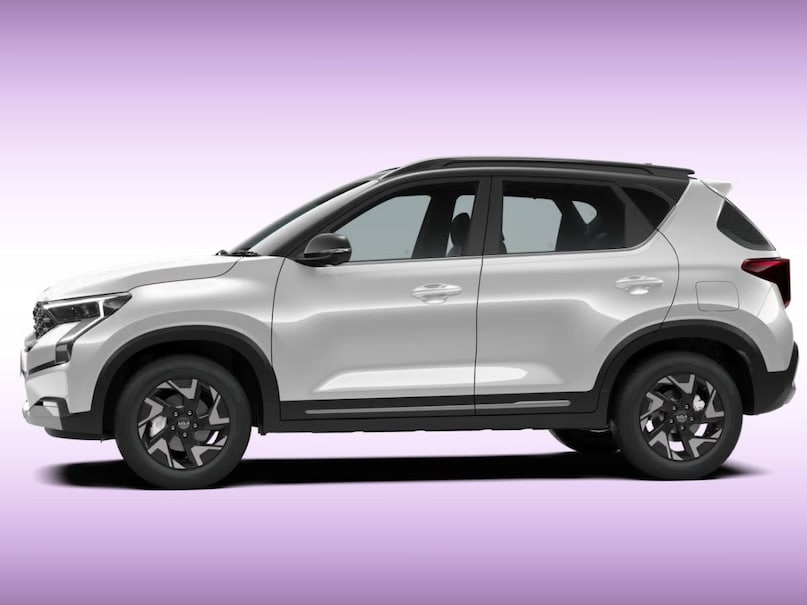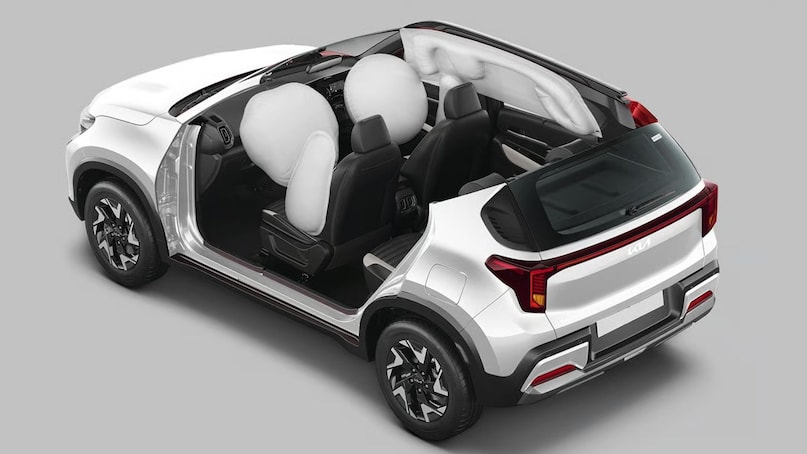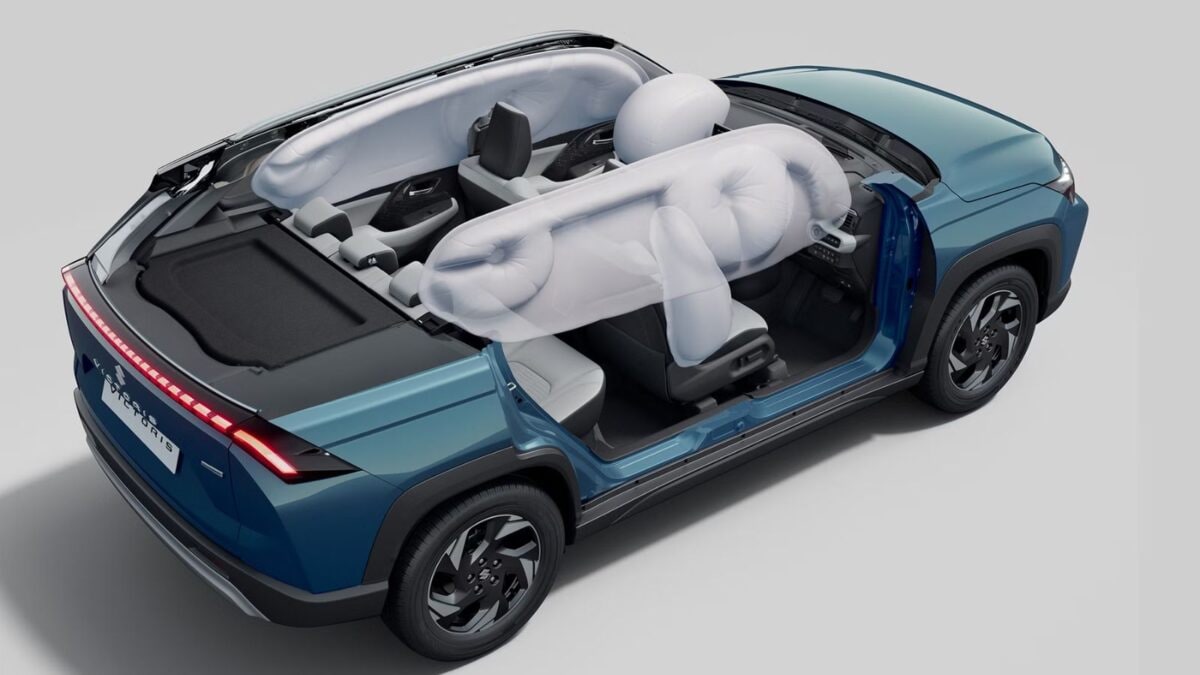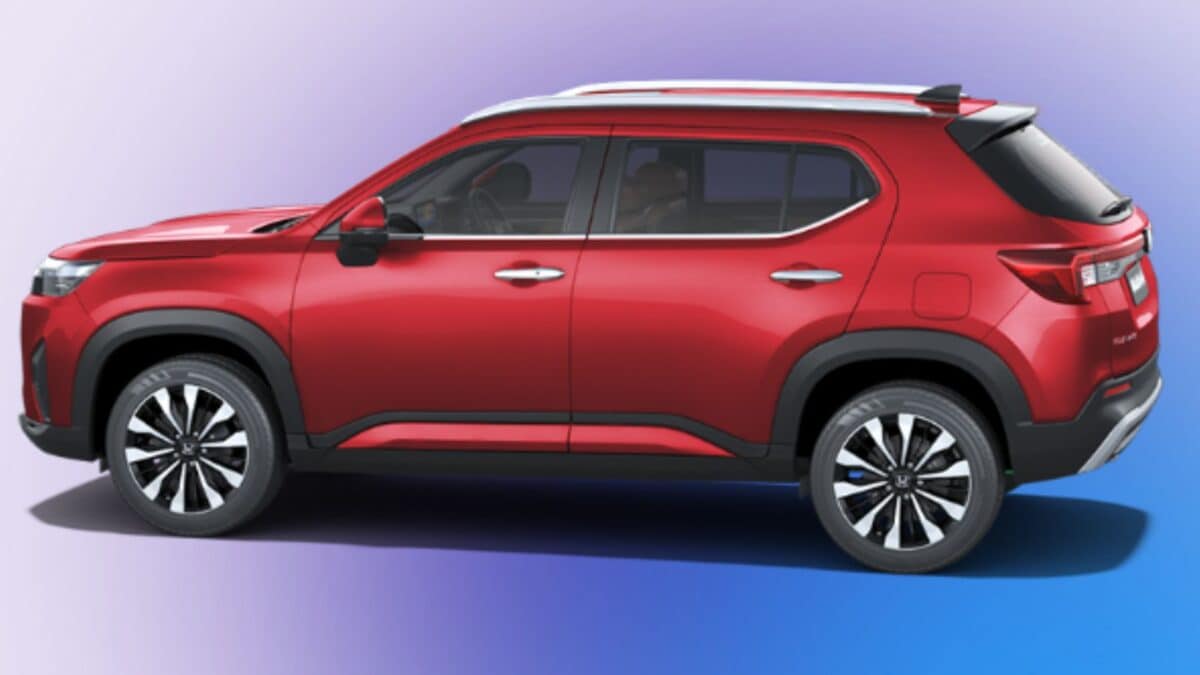
People with how much salary should buy new Skoda Kushaq, know

People with how much salary should buy new Skoda Kushaq, know

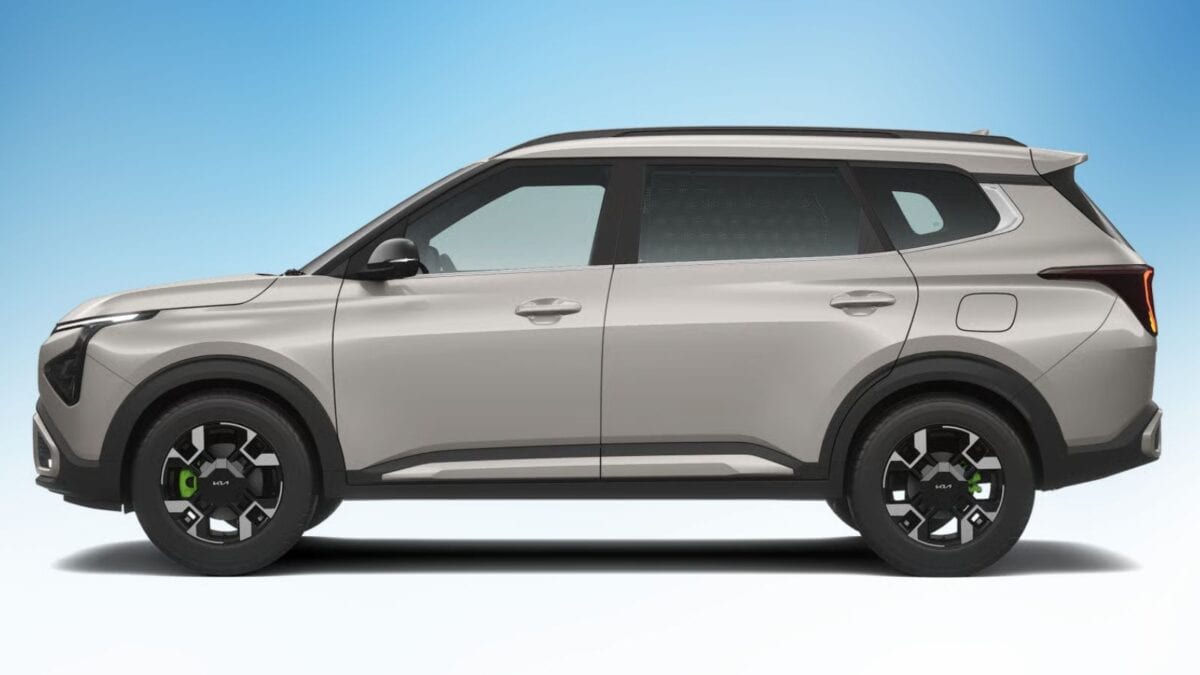
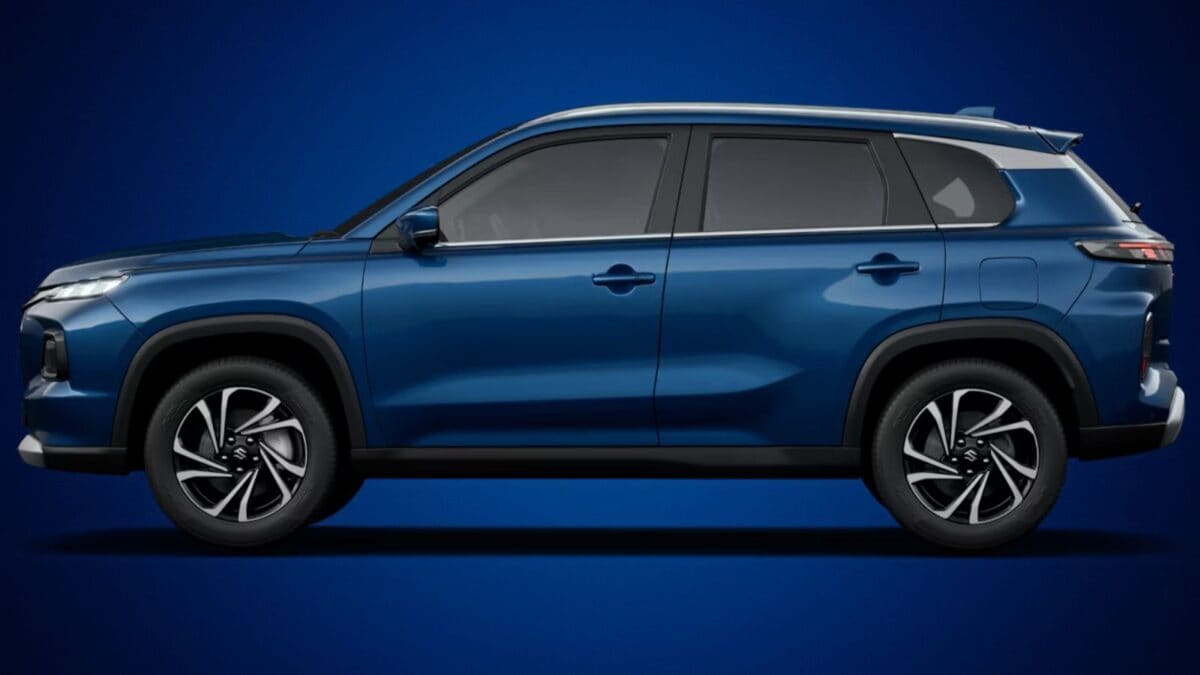
Skoda Kushaq has been launched in a new avatar in the Indian market. The company has kept its initial ex-showroom price at Rs 10.69 lakh. The special thing is that customers can buy Kushaq with sunroof only from the base variant. In the market, this SUV has direct competition with competitors like Hyundai Creta, Kia Seltos and Maruti Grand Vitara.

If you are planning to buy it, then this article of ours is useful for you. In this article, we have brought for you the On Road Price and EMI details of Skoda Kushaq. Also let's take a look at its design, interior, features, safety, engine and mileage details.

Skoda Kushaq On Road Price

If you buy the new Kushaq in Delhi, you will have to pay Rs 10,69,000 ex-showroom. Apart from this, you will have to pay Rs 1,18,900 as RTO fee and Rs 46,483 for insurance. Also, TCS of Rs 10,690 and Rs 500 will have to be paid for FASTag. In this way the on-road price of the vehicle will become Rs 12,45,573.

Skoda Kushaq Down Payment & EMI

Let us assume that you have made a down payment of Rs 2 lakh on this on-road price. In such a situation, you will have to take a car loan for the remaining Rs 10,45,573. If your monthly income is good and CIBIL score is good, then this loan will be easily available at an interest rate of 10 percent.

In this way, you will be able to repay this loan by paying a total of 60 EMIs of Rs 22,215 in a total of 5 years. In this case, you will have to pay a total of Rs 13,32,920 in installments. If the down payment of Rs 2 lakh is also included, then after 5 years the total amount will be Rs 15,32,920. Interest of Rs 2,87,347 will go on this.

Design, features and engine options

The exterior of Skoda Kushaq has a new grille, illuminated light bar with LED DRLs, revised front-rear bumper, LED taillights and new alloy wheels. It gives a bold, European stylish look. Interiors include dual-tone dashboard, 10.25-inch digital cockpit, 10.1-inch touchscreen infotainment, ambient lighting, ventilated front seats, rear massager, panoramic sunroof and premium sound system. The spacious cabin and 491 liters of boot space is perfect for a family.

Other features include Google AI Companion, cruise control, auto climate control, 6-speaker system etc. Safety features include 5-star global NCAP rating, 6 airbags as standard, 25+ active-passive features (40+ in the top variant), ABS, EBD, ESC, TPMS, hill hold etc. It can be purchased with 1.0 TSI (115 PS, 178 Nm) 6MT/new 8AT and 1.5 TSI (150 PS, 250 Nm) with 7-speed DSG. Maximum claimed mileage is 19.76 kmpl.

Important information: The on road price and EMI related details of Skoda Kushaq mentioned above are just an example. These figures may change due to variation in city, dealership, vehicle model, insurance company and interest rate. If you earn 60 to 80 thousand rupees per month and you do not already have any big loan, then only think of buying a car on installment.

Source link

XEV 9S beats Nexon and Windsor, see sales report

XEV 9S beats Nexon and Windsor, see sales report

Last Updated:

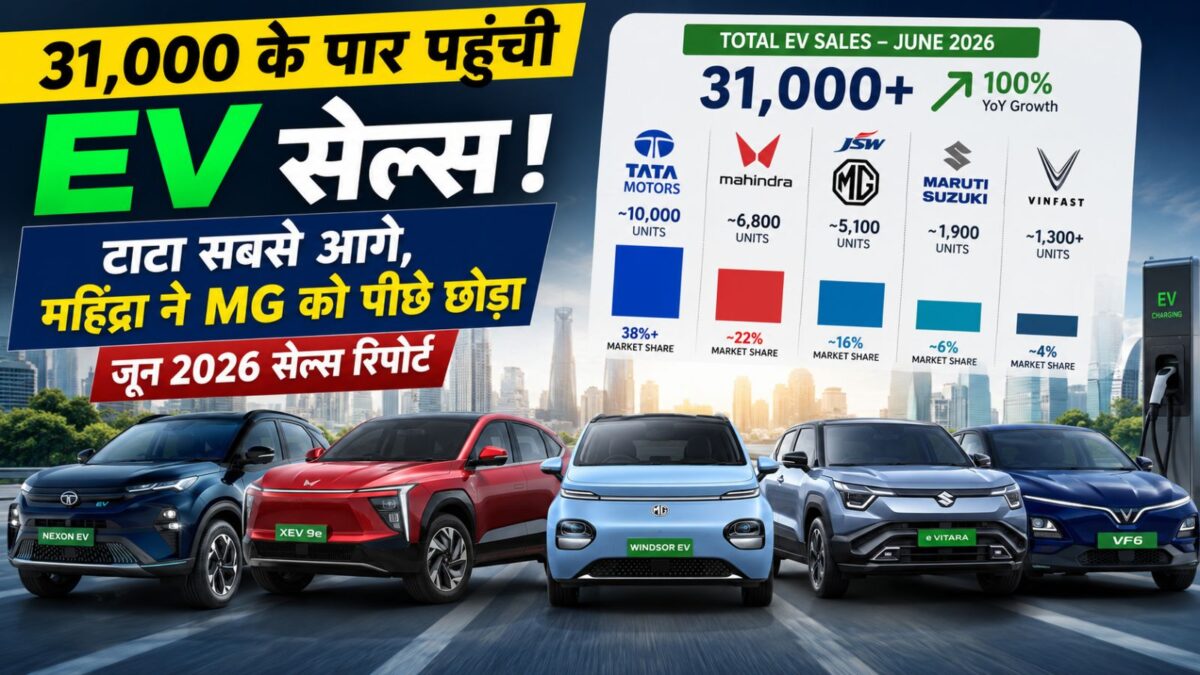
A big upheaval has been seen in the electric car market in February 2026. Mahindra XEV 9S achieved the top position for the first time, leaving behind Tata Nexon and MG Windsor. This increasing competition in the EV segment has made the market even more interesting. Know the complete top 10 list and how much was sold by whom.

Mahindra's XEV 9S has created a stir in the Indian market in February 2026. This 5 seater electric car has become the country's best selling EV with sales of 3,539 units. It has achieved the top position for the first time by defeating big companies like Tata and MG.

MG Windsor EV

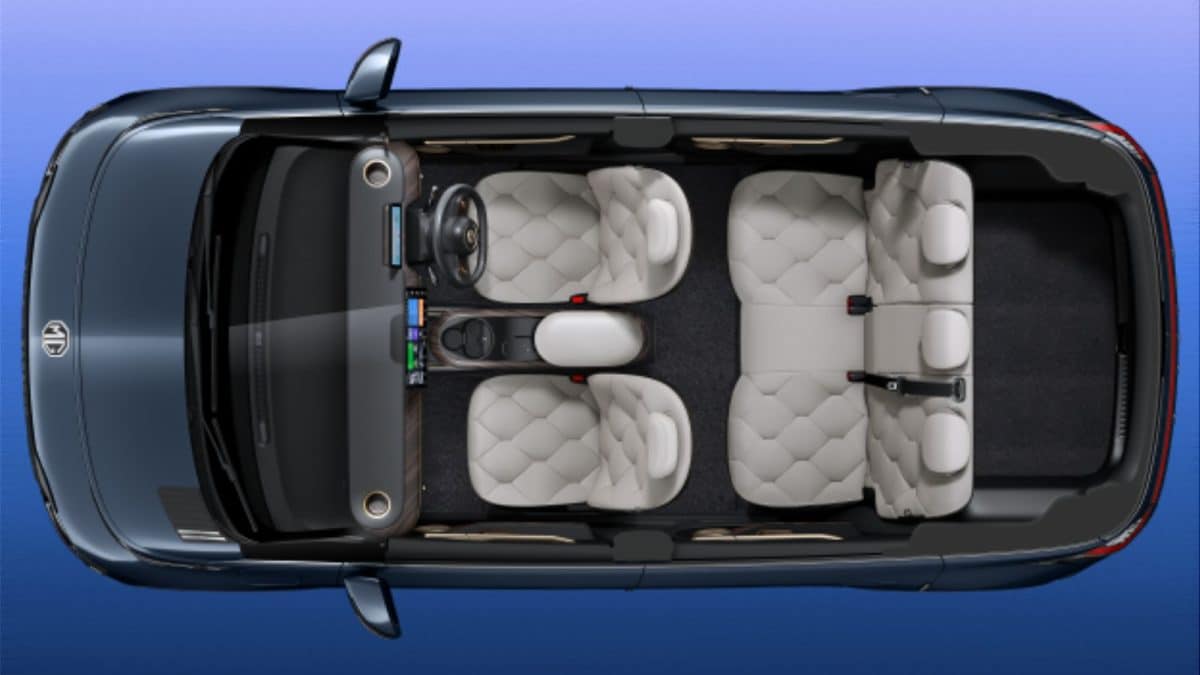
MG Motor's premium crossover Windsor EV has maintained its strength. It stood second with sales of 2,599 units in February. It remains a favorite of customers due to its luxurious 'aero- lounge' seats and battery-as-a-service (BaaS) model.

Tata Nexon EV

Tata Nexon EV, which was the market leader for a long time, has slipped to the third position this time. Its 2,410 units have been sold in February 2026. Although Nexon is still a trusted name, new offerings from Mahindra and MG have given tough competition to its market share.

Add News18 as
Preferred Source on Google

Mahindra XEV 9e

Mahindra's second premium offering XEV 9e is also included in the top chart. It secured fourth position with sales of 1,889 units. Due to its luxury features and futuristic design, it is attracting those customers who want a high-tech driving experience.

Tata's powerful Harrier EV was at fifth place. Its sales performance in February was quite good and it made its place in the premium SUV segment. Tata Motors has launched it with features like large battery pack and all-wheel drive (AWD), which make it special.

Tata Punch EV Facelift vs Tata Tiago EV

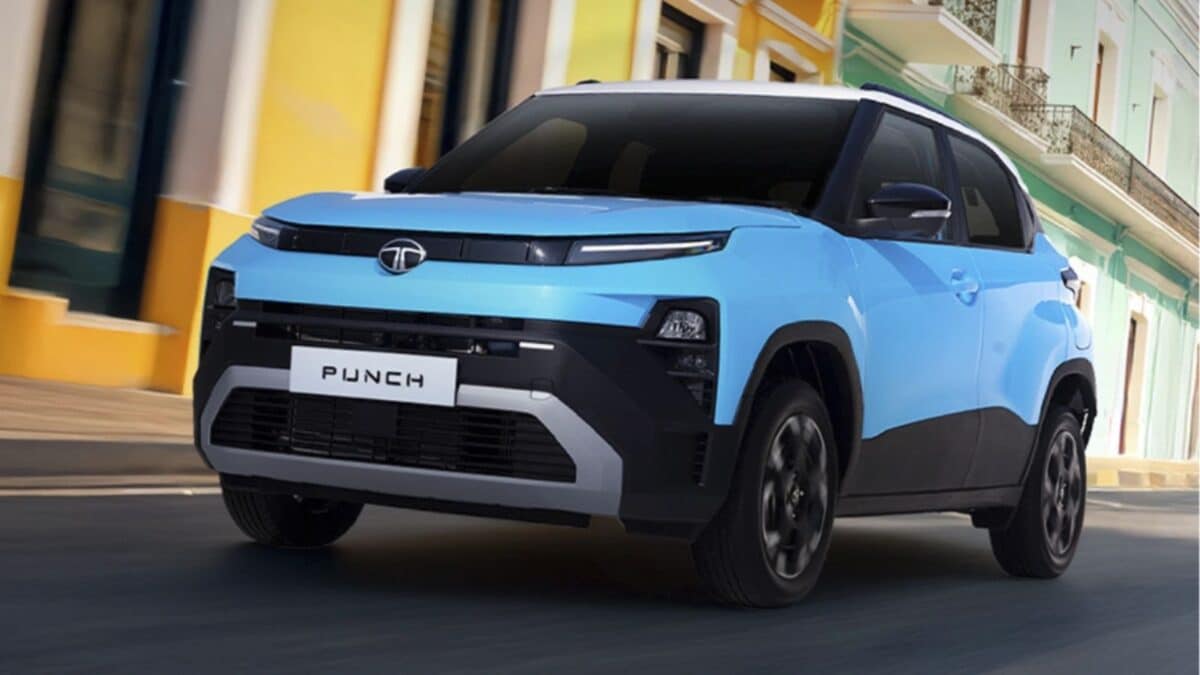
In the affordable range of Tata Motors, Tiago EV and Punch EV stood at seventh and ninth position respectively. 1,226 units of Tiago EV and 1,061 units of Punch EV were sold. Both these models remain a great option for those who want a small EV for city use.

Top 10 Electric Cars in India

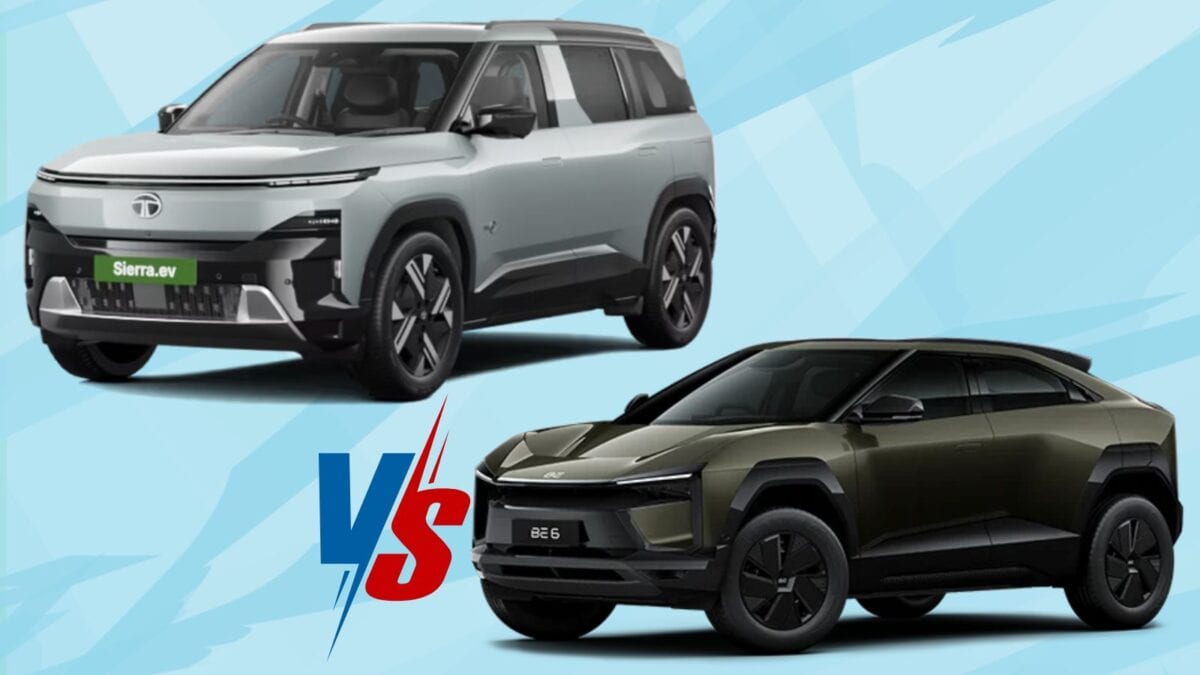
Mahindra's sports electric car BE 6 has also made it to the top 10. Its 1,104 units were sold in February, due to which it remained at number eight in the list. Due to its sharp looks and performance, it is in great demand among the youth.

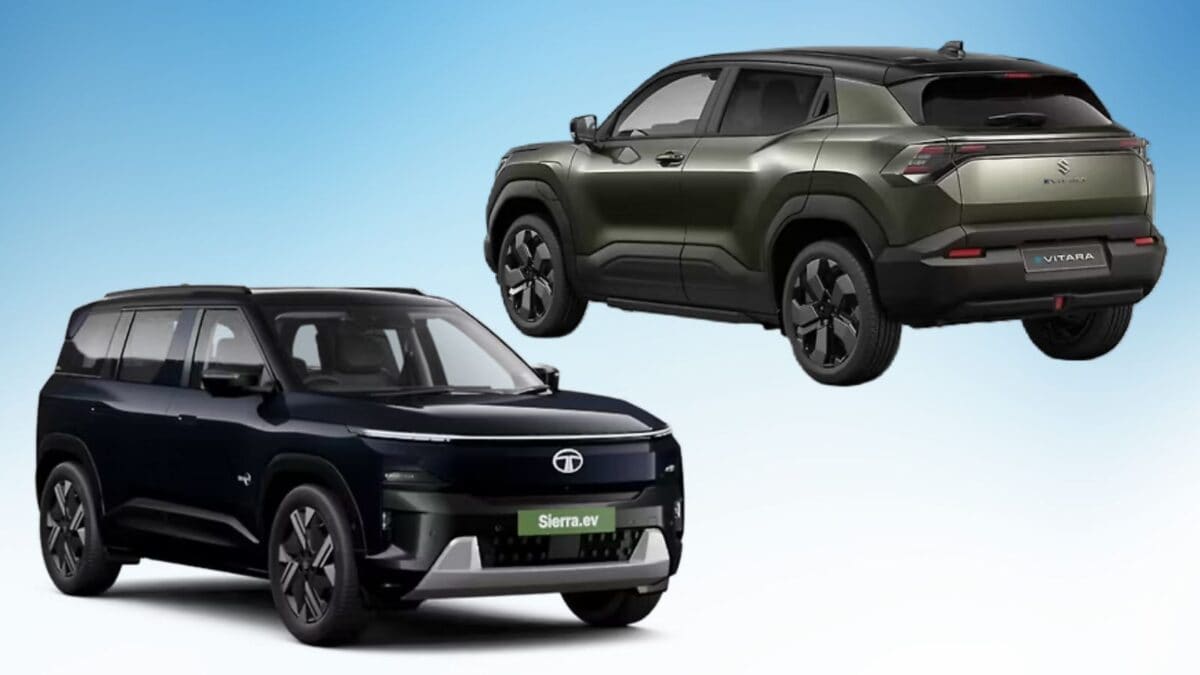
The country's largest car manufacturer Maruti Suzuki has also registered its presence in the EV segment. Their first electric car e-Vitara secured 10th position with sales of 870 units. With the entry of Maruti, the competition is expected to become more interesting in the coming times.

Click here to add News18 Hindi as your favorite news source on Google.

Source link

Sunroof and massage seats from base variant! Explosive entry of 2026 Skoda Kushaq

Sunroof and massage seats from base variant! Explosive entry of 2026 Skoda Kushaq

2026 Skoda Kushaq Facelift has been launched in the Indian market after a long wait. This is the first major update of the compact SUV, which has come after the launch of Kushaq for the first time in 2021. It was already shown to the public, now the company has also announced the prices.

The new Skoda Kushaq can be purchased in the Indian market at a starting ex-showroom price of only ₹ 10.69 lakh (ex-showroom). Whereas, the top variant can be purchased by paying Rs 18.99. The company is offering it with sunroof from the base variant itself. In the market it will compete with SUVs like Hyundai Creta, Kia Seltos, Maruti Grand Vitara and Tata Sierra. Let us take a look at its design, engine and mileage details.

Design and interior

The facelift gives a revised look at the front and rear. There is a new illuminated grille and light bar at the front, LED headlights, illuminated 'Skoda' lettering at the rear and an updated bumper. New color options like Shimla Green, Cherry Red, Steel Grey, Candy White and Carbon Steel are included. The Monte Carlo variant has a sporty look. Ground clearance remains 188 mm.

Variant Engine and Gearbox Price (ex-showroom)
Classic+ 1.0L TSI (Manual) ₹10.69 lakh
Classic+ 1.0L TSI (8-speed automatic) ₹12.69 lakh
Signature 1.0L TSI (Manual) ₹14.44 lakh
Signature 1.0L TSI (8-speed automatic) ₹15.49 lakh
sportline 1.0L TSI (Manual) ₹14.59 lakh
sport line 1.0L TSI (8-speed automatic) ₹15.64 lakh
Prestige 1.0L TSI (8-speed automatic) ₹17.59 lakh
Monte Carlo 1.0L TSI (8-speed automatic) ₹17.89 lakh
Prestige 1.5L TSI (DSG Automatic) ₹18.79 lakh
Monte Carlo 1.5L TSI (DSG Automatic) ₹18.99 lakh

The cabin is premium and spacious. Dual-tone theme (black-beige or crimson), 10.1-inch touchscreen infotainment system (with Google AI voice assistant), 10.25-inch digital driver display, panoramic sunroof (in the top variant), wireless Android Auto/Apple CarPlay, wireless charging, auto climate control and leatherette seats. Segment-first rear seat massage function and dual-color ambient lighting is also available.

Features and safety

The company offers many features like 6 airbags as standard, 360° camera (on top), ADAS (Advanced Driver Assistance System in some variants), ESC, TPMS, rain-sensing wipers, cruise control, 6-speaker sound system. It has a total of 25 active/passive safety features and has also received a 5-star rating from Global NCAP.

Engine and Mileage

The company sells it with two turbo-petrol engine options. The first is a 1.0 liter TSI (115 PS, 178 Nm) engine, which comes with a 6-speed MT or the new 8-speed TC automatic. Claimed mileage is 19.66 kmpl in MT and 19.09 kmpl in AT. The second 1.5 liter TSI (150 PS, 250 Nm) engine comes with 7-speed DCT. Its claimed mileage is 18.72 kmpl.

Source link

Buying EV in Delhi will be easy! Preparation to make charging stations mandatory at showrooms

Buying EV in Delhi will be easy! Preparation to make charging stations mandatory at showrooms

Last Updated:

Big steps can be taken to promote EV in Delhi. According to reports, under the new EV Policy 2026, it may be mandatory to install charging stations at every auto showroom. If this is implemented, then the biggest worry of EV buyers can be removed. Know the complete possible plan.

news quickly

Zoom

Delhi government can ask to install charging stations at all EV showrooms.

State governments are continuously working on new policies to promote EV. According to a recent report, the Delhi government may ask automobile companies to install EV charging stations at their vehicle showrooms. However, this is still a proposed policy and the final decision regarding it is yet to be taken, but if it is implemented then a big change will be seen in the EV sector.

This new policy can potentially be announced during the budget session on March 24, 2026. Under this proposed Delhi Electric Vehicle Policy, all vehicle manufacturers (OEMs) operating in the city will be asked to install at least one public charging station at each of their dealerships or showrooms.

What is the future plan?

According to a report by Indian Express, this policy will remain effective from the date of issue of notification till March 31, 2030, unless it is extended or amended. The main objective is to achieve 30 percent penetration of electric vehicles in Delhi by 2030. At present, people are hesitant in buying EVs due to lack of charging infrastructure. In such a situation, the main objective of this policy is to create a strong charging network.

Range anxiety is the biggest obstacle

In fact, the biggest challenge in EV adoption has been the lack of charging infrastructure. People are reluctant to buy electric vehicles especially in small cities and on highways due to lack of charging stations. In such a situation, if every auto company provides charging facility at its showroom, then this problem can be reduced to a great extent. With this, EV users will easily get charging points within the city and their range anxiety will also reduce.

Who will benefit?

This proposal will have a direct impact on common customers. Firstly, the confidence of those buying an electric car or scooter will increase, as they will know that charging facilities are easily available. Second, it will become easier and more convenient for new buyers to adopt EVs. Especially for first-time EV buyers who are worried about charging, this can prove to be a big relief.

Will auto companies get it?

This new policy will bring both challenges and opportunities for auto companies also. They will have to invest in installing charging stations at their showrooms, which may increase the initial cost. However, this will help companies in attracting customers and may increase EV sales. Companies which have a strong charging network will be able to move ahead in the competition.

Source link

900 KM range…charge in 15 minutes! The best electric car has arrived, know the price

900 KM range…charge in 15 minutes! The best electric car has arrived, know the price

Xiaomi has introduced its popular electric car SU7 in a new avatar. The new generation Xiaomi SU7 has been unveiled, which is a major upgrade in Xiaomi's electric car lineup. This is a completely electric sedan, which has been introduced with a total of 3 variant options – Standard, Pro and Max. The starting price of the new gen SU7 in China starts from RMB 219,900 (about 22.99 lakh yuan).

These prices are for the Standard variant. Apart from this, the price has been kept at RMB 249,900 (about 25.99 lakh Yuan) for Pro and RMB 303,900 (about 30.99 lakh Yuan) for Max. If converted into Indian Rupees, it can be around ₹ 30 lakh to ₹ 41 lakh. In the market it will compete with competitors like Tesla Model 3.

Design and interior

The exterior of the new SU7 is as attractive as the previous model. It is in fastback sedan style. The new front fascia has a revised grille and integrated 4D millimeter-wave radar, which improves aerodynamics. The headlights are of water drop style and the taillights are of halo design. The new color options include Coastal Blue, Blazing Red, Viridian Green, Indiga Stone Green, Capri Blue and Crimson Sunset Red. Apart from this, wheel design and personalization options have also been increased.

The cabin has also been completely redesigned, which now feels like a luxury C-segment sedan. Premium upholstered surfaces are at its finest, with soft materials covering almost the entire cabin. The new dashboard, larger screen setup (based on Xiaomi HyperOS), high-quality seats, ventilated and heated front seats make it special. With more space, better comfort and premium feel, it is perfect for both family and luxury.

Features and safety

LiDAR sensing and Xiaomi Hyper Autonomous Driving (HAD) are standard in all its variants. Intelligent driving, 360° protection, large infotainment system, voice control, connected car features make it special. Thanks to fast charging, 670 km range can be added in just 15 minutes. Energy consumption is also low. Upgraded safety includes 2,200 MPa steel reinforced body, armored cage, 9 airbags (including rear side airbags), battery fire/explosion prevention system and 16 active safety features.

Battery, Motor and Range

Volumetric energy density is up to 83.9% thanks to CTB (Cell to Body) integrated battery technology. It has Hyperengine V6s Plus motor (22,000 rpm peak speed), which is available in all variants. Talking about the variants, Standard is capable of giving a range of up to 720 KM, Pro 902 KM and Max 835 KM.

Source link

Exciting Korean SUV has arrived in the market, price starts from only ₹ 5.79 lakh

Exciting Korean SUV has arrived in the market, price starts from only ₹ 5.79 lakh

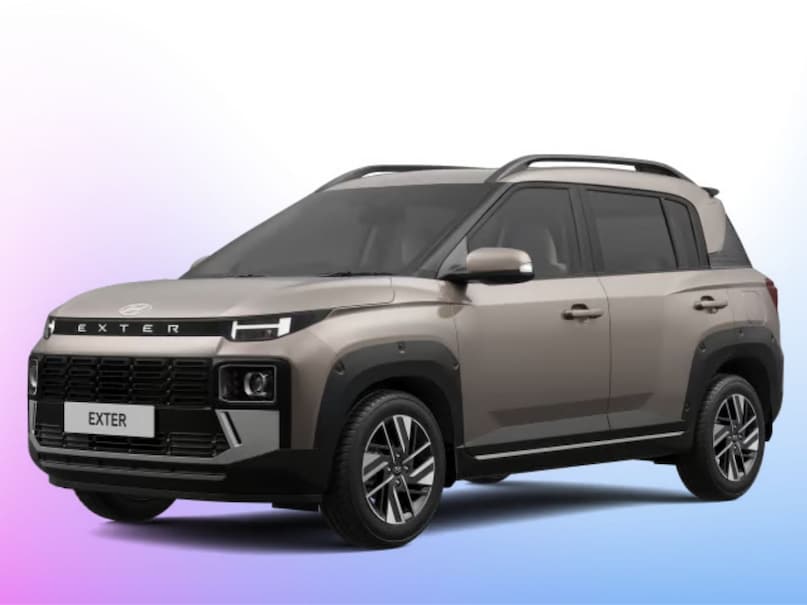
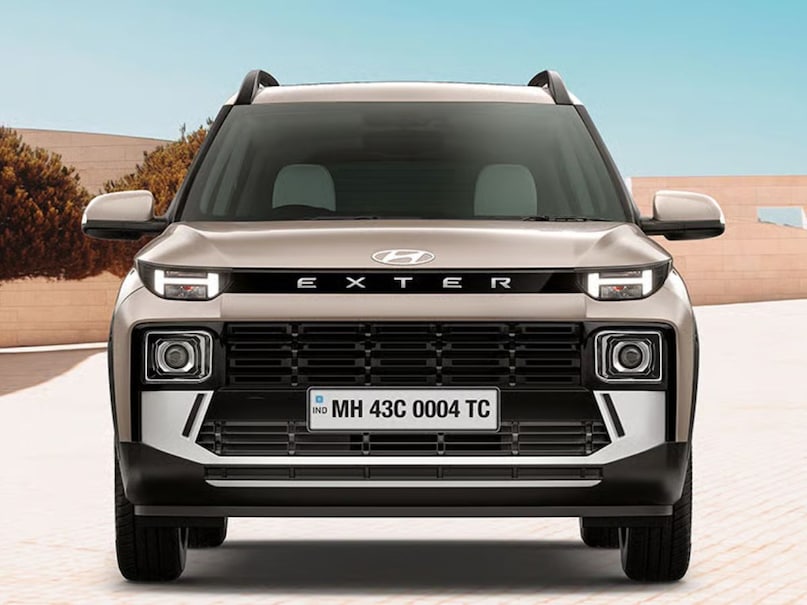
2026 Hyundai Exter range has been launched in the Indian market with new updates. It was launched on 20 March 2026, in which more than 25 changes have been made in design, interior, features and safety. The ex-showroom price of the new Exter starts at ₹5.79 lakh and goes up to ₹9.42 lakh for the top variant.

Petrol variants range between ₹5.80 lakh to ₹9.42 lakh, while CNG variants range between ₹6.99 lakh to ₹9.40 lakh. Bookings have started and deliveries will start soon. Let us know how much the new Exeter has changed compared to before and how much better a choice it can now become in the budget segment. Let's take a look at the details from its design to engine and performance.

Design and interior

Exter's look has now become bolder. The front has a redesigned grille, new LED headlights and updated bumpers. The rear also has new taillights and a sporty look. New color options like Ranger Khaki and Ranger Khaki with Black roof (dual tone) are available. The alloy wheels are also updated, making it attractive for youth and family users. In the market it competes with competitors like Tata Punch and Nissan Magnite.

The cabin now gives a premium feel. It gets a new dual-tone navy and gray theme, 3D carbon-pattern dashboard finish, metal pedals (segment first), sporty D-cut steering wheel, new seat upholstery and folding driver armrest. Space is good, comfortable for 5 people. Boot space is 391 liters in petrol and 225 liters in CNG (with underbody spare wheel).

Features and safety

The new Exter comes with features like segment-first built-in dashcam, wireless Android Auto/Apple CarPlay, 8-inch touchscreen infotainment, Bluelink connected car features (60+), rear USB Type C port, automatic climate control, voice-enabled sunroof, wireless charging and Alexa integration. Multi-language UI and Ambient Sounds of Nature are also provided.

There is a big upgrade in safety. It can now be purchased with 6 airbags, Electronic Stability Control (ESC), 30 standard safety features and a total of 45+ advanced safety features. Features like ABS, EBD, hill start assist, rear parking sensors and camera are included in this list.

Engine and Mileage

There has been no mechanical change in it. The 1.2-litre Kappa petrol engine (4-cylinder) produces 83 PS power and 113.8 Nm torque. Transmission is 5-speed MT or AMT. The CNG variant offers 69 PS power and 95.2 Nm torque and is available only with MT. Mileage according to ARAI is 19.2-19.4 kmpl in petrol and up to 27+ km/kg in CNG.

Source link

Lexus launches its first premium electric sedan in India, priced at ₹89.99 lakh

Lexus launches its first premium electric sedan in India, priced at ₹89.99 lakh

Lexus has launched its first premium electric sedan Lexus ES 500e in the Indian market. Its starting ex-showroom price has been kept at ₹ 89.99 lakh. This is the eighth generation ES, which is built on the TNGA-K platform. Toyota Camry also shares the same platform. This is an important step of the company in the luxury segment. In the market it will compete with cars like Mercedes-Benz E-Class and BMW 5 Series.

The design of the new ES 500e is quite modern and sporty. It has sharp Z-shaped LED daytime running lights (DRLs), connected LED taillights, compact air dam and sleek profile. The length of the car is 5145 mm, width is 1920 mm, height is 1575 mm and wheelbase is 2950 mm. It looks bigger and more stylish than the previous model, with a coupe-like silhouette and premium finishing. Let's take a look at the details from its interior to features.

Cabin and Comfort

Its interior has a minimalist and luxury feel. It includes a large 14-inch touchscreen infotainment system, 12.3-inch digital instrument cluster, ambient lighting, wireless Apple CarPlay and Android Auto and premium Mark Levinson sound system (17 speakers). Rear seats have automan recline and automan features, which provide comfort like boss mode. The cabin is very luxurious and comfortable with electrochromic glass roof, powered seats and high-quality materials. Physical buttons have been reduced and hidden switches have been provided, which light up when the car is turned on.

Features and safety

The car is full of advanced technology. It can be purchased with three-zone climate control, wireless charging, multiple USB ports and Lexus' signature refinements. The interior is tech-focused, which also includes a driver-monitor system. It comes with Lexus Safety System+ (ADAS) suite, which includes adaptive cruise control, lane departure alert, blind spot monitor, automatic emergency braking, driver monitoring and other features.

Battery, Motor and Range

The ES 500e has a 74.68 kWh lithium-ion battery. It comes with dual electric motors (AWD – DIRECT4), which gives a total of 338 bhp power and good torque. Claimed range is 580 km (on full charge). Fast charging takes 10-80% in just 28 minutes (from a 150 kW charger). It provides high performance, smooth driving and low vibration, which is in line with Lexus' EV philosophy. It has been brought to India through CKD route.

Source link

Amazing work of local company! Sold more than 600 electric cars in one day

Amazing work of local company! Sold more than 600 electric cars in one day

Last Updated:

Mahindra has made a big splash in the EV market! The company created a new record by delivering 600+ Electric SUVs in a single day. The huge demand for BE 6, XEV 9e and XEV 9S has increased the tension even for Tata. Why is the craze for Mahindra EV increasing so much? Know the whole story…

news quickly

Zoom

Mahindra XEV 9e

The demand for electric cars is increasing rapidly in the Indian auto market. Mahindra is doing much better in this segment and the company has recently created a new record. They have delivered more than 600 of their Electric Origin SUVs in a single day on March 19, 2026.

This achievement is a big milestone not only for Mahindra but for the entire Indian EV market. The company announced this on its official social media handle, in which it was written that we have delivered more than 600 e SUVs in a single day. This achievement reflects the rapidly growing confidence and demand of Mahindra in the electric vehicle segment.

Record made on the first day of Navratri

This record delivery took place on the first day of Navratri, which is a time of festivals in India. Mahindra made a strong festive start by handing over new vehicles to the customers on this occasion. According to the company, these deliveries took place simultaneously at various dealerships across India, where customers happily returned home with their new electric SUV. This single day delivery is more than the monthly EV sales of some other leading brands, such as the entire month's EV sales of companies like Hyundai and Kia.

View this post on Instagram


Source link

2026 Hyundai Verna Facelift vs Honda City: Which sedan is better? Know

2026 Hyundai Verna Facelift vs Honda City: Which sedan is better? Know

2026 Hyundai Verna Facelift vs Honda City: The sedan segment is quite popular in the Indian market. Verna and City are the most popular in this segment. Hyundai has recently updated Verna. At the same time, City is already available with hybrid engine and advanced features.

Talking about the price, the new Verna can be purchased from ₹ 10.98 lakh to ₹ 18.40 lakh. The company sells it in HX2, HX4, HX6, HX6+, HX8 and HX10 variants. At the same time, the price of Honda City starts from ₹ 11.95 lakh (SV MT) and goes up to ₹ 16.07 lakh (ZX CVT), while the hybrid variant is available around ₹ 19.99 lakh. Let us take a look at their design, features and safety details.

Design comparison

The look of Verna Facelift is bold and sporty. It looks attractive with a new black chrome grille, large LED projector headlamps, redesigned bumpers, 16-inch diamond-cut alloy wheels and new colors (Classy Blue, Titan Gray Matte). Its length is 4565 mm. The design of Honda City is elegant and classic. Sophisticated lines, long body (4583 mm) and taller stance make it special. The City has more universal appeal for family use, while the Verna attracts younger buyers. The facelift of Verna gives a more modern and aggressive feel.

Interior comparison

The interior of Verna is premium and tech-loaded. Dual 10.25-inch integrated display (infotainment + digital cluster), leatherette upholstery, 8-way power driver seat memory function with welcome feature, electric walk-in device for co-driver seat, ventilated front seats, Bose 8-speaker sound system, rear window sunshade and multi-color ambient lighting.

Boot space is 528 litres, which is the largest in the segment. The City's cabin is spacious and comfortable, soft-touch materials, good rear leg-room and quality build make it special, but it doesn't have as big screens or ventilated seats as the Verna. The boot space of City is approximately 506 litres. Verna gives more luxury and modern feel.

comparison of features

Verna Facelift brings segment-first features. The company sells it with in-built dashcam, 360-degree camera with blind spot monitor, smart trunk, wireless Android Auto/Apple CarPlay and level-2 ADAS (Forward Collision Avoidance, Lane Keeping, Adaptive Cruise). ADAS (Adaptive Cruise, Lane Assist) is also available in City, but it is less advanced than Verna. City focuses on comfort but Verna is ahead in tech and convenience.

Safety comparison

The Verna gets 6 airbags as standard and 7 airbags at the top end (including the front centre), ESC, TPMS, 5-star GNCAP rating (from the previous model) and level-2 ADAS. 360 camera and dashcam add new safety layer. The City has 6 airbags, VSA (Vehicle Stability Assist), hill assist and some ADAS features. Safety of the City is good, but Verna's 7 airbags and advanced ADAS provide more protection. ABS, EBD and rear parking sensors are standard in both.

Engine and Performance

Verna comes with two engine options – 1.5L NA petrol (115 PS, 144 Nm) 6MT or CVT and 1.5L Turbo GDi (160 PS, 253 Nm) 6MT or 7DCT. The turbo variant gives strong performance both on the highway and in the city. City has only 1.5L i-VTEC petrol (121 PS, 145 Nm) engine, which can be purchased with 6MT or CVT. The City's engine is smooth and refined, but the Verna's turbo is more powerful and exciting. ARAI mileage of Verna ranges from 18.6 to 20.6 kmpl and that of City ranges from 17.8 to 18.4 kmpl.

Source link

These 5 great SUVs are best for the family, price starts from only ₹ 7.51 lakh

These 5 great SUVs are best for the family, price starts from only ₹ 7.51 lakh

HomePhotoAutoCar

These 5 great SUVs are best for the family, price starts from only ₹ 7.51 lakh

Last Updated:

If you want to buy a perfect SUV under ₹ 10 lakh, then this article is going to be very useful for you. Here you will get the strong safety of Tata Nexon, powerful engine of XUV 3XO, premium comfort of Venue, excellent mileage of Fronx and solid build of Kylaq. Everything will be found at one place. After all, which SUV has the most value for money? To know, please read the complete news.

Tata Nexon is one of the safest vehicles in India. If your priority is 5-star safety rating and strong build quality, then this is the best choice. Its starting price starts from ₹ 8.00 lakh. Be it city driving or highway driving, the muscular look of Nexon always gives you a different confidence on the road.

tata nexon

Its interior offers premium features like 10.25-inch touchscreen, sunroof and ventilated seats. Talking about mileage, it gives an excellent average of 17.4 kmpl in petrol and 23.2 kmpl in diesel. Its Smart and Pure variants offer a safe and no-compromise family SUV in a budget of ₹10 lakh.

Mahindra XUV 3XO

Mahindra XUV 3XO is known for its powerful turbo engine. In this you get the highest torque in the segment, which makes driving fun. Its starting price is only ₹ 7.49 lakh. Its width is the highest in the segment, due to which three people can sit very comfortably on the rear seat.

Add News18 as
Preferred Source on Google

Mahindra XUV 3XO

In this you get dual pan panoramic sunroof, which is for the first time in this budget. In terms of mileage, it gives up to 18.8 kmpl on petrol and 21.2 kmpl on diesel. Under ₹10 lakh, its MX2 and MX3 variants are excellent value for money. This is the perfect option for those who want power and style.

Skoda Kylaq

Skoda Kylaq has created a blast in the budget segment. Its biggest feature is its 1.0L TSI turbo petrol engine. Its driving dynamics make you feel like an expensive luxury car. Its starting price has been kept at ₹ 7.89 lakh. Skoda's signature grille and solid build give it a very classy look.

Skoda Kylaq

The build quality of the Kylak is very premium and it comes with 6 airbags as standard. Talking about mileage, it easily gives an average of around 19.7 kmpl. If you want to stand out from the crowd and are fond of German engineering, then the Skoda Kylaq is a very solid option under ₹ 10 lakh.

Hyundai Venue

The biggest USP of Hyundai Venue is its smoothness and reliable service. This is a very comfortable car to drive in the city. Its ex-showroom price starts from ₹ 7.94 lakh. Its design is quite modern and it looks like 'Baby Creta'. This is a very reliable option for a small family.

Hyundai Venue

Many features like Blue Link connected car tech and sunroof are available in Venue. In terms of mileage, its petrol engine gives a tremendous average of 17.5 kmpl and diesel engine gives a tremendous average of up to 24.2 kmpl. Its S and S(O) variants are quite popular in the budget of ₹ 10 lakh, which give you the pleasure of both luxury and economy.

Maruti Suzuki Fronx

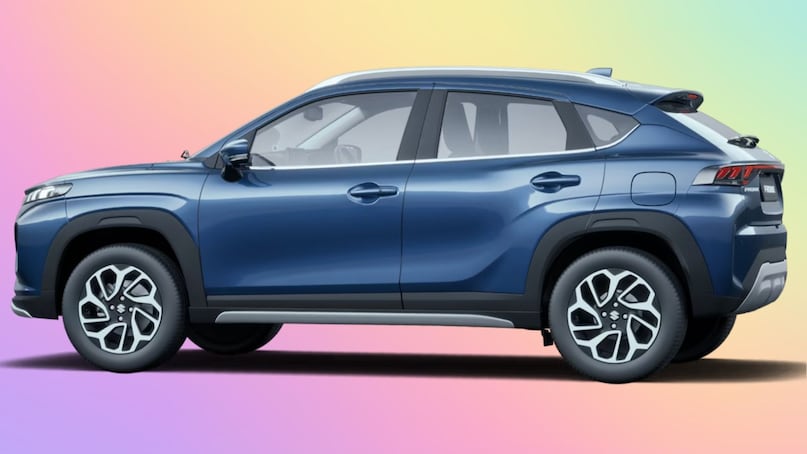
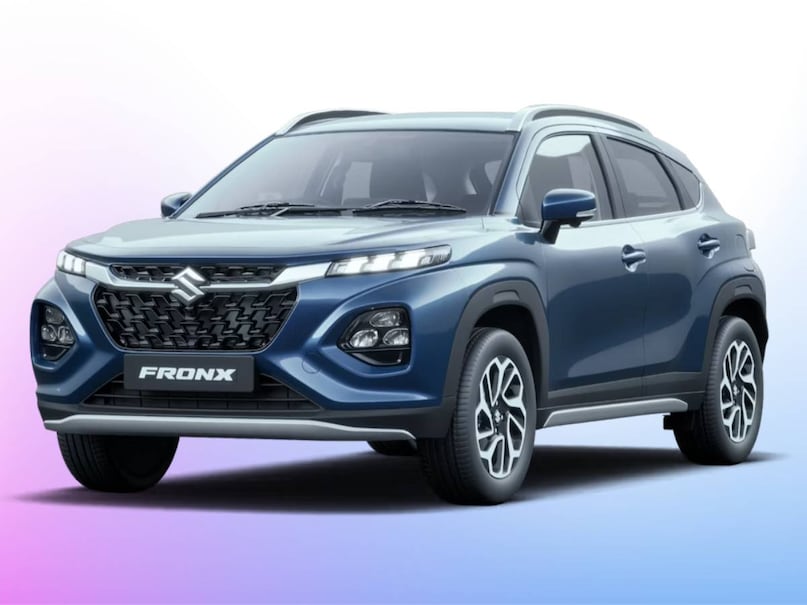
Maruti Fronx is for those who want good mileage along with style. Its coupe-like design makes it the most beautiful vehicle in its category. Its starting price is only ₹ 7.51 lakh. It is also very smooth to drive. You also get excellent fuel efficiency in the front.

Maruti Fronx

Its petrol variant gives mileage up to 21.7 kmpl and CNG variant 28.5 km/kg. Its Sigma and Delta variants are easily available under ₹ 10 lakh. If your priority is mileage and resale value, then there is nothing better in the market than the Frankos!

Click here to add News18 Hindi as your favorite news source on Google.

Source link

Mini Cooper S Victory Edition launched in India, priced at Rs 57.50 lakh; Only a few people will be able to buy

Mini Cooper S Victory Edition launched in India, priced at Rs 57.50 lakh; Only a few people will be able to buy

Mini Cooper S Victory Edition has been launched in the Indian market. This special edition model has been introduced in honor of Mini's historic victory in the 1965 Monte Carlo Rally, which was won by Timo Makinen. Its price in India has been kept at Rs 57.50 lakh (ex-showroom).

It is being completely imported as CBU (Complete Built Unit) and only its limited stock will be available in the Indian market. Its booking is open at authorized Mini dealerships and deliveries have started immediately. If you are planning to buy it, then take a look at the design, interior, features, safety, engine and performance details.

Design and interior

The look of the Victory Edition is very attractive and rally-inspired. This exclusive comes in Chilli Red color, with white racing stripes running till the bonnet, roof and rear. The '1965' badging, special '52' insignia and Victory Edition logo make it unique. The JCW pack adds sporty exterior elements like large alloy wheels, aggressive bumpers and roofline.

The interior has a premium and modern feel. It gets features like circular OLED touchscreen infotainment system, head-up display, panoramic sunroof, Harman Kardon sound system and digital key. The seats are sporty, with rally themed dedication plates installed inside the doors. The cabin offers high-quality materials and go-kart-like handling.

Features and safety

It is equipped with the latest mini technology. 360-degree camera, wireless charging, multi-function steering, paddle shifters, adaptive suspension and JCW sport brakes make it special. For safety, it gets ADAS Level-1 with multiple airbags, ABS, EBD, traction control, electronic stability control and JCW brakes for better stopping.

Engine and Performance

It has a 2.0-litre TwinPower Turbo petrol engine, which generates 204 bhp power and 300 Nm torque. The 7-speed dual-clutch automatic transmission is mated to front-wheel drive. 0-100 km/h comes in just 6.6 seconds and the top speed is 242 km/h. Handling is excellent thanks to the adaptive suspension, which gives it a sporty and fun driving experience. Overall, this edition is a perfect mix of performance, style and heritage.

Source link

People are buying this electric car openly, the price is only ₹ 9.99 lakh

People are buying this electric car openly, the price is only ₹ 9.99 lakh

MG Motor India is continuously doing better work in the domestic market. The company did good sales last month also. Talking about February 2026, MG has sold a total of 4957 units this month. This figure shows a spectacular increase of 23.86 percent on an annual basis as compared to the total 4002 units sold in February 2025.

Last month, Windsor EV was the best selling car of the company. At the same time, demand for Hector and Comet EV has also increased. On the other hand, sales of ZS EV and Astor have decreased. Apart from this, MG Gloster did not find any customers. Let us take a look at the model wise sales report of the company.

MG Windsor EV

Windsor EV is at number one in the list. Last month 2599 people bought this electric car. This figure shows a slight increase of 6.91 percent on an annual basis as compared to the total 2431 units sold in February 2025. Its ex-showroom price ranges from ₹ 14 lakh to ₹ 18.50 lakh.

BaaS option starts at ₹9.99 lakh + battery rental at ₹3.9/km. It is equipped with an attractive crossover design, premium dual-tone interior, large glassroof, 15.6-inch touchscreen, Infinity 9-speaker system, 135° reclining rear seats and level-2 ADAS features. There are 6 airbags in safety. The battery is 38 kWh (332 km range) or 52.9 kWh (449 km range), the motor is 134 bhp/200 Nm. Fast charging goes from 0-80% in 50 minutes at 60 kW DC.

MG Hector

Hector is at second place in terms of sales. In February 2026, this SUV got a total of 1204 new customers. This figure represents a huge jump of 133 percent on an annual basis compared to the total 515 units sold in February 2025.

MG Comet EV

Demand for Comet EV has also increased. Last month, 699 people bought this small electric car. This figure represents an impressive increase of 140 percent on an annual basis compared to the total 291 units sold in February 2025.

MG ZS EV

ZS EV sales have decreased. Last month it got a total of 344 new customers. This figure shows an annual decline of 13.78 percent compared to the total 399 units sold in February 2025.

MG Astor

At the fifth and last place is Astor, because Gloster did not find any customer. A total of 111 units of Astor were sold last month. This figure represents an annual increase of 58 percent compared to the total 264 units sold in February 2025.

Source link

You will get ₹1 lakh for buying a new electric car, road tax also waived

You will get ₹1 lakh for buying a new electric car, road tax also waived

Last Updated:

Delhi EV Policy 2026: Delhi government will provide this assistance for buying new electric vehicles by scrapping BS-IV or older vehicles. The government has fixed different incentive amounts for different vehicles.

news quickly

Zoom

Apart from cash incentives, the government will also give some other relaxations.

New Delhi. The Rekha Gupta-led government is preparing to bring a new scheme to reduce the increasing pollution on the roads of the national capital. Its objective is to encourage Delhiites to abandon their old and polluting vehicles and adopt electric vehicles (EV). The government will not only give cash incentives to those buying EVs, but will also provide exemption in tax and registration. This amount will be sent directly to the beneficiary's bank account through Direct Benefit Transfer (DBT). This incentive will be available only to those people in whose name the old vehicle was registered.

According to a report in Economic Times, the Delhi government will provide this assistance for scrapping BS-IV or older vehicles and purchasing a new electric vehicle. If a person scraps his Delhi-registered old vehicle at an authorized center and buys a new electric vehicle within six months of receiving the replacement certificate, he will be eligible to get government assistance as per the new policy.

Who will get incentive and how much

The government has fixed different incentive amounts for different vehicles-

  • Electric Two-Wheeler: You will get an incentive of ₹ 10,000 on scrapping an old petrol scooter or bike and buying a new e-bike.
  • Electric Three-Wheeler: Those purchasing L5M category three-wheelers will be given relief of up to ₹ 25,000.
  • Electric Car: You can get a discount or incentive of up to ₹ 1 lakh on purchasing an electric car priced up to ₹ 15 lakh. However, this offer will be available only to the first 1 lakh applicants.

Exemption in road tax and registration

Apart from cash incentives, the government is also preparing to take steps to reduce the upfront cost of adopting electric vehicles. For this, the government can give 100% exemption in road tax and registration fees to all electric vehicles registered in Delhi till 31 March 2030. The government will completely waive road tax and registration on cars worth up to ₹30 lakh.

Source link

2026 Hyundai Verna vs VW Virtus: Which family sedan has more power?

2026 Hyundai Verna vs VW Virtus: Which family sedan has more power?

2026 Hyundai Verna has recently been launched with new updates. This popular sedan is going to compete with VW Virtus in the market. Both petrol sedans are perfect for families and enthusiasts. If you are planning to buy a perfect sedan in the coming days and are confused in choosing between these two, then this article of ours is useful for you.

On one hand, the price of Verna starts from ₹ 10.98 lakh and goes up to ₹ 18.25 lakh for the top variant. At the same time, Virtus can be purchased at an ex-showroom price of ₹ 10.50 lakh to ₹ 19 lakh. Let us take a look at the design, interior, features, safety, engine and mileage details of these two sedans.

2026 Hyundai Verna vs VW Virtus: Design

Verna is bold and modern. It can be bought with dual LED projector headlamps, black chrome grille, aggressive rear bumper, aero spoiler and new colors (Classy Blue, Titan Gray Matte). There itself. Virtus is a German-sporty car. It gets LED lights, fog lamps with cornering function and chrome/sport variants. Both have 16-inch alloy wheels.

Cabin and Comfort

Verna gives a premium feel. It can be bought with dual 10.25-inch touchscreen + digital cluster, Bose 8-speakers, ventilated front seats, driver seat memory, boss mode (co-driver), ambient lighting and rear sunshade. There itself. Virtus is solid but simple. It gets 10 inch screen + 8-inch cluster, ventilated seats, 60:40 split rear. The cabin of Verna is more luxurious and tech-loaded.

Features and safety

Verna is ahead in this matter. The new Verna gets level-2 ADAS, 360° camera, dashcam, auto hold with EPB, drive modes (Eco/Normal/Sport), paddle shifters, rain-sensing wipers, front parking sensors and wireless charger. The Virtus has a sunroof, cruise control and connected car tech, but no ADAS.

Talking about safety, Virtus has got 5-star GNCAP (Adult+Child) rating and is equipped with 40+ safety features along with 6 airbags. Verna gets 7 airbags (top), 360° camera, level-2 AIDS, TPMS, ESC and all-disc brakes. Verna is better in active safety and Virtus is good in crash protection.

Engine and Mileage

Hyundai Verna has 1.5L naturally aspirated (115 PS/144 Nm, 6MT/IVT) and 1.5L turbo (160 PS/253 Nm, 6MT/7DCT) engines. There itself. Virtus can be bought with 1.0L TSI (115 PS/178 Nm, MT/AT) and 1.5L TSI (150 PS/250 Nm, MT/7DSG) engines. Verna's turbo is more powerful. Talking about ARAI mileage, Verna is capable of giving up to 20.6 kmpl and Virtus is capable of giving up to 20.8 kmpl.

Source link

Install your own EV charger in your home's parking lot at very low cost.

Install your own EV charger in your home's parking lot at very low cost.

With the increasing popularity of electric vehicles (EV) in India, range anxiety (fear of running out of battery) is becoming a thing of the past. The biggest reason for this is the home charging setup. Installing a charger in your car parking lot is not only convenient, but it is also much cheaper than public stations.

If you have recently purchased a new car or are planning to bring home an EV in the coming days, then this article of ours is useful for you. For electric car buyers, it is important to know the total cost and government guidelines for setting up your own Home EV Charger in your home parking lot. Come, let us know the complete process of applying home charge. We will also understand why it is important to install a charger at home?

Why install an EV charger at home?

Charging at home is easiest, as most EV owners park the car at night and it is fully charged by morning. Charging a 40 kWh battery on a public fast charger (DC) can cost up to Rs 1,200-2000, whereas the same work can be done with a Level 2 charger at home for Rs 600-700. Domestic electricity tariff averages ₹6-₹10/kWh and is cheaper during off-peak times.

Types of home EV chargers

There are mainly two types of home chargers available in India-

  1. Level 1 (Slow Charger): From standard 230V socket, up to 3.3 kW. It can be fully charged in 8-12 hours.
  2. Level 2 (AC wall-box charger): Full charge in 4-6 hours with 7 kW or 11 kW capacity.

What is the total expense?

The total cost of setting up a Level 2 home EV charger in a home parking lot usually ranges from ₹25,000 to ₹1,00,000. The breakdown is as follows:

charger unit price

  • 3.3 kW / 7 kW AC charger: ₹20,000 – ₹60,000 (from brands like Tata Power and Exicom).
  • 11 kW charger: ₹55,000 – ₹90,000 (if 3-phase connection).

Installation and electrical work

  • The expenditure on wiring, MCB, dedicated circuit, earthing ranges from Rs 10 thousand to Rs 40 thousand.
  • If the load has to be increased (5-10 kW extra) then the expenditure will range from Rs 20 thousand to Rs 50 thousand.
  • Expenditure on labor and civil work (wall mounting, trenching) ranges from Rs 5 thousand to Rs 20 thousand.

Overall, if you want to get a basic set-up done, then you may have to spend Rs 30,000 to Rs 60,000 for it. If work like panel upgrade, long wiring or meter change is required, the expenditure may increase by Rs 10-20 thousand.

For example, a 7.2 kW charger installation from Tata for the Tata Nexon EV comes in the range of ₹40,000-₹70,000. The price for MG ZS EV is also almost similar. If your home wiring is good and the work can be done with single-phase, then the work can be done for at least ₹ 25,000-₹ 40,000.

How to get it installed? Step-by-Step Process

  • Contact your EV company (Tata, MG, Hyundai etc.). They offer free/subsidized installation.
  • Get a quote from a local electrician or a provider like Tata Power/Statiq.
  • Apply load enhancement from DISCOM (if necessary).
  • Get safety check and testing done after installation.
  • Monitor charging from app (in smart charger).

Benefits and Savings

  • Driving 50-100 km daily will save one to two thousand rupees a month.
  • Charging at night will improve battery life.
  • Range anxiety is over, you will always get a fully charged car.

Installing an EV charger at home has now become very easy and economical. Basic work can be done for Rs 30-35 thousand. To run an EV, it is necessary to have a charger at home. If you charge the vehicle through a fast charger, its battery will also be affected and you will have to pay more for charging.

Source link

This Sardar ji drives a Rolls-Royce matching the color of his turban! 15 such cars are parked in the garage

This Sardar ji drives a Rolls-Royce matching the color of his turban! 15 such cars are parked in the garage

Last Updated:

If a racial comment is answered with the world's most brilliant engineering, then it becomes the story of Ruben Singh. The story of Britain's Sikh billionaire Reuben Singh began with an insult. When an English man made fun of his traditional turban, Reuben chose a unique challenge to silence him. He decided to buy seven new Rolls-Royces matching the colors of his turban for seven days. Today, more than 15 Rolls-Royces are parked in his garage. Let's take a look at his car collection.

British-Sikh billionaire Ruben Singh's car collection is one of the most expensive private garages in the world. He is the CEO of alldayPA (customer service company) and Isher Capital (private equity firm). His estimated net worth is 100 million+ dollars. He owns more than 15 Rolls-Royces, whose total value is estimated to be more than ₹100 crore. Each car involved has been specially customized to match the color of his turban.

Reuben Singh car collection

The most exclusive car in Reuben's fleet is the Phantom VIII, whose ex-showroom price in India starts at around ₹ 9.50 crore. It has a 6.75-litre V12 twin-turbo engine which generates power of 563 bhp. Its biggest feature is the 'Magic Carpet Ride' air suspension, which does not allow even the potholes in the road to be felt.

Reuben Singh car

There are many shades of Rolls-Royce Cullinan in his collection. The price of this SUV in India is around ₹ 7 crore. It accelerates from 0 to 100 km/h in just 5.2 seconds. It has an 'Everywhere' button, which prepares the vehicle for rough roads with one click.

Add News18 as
Preferred Source on Google

Reuben Singh car collection

The three special Cullinan and Phantom cars owned by Ruben are called the 'Jewel Collection'. The combined price of these three cars with Ruby (red), Sapphire (blue) and Panna (green) colors is more than ₹ 25 crore. It takes months of time and expenditure of lakhs to prepare the exterior paint of these cars.

Reuben Singh car collection

The interior of these cars is like a palace. It features the Starlight Headliner, in which more than 1,300 fiber-optic lights on the roof create a night sky feel. Ruben's cars use leather seats matching the color of the turban and hand-crafted wooden dashboard, which makes it unique.

Reuben Singh car collection

The base price of Rolls-Royce is just the beginning, but Ruben Singh has spent crores of rupees only on customization. His signature colors have been given names like 'Singh Juice'. From the coachline (hand-made paint line) of the car to the center caps of the wheels, it has been designed as per his choice.

Reuben Singh car collection

Despite being so heavy and luxurious, these cars compete with supercars in performance. The silence of these 12-cylinder engines is so famous that even the sound of a needle falling can be heard inside the cabin. This is the example of Precision Engineering that Ruben has made his pride.

Reuben Singh car collection

Today Ruben Singh's garage is not just a car collection but an 'automotive legacy'. This story proves that you can take revenge for an insult by showing strength like this. We have taken all these pictures from their social media handles. (Insta/@singhreuben)

Click here to add News18 Hindi as your favorite news source on Google.

Source link

BMW launches the most powerful and track-focused compact performance car

BMW launches the most powerful and track-focused compact performance car

New BMW M2 CS has been launched in the Indian market. This is BMW's most powerful and track-focused compact performance car till date. The company has introduced it as an upgraded version of the standard M2, which has more power, less weight and better handling. It will be available in limited units in India and is the second CS-badged model from BMW.

Its ex-showroom price is ₹ 1.66 crore. It is much more expensive than the standard M2 (which is around ₹ 1.02-1.03 crore), but its exclusivity, more power and track performance make it special. It will come in limited numbers, so booking may have to be done early. Let us look at the other details along with the design.

design details

The design of BMW M2 CS is aggressive and sporty. Many parts of Carbon Fiber Reinforced Plastic (CFRP) have been used in it, such as front splitter, side skirts, rear diffuser and spoiler. It is about 30 kg lighter than the standard M2. The front grille is large and has vertical slats, the LED headlights are adaptive.

At the rear there is a ducktail spoiler, quad exhaust and 19-inch front/20-inch rear lightweight alloy wheels. The car comes with 8mm lower suspension, which makes it more stable. Colors include options like blue, black, gray and red. The overall look is motorsport-inspired, which will look amazing on both track and road.

Cabin and Comfort

The interior is motorsport-focused. It has M sport seats which are made of carbon fiber, are more supportive and lighter. The steering is M-specific. There are carbon elements, red stitching and CS badging on the dashboard along with Alcantara/carbon fiber finish. The instrument cluster is digital, the iDrive infotainment system has a large touchscreen. The seating is 2+2, but the rear seats do not offer much space. The materials are premium.

Features and safety

The BMW M2 CS has many high-end features. It has been given a head-up display, Harman Kardon sound system, wireless Apple CarPlay/Android Auto, M Drive modes (Road, Sport, Track), M traction control, automatic climate control, keyless entry, powered/heated seats and for safety and performance, M-specific brake system, adaptive M suspension, M differential and high-performance tyres.

The list of safety features includes 6 airbags, ABS with EBD, ESP, traction control, M specific braking system, tire pressure monitoring, rear cross traffic alert, front collision warning and automatic emergency braking. Despite being focused on the track, this car is also safe for daily use.

Engine and Performance

The BMW M2 CS has a 3.0-litre twin-turbocharged inline-six (S58) engine, which generates 530 hp power and 650 Nm torque. This power is equal to M4 Competition. Transmission is only 8-speed automatic (TC), manual option will not be available. Rear-wheel drive (RWD) configuration. 0-100 kmph can be achieved in just 3.8 seconds and the top speed is 302 kmph. Due to light and better suspension, it gives excellent handling on the track.

Source link

If you earn this much, then immediately pick up the new Renault Duster, know the calculation of down payment and EMI.

If you earn this much, then immediately pick up the new Renault Duster, know the calculation of down payment and EMI.

New Renault Duster has been launched in the Indian market after a long wait. The company has launched it at a starting ex-showroom price of only ₹ 10.49 lakh. If you are planning to buy a good and affordable SUV in the coming days, then the new Duster can be a better option for you.

Its direct competition in the market is with SUVs like Tata Sierra, Hyundai Creta and Kia Seltos. If you are planning to buy a new Duster in the capital Delhi, then this article of ours is useful for you. In this article we have brought the On Road Price and EMI details of Duster. We will also know about its features, safety, engine and mileage.

Renault Duster On Road Price

This SUV can be purchased in Delhi at an on-road price of Rs 12,22,672. This includes RTO registration of Rs 1,16,900 and insurance amount of Rs 45,782 along with other charges of approximately Rs 10,990. In this way, after applying this fee on the ex-showroom price of Rs 10,49,000, the on-road price of the vehicle will become Rs 12,22,672.

Renault Duster Down Payment & EMI Details

Now let us assume that you have made a down payment of Rs 2 lakh to buy a new Duster. Accordingly, you will have to take a car loan of the remaining Rs 10,22,672. If your monthly income is good and your credit score is good, then you will easily get this loan at an interest rate of 10 percent.

Let us assume that you will get this car loan for 5 years. In this way, at 10 percent interest rate, you can repay your car loan by paying a total of 60 EMIs of Rs 21,729. In this way you will pay total installment of Rs 13,03,725. If the down payment of Rs 2 lakh is added, then this amount will become Rs 15,03,725 (after interest and EMI).

Design and interior

It attracts attention with its bold and modern design. The exterior features a new signature front grille, LED headlights and DRLs, connected LED light bar at the rear, 212 mm ground clearance, 26.9° approach angle and 34.7° departure angle perfect for rough roads.

The interior is premium and spacious. It gets a dual-screen setup (10.1-inch touchscreen infotainment and 10.25-inch digital driver display), Open R Link system with Google built-in, wireless Android Auto/Apple CarPlay, ambient lighting (48 colours), ventilated front seats, dual-zone AC, powered front seats and leatherette upholstery. Boot space is 518 liters (up to parcel shelf) and up to 700 litres.

Features and safety

Its feature list includes panoramic sunroof, 360-degree camera, Arkamys sound system, OTA updates, wireless charging and advanced connectivity. For safety, it has 6 airbags, ABS, EBD, ESC, TPMS, hill assist and level-2 ADAS (17 features like adaptive cruise control, lane keep assist, auto emergency braking).

engine option

The company offers it in 1.0L turbo petrol (100 bhp), 1.3L Turbo TCe 160 (160 bhp, 280 Nm) with DCT/manual and 1.8L Strong Hybrid (160 bhp class, 172 Nm) options. The hybrid will get a mileage of 20+ kmpl and will be able to run on 80% EV mode in the city. Let us tell you that the company will launch it with a strong hybrid engine around Diwali.

Source link

Tata Sierra shines! Got full 5-stars in crash test

Tata Sierra shines! Got full 5-stars in crash test

Last Updated:

Tata Sierra has set a new benchmark in terms of safety. This SUV, which has achieved 5-star rating in BNCAP crash test, has advanced features like ADAS, 6 airbags and strong Acti.ev platform. First in safety for both adults and children, this SUV is a big surprise for the buyers. Know how safe BNCAP considered it?

Tops in Adult Occupant Protection: The Sierra received top marks in Adult Occupant Protection (AOP) during crash tests. Head, neck and chest protection for the driver and passenger received 'Good' ratings in the frontal offset deformable barrier test and side impact test. The strong chassis and structural integrity has successfully touched the higher standards.

Tata Sierra BNCAP Rating

Full attention to the safety of children: Sierra has got 5-stars not only for the safety of adults but also for the safety of children (Child Occupant Protection). ISOFIX child seat mounts and an excellent restraint system have been used in the car, which were found to be capable of protecting the children from shock and keeping them safe in the event of an accident.

Sierra BNCAP Crash Test

Long list of safety features: Tata Sierra is packed with features to make it safe. It has features like 6 airbags, ABS with EBD and Electronic Stability Control (ESC) as standard. Additionally, 3-point seatbelts and seatbelt reminder for all seats make it a complete safety package.

Add News18 as
Preferred Source on Google

Sierra BNCAP Crash

Equipped with ADAS technology: Sierra is not only strong but also smart. It has been provided with Advanced Driver Assistance System (ADAS), which includes modern features like automatic emergency braking, lane keep assist and blind spot monitoring. These features actively help the driver in preventing accidents on the road.

Sierra Crash Result

Amazingness of Acti.ev platform: Tata Sierra is built on the company's new Acti.ev architecture. This platform is specially designed for security and battery protection. The battery pack has been placed under the floor in such a way that both the passenger and the battery remain safe even during a side impact.

Tata Sierra

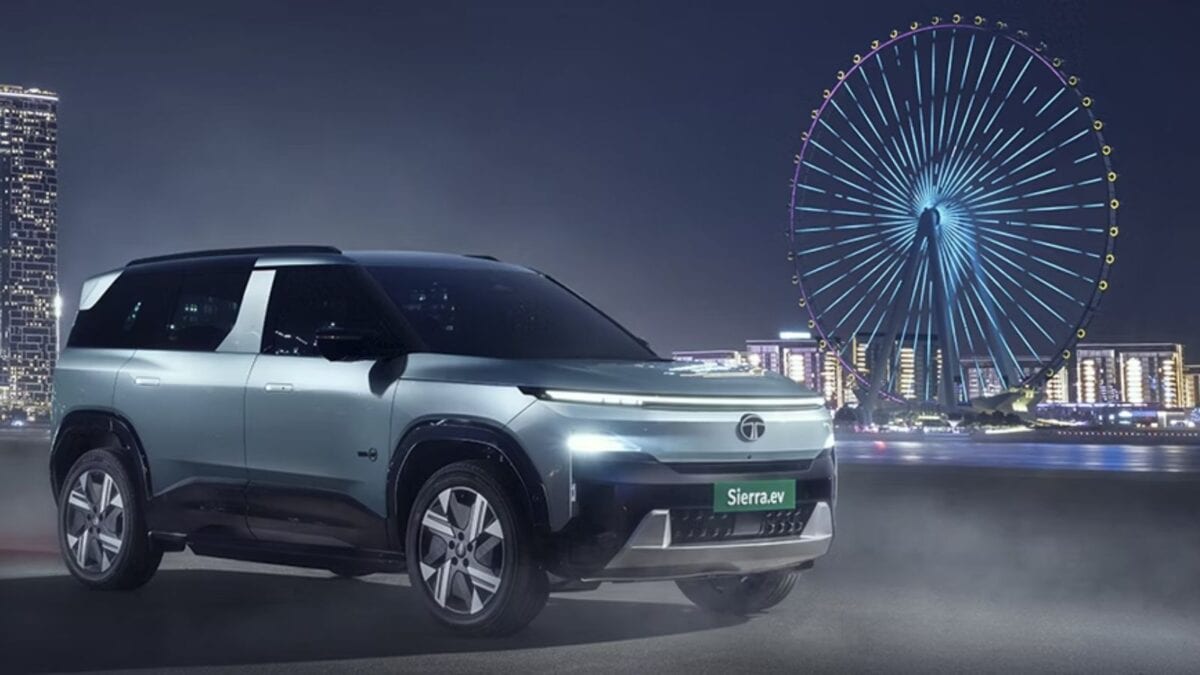
Tata's 'Safety' Legacy: After Tata Motors' Nexon, Safari and Harrier, now Sierra has also entered the 5-star club. Getting this rating in the indigenous crash test (BNCAP) will further strengthen the confidence of Indian customers. Now customers can buy a safe SUV without any compromise with style and space.

Click here to add News18 Hindi as your favorite news source on Google.

Source link

People are buying this Korean SUV in droves! Starting price is only ₹ 10.99 lakh

People are buying this Korean SUV in droves! Starting price is only ₹ 10.99 lakh

Kia Seltos is one of the most popular SUVs in the country. The demand for this popular car is increasing with time. This can also be gauged from the sales of new Seltos last year. In February 2026, the new Seltos got a total of 10,308 new customers. This figure shows an increase of 60 percent on an annual basis compared to the total 6446 units sold in February 2025.

Currently, the company sells the new Seltos at a starting ex-showroom price of just Rs. At the same time, its top spec variant goes up to Rs 19.49 lakh. If you are planning to buy a good SUV in the coming days, then Kia Seltos can be a better option. Let us take a look at its design, features and safety along with engine-mileage details.

design details

The look of the new Kia Seltos is quite bold and modern. Its length is now 4460 mm (95 mm more than previous), width is 1830 mm and height is 1635 mm, with ground clearance also better. Star map LED DRLs, ice cube MFR LED headlamps, auto light control and LED taillights are provided at the front. Connected LED lights and sporty bumper at the rear make it attractive. 16, 17 or 18 inch alloy wheels are available depending on the variant. The X-Line variant has a special black theme and glossy finish, which gives it a premium look.

Cabin and Comfort

The interior is now more spacious and has a luxurious feel. Due to wheelbase being 2690 mm, leg room and headroom on the rear seats has increased. Dual 12.3 inch panoramic display (Trinity Panoramic Display) is available, in which the instrument cluster and infotainment system are connected together.

Features like premium leatherette upholstery, ambient lighting, ventilated front seats, dual-zone climate control, panoramic sunroof and Bose sound system make it comfortable. Boot space is 447 litres, which can be increased with foldable rear seats.

Features and safety

The new Seltos is full of latest technology. It gets 12.3-inch touchscreen infotainment, wireless Android Auto/Apple CarPlay, OTA updates, heads-up display, 360 degree camera, cruise control, wireless charging and multi-function steering wheel. Higher variants also have powered driver seat, remote start and keyless entry.

Kia has left no stone unturned in safety. 6 airbags are standard in all its variants. ADAS Level 2+ comes with 21 autonomous features like smart cruise control, lane assist, forward collision avoidance, blind spot monitoring, TPMS, ESC, hill assist, all-wheel disc brakes and 360 degree camera. In this way it is becoming a safe SUV for the family.

Engine and Mileage

Seltos can be purchased in three engine options. It has a 1.5L NA petrol (115 bhp power, 144 Nm torque) engine, which is going to give ARAI claimed mileage of 17-18 kmpl with 6-speed MT or IVT (CVT) transmission.

The second 1.5L turbo-petrol (160 bhp power, 253 Nm torque) engine comes with 6iMT or 7-speed DCT and is capable of giving a claimed mileage of up to 17.9 kmpl. Third, there is a 1.5L diesel (116 bhp power, 250 Nm torque) engine, which is capable of giving a claimed mileage of up to 20.7 kmpl with 6MT or 6AT.

Source link