Volkswagen and Maruti reached court regarding 'name theft', court reprimanded

Volkswagen and Maruti reached court regarding 'name theft', court reprimanded

Delhi High Court has completely rejected the appeal of German automobile giant Volkswagen AG. A single bench of Justice Manmeet Pritam Singh Arora gave this important decision on 12 March 2026. Actually, Volkswagen had opposed the registration of Maruti Suzuki India Limited's TRANSFORMATION trademark saying it was similar to its popular 4MOTION mark.

Earlier a complaint was made to the Trademark Registrar regarding this. After this, VW has moved the High Court. The court upheld the 2023 decision of the Trademark Registrar and gave relief to Maruti Suzuki. Now this trademark of Maruti can be registered in Class 12 (Vehicles). Let us know what the whole matter is and what the court said regarding this controversy.

What is the matter?

Maruti Suzuki had filed trademark application number 2990453 on 22 June 2015. The trademark registrar advertised it. Volkswagen filed a Notice of Opposition claiming that 'Transformation' is deceptively similar to their registered mark '4Motion' (Registration No. 1388469, 2005). The Registrar rejected Volkswagen's objection and approved Maruti's application in December 2023. After this, Volkswagen filed an appeal in the Delhi High Court.

Volkswagen's argument

The company said that Maruti has completely copied their '4Motion' and only added the 'Trans' prefix. '4Motion' is their intelligent all-wheel drive (AWD) system, which is used in models like Tiguan. He claimed that this could create confusion among consumers.
Maruti Suzuki's answer

Maruti told the court that the word 'motion' is common in the automobile industry. Transformation is a wordplay of transformation, reflecting the technology transition from analog to digital speedometers in their vehicles. He provided evidence of use of the mark since 2016, while Volkswagen introduced it in 2017.

court analysis

Justice Arora said that both the marks should be seen as a whole. There is no similarity visually. One starts with 4 numeric and the other starts with trans alphabets. Phonetically the pronunciations are also different, transformation and formation. Conceptually both are also different from each other.

One reflects the AWD system and the other technology transition. The court said that motion is a common term in the auto industry. Both companies have independent and strong goodwill in India. Cars are bought thoughtfully, so there is no scope for confusion.

The court clarified that it is confident that consumers will not buy Maruti Suzuki products mistaking them for Volkswagen. Citing old decisions (like Corn Products vs Shangrila), he said that marks cannot be dissected. This decision is a big victory for Maruti Suzuki.

Source link

Great entry of 2026 Kia Sonet! so much has changed from before

Great entry of 2026 Kia Sonet! so much has changed from before

2026 Kia Sonet has been launched in the Indian market with new updates. This sub-4 meter compact SUV has now become even more attractive. The company has now decided to make its diesel 6AT and turbo-petrol 7DCT automatic variants available for less than Rs 10 lakh.

Ex-showroom prices start from ₹7.30 lakh and go up to ₹14.09 lakh and it is available in a total of 23 variant options. If you are planning to buy a diesel automatic SUV cheaper than Rs 10 lakh, then this is a great opportunity. Let us take a look at the design, dimensions, interior, features, safety, engine and mileage details of this SUV.

Design and dimensions

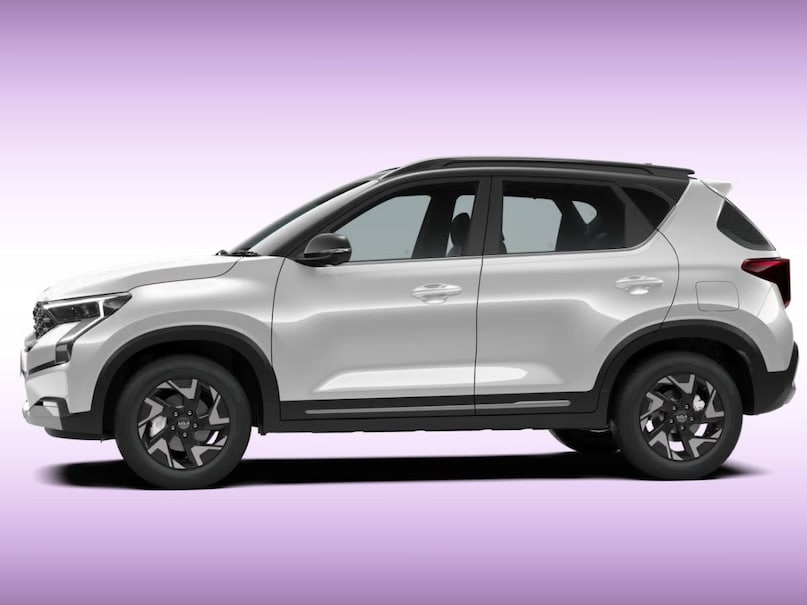
The look of Sonet is bold and muscular. Its length is 3995 mm, width is 1790 mm, height is 1610-1642 mm and wheelbase is 2500 mm. The signature tiger nose grille, star map LED DRLs, crown jewel LED headlamps, ice cube LED fog lamps and star map connected LED tail lamps give it a premium touch. Front and rear skid plates, body color bumper, sporty spoiler and R16 crystal cut alloy wheels (dual tone) give it an SUV feel. Ground clearance is around 190 mm, which is perfect for Indian roads.

Cabin and Comfort

Its interior is premium and spacious. All black or black-beige dual tone semi-leather seats with indigo purple or sage green inserts give a luxurious feel. Front ventilated seats and 4-way power driver seat are available in the top variants.

60:40 split fold rear seats, adjustable headrests and 385 liters of boot space make it practical. Features like LED ambient lighting on the dashboard, sunglasses holder and rear window sunshade make it special. The variant-wise price is as follows-

engine trim Transmission Price (in Rs)
Diesel (1.5L) HTE(O) 6AT 9,77,900
Diesel (1.5L) HTK(O) 6AT 10,72,900
Diesel (1.5L) HTK+ 6AT 11,08,900
Diesel (1.5L) HTK+(O) 6AT 11,56,900
Turbo Petrol (1.0L) HTK(O) 7DCT 9,89,900
Turbo Petrol (1.0L) HTK+(O) 7DCT 10,83,900

Features and safety

It gets features like 10.25 inch HD touchscreen (in higher variants) + 10.25 inch digital cluster, wireless Android Auto/Apple CarPlay, Kia Connect, Bose 7-speakers, smartphone wireless charger, cruise control, multi drive modes (Normal/Eco/Sport), traction modes (Sand/Mud/Wet), paddle shifters, 360 degree camera and sunroof.

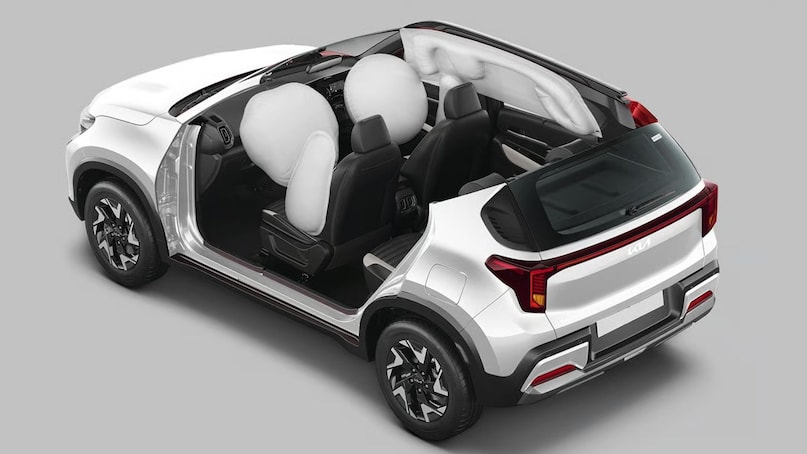
For safety, 15 high-safety features like 6 airbags, ESC, HAC, VSM, ABS with EBD, TPMS, ISOFIX child anchor, speed sensing door lock and impact sensing unlock are standard in all its variants. It also gets Level-1 ADAS.

Engine and Mileage

It can be purchased with three engine options. This includes 1.2L NA petrol (82 bhp, 115 Nm), 1.0L turbo-petrol (118-120 bhp, 172 Nm) and 1.5L CRDi diesel (114-116 bhp, 250 Nm) engines. Its maximum claimed fuel economy is up to 24.1 kmpl.

Source link

Last chance! Buy this company's car immediately, prices will increase from April 1

Last chance! Buy this company's car immediately, prices will increase from April 1

Last Updated:

Audi has announced an increase in the prices of its cars in India by up to 2%, which will be effective from April 1, 2026. This step has been taken due to rising input costs and currency fluctuations. Let us know how much increase is likely to occur.

news quickly

Zoom

Audi will make its vehicles expensive from April 1.

German luxury car manufacturer Audi has announced an increase in prices of all its cars in India by up to 2 percent. This price update will be applicable from April 1, 2026. The company clarified that these steps are being taken to partially offset the impact of rising input costs and currency fluctuations. The increase will be applicable on ex-showroom prices and will cover the entire model range.

Audi India Brand Director Balveer Singh Dhillon said in an official statement that due to recent rising input costs and currency fluctuations, we are implementing a price adjustment of up to two percent from April 1, 2026. We are committed to minimizing the impact of this price hike on our customers.

How expensive will Audi cars be?

Depending on the current prices, this increase will have different impacts on different models. Audi's most affordable model, the Q3, may see a price increase of around Rs 86,000, which currently starts at Rs 43.23 lakh (ex-showroom).

At the same time, the price of the brand's most expensive offering RS Q8 may increase by about Rs 4.64 lakh. This model starts from Rs 2.32 crore. Thus, the impact of the increase can range from Rs 86,000 to Rs 4.64 lakh depending on the price of the model. However, official details are yet to come.

company portfolio

Audi India is currently selling a total of 10 models in India. These include Q3, Q3 Sportback, Q5, Q7, Q8, RS Q8 Performance, SQ8, A4, A5 and A6. Some of these models are assembled locally while many are being imported and sold. Last year, the company had also increased the price by 3 percent in January 2025. This is the first price hike of 2026.

Why did the price increase?

The luxury car market is growing rapidly in India. Brands like Audi are taking advantage of the demand for premium SUVs and sedans. Rising input costs, such as inflation of steel, batteries and electronic components, as well as rupee-euro fluctuations have forced companies to adjust prices. Many other luxury car manufacturers have also taken similar steps and price hikes may be announced by them in the coming time.

Source link

These are the 10 cheapest cars that come with ventilated seats, prices starting from just ₹ 8.37 lakh.

These are the 10 cheapest cars that come with ventilated seats, prices starting from just ₹ 8.37 lakh.

HomePhotoAutoCar

These are the 10 cheapest cars that come with ventilated seats, know the price

Last Updated:

Sweating on the seat becomes the biggest problem while driving a car in summer. Now ventilated seats are also available in many economical cars. Many models from Renault Kiger to Kia Sonet and Tata Nexon come with this feature. Know the 10 cheapest cars in India, which have cooling seats and great features.

Renault Kiger: Currently, Kiger is the most affordable car in the country that comes with ventilated seats. This premium feature has been introduced in its Emotion variant. This compact SUV, which comes with stylish look and turbo engine, is a great option for budget customers. Its ex-showroom price starts from around Rs 8.37 lakh.

Kia Sonet

Kia Sonet: Kia Sonet is known for its features in the sub-compact SUV segment. Ventilated front seats are available in HTX and above variants of Sonet. With premium interior and hi-tech features, this car is very popular among the youth. Its price starts from around Rs 10.80 lakh (ex-showroom).

Tata Punch EV Facelift

Tata Punch EV: Tata Punch EV is a great option for electric car lovers. Ventilated seats have been provided in its Empowered+ S variant. This is one of the cheapest electric cars in India which comes with this comfortable feature. Its ex-showroom price starts from around Rs 12.29 lakh.

Add News18 as
Preferred Source on Google

Skoda Kylaq

Skoda Kylaq: Skoda's new compact SUV Kylaq also makes its place in this list. Coming with European design and strong build quality, ventilation feature has been provided in the top variants of this car. This car is for those who want comfort along with safety. Its price is around Rs 11.50 lakh.

Hyundai Venue

Hyundai Venue: This is one of the most feature-loaded cars in its segment. Front ventilated seats are available in the SX(O) variant of the Venue. This feature provides relief from sweating during long journeys. Hyundai's reliable service and refined engines make it a strong contender. Its ex-showroom price starts from Rs 12.44 lakh.

Maruti Suzuki XL6

Maruti Suzuki XL6: If you are looking for a family MPV, Maruti XL6 is the cheapest option. Ventilated front seats have been provided in its Alpha+ variant. With a 6-seater configuration and excellent mileage, it ensures a comfortable journey for long family trips. Its ex-showroom price is around Rs 12.97 lakh.

Citroën Basalt

Citroën Basalt: Citroën's new coupe SUV Basalt is known for its unique design and comfort. The option of ventilated seats is available in its top-end variants. This car promises maximum legroom and excellent ride quality in its segment. Its price starts from around Rs 12.50 lakh (ex-showroom).

Tata Nexon

Tata Nexon: The Fearless+ variant of Tata Nexon, one of the safest cars in India, has the facility of ventilated seats. Nexon remains the first choice of customers due to its bold looks and multiple engine options (petrol, diesel, CNG). The price of variants with ventilated seats starts from around Rs 12.20 lakh.

Kia Syros

Kia Syros: Kia's new SUV Syros also comes with ventilated seats. The special thing is that it is one of the few cars in this segment, which also offers the option of rear ventilated seats. With modern features and bold design, this car is making waves in the market. Its starting price is around Rs 11.50 lakh.

MG Astor

MG Astor: It is known for its premium fit and finish. Features like ventilated seats and AI assistant are available in its selected variants. This is a tech-savvy car which is quite smooth to drive and gives a luxury experience. The price of models that come with this feature starts from around Rs 13 lakh.

Click here to add News18 Hindi as your favorite news source on Google.

Source link

2026 Hyundai Verna vs Skoda Slavia: Which premium sedan has more power, know

2026 Hyundai Verna vs Skoda Slavia: Which premium sedan has more power, know

2026 Hyundai Verna vs Skoda Slavia: The new Verna has recently been launched in a facelifted avatar, while the Skoda Slavia continues to maintain its strong hold. Both the compact sedans give tough competition in the Indian market. If compared on the basis of price, design, interior, features, safety, engine and mileage, Verna is ahead in tech and power. At the same time, Slavia looks better in value and driving.

First of all let's look at their price. The 2026 Hyundai Verna can be purchased for Rs 10.98 lakh (HX2) to ₹ 18.25 lakh (HX10 DCT). Whereas, the price of Skoda Slavia starts from ₹ 10 lakh (1.0L Classic) to ₹ 17.99 lakh (1.5L Monte Carlo). Let us now look at other details.

design details

The 2026 facelift of Hyundai Verna is bold and aggressive. It gets new LED headlamps, DRL, projector lights, sporty grille and colors like classy blue. Its length is 4565 mm and width is 1765 mm. Slavia comes with elegant European style. It gets sleek LED lights, sloping roofline and chrome inserts. The height is high (1507 mm) and the ground clearance is also high at 179 mm (otherwise 165 mm).

Cabin and Comfort

Otherwise it is spacious. It gets dual 10.25-inch screens, memory function driver seat, ventilated seats, 528 liter boot and 64-color ambient lighting. Slavia comes with premium quality. It gets a 10-inch touchscreen + virtual cockpit, good rear space and a 521 liter boot. The cabin of Verna is more modern and the build quality of Slavia is stronger.

Features and safety

If you look at the feature list, Verna leads. It gets level-2 ADAS (lane keep, forward collision warning), 360° camera, wireless charging, sunroof and OTA updates. At the same time, Slavia has sunroof, wireless Android Auto/Apple CarPlay, cruise control and 8-speaker sound.

Otherwise it is more tech-loaded. Both sedans are 5-star Global NCAP rated. Otherwise, standard 7 airbags + full ADAS suite is available. Whereas, Slavia can be purchased with 6 airbags, ESC, TPMS and strong chassis. In this way the Verna is a little ahead in safety.

Engine and Mileage

Hyundai Verna can be purchased with 1.5L NA petrol (115 PS/144 Nm, MT/IVT) or 1.5L turbo petrol (160 PS/253 Nm, MT/DCT) engine. Its maximum claimed mileage is around 20.6 kmpl. At the same time, 1.0L TSI petrol (115 PS/178 Nm, MT/AT) and 1.5L TSI petrol (148 PS/250 Nm, DSG) engines are available in Slavia. It can give mileage up to 20.32 KMPL.

Source link

This cool SUV is selling like crazy, price starts from only ₹ 10.99 lakh

This cool SUV is selling like crazy, price starts from only ₹ 10.99 lakh

Kia India is continuously strengthening its hold in the market. The same was seen in the sale of February 2026. The company has sold a total of 27,610 units last month. This figure shows an impressive increase of 10 percent on an annual basis compared to the total 25,026 units sold in February 2025.

Talking about the figures, Seltos was the best selling car of the company last month. At the same time, the demand for Kia Sonet and Kia Carens has increased. Apart from this, a decline was seen in the sales of cars like Kia Syros and Kia Carnival. Let us take a look at the model wise sales report of the company.

Kia Seltos

In terms of sales, Kia Seltos is at number one. This popular SUV got a total of 10,308 new customers last month. This figure represents an impressive increase of 60 percent on an annual basis compared to the total 6,446 units sold in February 2025.

The bold design of Kia Seltos comes with LED lights, tiger face grille and modern styling (length 4460mm). The premium interiors feature a dual-tone theme, dual 12.3-inch panoramic displays, sunroof and ventilated seats. Features include Level 2+ ADAS, 360° camera and Bose sound. Safety features include 6 airbags and 21 advanced features. It has 1.5L petrol and diesel engines. Its maximum claimed mileage is 20.7 KMPL.

Kia Sonet

Kia Sonet is at number two in the list. This small SUV got 9,750 new customers in February 2026. This figure shows an impressive growth of 28 percent on an annual basis as compared to 7,598 units sold in the same month last year.

Kia Cars

The demand for caissons has also increased. A total of 6,815 units were sold last month. This figure shows an annual increase of 28 percent as compared to 5,318 units sold in February 2025.

Kia Syros

There has been a sudden decline in the sales of Cyrus. Only 662 units were sold last month. This figure shows an annual decline of 88 percent compared to the total 5,425 units sold in February 2025.

Kia Carnival

Due to declining sales, the carnival has reached its lowest point. Last month it got only 75 new customers. This figure shows a decline of 69 percent on an annual basis as compared to 239 units sold in February 2025. Apart from the top-5 cars of the company mentioned above, Kia EV 6 and Kia EV9 have not found a single customer last month.

Source link

These are the country's best 7-seater SUVs priced below Rs 15 lakh, the entire family will fit.

These are the country's best 7-seater SUVs priced below Rs 15 lakh, the entire family will fit.

Best 7 Seater SUVs Under 15 Lakh in India: 7 seater SUVs have always been the best option for big families. Finding such vehicles in a budget of Rs 15 lakh is no longer difficult. Many brands have also fielded affordable options with powerful engines, modern features, good mileage and strong safety. This SUV is perfect not only for city driving but also for highway and light off-roading.

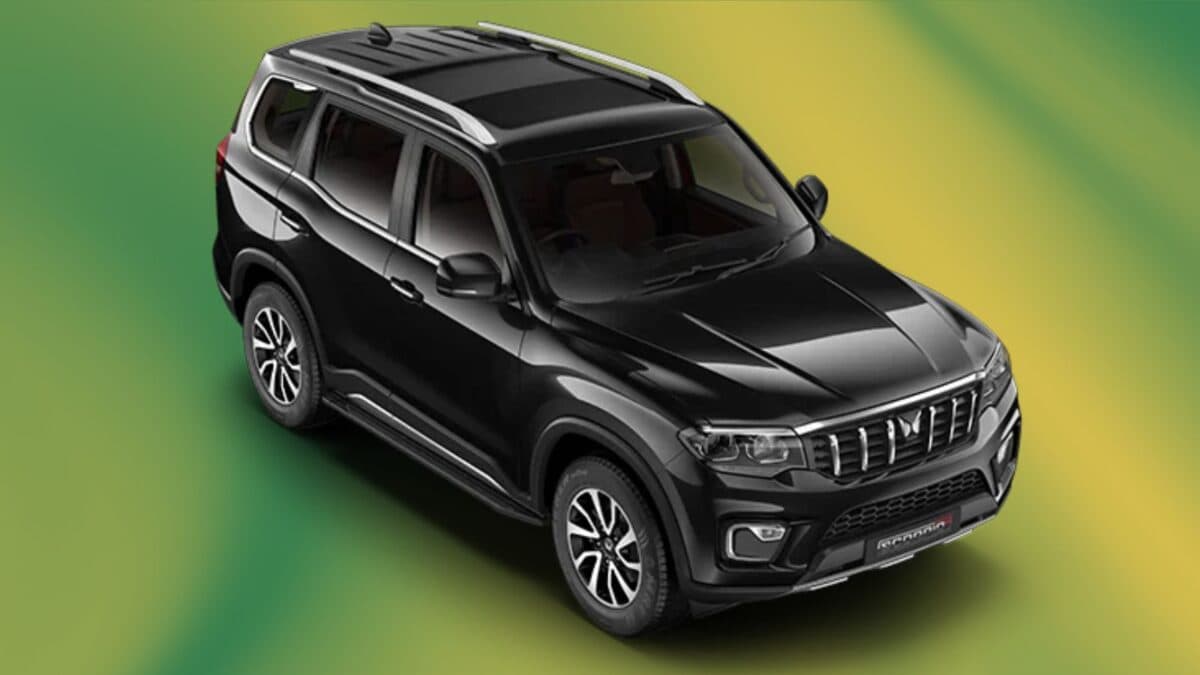
In this article, we have brought a list of the best 7 seater SUVs in the country, which are available within or around Rs 15 lakh. This includes the names of Mahindra XUV 7XO, Tata Safari, Mahindra Scorpio N and Hyundai Alcazar. Let us take a look at their starting ex-showroom price, engine, mileage, features and performance details.

Tata Safari

Tata Safari price starts at Rs 13.29 lakh for the base petrol variant and Rs 14.66 lakh for the diesel. It gives tremendous performance in 7 seater option with 1.5 liter turbo petrol (170 PS) or 2.0 liter diesel (168 PS, 350 Nm) engine. Mileage goes up to 16.3 kmpl in diesel and 13-15 kmpl in petrol.

Features include 14.5 inch large touchscreen, ventilated seats, panoramic sunroof, JBL sound system, 6 airbags and 5 star Global NCAP + Bharat NCAP safety. Third row space is the best, captain seats are also an option. It is ideal for family trips and long driving. Tata's service network is strong across India. This SUV gives a balance of adventure and comfort.

Mahindra Scorpio N

The price of base 7 seater Z2 variant of Mahindra Scorpio N starts from Rs 13.49 lakh. It can be purchased in 2.0 liter petrol (200 PS, 370 Nm) or 2.2 liter diesel (130-172 PS, 300-400 Nm) engine options. Mileage is around 15-16 kmpl in petrol and 16-18 kmpl in diesel.

Features include 12 inch touchscreen, sunroof, dual zone AC, 6 airbags, 5 star global NCAP. Rugged looks, high ground clearance (187 mm) and off-road capability make it the best. It is perfect for both family and adventure. Mahindra's durability lasts for a long time and is the most rugged choice in the budget.

Mahindra XUV 7XO

The ex-showroom price of the base 7 seater variant of Mahindra XUV 7XO starts at only Rs 13.66 lakh. It comes with 2.0 liter turbo petrol engine (197 PS power, 380 Nm torque) and 2.2 liter diesel (152-182 PS, 360-400 Nm). Both manual and automatic transmissions are available. Mileage is available in 13-15 kmpl in petrol and 15-17 kmpl in diesel.

Features include dual 10.25 inch touchscreen, panoramic sunroof, 6 airbags, ADAS, ventilated seats and 360 degree camera. Third row space is good and gives a ladder-on-frame feel. It can be considered a perfect combination of power and tech for the family. Comfortable both in the city and on the highway. Overall, it can be seen as a value for money option in the budget.

Hyundai Alcazar

The price of base 7 seater variant of Hyundai Alcazar starts from Rs 14.50 lakh. It can be bought with 1.5 liter turbo petrol or diesel engine (115-160 PS). Mileage can be up to 18.8 kmpl in petrol and up to 18.1 kmpl in diesel.

Features include 10.25 inch dual screen, ventilated seats, panoramic sunroof, 6 airbags, ADAS and Blue Link connectivity. It is known for the smoothest drive and premium interiors. It can be considered the most comfortable and refined choice for the family. It is going to be easy on both city traffic and highways.

Who is the best: XUV 7XO and Scorpio N lead in value with power, while Tata Safari is on top in safety and space. Hyundai Alcazar is best in refinement and mileage. Safety is high with all 5 star ratings, but the XUV7XO, Scorpio N and Safari also get ADAS. Scorpio N can be purchased for off-road and Alcazar or Safari for family comfort. Their starting ex-showroom price in Delhi is less than ₹ 15 lakh.

Source link

Your favorite car is getting a discount of ₹ 5 lakh, take advantage of the discount like this

Your favorite car is getting a discount of ₹ 5 lakh, take advantage of the discount like this

The month of March 2026 has become the most special for car buyers. Car dealerships across the country are being given huge discounts to clear unsold vehicles of 2024 and 2025 model years. From small hatchback to premium SUV, discounts ranging from Rs 1 lakh to Rs 5 lakh are available in every segment.

Car manufacturers and dealers are working together to sell the old stock, as customers were waiting for the new model after the GST cut in September 2025. If you are planning to buy a new car, then this is a golden opportunity. Let us know which company is offering discount up to how much rupees.

old stock saved

According to Moneycontrol report, retail dispatch in 2025 was more than retail demand, due to which old inventory got accumulated at dealerships. This stock was prepared before September 2025. Now, despite retail sales increasing by 15 percent in February-March 2026, some dealers still have 2024-25 models.

According to the Federation of Automobile Dealers Associations (FADA), passenger vehicle inventory has come down to 27-29 days, but it is being cleared faster by giving discounts on older models.

Getting bumper discount

Many brands have started attractive offers. Maruti Suzuki is offering discounts up to Rs 1.44 lakh on Alto, Rs 1.92 lakh on Brezza and Rs 1.93 lakh on Grand Vitara. There is also a good saving opportunity on popular models like Wagon R, Swift and Baleno. Mahindra's 2025

5 lakh discount on this SUV

Skoda has decided to give a discount of up to Rs 5 lakh on its flagship SUV Kodiaq. A discount of up to Rs 3 lakh can be availed on VW Taigun, Rs 1.71 lakh on Tata Motors' Curvv EV, Rs 1.41 lakh on Nexon EV and Rs 1.20 lakh on Punch EV. Savings of around Rs 2 lakh are also possible on Honda's hybrid City sedan.

Golden opportunity, hit a four!

This discount is a golden opportunity for the customers. People who want to buy a budget car or family SUV can now buy a new vehicle at 10-15 percent lower price. However, these offers depend on the dealer and are applicable on certain variants only. Discounts may increase further with exchange, loyalty bonus or scrappage. In such a situation, your savings can run into lakhs by getting a car with better features at a lower price.

Source link

2026 Nissan Gravite Vs Toyota Rumion: Which is better for your family? Know

2026 Nissan Gravite Vs Toyota Rumion: Which is better for your family? Know

2026 Nissan Gravita Vs Toyota Rumion: Gravity has entered the Indian car market as a new 7-seater. It also competes with Toyota Rumion. Both the MPVs are designed for families. The Nissan Gravit is a new compact MPV that is based on the Renault Triber, while the Toyota Roomian is a rebadged version of the Maruti Suzuki Ertiga.

Ex-showroom prices for the Nissan Gravit start from ₹5.65 lakh (Visia base variant) to ₹8.94 lakh (top Tecna Launch Edition). Whereas the price of Toyota Roomian ranges from ₹ 9.55 lakh (E variant) to ₹ 13.86 lakh (V AT Top). The Gravitas is cheaper by around ₹4 lakh, making it a good option for budget buyers. Let us have a look at the design, interior, features, safety, engine and mileage details of both.

design details

Nissan Gravit is a sub-4 meter compact MPV. Its length is 3987 mm and wheelbase is 2636 mm. Its design is modern and sleek. The look is bold with a C-shaped bumper, hexagon pattern grille, smoked LED headlights, DRLs, fog lamps, 15-inch dual-tone alloy wheels and LED taillights at the rear. It can be considered perfect for easy parking and maneuvering on city roads.

At the same time, Toyota Roomian is bigger. Its length is 4460 mm and wheelbase is 2740 mm. Also, it gets premium MPV styling like Innova Hycross. Clean profile, projector headlamps, vertically stacked LED taillights and chrome garnish make it special. The road presence is stronger and the family look is more perfect.

Cabin and Comfort

Both are 7-seater, but the interior of Gravity is more flexible. It gets a dual-tone dashboard, floating 8-inch infotainment, 7-inch digital cluster, leather upholstery, 150+ seating configurations, sliding-reclining second row and removable third row (50:50 fold), taking the boot space to 625 litres. Independent rear AC, air purifier, cooled glovebox and 31 liters of storage space add to the comfort.

On the other hand, the cabin of Toyota Roomian is large and spacious. It gets beige upholstery, faux wood inserts, automatic AC (higher variants), good leg room and a third row perfect for adults too. Storage is good, but boot space is less. Roomian seems more comfortable for long trips.

Features and safety

The Gravitas has modern features like wireless Android Auto/Apple CarPlay, wireless charger, cruise control, front + rear parking sensors, ambient lights and JBL sound system. The Roomian gets a 7-inch touchscreen, paddle shifters (AT), connected car tech, 12V sockets and ARKAMYS audio. Rear AC vents, power windows and keyless entry are common in both.

Talking about safety, 6 airbags are standard in both. Gravitas includes ABS with EBD, ESP, TCS, HSA, TPMS, front parking sensors, rear camera and 30+ safety features. At the same time, Roomian also has ABS, EBD, ESP, ISOFIX, hill hold and rear sensors.

Engine and Mileage

The Gravitas is powered by a 1.0 liter 3-cylinder NA petrol engine (72 PS / 96 Nm), which comes mated to 5-speed MT or AMT (EZ Shift). Its maximum claimed mileage is 19.6 kmpl (AMT). CNG kit has not arrived yet. The Rumion is powered by a 1.5 liter 4-cylinder petrol engine (103 PS / 137 Nm), which is also available with CNG (87 PS). Its claimed mileage is 20.51 kmpl in petrol and 26.11 km/kg in CNG.

Who to buy: If the budget is ₹ 6-9 lakh, city use and flexible seating is required, then 2026 Nissan Gravity can be a good option. Toyota Roomian is better for more space, power, CNG option and longer drive. Both families keep the tags of the car with them.

Source link

EV buyers rejoice! Will get incentive up to ₹ 30,000

EV buyers rejoice! Will get incentive up to ₹ 30,000

Delhi government is preparing the draft of Electric Vehicle Policy 2026 to control vehicle pollution and rapid adoption of electric vehicles (EV). In this, year-wise incentives will be given to electric two-wheeler and auto-rickshaw buyers. Special 'Pink e-Permit' and 'Rainbow Permit' categories for women and transgenders may also be included.

The current EV policy was brought in 2020 and extended several times. It will expire on 31 March 2026. The new policy may remain effective till 2030. Let us know what can be changed in the new EV policy. According to the information, after the policy is announced, the Transport Department will send the final draft to the Cabinet. After getting approval, it can be announced in the budget session starting from March 16.

target to reduce emissions

Talking about the figures, two-wheelers constitute about 67 percent of the total vehicles in Delhi and vehicle emissions contribute about 23 percent of air pollution in winter. The main goal of this policy is to convert 58 lakh two-wheelers into electric ones. For this, major incentives have been kept in the first three years.

Who will get how much benefit?

Electric two-wheelers (ex-showroom price up to Rs 2.25 lakh) will get an incentive of Rs 10,000 per kilowatt-hour (maximum Rs 30,000) in the first year. In the second year it will be Rs 6,600 per kilowatt-hour (maximum Rs 20,000) and in the third year it will be Rs 3,300 per kilowatt-hour (maximum Rs 10,000). For electric auto-rickshaw, an incentive of Rs 50 thousand will be given in the first year, Rs 40 thousand in the second year and Rs 30 thousand in the third year. There will be no limit on the number of buyers in these three years.

The objective behind this is to encourage a large number of people to buy electric bikes and autos in the first year itself. More than one lakh two-wheelers have been registered in Delhi so far this year, whereas last year there were more than five lakh. The goal is to completely convert the two-wheeler and auto fleet into EVs by 2030.

Special exemption for women and transgenders

Special incentives will be given under 'Pink e-Permit' and 'Rainbow Permit' category for the empowerment of women and transgender drivers. The government will strengthen last-mile connectivity by training them. It will be mandatory for the permit holder to drive the vehicle himself; it cannot be given on lease. Some relaxation will be given in case of pregnancy. The process of priority allotment of auto-rickshaws will start from April 1 and will continue for the first nine months.

Public charging and battery swapping points will also increase

The policy has a provision to increase the number of public charging and battery swapping points from the current 9,000 to 36,000. Incentives have also been kept for electric trucks (N1 category). E-cars will get 100 percent exemption in road tax and registration fees till March 31, 2030 for vehicles with ex-factory value up to Rs 30 lakh. Vehicles above this will not be able to get this benefit.

The new EV policy aims to develop extensive charging networks, battery recycling, servicing chains and improve air quality. The incentives will be linked to the PM e-Drive Scheme of the Central Government. Also, let us tell you that the information given above has been collected on the basis of draft and possibilities. These benefits have not been officially confirmed yet.

Source link

This cool SUV is ready to enter the market, direct competition with Creta-Seltos

This cool SUV is ready to enter the market, direct competition with Creta-Seltos

The facelift model of Volkswagen's popular compact SUV Taigun is going to be launched in the Indian market in 2026. Recently it was spotted testing on Indian roads with less camouflage. After Skoda Kushaq facelift, Taigun will also come with new style and more features. It will potentially be launched in the second quarter of 2026.

Talking about the estimated price, it can start from ₹ 12 lakh (ex-showroom) and the top spec variant will go up to ₹ 21 lakh. New colors will also come. It is going to compete directly with SUVs like Creta, Seltos, Grand Vitara in the market. Let us know what changes the company has decided to make in it?

exterior and interior

There will be major changes in the exterior design. The front will get slimmer, more aggressive LED headlamps, smaller grille, new bumper and lit VW logo with connected DRL. Connected LED taillights, revised bumper and tailgate will be seen in the rear. New 17-inch alloy wheels will be installed in the side profile. Sheet metal changes will be minimal, but the overall look will be more sharp, modern and aggressive, inspired by VW's global SUV style (like the ID series).

The cabin will be updated. It will get a 10.25-inch fully digital instrument cluster (Virtual Cockpit). The top variants will be provided with panoramic sunroof, ventilated front seats and new colours/materials along with better upholstery. The dashboard layout will remain almost the same, but touch-based HVAC controls and premium feel will increase.

Features and safety

The 10.1-inch updated touchscreen infotainment will be offered with wireless Apple CarPlay/Android. Wireless charging, auto climate control, rain-sensing wipers, cruise control will be included in the feature list. Rear seat massage function (unique in the segment) and AI integration with connected car technology is also possible in the top trim.

6 airbags are standard in it. It will get ABS with EBD, ESC, TPMS, hill hold, multi-collision brake, parking sensors and reverse camera. The 5-star Global NCAP rating is expected to be retained due to the strong body structure. Along with this, features like Level-2 ADAS and 360° camera are also expected to be available.

Engine, Performance and Transmission

Engine options will remain the same, but there may be a major update in the transmission. The 1.0-litre TSI turbo petrol (115 PS, 178 Nm) will be available with a new 8-speed torque converter auto (replacing the old 6AT – smoother shifts, better mileage) and 6-speed manual. The 1.5-litre TSI (150 PS, 250 Nm) will be offered with a 6-speed manual or 7-speed DSG. The 1.0L will be economical in the city and the 1.5L will be powerful on the highway.

Source link

This is the cheapest CNG car in the country, price starts from ₹ 4.62 lakh

This is the cheapest CNG car in the country, price starts from ₹ 4.62 lakh

Cheapest CNG Cars in India: Amidst the rising prices of petrol and diesel in India and concerns about emissions, CNG cars have become the favorite option of the common man. Especially for customers who want fuel efficient vehicles in low budget, Maruti S-Presso CNG, Maruti Suzuki Alto K10 CNG and Tata Tiago iCNG are the three most affordable and practical options.

These cars are available with ex-showroom prices starting from ₹ 4.62 lakh to ₹ 5.49 lakh, which are perfect for city racing and everyday needs. Maruti's cars are ahead in mileage and service network, while Tata's Tiago is better in power, safety and features. We have brought for you the details of price, mileage, engine, features and practicality of these three.

Maruti S-Presso CNG

This is on top among the cheapest CNG cars. The ex-showroom price of its base variant LXI CNG is only ₹ 4.62 lakh, while the VXI variant goes up to ₹ 5.12 lakh. Its 998cc K10C engine gives 56 bhp power and 82.1 Nm torque in CNG mode. ARAI certified mileage is 32.73 km/kg, which easily gets 25-28 km/kg in the city.

The specialty of the car is its SUV-like tall stance (ground clearance 180mm) and compact size, which allows easy handling in traffic. Features include dual airbags, ABS with EBD, ESC, touchscreen infotainment system (Android Auto/Apple CarPlay), rear parking sensors and AC. Boot space is 240 litres. The company offers it with 6 airbags.

Maruti Suzuki Alto K10 CNG

It is a bit expensive but mileage champion. The LXI S-CNG variant starts at ₹4.82 lakh ex-showroom and goes up to ₹5.32 lakh for the VXI. The engine is also 998cc K10C, which gives 56 bhp power and 82.1 Nm torque. Its ARAI claimed mileage is 33.85 km/kg, which can be achieved up to 28-30 km/kg in the real world.

This car is 4 seater and boot space is 214 litres. Features include power windows, keyless entry, touchscreen, 6 airbags (in higher variants), ABS and rear parking sensors. The suspension is soft for city driving. It is considered to have best in class mileage and low running cost (₹ 2-2.5 per km). If you just want fuel economy and city running, then Alto K10 CNG is best. Maruti's sales and service network is the strongest across India.

Tata Tiago iCNG

This is the most premium and powerful among these three. The XE CNG variant starts at ₹5.49 lakh ex-showroom and goes up to ₹7 lakh with the higher variant AMT. Its 1.2 liter Revotron engine gives 74 bhp power and 96.5 Nm torque in CNG mode, which is more powerful than Maruti cars. Mileage is 26.49 km/kg (manual) and up to 28 km/kg in AMT.

The biggest feature is the twin-cylinder CNG technology, which provides boot space of 242 liters. This includes 4-star global NCAP safety (excellent), large touchscreen, auto AC option, power windows and better build quality. It comes with more power, better safety, modern features and AMT option.

Whom it makes sense to buy: S-Presso is the cheapest in price, followed by Alto K10 and Tiago. Alto K10 is number-1 and Tiago comes at the bottom in mileage. Tiago wins in performance and safety. If the budget is less than ₹ 5 lakh and you want to drive the car only in the city, then choose Maruti Espresso or Alto K10. If the budget is up to ₹ 5.5 lakh, you want more power, safety and features then Tata Tiago iCNG is the best.

Source link

Hyundai's mega planning! Will launch 2 new vehicles in the market soon

Hyundai's mega planning! Will launch 2 new vehicles in the market soon

Hyundai Motor India is preparing for many new launches this year to strengthen its lineup of cars. The company has planned to bring a total of 26 new models or updates by 2030, out of which Hyundai Verna Facelift and Exter Facelift will be the first to hit the market.

Both these cars were recently spotted testing together on Indian roads, indicating the proximity of their launch. In spy photos and videos, both the models have been seen with camouflage, which gives a lot of information about their updated design. Let us know how much this is going to change.

Hyundai Verna Facelift

Hyundai Verna facelift (2026 model) is the most talked about. The current Verna was launched in 2023 and there was some criticism regarding its front design. Now major changes are expected in the front fascia in the facelift. Spy shots reveal new LED DRLs, revised grille, updated bumpers and possibly Hyundai Sonata-inspired styling. Minor changes like new taillights or bumpers can also be seen in the rear.

The biggest upgrade will be in the interior. Dual 12.3-inch screens will be available in the new Verna. It will have a 12.3-inch touchscreen infotainment system (with wireless Android Auto and Apple CarPlay) and another 12.3-inch full digital driver display. The dashboard will be completely redesigned. Advanced safety technologies like a new steering wheel, better materials and possibly ADAS Level 2+ features may also be included.

No major changes are visible in the engine. It will be offered with 1.5-litre NA petrol (115 hp) and 1.5-litre turbo-petrol (160 hp) options only. The launch is likely to happen by or before June 2026, making it a rival to the Skoda Slavia and VW Virtus.

Hyundai Exter Facelift

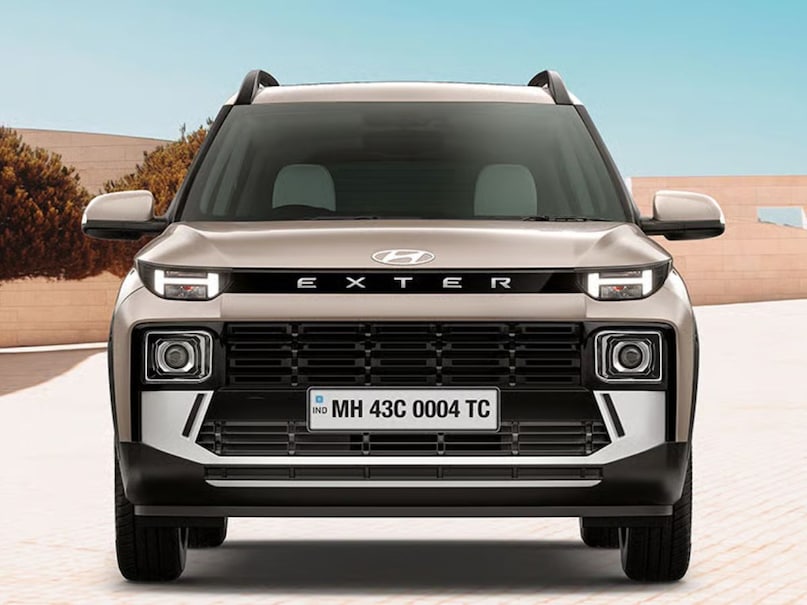
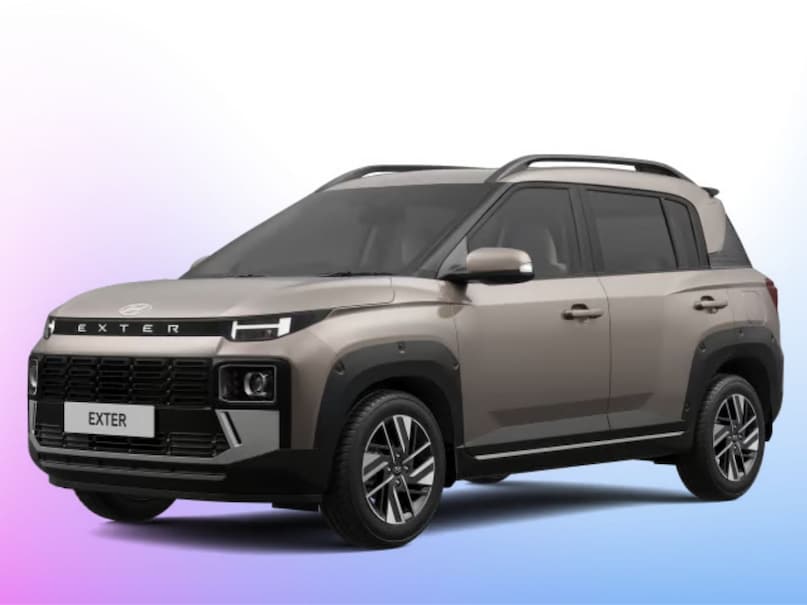
On the other hand, Hyundai Exeter facelift has also been seen testing. Launched in 2023, this micro SUV will challenge competitors like Tata Punch and Citroen C3. The facelift will bring updates to the front and rear bumpers, grille and LED lighting. Its starting ex-showroom price will be less than ₹ 6 lakh.

Some feature upgrades like better infotainment or safety features can be found in the interior. The 1.2-litre petrol and CNG options will remain intact in the powertrain, no major mechanical changes are visible. The launch of the Exeter facelift is also likely in the first half of 2026. Probably it will be introduced after or along with Verna.

Seeing these two cars testing together, it seems that Hyundai wants to establish a strong hold in the market by refreshing its product range. Otherwise, the facelift will bring freshness to the premium sedan segment while the Exeter will bring freshness to the entry-level SUV segment. Buyers will like the updated features, better technology and attractive design of both the models. An official announcement is expected soon.

Source link

Creta gets the crown again! Became the company's best selling car, see sales report

Creta gets the crown again! Became the company's best selling car, see sales report

Hyundai was once the second largest company in the Indian market. At present, Tata Motors and Mahindra have left it behind and Hyundai has now reached the fourth position. Talking about last month, the company has sold a total of 52,407 units. This figure shows an annual increase of 10 percent compared to the total 47,727 units sold in February 2025.

Hyundai Creta has been the best selling car of the company for a long time, even last month this book remained with Creta. Apart from this, sales of Venue, Aura and i20 have also increased. At the same time, the demand for cars like Exter and Alcazar has decreased. Let us take a look at the model wise sales report of the company.

Hyundai Creta

Hyundai Creta is at number one in terms of sales. A total of 17,938 units were sold last month. This figure represents an annual increase of 10 percent compared to the total 16,317 units sold in February 2025.

Hyundai Venue

Hyundai Venue is at second place in terms of sales. This affordable SUV got 10,494 new customers in February 2026. This figure represents an annual increase of 4 percent compared to the total 10,125 units sold in February 2025.

Hyundai Aura

Hyundai Aura is at number three. It got 6,733 new customers in February 2026. This figure represents an increase of 40 percent on an annual basis compared to the total 4,797 units sold in February 2025.

Hyundai i20

The demand for i20 has increased. A total of 5,852 units were sold last month. This figure shows an annual increase of 61 percent compared to the total 3,627 units sold by the company in February 2025.

Hyundai Grand i10

With increasing sales, Grand i10 has registered its name in the company's top-5 car list. It got 5,589 new customers last month. This figure represents an annual increase of 13 percent compared to the total 4,940 units of Grand i10 sold in February 2025.

Apart from the top-5 cars of the company mentioned above, 4,200 units of Exter, 907 units of Alcazar and only 694 units of Verna were sold last month. Apart from this, Tucson and IONIQ 5 have not found any customers.

Source link

32 km mileage, 360° camera and 6 airbags! These are the best hatchbacks under Rs 7 lakh

32 km mileage, 360° camera and 6 airbags! These are the best hatchbacks under Rs 7 lakh

HomePhotoAutoCar

32 km mileage, 360° camera and 6 airbags! These are the best hatchbacks under Rs 7 lakh

Last Updated:

If your budget is up to ₹ 7 lakh and you are planning to buy a new car, then there are many great options available in the market. From Maruti Swift, Tata Tiago, WagonR to Baleno and Citroen C3, these cars are amazing in terms of mileage, safety and features. Know which car can prove to be the best for you.

Maruti Suzuki Swift: It is the first choice of the youth and the queen of mileage. Its sporty look and powerful 1.2 liter Z-series engine makes it special. This car gives an excellent mileage of around 24-25 kmpl, which increases to 32.85 km/kg in CNG. It is also equipped with 6 airbags and 360 degree camera. Prices start from ₹5.99 lakh (ex-showroom).

Tata Tiago

Tata Tiago: It has a great combination of safety and strength. It has received a 4-star safety rating by Global NCAP. This car is not only strong, but its music system and ride quality also feel premium. This is a good family car at a starting price of Rs 5.65 lakh.

Hyundai Grand i10 Nios

Hyundai Grand i10 Nios: This hatchback is known for its luxurious interior and smooth engine. In this you get safety features like 8-inch touchscreen, wireless charging and 6 airbags. Its automatic (AMT) variant is a great option for driving in crowded city conditions in a budget of around Rs 7 lakh.

Add News18 as
Preferred Source on Google

Maruti Wagon R

Maruti Suzuki Wagon R: Due to the tall boy design, it is very easy to get in and out of the Wagon-R. It has tremendous legroom and headroom, which is comfortable even for the elderly. This car is also available in petrol as well as CNG option, which takes care of your pocket by giving a mileage of up to 34 km/kg.

Tata Altroz

Tata Altroz: It comes in the premium hatchback segment. Although its top models are expensive, its XE and XM variants are available for around Rs 6.65 lakh. If you travel a lot on the highway and want a stable, safe and good looking hatch, then there is nothing better than the Altroz.

Maruti Baleno

Maruti Suzuki Baleno: Currently, it is the best selling premium hatchback in the country. Its base variant Sigma comes for around Rs 6.66 lakh (ex-showroom). In this you get important features like a very large cabin, 318 liters of boot space and reverse parking sensor. This is a spacious option for a large family.

Renault Kwid

Renault Kwid: If you want a car in a low budget which is powerful and tall in appearance, then Renault Kwid is the best. Its 184mm ground clearance makes it easy to drive on bad roads. In the budget of Rs 7 lakh, you can easily buy its top model Climber, which has a touchscreen and modern graphics.

Citroën C3

Citroen C3: French company Citroen's C3 is famous for its comfortable ride. Its suspension does not allow the shocks of bad roads to be felt. Starting at Rs 6.16 lakh, this car has a lot of space and its engine is very refined. This is for those people who want something different and out of the box.

Click here to add News18 Hindi as your favorite news source on Google.

Source link

No road tax, no registration fee, car buyers happy in the new EV policy!

No road tax, no registration fee, car buyers happy in the new EV policy!

Last Updated:

Delhi government is preparing to bring a new EV Policy 2.0, the aim of which is to rapidly promote electric vehicles in the city. Under the proposed policy, emphasis has been laid on increasing subsidy on two-wheeler and four-wheeler electric vehicles, expanding charging infrastructure and removing old polluting vehicles.

news quickly

Zoom

New Delhi. To reduce the increasing air pollution and fuel dependence in Delhi, the government is planning to promote electric mobility rapidly. In this direction, Delhi government is preparing to bring EV Policy 2.0 by further strengthening the existing electric vehicle policy. This new policy will focus on providing more aggressive targets and incentives for large-scale adoption of electric vehicles in the city. The existing electric vehicle policy implemented in 2020 has been extended several times and now its duration has been extended till March 31, 2026. The draft prepared for the new policy is currently in the process of public consultation and review and it is expected that it can be implemented from the financial year 2026.

The biggest goal of the new policy is to rapidly increase the share of electric vehicles in Delhi. According to the draft proposal, a target has been set to make about 95 percent of new vehicle registrations in Delhi by 2027 for electric vehicles. This target is considered to be much more ambitious than the target of 25 percent set in the 2020 policy.

More focus on electric two-wheeler

In the new policy, there is a plan to promote electric two-wheelers the most. According to the proposal, a subsidy of about Rs 21,000 can be given on purchasing an electric two-wheeler. It has also been proposed to increase this incentive to about Rs 30,000 for women buyers. The government aims to increase the number of electric two-wheelers in Delhi to around 12 lakh.

Subsidy on electric cars also

A new plan is also being made to promote electric 4 wheelers. According to the proposal, depending on the battery capacity, an incentive of up to Rs 10,000 per kilowatt hour can be given, the maximum limit of which can be up to Rs 1 lakh per vehicle.

Plan to convert old vehicles into electric

A new proposal in the new policy is to provide incentives for converting old vehicles running on petrol or diesel into electric ones. Under this, it has been suggested to provide assistance up to Rs 50,000 for converting such vehicles into electric ones. This scheme can be implemented initially for a limited number of vehicles.

Other electric vehicles will also be promoted

In the new policy, emphasis has been laid on making three-wheelers, light commercial vehicles and trucks also electric.

  • Incentives for electric three wheelers are likely to continue.
  • Assistance up to Rs 75,000 can be availed on electric light commercial vehicles.
  • Additional incentives are also being considered to promote battery-powered trucks.

Expansion of charging infrastructure

A major part of the new policy is related to strengthening the charging infrastructure. The government is planning to increase charging stations at mohalla level and create fast charging corridors on major roads such as Ring Road and Outer Ring Road. Along with this, a target has also been set to increase the capacity of the battery storage system by 2030.

Scrappage and other benefits

In the new policy, emphasis has also been laid on removing old and more polluting vehicles. Under this, steps like giving scrappage incentive, continuing exemption in road tax and registration fees on new electric vehicles are being considered. There is also a plan to create a dedicated state EV fund, which can provide financial support to these incentives.

About the Author

authoring

Jai Thakur

Jai Thakur has been associated with the world of news since 2018. Working as Senior Sub Editor in News18Hindi since 2022 and is part of the business team. There is interest in news related to business, especially stock market. Apart from this…read more

Source link

How suitable is a factory fitted CNG car for daily office commuting?

How suitable is a factory fitted CNG car for daily office commuting?

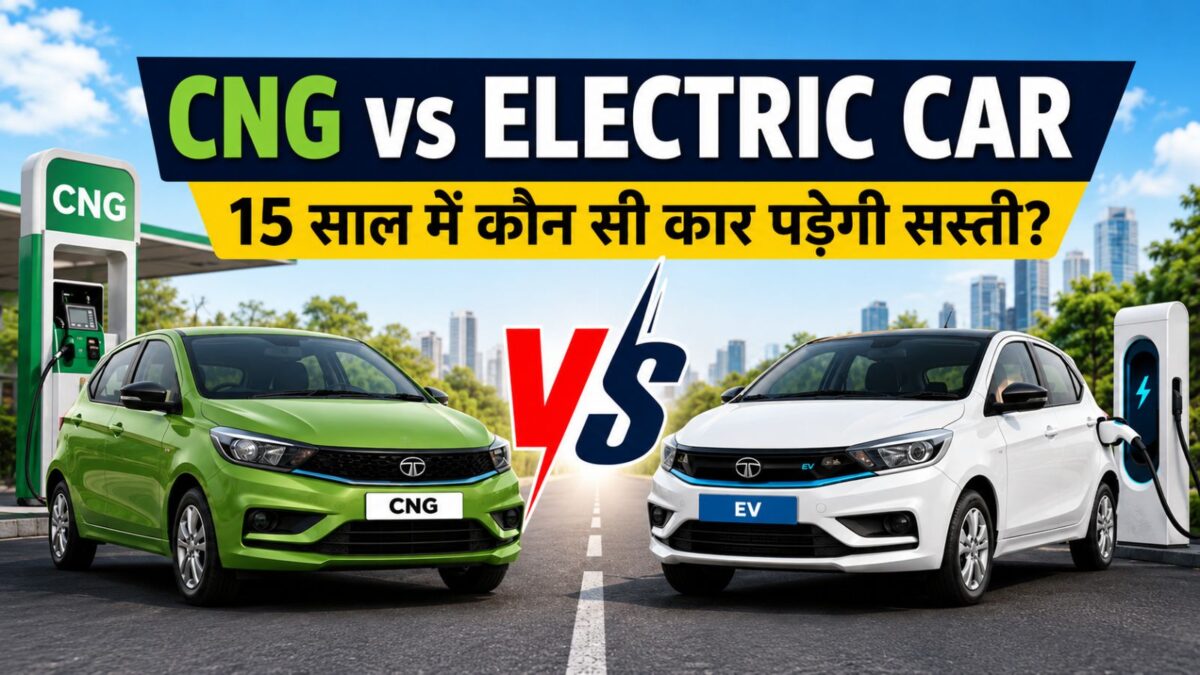
Daily commuting is a big expense for office goers across the country including Delhi-NCR. If you drive a car 50 kilometers or more every day, then the cost of petrol will be heavy on your pocket. In March 2026, the price of petrol in Delhi is Rs 94.77 per liter, while CNG is available at only Rs 77.09 per kg.

In such a situation, a car with factory fitted CNG kit not only provides huge savings in fuel cost, but also gives you an opportunity to save thousands of rupees every month by spending almost half of the petrol. This is not a marketing claim, but complete mathematics, which we will understand step by step today. Let us know in detail why this is the best option for daily office commuters.

how much difference in price

First of all let us understand the reality of the current fuel price. In big cities like Delhi where CNG stations are available at every corner, there is a big difference in the prices of petrol and CNG. Petrol is Rs 94.77/litre, while CNG is only Rs 77.09/kg. But savings come not just from price but also from mileage.

How much will be the savings?

Now comes the real math – running cost of petrol vs factory fitted CNG. Let's take a real-world example that is perfect for office commuters. Suppose your car is a popular factory CNG model, like Maruti Suzuki Swift or WagonR CNG.

The real world mileage of a petrol car in city traffic is usually 15-18 km/litre. Whereas the real world mileage of factory fitted CNG is easily available in the city up to 24-28 km/kg. In such a situation the calculation will be like this-

Petrol Car Expenses (Real City Driving)

  • Mileage- 16 km/l (average traffic)
  • Cost per kilometer – 94.77 ÷ 16 = ₹5.92 per km

Factory Fitted CNG Car Cost (Real City Driving)

  • Mileage- 25 km/kg (average traffic)
  • Cost per kilometer – 77.09 ÷ 25 = ₹3.08 per km

The cost of CNG is almost half that of petrol! See how much will be saved by driving 50 kilometers daily.

  • Petrol Daily Expenses = 50 × 5.92 = ₹296
  • CNG Daily Expenses = 50 × 3.08 = ₹154
  • Daily Savings = ₹142

Best for office goers!

If you go to office 25 days, the monthly savings will be around ₹ 3,550 and the annual savings will be around ₹ 42,600. If you drive 60-70 km daily then this figure can reach ₹ 50,000-60,000 annually. In 3-4 years, the extra upfront cost of the factory CNG variant (Rs 50,000 to 1 lakh) will be completely recovered.

This mathematics applies to every car. Be it Swift, Brezza CNG or Tata Punch iCNG. Boot space is also not reduced in Tata's models with dual cylinder technology, which is a big plus of factory fitted. Along with this, car companies like Maruti and Hyundai have also started introducing CNG cars with twin cylinder technology.

Why only factory fitted CNG?

The benefits of a factory fitted CNG car are not limited to money only. Installing aftermarket kit voids the manufacturer's warranty and the service center refuses to do so in case of engine problems. In factory fitted, the engine is specially tuned for CNG, power loss is very low (only 10-15%) and engine life is long. Let us have a look at some factory fitted CNG models-

  1. Maruti WagonR CNG: Its price starts from Rs 6.5 lakh. ARAI mileage is 34 km/kg.
  2. Maruti Celerio CNG: Highest mileage (35.44 km/kg ARAI) and best option in budget.
  3. Maruti Swift CNG: Sporty looks, real mileage 27+ km/kg, perfect for youth.
  4. Tata Punch iCNG: SUV style, good boot space due to dual cylinder, price starts at only ₹ 7.5 lakh.

what understand: Factory fitted CNG car is a game changer for daily office goers. The whole mathematics is clear. Compared to petrol cars, they cost around ₹ 3 less per km. Annual savings of 40-50 thousand and less pollution also make it special. If you plan to buy, then take a test drive and understand the math yourself. Once you switch to CNG, you will never go back to petrol!

Source link

Why do most people buy cars of this color all over the world? Know the real reason

Why do most people buy cars of this color all over the world? Know the real reason

HomePhotoAutoCar

Why do most people buy cars of this color all over the world? Know the real reason

Last Updated:

While buying a new car, people pay attention to the design, features and mileage, but choosing the color of the car is an equally big decision. The interesting thing is that there is one color in the world whose cars are sold the most and its popularity is even more in India. After all, why do people like this color the most? Not only style but also many practical reasons are hidden behind this. Know the whole story in this news.

While buying a new car, people check the design of the car the most. After this, the focus is on features, safety and mileage along with other things. Another interesting thing is choosing the color of the car. The biggest question is which color car to buy.

Kia Seltos White

In such a situation, some people follow the advice of family members, friends or their own mind and some people think practically. If we talk about statistics, white color has been the king for decades. Most people buy cars of this color only. Come, let us know what is the reason for its best selling?

Creta EV White

Around 35 to 40 percent people all over the world choose white colored cars. In countries like India this figure is even higher. After white comes silver, gray and black. Let us understand the chronology behind choosing white color.

Add News18 as
Preferred Source on Google

Grand Vitara White

Resale Value: White color is considered a safe color. When you go to sell your old car, buyers for white cars are easily found. This color never goes out of fashion, hence its resale value is higher than other colors.

Kodiaq White

Temperature Control: From a scientific point of view, white color reflects the most sunlight and absorbs the least heat. In a hot country like India, the temperature inside a white car remains lower than that of dark colored cars, due to which the AC works better and saves fuel.

Jeep White

Ease of Maintenance: Surprisingly, dust and light scratches are less visible on a white car than on black or dark colored cars. A black car needs to be polished daily, while a white car looks clean even with little maintenance.

Elevate White

Premium and Classy Look: Nowadays companies are offering many shades of white (like pearl white or ivory), which give a premium and luxury look to the car. This color is considered a symbol of simplicity and decency.

XUV 7XO White

Safety: Many researches show that white colored cars are more clearly visible on the road at night or in low light. This reduces the chances of accidents a little compared to other dark colors.

Click here to add News18 Hindi as your favorite news source on Google.

Source link

Diesel variant of Hyundai Venue becomes cheaper! Now bring it home for just Rs.

Diesel variant of Hyundai Venue becomes cheaper! Now bring it home for just Rs.

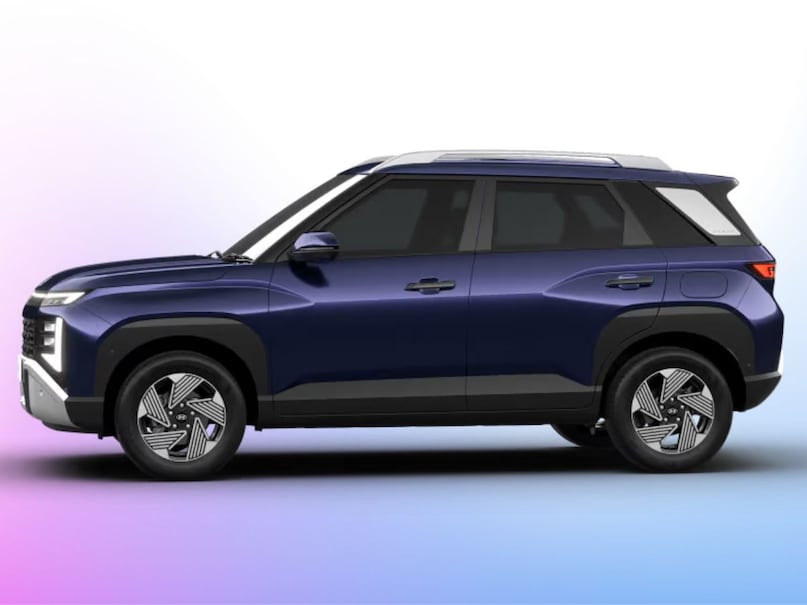
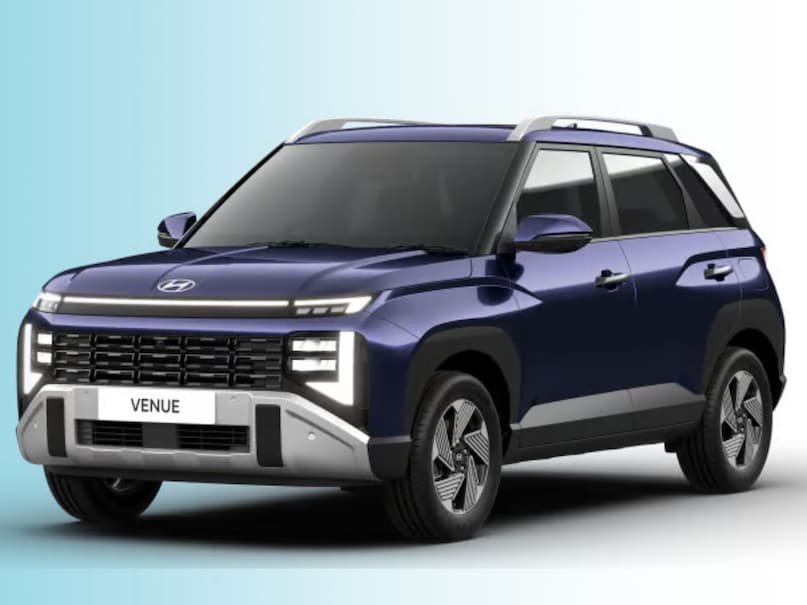
Hyundai has further strengthened the lineup of its popular compact SUV Venue. Celebrating the great milestone of 1 lakh bookings, the company has launched Hyundai Venue with the new HX8 diesel automatic (AT) variant. The ex-showroom price of this variant has been kept at only Rs 13,69,900. Earlier the diesel variant was available in HX10, which was priced at Rs 15.51 lakh. Now it is available cheaper by Rs 1.81 lakh through HX8.

The new gen Hyundai Venue was launched in November 2025. Its price starts from Rs 7.89 lakh and goes up to Rs 15.69 lakh. In just four months of its launch, it achieved more than 1 lakh bookings. Demand for Venue has increased due to its attractive design, advanced features and excellent performance. Let us take a look at its design, interior, features, safety, engine and mileage details.

Design and interior

New Gen Hyundai Venue is an attractive compact SUV, which is making waves in the Indian market. Its exterior design is bold and modern. With length 3995 mm, width 1800 mm, height 1665 mm and wheelbase 2520 mm, it fits in the sub-4 meter category. Quad LED headlamps, parametric grille, squared-off look and 16 inch diamond cut alloy wheels make it attractive on the road. The new K1 platform increases strength and space.

The interior is premium and tech-loaded. Dual 12.3 inch curved panoramic displays (infotainment + digital cluster) make the central console look modern. The cabin is spacious and comfortable with ventilated front seats, dual-tone leatherette upholstery, ambient lighting, terrazzo textured dashboard and rear AC vents. High-quality materials provide a premium feel.

Features and safety

Its feature list is amazing. Features like wireless Apple CarPlay and Android Auto, over-the-air (OTA) updates, Hyundai BlueLink connected technology, 360° camera, panoramic sunroof (in top variants), Bose audio system, wireless charging, powered driver seat and electric parking brake are available. These features are even more attractive in the HX8 diesel AT variant.

There is no lack in safety. 6 airbags are standard, level-2 Advanced Driver Assistance Systems (ADAS) like Forward Collision Avoidance, Lane Keep Assist, Auto Emergency Braking are part of the list. A total of 65+ safety features include ABS, ESC, hill assist, rear disc brakes and 360° camera.

Engine and Mileage

It can be bought with 1.2L petrol (83 PS), 1.0L turbo petrol (120 PS) and 1.5L CRDi diesel (116 PS / 250 Nm) engines. The diesel variant is available in HX8 with 6-speed AT. Mileage according to ARAI is 18-20 kmpl in petrol and 20.99 kmpl in diesel MT. With refined performance and comfort, the Venue is perfect for both city and highway use.

Source link

New BIS standards of piston rings implemented in India, now vehicles will give more mileage!

New BIS standards of piston rings implemented in India, now vehicles will give more mileage!

There has been a historic change in the Indian automobile industry. The Central Government has issued new standards for the most important parts of the Internal Combustion Engine (ICE) – the piston ring. The old specifications dating back to 1977 have now been completely updated. The updated standards include revised dimensional tolerances, material requirements and testing procedures.

The purpose of these new rules of Bureau of Indian Standards (BIS) is to reduce carbon emissions from vehicles, increase fuel economy and bring Indian components at par with global standards. This change will have a direct impact on the country's third largest auto market, where the number of vehicles running on petrol and diesel is still the highest.

Why is the piston ring so important?

The piston ring controls the layer of oil on the walls of the piston in the engine cylinder. It returns excess oil to the crankcase while maintaining the correct amount of lubrication. Due to this, there is better combustion of fuel, less friction, along with more power, emissions are also less.

The transport sector is responsible for about 14% of India's total greenhouse gas and particulate matter emissions. In such a situation, the new dimensional tolerances of piston rings, material requirements and updated testing procedures will directly increase the efficiency of vehicles and reduce emissions.

What is the impact on the auto industry?

Big companies like Maruti Suzuki, Tata Motors, Mahindra, Hyundai and Toyota are already following global specifications, so the cost impact will be minimal for them. But the country's auto parts sector (worth about $116 billion in 2026) is mostly based on MSME. These small manufacturers will have to invest in new materials, coating and testing equipment. However, this update is necessary for MSMEs. This will improve their product quality and make them competitive in the foreign market.

ICE's bridge amid EV transition

EVs accounted for only 8% of total new registrations in 2025, which mostly included two-wheelers and three-wheelers. Petrol-diesel vehicles are still ruling the market. In such a situation, this step of BIS will make ICE vehicles more efficient. Auto industry experts believe that these standards will support the EV transition, not stop it. MSMEs will get an opportunity for skilling and phased upgrade, which will not have any major impact on lakhs of jobs.

Strong steps towards sustainable mobility

BIS's new piston ring standards are not just a technical update, but a big signal towards sustainability of the Indian auto sector. This will not only reduce emissions, but Indian components will stand stronger on the global platform. Small manufacturers will have to invest a little, but in the long term this will make the entire industry strong and competitive.

Source link