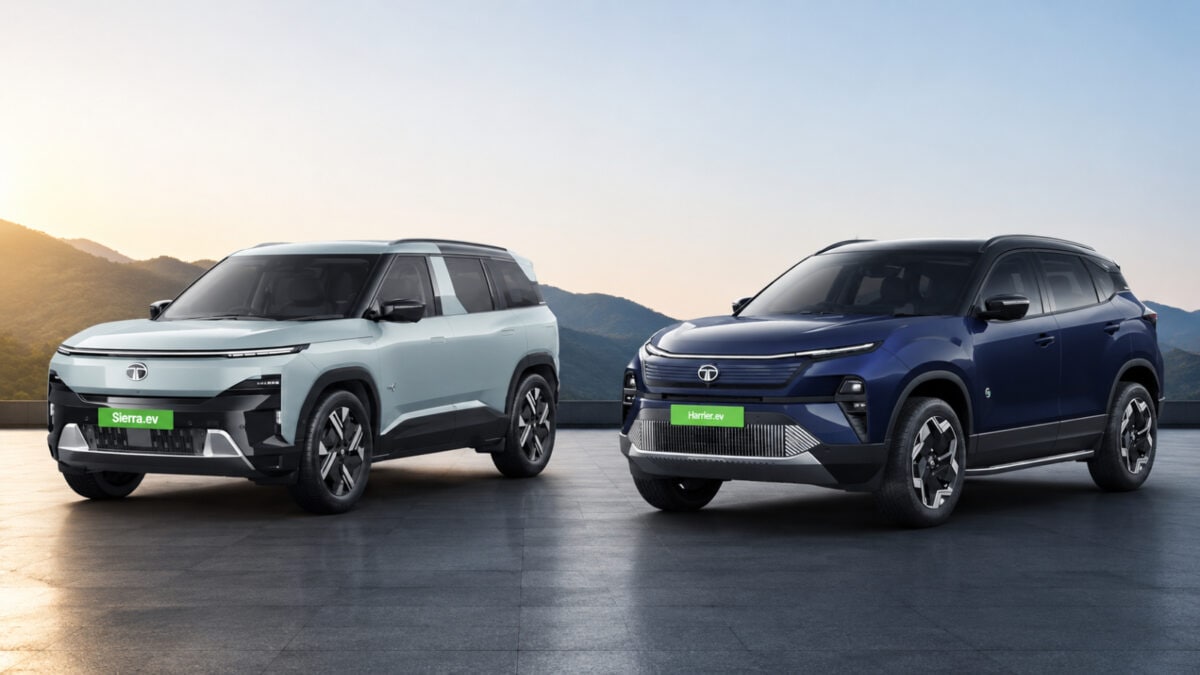
Will this SUV eat up Tata Sierra's market? Price also 1 lakh less

Will this SUV eat up Tata Sierra's market? Price also 1 lakh less

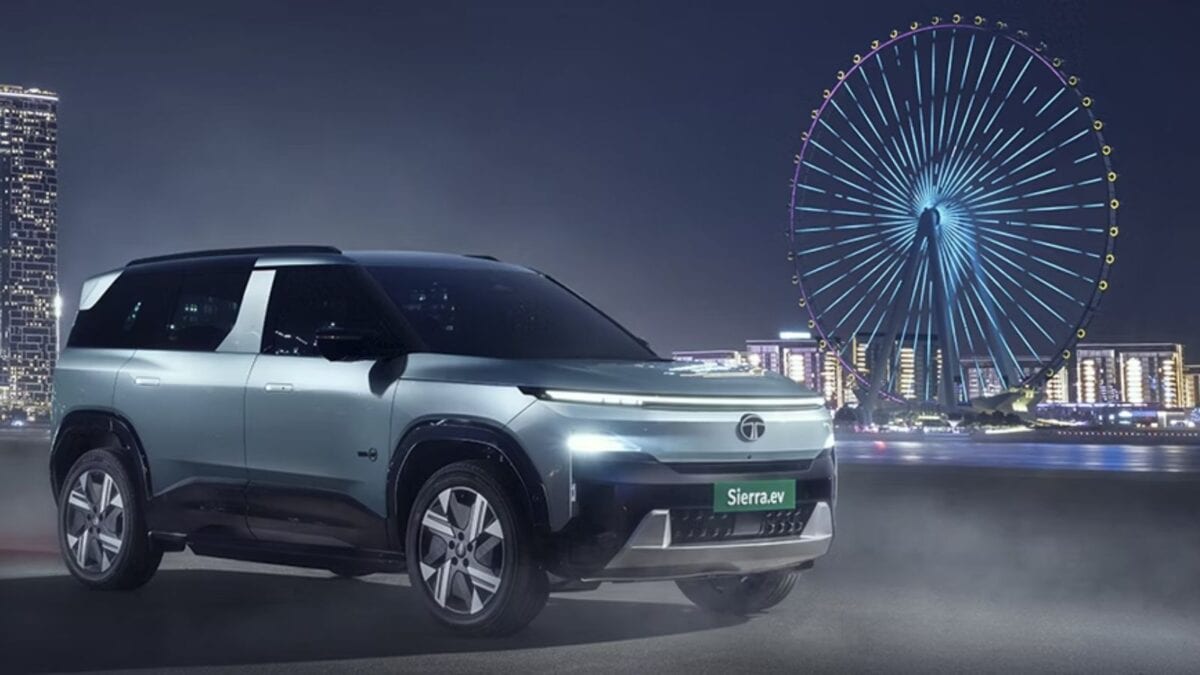
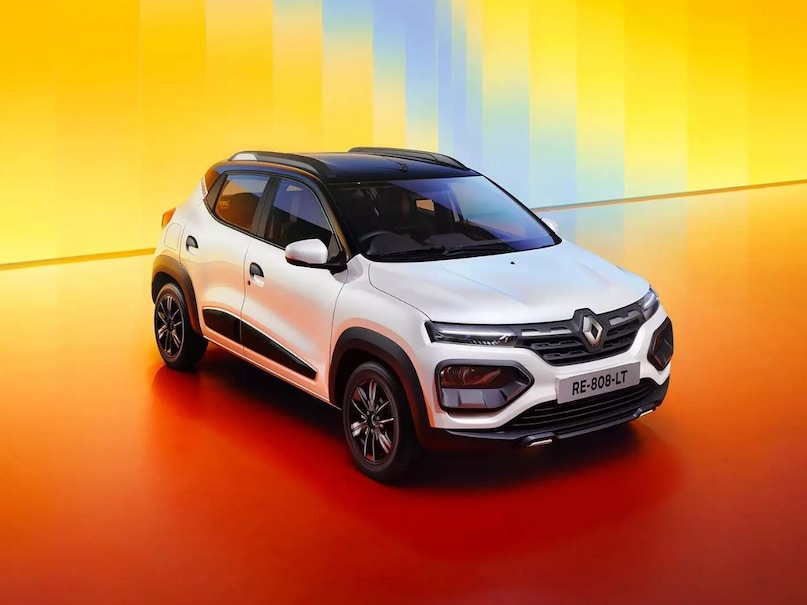
Tata Sierra vs New Renault Duster: The new Renault Duster and Tata Sierra compete with each other in the mid-size SUV segment. The Duster was recently launched in 2026, while the Sierra was launched in late 2025 and deliveries began in 2026. Both the cars are popular names in the Indian market.

Talking about the price, the base variant of the new Renault Duster will be available for ₹ 10.49 lakh (ex-showroom). Whereas, the top variant goes up to ₹ 18.49 lakh. Tata Sierra starts at ₹11.49 lakh and the top variant goes up to ₹21.29 lakh. The Duster is cheaper by ₹1 lakh at the base level, while the Duster looks more affordable even at the top end. Now let us look at their design, engine and mileage details.

design details

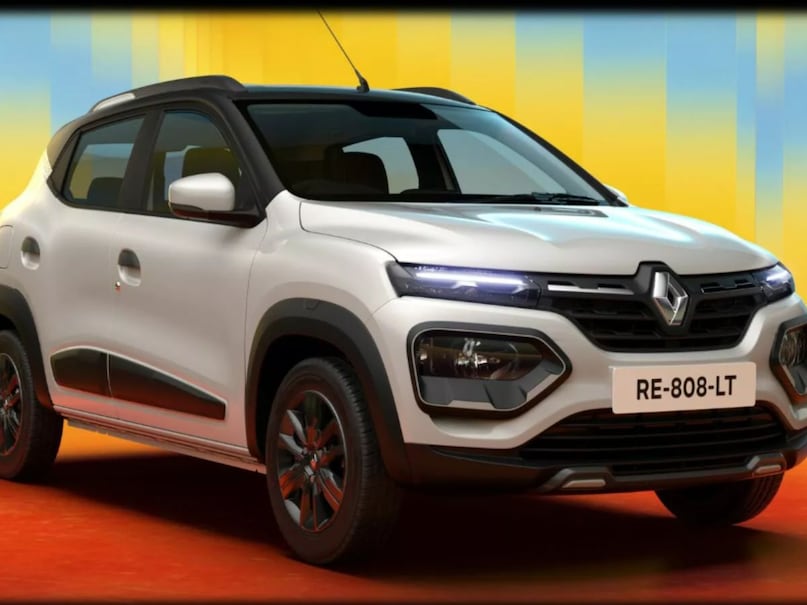
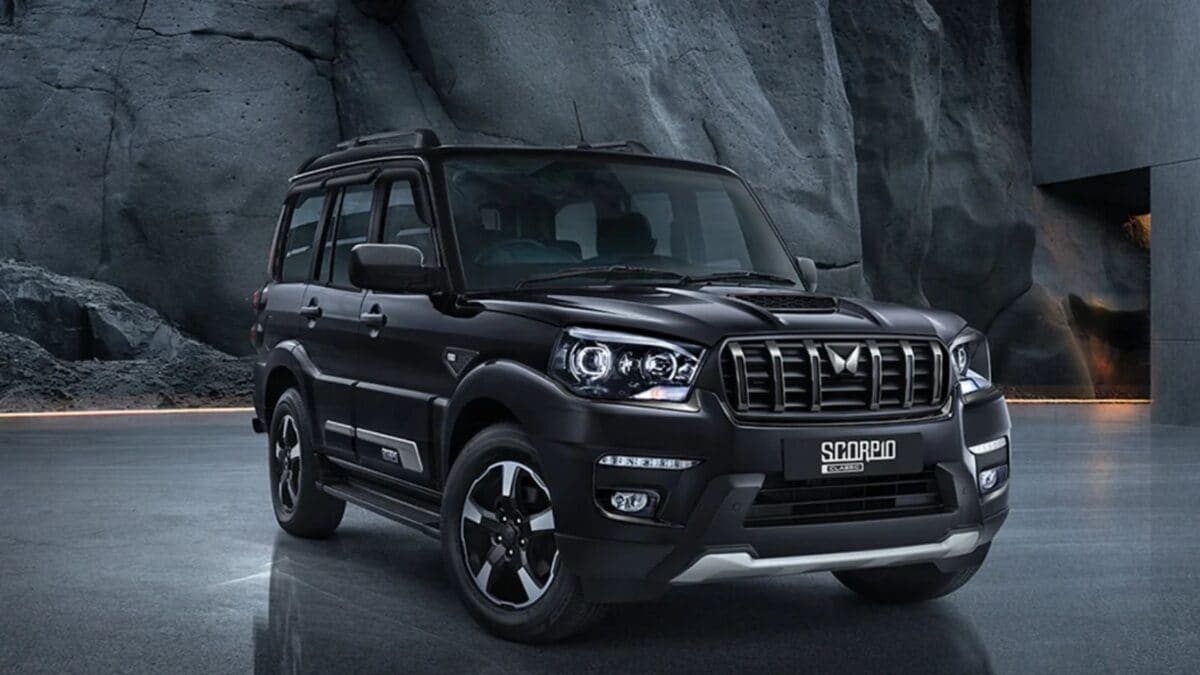
The design of Duster is modern and aggressive. It has been introduced with LED headlamps, muscular grille, 212 mm ground clearance and rugged look. The Sierra is reminiscent of the classic Sierra, but with a modern touch. The wide body, high styling, long wheelbase (73 mm more than the Duster) and more width/height set it apart. Sierra feels more premium and spacious.
Cabin and Comfort

The Duster comes with dual screens (10.1-inch infotainment + 10.25-inch driver display), panoramic sunroof, good quality materials and connected car features. The boot space is large (518-700 litres). The Sierra has a luxurious feel, better rear leg room (from the longer wheelbase), premium upholstery and a spacious cabin. Both have good space, but the Sierra is better for rear passengers.

Features and safety

Both Duster and Sierra get ADAS (17 features like lane keep assist, adaptive cruise), 360° camera, TPMS, panoramic sunroof, wireless charging, large touchscreen, connected tech and premium audio system. For safety, both have 6 airbags, ABS, EBD, ESC as standard. ADAS and robust build make both better.

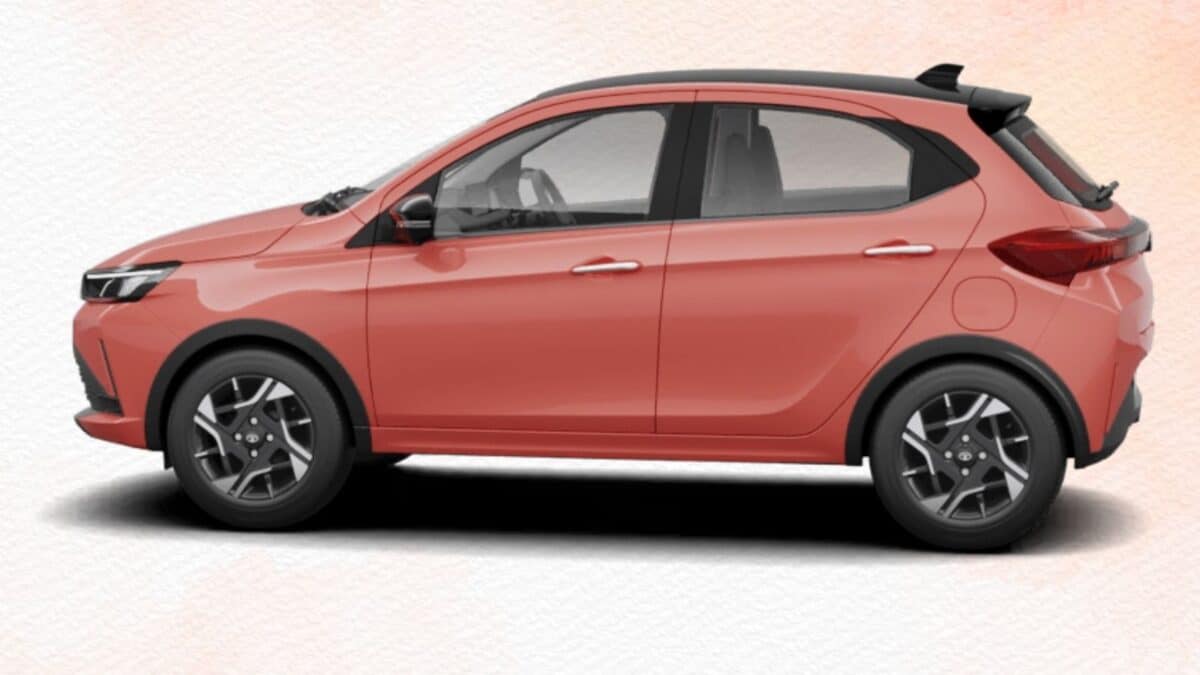
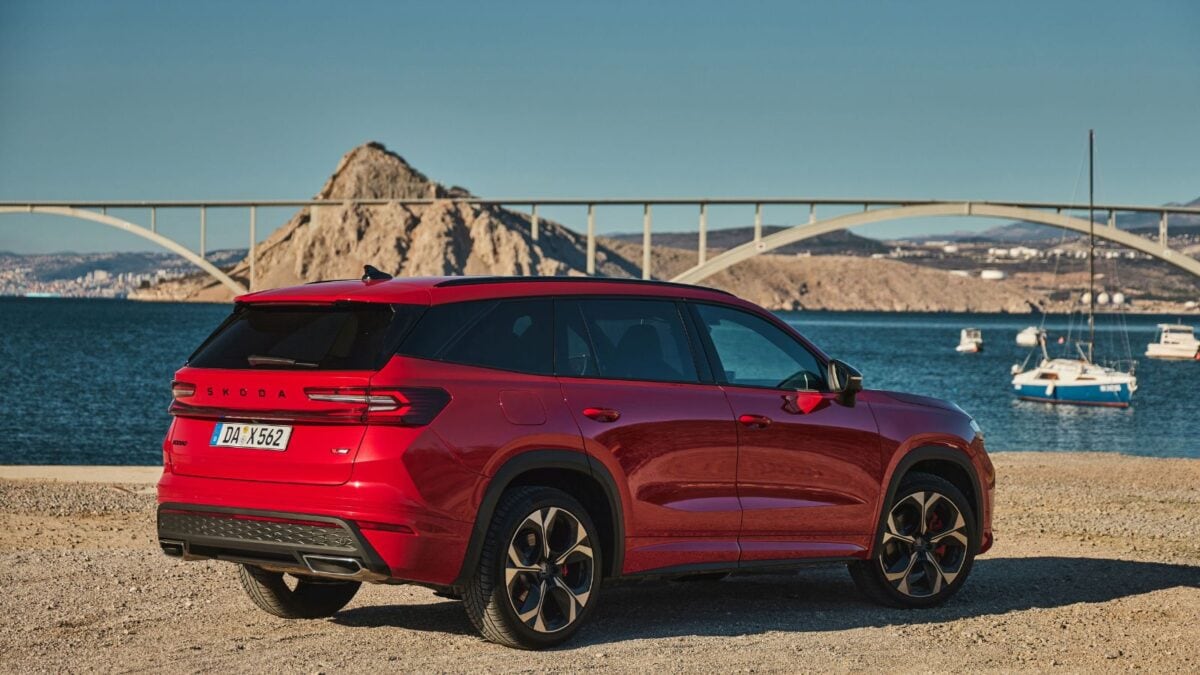
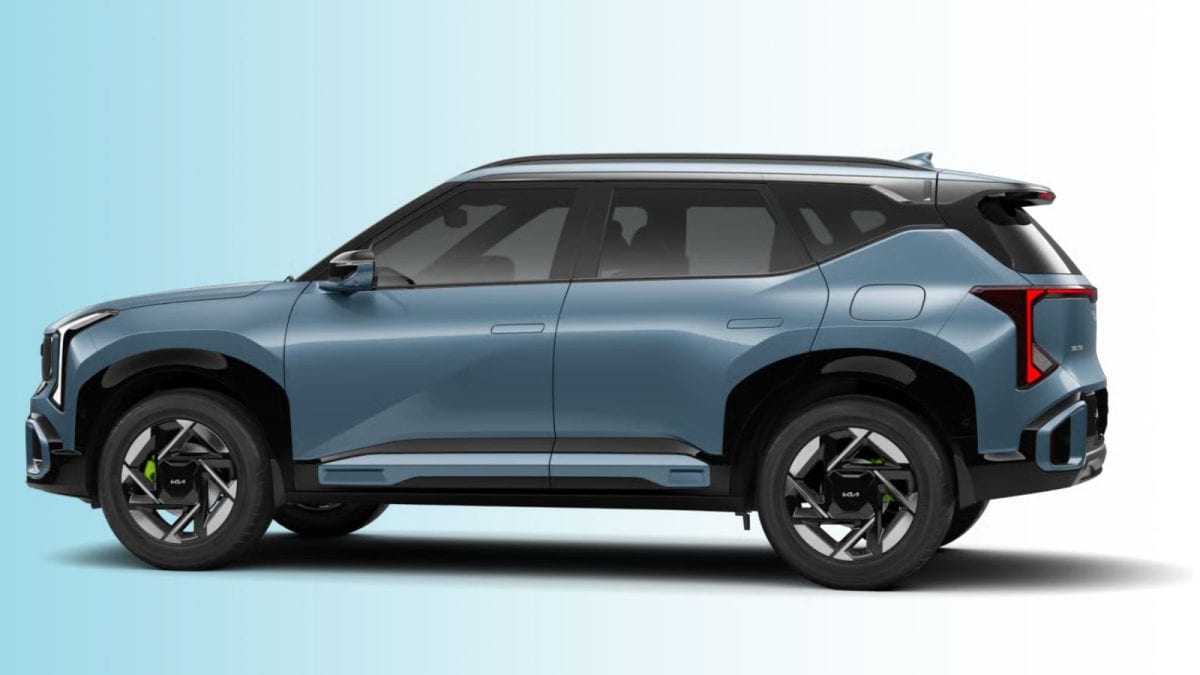
New Renault Duster (Side Profile)

Engine and Mileage

Duster will currently be sold in two engine options. First 1.0L turbo-petrol (100 PS) and second 1.3L turbo (163 PS/280 Nm) engine, after this a strong hybrid variant will also come by Diwali. Its mileage is around 15-20 KMPL. Sierra can be purchased with 1.5L NA petrol (105 PS), 1.5L turbo-petrol (160 PS) and 1.5L diesel (116 PS) engines. Its mileage ranges from 16-20.5 kmpl.

Source link

Maruti Dzire becomes the best selling sedan

Maruti Dzire becomes the best selling sedan

Best Selling Sedans Feb 2026: Sedans are the best option for people who want comfortable driving. There are many options to choose from within this segment in the Indian market. If we look at last month's sales report, the performance has been quite mixed.

On one hand, Maruti Suzuki Dzire was the best selling car of the segment. At the same time, demand for Hyundai Aura and Skoda Slavia has also increased. At the same time, there is also a car in the list which did not find any customer. Come, let us know about the best selling sedans of last month.

Maruti Dzire

Maruti Dezire is at number one in terms of sales. Last month, this compact sedan got a total of 19,326 new customers. It is 31.5 percent more on an annual basis compared to the Dezire sold in February 2025 last year.
Hyundai Aura

Aura is at second place in terms of sales. A total of 6,733 people bought this affordable sedan in February 2026. This figure shows an annual increase of 40 percent compared to its total units sold in February 2025.

Honda Amaze

Amaze sales have increased marginally. In February 2026, it got a total of 3,513 new customers. This figure shows an annual increase of 7.7 percent compared to the sales of the same month last year.

vw virtus

In terms of sales, Virtus is at number four. A total of 1,804 units were sold last month. If compared with the sales of the same month last year, this figure shows a slight decline of 1.8 percent.

Skoda Slavia

There has been a bumper surge in Slavia's sales. A total of 1,674 units were sold last month. This figure shows an annual increase of 86 percent compared to the sales held in February 2025.

Apart from the top-5 sedans of the segment mentioned above, last month, 1,447 units of Tata Tigor, 694 units of Hyundai Verna, 525 units of Honda City and only 203 units of Toyota Camry were sold. At the same time, Skoda Octavia did not find any customer in February 2026.

Source link

19 KM mileage, ventilated seats and sunroof! This SUV is being sold proudly in the market

19 KM mileage, ventilated seats and sunroof! This SUV is being sold proudly in the market

Skoda and Volkswagen work together in the Indian market. However, different figures have emerged in the sales reports of both. Talking about the last month, on one hand the demand for Skoda has increased. At the same time, there has been a decline in the sales of Volkswagen. In February 2026, SKODA sold 6,361 units, an increase of 14 percent year-on-year.

At the same time, VW has achieved a sales figure of 2,639 units in February 2025 with a decline of 15 percent year-on-year. Last month, Skoda Kylaq was the best selling car for both the companies. Apart from this, demand for Slavia and Kodiaq has increased. At the same time, due to the wait for the facelift, the sales of Kushaq have reduced drastically. Let's take a look at the model vice sales report.

Skoda Kylaq

The first number in the list is Skoda Kylac. Last month, this small SUV got a total of 4,532 new customers. This figure represents an impressive increase of 25 percent on an annual basis compared to the total 3,636 units sold in February 2025. Its ex-showroom price starts from ₹ 7.59 lakh and goes up to ₹ 12.99 lakh.

The modern-solid design of the Kylak is attractive with a bold grille, slim LED headlights and a sporty look. The interior is premium and spacious (446L boot) with features like 10-inch touchscreen, ventilated seats and sunroof. Safety includes 6 airbags as standard, 5-star Bharat NCAP rating. It is available in 6-speed MT/AT option with 1.0L TSI turbo-petrol engine (114 bhp, 178 Nm). ARAI mileage is up to 19.68 kmpl.

Skoda Slavia

Slavia is at second place in terms of sales. A total of 1,674 units were sold last month. This figure represents an annual increase of 86 percent compared to the total 901 units sold in February 2025.

vw virtus

Virtus is at number three in the list. This sedan was purchased by 1,804 people in February 2026. This figure shows an annual decline of 2 percent as compared to the total 1,837 units sold in February 2025.

vw taigun

Despite decline in sales, Taigun has reached fourth position. A total of 698 units were sold last month. This figure shows a decline of 45 percent on an annual basis compared to the total 1,271 units sold in February 2025.

Skoda Kodiaq

After increasing sales, Kodiaq has registered its name in the list of top-5 cars of both the companies. A total of 146 units were sold last month. This figure shows an annual increase of 1360 percent compared to the total 10 units sold in February 2025.

Apart from the top-5 cars of both the companies mentioned above, 113 units of Tayron, 23 units of Tiguan, 9 units of Kushaq and only 1 unit of Golf GTI were sold last month. Apart from this, Skoda Superb and Octavia have not found any customers in the last month.

Source link

421 KM range, 6 airbags…price ₹ 4.99 lakh! These cheap electric cars are best for the middle class

421 KM range, 6 airbags…price ₹ 4.99 lakh! These cheap electric cars are best for the middle class

HomePhotoAutoCar

421 KM range, 6 airbags…price ₹ 4.99 lakh! These EVs are best for middle class

Last Updated:

Most Affordable Electric Cars in India: Electric cars are becoming increasingly popular in the market, but most people remain confused about their price. If you want to buy an EV in a low budget, then options like MG Comet EV, Tata Tiago EV, Punch EV, Citroen eC3 and Tigor EV can prove to be great. Know the details of their price, range and features.

MG Comet EV: This is currently the cheapest mass market EV in the country. Its starting price is around ₹ 7.50 lakh (ex-showroom). This car is best for those people who want to drive easily in the crowded and narrow streets of the city. Its unique boxy design and smart features make it quite popular among the youth. If you buy it with BaaS scheme, then it will be available for only ₹ 4.99 lakh.

MG Comet EV

Talking about performance, it has a 17.3 kWh battery pack, which provides a range of approximately 230 km (claimed) once fully charged. Fast charging facility is also available in it. It proves to be a very economical and eco-friendly option for daily office going or small work within the city.

Tata Tiago EV

Tata Tiago.ev: This Tata car remains the first choice of middle class families. Its price starts from around ₹ 7.99 lakh. This car is not only economical, but also comes with Tata's assurance of strength and safety. In this you get the same space and comfort as a normal petrol car, which makes it comfortable even for long distances.

Add News18 as
Preferred Source on Google

Tata Tiago EV

Tiago can be purchased with two battery pack options (19.2 kWh and 24 kWh), which give a range of 250 km and 315 km respectively. It has been provided with modern features like multi-mode regenerative braking and cruise control. This is a value-for-money electric car for those looking for more range and great features at a lower price.
Tata Punch EV Facelift

Tata Punch.ev: If you like the look of SUV, then Punch.ev is best for you. Its starting price is around ₹ 9.69 lakh. This car is based on actii.ev architecture, which gives it excellent ground clearance and cabin space. Features like its digital dashboard and sunroof give it a premium feel, which is difficult to get in this budget.

Tata Punch EV

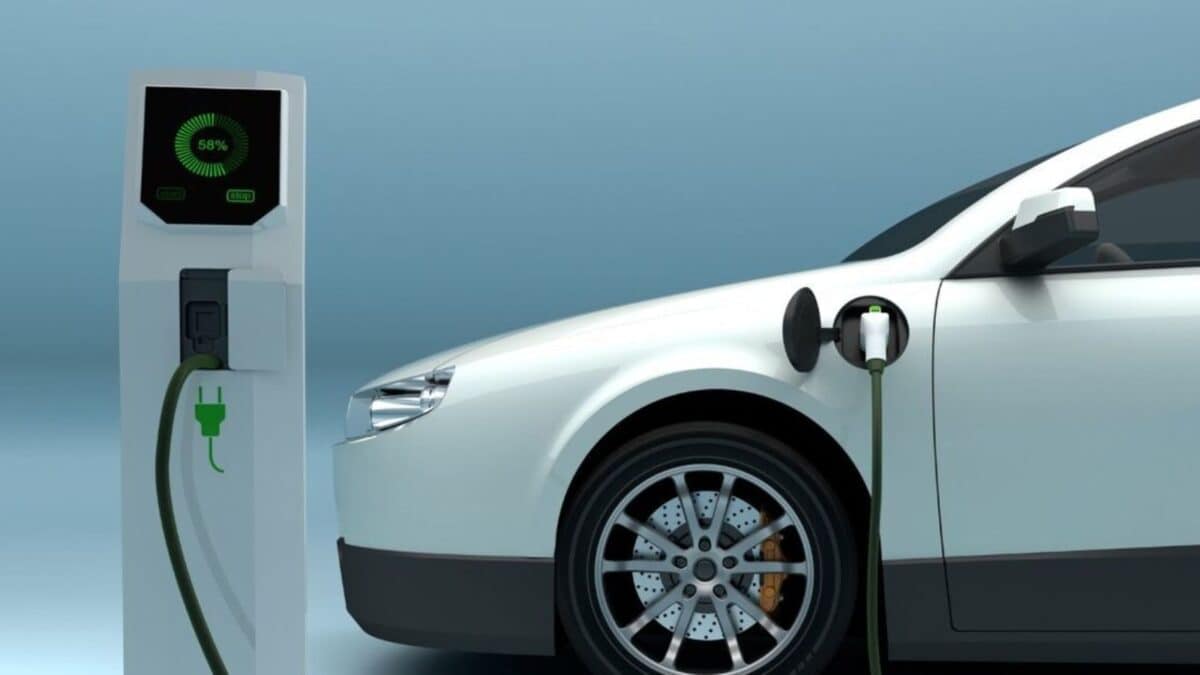
Tata Punch EV has 25 kWh and 35 kWh battery options, which can give a maximum range of up to 421 km (high-spec model). Its driving quality is quite stable and it runs smoothly even on bumpy roads. With the help of fast charging, it can be charged from 10 percent to 80 percent in just 56 minutes.

Citroën eC3

Citroën eC3: It is known for its simplicity and comfort. Its price starts from around ₹ 12.90 lakh. This is a big hatchback, which has a large boot space of 315 liters, which is very useful for going on trips. Its suspension system absorbs the potholes of Indian roads very easily, which makes driving comfortable.

Citroën eC3

It has a 29.2 kWh battery, which ensures an ARAI range of 320 km. Although it does not have many high-tech features, it is a practical electric car. This electric car supports DC fast charger and can be easily charged overnight at home with a normal 15-ampere plug.
Tata Tigor.ev

Tata Tigor.ev: For those who want a luxurious sedan that rises above the hatchback, the Tigor.ev is a good option. Its price starts from ₹ 12.49 lakh. In this you get excellent leg-room and premium cabin. In terms of safety, it has received a 4-star rating by Global NCAP, which makes it a safe car for the family.
Tata Tigor.ev

Tigor EV has a 26 kWh battery, which gives a range of 315 km. Its motor produces 74 bhp power and 170 Nm torque, due to which it can accelerate well even on the highway. It has automatic climate control and Harman's infotainment system, which makes your driving experience even more pleasant and entertaining.

Click here to add News18 Hindi as your favorite news source on Google.

Source link

2026 Renault Duster launched at a starting price of just ₹ 10.29 lakh

2026 Renault Duster launched at a starting price of just ₹ 10.29 lakh

2026 Renault Duster has been launched in India. It has once again come to create a stir in the mid-size SUV segment. The starting ex-showroom price of New Gen Duster has been kept at Rs 10.29 lakh, which is a special introductory offer for R-Pass (pre-booking) customers.

The base price for general customers starts from Rs 10.49 lakh and goes up to Rs 18.49 lakh for the top variant. It will compete with cars like Hyundai Creta, Kia Seltos, Maruti Grand Vitara, Tata Sierra. Let's take a look at the price, design, interior, features, safety, engine and mileage details of the new Duster.

Design and interior

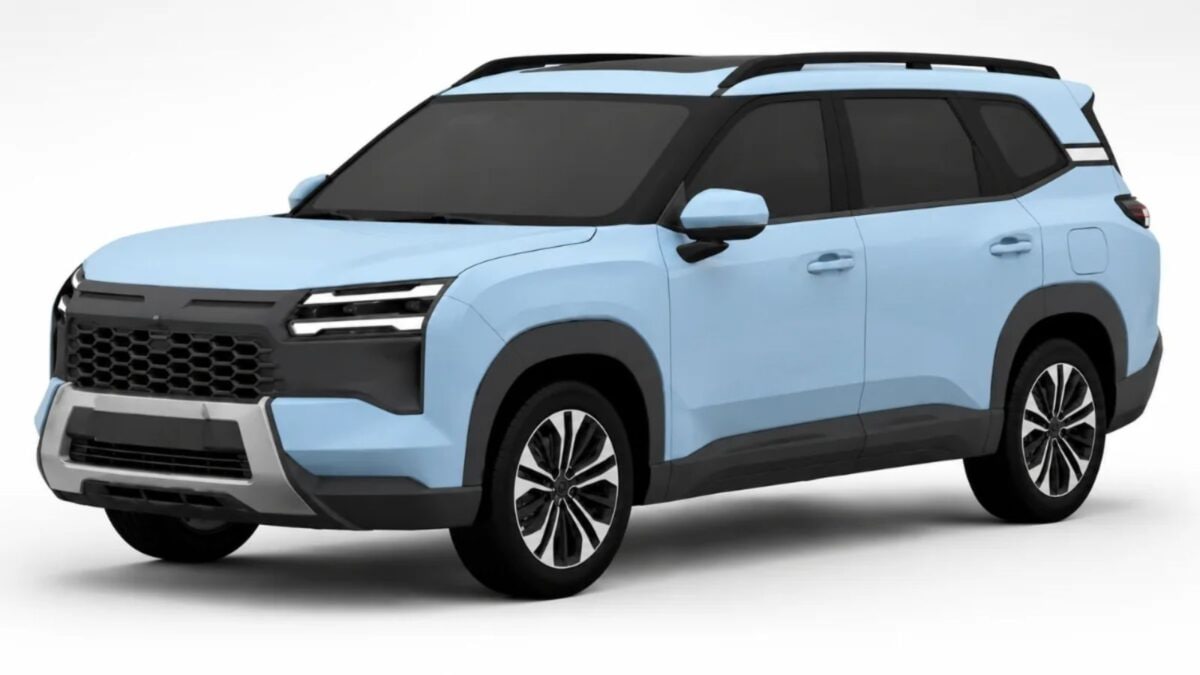
In terms of looks, it is quite aggressive and modern. The front has a large grille, LED headlights, C-shaped LED DRLs and strong body cladding. It gives a rugged look with 18-inch alloy wheels, roof rails and connected LED taillights. Ground clearance is 212 mm, which is good for off-roading. Overall, it maintains the rough and tough image of the old Duster with a modern touch.

The interior is premium and spacious. Dual-tone theme, soft-touch materials and good fit-finish are available. There is a 10.25-inch digital instrument cluster and a 10.1-inch touchscreen infotainment system (on Google OS), which supports wireless Android Auto and Apple CarPlay. Features like panoramic sunroof, ventilated front seats, dual-zone AC, wireless charger, 48-color ambient lighting, powered tailgate and 6-way powered seats. Boot space is 518 litres.

Features and safety

It is now full of features. Level-2 ADAS (17 features like adaptive cruise control, lane keep assist), 360-degree camera, keyless entry, push button start, multi-drive modes make it special. Safety includes 6 airbags, ABS with EBD, ESC, TPMS, ISOFIX, rear parking sensors and disc brakes.

Engine and Mileage

The company offers it with 3 different engine options. Its mileage will also go up to 20 KMPl. Take a look at the powertrain details-

  1. 1.0-litre 3-cylinder turbo petrol (100 PS, 160 Nm) engine with 6-speed MT.
  2. 1.3-litre 4-cylinder turbo petrol (163 PS, 280 Nm) engine with 6-speed MT or 6-speed DCT.
  3. 1.8-litre strong hybrid (combined 160 PS) engine (will arrive around Diwali).

Source link

Tata passes, Maruti-Hyundai fails? Big disclosure on CAFE 3.0 rules

Tata passes, Maruti-Hyundai fails? Big disclosure on CAFE 3.0 rules

Last Updated:

A big update has come out regarding the proposed CAFE 3.0 norms in India. Amid lobbying by car companies, the government may postpone these strict fuel efficiency and emission rules beyond April 2027. Continuous meetings are going on in the PMO and the new framework can have a big impact on companies like Maruti, Hyundai.

news quickly

Zoom

There may be a delay in implementing CAFE 3.0 Norms.

Amid lobbying by car companies, the government may postpone the implementation of Corporate Average Fuel Efficiency (CAFE) norms beyond April 2027. An MOU on CAFE 3.0 rules is ready, which is designed to control the average fuel efficiency and carbon emissions of passenger vehicles. These rules are expected to have a big impact on the auto industry, so companies are actively putting pressure on the government.

The PMO has held two meetings on this issue in the last three weeks and discussions will continue further. Its objective is to prepare a formula that is acceptable to the industry and at the same time improves fuel efficiency and emissions. In the meeting held in the PMO on Monday, the Power Ministry gave a detailed presentation on the proposed CAFE 3.0 norms. The ministry also stressed the 'urgent' need to notify these rules soon.

Expect more from Tata Motors

According to a TOI report, for the first time in this meeting, a detailed assessment of the possible performance of the country's top five car companies was presented. Based on the proposed framework (which will be released for public comment soon), only Tata Motors will be able to achieve the target between 2027-28 and 2031-32. At the same time, big players like Maruti Suzuki and Hyundai Motors may miss the target. It is clear that the new rules will be challenging for many companies, especially those that mainly depend on petrol and small cars.

CAFE norms already in place

CAFE norms are already applicable in India. CAFE 2 is currently underway, but CAFE 3.0 will be more stringent. This will focus on further reducing CO2 emissions, which will force companies to increase cars with electric, hybrid and more fuel-efficient engines. The auto industry is already divided over discounts, weight-based slopes and other parameters for small cars. Some companies (like Tata and Mahindra) are supporting stricter rules, while companies focusing on small cars like Maruti are demanding relief.

future plan

The government aims to protect environment, energy security and reduce dependence on imported oil. But the industry argues that sudden strict rules will increase car prices, which will be especially difficult for middle class buyers. Over the past few months, the draft CAFE 3.0 has undergone several changes, such as removing the proposed exemption for small cars. Now the possibility of delay in the deadline has increased due to lobbying.

Who benefits from the delay?

If the rules are postponed, companies will get additional time to prepare, but environmental experts say the delay will hurt emissions reduction goals. At present, the final decision is yet to be taken at the PMO level. A clear picture will emerge only after more meetings are held.

Source link

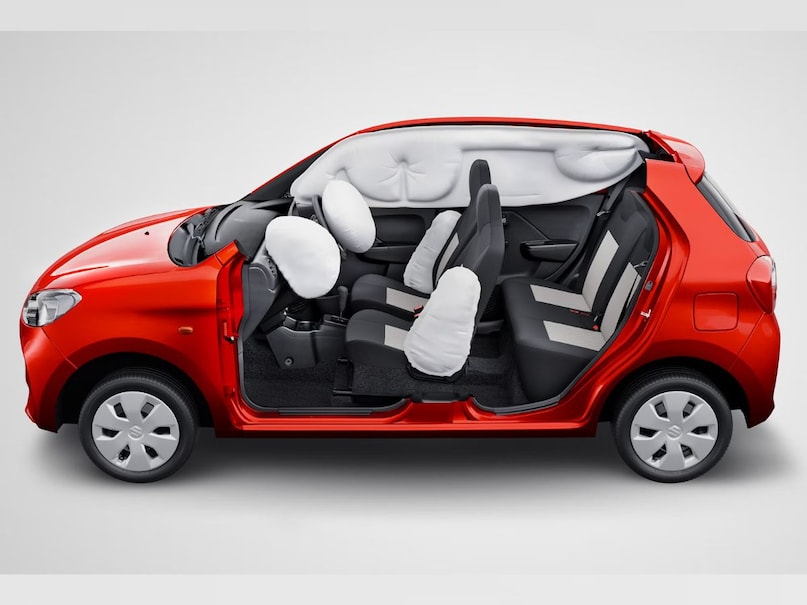
People are buying this car immediately; Price starts from just ₹4.99 lakh

People are buying this car immediately; Price starts from just ₹4.99 lakh

Top 10 hatchbacks Feb 2026: For those looking for an alternative between SUV and sedan, hatchbacks are the best option. There are many options to choose from in this segment in the Indian market. Talking about the sales held last month, Maruti Wagon R was the topper of this segment.

At the same time, demand for hatchbacks like Maruti Suzuki Alto and Hyundai Grand i10 Nios has also increased. On the other hand, cars like Maruti Suzuki Swift and Maruti Suzuki Baleno got less customers as compared to last year. Come, let us know about the top-10 hatchbacks of February 2026.

Maruti Suzuki WagonR

Maruti Wagon R is at number one in the list. Last month, this popular hatchback got a total of 14,885 new customers. This figure shows a decline of 25 percent on an annual basis as compared to the total 19,879 units sold in February 2025. Despite this, WagonR secured the first position.

Its ex-showroom price in Delhi starts from ₹ 4.99 lakh and goes up to ₹ 6.95 lakh for the top variant. The tall-boy look, boxy shape and large cabin give a spacious feel. It looks attractive with modern grille, LED lights and stylish bumper. Large cabin, good headroom-legroom, touchscreen infotainment, power windows, AC and many storage options make it special.

Safety includes standard 6 airbags, ABS with EBD, rear parking sensors and seatbelt reminder. The company sells it with 1.0L (66 bhp) and 1.2L (88 bhp) petrol engines, while it is also available in CNG option. Its ARAI claimed mileage is around 25.19 kmpl in petrol and 34 km/kg in CNG.

Maruti Suzuki Swift

Swift is at second place in terms of sales. Last month it got a total of 14,833 new customers. This figure shows a decline of 9 percent on an annual basis compared to the total 16,269 units sold in February 2025.

Maruti Suzuki Baleno

Baleno is at number three in the list. In February 2026, this hatchback got 14,632 new customers. This figure shows a decline of 5 percent on an annual basis compared to the total 15,480 units sold in February 2025.

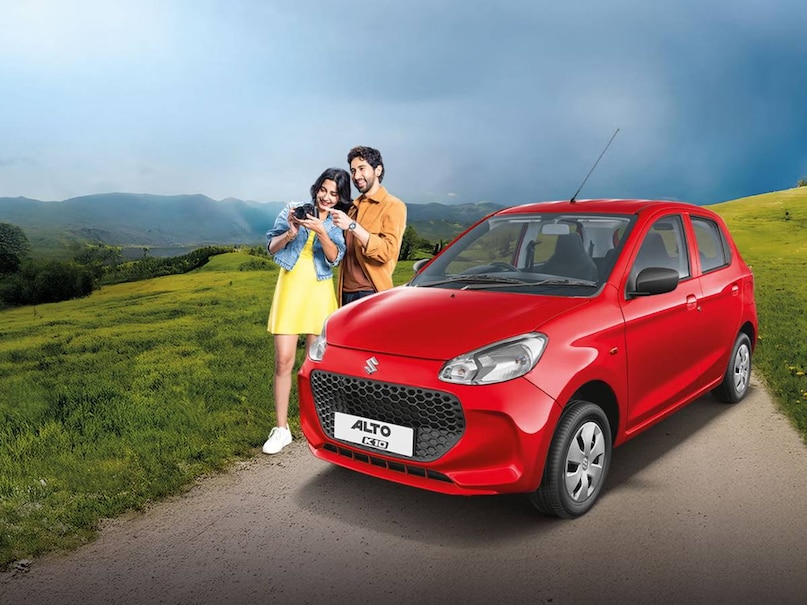
Maruti Suzuki Alto

On the basis of sales growth, Alto has secured fourth position in the list. A total of 9,787 units were sold last month. This figure shows an annual increase of 15 percent compared to the total 8,541 units sold in February 2025.

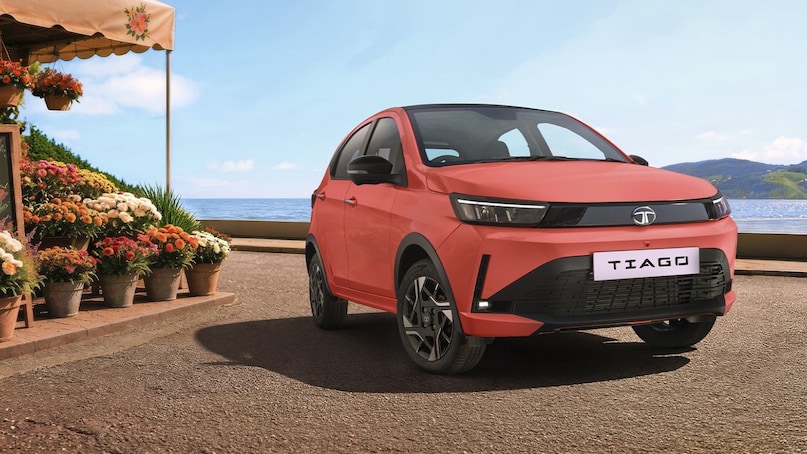
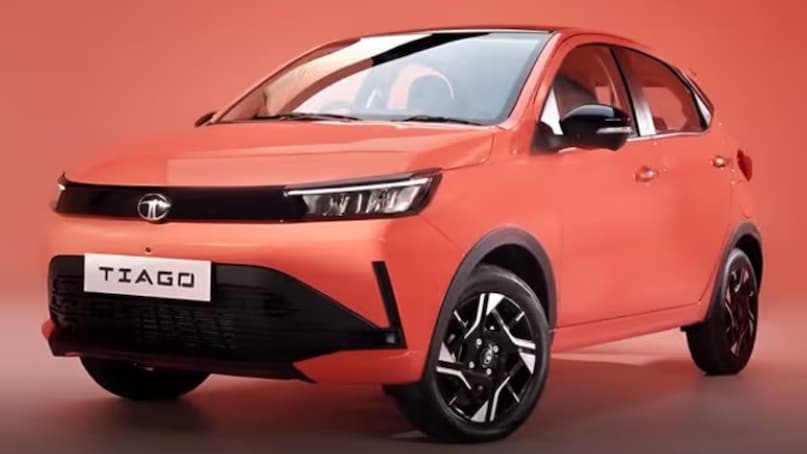
Tata Tiago

Due to slight increase in sales, Tata Tiago has registered its name in the list of top-5 hatchbacks. Last month it got 7,040 new customers. This figure shows a slight increase of 1 percent on an annual basis compared to the total 6,954 units sold in February 2025.

Apart from the top-5 cars of the segment mentioned above, last month 5,852 units of Hyundai i20, 5,589 units of Hyundai Grand i10 Nios, 3,212 units of Toyota Glanza, 2,063 units of Tata Altroz ​​and only 1,848 units of Maruti Suzuki Ignis were sold.

Source link

Are there scratches on the car's touchscreen? Fix it in minutes with toothpaste, cost only ₹ 100

Are there scratches on the car's touchscreen? Fix it in minutes with toothpaste, cost only ₹ 100

Last Updated:

If there are small scratches on your car's touchscreen infotainment system, there is no need to worry. Before spending thousands of rupees, you can try simple solutions like toothpaste, baking soda and baby shampoo available at home. By adopting the right method the screen starts looking clean and bright again.

news quickly

Zoom

Remove scratches like this with toothpaste and baking soda.

Nowadays all cars have a touchscreen infotainment system. It makes driving easy and enjoyable. Having navigation, music, calls all on one screen is very convenient. However, with daily use, small and big scratches occur due to finger nails, rings, dust or accidental cleaning. These scratches not only reduce the brightness of the screen but can also affect the touch sensitivity.

Deep scratches require costly repairs or installation of a new screen, which costs thousands of rupees. Therefore, it is important to remove small scratches in time. The good thing is that this work can be done with household items only. Cheap solutions like toothpaste, baking soda make the screen like new. Let us know how scratches on the car's infotainment system can be removed at home.

Follow this process

Toothpaste is the most popular and easiest method. Take non-gel toothpaste, apply some on a microfiber cloth. Lightly rub the screen in a circular motion for 1-2 minutes. Then wipe it with a clean cloth. Small scratches disappear as the toothpaste acts as a mild abrasive. In another method, make a paste by mixing baking soda and water.

Similarly, rub in circular motion and clean. Baby shampoo also helps. Apply some shampoo on a cloth and clean it gently. For deeper scratches, use plastic polishes like Meguiar's or Plastex, but be very careful as too much abrasive can damage the screen.

Always keep this in mind

Work with the screen off, do not apply too much water otherwise the electronics may get damaged. Never use hard brush or paper towel. If the scratches are very deep then get professional detailing service or screen protector film (PPF) installed. This film protects from scratches and also hides old scratches. Once applied it provides protection for years.

Our advice: Prevention is the best cure. Clean gently with a soft cloth every week. If you apply the screen protector from the beginning then there will be no problem of scratches. With these easy steps, your car's touchscreen will always shine like new and driving will remain fun. The total expenditure will hardly be Rs 100-200.

Source link

SUV or MPV: Which suits your needs better? Know the difference before buying

SUV or MPV: Which suits your needs better? Know the difference before buying

SUV vs MPV: The demand for sedans is decreasing with time in the Indian car market. In such a situation, choosing between SUV and MPV has become a common dilemma. SUV i.e. Sport Utility Vehicle is famous for rough roads, high ground clearance and strong build, whereas MPV (Multi Purpose Vehicle) or MUV is made for family comfort, more seats and space.

SUV sales in India have increased by more than 50% in 2025-26 (models like Creta, Punch), but MPVs like Ertiga, Innova Hycross are still popular for families in cities and on the highways. The price, mileage, safety and usage of both are different. Let us try to find out which one is better according to your needs.

What is the difference between SUV and MPV?

The main difference between SUV and MPV lies in their design and use. The SUV has a robust body type, high ground clearance (180-200mm), which is beneficial on bad roads, floods or mild off-road. For example, vehicles like Hyundai Creta, Tata Punch or Mahindra XUV700.

It offers stylish looks, better safety (5-star rating) and powerful engine (petrol/diesel). However, their mileage is low (12-18 kmpl) and price is high (₹ 10-50 lakh).

The focus of the MPV is on passenger comfort. Flat floor, sliding doors, 7-8 seats and aircraft-like space make them special. For example, vehicles like Maruti Ertiga, Kia Carens and Toyota Innova Hycross.

These models are perfect for long drives on the highway. Low running costs and easy handling make them a good option for families, but ground clearance is low (150-170mm) and off-road capability is negligible.

SUV for whom?

Adventure lovers, small families or those who want status can turn to SUVs. These are best for bad roads or weekend trips in cities like Delhi-NCR. The SUV is made for those who want a commanding driving position. For example, cars like Thar and Fortuner have different road presence. Their safety and resale value are also good.

Who should buy MPV?

MPV is a great option for large joint family (4-7 people), school drop, tour operator or city+highway use. These are widely purchased as a budget friendly option for the middle class. Models like Innova are known for being reliable and low maintenance. If you have to travel long distances with more people, then buying an MPV would be the best option.

Our advice: SUV is dominating the market because youth prefer style, but MPV is a cheaper and practical option as a family car. While choosing between the two, consider budget, family size, road conditions and mileage. Test drive is also important. SUV is for power and style. At the same time, MPV is better for space and economy. You can choose any one of these as per your need.

Source link

Renault Bridger vs Mahindra Vision S: Which SUV has more power? Know

Renault Bridger vs Mahindra Vision S: Which SUV has more power? Know

Renault Bridger vs Mahindra Vision S: Two powerful SUVs are going to enter the Indian auto market soon. Both are sub-4 meter long lifestyle SUVs, coming with a boxy and rugged design. These are likely to be launched in 2027 and will attract young buyers. Both look like Land Rover Defender, but they are built on monocoque platform.

Renault has unveiled the Bridger concept in this month i.e. March 2026, which will be known as 'Mini Duster'. It will be designed, developed and manufactured in India, and will also be exported to Africa, Latin America and GCC. At the same time, Mahindra's Vision S concept was introduced in August 2025 and is now in the testing phase. Both will compete with cars like Brezza, Nexon in the B-SUV segment.

Who is better in design?

Talking about design, there are many similarities between the two. Boxy proportions, flat bonnet, chunky wheel arch cladding, flared fenders, roof rails, large glass area and tailgate mounted spare wheel are common to both. These give a practical and adventurous look. The Renault Bridger features a sophisticated LED lighting signature, gloss black grille and illuminated 'RENAULT' logo, giving it a premium feel. The front bumper is clean and aggressive with a silver skid plate.

The front of Mahindra Vision S is more birch and futuristic. It has dual-pod LED headlights, vertical DRLs, pixel-shaped fog lamps and thick cladding. In the side profile, the Vision S gets flush door handles, side step, ladder and camera ORVMs, while the Bridger gets pull-type handles. Both have upright stance and LED taillights at the rear. The ground clearance of Bridger is 200mm, which is perfect for off-roading.

Features and Specifications

Renault Bridger is ahead in practicality. The claimed 400 liters of boot space and class-leading 200 MM rear knee room makes it special. Interior spy shots of the Vision S show a panoramic sunroof, dual screen and premium navy blue-grey theme. Bridger's cabin has not been unveiled yet, but is expected to be spacious and modern.

Engine and Performance

In powertrain, Bridger can come with 1.0 liter turbo petrol (about 100hp) with hybrid and EV options. There itself. In Vision S, 1.2 liter turbo petrol and 1.5 liter diesel engines can be found in XUV 3XO. Both are built on multi-energy platforms (R-GMP and NU_IQ).

potential price

In terms of price, the Bridger is expected to be between ₹ 8-11 lakh and the Vision S is expected to be between ₹ 10-17 lakh (ex-showroom). Mahindra will benefit from its rugged SUV image, while Renault has strong global planning. Both will set a new standard for lifestyle SUVs in the sub-4 meter segment. Both are strong in design, space and features. It will be interesting to see who will rule the market in 2027.

Source link

Maruti Ertiga vs Toyota Rumion: Which 7-seater MPV has more power?

Maruti Ertiga vs Toyota Rumion: Which 7-seater MPV has more power?

Both Maruti Suzuki Ertiga and Toyota Roomian are 7-seater MPVs, which are the best option for large families. Actually Roomian is a rebadged version of Ertiga. That means both are built on the same platform. Still, there are some differences in design, price, features and branding.

On one hand, Ertiga starts at just ₹ 8.80 lakh (LXi petrol) and the top variant (ZXi+ AT) goes up to ₹ 12.94 lakh. Whereas, Rumion starts from ₹ 9.56 lakh (E/S variant) and goes up to ₹ 13.86 lakh (V AT). Rumian is expensive around ₹70,000 to ₹1 lakh. Let us know what is the difference between these two?

Design and dimensions

The exterior of both the cars is quite similar, but Roomian has Toyota's premium touch. The front grille of the Roomian is trapezoidal like the Innova Crysta. There is a new bumper, fog lamps and new 15-inch alloy wheels. In length, the Rumion is slightly longer (4420 mm) while the Ertiga is 4395 mm. The rear is almost identical, only the badging is different. The styling of the Ertiga is classic Maruti, while the Roomian looks more premium and with chrome accents.

Cabin and Comfort

The cabin is almost completely identical. Dual tone dashboard, 7-seater flexible layout, 60:40 split second row and good space. The third row is also suitable for adults. Boot space is 209 litres. The beige color theme looks brighter in Ertiga, whereas the Roomian has a grey/dark tone. Both have the same 7-inch touchscreen, steering and AC vents. The Roomien has more cup holders and a better finishing touch in some variants.

Features and safety

Both have features like wireless Android Auto/Apple CarPlay, auto climate control (top variant), cruise control, keyless entry, rear camera and power windows. The Roomian has the added benefit of Toyota Connected App (remote AC, location) and Arkamys audio. Ertiga has third row 12V socket and more variant options. Overall the features are 90% similar, but Roomian gives a premium feel.

Both have 6 airbags, ABS, EBD, ESP, hill hold, ISOFIX and rear camera as standard. The Ertiga has a global NCAP rating of 3-star (1-star in some earlier tests). Rumian is not tested separately. An improved TPMS (tire pressure monitoring) is also available in the Rumion. The safety of both is good.

Engine and Mileage

Both have the same 1.5 liter K15C petrol engine (102 PS power, 137-139 Nm torque), which comes with mild hybrid technology. It can be purchased with 5-speed manual or 6-speed auto transmission and CNG kit. ARAI claimed mileage is up to 20.51 kmpl in petrol and 26.11 km/kg in CNG.

Source link

These are the cheapest 7-seater vehicles in the country; Price starts from just ₹5.65

These are the cheapest 7-seater vehicles in the country; Price starts from just ₹5.65

Most Affordable 7 Seater Cars In India: Big families always consider buying a 7-seater car. Apart from this, these cars are a perfect option for buyers with rural usage and budget constraints. Nissan Gravit is leading the list of cheapest 7 seater cars in March 2026, whose starting ex-showroom price is only Rs 5.65 lakh.

After this, Renault Triber starts from Rs 5.76 lakh. Mahindra Bolero is available from Rs 7.99 Lakh, Bolero Neo from Rs 8.49 Lakh and Maruti Ertiga from Rs 8.80 Lakh. All these models easily come under Rs 10 lakh, which makes them within the reach of the common man. Their prices are as per ex-showroom Delhi and on-road price can range from Rs 6-12 lakh. Let us know about their engine, mileage and features.

Nissan Gravity

The cheapest and newest car is Nissan Gravit, which has been launched in February 2026. This is a sub-4 meter MPV, which is based on the Renault-Nissan alliance. Manual and AMT gearbox options are available with 1.0 liter naturally aspirated petrol engine (71 bhp, 96 Nm torque). Mileage ranges from 19.3 to 19.6 kmpl.

With a starting price of Rs 5.65 lakh for the base variant, it has become the cheapest 7 seater in India. Its top variant goes up to Rs 8.94 lakh. Features include 8 inch touchscreen, wireless Android Auto-Apple CarPlay, independent rear AC, foldable seats and dual airbags.

  • Pros: Lowest price, Modern looks, Spacious cabin for family.
  • Cons: Features are less in the base model, safety rating is still pending, power may seem a little less.

Renault Triber

Renault Triber has been the most popular and affordable 7 seater for a long time. After GST cut in March 2026, its price has come down to Rs 5.76 lakh (authentic variant), which goes up to Rs 8.60 lakh for the top variant. There is also manual/AMT and CNG options with 1.0 liter petrol engine (72 bhp). Mileage is up to 20 kmpl. The second and third rows can be moved and rotated. Features include 8 inch touchscreen, rear AC, keyless entry, and 6 airbags in the top variant.

  • Pros: Flexible space, good mileage, easy maintenance.
  • Cons: Not powerful, slight vibration on highway.

Mahindra Bolero

Mahindra Bolero is a 7 seater car with rugged SUV style, which is best for rural and off-road use. The price ranges from Rs 7.99 lakh to Rs 9.69 lakh. Its 1.5 liter diesel engine (76 bhp, 210 Nm) comes only with manual transmission and the mileage is around 16 kmpl. With body-on-frame construction, high ground clearance (180mm), it is equipped with features like power windows, AC and ABS. lake

  • Pros: Strong build, low maintenance, off road SUV.
  • Cons: Old design, less features and noisy engine.

Mahindra Bolero Neo

This is the modern version of Bolero. Its price starts from Rs 8.69 lakh and goes up to Rs 10.49 lakh. Its 1.5 liter diesel (100 bhp, 260 Nm) is capable of giving a mileage of approximately 17.29 kmpl. Better styling, 9 inch touchscreen and rear AC make it special. It is more family friendly than Bolero.

  • Pros: Powerful, comfortable and SUV looks.
  • Cons: Third row a bit tight, expensive maintenance.

Maruti Ertiga

Maruti Ertiga is the most premium feeling car. Its price starts from Rs 8.80 lakh and goes up to Rs 12.94 lakh. Its 1.5 liter petrol (103 bhp) engine can also be purchased in CNG option (up to 26 km/kg). Features include 7 inch touchscreen, cruise control, 6 airbags and automatic option. This is best for family trips and the city.

  • Pros: Comfort, Reliability, Maruti Service Network and CNG Saving.
  • Cons: The most expensive of these, third row is only for small children.

Whom it makes sense to buy: Gravity is the cheapest and value for money. Triber leads in space and flexibility. Bolero Neo is number one for off-road and durability, while Ertiga is number one in comfort and features. Ertiga is better in mileage and Bolero series will be a good option in diesel. While purchasing, definitely take information about budget, usage (city/village), fuel type and service.

Source link

This is the cheapest hybrid car in the country, price starts from only ₹ 10.50 lakh

This is the cheapest hybrid car in the country, price starts from only ₹ 10.50 lakh

Cheapest Hybrid Cars in India: In today's time, rising prices of petrol and diesel and the problem of environmental pollution have attracted car buyers towards hybrid vehicles. The popularity of hybrid cars is increasing rapidly in India. If you are also looking for an economical hybrid car which gives good mileage and is equipped with modern features, then Maruti Suzuki Victoris, Maruti Suzuki Grand Vitara and Toyota Urban Cruiser Hayrider are the best options for you.

These three models are best known as strong hybrid SUVs. Their strong hybrid technology provides fuel saving as well as smooth driving experience. These cars come with self-charging, that is, there is no need to plug-in the battery. Let us know about their price and features.

Maruti Suzuki Victoris

Victoris is at number one in the list. Its starting ex-showroom price is only ₹ 10,49,900. Whereas, for VXi Strong Hybrid variant you will have to pay Rs 16.38 lakh (ex-showroom). It is equipped with a combination of 1.5 liter petrol engine and electric motor, which together produces about 115 PS of power. With e-CVT transmission, this car is capable of giving ARAI certified mileage of 28.65 KMPL.

Victoris has premium features like level-2 ADAS (Advanced Driver Assistance System) like adaptive cruise control, lane keep assist, 360 degree camera, panoramic sunroof, 10.25 inch digital cluster, Dolby Atmos sound system and Suzuki Connect telematics. In terms of safety, it has got 5 star Bharat NCAP rating, in which 6 airbags are standard.

With 210 mm ground clearance and ALLGRIP AWD option, it is perfect for Indian roads and light off-roading. Servicing is cheap and easy as it is available at Maruti Arena dealerships. This is a perfect option for those buyers who want more features, excellent mileage and modern technology in a low budget.

Maruti Suzuki Grand Vitara

Maruti Suzuki Grand Vitara is at second number. Its Delta Plus hybrid variant starts at around Rs 16.63 lakh ex-showroom. The Grand Vitara is also equipped with a 1.5 liter strong hybrid system and offers a mileage of 27.97 km/liter. Sold through Nexa showrooms, this car offers comfort and safety features like panoramic sunroof, ventilated seats, head-up display, automatic climate control, 6 airbags and AWD option.

Its bold design is attractive and premium. Due to Maruti's wide service network, maintenance costs are low and parts are easily available. The Grand Vitara is best suited for families who want reliability with stylish looks, spacious interiors and a luxury feel. Regenerative braking keeps the battery charged on long drives.

Toyota Urban Cruiser Hyrider

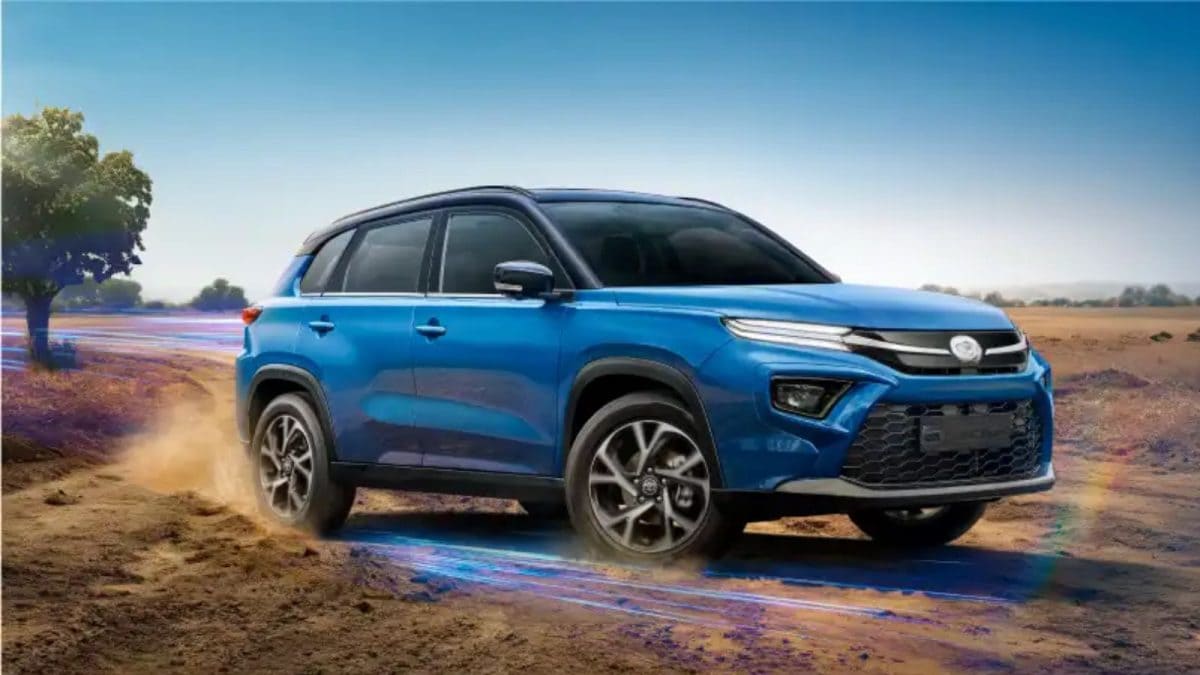
The Toyota Urban Cruiser Hayrider is the twin model of the Grand Vitara, which is based on almost the same platform and engine. Its S Hybrid variant starts from Rs 16.46 lakh. Mileage is also 27.97 km/litre. Due to Toyota brand, it is ahead in reliability and better resale value.

It has features like 9 inch touchscreen, wireless charging, Android Auto-Apple CarPlay, LED headlights and premium interior. Toyota's service quality and long-term durability make it a favorite for families who want to drive the car for a long time. Both the Grand Vitara and Hayrider have almost identical interiors and performance, but branding and some cosmetic differences differentiate them.

Which one makes sense to buy?

If we compare these three cars, Victoris is the cheapest and ahead in features like ADAS, while Hayrider is better in reliability. Grand Vitara is a balanced choice. Being all strong hybrids, they are environment friendly and can also get green tax exemption in some states. With 45 liter fuel tank, you will be able to do long trips comfortably. Although the initial price is slightly higher than petrol cars, the cost will be recovered due to fuel savings in 2-3 years.

Source link

Want to buy your favorite car without waiting? Follow these easy tricks, the car will come home

Want to buy your favorite car without waiting? Follow these easy tricks, the car will come home

The festive season (Navratri, Diwali, Dussehra, Dhanteras) is considered to be the most auspicious time to buy a new car in India. During this period, due to huge demand, the waiting period on cars increases from months to years. In such a situation, many people miss out on buying their favorite car.

If you want to enter home with your new car this Navratri or Diwali, it is wise to choose the smart path of pre-booking instead of last minute shopping. Here we are telling you the benefits of pre-booking and also the secret by which you can bypass the long queue.

Benefits of pre-booking

1. Price Protection: Auto companies often increase prices two-three times a year in the name of increasing input costs. Many companies offer 'price protection' to pre-booking customers, which means that even if the price of the car increases after booking, you will still get the car at the old price.

2. Preferred Color and Variant: You may have to compromise if stock is limited. At the same time, pre-booking gives you the freedom to choose a specific color and specific variant of your choice (like sunroof or automatic).

3. Festival Day Delivery Guarantee: Bringing a car home on the day of Dhanteras or Diwali is a different feeling. The names of those who pre-book are at the top of the priority list, due to which the chances of getting delivery at the auspicious time increases up to 90%.

4. Better Finance and Exchange Offers: By booking early, you stand a chance of getting better interest rates from banks and good exchange bonuses from showrooms. When there is high demand, dealers do not have time to negotiate.

The 'secret' to avoid long waiting

Mere booking is not enough. To get a car by booking quickly, you will have to adopt some 'insider tricks'. This ranges from 'unofficial' booking before launch to using multiple dealerships. Let us understand these points-

  • 'Unofficial' booking before launch: Often car companies give hints to dealers before starting official booking. Get in touch with your nearest dealer and deposit some amount as 'Expression of Interest'. With this you will get priority at the time of official booking.
  • Use of Multiple Dealerships: There can be many dealers of the same company in the same city. Big dealers have more allocation (number of cars coming), while small dealers have less crowd. Inquire at both places and book where the waiting list is shorter.
  • Flexibility in color and trim: If you are adamant on a color which is produced in less quantity, the waiting time will increase. Ask the dealer which variants are available in their pipeline. If you make a slight change in color, you can get the car weeks earlier.
  • Keep an eye on cancellation: Many times people cancel booking at the last moment due to loan rejection or change in plan. Tell your sales executive that if such a vehicle suddenly becomes available, you are ready to make the payment immediately.

Bonus Tip: Buying a car during the festive season is no less than a battle. Pre-booking not only ensures your peace of mind, but also saves your pocket. Always check the 'Refundable' clause on the booking receipt, so that if plans change, your money is safe.

Source link

This 7-seater car worth ₹ 5.76 lakh saved Renault's nose! people buying every day

This 7-seater car worth ₹ 5.76 lakh saved Renault's nose! people buying every day

Last Updated:

Renault and Nissan sold a total of 5525 units in February 2026. Renault Triber sales increased by 56.57%, while Nissan Magnite sales declined by 4%. Renault Kiger sales increased by 61%. Let us take a look at the model wise sales reports of both the companies.

news quickly

Zoom

Renault Triber remains the company's number-1 car.

Renault and Nissan have a very limited portfolio in the Indian market. Both the companies do business together here. Talking about the performance of last month, Renault has sold more than Nissan. A total of 3495 Renault vehicles were sold in February 2026. At the same time, Nissan has sold only 2230 units.

In this way, the total sales of both the companies in February 2026 was 5525 units. This figure shows a slight increase of 521 units on an annual basis as compared to 5004 units sold by them in February 2025. Nissan's performance is quite low. Let us take a look at their model wise sales report.

Renault Triber

Renault Triber is at number one in the list. This 7 seater car got 2419 new customers last month. This figure shows an impressive increase of 56.57 percent on an annual basis compared to the total 1545 units sold in February 2025. The company sells it at a starting ex-showroom price of only Rs 5.76 lakh.

Nissan Magnet

In terms of sales, Magnet is at second place. Last month it got a total of 2230 new customers. This figure shows a decline of 4 percent on an annual basis as compared to the total 2328 units sold in February 2025.

Renault Kiger

Renault Kiger is at third place in terms of sales. This 5-seater SUV was bought by 701 people last month. This figure shows an impressive increase of 61 percent on an annual basis compared to the total 433 units sold in February 2025.

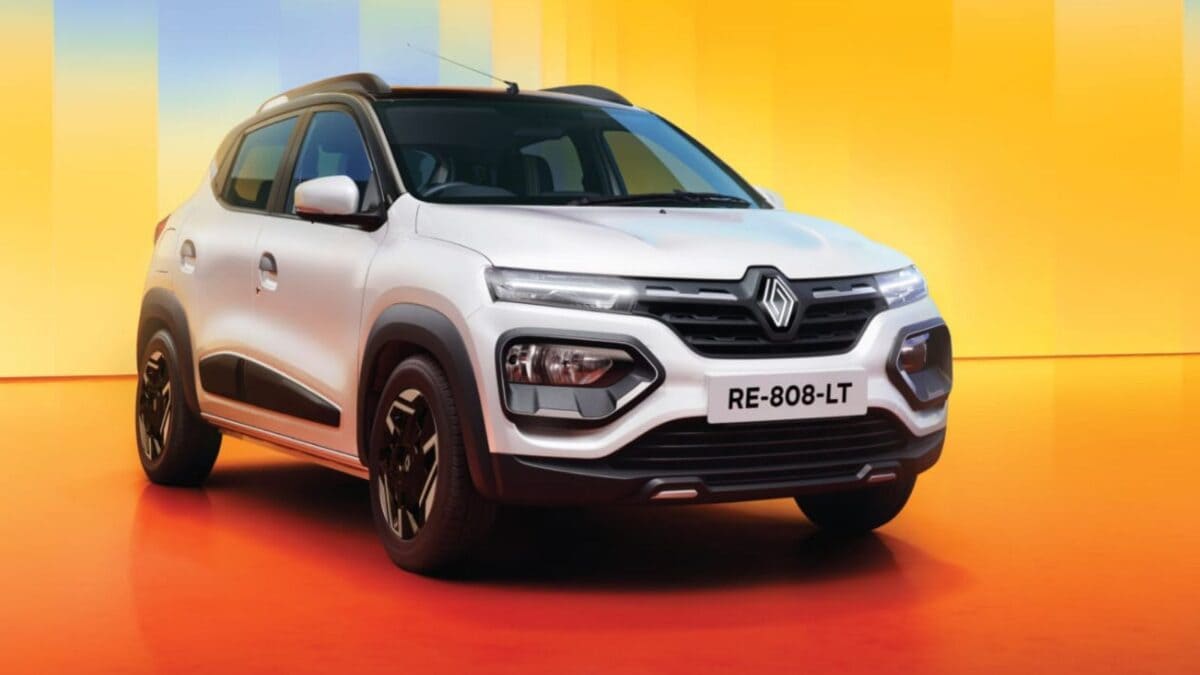
Renault Kwid

Kwid is in fourth and last place. This cheap car of Renault got 375 new customers last month. This figure shows a decline of 46 percent on an annual basis compared to the total 698 units sold in February 2025.

Future Plan: Both the companies have started further preparations. On one hand, Renault Duster will soon start selling in the market. At the same time, Nissan has also launched Nissan Gravite by rebadging Triber. Due to these two models, sales of both the companies may increase in the coming days.

Source link

People with how much salary should buy Hyundai Verna, know

People with how much salary should buy Hyundai Verna, know

2026 Hyundai Verna has recently been launched in the Indian market with new updates. The ex-showroom price of this popular sedan in Delhi has been kept at only Rs 10,98,400. Whereas, its top spec variant is available for Rs 18,40,400.

If you are planning to buy a new Verna in the coming days, then this article of ours is useful for you. In this article, we have brought for you the On Road Price and EMI details of this car. Let us know how much interest will have to be paid along with the installment?

Hyundai Verna On Road Price

As told to you, the ex-showroom price of Verna starts from Rs 10.98 lakh. If you want to buy it in the capital Delhi, then you will have to pay RTO charges of Rs 1,21,840 on the base variant of Verna. Apart from this, you may have to pay insurance amount of Rs 54,447 and other charges of Rs 11,484. In this way the on road price of Hyundai Verna becomes Rs 12,86,171.

Hyundai Verna Down Payment & EMI Details

If you give a down payment of Rs 2 lakh while buying a brand new car, then you will have to apply for a car loan on the remaining Rs 10,86,171. If your monthly income is good and your credit score is in good condition, then you will easily get this loan at an interest rate of 10 percent.

Let us assume that you will get this car loan for 5 years. In this way, at 10 percent interest rate, you can repay your car loan by paying a total of 60 EMIs of Rs 23,078. If added, you will pay a total of Rs 13,84,675 in installments. If Rs 2 lakh down payment is added, its price will be Rs 15,84,675 (after interest and EMI).

Our advice: The on-road price and EMI details of the vehicle mentioned above are just an example. This figure may change depending on the city, dealership, RTO and insurance company. If you earn up to Rs 60-80 thousand a month and there is no big loan going on, then buy this car on installment only.

Source link

Ferrari launches supercar for ₹ 10.37 crore, know its features

Ferrari launches supercar for ₹ 10.37 crore, know its features

Ferrari has launched its new flagship supercar 849 Testarossa in the Indian market. It is the successor to the SF90 Stradale carrying the classic 1980s Testarossa name. With plug-in hybrid technology, this supercar will give tough competition to Lamborghini Revuelto in the Indian market.

Its ex-showroom price starts from Rs 10.37 crore, which can reach Rs 11-12 crore if options are added. On-road prices in Delhi will start from around Rs 12 crore. Booking of Ferrari 849 Testarossa is also about to start. It can be purchased in two variant options – Standard and Assetto.

Design and dimensions

The Ferrari 849 Testarossa has a bold and aggressive design, inspired by 1970s endurance prototypes (such as the 512S) and classic Testarossas. With a low-slung silhouette (height only 1225 mm), length 4718 mm and width 2304 mm, it will dominate the road. At the front, L-shaped LED headlamps attached to black glossy trim, large air intake and front lip spoiler make it look sporty.

The side profile features large alloy wheels, black roof and A-pillar, large side air intakes and sculpted door panels. The rear gets a slim LED taillight bar, high-mounted dual exhaust, split spoiler and a large diffuser. Glass engine bay and active aerodynamics enhance high-speed stability. Overall, this is one of Ferrari's most sculpted and aerodynamic cars.

Cabin and Comfort

The cabin is completely driver-focused. There is no central infotainment screen in the split cockpit layout. Instead, a large 16-inch digital driver display and 9-inch passenger screen have been provided. The racing-style sport seats are made of premium leather and carbon fiber. Physical buttons are provided on the three-spoke flat-bottom steering wheel, which gives a racing feel. The interiors feature high-quality materials, ambient lighting and ergonomic design. The two seater configuration makes the supercar experience more exciting.

Features and safety

The feature list includes wireless Apple CarPlay and Android Auto, wireless phone charging, 7-speaker Hi-Fi audio system, steering-mounted phone controls, advanced HMI. The Assetto Fioreno package offers improved suspension, lightweight components and aero parts. The eDrive mode has race-ready features like silent electric driving, track mode and launch control.

It has anti-lock braking system (ABS), brake assist (BA), electronic brakeforce distribution (EBD), electronic parking brake and ventilated disc brakes as standard. Advanced Driver Assistance Systems (ADAS) include lane keep assist, emergency braking, traction control and stability control. Multiple airbags, carbon-fibre structure and high-strength steel chassis make it strong.

Powertrain details

The heart of the 849 Testarossa is a 4.0 liter (3990 cc) twin-turbo V8 petrol engine, which alone produces 830 hp power and 842 Nm torque. It has three electric motors attached to it – two on the front axle and one between the engine-gearbox. Combined power is 1050 cv (approximately 1036-1050 hp). All-wheel drive (AWD) system is provided with 8-speed dual-clutch transmission (DCT).

The 7.45 kWh battery pack offers a pure electric range of 25-26 km. The performance figures are excellent. It can do 0-100 km/h in just 2.3 seconds. Top speed is 330 km/h and WLTP fuel economy is 10.75 kmpl. This hybrid system is inspired by racing technology, which improves thermal management and power delivery.

Source link

This is the country's best selling 7-seater, priced at ₹ 8.80 lakh

This is the country's best selling 7-seater, priced at ₹ 8.80 lakh

Last Updated:

The demand for 7-seater cars in India remained very strong in February 2026. Maruti Ertiga once again secured the number-1 position with highest sales, while Mahindra Scorpio and Bolero also remained in the top-3. Toyota Innova, Kia Carens and XL6 also recorded excellent sales. Know the complete sales report of top-10 seven seater cars.

Maruti Suzuki Ertiga: It got 17,807 new customers last month. This figure represents an annual increase of 20 percent compared to the total 14,868 units of Ertiga sold in February 2025. Its starting ex-showroom price is ₹ 8.80 lakh. With a mileage of 26.11 km/kg, it is equipped with 6 airbags and advanced features.

Mahindra Scorpio

Mahindra Scorpio: Ertiga is at second place in terms of sales. This 7-seater SUV got 14,665 new customers last month. This figure shows an annual increase of 8 percent compared to the total 13,618 units sold in February 2025.

Mahindra Bolero: Third place belongs to Bolero. Last month it got a total of 9,863 new customers. This figure shows an annual increase of 13 percent compared to 8,690 units in February 2025.

Add News18 as
Preferred Source on Google

XUV 7XO White

Mahindra XUV 7XO: At number four is XUV 7XO. A total of 9,112 units were sold last month. It has been only a few months since this 7-seater SUV came into the market. Accordingly, these figures are correct.

Toyota Innova Hycross

Toyota Innova: Innova is at number five in terms of sales. A total of 8,703 units were sold last month. This figure shows an annual increase of 3 percent as against 8,449 units.

Kia Cars

Kia Carens: At number six in the list is Carens. A total of 6,815 units have been sold in February 2026. This figure shows an annual increase of 28 percent compared to the total 5,318 units sold in February 2025.

Maruti Suzuki XL6

Maruti XL6: At number seven is XL6. A total of 3,633 units were dispatched last month. This figure represents an impressive increase of 93 percent year-on-year compared to the total 1,878 units sold in February 2025.

Toyota Fortuner

Toyota Fortuner: The eighth number belongs to Fortuner. This 7-seater SUV got 3,076 new customers last month. This figure shows an annual increase of 7 percent compared to the total 2,876 units sold in February 2025.

Renault Triber

Renault Triber: Triber is at ninth place in terms of sales. A total of 2,419 units were sold last month. This figure shows an impressive increase of 57 percent on an annual basis as compared to 1,545 units sold in February 2025.

Tata Safari

Tata Safari: Safari is also in the top-10 list. A total of 1,650 units were sold last month. This figure shows an annual increase of 6 percent as compared to 1,562 units sold in February 2025.

Click here to add News18 Hindi as your favorite news source on Google.

Source link

Tata Sierra EV will take the market by storm! Know launch details

Tata Sierra EV will take the market by storm! Know launch details

Tata Motors is going to give new excitement to the Indian market by bringing its iconic Sierra nameplate in electric avatar. The original Sierra was launched in 1991, which was India's first domestic SUV. Now its fully electric version is going to come in 2026, which will be positioned between Nexon EV and Curve EV and will be below Harrier EV.

The expected launch date of Tata Sierra EV is in the second quarter of 2026 i.e. between April to June 2026. Unofficial bookings have started at ₹11,000 token. The estimated price is ₹20 to ₹25 lakh ex-showroom, which will make it competitive in the mid-size electric SUV segment. Let us know how special is it going to be?

design details

Talking about design, Sierra EV Neo is made in retro style, which combines the boxy look of the old Sierra with a modern touch. Features like upright stance, flat bonnet, closed-off grille (EV specific), split LED headlamps, full-width LED light bar, flush door handles, muscular bumpers, squared wheel arches and dual-tone roof make it adventure ready.

The rear has wraparound windows and connected LED tail lamps. The panoramic glass roof (alpine style but safety compliant) makes it special. This is a five-door compact SUV, which is different from the three-door model. The design looks more premium and boxy than the Nexon and Curve, which gives an off-road feel.

Cabin and Comfort

The interior is very premium and spacious. Features include floating center console with triple-screen dashboard (12.3-inch digital cluster, central infotainment and passenger display), four-spoke steering wheel (illuminated Tata logo), dual-tone materials, ambient lighting and panoramic sunroof.

Front seats are powered and ventilated, second row ventilation, dual-zone climate control, wireless charger, premium audio system (with JBL or Dolby) and connected car tech (iRA app). The cabin is airy and minimalistic, with soft touch materials and wide glass panels creating a light and spacious feel.

Features and safety

The list of features is long. Level-2 Advanced Driver Assistance Systems (ADAS) include adaptive cruise control, lane departure warning, autonomous emergency braking, 360-degree camera, vehicle-to-load (V2L) and vehicle-to-vehicle (V2V) charging, over-the-air (OTA) updates, wireless Android Auto/Apple CarPlay, and multiple drive modes. Power tailgate, ambient lighting and connected tech make it as premium as the Harrier EV.

Tata never compromises on safety. Sierra EV will have 6-7 airbags as standard, ABS with EBD, ESC, hill hold assist, TPMS, electronic parking brake and strong structural integrity. There is a 360 camera and other assist features with Level-2 ADAS. A 5-star rating is expected in Bharat NCAP, which will give high safety scores like Tata's EV lineup.

Battery, Motor and Range

It is built on Acti.EV+ platform, which provides multi-layer skateboard design, fast charging and ADAS support. Battery options can be 55 kWh, 65 kWh or 75 kWh. Single motor RWD (about 167 hp) and dual motor AWD (up to 238 hp) configurations will be available. ARAI claimed range is 450-550 km (500+ km real world in some reports), which will be tested on MIDC cycle. Top speed will be up to 170 kmph and DC fast charging support (10-80% fast charge). LFP battery technology will provide long life and safety.

Source link

30 lakh people bought this cool car, price starts from only ₹ 6.26 lakh

30 lakh people bought this cool car, price starts from only ₹ 6.26 lakh

Last Updated:

India's most popular compact sedan Maruti Suzuki Dzire has made another big record. The company has announced that more than 30 lakh units have been sold since its launch, while it was the country's best-selling car in 2025. You can also plan to buy it after knowing its price, features, mileage and safety.

news quickly

Zoom

Maruti Suzuki Dezire is the best selling sedan in the country.

Maruti Suzuki Dzire is the most liked compact sedan in the country. Due to excellent demand, it has crossed the milestone of 30 lakh sales in India. The company recently announced that a total of 30 lakh units have been sold since its launch in 2008. It was the country's best-selling car in 2025, with 2.14 lakh units sold.

Ex-showroom prices of Maruti Dezire start from Rs 6.26 lakh (LXi base) to Rs 9.31 lakh (ZXi Plus top). The on-road price in Delhi can be around Rs 7.09 lakh to Rs 10.50 lakh. Both petrol and factory-fitted CNG options are available. After the recent GST update, the prices have become more attractive. Let us take a look at the details from its design to the engine.

Maruti Dzire design

The look of the new generation Dezire (2024-25) is completely new and premium. Up front, sleek LED Crystal Vision headlamps, flowing LED DRLs and bold grille make it futuristic. There are 3D Trinity LED tail lamps and chrome strip at the rear. 15-inch two-tone alloy wheels, shark-fin antenna and sharp lines give it a sporty look. 7 attractive colors available.

Cabin and Comfort

Its interior is spacious and premium. This dual-tone black-beige dashboard comes with silver accents. Rear AC vents, electric sunroof and automatic climate control add to the comfort. 9-inch SmartPlay Pro+ touchscreen, wireless Apple CarPlay-Android Auto and 360° HD camera are in the top variant. Rear seat space is good, boot space is also available at 382 litres. for safety

Features and safety

The company sells it with features like cruise control, wireless charger, keyless entry, Suzuki Connect telematics, rear armrest and USB ports. ARKAMYS sound system is available in infotainment. It has received 5-star Global NCAP and India NCAP ratings for safety. 6 airbags are standard across all variants. HEARTECT platform, ESP, hill hold, ABS-EBD, TPMS and ISOFIX make it special.

Engine and Mileage

The company sells it with a 1.2 liter 3-cylinder Z12E petrol engine (81.58 PS power, 111.7 Nm torque). It comes with 5-speed manual or AGS auto transmission. Mileage in petrol ranges from 24.79 kmpl (MT) to 25.71 kmpl (AGS) and in CNG variant it ranges from 69.75 PS to 33.73 km/kg.

Source link