New Hyundai Exter vs Nissan Magnite: Which SUV is wiser to buy? Know

New Hyundai Exter vs Nissan Magnite: Which SUV is wiser to buy? Know

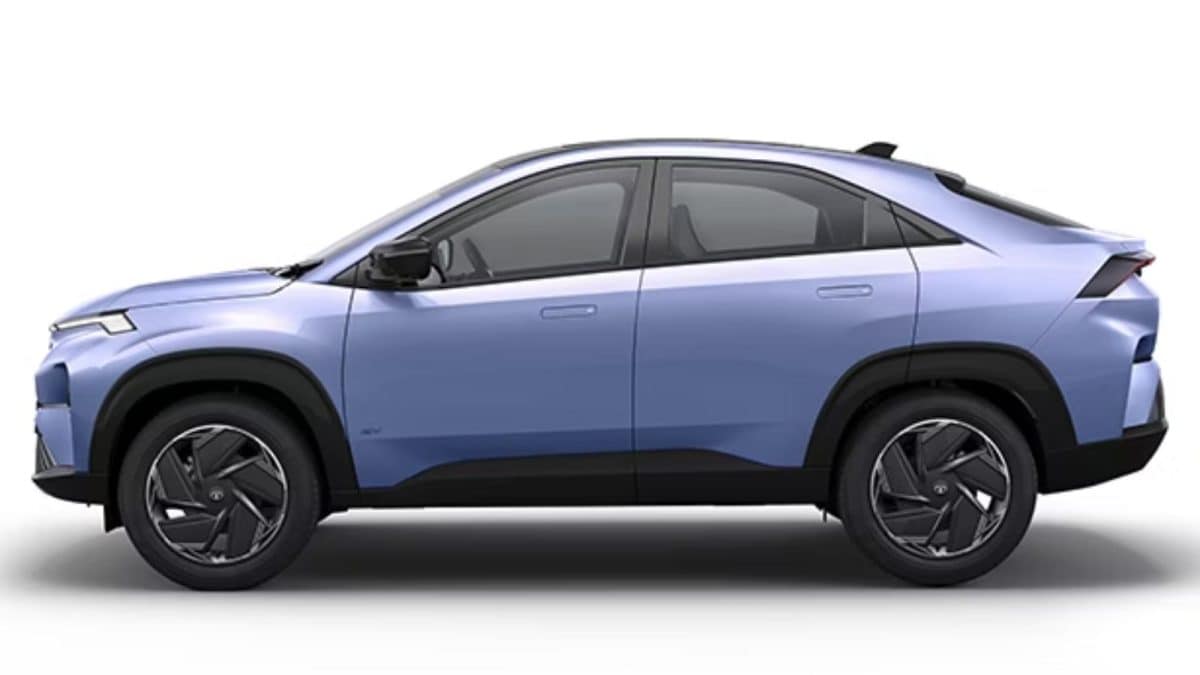
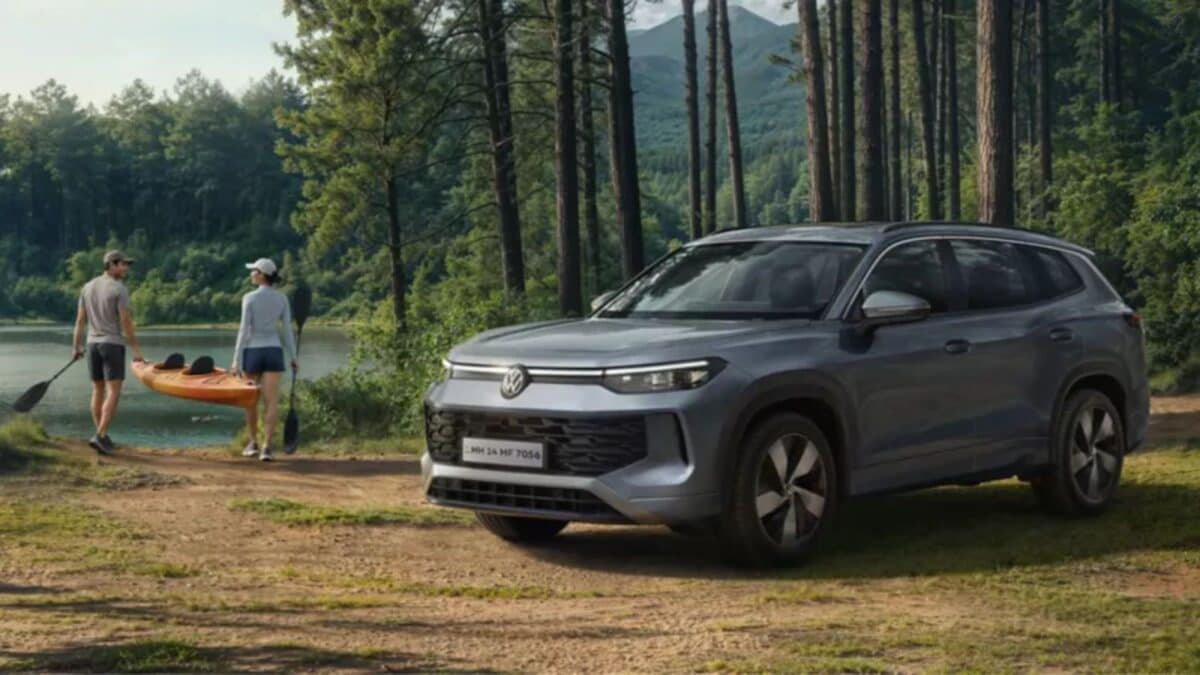
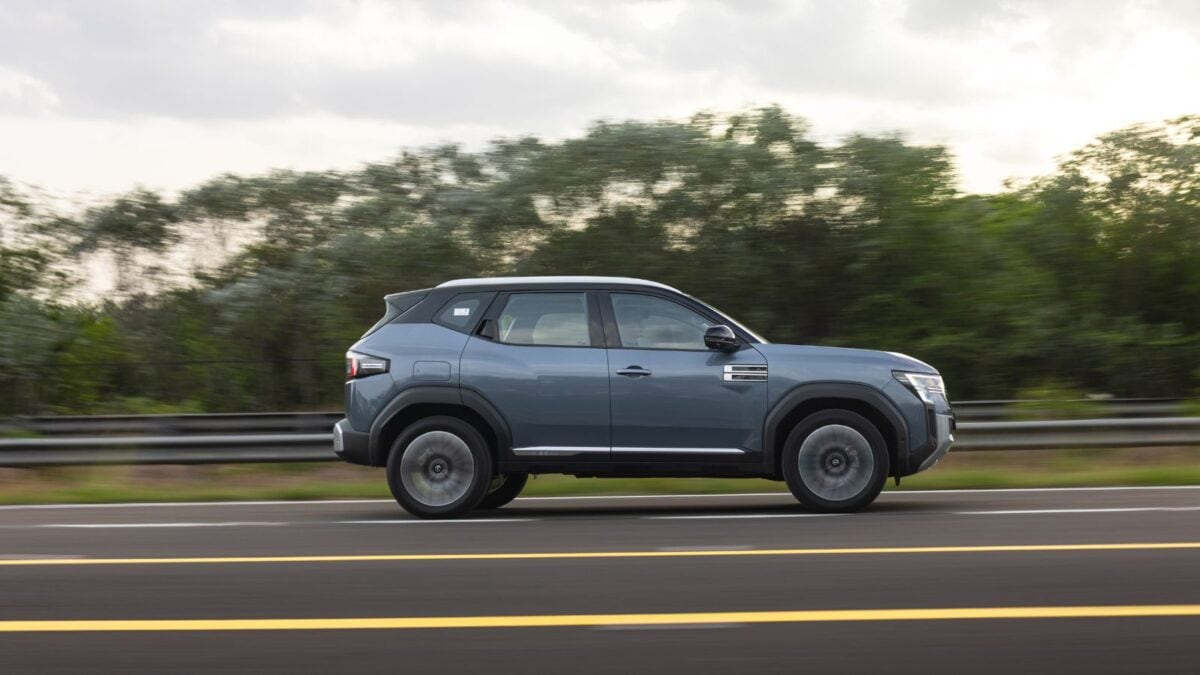
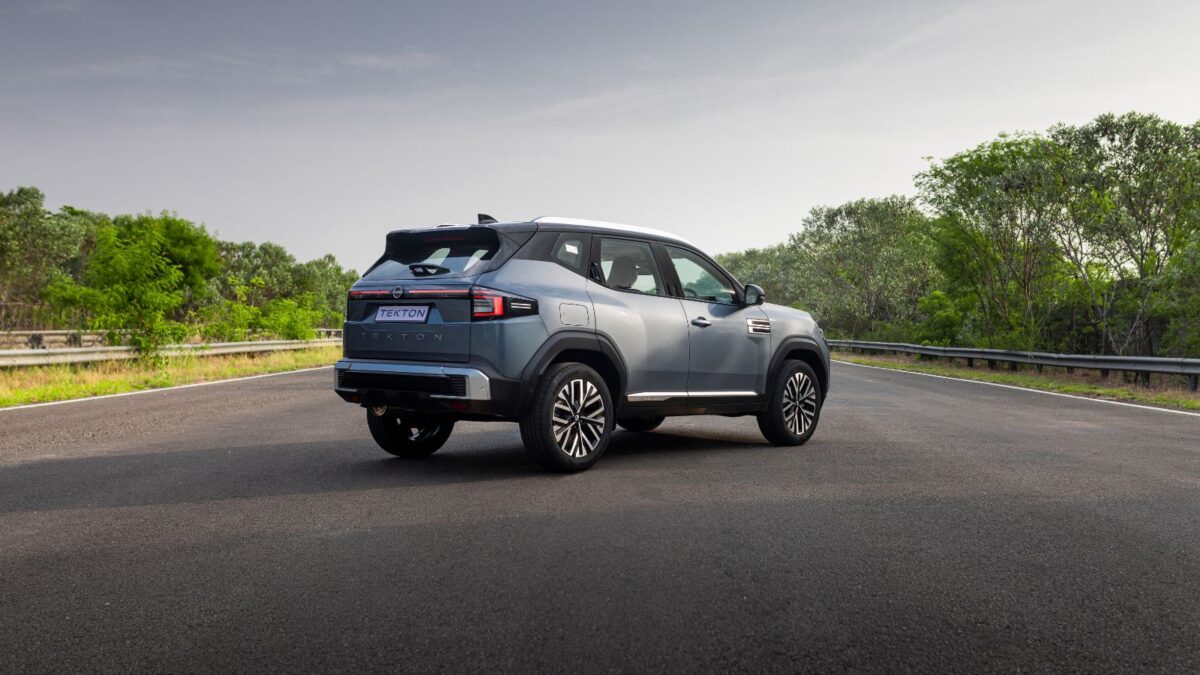
New Hyundai Exter vs Nissan Magnite: Exter and Magnite are two popular options within the micro SUV segment. Both attract young buyers, but there is a lot of difference between them in terms of style, features, performance and value for money. If your budget is between Rs 6-12 lakh, then know which of these two is a more profitable deal to buy?

First of all let's talk about the price. Ex-showroom price of Exter in Delhi starts from Rs 5.80 lakh and goes up to Rs 9.57 lakh for the top variant. Whereas, Magnite starts from Rs 5.62 lakh and goes up to Rs 10.96 lakh for the top Turbo CVT variant. Let's take a look at their design, interior, features, safety, engine and mileage details.

Design and interior

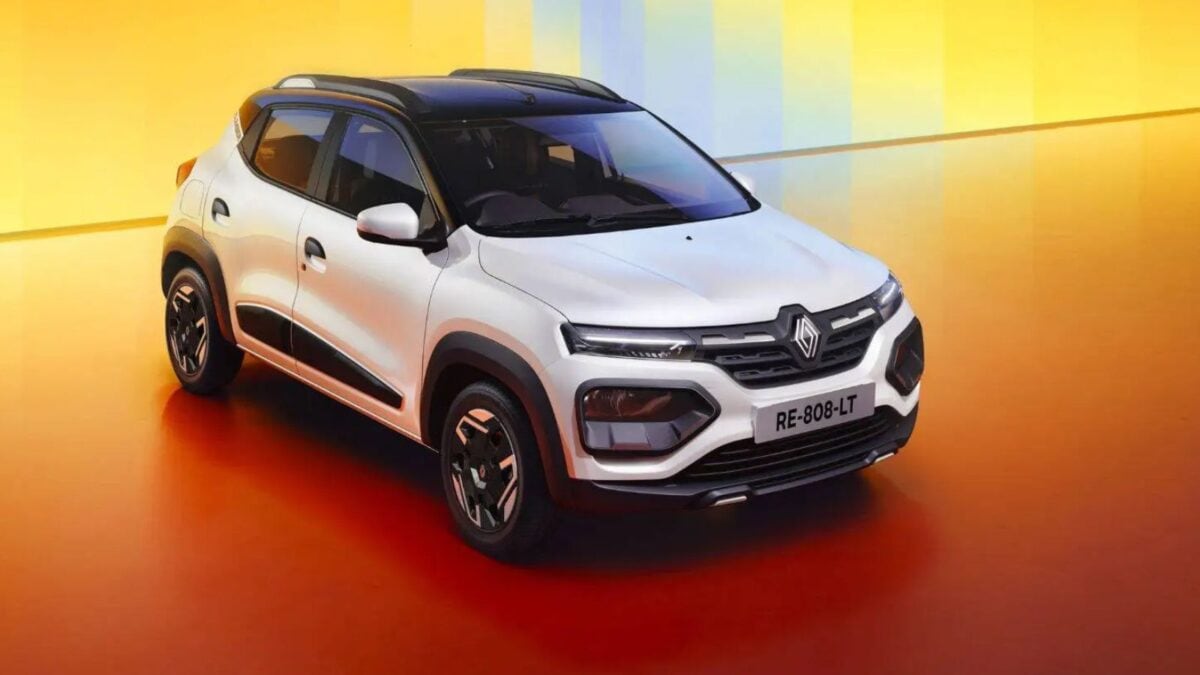
Exter's new facelift model gives a fresh and modern look. Updated grille, new alloy wheels, LED lights, wing type spoiler and premium polished finish make it special. It is compact (length of approximately 3830 mm) and cute SUV style, which is easy to move around in the city. The design of Magnite is more bold and aggressive. Its length is 3994 mm and ground clearance is 205 mm. The Magnite has a better look and stance on the highway or bad roads, while the Exeter maintains a youthful and stylish appeal.

The cabin of the Exter is now upgraded with a dual-tone theme, better materials, 3D carbon finish, metal pedals and a premium feel. Space is good, but Magnite being slightly wider gives more space and airy feel in the cabin. Both have 5 seaters. The boot space of the Exter is 391 litres, while that of the Magnite is 336 liters (up to 690 liters when folded). The Exter gets more sunroof, wireless charging and better quality switch-gear, which makes long drives comfortable.

Features and safety

An 8-inch touchscreen, wireless Android Auto/Apple CarPlay, cruise control, auto AC, dashcam, connected car tech and many convenience features come standard on the Exter. Magnite comes with 360° camera, large touchscreen, premium audio and some unique storage options. Exter is slightly ahead in feature loading.

For safety, Exeter has 6 airbags as standard, ESC, HAC, TPMS and 40+ safety features. Magnite also has 6 airbags, 360° monitor, ESC and high-tensile steel body. Both perform well in the segment, but the safety package of Exter seems more complete.

Engine and Mileage

The Exter is powered by a 1.2 liter 4-cylinder Kappa petrol engine (82 PS power, 114 Nm torque), which is smooth, refined and perfect for city driving. Mileage is around 19 kmpl in petrol and up to 27.1 km/kg in CNG. 1.0 liter NA (72 PS) and Turbo (100 PS, 160 Nm) options are available in Magnite. The turbo variant is more powerful and fun, but the mileage is around 19.9 kmpl.

Source link

2026 Renault Duster vs MG Astor: Which SUV makes more sense to buy? know this

2026 Renault Duster vs MG Astor: Which SUV makes more sense to buy? know this

2026 Renault Duster has entered the Indian market in a new avatar after a long wait. This car, which once ruled the mid-side SUV segment, is going to make a splash in the market again. However, it is also going to face strong competition from some models. The name of MG Astor is also included in this. In such a situation, let us know which of these two SUVs will be more profitable to buy.

First of all let's talk about the price. The starting ex-showroom price of the new Duster starts from ₹ 10.49 lakh and goes up to ₹ 18.49 lakh. Whereas, MG Aster is available in the range of ₹ 9.79 lakh to ₹ 15.50 lakh (ex-showroom). Duster is a bit expensive, but comes with more variants and powertrain options. Let us now take a look at the details of these two SUVs, from design to engine and mileage.

Design and interior

The new Duster comes with aggressive and modern SUV styling. Strong rooflines, full LED headlamps, panoramic sunroof and 212 mm ground clearance. It seems better for rough terrain. MG Astor has a stylish and premium look, with sharp lines, LED lights and a sleek profile, which is attractive for city driving. Duster gives more rugged feel.

Duster has dual screen setup (10.1 inch infotainment + 10.25 inch driver display), Google based system, ventilated seats, powered tailgate and large 518 liter boot space. The cabin is spacious and the quality is good. The interior of Aster is also premium. It gets a large touchscreen, digital cluster, good material finish and comfortable seating. However, compared to the Duster, it has a slightly smaller boot and less space inside.

Features and safety

Duster is equipped with advanced features. It has 17 ADAS features, 360° camera, panoramic sunroof, connected car technology and multi-mode drive. Astor also has 360° camera, wireless charging, sunroof and good connectivity features, but Duster is ahead in ADAS. Apple CarPlay and Android Auto are available in both. For safety, Duster has 6 airbags as standard and disc brakes. This is a safer option with ADAS. Astor also has 6 airbags, 360° camera, TPMS and hill control, but the ADAS level is lower.

Engine and Mileage

Duster can be purchased with three engine options – 1.0 liter turbo (100 PS), 1.3 liter turbo TCe 160 (163 PS/280 Nm) and 1.8 liter strong hybrid (163 PS) engine. Mileage is 17-18 kmpl (petrol) and up to 25 kmpl is possible in hybrid. It will have 6-speed MT or DCT gearbox options. The Astor is powered by a 1.5 liter petrol engine (108 PS/144 Nm), which is smoother but less powerful than the Duster. Mileage is around 14.8-15.4 kmpl.

Source link

2026 Volkswagen Taigun facelift will be launched on April 9, much will change from before

2026 Volkswagen Taigun facelift will be launched on April 9, much will change from before

2026 Volkswagen Taigun facelift is scheduled to be launched in India on April 9. This mid-size SUV is already popular for its strong build quality, driving dynamics and safety. The facelift model is expected to bring major changes in exterior design, interior, features and some transmission updates. This update will be very similar to the Skoda Kushaq facelift.

The biggest change will be in the design. The exterior of Taigun facelift will look more modern and sharp than before. According to spy images and reports, the front will get a newly redesigned grille, slimmer LED projector headlamps and connected LED daytime running lights (DRLs). The headlamps will have a new LED signature, which may resemble the VW Tyrone. The bumper will also be revised, which will include larger air dams and a new look.

design update

There is a possibility of getting redesigned LED taillights at the rear, which can be connected with a full-width light bar. There will be new detailing in the bumper also. The overall silhouette will remain the same, but the updated lighting and bumpers will make the car look more premium and attractive.

Illuminated VW logo is also seen in some spy shots. New colors and alloy wheel designs can also be introduced. These changes will give Tigun a fresh look compared to competitors like Creta, Seltos and Grand Vitara. The length and width of the facelift model will remain almost the same, but styling updates will make it look more modern.

Cabin and Comfort

There are going to be a lot of upgrades in the interior, which will make the cabin more premium. The dashboard layout will remain clean and driver-friendly, but the materials will improve. More soft-touch surfaces and updated trim finishes will be available. A new 10.25-inch digital instrument cluster (Digital Cockpit) will be available, which will have turn-by-turn navigation and customizable display options.

The infotainment system will be an updated 10.1-inch or larger touchscreen, with AI Assistant (Google Gemini or similar) integration, wireless Android Auto and Apple CarPlay support. Panoramic sunroof (dual-pane) can be found in standard or higher variants, which will give the cabin a more spacious and airy feel. Front seats will be powered and ventilated. Reports also mention rear seat massage function, which will increase comfort on long drives.

Features and safety

Taigun facelift will be feature-packed. The new additions include panoramic sunroof, 10.25-inch digital cluster, updated infotainment with AI companion, rear seat massager and ventilated front seats. Existing features like cruise control, rain-sensing wipers, auto IRVM, Type-C USB ports and connected car technology will remain intact.

Higher variants will get powered front seats, ambient lighting and better sound system. Front parking sensors are also mentioned in some reports. Overall, the facelift will make the Taigun one of the most featured SUVs in the segment. However, level-2 features like ADAS (Advanced Driver Assistance System) have not been confirmed yet. These were skipped in the Kushaq facelift, so they probably won't come in the Taigun too.

Engine and Performance

There will be no major changes in the engine lineup. The 1.0-litre 3-cylinder TSI turbo petrol engine will deliver 115 PS power and 178 Nm torque. The 1.5 liter 4-cylinder TSI turbo petrol engine will produce 150 PS power and 250 Nm torque. Both the engines provide smooth, responsive and fun driving on the highway. The big update to the 1.0-litre engine will be a new 8-speed torque converter automatic gearbox, replacing the existing 6-speed unit. Along with this, 6-speed manual transmission will also remain intact.

Source link

From Hamza's Hummer H2 to SP Aslam's Lexus LX 470, these vehicles shine in Dhunradhar 2

From Hamza's Hummer H2 to SP Aslam's Lexus LX 470, these vehicles shine in Dhunradhar 2

Last Updated:

Dhurandhar and Dhurandhar 2 are in the news not only for the action and starcast, but also for the powerful SUVs and luxury cars. From Ranveer Singh's Hummer H2 to Sanjay Dutt's bulletproof Lexus LX 470 and Arjun Rampal's Land Rover Defender, each vehicle reflects the personality of the character. These cars used in the film are not just a show-off but also make the action scenes more real. Know which actor drove which powerful car and why these cars became the life of the film.

Both the films Dhurandhar and Dhurandha 2 are full of action. Along with its story, casting and acting, there was a lot of excitement about cars in both the parts. Stars like Ranveer Singh, Sanjay Dutt, Akshay Khanna and Arjun Rampal entered the movie with many cool SUVs. At the same time, a luxury sedan was also seen near Rakesh Bedi.

Hamza with bike

The first film featured rugged SUVs in Pakistani background scenes, while Dhurandhar 2 uses luxury and powerful off-roaders with a revenge theme. These cars are not just transportation but also reflect the personality of the characters. The choice of cars in the film is realistic and supports the action sequences. Let us know which actor stole the show with which car.

Hamza Ali Mazari's Hummer H2: In Dhurandhar 2: The Revenge, Ranveer Singh's character has upgraded from the motorcycle of the first film to a Hummer H2. This iconic SUV reflects the elegance and power of Hamza. Hummer H2 is basically inspired by HMMWV, which was the first choice of celebrities like Mike Tyson.

Add News18 as
Preferred Source on Google

Rehman Dacoit's Toyota Land Cruiser 60 Series: The dreaded villain Rehman Dacoit played by Akshay Khanna was riding a Toyota Land Cruiser FJ60. It is a rugged SUV from the 1980s, known for its off-road capability and toughness. In the film, this car shows the dominance of dacoit Rehman in the dangerous areas of Lyari.

SP Aslam Chaudhary's Lexus LX 470: Sanjay Dutt's character SP Aslam Chaudhary used Lexus LX 470 in the film. This luxury SUV has been shown in bullet proof version. Lexus LX 470 is known for its comfort, powerful engine and off-road capability and it matches perfectly with Sanjay Dutt's rugged image.

Major Iqbal's Land Rover Defender: Major Iqbal played by Arjun Rampal has used a Land Rover Defender. This car is perfect for rugged terrain and missions. The robust look of the Defender matches the commanding personality of Major Iqbal.

Jameel Jamali's Mercedes-Benz S-Class: Rakesh Bedi's character has used Mercedes-Benz S-Class, which is a symbol of luxury. Apart from this, indigenous cars like Toyota Qualis were also seen in the background, which adds realism. Overall, the car director has made a balanced choice.

Click here to add News18 Hindi as your favorite news source on Google.

Source link

These are the 5 best cars of the country cheaper than ₹ 10 lakh, prices start from only ₹ 5.62 lakh.

These are the 5 best cars of the country cheaper than ₹ 10 lakh, prices start from only ₹ 5.62 lakh.

HomePhotoAutoCar

These are the 5 best cars of the country cheaper than ₹ 10 lakh, price starts from ₹ 5.62 lakh

Last Updated:

If you want to buy the safest car in a low budget, then this news is very special for you. There are many such cars now available in India, which have received 5-star safety rating from Bharat NCAP and Global NCAP. From Mahindra XUV 3XO to Tata Nexon, Skoda Kylaq, Maruti Dzire and Nissan Magnite. All these models are not only economical but are also equipped with advanced safety features. Know which car is the best option according to your budget and needs.

Mahindra XUV 3XO: Mahindra's new XUV 3XO has surprised everyone in terms of safety. The car has received a full 5-star rating for both adult and child occupant protection in the Bharat NCAP crash test. With a starting price of ₹7.37 lakh (ex-showroom), it is one of the safest options in the budget.

Mahindra XUV 3XO

Along with safety, XUV 3XO is also top in features. It has standard 6 airbags. Apart from this, it has been provided with features like Electronic Stability Control (ESC), disc brakes on all four wheels and three-point seatbelts, which make it a strong car on the road.

tata nexon

Tata Nexon: Nexon is one of the first cars in India which started the trend of 5-star rating. The new Nexon currently on sale has received a 5-star rating in both Global NCAP and Bharat NCAP. Its starting price is around ₹ 7.32 lakh, which makes it safe and affordable.

Add News18 as
Preferred Source on Google

Tata Nexon

All variants of Nexon come with 6 airbags and ISOFIX child seat mounts. Its high-strength steel body is capable of withstanding shocks during crashes. Additionally, features like hill hold control and traction control keep the driver safe even on difficult roads.

Skoda Kylaq

Skoda Kylaq: Skoda's most affordable SUV Kylaq has created a stir as soon as it arrived. It has received a 5-star rating in the Bharat NCAP test. With a starting price of ₹ 7.59 lakh, this car is a great example of European engineering and safety. It is based on Skoda's secure platform MQB-A0-IN.

Skoda Kylaq

There has been no compromise on security in Kailak. It has advanced features like 6 airbags, multi-collision braking and electronic differential lock. Its strong body structure keeps it safe in case of collision, making it a perfect car for both children and adults.

Maruti Suzuki Dzire

Maruti Suzuki Dzire: Maruti has created history with its new Dezire (2024-25 model). This is the first car from Maruti to get 5-star safety rating in the Global NCAP test. Starting at ₹ 6.26 lakh, this sedan has now become the best in terms of safety as well.

Maruti Dzire

Features like 6 airbags, ABS with EBD and stability program are available as standard in the new Dezire. Along with excellent mileage, now customers are also getting the guarantee of safety. Its body has been made stronger than before, making it safe for both city and highway.

Nissan Magnet

Nissan Magnite: It is known for its low price and great looks. Its facelift model also has a 5-star rating (Global NCAP) for safety. With a starting price of ₹5.62 lakh, this is the cheapest 5-star rated compact SUV in this list.

Magnite has features like 360-degree camera, which increases safety in parking and narrow streets. It has been provided with important features like hill start assist, hydraulic brake assist and tire pressure monitoring system (TPMS). It offers a complete safety package in a low budget.

Click here to add News18 Hindi as your favorite news source on Google.

Source link

How much will Renault Duster run on one liter of petrol? the company told

How much will Renault Duster run on one liter of petrol? the company told

Fuel efficiency figures of the turbo variants of the new Renault Duster have been revealed. The company has officially announced how much its SUV will be able to run on one liter of petrol. The most powerful 1.3L turbo petrol (TCe 160) engine in the segment is capable of giving a maximum mileage of up to 18.45 KMPL.

The 1.3L turbo engine of Renault Duster is more fuel efficient in automatic transmission compared to manual. According to the data released by ARAI, it is capable of giving a mileage of up to 17.75 KMPL with MT and 18.45 KMPL with AT. The company will also bring its strong hybrid variant around Diwali, which will give more mileage.

design details

The look of the new Duster is bold and modern. There is a new signature front grille, Y-shaped LED DRLs, full LED headlamps and taillamps, an aggressive front bumper with a connected rear light bar and a sculpted body. Ground clearance is 212 mm, approach angle is 26.9° and departure angle is 34.7°, which maintains off-road capability. 17 or 18 inch alloy wheels, roof rails (50 kg load capacity) and multiple color options are available. With length 4346 mm and wheelbase 2657 mm, it looks muscular on the road.

Cabin and Comfort

The interior has become quite premium now. It gets a dual screen setup, soft-touch materials, leatherette upholstery, 48-color ambient lighting, ventilated front seats, panoramic sunroof and good boot space (518 litres) with a wireless charger. The dashboard is tilted towards the driver, the raised center console and flat-bottom steering wheel give a sporty feel.

Features and safety

The top variants get panoramic sunroof, 360° camera, wireless Android Auto/Apple CarPlay, dual-zone climate control, connected car tech, OTA updates and multi-sense drive modes (Eco, Comfort, Perso). Infotainment has navigation, voice control and apps like Prime Video, Waze etc.

6 airbags are standard in it. ADAS features (Adaptive Cruise Control, Active Emergency Braking, Lane Keep Assist, Traffic Sign Recognition, Blind Spot Warning) ESC, TPMS, ISOFIX and disc brakes on all-four wheels.

Engine and Performance

There are two options in turbo variants. 1.0L turbo petrol (TCe 100) provides 100 PS power and 166 Nm torque. The 1.3L turbo petrol produces 163 PS power and 280 Nm torque (most powerful in the segment). It can be bought with 6-speed manual or 6-speed DCT. The company has kept its starting ex-showroom price at ₹ 10.49 lakh, which goes up to ₹ 18.49 lakh for the top spec variant.

Source link

Tata Sierra is being tested, preparations to bring AWD or CNG variants?

Tata Sierra is being tested, preparations to bring AWD or CNG variants?

Last Updated:

Tata Sierra is in news again! The new exhaust of the SUV in the latest spy shots indicates that the company is working on a CNG or AWD version. If this happens then it can become a big game changer in the SUV segment. Will there be a big launch in 2026? Read the news to know complete details.

news quickly

Zoom

tata sierra

Tata Motors' iconic SUV Sierra has recently made headlines again. Even after its launch, the new Tata Sierra has been spotted testing on Indian roads. This time the exhaust tailpipe visible in the spy shots is attracting special attention.

Auto experts believe that this test mule can either be of CNG version or the AWD (all-wheel drive) variant is being tested. Both options are included in the company's plans and they are going to give direct competition to Maruti Suzuki's popular SUVs. Let us know what was seen in the Sierra that was spotted during testing.

What does Tata Sierra get?

Tata Sierra was launched in December 2025 with a starting price of ₹ 11.49 lakh (ex-showroom). It competes with cars like Hyundai Creta, Kia Seltos and Maruti Grand Vitara in the compact SUV segment. The design of Sierra gives a modern touch with a retro look. Bold front grille, muscular body and premium features. Large touchscreen, premium material and advanced safety features have been provided in the interior.

What updates to expect?

The currently available variants have 1.5-litre turbo petrol and diesel engines, which give good performance. But considering the demand of buyers, Tata is accelerating work on CNG and AWD versions. The CNG version will be attractive to those seeking fuel efficiency and low running costs, especially in cities where CNG is easily available.

The AWD version will provide better grip off-road and in bad weather, which will keep the 4×4 heritage of the original Sierra alive. The ARGOS platform supports AWD and if demand is good then it can be launched in 2026.

Which SUV will it compete with?

Maruti Victoris already offers Petrol, Strong Hybrid, CNG and AWD options. Tata's new CNG or AWD version will directly target the same. This may further increase the sales of Sierra. The company is doing production at the Sanand plant and from testing it seems that the new variants may hit the roads soon.

Overall, the new Tata Sierra is a great combination of nostalgia and modern technology. If CNG and AWD versions come, it will create a stronger position in the segment. Auto lovers are now waiting for Tata to make the official announcement.

Source link

Kia EV2 entry in European market, know range details along with price

Kia EV2 entry in European market, know range details along with price

Last Updated:

Kia has launched its cheapest electric SUV EV2, which offers a range of up to 453km at a starting price of ₹ 24 lakh. It has features like ADAS, V2L, panoramic display and premium interior. You will be surprised to see so much technology in a compact size. To know complete details, please read the news.

news quickly

Zoom

Kia EV2 has been launched in the European market.

Kia has launched its cheapest and compact electric SUV Kia EV2 in Europe. The price of this model, unveiled at the Brussels Motor Show 2026, starts from 26,600 Euro (approximately ₹ 24 lakh). In Germany, the starting price of the 'Lite' base variant (42.2 kWh battery, 4-seater) is the same, while the price of the long-range 'Air' variant goes up to €33,490.

Lease option also available from €239/month. This is Kia's most affordable EV, which competes with compact EVs like Renault 5 and VW ID.2. The design is attractive and modern. The EV2 is a compact B-segment SUV with a boxy and upright style at just 4.06 meters long. With a flat roof, vertical sides and progressive EV aesthetics, it utilizes space efficiently. LED headlamps, black cladding and sporty wheels in the GT-Line variant give it a premium look.

Cabin and Comfort

Its interior is quite spacious and versatile. With sliding and reclining rear seats (above Air trim) leg room increases to 958 mm. Boot space expands from 362 liters to 403 litres, plus there's a 15-litre frunk. The panoramic wide display has a 12.3-inch driver cluster, 12.3-inch infotainment and 5-inch climate panel. The ccNC Lite system supports wireless Apple CarPlay and Android Auto.

Features and safety

This includes tow hitch (750 kg capacity), V2L/V2G support, remote smart parking assist and 11/22 kW AC charging. For safety, Highway Driving Assist 2 (HDA 2), Front Collision Avoidance 2.0 (FCA), Smart Cruise Control 2, Lane Keeping and Following Assist, Parking Sensors, Rear Camera and many ADAS features have been provided. Remote smart parking assist is unique in the segment.

Powertrain and range

It is based on front-wheel drive single motor. The 108 kW (about 146 hp) motor in the standard range accelerates from 0-100 km/h in 8.6 seconds. Slightly less power but better efficiency in long range. It has been introduced in two battery options. The WLTP range from the 42.2 kWh battery is 317 km (197 mi), while the 61 kWh battery is 453 km (281 mi). 10-80% DC fast charging with 400V architecture in just 29-30 minutes.

Source link

These are the country's best SUVs priced below ₹ 6 lakh

These are the country's best SUVs priced below ₹ 6 lakh

Last Updated:

Most Affordable SUV Under 6 Lakh in India: Buying an SUV in a budget of ₹ 6 lakh is no longer a dream. 5-star safety of Tata Punch, premium features of Hyundai Exter, great mileage of Nissan Magnite and big boot of Renault Kiger. These four SUVs are best in their own style. If you want strong looks, great features and reliable performance at a low price, then this list is the perfect guide for you. To know the complete comparison, please read the news.

Tata Punch: If you are looking for an SUV which is muscular in appearance and number one in safety, then Tata Punch can be your first choice. The ex-showroom price of its base model Smart starts from ₹ 5.59 lakh. This car is best for those who want the feel of Mini Harrier in budget.

Tata Punch

In Tata Punch you get a 1.2-litre Revotron petrol engine, which gives enough power for both city and highway. The most special thing is its 5-star BNCAP safety rating, which makes it one of the safest compact SUVs in India. It has an excellent ground clearance of 187mm, which makes it easy to ride even on bad roads. Its mileage is up to 26.99 km/kg and it is equipped with features like sunroof and 360 degree camera along with standard 6 airbags.

Hyundai Exter: Hyundai's Exter attracts those customers who like features and modern look. The price of its updated base model in March 2026 is around ₹ 5.80 lakh (ex-showroom). The boxy design and signature H-shaped LED daytime running lights make it stand out from the crowd and look premium.

Add News18 as
Preferred Source on Google

2026 Hyundai Venue

The biggest feature of Exter is that it comes with 6 airbags as standard. It has a 1.2-litre 4-cylinder engine, which is considered to be the smoothest in the segment. The cabin inside is quite premium and it also has features like rear AC vents, which are rarely seen in other vehicles of this budget.

Nissan Magnet

Nissan Magnite: It has created a stir in the market with its aggressive looks and low price. The ex-showroom price of Visia, the base variant of Magnite, starts from around ₹ 5.62 lakh. If you want a 'big looking' SUV in a low budget, then you will definitely like the wide front grille and sharp headlights of Magnite.

Magnite has a 1.0-litre petrol engine, which claims to give an excellent mileage of around 19.4 km/litre. In this you get excellent ground clearance of 205mm and large boot space of 336 liters. Despite the low price, its interior is quite spacious, in which 5 people can travel comfortably.

Renault Kiger

Renault Kiger: It is known for its sporty design and muscular curves. The price of its Authentic base model starts at ₹ 5.76 lakh (ex-showroom). This car is quite popular among the youth, because its aerodynamic look gives it the feel of a premium crossover.

Renault Kiger

The biggest utility of Kiger is its boot space of 405 liters, which is the highest in this segment. It has a 1.0-litre engine, which is very economical for city driving. Even in its base model, you get dual tone dashboard and necessary safety features, which make it a complete package.

Click here to add News18 Hindi as your favorite news source on Google.

Source link

Tata Sierra buyers beware! This SUV gives only this mileage, not 29.99 KMPL

Tata Sierra buyers beware! This SUV gives only this mileage, not 29.99 KMPL

The official mileage figures of Tata Motors' popular mid-size SUV Tata Sierra have finally become public. Information received from ARAI (Automotive Research Association of India) through an RTI (Right to Information) application, several months after its launch in November 2025, has revealed that the 1.5 liter turbo petrol engine and 1.5 liter diesel engine give much less mileage than the claims made by the company.

Tata Sierra was originally introduced in the 1990s and was considered an iconic SUV in the Indian automobile market. The company revived it as a completely new generation in 2025. The new Sierra has modern design, advanced features and two powertrain options – 1.5L TGDi Hyperion turbocharged petrol engine and 1.5L Kryojet diesel engine. At the same time, it also gets 1.5 liter NA petrol engine.

Tata Sierra exposed!

At the time of launch, the company had marketed the Sierra as having a good balance of mileage and performance, but the official ARAI certified mileage figures were deliberately not made public. For this reason a person filed RTI and asked for data from ARAI. The information received in response to RTI is now going viral on social media and auto websites.

According to the data revealed by RTI, the ARAI mileage of 1.5 liter turbo petrol variant is 13.5 kilometers per liter. Whereas, 1.5 liter diesel variant gives a mileage of 18.8 kmpl. The mileage of the naturally aspirated (NA) petrol engine has not been certified yet. These figures are based on the standard ARAI testing cycle, which takes into account mixed city and highway driving. In the real world, mileage depends on driving style, traffic, load and maintenance.

What did the company say?

After the launch, Tata Motors conducted a special test run of Sierra on NATRAX track (Indore), in which the company claimed a mileage of 29.9 kmpl. This test was done at constant speed (65-70 kmph) and ideal conditions, so it is very different from normal driving or ARAI certification. When the mileage received from RTI was much lower than these claims, auto experts said that the NATRAX record was only for marketing and the actual user experience would be closer to ARAI figures.

Price and competition

The price of Tata Sierra is approximately between Rs 13 to 25 lakh (ex-showroom). It competes with vehicles like Hyundai Creta and Kia Seltos in the segment. Sierra has been provided with features like 5-star GNCAP safety rating, Advanced Driver Assistance System (ADAS), panoramic sunroof, ventilated seats, 360 degree camera and large touchscreen infotainment system. Its design is retro-modern, reminiscent of the old Sierra but meeting the needs of the new generation.

Good economy of diesel engine

The mileage of 18.8 kmpl is good news for buyers choosing the diesel variant, as the diesel engine proves to be more economical on long drives and on the highway. At the same time, petrol variant is more convenient for city driving but fuel expenses may increase due to low mileage.

If an average user drives 15,000 kilometers in a year, the fuel cost on petrol variants can be much higher than diesel. For example, if the price of petrol is Rs 95/litre and diesel is Rs 85/litre, then the annual savings can be thousands of rupees.

Source link

People are buying this 7-seater MPV in droves, know the price

People are buying this 7-seater MPV in droves, know the price

There is a good demand for 7-seater cars in the Indian auto market. Big families look for new vehicles within this segment only. The same was seen in last month's sale also. In February 2026, 42,482 new vehicles were sold in this segment. This figure shows an impressive increase of 23 percent on an annual basis as compared to the total 34,556 units sold in February 2025.

If we look at last month's sales, Maruti Ertiga was the best selling car in the segment. At the same time, there has been a jump in the sales of Toyota Innova and Kia Carens. Apart from this, Maruti Invicto is at last number in the list. Let's take a look at the best selling cars in the segment.

Maruti Suzuki Ertiga

Maruti Ertiga is a table topper. Last month, this 7-seater car got a total of 17,807 new customers. This figure represents an impressive growth of 19.80 per cent year-on-year from a total of 14,668 units sold in February 2025 to 14,868 units. Its ex-showroom price starts at ₹ 8.80 lakh and goes up to ₹ 12.94 lakh for the top spec variant.

The design is modern, including a bold front grille and sleek LED lights. Spacious cabin, premium fabric/leatherette seats, 7-inch touchscreen, auto AC, cruise control, wireless Android Auto, Apple CarPlay, rear AC vents, power windows, 6 airbags (top variants), ABS with EBD, ESP, rear camera and ISOFIX are part of its feature list. Its 1.5L petrol engine produces 103 PS power and 137 Nm torque. Customers can also buy it in CNG option with 5MT/6AT. Its mileage is 20.3-20.51 kmpl in petrol and 26.11 km/kg in CNG.

Toyota Innova

In terms of sales, Innova Highcross/Crysta is at second place. A total of 8703 units were sold last month. This figure shows a slight increase of 3 percent on an annual basis compared to the total 8449 units sold in February 2025.

Kia Carens Clavis

Kia Carens is at number three in the list. A total of 6815 units were sold last month. This figure shows an annual increase of 28.1 percent compared to the total 5318 units sold in February 2025.

Maruti Suzuki XL6

Maruti XL6 is at number four. Last month it got a total of 3633 new customers. This figure shows an annual increase of 93.5 percent compared to the total 1878 units sold in February 2025.

Toyota Rumion

Rumian has registered its name in the list of top-5 cars of the segment. A total of 2817 units were sold last month. This figure shows an annual increase of 34 percent compared to the total 2099 units sold in February 2025.

Apart from the top-5 cars of the segment mentioned above, last month in February 2026, 2419 units of Renault Triber, 145 units of Toyota Vellfire and only 143 units of Maruti Suzuki Invicto were sold.

Source link

These are the 5 cheapest cars of Hyundai, price starts from only ₹ 5.47 lakh

These are the 5 cheapest cars of Hyundai, price starts from only ₹ 5.47 lakh

Last Updated:

Most Affordable Hyundai Cars in India: If you are planning to buy a cheap to premium Hyundai car, then this news is for you. Know here the price, mileage and features of 5 great cars from Grand i10 Nios to Venue. Know which car is perfect for your budget and needs.

Hyundai Grand i10 Nios: This is Hyundai's most affordable and stylish hatchback, which is perfect for the crowded city streets. It has a 1.2 liter petrol engine, which is quite smooth and refined to run. Its cabin has a premium quality dashboard and the latest touchscreen infotainment system, which gives it a luxury feel even in the budget segment.

Grand i10 Nios

In terms of safety, it now comes with 6 airbags as standard, which is a big achievement for this budget car. Its starting ex-showroom price starts from ₹ 5.47 lakh. If we talk about mileage, its petrol variant is capable of giving excellent mileage of around 20 km/litre and CNG variant up to 27 km/kg.

2026 Hyundai Venue

Hyundai Exter: This is a micro-SUV, which has created a stir in the market with its boxy design and high ground clearance. It has been provided with modern features like electric sunroof and dashcam, which are usually found in expensive vehicles. This car is great for those who want SUV-like traction and strength in a low budget.

Add News18 as
Preferred Source on Google

In terms of performance, it uses the same reliable 1.2 liter engine, which comes with both manual and AMT gearboxes. Its ex-showroom price starts from ₹ 5.64 lakh. In terms of mileage, it provides an average of 19.4 km/litre on petrol and around 27.1 km/kg with dual-cylinder CNG technology.

Hyundai Aura: If you are looking for a sedan for your family with a large boot space for luggage, then Aura is a great option. Its premium look and chrome grille give it a distinct identity on the road. This vehicle is quite popular for both taxi and personal use due to its comfortable seats and low maintenance.

Features like rear AC vents and wireless charging inside the Aura make it comfortable for long journeys. Its starting ex-showroom price is around ₹ 5.98 lakh. It is quite economical on the mileage front, where the petrol variant easily gives a mileage of 20 km/litre and the CNG variant easily gives a mileage of around 28 km/kg.

Hyundai i20: This is a premium hatchback, which is known for its sharp sensuous sportiness design. It has high-end features like large connected screen, Bose sound system and sunroof. This vehicle attracts the youth who want great driving experience and premium interior along with style.

For safety, it has been provided with features like electronic stability control and hill assist. Its ex-showroom price starts from ₹ 5.99 lakh. Talking about mileage, its manual variant gives a claimed mileage of around 19 km/litre and the IVT automatic variant gives a claimed mileage of around 17-18 km/litre.

Hyundai Venue

Hyundai Venue: It is famous for its strong road presence and high-tech features. It has multiple engine options, which also includes a powerful turbo petrol engine. Its cabin is well ventilated and it has been provided with various connected car features (BlueLink) for the driver.

Hyundai Venue

This vehicle performs equally well both in the city and on the highway. Its starting ex-showroom price starts from ₹ 7.99 lakh. In terms of mileage, its 1.2 liter petrol engine is capable of giving a mileage of up to 17.5 km/litre and the 1.0 liter turbo petrol variant is capable of giving a mileage of around 18.2 km/litre.

Click here to add News18 Hindi as your favorite news source on Google.

Source link

Delhi EV Policy 2.0: Delhi government will spend ₹200 crore for green mobility

Delhi EV Policy 2.0: Delhi government will spend ₹200 crore for green mobility

Last Updated:

Delhi government's new EV Policy 2.0 can prove to be a big game changer for the common people. On scrapping old petrol-diesel vehicle, you will get subsidy of up to ₹ 1 lakh, complete exemption in road tax and many new benefits. If you are thinking of buying a new electric vehicle, then this news is very important for you.

news quickly

Zoom

What benefits will you get in Delhi EV Policy 2.0? Know

Delhi government has presented its green budget for the financial year 2026-27, in which big announcements have been made to promote electric vehicles (EV). In this budget presented by Chief Minister Rekha Gupta, a special provision of Rs 200 crore has been made for Delhi EV Policy 2.0.

The government aims to make Delhi the 'EV capital' of the country as well as implement the world's best and biggest EV policy. This budget is the biggest budget till date regarding EV policy. Let us know what new provisions have been made in EV Policy 2.0. If you live in Delhi, how will you benefit from the new EV policy?

What is there for you in the new EV Policy (EV Policy 2.0)?

The government has allocated Rs 200 crore to speed up the adoption of electric vehicles. Under this new policy, huge subsidy will be given on scrapping old petrol and diesel vehicles. After scrapping a private car with ICE, you will get an incentive of up to Rs 1 lakh on purchasing an electric car worth up to Rs 15 lakh.

This benefit will be for the first 1 lakh buyers. Apart from this, scrappage subsidy of up to ₹10,000 for two-wheeler and ₹25,000 for three-wheeler is proposed. At the same time, all electric vehicles registered in Delhi till March 31, 2030 will continue to get 100% exemption from road tax and registration fees. This discount will be available only on vehicles up to ₹ 30 lakh.

Expansion of Pollution Control Centers (PUC)

To control the increasing pollution and ensure the fitness of vehicles, the government has decided to open additional pollution testing centers and Automated Testing Stations (ATS). 5 new ATS will be installed in major DTC depots like Bawana, Ghazipur and Dwarka. A budget of Rs 50 crore has been kept separately for this, so that there is transparency in checking of vehicles and manual interference is reduced.

Rejuvenation of public transport

Delhi government has set a target of making public transport completely pollution free. The government aims to ensure that all buses plying on Delhi's roads are electric by 2029. The state government has allocated Rs 320 crore for electrification of bus depots and expansion of charging points.

Why is this budget special?

Of the total budget of Rs 1,03,700 crore, about 21% (about Rs 22,236 crore) has been kept for environmental protection and 'green' initiatives. The government has not only focused on purchasing new vehicles, but has also worked on 'scrapage-linked' incentives for battery recycling and scrapping of old vehicles. Auto experts believe that direct subsidy of up to ₹ 1 lakh and road tax waiver will lead to a huge surge in the sales of electric cars in Delhi.

Source link

This is the best 7-seater electric car in the country, price starts from only ₹ 17.99 lakh

This is the best 7-seater electric car in the country, price starts from only ₹ 17.99 lakh

Best 7-Seater Electric Cars in India: The demand for 7 seater electric vehicles (EV) is increasing rapidly in India. Keeping in mind the need for large families, family trips and eco-friendly mobility, companies are now bringing spacious, long range and feature-rich 7 seater EVs. There are three big contenders in this segment – ​​Mahindra XEV 9S, BYD eMax 7 and Kia Carens Clavis EV. Which one is best depends on your needs.

These three models come with different strengths. Mahindra XEV 9S is an SUV built on a dedicated EV platform, which is powerful and full of technology. BYD eMax 7 is an MPV-style family car, which focuses on comfort and space. At the same time, Kia Carens Clavis EV is the most economical option, which is perfect for everyday use. Let us know which of these three will prove to be best for you?

Mahindra XEV 9S

This is India's first mass market 7-seater electric SUV to be launched in November 2025. Built on Mahindra's INGLO platform, the XEV 9S has a starting ex-showroom price of ₹ 19.95 lakh, which goes up to ₹ 29.45 lakh for the top-spec variant. The company sells it with three battery pack options – 59 kWh, 70 kWh and 79 kWh. The top variant has 282 bhp power and 380 Nm torque, which completes 0-100 km/h in just 7 seconds. The ARAI claimed range can go up to 500-679 km, which is ideal for long drives.

BYD eMax 7

This is a premium electric MPV, which focuses on family comfort. Its price in India starts from ₹ 26.90 lakh and goes up to ₹ 29.90 lakh (ex-showroom). The company sells it with two battery pack options – 55.4 kWh (420 km range) and 71.8 kWh (530 km NEDC range). The top variant has 201 bhp power and 310 Nm torque, which reaches 0-100 km/h speed in 8.6 seconds. The cabin is very spacious with length being 4710 mm and wheelbase being 2800 mm. You can buy it with 6 or 7-seater layout. There is also an option of captain seats in the 6-seater variant.

Kia Carens Clavis EV

The most affordable option in this list is Carens Clavis EV, which will be launched in July 2025. Its ex-showroom price starts from ₹ 17.99 lakh and goes up to ₹ 24.49 lakh for the top variant. The company sells it with two battery pack options – 42 kWh (404 km range) and 51.4 kWh (490 km range). The front mounted motor produces 171 bhp and 255 Nm torque, which can accelerate from 0-100 km/h in 8.4 seconds. It is a strictly 7-seater with MPV body style, which is perfect for family use.

Which one to choose?

If your budget is ₹20-25 lakh and performance and range are priority, then Mahindra XEV 9S is best. Choose BYD eMax 7 for premium comfort and space. If you are looking for a budget friendly family EV, then Kia Carens Clavis EV is the smartest choice. Before choosing any of these three, definitely take a test drive and then you can buy any one electric car according to your need and budget.

Source link

Panoramic sunroof, 360 degree camera and ADAS! 'Mini Fortuner' has arrived in the market, this is the price

Panoramic sunroof, 360 degree camera and ADAS! 'Mini Fortuner' has arrived in the market, this is the price

Toyota has launched Land Cruiser FJ in Thailand after a long wait. It is a compact body-on-frame off-roader car reminiscent of the classic FJ40, which has been introduced under the name 'Freedom and Joy'. It is planned to be launched in Japan around mid-2026, while it is expected to arrive in India by the end of 2028. It will be a smaller and more affordable option than the Fortuner.

The special introductory price of Toyota Land Cruiser FJ in Thailand is 1,269,000 Thai Baht (approximately ₹ 36.12 lakh), while the full price will be 1,289,000 Thai Baht (approximately ₹ 36.7 lakh). It may be launched in India by the end of 2028 and the estimated ex-showroom price may start from ₹ 30 lakh. Let us now take a look at the design, engine and performance details.

design details

The look of Land Cruiser FJ is retro-modern. The boxy and upright silhouette, square body panels, flared wheel arches, black plastic cladding, chunky bumpers and the rear-mounted spare wheel make it a hardcore off-roader. The LED headlamps have U-shaped DRL and heritage touch. Talking about dimensions, its length will be 4575 mm, width 1855 mm, height 1960 mm and wheelbase 2580 mm. Ground clearance will be good.

Cabin and Comfort

The cabin is also utilitarian and functional. Simple dashboard, large grab handles, physical buttons, 12.5 inch touchscreen infotainment, digital instrument cluster and 3-spoke steering wheel are available. Rear seats are reclining. The 5-seater layout offers good visibility and practicality. The materials are tough and durable, which is best for off-roading.

Features and safety

The company has given it features like Toyota Safety Sense, 360 degree camera, multi-terrain system, panoramic sunroof (in top variants), ventilated seats and advanced connectivity. The focus is on off-road capability. It has been given high-low range gears with 4WD. For safety, level-2 ADAS suite, 7 airbags, electronic stability control, hill hold, hill descent and strong ladder frame chassis have been provided.

Engine and Mileage

It can be purchased with a 2.7-litre 4-cylinder petrol engine (2TR-FE), which gives 163 PS power and 246 Nm torque. Part-time 4WD with a 6-speed automatic transmission is standard. Hybrid and PHEV variants are also coming. Talking about mileage, it is expected to be around 8-10 kmpl in the city and 12-14 kmpl on the highway. If entered in the Indian market, it will compete with cars like Mahindra Thar and Maruti Jimny.

Source link

Manual or automatic, which car is best for commuting to office? Understand with one year's calculation

Manual or automatic, which car is best for commuting to office? Understand with one year's calculation

Manual vs Automatic Car: In a place like Delhi-NCR, it is common to get stuck in traffic jam for 2-3 hours every day while commuting to office. In such a situation, the biggest question that arises while buying a new car is – should one buy a car with manual gear or automatic? Modern automatic technology like AMT, CVT and DCT in the market has made driving on city roads absolutely easy.

However, it is important to consider the difference in price, mileage, maintenance and long-term costs. Is it really worth spending ₹1 lakh more to get an automatic? Or buying a car with the all-time favorite manual transmission will be a more profitable deal. In this article we will try to know this.

price difference

On an average, the automatic variant is costlier than the manual variant by ₹ 80,000 to ₹ 1,00,000. In such a situation, we consider automatic to be more expensive than manual by an average of Rs 1 lakh. At present the price of petrol in Delhi is ₹ 94.77 per liter.

Real-world mileage

In traffic like Delhi-NCR, petrol vehicles with 1 to 1.2 liter engines are capable of giving a mileage of up to 16 kmpl in manual and 14 kmpl in automatic. We are assuming that you go to office 250 days in a year and you drive 40 km daily. In such a situation the calculation will be something like this-

  • Annual Distance: 40 km × 250 = 10,000 km.
  1. Fuel for manual car: 10,000 ÷ 16 = 625 litres.
  2. Total expenditure: 625 × 94.77 = Rs 59,231.
  1. Fuel for automatic car: 10,000 ÷ 14 = 714 litres.
  2. Total expenditure: 714 × 94.77 = Rs 67,693.

maintenance expenses

For a manual car, the clutch has to be changed every 40,000-50,000 km in Delhi traffic. It costs 10 to 15 thousand rupees. In this way, the cost of replacement 1-2 times in 5 years can be around Rs 20-30 thousand. There is no clutch cost in automatic transmission, but servicing is a bit expensive (₹3,000-5,000 more annually). In this way the maintenance cost is almost equal.

Where is the real benefit?

Pressing and releasing the clutch in manual mode on the congested roads of cities like Delhi increases the risk of leg pain, fatigue and accidents. In automatic you just have to pay attention to the accelerator and brakes. Women, senior drivers and people with long commutes prefer autos. The resale value of both is now almost equal because the demand for auto has increased.

Our advice: If you can increase your budget a little and drive 30-50 km in the city every day, then an automatic car can be the best choice. At the same time, if you travel a lot on the highway then consider manual. The decision is yours. Choose either automatic or manual depending on your need and budget.

Source link

Even if the car does not have these 5 features, it will still work! This way you can save lakhs of rupees

Even if the car does not have these 5 features, it will still work! This way you can save lakhs of rupees

At present, there is a competition among car companies to offer a lot of features in their vehicles. However, not all features are necessary or useful. For the sake of premium look and marketing, car companies add many such features which most drivers never use or which prove to be practically useless.

These features increase the price of the car, make maintenance expensive and sometimes even make driving more difficult. Especially if we keep in mind Indian roads, traffic and weather, many global features do not fit completely here. Here we will talk about 5 such unnecessary features, which you can save lakhs of rupees by not including them in your new car.

1. Panoramic sunroof

This feature makes the car very premium and attractive in the showroom, but it becomes a headache in the Indian summer. In summer, the cabin heats up very fast, AC has to be used more and fuel consumption increases. The problem of leakage due to dust, soil and rain is common. Most people never even open it, yet it comes in expensive variants and thousands of rupees have to be paid for it.

2. Gesture Control

Changing music or increasing or decreasing the volume by waving your hands sounds cool, but in the real world it becomes a major cause of distraction. Waving hands is dangerous in Indian traffic and the feature often reacts incorrectly. Most drivers do not use it, yet it is added to premium cars.

3. Touch-only controls

Replacing physical knobs and buttons with a touchscreen or touch buttons seems modern, but it is very inconvenient and dangerous while driving. The eyes are taken away from the road and settings are changed with the wrong touch. It works even worse when hands get wet in cold or heat. Many experts consider this to be the worst feature.

4. Fake Engine Sound

Some cars play artificial noise from the speakers to give a sporty sound to the small engine. This is completely fake and most drivers keep it closed. In fact, it increases the price of the car, but does not add any real value to the driving experience.

5. Over-active safety features

These features are created with good intentions, but sometimes become too active. Lane assist pulls steering suddenly, auto high beam changes frequently, causing driver to lose control. On Indian roads where markings are weak, these features are more troublesome and are often kept off.

Source link

Tata Sierra is being tested, preparations to bring AWD or CNG variants?

How much will Tata Sierra run on one liter petrol/diesel? Know before you buy

Tata Sierra is getting tremendous response in the Indian market. This compact SUV is reminiscent of the old iconic Sierra, but now comes with a modern design, powerful engine and advanced features. Its price starts from ₹ 11.49 lakh (ex-showroom) and goes up to ₹ 21.29 lakh. If you are planning to buy this indigenous and modern SUV, then this article of ours is useful for you.

In this article we will know how much Tata Sierra can run on one liter of petrol or diesel. The most important question before buying a car is mileage! According to the ARAI certified claimed figures, the Sierra seems to be a good performer across all engine and transmission options. However, in real world, it may reduce by 2-4 kmpl due to traffic, driving style and load. Let's take a look at the claimed fuel efficiency.

How much will Sierra run on one liter petrol/diesel?

Tata Sierra has three new 1.5 liter engine options, which meet the needs of different users. Transmissions are also available both manual and automatic. Let's see in detail, what is the maximum mileage that Tata Sierra can give with different engine and transmission options?

1.5L NA Petrol (Revotron Engine- 106 PS/145 Nm)

  • 6-speed manual: 18.2 kmpl
  • 7-Speed ​​DCT (Auto): Approx 17.5-18 kmpl (slightly less due to transmission losses)

1.5L Turbo Petrol (Hyperion Turbo GDi Engine – 160 PS/255 Nm)

  • 6-Speed ​​Torque Converter Automatic (Only): 16.8 kmpl

1.5L Diesel (Kryojet Engine- 118 PS/280 Nm)

  • 6-speed manual: 20.5 kmpl
  • 6-speed torque converter automatic: 19.3 kmpl

Diesel manual gives the highest mileage, while turbo petrol is the most powerful. All engines are FWD, AWD may come soon. The fuel tank is of 50 litres, so a range of 800-1000 km can easily be achieved from one tank. Consider your daily usage while purchasing. If you drive 60+ km in a day then choose diesel, NA petrol is better for city.

A look at the features

Its base Smart+ variant also gets LED DRL, Bi-LED headlamps, manual AC, 10.25-inch touchscreen, wireless Android Auto-Apple CarPlay, cruise control and rear AC vents. Pure+ and Adventure come with panoramic sunroof, automatic climate control, 360° camera, rain-sensing wipers and 17-inch alloy wheels.

The top accomplished variant gets a triple screen setup (12.3-inch infotainment + 10.25-inch cluster + co-driver screen), JBL 12-speaker Dolby Atmos sound bar, ventilated seats, powered driver seat with memory, heads-up display, ambient lighting and terrain modes (Normal, Wet, Rough). Boot space ranging from 450-622 litres, features like 60:40 split seats and gesture control tailgate make the lifestyle premium.

How top is it in safety?

Tata's safety has always been top class and Sierra leaves no stone unturned in this. All its variants have 6 airbags as standard, ABS with EBD, ESP (21 features), hill hold, electronic parking brake, ISOFIX, TPMS and rear parking sensors. Front disc brakes, hill descent control and Superglide suspension further strengthen the safety.

Higher variants get L2+ ADAS (22 intelligent features) – Adaptive Cruise Control, Auto Emergency Braking, Lane Keep Assist, Traffic Sign Recognition, Blind Spot Detection and 360° Camera with 3D View. It is expected to get 5-star rating in Bharat NCAP and Global NCAP.

Source link

If you are going to buy a new car, then definitely check these 5 safety features! Without them the car is a box

If you are going to buy a new car, then definitely check these 5 safety features! Without them the car is a box

Nowadays, buying a new car is not just a luxury but has become a big decision regarding the safety of the family. The number of road accidents in India is very high and thousands of people lose their lives every year. In such a situation, while choosing a car, its safety check becomes more important than looks, mileage or price.

In today's time, many cars come with attractive features, but if basic and advanced safety features are not there, then that car only looks good, it can prove to be weak in terms of safety. People check crash tests while buying a new car. But not only rating but some important features make your vehicle safe. Come, let us know about 5 such safety features which a new vehicle must have.

1. Airbags

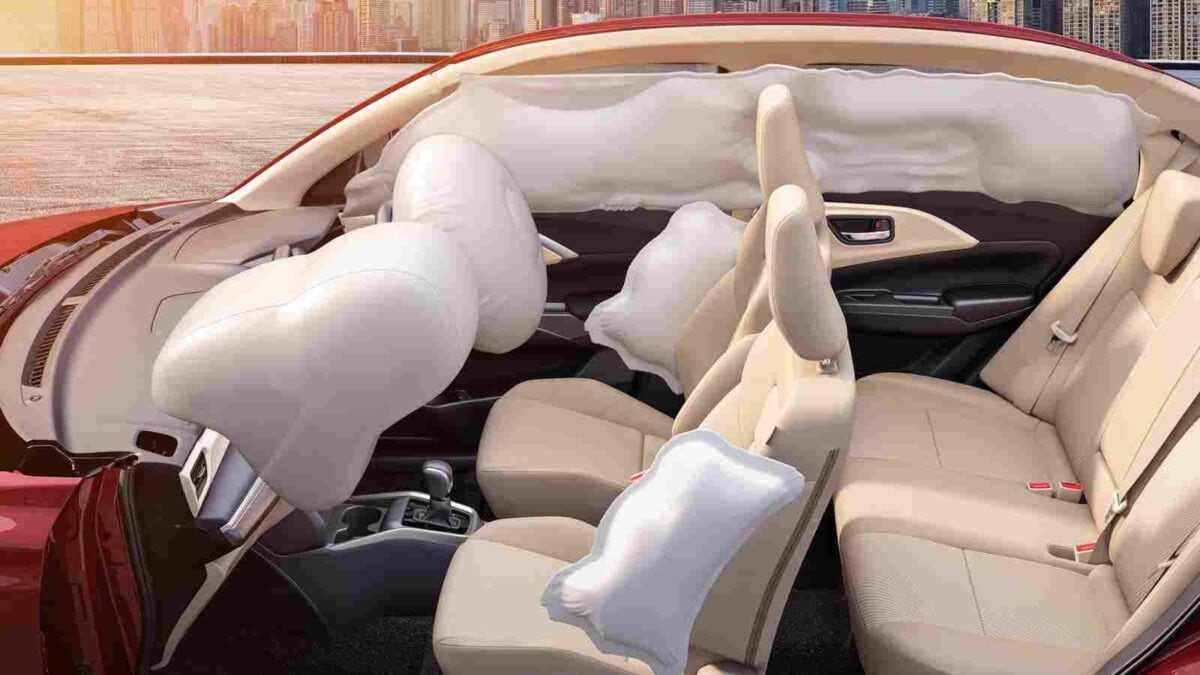
Airbags are the biggest heroes of car safety. During an accident, they inflate in seconds and protect the driver and passengers from hitting the dashboard, steering or windows. Dual front airbags are now mandatory in India, but for good protection there should be at least 6 airbags (front, side and curtain).

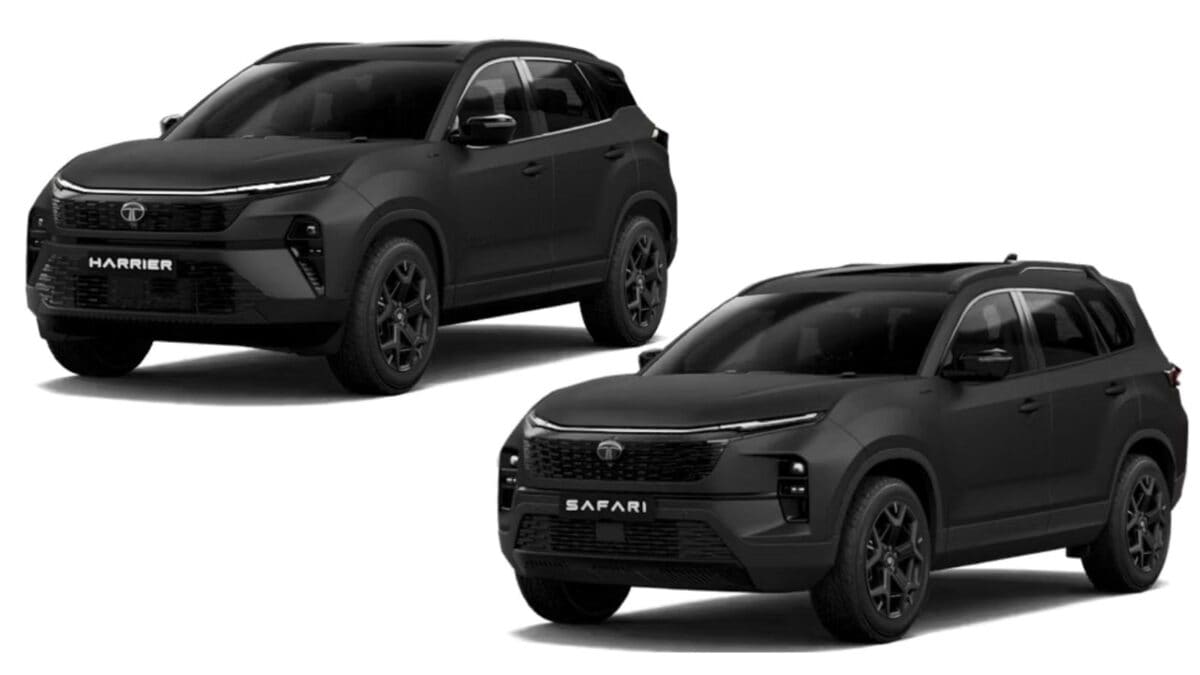
Cars like Tata Harrier, Safari, Mahindra XUV700 have 6-7 airbags as standard, which get 5-star rating in crash tests. If the car has only 2 airbags, then family members remain at risk in a side or rollover accident. Therefore, choose the variant with 6 airbags in the new car. This may be a little expensive, but the value of life is not more than this.

2. ABS with EBD

ABS prevents the wheels from locking during sudden braking, due to which the steering remains under control and the vehicle does not slip. EBD distributes braking force evenly between each wheel, especially when there are passengers of different weights in the car. ABS is now standard in all new cars in India, but it is mandatory to have it with EBD. Without ABS, the car may go out of control while applying brakes, which increases accidents. Cars with ABS + EBD perform better in many crash tests.

3. ESC or ESP

This feature protects the car from skidding. Especially on wet roads, sharp turns or sudden steering turns. ESC keeps the car stable by automatically applying brakes and controlling engine power. Many accidents in India occur due to overspeeding or loose control. ESC prevents these to a great extent. ESP will be standard in good cars like Tata Nexon, Hyundai Venue (top variant), Mahindra XUV 3XO in 2025-26. If the car does not have ESC, then driving at high-speed or on bad roads becomes risky.

4. Tire Pressure Monitoring System (TPMS)

TPMS gives an alert on the dashboard when the tires are low on air. Underinflated tires make the vehicle unstable, fuel consumption increases and there is a risk of blowout. Many major accidents occur due to blowouts on the highway. TPMS is coming standard in many new cars, like Maruti Dzire, Tata Punch etc. Without TPMS, it is difficult to check tires on a long journey, so do not ignore this feature.

5. Basic Features of ADAS

ADAS is now becoming common in vehicles. AEB (Automatic Emergency Braking) applies auto brakes when there is any obstacle ahead. Lane Departure Warning gives alert when leaving the lane. Adaptive Cruise Control controls speed. These features are very effective in preventing accidents. ADAS is available in cars like Honda City, Hyundai Verna, Mahindra XUV700. If budget allows, choose a car with ADAS.

Source link

Hyundai Exter or Tata Punch: Which SUV is wiser to buy under ₹6 lakh? Know

Hyundai Exter or Tata Punch: Which SUV is wiser to buy under ₹6 lakh? Know

Hyundai Exter vs Tata Punch: Both Hyundai Exeter and Tata Punch are popular options in the micro SUV segment. Hyundai Exter has been launched in facelift avatar, while Tata Punch facelift came in January 2026. Both cars are perfect for city roads, but there is a lot of difference in design, power and safety.

The base variant of Tata Punch starts at ₹5.59 lakh, while the top variant goes up to ₹10.54 lakh. Whereas, the base variant of Hyundai Exter starts from ₹ 5.80 lakh and goes up to ₹ 9.42 lakh for the top variant. Let us take a look at the design, interior, features, safety, engine and mileage details of both of them.

design details

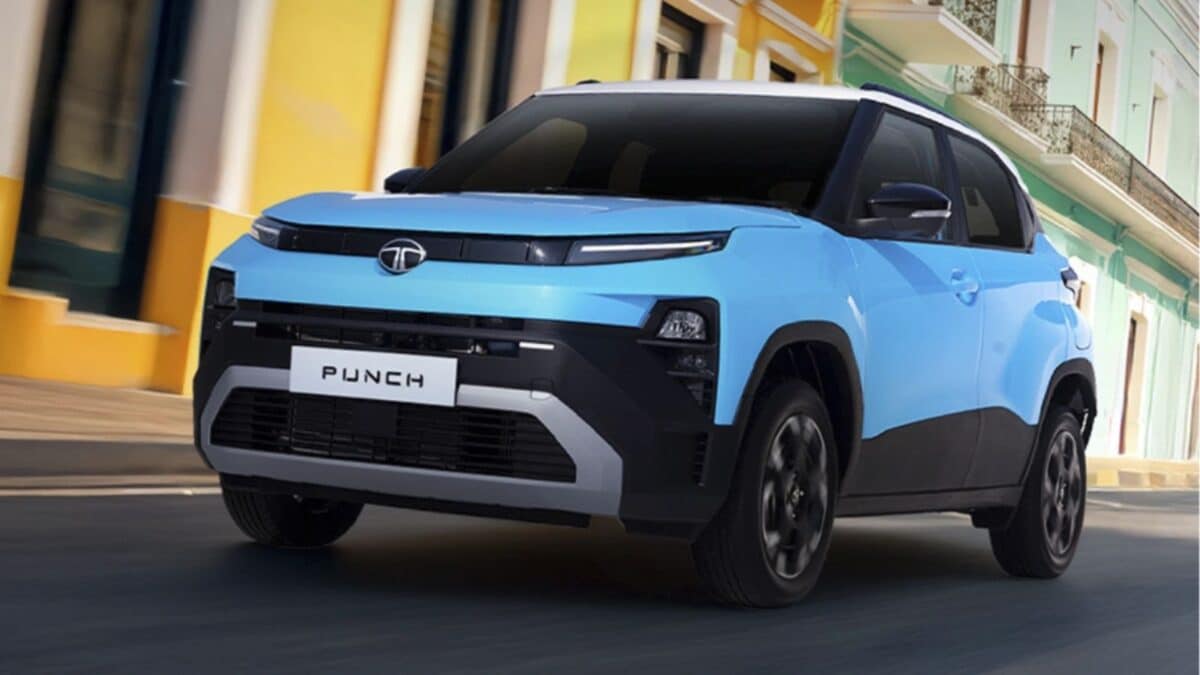
The design of Punch is more rugged and SUV like. Its length is 3876 mm, width is 1742 mm, height is 1615 mm and ground clearance is 193 mm. With 16 inch alloy wheels, it performs better on bad roads. Boxy shape, LED headlamps, roof rails and shark fin antenna give it an aggressive look.

The look of Hyundai Exter is more sleek and modern. Its length is 3815 mm, width is 1710 mm, height is 1631 mm and ground clearance is 185 mm. It has been introduced with 15 inch alloy wheels. It is of crossover style. It attracts young buyers with projector headlamps, LED DRLs and a single pane sunroof.

Cabin and Comfort

The cabin of both the cars is spacious for 4-5 people. Tata Punch has a large 10.25-inch touchscreen, 7-inch digital cluster, front-rear armrest, ambient lighting and premium sound system (4 speakers + 4 tweeters). Fabric upholstery and touch based AC controls make it modern.

The Exeter gets a dual tone (navy and grey) theme, metal pedals, footwell lighting and an 8-inch touchscreen. Sunroof, auto AC, rear AC vents, cruise control and wireless charging (high variants) are available in both. The interior of the Punch feels more premium and full of technology, while the Exeter gives a smooth and youthful feel.

Features and safety

Features like 10.25 inch screen, wireless Android Auto/Apple CarPlay, 360 degree camera, voice command sunroof, drive modes (Eco/City), blind spot monitor and paddle shifters (CNG AMT) are available in Punch. The Exeter also gets a sunroof, dashcam, OTA updates, Bluelink connected tech and wireless connectivity (via adapter). Both have wireless charging and rear USB ports.

Punch is a clear winner in safety. It has received a 5-star Bharat NCAP rating (both adult and child). 6 airbags are standard, ESC, TPMS, 360 camera, hill descent control and ISOFIX are available. Hyundai Exter also has 6 airbags, TPMS, ESC, ABS and 45+ safety features but there is no NCAP rating yet.

Engine and Mileage

The Exeter has a 1.2 liter 4-cylinder Kappa petrol engine (83 PS power, 113.8 Nm torque), which is smooth and quiet in the city. CNG version gives 69 PS. Transmission options include 5-speed MT or AMT. ARAI mileage is around 19-20 kmpl in petrol and 25-27 kmpl in CNG.

Punch can be bought with three engine options – 1.2L NA petrol (88 PS, 115 Nm), new 1.2L turbo petrol (120 PS, 170 Nm) and CNG (73 PS). Transmissions include MT/AMT (NA), 6MT (Turbo) and CNG AMT. Mileage is 18-20 kmpl in petrol, slightly less in turbo and good in CNG.

Source link