
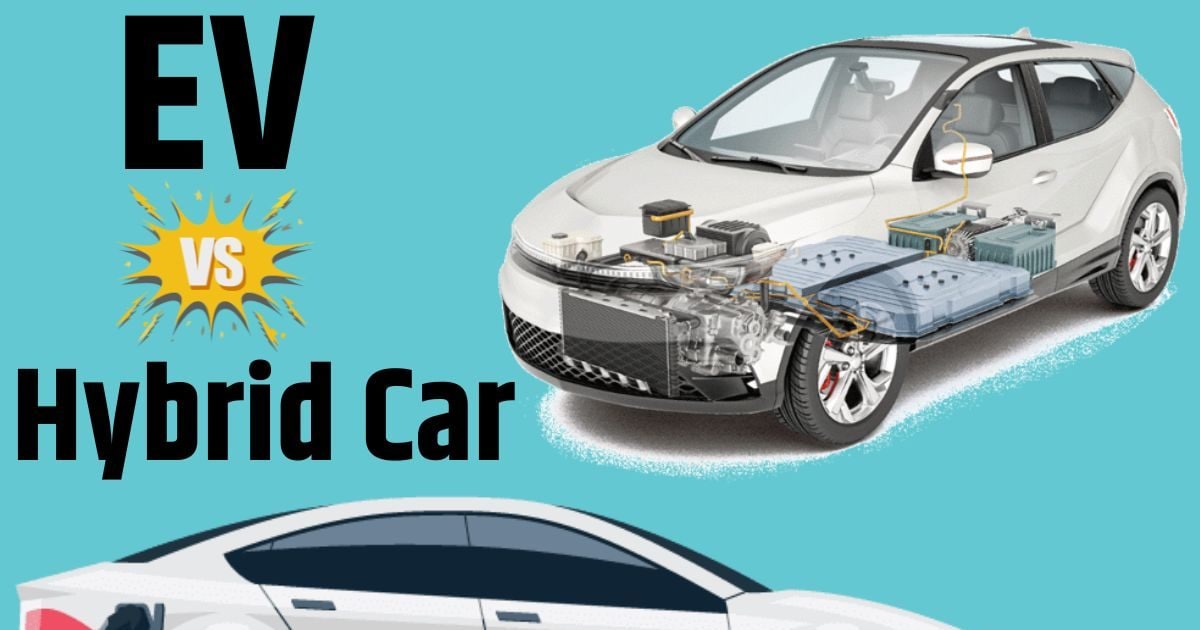
Electric vs Hybrid Cars: In today's era, due to environmental protection and rising fuel prices, people are turning to electric vehicles (EVs) and hybrid cars. The EV market in India is growing rapidly by 2026, but lack of charging infrastructure and battery cost are still challenges.
At the same time, hybrid cars provide a combination of petrol and electric power, which are convenient for long distances. If you want to buy a good car in the coming days and are confused about which of these two would be better to buy, then this article of ours is useful for you. We will compare both and tell which is the better option at present?
Advantages and disadvantages of electric cars
Electric cars run entirely on batteries, which provide zero emissions. The running cost of EVs in India in 2026 is very low. Since the price of electricity is around Rs 8 per unit, the cost per kilometer comes to Rs 1-2. Maintenance is also low, as there is no engine oil or clutch.
EVs are becoming cheaper due to government subsidy and 5% GST. For example, models like Tata Nexon EV or MG ZS EV offer a range of 300-400 km in the city. However, battery replacement every 8-10 years can be expensive (lakhs of rupees). Charging infrastructure is currently limited to cities, there is a problem in rural areas. EVs can be risky in floods or heavy rains. Resale value is also lower than hybrid.
Advantages and disadvantages of hybrid cars
Hybrid cars are a mixture of petrol engine and electric motor, which increases fuel efficiency. Models like Toyota Innova Hycross or Maruti Grand Vitara in 2026 give 28 km/litre mileage, which is better than petrol cars.
These are perfect for long trips as petrol stations are available everywhere and range is not a concern. The battery is small, so replacement is cheap. Resale value is better than EVs, but more expensive than EVs and fuel dependency remains. Due to this the emissions are more than EVs. Plug-in hybrids can be more expensive than EVs.
Which one is better?
EVs prove to be affordable in India, especially if you drive in the city and have charging facilities at home/office. Savings on fuel and maintenance over five years make EVs profitable. If your trips are irregular, long distance or in areas with weak charging networks, hybrids are better. The technology of EVs is changing rapidly, but hybrids are still more reliable. EVs are better from an environmental point of view, but hybrids are a transitional option.
Final Verdict: No one among these can be considered the winner. Which would be a better option depends on your needs. If you don't want emissions, choose electric cars. Hybrid cars are a much better option for those who want a balance between EV and ICE. You can choose any one of these according to your need and budget.