Last Updated:
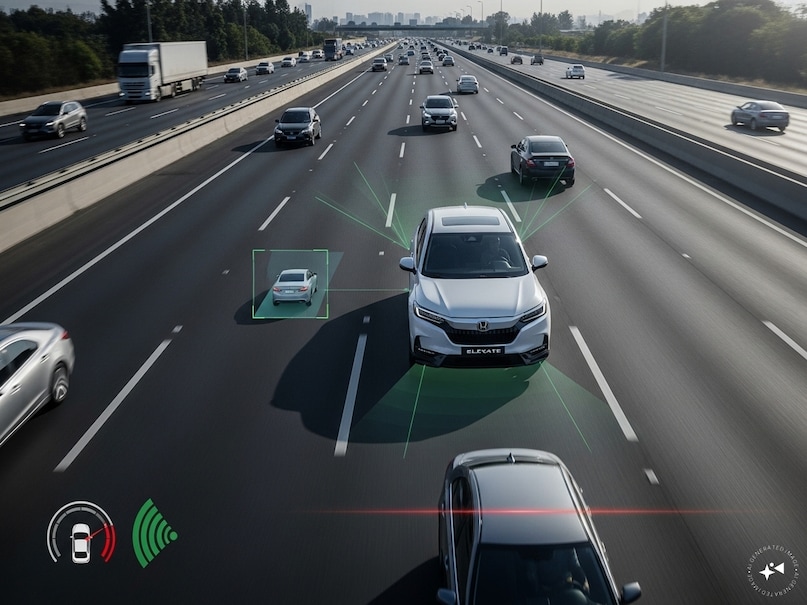
ADAS i.e. Advanced Driver Assistance Systems has become a common safety feature in modern cars. It monitors the vehicle with sensors, cameras, radar, LiDAR and AI. It has been designed to reduce human errors and has also reduced car accidents by 30-60%. Let's try to know everything about ADAS!

ADAS
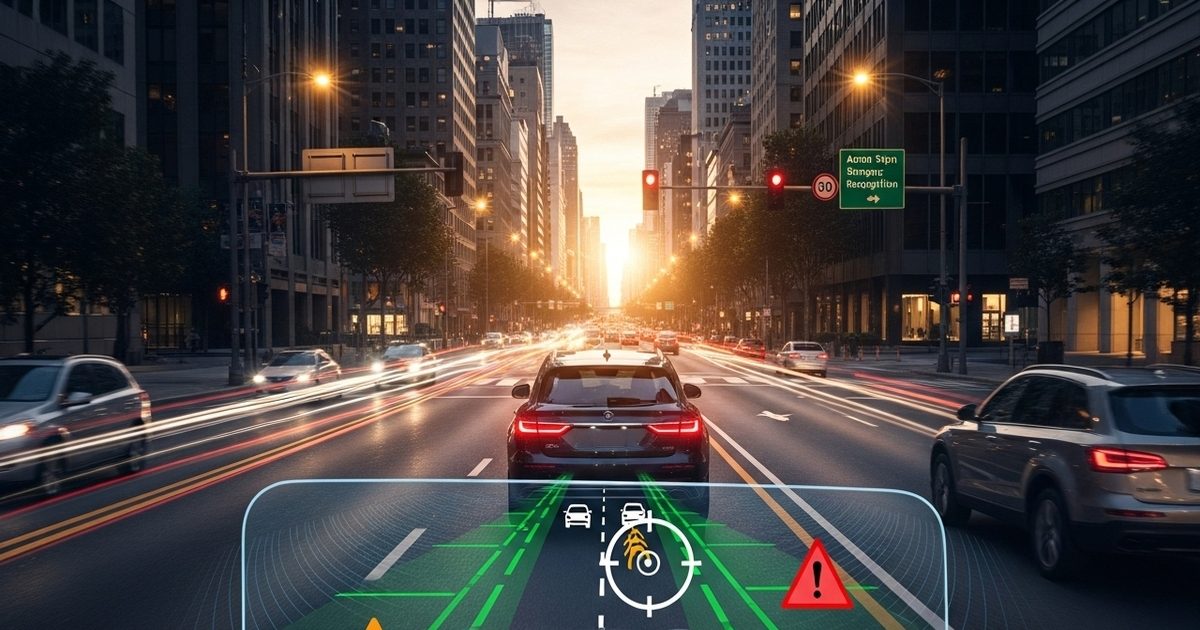
ADAS i.e. Advanced Driver Assistance Systems has become one of the most important safety features for cars at present. It continuously monitors the environment around the vehicle using sensors, cameras, radar, LiDAR and AI. The main objective of ADAS is to reduce human errors, prevent accidents and make driving easier.
It alerts the driver or automatically takes actions like braking, steering. Nowadays, most new cars come with Level 1 or Level 2 ADAS, which is laying the foundation for semi-autonomous and fully autonomous driving in the future. What is this technology, how does it work, what are its features and how important is it for you? Come, let's know everything.
What is ADAS and how does it work?
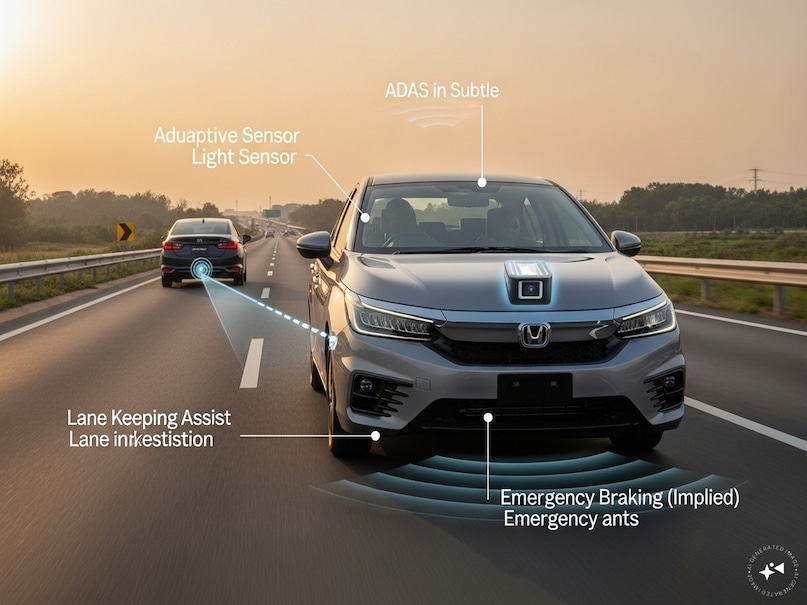
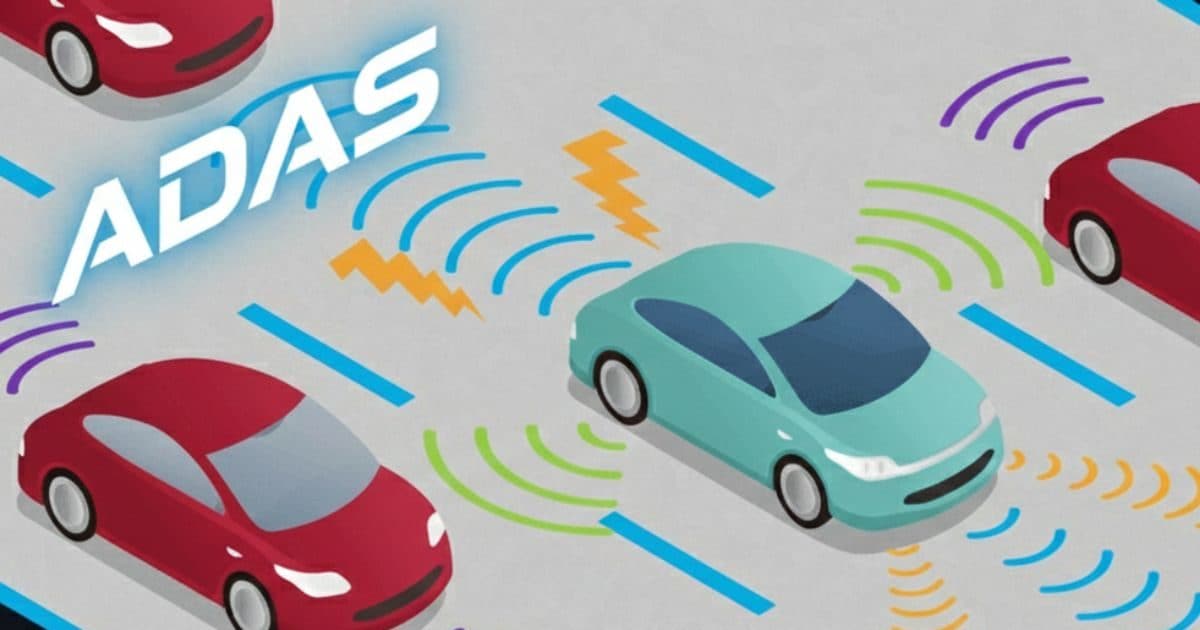
ADAS is an electronic system, which helps the driver. It collects data from around the vehicle, processes it and alerts or intervenes when needed. This system works in real-time and can reduce the chances of accidents by 30-50%. Its main components include the following-
- Sensors and input devices – Camera (for visual detection), Radar (for measuring distance and speed, especially in bad weather), LiDAR (3D mapping) and Ultrasonic sensor (for parking).
- Processing Unit – The ECU or SoC that performs data fusion and takes decisions from AI/ML algorithms.
- Output- alert (beep, vibration, display) or activation (brake, steering).
ADAS levels
SAE International has divided driving automation into 6 levels-
- Level 0- No automation, just alerts (like forward collision warning).
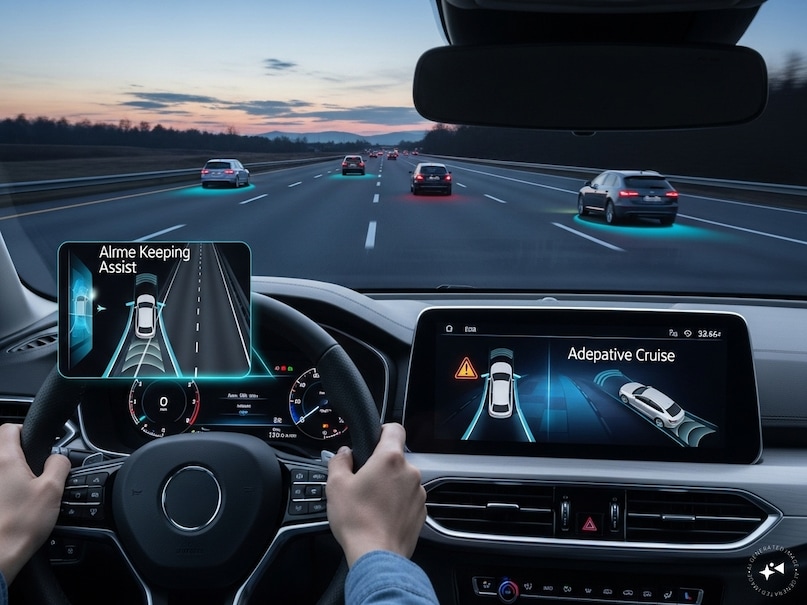
- Level 1- Control over a single function (such as Adaptive Cruise Control or Lane Keep Assist).
- Level 2- Control over both steering and acceleration/braking (found in most Indian and global cars, such as the basic version of Tesla Autopilot). The driver always has to be ready.
- Level 3- Conditional Automation, the system takes full control in certain situations, but the driver has to be ready to intervene.
- Level 4 and 5- High/Full Automation (beyond ADAS, autonomous vehicle category).
ADAS features and their functions
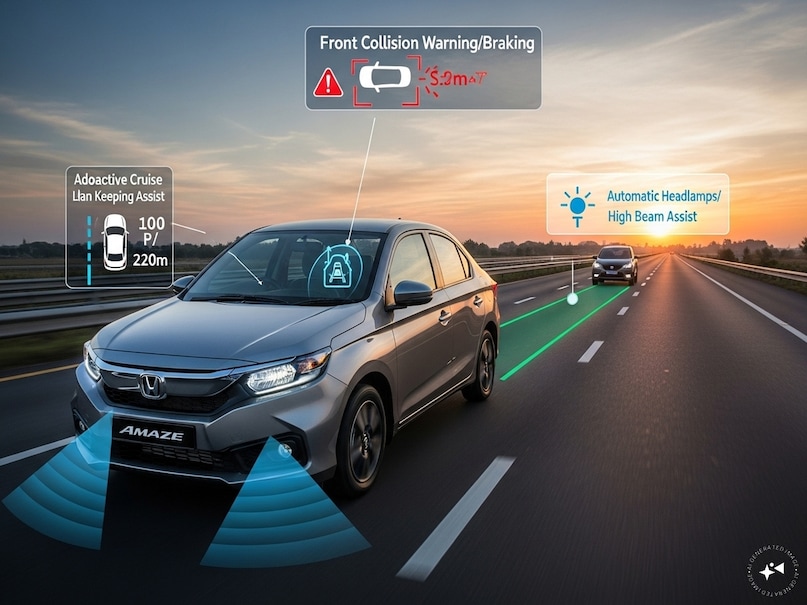
1. Adaptive Cruise Control (ACC)- Maintains a safe distance from the vehicle in front, adjusts the speed itself.
2. Automatic Emergency Braking (AEB)- Auto applies brakes when collision is detected, with pedestrian/bicycle detection.
3. Lane Departure Warning / Lane Keep Assist- Gives alert when leaving lane and corrects steering.
4. Blind Spot Monitoring- Monitors black spots even when not visible in the side mirrors.
5. Forward Collision Warning- Warns if there is danger ahead.
6. Pedestrian Detection- Recognizes pedestrians and applies brakes.
7. Traffic Sign Recognition- Reads the sign board and shows it on the display.
8. Auto High Beam / Glare-Free Beam- Adjusts high beam so as not to blind oncoming vehicles.
9. Rear Cross Traffic Alert / Parking Assistance- Also helps in reverse, auto parking.
10. Driver Monitoring System- Sends alerts when driver is tired/distracted.
Benefits of ADAS
- Accidents may reduce by 40-60% (IIHS study).
- Reduces fatigue during long driving.
- Fuel efficiency remains better (with ACC).
- You may get a discount on insurance.
Challenges and limitations
- Sensors may not function properly due to bad weather or dirt.
- Too much dependence may cause the driver to become less alert.
- Expensive maintenance and repairs.
- Some features less effective due to road conditions and lack of marking in India.
Hopefully, you would have known almost everything about ADAS. If you are planning to buy an Adas car in future, then this article will help you. At present, vehicles with ADAS are available even at low prices.