
This company did wonders, made the world's first all aluminum frame car

This company did wonders, made the world's first all aluminum frame car

Last Updated:

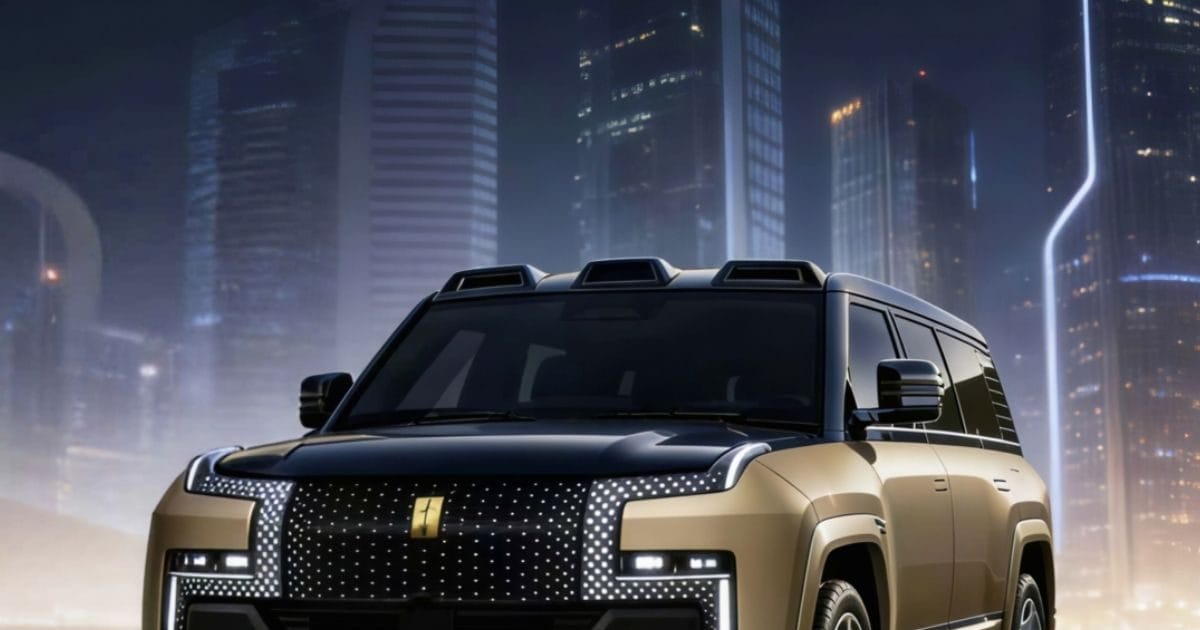
Hubei Hantec introduces the world's first one-piece low-pressure cast all-aluminum vehicle frame, which is installed on the BYD Yangwang U8L, providing new strength and technology to the SUV. Till now aluminum casting was done using welding. Due to which the strength of many parts was directly affected. Hantec has set a new standard in the industry by creating the first one-piece low-pressure cast all-aluminum vehicle frame.

Hubei, China. Hubei Hantec Equipment Manufacturing Co., Ltd. (Hantec) has introduced the world's first one-piece, low-pressure cast, all-aluminum vehicle frame. It is installed in BYD Yangwang U8L, which is a high-end electric SUV and was launched in September 2025. This frame was showcased at the 2025 Yangtze River Industry and Technology Innovation Conference held in Hubei on 2 December 2025.

Ultra-Large Thin-Walled Components
This frame challenges previous limitations in ultra-large thin-walled component manufacturing. Its projected area is 4.2 square meters and wall thickness ranges from 4 mm to 50 mm, which is more than the ratio of 12:1. Hantech says that before this, no global project has been successful in casting a frame with such a huge difference in thickness.

All-aluminum frame
Traditional all-aluminum frames are typically made from dozens of separate parts joined together by welding, riveting or other joining methods. This process is quite expensive. It also has a direct impact on the strength of the points where they are welded and joined. But Hantech has made it in a single piece, which gives it a different level of strength.

low-pressure casting
After years of research, Hantec has overcome many technical challenges in low-pressure casting, including controlling the molten metal and achieving gradient solidification in parts of different thicknesses. The result is a single, integrated aluminum frame that replaces traditional multi-part assembly.

integrated frame design
Integrated frame design increases overall body strength and torsional stiffness. Optimizing force flow through the structure improves crash protection. Hantec also said that its aluminum alloy material and heat treatment provide a balance of high strength, toughness and fatigue resistance.
homeauto

This company did wonders, made the world's first all aluminum frame car

Source link

Fast pace from petrol-diesel to electric, EVs are changing the face of auto industry

Fast pace from petrol-diesel to electric, EVs are changing the face of auto industry

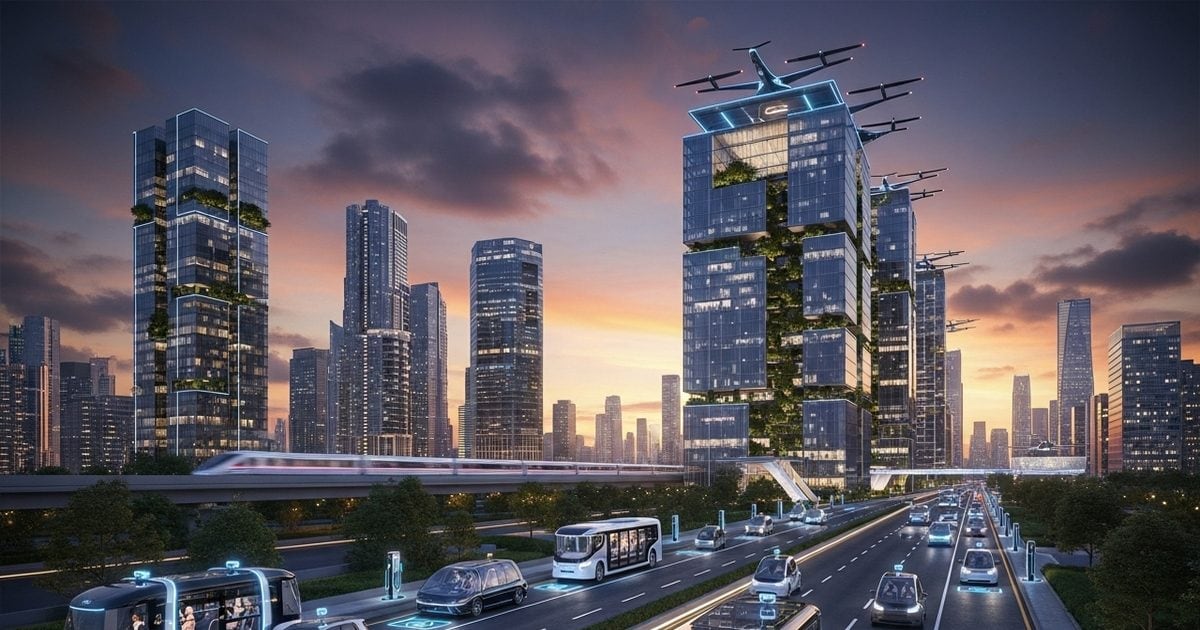
New Delhi. The automobile industry of the country and the world is going through a major change these days. Where once petrol and diesel vehicles were dominant, now the speed of electric vehicles (EVs) is increasing on the roads. Environmental protection, rising fuel costs and the government's EV-friendly policy have further accelerated this change. India has also now entered the era of 'Green Mobility'.

The face of transportation is changing
Electric vehicles are not just a new trend, but they are becoming a necessity of the future. Traditional engine-driven vehicles are now being replaced by battery-powered vehicles, which not only reduce pollution but are also lighter on the pocket in the long run. Car manufacturing companies, be it Tata Motors, Mahindra & Mahindra, MG Motors or Hyundai, all are rapidly expanding their EV range. At the same time, in two-wheelers, brands like Ola Electric, Ather Energy, TVS and Hero Electric have registered a strong presence in the market.

Speed ​​of EV increased due to government initiative
The Government of India aims to have at least 30% share of all new vehicles sold by electric vehicles by 2030. For this, subsidies, tax concessions and charging infrastructure are being promoted under the FAME-II scheme. Central and state governments are giving exemption in road tax and registration fees to those buying EVs. States like Delhi, Maharashtra, Tamil Nadu and Gujarat have made it easier for common people to buy EV through their electric vehicle policy.

Charging infrastructure becomes a big challenge
Although the EV sector is growing rapidly, lack of charging stations still remains a major challenge. At present, the number of charging stations is increasing in metro cities, but its reach in small towns and highway networks is still limited. Government and private companies are working together in this direction. Companies like Tata Power, Indian Oil and BPCL are setting up thousands of new charging points across the country so that EV users do not face trouble in traveling long distances.

Increasing customer confidence and falling costs
Earlier, the biggest challenge of electric vehicles was their price. But now with the continuous decline in battery prices and the government's incentive scheme, EVs have become more affordable than ever. People are slowly beginning to understand that although the initial cost of EV may be a little high, the savings in petrol and diesel and low maintenance costs make it beneficial in the long run.

New employment and investment opportunities in auto industry
The EV industry is not only beneficial for the environment, but it has also emerged as a big opportunity for the country's economy. New jobs are being created rapidly in the fields of battery manufacturing, charging station setup, software development and service network. Many foreign investors are also investing here considering the potential of the Indian EV market. Recently, global companies like Tesla, Foxconn and Volvo have shown interest in setting up production units in India.

future direction
The era of electric vehicles will no longer be limited to cities only. In the coming time, EV penetration will increase in rural areas also. Schemes like solar power charging, battery swapping technology and local manufacturing can make India a leader in the direction of sustainable mobility.

Source link