
Last Updated:
Global NCAP is an independent organization which conducts safety tests of vehicles. Many cars sold in India are tested here and get 1 to 5 star ratings. The process involves selecting a random vehicle, fitting a dummy, crashing and scoring. It is completely transparent, so that customers can choose a safe car for themselves. Come, let us know how the vehicle is tested in GNCAP.
Step 1- Vehicle Selection: The vehicle manufacturer itself nominates the vehicle for the test or GNCAP randomly selects it from the factory/dealership. The VIN number is sealed so that it cannot be changed. This ensures that the test car is a genuine car sold in the market and no cheating can take place.
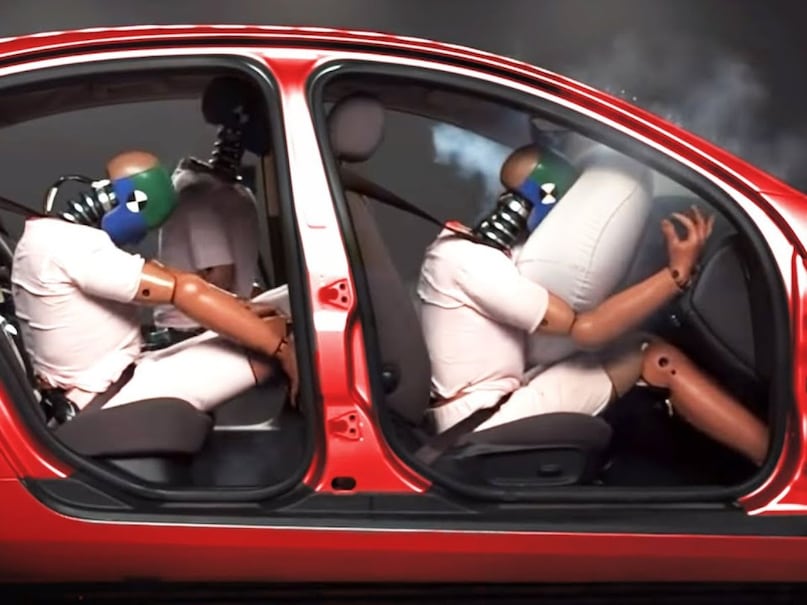
Step 2- Dummy Placement: Adult (Hybrid III) dummies are placed on the driver and passenger seats in the crash lab. A separate dummy is used for the child. Belt, seat position, head-neck-chest sensors are all checked properly. This step is very important because the dummies behave like human bodies.

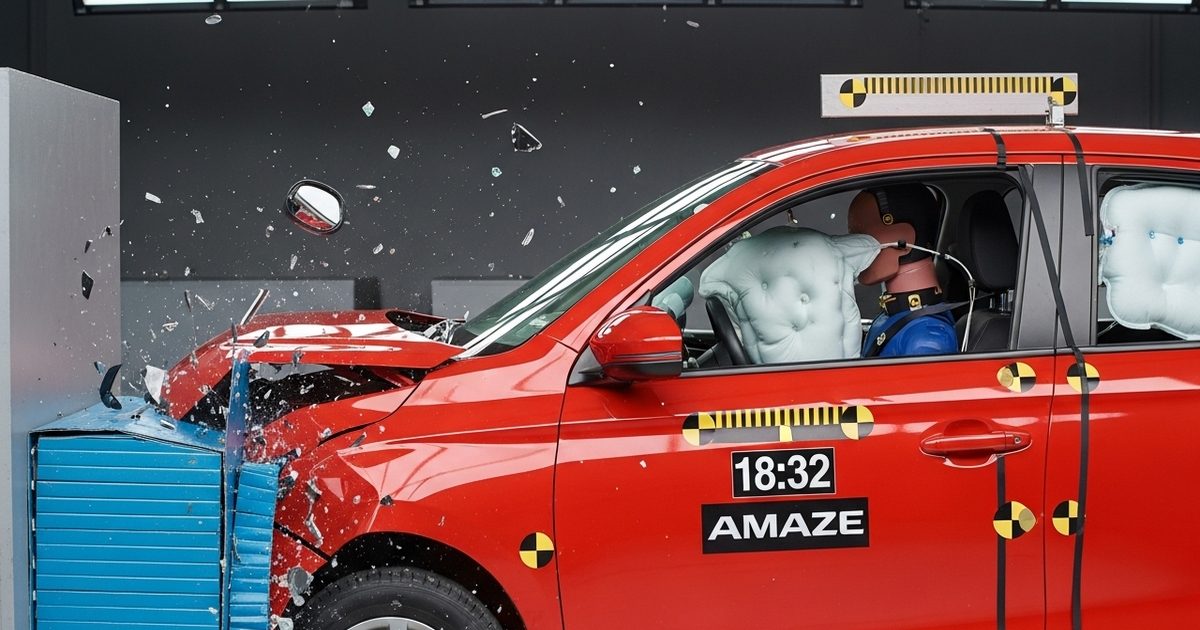
Step 3- Front offset test: In the first test, the vehicle collides with a deformable barrier at a speed of 64 km/h with 40% overlap. It simulates a head-on accident. Data is recorded from high-speed cameras and sensors. Adult and Child protection give the most points here.
Add News18 as
Preferred Source on Google
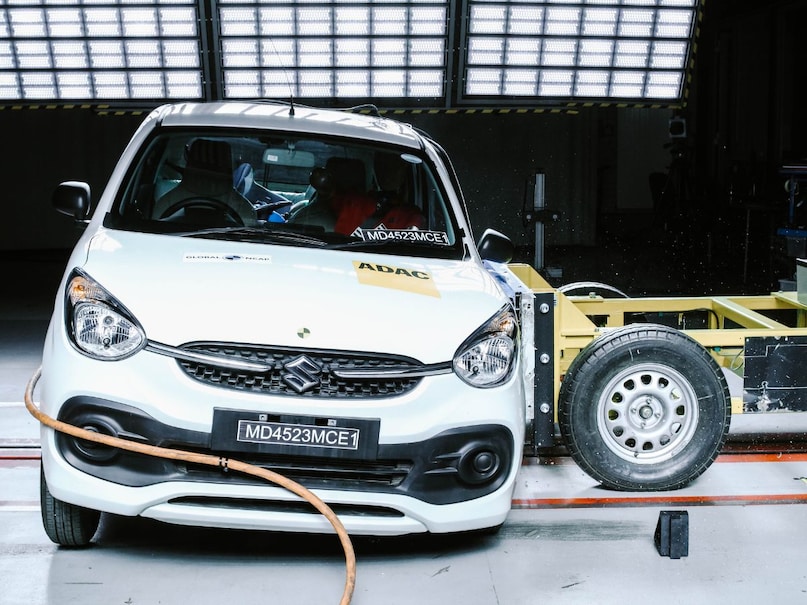
Step 4- Side Impact Test: The mobile is hit on the side by the deformable barrier (MDB) at a speed of 50 km/h. This is a simulation of a collision with a vehicle coming from the side. Side airbags, structure and dummy's injuries are checked. This test also plays an important role in adult protection.

Step 5- Side Pole Impact: Rigid roll at 29-32 km/h causes side crash. This shows a collision with a tree or electric pole. Head injury is highly scrutinized because side airbags and structures can fail here. In many cars this test is done separately.

Step 6- Post Crash Inspection: After the crash, the car's deformation, footwell, door opening and penetration are checked. The injury value (HIC, chest, neck, femur) is analyzed by removing the dummy. If the door opens or there is excessive crush, the score is reduced.
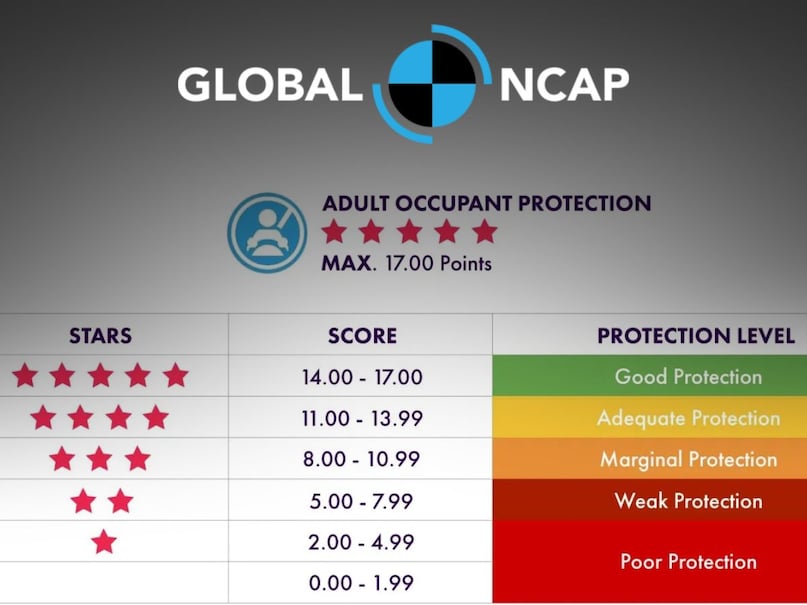
Step 7- Scoring (Adult + Child + Safety Assist): Adult occupant gets 17 points, child occupant gets 49 points and safety assists (ESC, belt reminder etc.) get additional points. 1-5 stars are given based on the total score. That's why most vehicles have ESC and standard 6 airbags.
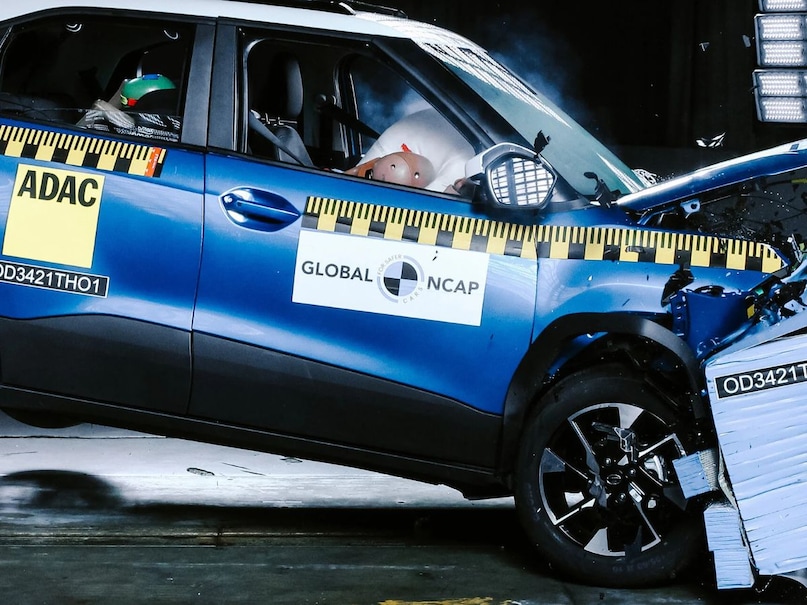
Step 8- Result Analysis: Injury risk is calculated from high-speed video (1000+ frames/second) and sensor data. Structure stability, airbag timing are all seen. The report is shown to the manufacturer and time can be given for improvements. After this the result is made public.