New Renault Duster vs Skoda Kushaq Facelift: Which has more power? Know

New Renault Duster vs Skoda Kushaq Facelift: Which has more power? Know

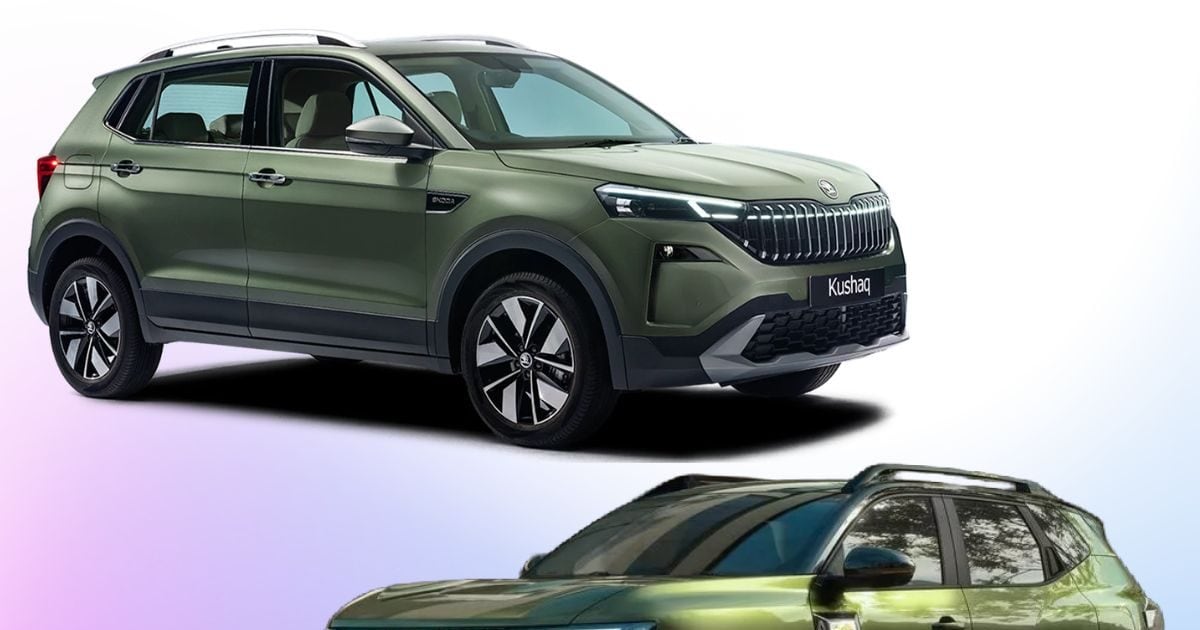
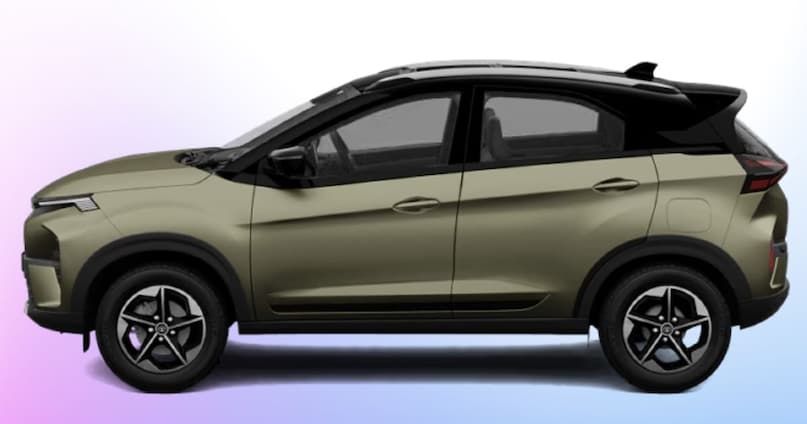
New Renault Duster vs Skoda Kushaq Facelift: Two new offerings have arrived in the Indian compact SUV segment. Renault has given a completely new avatar to the Duster, while Skoda has updated the Kushaq with a facelift. The prices of both are almost the same, but there is a lot of difference in design, engine, features and mileage.

The starting price of Renault Duster starts at ₹ 10.49 lakh, which can go up to ₹ 10.29 lakh for R-Pass subscribers. The price of top variant Iconic 1.3 Turbo DCT will be up to ₹ 18.49 lakh. A total of 19 variants are available. Prices for the Skoda Kushaq facelift start at ₹10.69 lakh and go up to ₹18.99 lakh for the top Monte Carlo. Let us look at the details from design to its engine and mileage.

Design and interior

The look of the new Duster is aggressive and muscular. It has new LED headlamps, bold front grille, high ground clearance (212 mm) and strong SUV styling, which gives an off-road image. It gives a modern touch while maintaining the heritage of the earlier Duster. At the same time, there are mild changes in Kushaq facelift. It gets a new front grille with red stripes, illuminated light bar, illuminated Skoda logo at the rear and sporty appeal. The design of Kushaq is more premium and refined, while Duster looks rugged and powerful. Panoramic sunroof is available in both the higher variants.

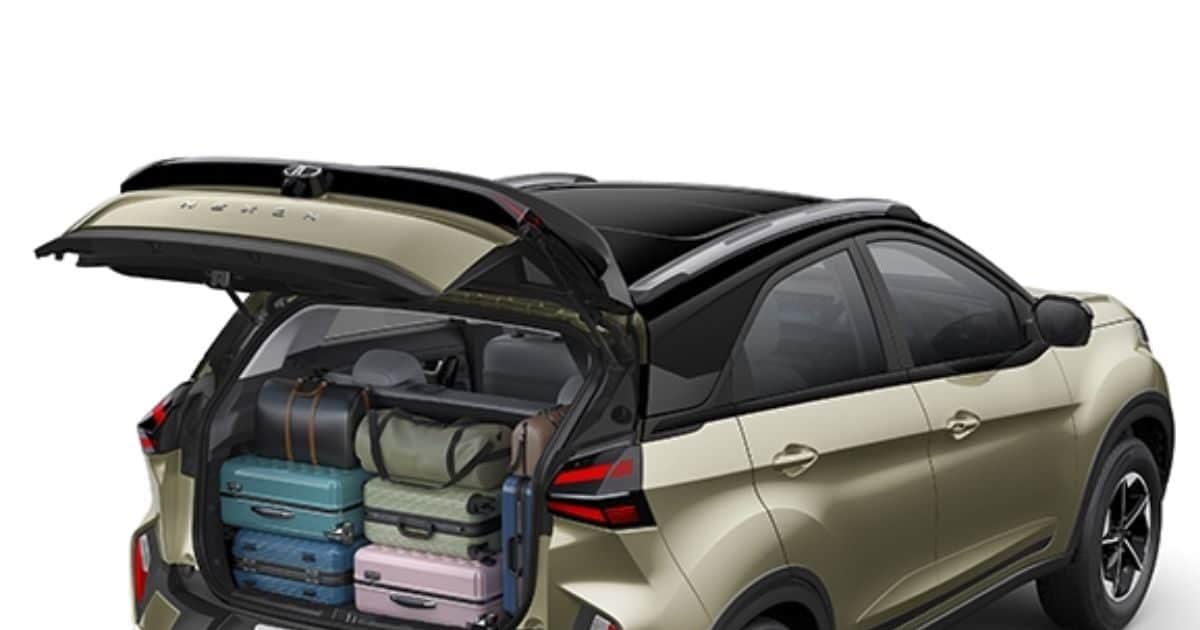
The cabin of the Duster is spacious, with a dual screen setup of a 10.1-inch infotainment screen and a 10.25-inch digital instrument cluster. Ventilated front seats, ambient lighting, powered tailgate and good boot space (up to 518 litres) are available. It is practical for family use. The interior of Kushaq facelift gives a more premium feel. Ventilated and power adjustable front seats, rear seat massage function, dual-zone AC with rear AC vents and updated matte finish. Both have wireless charging and connected tech. However, extra features like Google AI Companion are available in Kushaq.

Features and safety

Both the SUVs are feature-packed. Duster has features like level-2 ADAS (17 features), 360-degree camera, wireless Android Auto/Apple CarPlay, dual-zone climate control and powered tailgate. The Kushaq comes with a panoramic sunroof (standard in some variants), ventilated seats, rear massage, automatic climate control and an updated infotainment system. The Kushaq has 40+ safety features as standard, while the Duster emphasizes on ADAS. Overall, the Kushaq is slightly ahead in features, but the Duster's ADAS and 360 camera are a big plus.

Kushaq facelift has received 5-star global NCAP rating. The company sells it with standard 6 airbags, ESC, TPMS, ISOFIX and many active safety features. Duster is also targeting 5-star GNCAP. It includes 6 airbags, 360-degree camera, disc brakes on all wheels, electronic parking brake and ADAS.

Engine and Mileage

There is a big difference between the two in powertrain and mileage. Duster can be purchased with 1.0L Turbo (100 PS/160 Nm, 6MT), 1.3L Turbo (163 PS/280 Nm, 6MT/6DCT) and 1.8L Strong Hybrid E-Tech (160 PS, 80% city drive in EV mode) engines. It will be capable of giving a maximum mileage of up to 24 KMPL. At the same time, Kushaq can be purchased with 1.0 liter TSI (115 PS/178 Nm, 6MT/8AT) and 1.5 liter TSI (150 PS/250 Nm, 7DCT) engines. Its claimed mileage goes up to 19 KMPL.
Source link

These 5 great SUVs are best for the family, price starts from only ₹ 7.51 lakh

These 5 great SUVs are best for the family, price starts from only ₹ 7.51 lakh

HomePhotoAutoCar

These 5 great SUVs are best for the family, price starts from only ₹ 7.51 lakh

Last Updated:

If you want to buy a perfect SUV under ₹ 10 lakh, then this article is going to be very useful for you. Here you will get the strong safety of Tata Nexon, powerful engine of XUV 3XO, premium comfort of Venue, excellent mileage of Fronx and solid build of Kylaq. Everything will be found at one place. After all, which SUV has the most value for money? To know, please read the complete news.

Tata Nexon is one of the safest vehicles in India. If your priority is 5-star safety rating and strong build quality, then this is the best choice. Its starting price starts from ₹ 8.00 lakh. Be it city driving or highway driving, the muscular look of Nexon always gives you a different confidence on the road.

tata nexon

Its interior offers premium features like 10.25-inch touchscreen, sunroof and ventilated seats. Talking about mileage, it gives an excellent average of 17.4 kmpl in petrol and 23.2 kmpl in diesel. Its Smart and Pure variants offer a safe and no-compromise family SUV in a budget of ₹10 lakh.

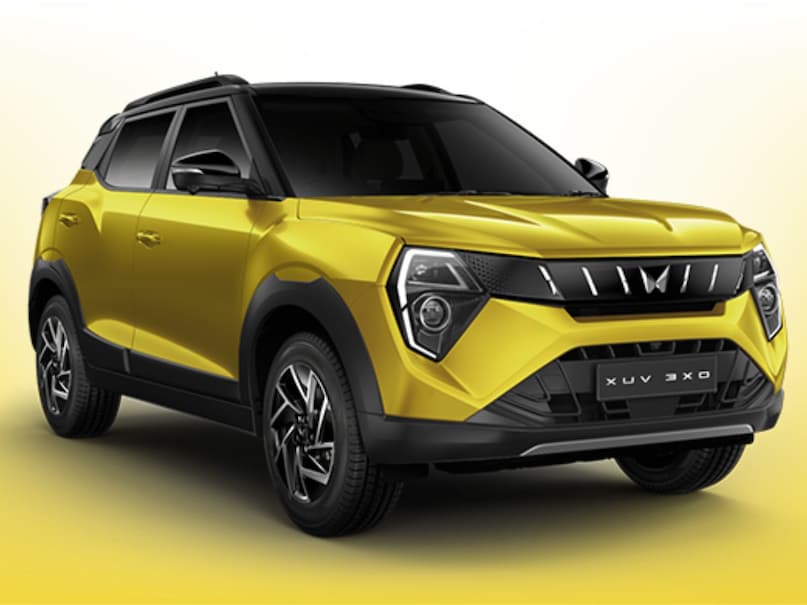
Mahindra XUV 3XO

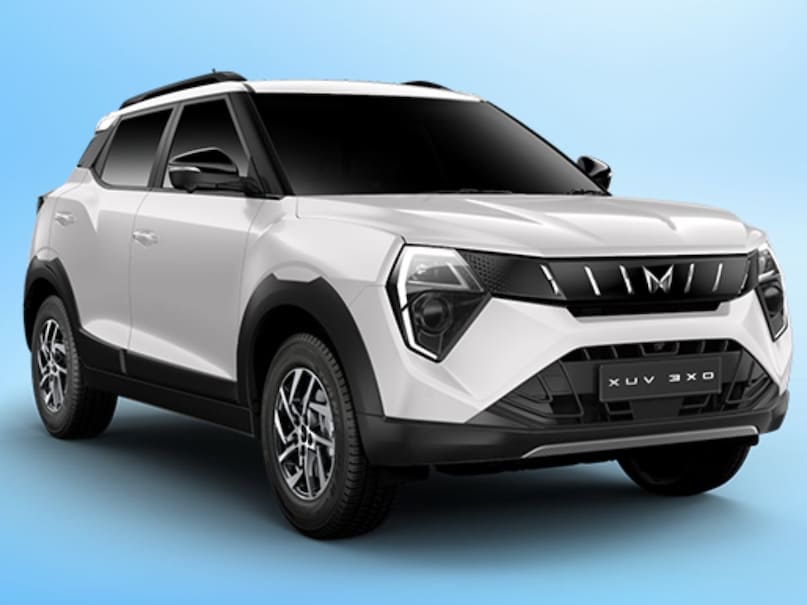
Mahindra XUV 3XO is known for its powerful turbo engine. In this you get the highest torque in the segment, which makes driving fun. Its starting price is only ₹ 7.49 lakh. Its width is the highest in the segment, due to which three people can sit very comfortably on the rear seat.

Add News18 as
Preferred Source on Google

Mahindra XUV 3XO

In this you get dual pan panoramic sunroof, which is for the first time in this budget. In terms of mileage, it gives up to 18.8 kmpl on petrol and 21.2 kmpl on diesel. Under ₹10 lakh, its MX2 and MX3 variants are excellent value for money. This is the perfect option for those who want power and style.

Skoda Kylaq

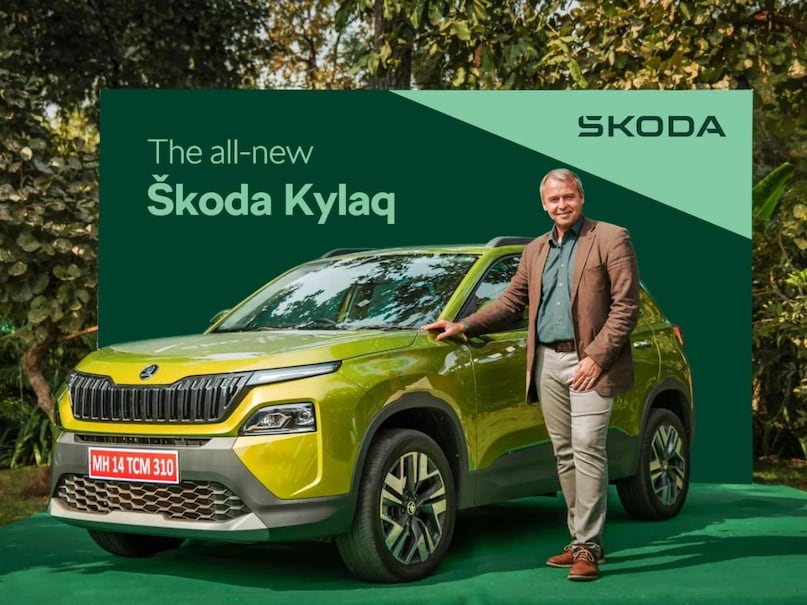
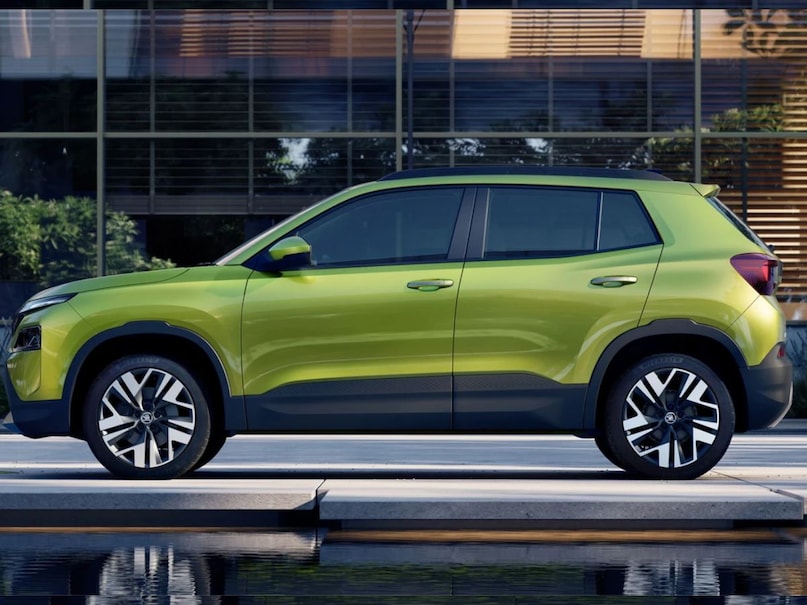
Skoda Kylaq has created a blast in the budget segment. Its biggest feature is its 1.0L TSI turbo petrol engine. Its driving dynamics make you feel like an expensive luxury car. Its starting price has been kept at ₹ 7.89 lakh. Skoda's signature grille and solid build give it a very classy look.

Skoda Kylaq

The build quality of the Kylak is very premium and it comes with 6 airbags as standard. Talking about mileage, it easily gives an average of around 19.7 kmpl. If you want to stand out from the crowd and are fond of German engineering, then the Skoda Kylaq is a very solid option under ₹ 10 lakh.

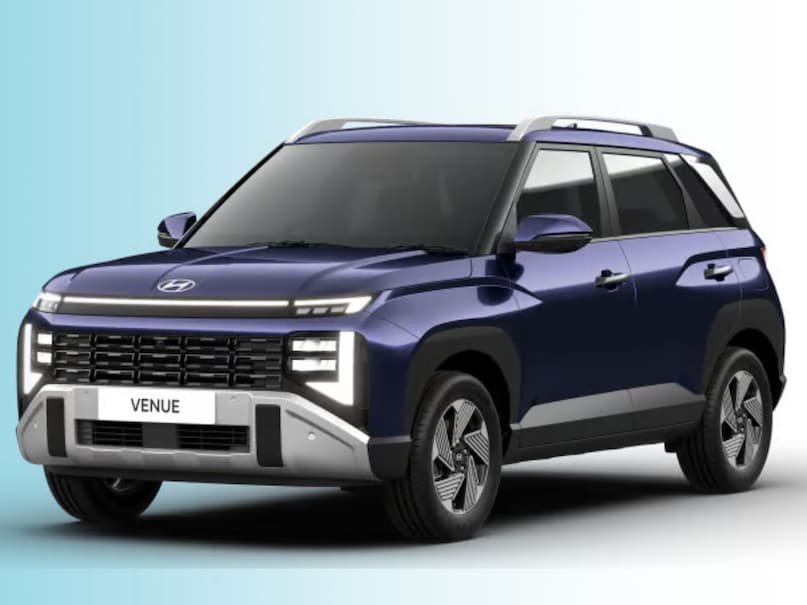
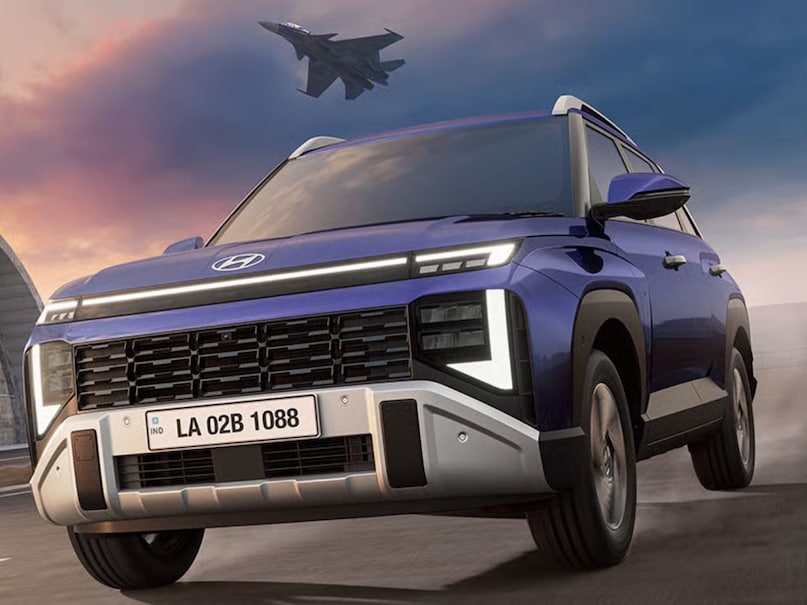
Hyundai Venue

The biggest USP of Hyundai Venue is its smoothness and reliable service. This is a very comfortable car to drive in the city. Its ex-showroom price starts from ₹ 7.94 lakh. Its design is quite modern and it looks like 'Baby Creta'. This is a very reliable option for a small family.

Hyundai Venue

Many features like Blue Link connected car tech and sunroof are available in Venue. In terms of mileage, its petrol engine gives a tremendous average of 17.5 kmpl and diesel engine gives a tremendous average of up to 24.2 kmpl. Its S and S(O) variants are quite popular in the budget of ₹ 10 lakh, which give you the pleasure of both luxury and economy.

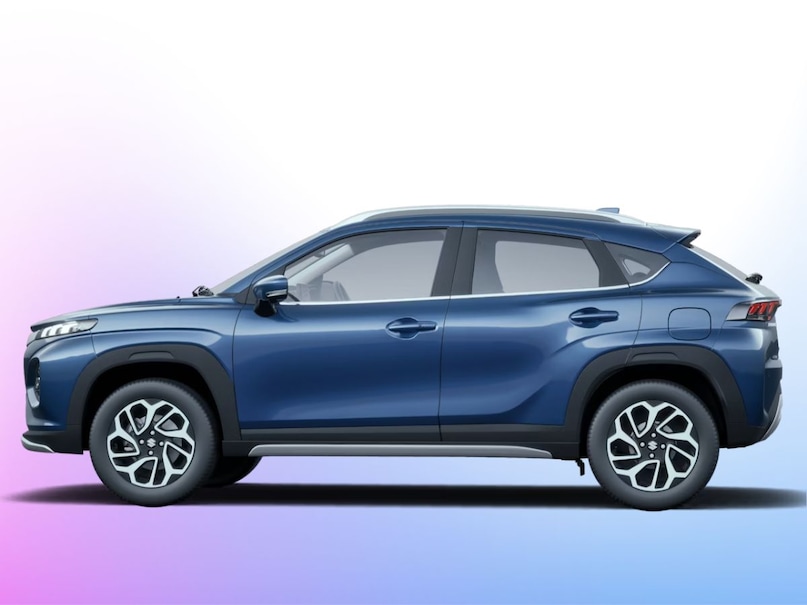
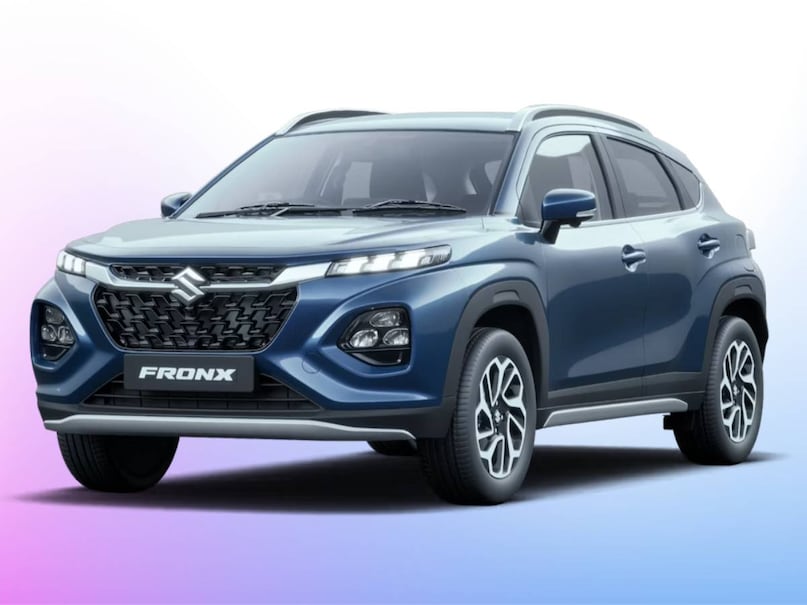
Maruti Suzuki Fronx

Maruti Fronx is for those who want good mileage along with style. Its coupe-like design makes it the most beautiful vehicle in its category. Its starting price is only ₹ 7.51 lakh. It is also very smooth to drive. You also get excellent fuel efficiency in the front.

Maruti Fronx

Its petrol variant gives mileage up to 21.7 kmpl and CNG variant 28.5 km/kg. Its Sigma and Delta variants are easily available under ₹ 10 lakh. If your priority is mileage and resale value, then there is nothing better in the market than the Frankos!

Click here to add News18 Hindi as your favorite news source on Google.

Source link

Tata Sierra vs Maruti Grand Vitara: Which family SUV is wiser to buy? know immediately

Tata Sierra vs Maruti Grand Vitara: Which family SUV is wiser to buy? know immediately

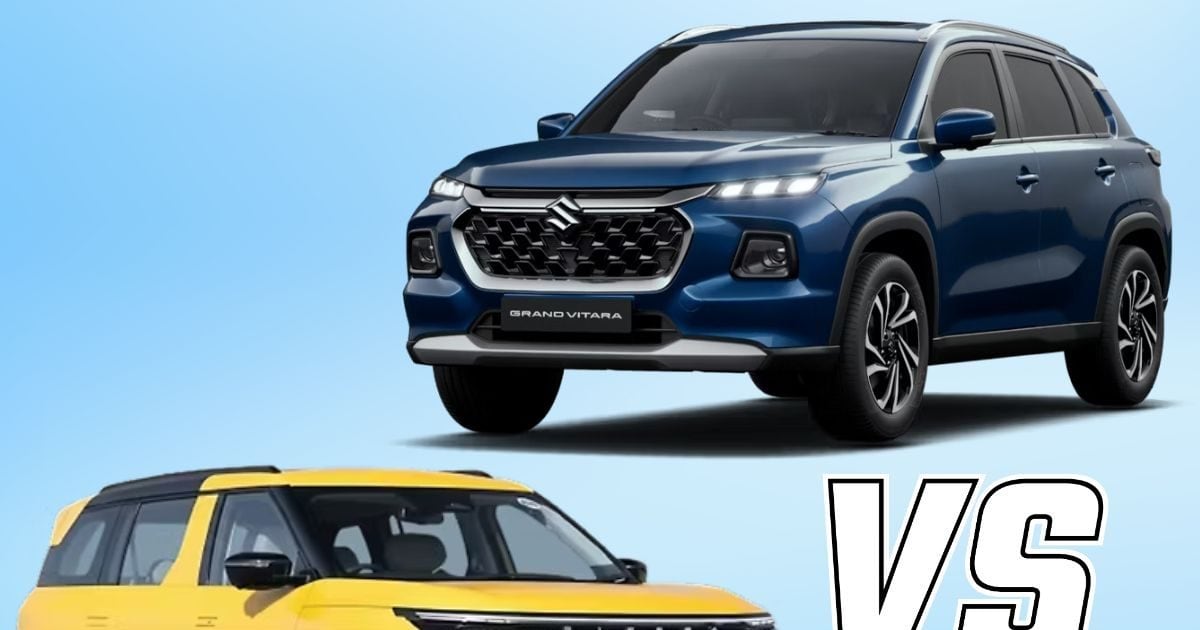
Tata Sierra vs Maruti Suzuki Grand Vitara: In the compact SUV segment, both Tata Sierra and Maruti Suzuki Grand Vitara compete with each other. Tata Sierra is launched in 2025. It has a strong design and is full of features, while the Grand Vitara is a premium and fuel efficient option.

Ex-showroom prices for the Grand Vitara start at Rs 10.77 lakh (Sigma petrol variant) and go up to Rs 19.72 lakh for the top model Alpha Plus Hybrid CVT DT. At the same time, the starting ex-showroom price of Tata Sierra is Rs 11.49 lakh (Smart Plus Petrol), which goes up to Rs 24.19 lakh for the top variant Accomplished Plus TGDi. Let us have a look at the design, interior, features, safety, engine and mileage details of both.

Design

The design of the Grand Vitara has an upright SUV stance, which includes LED headlights, LED DRLs, connected tail lamps, 17-inch alloy wheels and a panoramic sunroof. It is 4345 mm long, 1795 mm wide and 1645 mm high, wheelbase is 2600 mm and ground clearance is 210 mm.

The design of Tata Sierra is more modern and road presence, with LED headlights, LED fog lamps, flush door handles, 19-inch alloy wheels (225/55 R19 tyres) and panoramic sunroof. It is 4340 mm long, 1841 mm wide and 1715 mm high, wheelbase is 2730 mm and ground clearance is 205 mm.

interior

Both have 5-seater cabins, but Sierra is more spacious. The Grand Vitara has a dual-tone dashboard, leatherette upholstery, 7-inch digital cluster and glove box. Boot space is 373 litres, which reduces in the hybrid variant. The Sierra comes with leatherette upholstery, 10.24-inch digital cluster, ambient lighting, cooled glove box and sliding rear parcel tray. Boot space is 622 liters (1257 liters with rear seats folded), which is more than the Grand Vitara. Both have 60:40 split rear seats, but the Sierra also has features like manually-extendable thigh support and extendable sun visors.

Features

The Grand Vitara has automatic climate control, multifunction steering, cruise control, 9-inch touchscreen (Android Auto, Apple CarPlay), ventilated seats, wireless charging and Arkamis sound system. Sierra is overloaded. It has 2-zone automatic climate control, 12.3-inch touchscreen, 12-speaker JBL sound, gesture-controlled powered tailgate, driver seat with memory function, triple-screen layout and sport mode. Sierra has more features like level-2 ADAS, 19-inch wheels and dual-zone AC.

Safety

Both have 6 airbags, ABS with EBD, ESP, hill assist, TPMS, 360-degree camera and ISOFIX. The Grand Vitara has brake assist, impact sensing auto door unlock and HUD. Sierra is more advanced. It can be bought with Level-2 ADAS (Forward Collision Warning, Auto Emergency Braking, Lane Keep Assist, Blind Spot Monitor), Hill Descent Control and AR HUD (with Navigation).

Engine and Mileage

Grand Vitara has 1462cc petrol (102 bhp, 139 Nm), 1490cc strong hybrid (91 bhp, 122 Nm) and CNG options. Transmission options include FWD/AWD with 5-speed manual or e-CVT. The Sierra is powered by 1498cc petrol (105 bhp, 145 Nm), 1498cc TGDi turbo petrol (158 bhp, 255 Nm) and 1497cc diesel (116 bhp) engines, transmission options are FWD only with 6-speed manual or DCA automatic. Sierra's TGDi engine is more powerful. ARAI mileage of Grand Vitara is 27.97 kmpl and Tata Sierra is 29.9 kmpl.

Source link

Tata Nexon vs Renault Kiger: Which SUV is wise to buy after spending 6-8 lakhs? know this

Tata Nexon vs Renault Kiger: Which SUV is wise to buy after spending 6-8 lakhs? know this

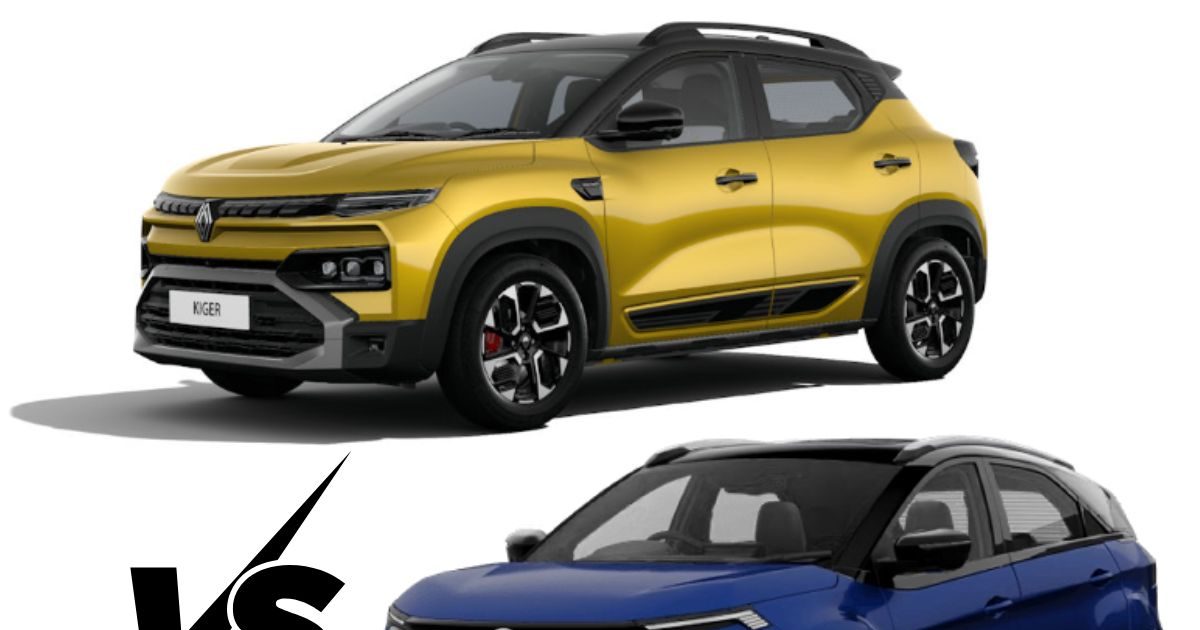
Both Tata Nexon and Renault Kiger are popular models in the sub-4 meter compact SUV segment in the Indian market. These cars are suitable for young buyers, family users and both city-highway users. Nexon is known for its strong build, excellent safety and powerful engine, while Kiger is budget friendly and comes in stylish design.

Recently both the cars have been updated. On one hand, the new Nexon has got ADAS. At the same time, Kiger Facelift has been introduced with many new changes. If you want to buy an SUV in the budget of 8-10 lakhs, then you can choose one of these. Let us look at the price and features of both.

Tata Nexon vs Renault Kiger: Design

The design of Tata Nexon looks muscular and premium. It has sharp lines, LED DRLs, large grille and connected LED taillights. Ground clearance is 208 mm, which is great for Indian roads. The Nexon looks wider and longer, which gives it stronger road presence.

On the other hand, the design of Renault Kiger is more sporty. The 2025 facelift gets new LED headlamps, fog lamps, redesigned bumpers, new alloy wheels and C-pillar graphics. Ground clearance is 205 mm. Kiger looks a bit compact, but is stylish and funky. Nexon gives a more premium feel in design, whereas Kiger looks more fresh and attractive.

interior detail

The interior of Nexon is premium and spacious. It has a 10.25-inch large touchscreen, full digital instrument cluster, ventilated seats, cooled glove box and good quality materials have been used. The cabin is wide and comfortable, rear seat space is also good.

The interior of Kiger is functional and modern. There are features like 8-inch or 10.25-inch floating touchscreen, ventilated front seats, rear AC vents, wireless charger and multi-sense driving modes. Space is good, but not as wide as the Nexon. Both have good build quality, but Nexon feels more luxurious.

Features and safety

The Nexon has advanced features like 360-degree camera, ADAS (Adaptive Cruise Control, Lane Keep Assist), wireless Android Auto/Apple CarPlay, cruise control, ventilated seats and a large infotainment system. Kiger also has features like 360-degree camera, wireless charger, auto climate control, 8-inch touchscreen, smart access card and ventilated seats.

Nexon wins in safety. It has got 5-star rating in Global NCAP, which has 6 airbags, ESP, hill hold, traction control and strong body structure. Features like ADAS are available in top variants. Kiger also has 6 airbags as standard. It gets ABS, EBD, reverse parking sensors and 21 safety features.

Engine and Mileage

Nexon has three options – 1.2L turbo petrol (118-120 bhp, 170 Nm), 1.5L turbo diesel (113-115 bhp, 260 Nm) and CNG. Transmission includes 5/6-speed MT, AMT and DCA. Its maximum claimed mileage is 17-21 kmpl in petrol and 24.08 kmpl in diesel.

Whereas, Renault Kiger has 1.0L naturally aspirated (71-72 bhp, 96 Nm) and 1.0L turbo petrol (98-100 bhp, 152-160 Nm) engines. Transmission options include 5-speed MT and CVT/AMT. Its claimed mileage (ARAI) is also around 18-20 kmpl.

Which one is better to buy?

If you want safety, power, space, mileage (especially diesel) and premium feel then Tata Nexon is a better option. At the same time, if you want a stylish and feature packed car in a low budget then Renault Kiger is a good choice. The starting price of Nexon is ₹ 7.32 lakh. At the same time, Kiger can be purchased at a starting ex-showroom price of Rs 5.76 lakh.

Source link

2026 Tata Punch vs Maruti Fronx: Which SUV to buy under ₹6 lakh? know this

2026 Tata Punch vs Maruti Fronx: Which SUV to buy under ₹6 lakh? know this

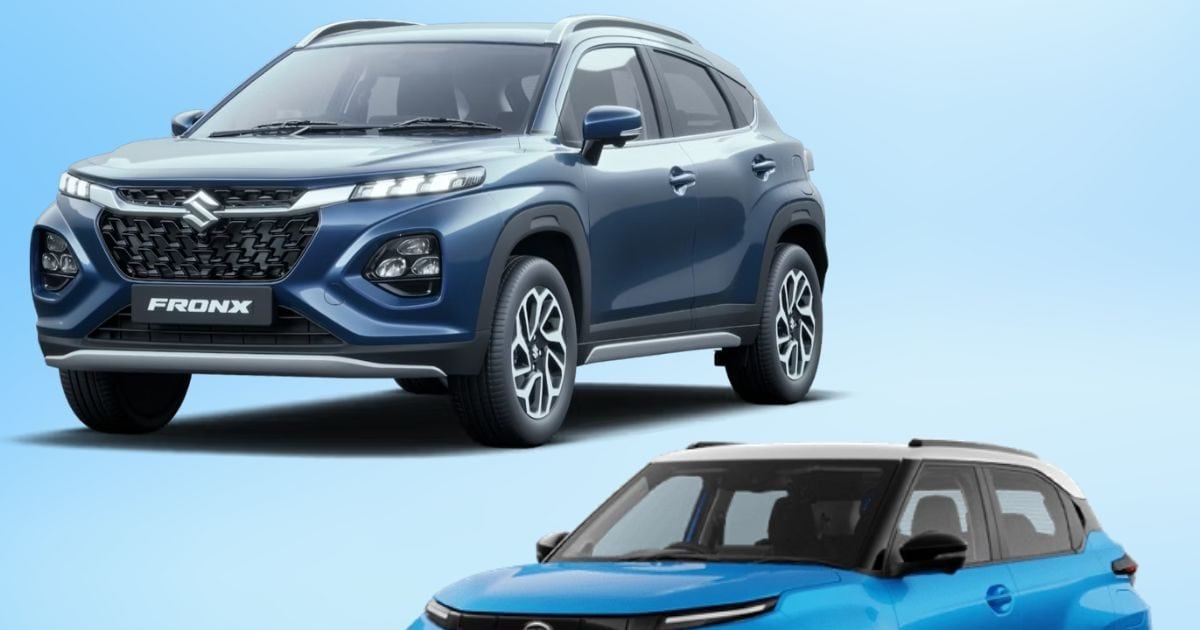
Both 2026 Tata Punch and Maruti Fronx are much better options in the sub-4 meter compact SUV segment of the Indian market. Tata Punch has recently received a facelift update, which includes a new turbo engine, more features and stronger safety, while Maruti Fronx offers sporty looks and better mileage with crossover styling. Let us look at the details related to their design, interior, features, safety, engine and performance.

2026 Tata Punch vs Maruti Frontex: The new Punch gets an updated front grille, new LED DRLs, projector headlamps, connected LED tail lamps and bold SUV cladding. It offers a tall-boy stance with high ground clearance (193 mm), which is a perfect option for Indian roads. Bumper and wheel arches give a strong look.

On the other hand, Maruti Fronx is in the crossover style. With a long, sloping roofline, sporty front and rear design, it looks more modern and has youth appeal. However, the ground clearance is low (around 190 mm). The road presence of the Punch is more SUV-like, while the Fronx feels more like a car. The design of Punch looks more rugged and practical.

Interior

The interior of the new Punch has become premium. It has a larger 10.25-inch touchscreen, 7-inch TFT digital cluster, ambient lighting, ventilated seats (in some variants), height adjustable driver seat and better material quality. Space is good, but headroom and leg room at the rear may seem a little less than the Frontx. Boot space is 366 litres.

The interior of Fronx feels more spacious and premium. There are features like long cabin, better rear leg room, head-up display (HUD) and cooled glove box. Boot space is 308 litres, but becomes more useful with foldable seats. The cabin of the Fronx looks more refined and family-friendly.

Features

Both the cars are feature-rich. The 2026 Tata Punch gets a 360-degree camera, blind spot monitor, wireless Android Auto/Apple CarPlay, sunroof, auto climate control, rear AC vents, JBL audio, cruise control and voice commands. The Maruti Fronx comes with a head-up display, 360-degree camera (top variant), sunroof, wireless charging, Arkamys sound system and connected car tech.

Safety

It has 6 airbags as standard, ESP, iTPMS, hill hold, 360-degree camera, 5-star Bharat NCAP rating (both adult and child) and strong body structure. Tata's safety image is very strong. The Frontx also gets 6 airbags, ABS, EBD, ESP and 360-degree camera, but the NCAP rating is around 4-stars. Punch is a clear winner in safety, it is especially better for family users.

Engine and Performance

There are three engine options in 2026 Tata Punch 2026. It has the first 1.2L NA petrol (88 PS, 115 Nm), new 1.2L Turbo petrol (120 PS, 170 Nm) and CNG (73 PS, but AMT option). At the same time, 1.2L NA petrol (89-90 PS, 113 Nm), 1.0L Turbo petrol (100 PS, 148 Nm) and CNG options are also available in Fronx.

Who is better: If you want safety, rugged SUV looks, high ground clearance and powerful turbo performance, then 2026 Tata Punch is a better choice. This can be a better option especially for family and safety-conscious buyers. If you want sporty design, more space, refined driving and better mileage, then choose Maruti Fronx. Maruti is also ahead in service network and resale value.

Source link

New Renault Duster vs Hyundai Creta: Which SUV has more power? If you plan to buy, then know

New Renault Duster vs Hyundai Creta: Which SUV has more power? If you plan to buy, then know

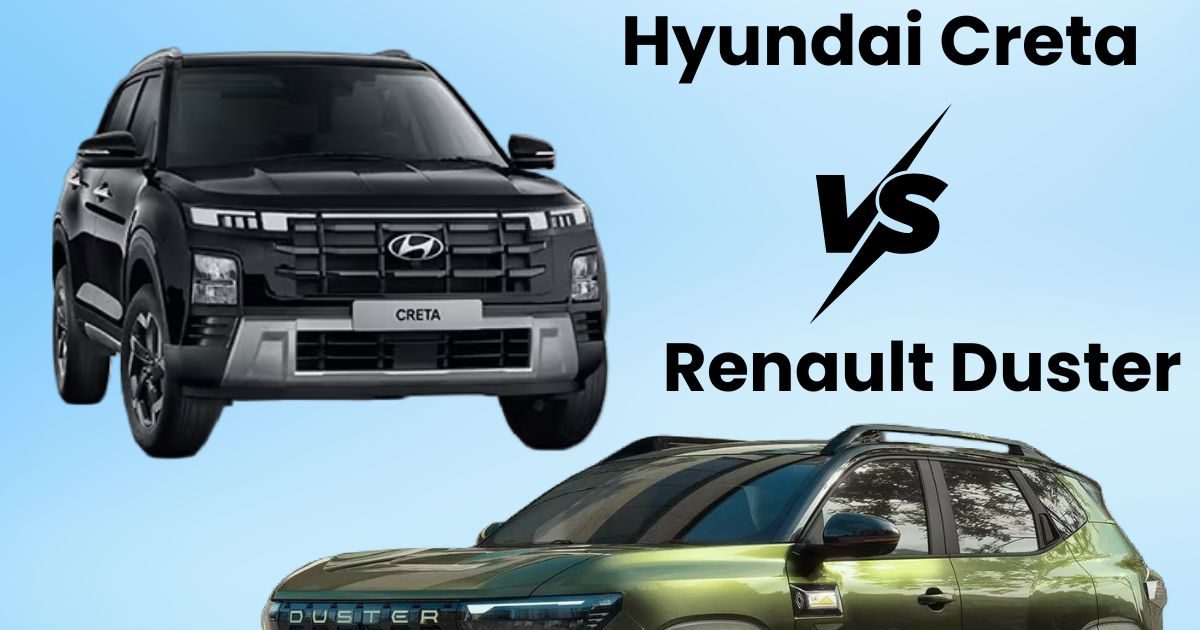
New Renault Duster vs Hyundai Creta: Duster and Creta are two very popular options in the compact SUV segment in the Indian auto market. Renault has recently updated the Duster, while the Creta has already established its foothold in the market. The new Duster now seems to be giving direct competition to the Creta. Both will compete with each other especially in terms of design, features and performance. Let us take a look at their design, interior, features, safety, engine and performance details.

Let's start with the design. The design of the new Renault Duster is more rugged and muscular, which shows the true SUV character. It gets a new signature front grille, LED headlights, LED DRL, connected LED taillights, body cladding, roof rails, shark fin antenna and high ground clearance of 212 mm. It looks more bold and adventurous with off-road look, approach angle is 26.9° and departure angle is 34.7°.

On the other hand, the design of Hyundai Creta is more modern, sleek and premium. It has LED bar front, sequential turn indicators, 17 inch alloy wheels and dual-tone exterior option. The Creta looks more city-friendly and stylish, but less rugged than the Duster. Ground clearance is 190 mm.

interior detail

The interior of Duster is now quite upgraded. Along with the dual-tone theme, it gets ambient lighting, carbon fiber finish, ventilated front seats, electric adjustable seats and a large 700 liter boot space. There is also an electric power tailgate. The interior of Creta is more luxurious and user-friendly. It has features like leatherette seats, dual-zone auto AC, rear AC vents, cooled glove box, rear sunshade and 8-way power adjustable driver seat. Panoramic sunroof is available in both.

Features and safety

Both cars are full of features. The new Duster has advanced features like 10.1 inch infotainment + 10.25 inch digital cluster, built-in Google, wireless charging, 360 degree camera, OTA updates and Level-2 ADAS. Creta gets 10.25 inch touchscreen + 10.25 inch digital cluster, wireless Android Auto/Apple CarPlay, Bose 8-speaker system, BlueLink connected car tech, Alexa integration, home-to-car, wireless charger and multiple drive modes (Eco, Normal, Sport).

Both are strong in safety. Duster gets 6 airbags, Level-2 ADAS (17+ features like lane keep assist, blind spot etc.) and 360 camera. At the same time, Creta also has features like 6 airbags standard, ADAS Level-2, 360 camera, TPMS, electronic stability control.

Engine and Performance

Many options have been added to the new Duster. However, now it cannot be purchased with diesel powertrain. Customers can now buy it in 1.0L turbo petrol (99-100 bhp), 1.3L or 1.8L turbo/strong hybrid (163 bhp, up to 280 Nm, EV mode in E-Tech hybrid) engine options. Transmission includes 6-speed MT and DCT.

At the same time, Hyundai Creta can be purchased in both petrol and diesel engine options. This includes 1.5L NA petrol (113 bhp), 1.5L turbo petrol (158 bhp, 253 Nm) and 1.5L diesel (114 bhp, 250 Nm) powertrains. Transmission options include 6MT, iVT, 7DCT, 6AT.

Source link

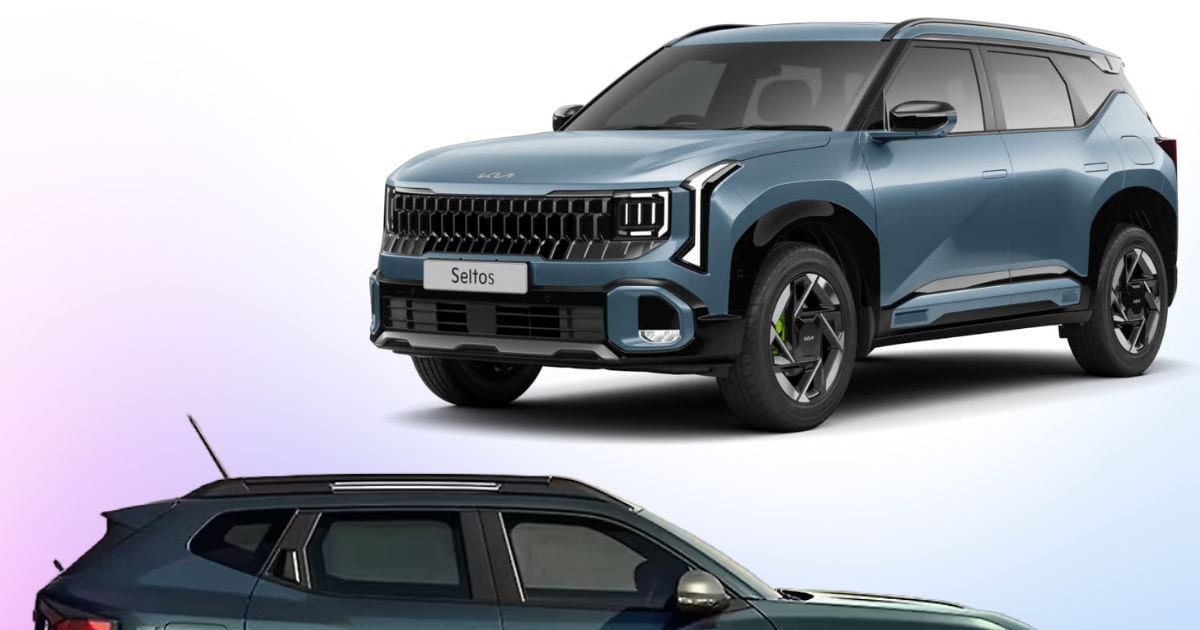
2026 Renault Duster vs Kia Seltos: Which mid-size SUV has more power? Know

2026 Renault Duster vs Kia Seltos: Which mid-size SUV has more power? Know

2026 Renault Duster vs Kia Seltos: The new Duster is making a strong comeback in the Indian market, while the Kia Seltos is already popular in the segment and is coming with some updates in the 2026 model. Both are compact SUVs that appeal to young buyers, but there are several differences. Here we look at the details of design, interior, features, safety, engine and performance.

Duster has a boxy and muscular look, which gives it a better SUV feel. It has a high bonnet, unique signature with LED DRLs, Duster branding on the bold grille, functional roof rails and a clean profile. It is 4346 mm long, 1815 mm wide and 1703 mm high, which gives rugged off-road appeal.

Whereas, Kia Seltos has a sharp and urban design, which looks more modern. It has the option of bold front grille, LED headlights, connected tail-lights, 18-inch alloy wheels and panoramic sunroof. It is 4460 mm long, 1830 mm wide and 1635 mm high, which is longer but less tall than the Duster.

Interior and Features

The interiors of the Duster are modern and techy, with a dual-screen setup (10.1-inch infotainment and 10.25-inch digital instrument cluster). It has a panoramic sunroof, wireless phone charger, dual-zone climate control, powered tailgate and ventilated front seats. Cabin space is good, but the rear seats have less leg room than the Seltos.

The interiors of the Kia Seltos feel more premium, with dual 10.25-inch panoramic screens, woven cloth or SynTex upholstery, 10-way power driver seat and more space. There is more comfort for the rear passengers and the boot space is equal to Duster (510 litres) (about 500 litres). The cabin of Seltos feels more luxurious.

Both the SUVs are feature-rich. The Duster gets wireless Android Auto/Apple CarPlay, 48-colour ambient lighting, keyless entry, multi-drive modes, wireless charger and powered tailgate. The Seltos gets Bose premium audio, smart power liftgate, ventilated seats, highway driving assist and dual-zone AC. Seltos is more tech-focused, but Duster offers eco-friendly features with the hybrid option.

safety detail

The Duster gets 6 airbags as standard, ABS with EBD, ESC, TPMS, 360-camera and level 2 ADAS (Adaptive Cruise Control) in higher variants. The Seltos gets forward collision-avoidance assist, blind-spot warning, lane keeping assist, 6 airbags and ESC. Both have strong safety, but Seltos's ADAS seems more advanced.

Engine and Performance

The new Renault Duster comes with a total of 3 engine options. This includes 1.0L Turbo Petrol (100 PS, 160 Nm, 6MT), 1.3L Turbo Petrol (163 PS, 280 Nm, 6MT/6DCT) and 1.8L Strong Hybrid (160 PS, 172 Nm, 1.4 kWh battery). It is the most powerful in the segment, but no diesel engine is offered now.

On the other hand, Kia Seltos can also be purchased with 3 engine options. This includes the first 1.5L NA petrol (113 bhp, 144 Nm, MT/iVT), the second 1.5L turbo petrol (158 bhp, 253 Nm, DCT) and 1.5L diesel (114 bhp, 250 Nm, MT/AT). In the Turbo variant, 0-100 km/h is completed in 8-9 seconds and AWD option is also available with it.

Source link

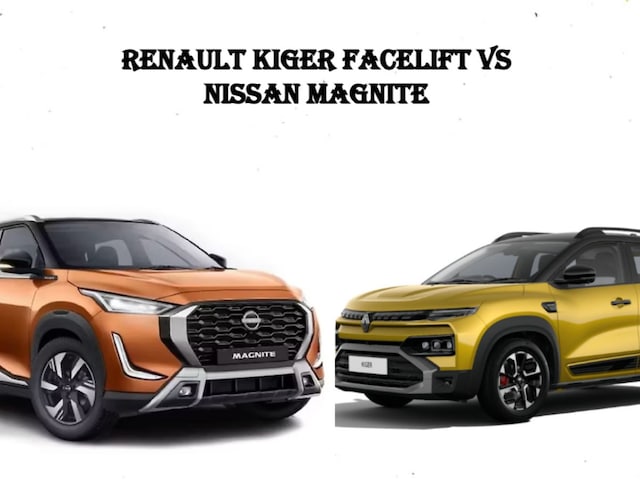
Renault Kiger facelift vs Nissan Magnite: Which car is a profitable deal for you?

Renault Kiger facelift vs Nissan Magnite: Which car is a profitable deal for you?

Last updated:

Renault Kiger and Nissan Magnite are both sub-4 meters SUVs, are based on the same platform, features are the same, but Kiger provides big boot space and some additional facilities.

Renault Kiger facelift vs Nissan Magnite: Which car is a profitable deal for you?
New Delhi. Renault launched facelifted Kiger a few days ago, which has several updates compared to the previous model. It directly competes with Nissan Magnite as both are the most affordable options in the sub-4 meter SUV segment. Interestingly, both are based on the same platform and use the same architecture. As expected, both are quite similar but many different aspects are also very different. Interestingly, Magnite has also received an update recently in December 2024. Let us know how the facelifted kiger and magnite are equal and uneven from each other.

Dimensions
Magnite is a bit longer and wide than Kiger. However, Kiger is higher than Magnite. Since both are based on the same platform, their wheelbase is exactly the same. Even ground clearance is the same at 205 mm. However, the boot space of Renault Kiger is 405 liters, which is much larger than the 336 liter boot space of Nissan Magnite. In the case of features, both crossover has the same features such as 8.0-inch touchscreen infotainment system, wireless apple carplay and android auto, 6-speaker arkamys-tune sound system, BI-projector auto lege headlamps, 360-delicious camera, digital institutes, auto Climate control etc.

Dimensions 2025 Reno Caiger Nissan magnite
Lengthe 3,990 mm 3,994 mm
Vidth 1,750 mm 1,758 mm
Height 1,605 mm 1,572 mm
Wheelbase 2,500 mm 2,500 mm
Ground clearance 205 mm 205 mm
Boot space 405 liters 336 liters
Specifications 2025 Reno Caiger Nissan magnite
engine 1-litre na petrol 1-liter turbo petrol 1-litre na petrol 1-liter turbo petrol
Power 71 bhp 99 bhp 71 bhp 99 bhp
Torque 96 nm 160 Nm (MT), 152 Nm (CVT) 96 nm 160 Nm (MT), 152 Nm (CVT)
Transmission 5-speed MT, 5-speed AMT 5-speed MT, CVT 5-speed MT, 5-speed AMT 5-speed MT, CVT
Safety features

In the case of safety features, both Kiger and Magnite have six airbags, eSP, tire pressure monitor, isofix mounts, electronic stability control, hill start assist and other general safety features. However, Kiger has some additional benefits like ventilated front seats and rain-sensing wipers.

Renault Kiger facelift vs Nissan Magnite: Price
The initial price of Renault Kiger is slightly expensive than the base variant of the magnite. While the price of top-spec magnite is more than the top-spec kiger. However, the prices of both SUVs are quite close.

2025 Reno Caiger Nissan magnite
Price range Rs 6.29 Lakh to Rs 11.29 Lakh Rs 6.14 lakh to Rs 11.76 lakh
Click here to add News18 Hindi as your favorite news source on Google.
homeauto

Renault Kiger facelift vs Nissan Magnite: Which car is a profitable deal for you?

Source link