
Why fog lamps are necessary, the accident in Noida explained, understand how they work

Why fog lamps are necessary, the accident in Noida explained, understand how they work

Last Updated:

The death of a techie in Noida has highlighted the dangers of driving at night, rain, fog or low visibility. Fog lamps help a lot in seeing the road in low light and fog. This accident is a lesson for every driver not to take safety features lightly. Fog lamps enhance visibility in fog and rain with a special light pattern.

news quickly

New Delhi. A tragic accident in Noida on the night of 17 January has drawn the attention of the entire country to road safety. An IT professional's car fell into an open construction pit on a foggy night and low visibility. The water kept filling rapidly and help could not reach in time. This incident not only raised questions on the poor infrastructure, but also drew attention to another thing, the need for fog lamps in vehicles.

After such accidents, a question arises again and again that if there had been better visibility, perhaps this incident could have been averted. It becomes difficult to judge the road in fog, rain and darkness. This is where fog lamps prove to be a small but very important safety feature which can sometimes prevent major accidents.

Why are fog lamps necessary?

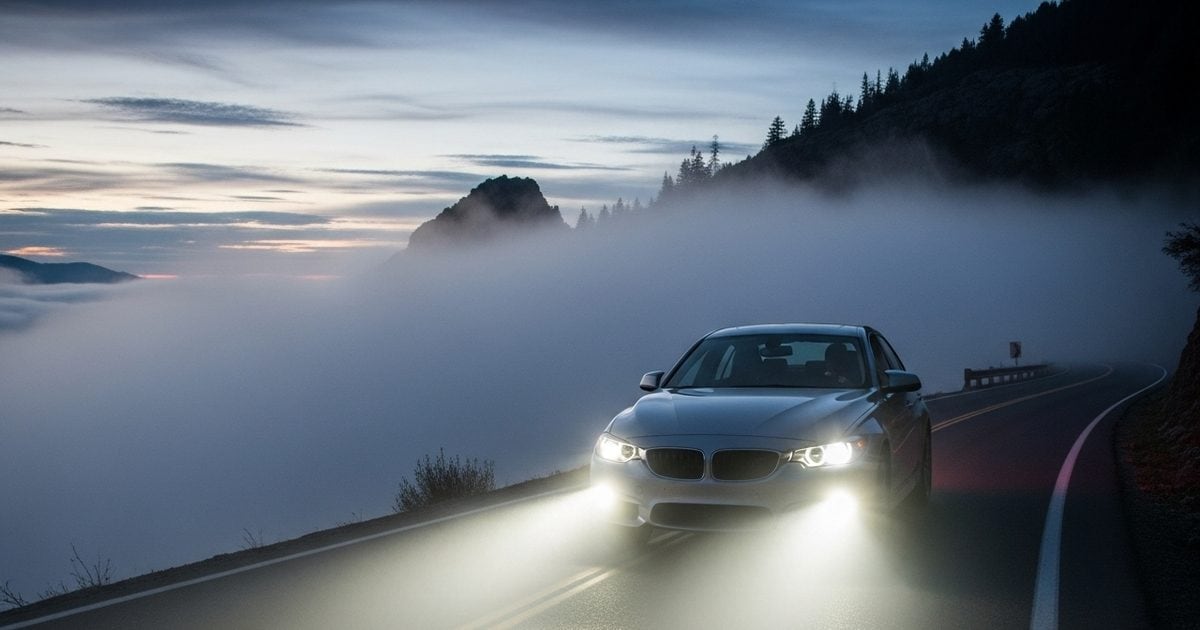
Dense fog and heavy rains are common in areas like Delhi NCR, Uttar Pradesh, Haryana and Punjab during winter and monsoon in India. In such weather, the light of normal headlights gets scattered in the fog and the road ahead is not clearly visible. Fog lamps are installed close to the ground and their light spreads straight on the road. This allows the driver to see the surface and obstacles in front in time.

How do fog lamps work?

Yellow or amber tone light is used in fog lamps. The wavelength of this light is longer, due to which there is less collision with fog particles. The result is that the road remains clearly visible even in low visibility. This is the reason why fog lamps are more effective than ordinary headlights in heavy rain and fog.

Correct use of fog lamps

Fog lamps should be used only in fog, heavy rain or mist. It is considered correct to drive them with low beam headlights. High beam has the opposite effect in fog and dazzles the driver's eyes. Keeping fog lamps on in normal clear weather can become a problem for other vehicles.

Lesson to be learned from Noida accident

The Noida incident showed that having an SUV does not guarantee safety in every situation. Any vehicle can become helpless in front of deep water and open pit. If visibility had been better, the danger might have been seen earlier. Also, presence of tools like emergency hammer in the car can also help in saving lives.

Important advice for drivers

Every car owner should check whether fog lamps are present in his vehicle or not. Aftermarket fog lamps can be installed if required. Reduce speed in rain and fog and avoid construction zones or waterlogged roads. Small precautions and the right safety features often make the difference between life and death.

About the Author

authoring

Jai Thakur

Jai Thakur has been associated with the world of news since 2018. Working as Senior Sub Editor in News18Hindi since 2022 and is part of the business team. There is interest in news related to business, especially stock market. Apart from this…read more
homeauto

Why fog lamps are necessary, the accident in Noida explained

Source link

5 cars with radar-based ADAS that make driving in dense fog easier

5 cars with radar-based ADAS that make driving in dense fog easier

  • Radar-based ADAS uses radio waves to detect vehicles in fog, making these five cars safer and more confidence-inspiring in low visibility.

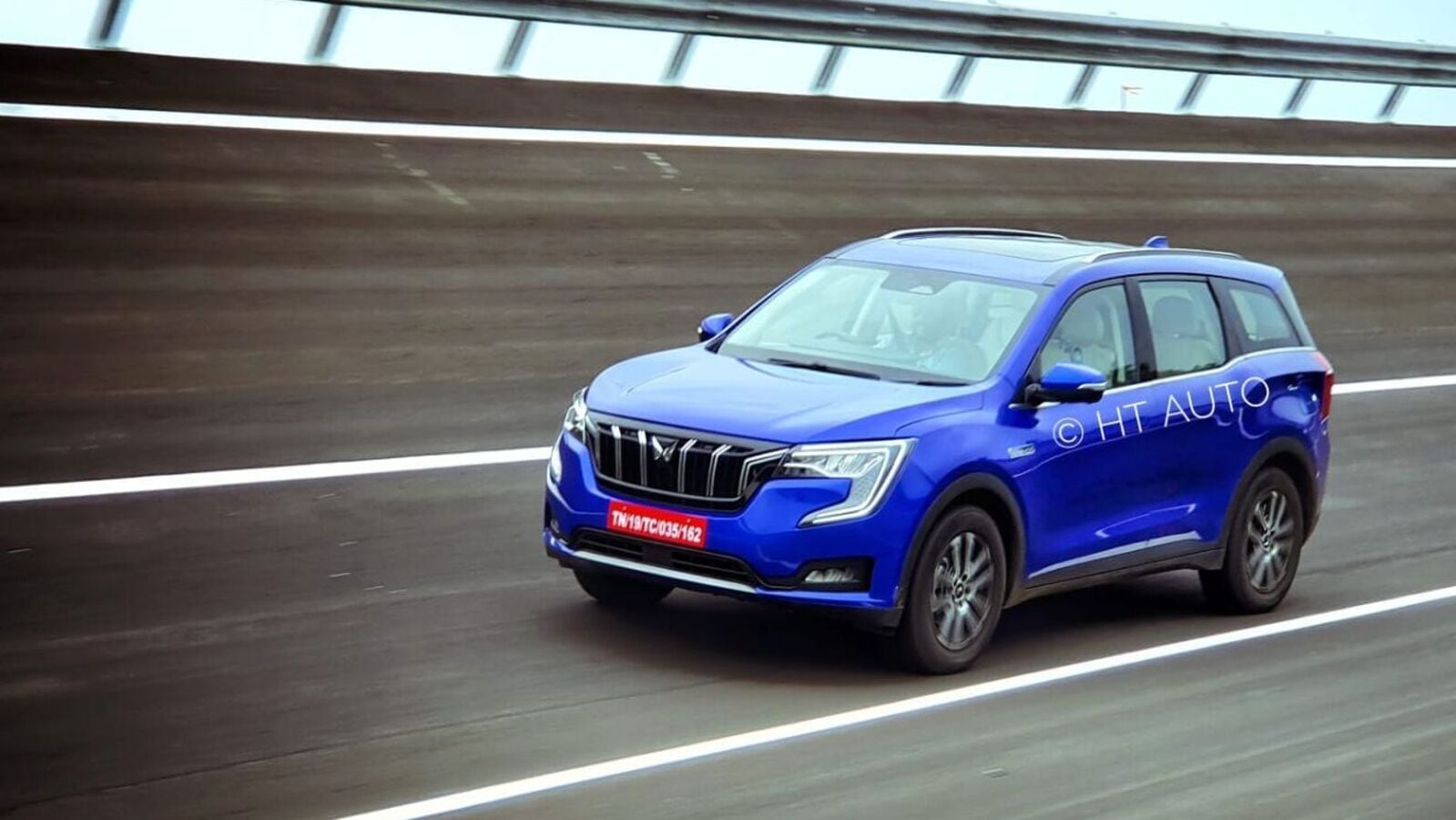
When visibility on Indian roads is reduced due to dense fog in winter, radar-based ADAS-equipped cars like the XUV700 provide added reassurance. (HT Auto/Sabyasachi Dasgupta)

View personalized offers

check offer icon check offers

Anyone who has been through the winter fog of North India knows how quickly visibility can drop to just a few metres. In such situations, a car's safety technology matters as much as good headlights and steady hands on the wheel. This is where radar-based ADAS have a clear advantage over camera-only systems.

Unlike cameras, which rely on visible light and struggle in fog, radar uses radio waves that can pass through fog and moisture. Sensors continuously measure the distance and speed of oncoming vehicles, feeding this data to systems like adaptive cruise control and automatic emergency braking. While ADAS is never a substitute for driver attention, radar-assisted systems remain more reliable when visibility is poor.

Here are five cars sold in India with radar-based Level 2 ADAS that can make driving in dense fog a little less stressful:

The newly launched Tata Sierra enters the mid-size SUV segment with a focus on safety and technology. The Sierra is equipped with Level 2 ADAS, which includes adaptive cruise control, autonomous emergency braking, and lane keep assist functions that rely on radar and camera fusion.

Engine options include petrol and diesel units, with the power figure going up to around 158 bhp depending on the variant. Sierra is priced below Harrier From Rs 11.49 Lakh Rs 21.29 lakh (ex-showroom). With its high seating position and modern safety technology, the Sierra is targeted at buyers who want everyday utility with added confidence in poor visibility.

Kia has recently unveiled its new generation Seltos. However, the variants sold earlier also came packing the Level 2 ADAS suite. Higher variants get radar-assisted features including adaptive cruise control, forward collision avoidance and lane keeping system.

The highlight is the 1.5-litre turbo-petrol engine that produces around 157 bhp, while a naturally aspirated petrol option is also available. Prices range from from 10.8 lakhs Rs 19.8 lakh (ex-showroom). For highway commuters who often encounter fog while driving early in the morning, the Seltos' ADAS package adds a reassuring safety net.

Hyundai's Creta remains a benchmark in the SUV sector, and its SmartSense ADAS suite cements that position. This system combines radar and cameras to enable adaptive cruise control, lane keeping assist, and automatic emergency braking.

The Creta is offered with multiple powertrains, including a 1.5-litre turbo-petrol engine producing around 157 bhp. Ex-showroom prices currently sit between 10.7 lakh more 20.2 lakh. In dense fog, the Creta's radar-based distance monitoring works quietly in the background, stepping in only when needed.

The XUV700 was one of the first mass-market Indian SUVs to offer radar-based Level 2 ADAS, and it remains one of the most widely implemented in its price range.

The petrol version of this SUV produces around 197 bhp, while the diesel goes up to around 182 bhp, making it one of the most powerful cars on this list. XUV700 prices range from from 13.6 lakhs Rs 23.7 lakh (ex-showroom). Features like Smart Pilot Assist and emergency braking are especially useful on foggy expressways where sudden deceleration is common.

Radar-based ADAS is no longer limited to SUVs, and the Hyundai Verna proves that point. The sedan gets radar-assisted SmartSense ADAS on higher trims, which includes adaptive cruise control and forward collision warning.

Its 1.5-litre turbo-petrol engine produces around 157 bhp, making the Verna one of the fastest cars in its segment. With prices starting from Going up to Rs 10.7 lakh and Rs 16.9 lakh (ex-showroom), it offers radar-based safety technology in a lower, more aerodynamic body style.

conclusion

Radar-based ADAS does not magically eliminate the risks of driving in fog, and it does not replace careful driving. But when visibility is reduced and reaction time matters, radar gives the car a more reliable way to “see” what's going to happen ahead. For Indian conditions, especially winter highways, these systems can make a meaningful difference when used responsibly to help avoid accidents.

Upcoming cars in India in 2025, check out the best SUVs in India.

First publication date: 18 Dec 2025, 15:54 PM IST

Source link