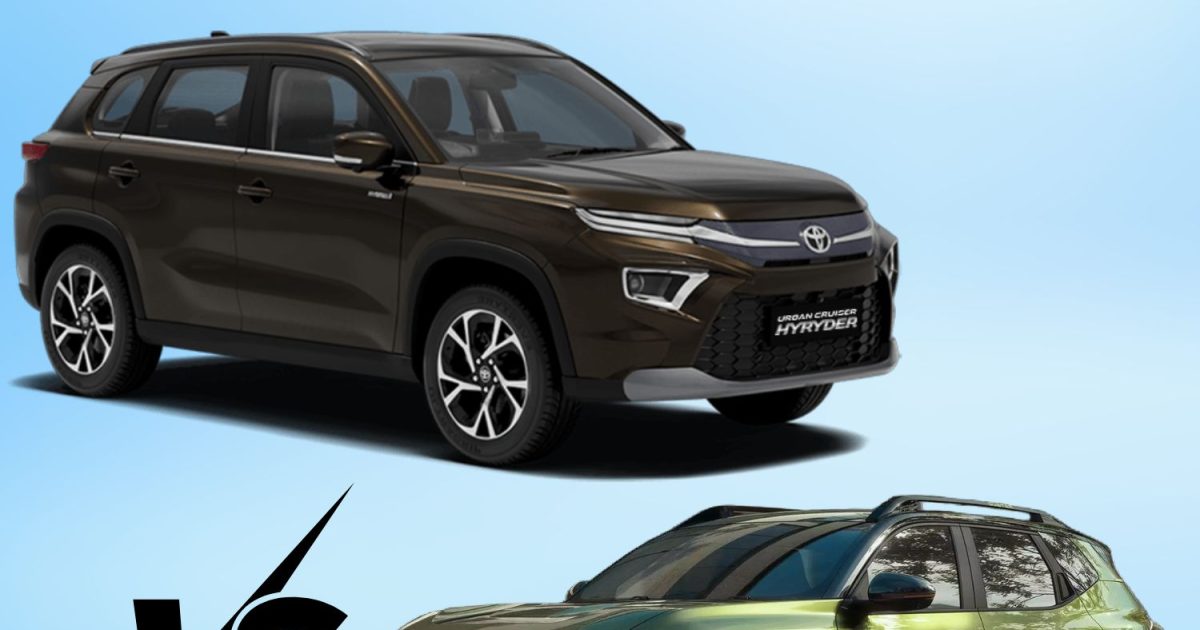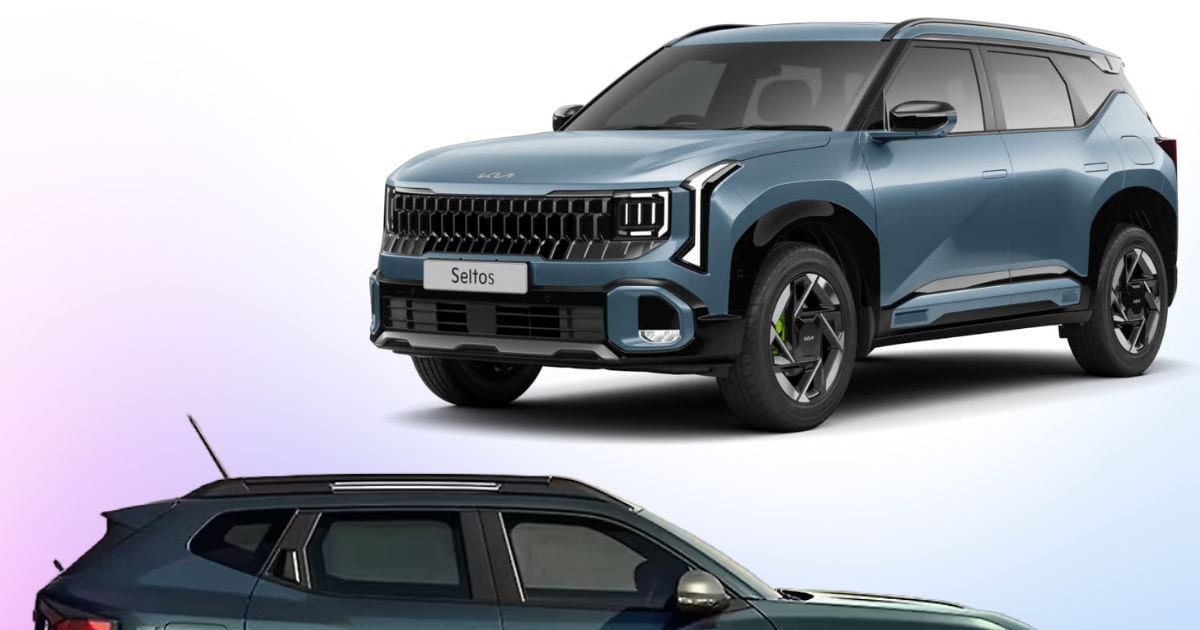
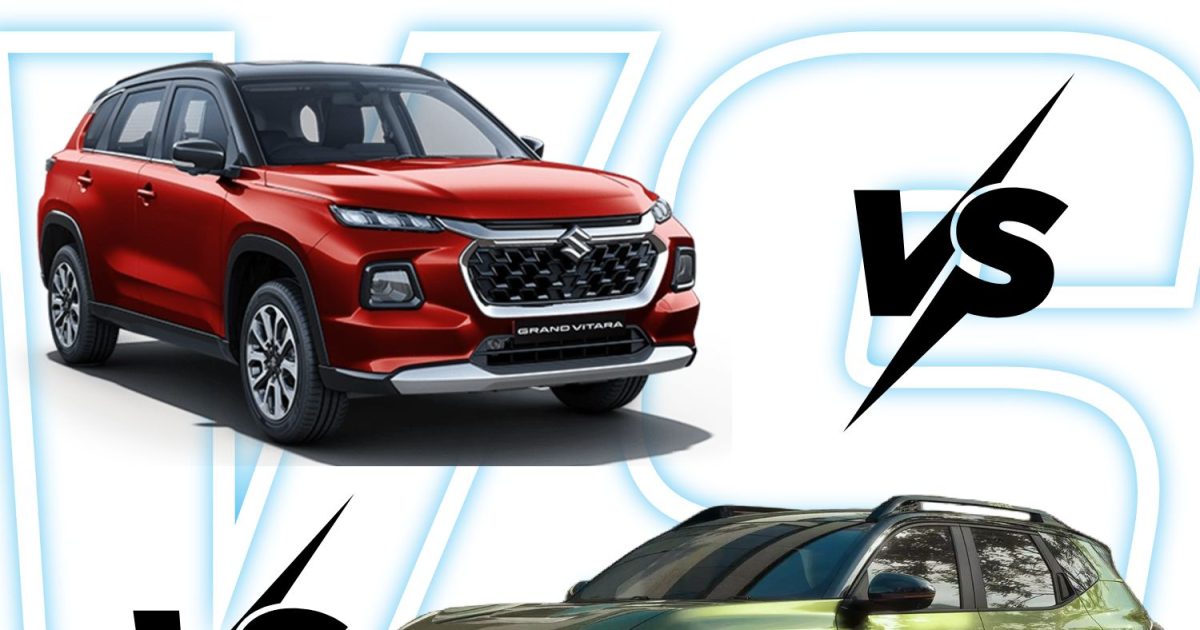
New Renault Duster vs Maruti Grand Vitara: Both the new Renault Duster and Maruti Grand Vitara will compete with each other in the mid-size SUV segment in the Indian market. The new Duster will return in 2026 with a modern design, powerful engine and better features, while the Grand Vitara is known for its hybrid technology, Maruti's reliability and good sales. Let us take a look at their design, interior, features, safety, engine and performance details.
Talking about design, the look of the new Renault Duster is quite aggressive and muscular. It gets a rugged appearance with a new front grille, LED headlights, C-shaped daytime running lights, roof rails and 212 mm ground clearance. It gives more off-road look and the body looks wider (about 2069 mm) and stronger.
On the other hand, the design of Maruti Grand Vitara is more premium and stylish. It has sleek LED headlights, panoramic sunroof, chrome accents and smooth lines, making it family-oriented and attractive for urban use. The length of the Grand Vitara is 4345 mm and width is 1795 mm, which is slightly less than the Duster, but looks balanced. Overall, the design of the Duster is adventurous, while that of the Grand Vitara is more sophisticated.
How much difference is there in the interior?
Both the cars offer good space. The new Duster has a dual-screen setup – 10.1-inch touchscreen infotainment and 10.25-inch digital driver display. Multi-colour ambient lighting, ventilated front seats, wireless charger and a large boot space of 510 liters are available. The cabin feels premium but the plastic quality is average at some places.
The Grand Vitara's interior feels more refined and premium, with soft-touch materials, a large panoramic sunroof, good fit-finish and comfortable seating. Boot space is 373 litres, which is less than the Duster but adequate for family use. Both have 5 seater configuration, but rear space and comfort is slightly better in Grand Vitara.
Features and safety
Grand Vitara is ahead in terms of features. It has segment-first features like panoramic sunroof, head-up display, 360-degree camera, ventilated seats, cruise control, auto climate control and AllGrip AWD (in some variants). The Duster also gets a panoramic sunroof, wireless Apple CarPlay/Android Auto, OTA updates, powered tailgate and dual-zone AC, but the Grand Vitara has a bigger feature list.
Duster gets 6 airbags, electronic stability control (ESC), 360-degree camera, ADAS (Advanced Driver Assistance System) like lane keep assist, blind spot monitoring and autonomous emergency braking. The Grand Vitara also has 6 airbags, ESC, TPMS and 360-degree camera, but the ADAS full suite looks more advanced in the Duster.
Engine and Performance
The new Duster has three engine options. In this, first 1.0L turbo petrol (100 PS, 160 Nm), second 1.3L turbo TCe 160 (163 PS, 280 Nm) and third largest 1.8L strong hybrid E-Tech (163 PS, better mileage) engine will be available. The top variant has a segment-leading 280 Nm torque, which gives excellent performance on the highway. There are also 6-speed MT/DCT options.
Grand Vitara has 1.5L mild hybrid petrol (103 PS, 139 Nm), strong hybrid (116 PS, 141 Nm) and CNG (87 PS) options. Its focus is on fuel efficiency. ARAI mileage goes up to 21-28 kmpl. In terms of performance, Duster can be more powerful and fun-to-drive. However, we have not driven it yet. There itself. The Grand Vitara is smooth and economical.