Want to go green? Top 5 EVs to be launched in 2026

Want to go green? Top 5 EVs to be launched in 2026

  • With 2026 around the corner, several major electric cars and SUVs are set to launch in India. From mass-market EVs to premium offerings, here are the top five electric vehicles to watch out for in the next year.

From affordable electric SUVs to premium flagship EVs, 2026 will be a big year for India's EV market

2026 is just around the corner, and so there is a new batch of new EVs waiting to hit the market. The Indian electric passenger vehicle sector has grown significantly in recent times and shows no signs of slowing down, with a wide range of manufacturers looking to make their mark. From facelifts and much-awaited models to brand new launches, HT Auto brings to you a detailed list of top 5 EVs that you should keep an eye on:

Tata Sierra EV:
Tata Sierra EV
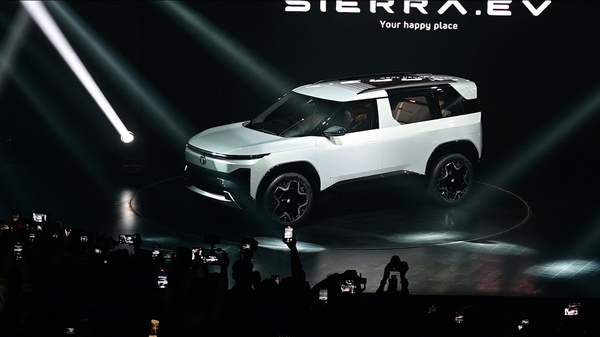
Sierra EV will be launched in the first quarter of 2026

Although the Sierra has just been revived for the modern era, Tata Motors' plans for the nameplate are far from over as it looks to launch a battery electric version of the SUV in the first quarter of 2026. It is expected to come with 55 kWh and 65 kWh battery pack variants, which will enable both rear and all-wheel drive versions. Although official details are not available yet, the Sierra EV is expected to offer a single-charge range of between 450 and 500 km. Prices are expected to hover in the range of from 20 lakhs Rs 25 lakh (ex-showroom).

Maruti Suzuki E Vitara:
Maruti Suzuki E Vitara
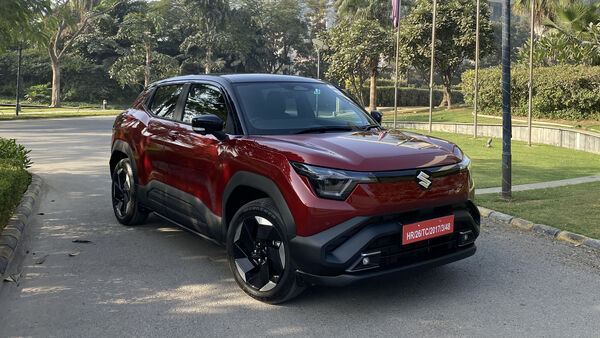
Maruti Suzuki E Vitara displays a clean, grill-less front design with Y-shaped LED DRLs

Maruti Suzuki will enter the growing Indian passenger EV market with the launch of the e Vitara in January 2026, marking the beginning of the carmaker's electric strategy. Based on the HEARTECT-e architecture, it will be offered in 49 kWh and 61 kWh battery packs, offering a single-charge range of between 344 and 543 km (ARAI). The e Vitara will also debut Suzuki's ALLGRIP-e electric 4WD system on the 61 kWh variant, with independent front and rear axles. These variants will offer a dedicated Trail mode that employs selective braking and torque distribution to improve off-road performance.

Vinfast Limo Green:
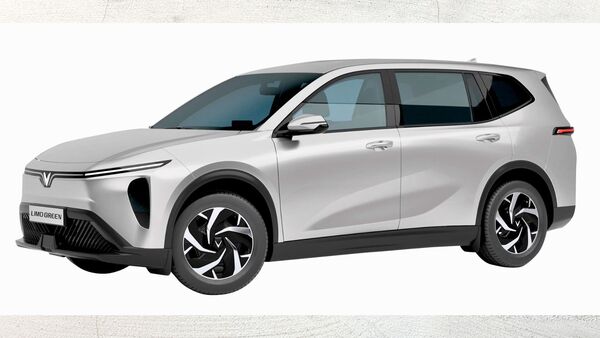
Vinfast Limo Green MPV
VinFast Limo is looking to bring its entire portfolio to India, starting with the green e-MPV

VinFast has confirmed its plans to explore full-scale expansion in India's EV sector and is looking to bring its entire global portfolio to our shores. Leading the charge will be the VinFast Limo Green, a seven-seat electric MPV that will rival the Kia Carens Clavis EV. It gets a 60.13 kWh battery pack that powers a 150 kW motor that produces 280 Nm of peak torque and a single-charge driving range of up to 450 km.

Also Read: VinFast may bring full product portfolio to India; Three new EV launches confirmed

Hyundai Ioniq 5 Facelift:
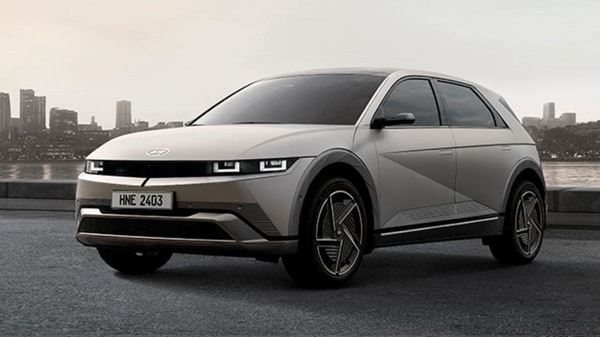
Hyundai Ioniq 5 Facelift
The Hyundai Ioniq 5 facelift electric SUV has been introduced for global markets with a bigger battery that promises more range.

The Hyundai Ioniq 5 facelift will be launched in India around June 2026 and will come with several cosmetic changes as well as functional enhancements. There will be changes to the front and rear fascias, which will likely result in a revised bumper and front grille design. Talking about the inside, it will provide physical controls for essential vehicle functions. Although it comes in both RWD and AWD versions, the Indian market will likely get the larger 84 kWh battery pack that sends power to the rear. It is expected that its ex-showroom price will increase 50 lakh mark.

Tata Avinya:
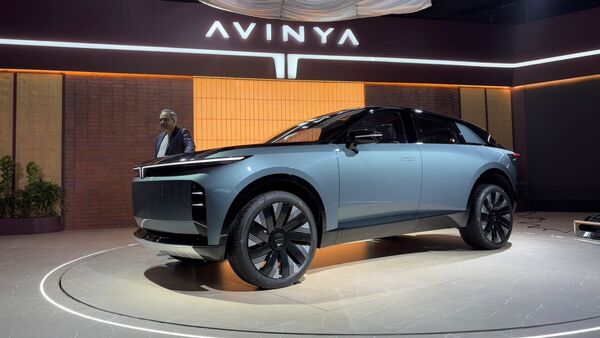
Tata Avinya X
Tata Avinya X Concept at Auto Expo 2025.

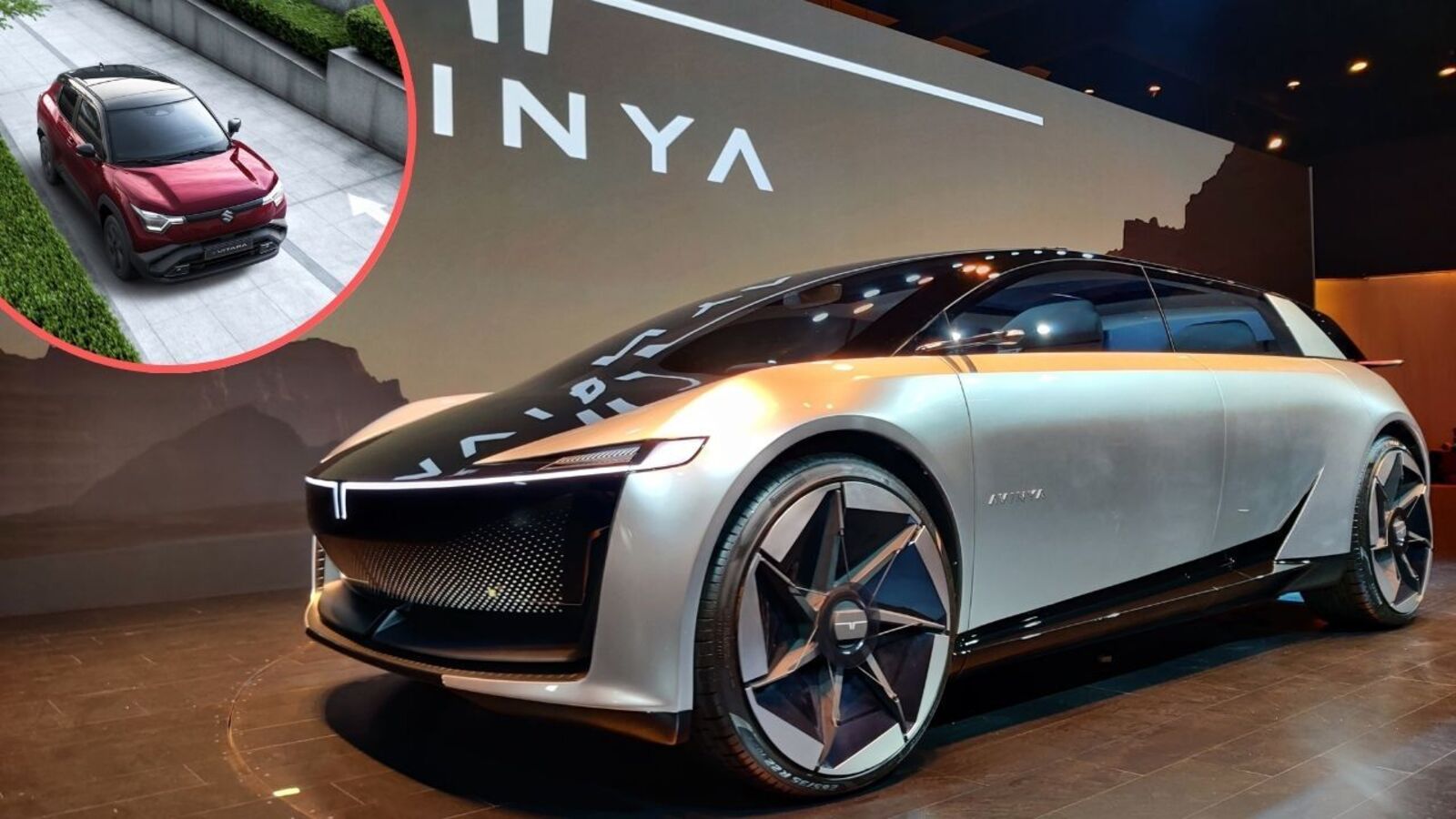
Tata Motors is preparing to enter the premium EV segment with the launch of its new sub-brand Avinya EV in late 2026. While the Indian manufacturer has already showcased two concepts, a high-riding Avinya Although the exact details of this new EV have not been released yet, it has been confirmed that it will be built on Tata's new lightweight Gen 3 EV architecture, a dedicated scooter platform that will support faster charging speeds, a flat floor design and long single-charge range driving.

Check out Upcoming EV Cars in India, Upcoming EV Bikes in India.

First publication date: 25 Dec 2025, 16:02 PM IST
Source link

India's first electric car was launched 32 years ago, shook the market, then due to this it had to be discontinued

India's first electric car was launched 32 years ago, shook the market, then due to this it had to be discontinued

Last Updated:

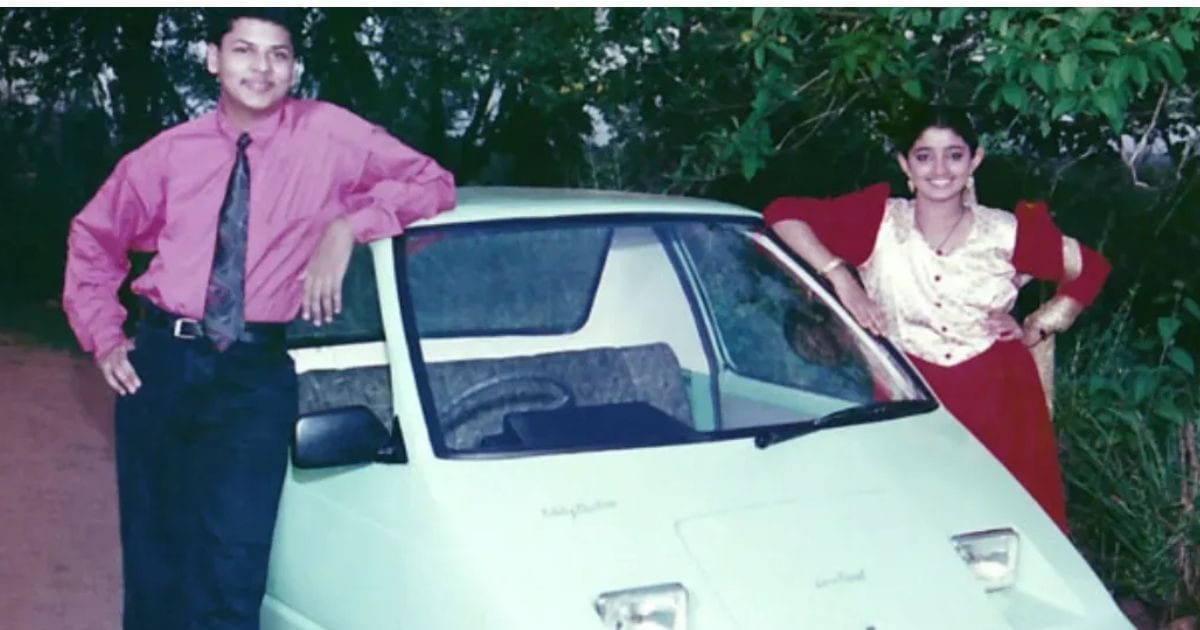
India's First Electric Car: India's first electric car Lovebird was developed by Eddy Current Controls India Ltd. in 1993. And introduced by Yaskawa Electric, REVA later gained popularity in 2001. This car created a lot of discussion after its launch. But at that time there were many reasons due to which it could not survive in the market for long. However, some experts believe that Reva was India's first electric car.

New Delhi. The craze for electric cars is increasing rapidly all over the world including India. Almost all major automobile brands have launched their electric models in India. Among these, Mahindra and Tata have prepared a very large electric portfolio. But do you know that electric cars have not been launched in India yet. This journey is quite old. 32 years old, yes! You will be surprised to know that in the year 1993 i.e. 32 years ago, India's first electric car was presented for the first time in the Auto Expo. Eddy Current Controls (India) Ltd. Had prepared this car in collaboration with Yaskawa Electric Company of Japan.

First Electric Car: Lovebird

USP:

  • It was a 2-seater car.
    It gave a range of about 60 kilometers on full charge.
    Its top speed was around 40-50 km per hour.
    It took about 8 hours to get fully charged.

Why was it closed?

There were several main reasons behind Lovebird not being successful in India, lack of charging infrastructure: There were no charging stations in India at that time.
High input cost and low sales: At that time the technology of EV was in its initial stages. Due to this, the production cost was very high and its sales were also very low at that time, due to which the manufacturer had to stop its production.
Old Battery Technology: Lead-acid batteries were used in it, which were heavy and gave less range.
Electricity problem: In the 90s, there were frequent power cuts in many parts of India, due to which people were hesitant in buying electric vehicles.
Lack of government support: Initially the government had given subsidy, but later it was removed, due to which the price of the car increased further.

Another famous electric car:

Many people consider REVA to be India's first electric car, which was launched in 2001 and played an important role in popularizing electric cars. However, Lovebird (1993) had already come before that. It was considered a city car. It was specially designed for city traffic. Small size, great for tight turns and easy to maneuver. It introduced technologies like electric motor, battery management system and regenerative braking in India. REVA was one of the first Indian automotive products to be exported to more than 26 countries, earning it global recognition. Its success and shortcomings provided the basis for Mahindra to develop the e2o and subsequent all-electric models (e.g. eVerito), which later became Mahindra Electric Mobility Limited.

Click here to add News18 Hindi as your favorite news source on Google.
homeauto

India's first electric car was launched 32 years ago, shook the market!

Source link

Maruti eVX to Tata Harrier EV: Electric cars to launch in India next year

Maruti eVX to Tata Harrier EV: Electric cars to launch in India next year

India will get a number of new electric cars in the next 12 months as the EV segment continues to grow at a rapid rate. Several carmakers have already confirmed launch of their new electric vehicles in 2024. Some of these models will help top carmakers enter the EV fray in the country which currently has less than seven per cent contribution to overall vehicle sales in India. Key names among the expected electric cars to hit Indian shores include the likes of Maruti Suzuki’s first EV – the eVX, Tata Harrier EV among others. Here is a quick look at list of brand new electric cars to launch in India next year.

Maruti Suzuki is expected to launch its first electric vehicle in India with the introduction of the eVX in 2024. Tata Motors is also expected to launch at least three new EVs, including the electric avatar of its flagship Harrier SUV next year.

Maruti Suzuki eVX

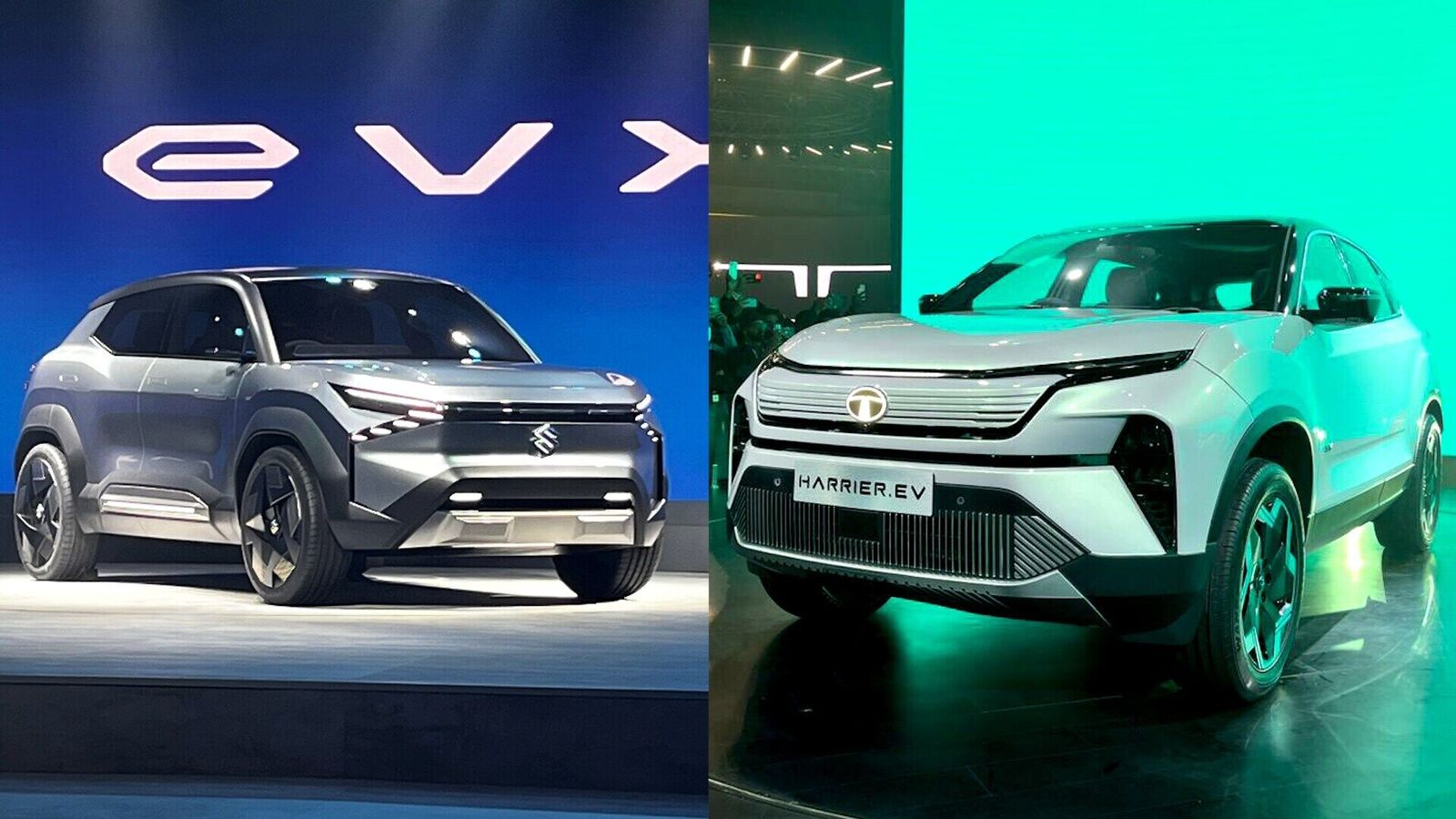
2024 will be a landmark year for Maruti Suzuki, the largest carmaker in India, as it plans to put its first ever electric car eVX to production. The carmaker has confirmed that the eVX electric SUV, first showcased at the Auto Expo held in January this year, will be manufactured from Suzuki Motor’s Gujarat facility at Hansalpur starting next year. It is expected to be launched some time in 2024. The eVX electric SUV will come with a range of around 550 kms in a single charge. It will be equipped with a 60 kWh lithium-ion battery pack. When launched, it will take on the likes of MG ZS EV and Hyundai Kona among others.

Tata Harrier EV

Tata Motors has confirmed that its flagship Harrier SUV, which recently received a major facelift, will get its electric version next year. The Harrier EV made its debut at the Auto Expo earlier this year. Built on the Gen 2 EV architecture, the Harrier EV will come with V2L and V2V charging facilities. The Harrier EV has been spotted testing on roads ahead of its launch within the next few months. However, very little is known about what this electric SUV will offer in terms of range, performance and features.

Tata Punch EV

The second electric vehicle from Tata stable expected to make India debut next year is the Punch. The smallest SUV from the carmaker already has the ICE and CNG version on sale. When launched, it will become the fourth car in Tata’s lineup to offer ICE, CNG and EV version of the same model. The Punch EV is expected to come with the same Ziptron technology that is doing duty in other Tata EVs like Nexon. The size of the battery could be the ones used for Tigor EV or the Nexon EV. Tata Punch EV could offer range of more than 300 kms in a single charge in the long-range version.

Tata Curvv EV

The third electric car from Tata Motors expected to be launched in 2024 is the Curvv EV. Tata is likely to launch the EV version of the SUV after its ICE version makes its debut. The Curvv EV will be based on Tata Motor’s X1 platform which will be heavily reworked to become EV ready. According to reports, the expected range of the Curvv electric SUV will be between 400 kms and 500 kms in a single charge. It is not clear if Tata Motors will use the same battery the Nexon EV facelift uses.

Kia EV9

The Korean auto giant is expected to expand its EV lineup in India with the introduction of its three-row electric SUV EV9. Based on the Electric Global Modular Platform (E-GMP), the EV9 stands more than five metres in length. It promises to offer range of up to 541 kms in a single charge. It is expected to be offered in two variants. Globally, the EV9 is powered by a 150 kW electric motor that can help it sprint 0-100 kmph in 9.4 seconds. The RWD version of the EV will come with a more powerful 160 kW electric motor. The EV has an 800-volt electrical architecture that enables the EV to charge at ultra-fast speed. Kia claims the EV9 can run 239 kms with just 15 minutes of charging.

Mahindra XUV.e8

Mahindra and Mahindra will also expand its EV lineup for India with the launch of an electric SUV based on the XUV700. This will be Mahindra’s second electric offering after the XUV400. Mahindra had showcased five upcoming electric SUVs during an event held in United Kingdom in August last year. To be launched under the Born Electric brand, the XUV.e8 is expected to come with dual electric motor as well as all-wheel drive technology. Mahindra is likely to offer at least 60 kWh battery pack with the XUV.e8 EV besides adding features like level 2 ADAS, 5G connectivity among others.

First Published Date: 18 Dec 2023, 14:20 PM IST


Source link