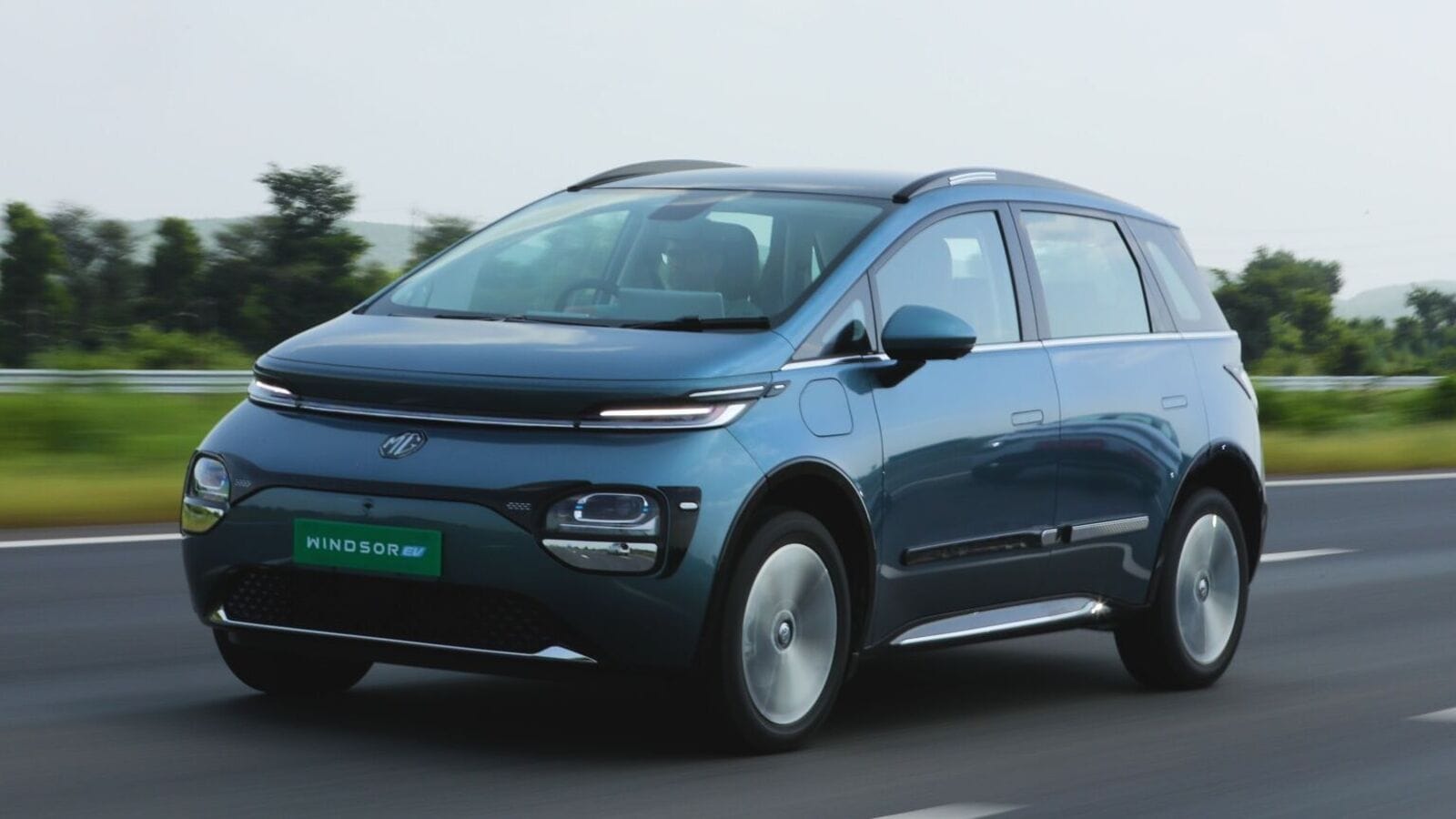
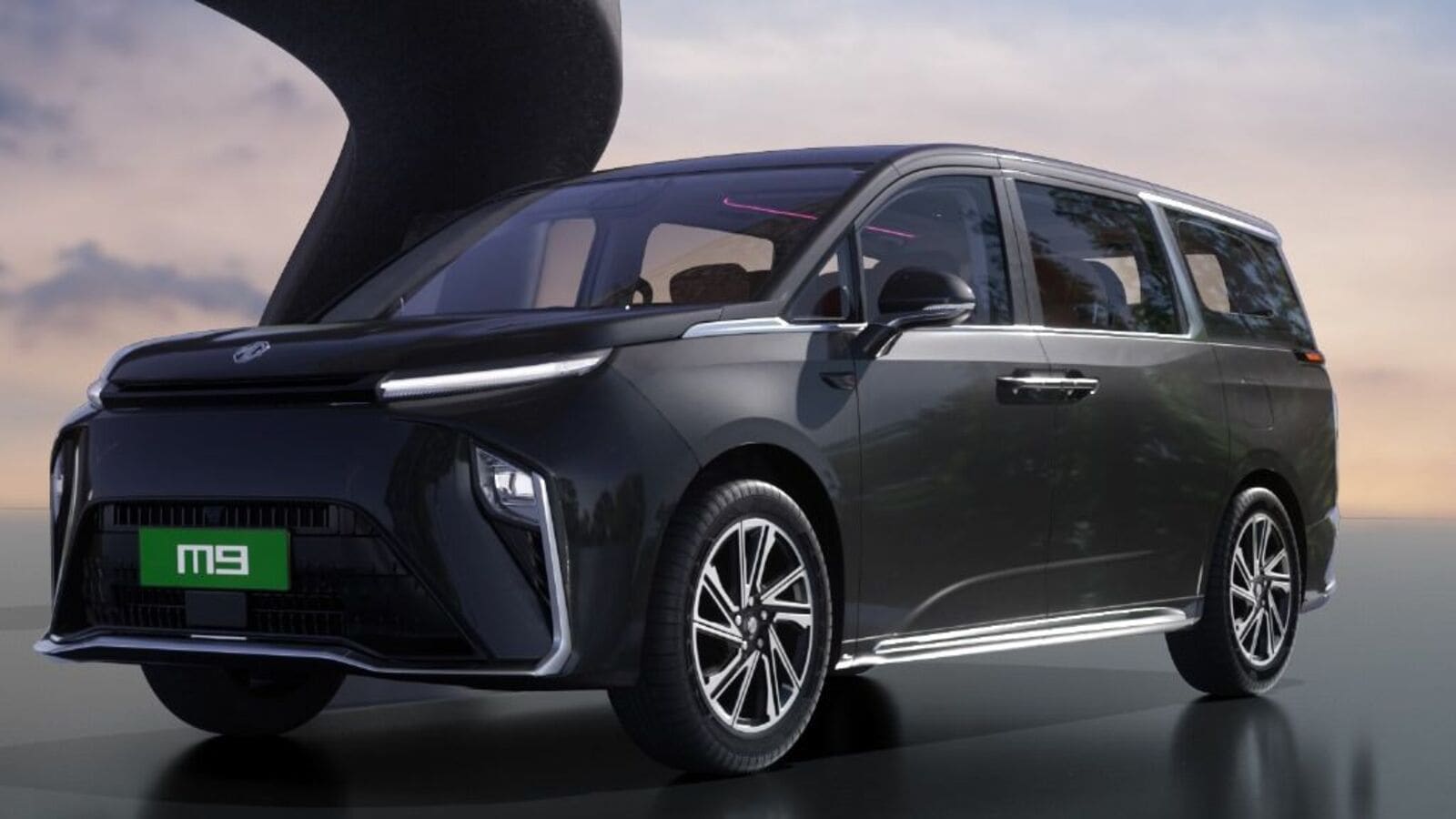
MG Windsor becomes the best selling EV for the second time in a row

MG Windsor becomes the best selling EV for the second time in a row

  • MG Windsor EV prices start here Goes up to Rs 13.50 lakh 15.50 lakh. It is offered only with a single battery pack option.
The Windsor EV is the third all-electric offering from JSW MG Motor India after the ZS EV and Comet EV.

JSW MG Motor India has announced that they have sold 3,144 units of the Windsor in the month of November 2024. This makes Windsor the best-selling EV for the second consecutive time. JSW MG Motor India reported 20 per cent year-on-year growth in sales at 6,019 units in November 2024 compared to November 2023. The company's NEV portfolio contributed 70 percent of total sales. It is important to note that sales figures are wholesale numbers. MG currently has three electric vehicles in its portfolio. There are Comet EV, ZS EV and Windsor EV.

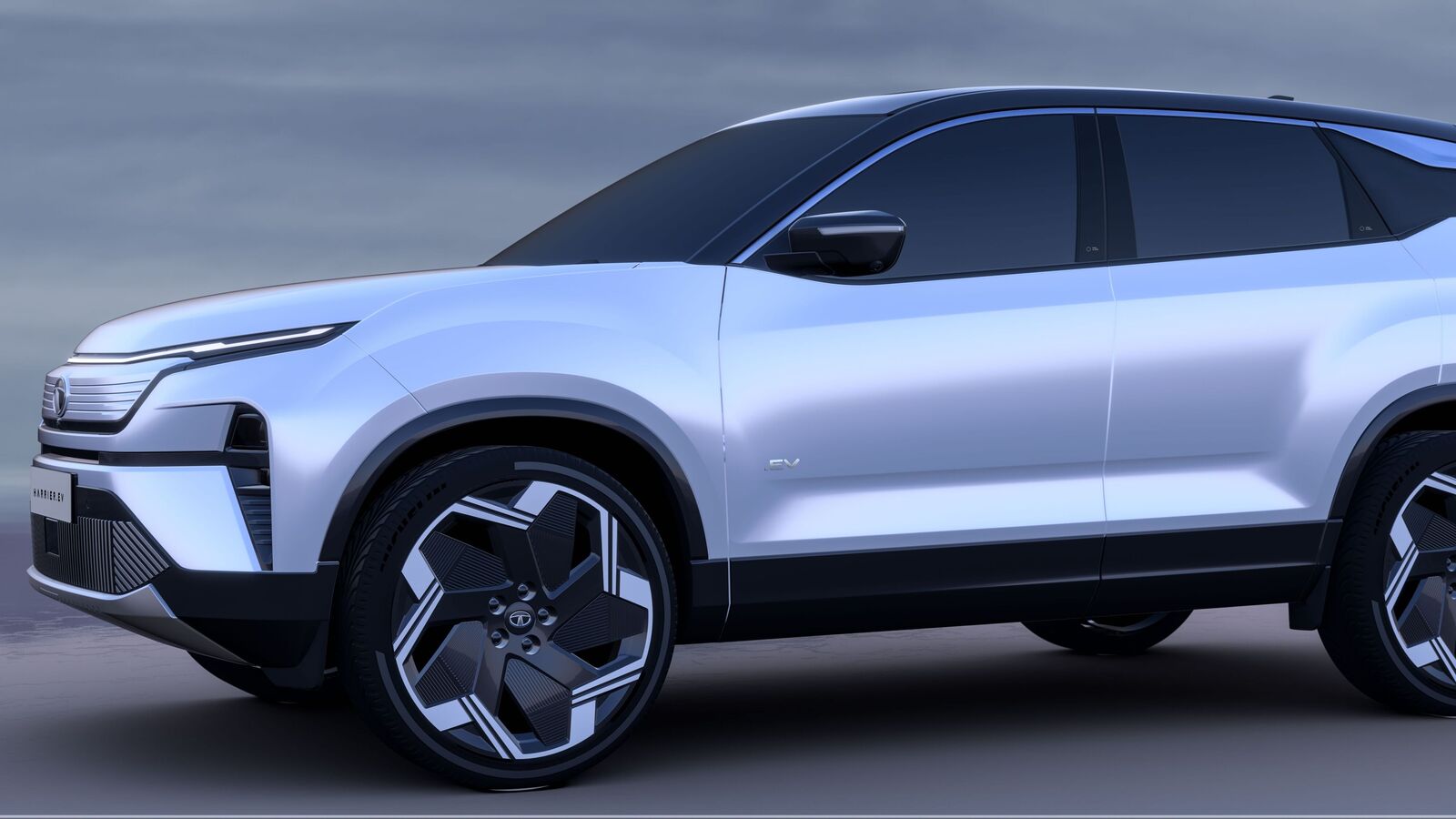
Currently, the largest EV player in the Indian market is Tata Motors which has the largest lineup of electric vehicles. The brand sold 5,202 units of electric vehicles in November 2024, which is a 9 percent increase from 4,761 units sold by the manufacturer in November 2023. Tata Motors currently sells Tiago EV, Tigor EV, Punch EV, Nexon EV and Curve EV. The manufacturer is currently working on three more electric vehicles – Safari EV, Harrier EV and Sierra EV.

Interestingly, MG despite having a smaller portfolio than Tata Motors managed to report wholesale sales numbers which are higher than Tata Motors.

WATCH: MG Windsor EV review: Entering crossover territory

JSW MG Motor India has announced that they have sold 3,144 units of the Windsor in the month of November 2024. This makes Windsor the best-selling EV for the second consecutive time. JSW MG Motor India reported 20 per cent year-on-year growth in sales at 6,019 units in November 2024 compared to November 2023. The company's NEV portfolio contributed 70 percent of total sales. It is important to note that sales figures are wholesale numbers. MG currently has three electric vehicles in its portfolio. There are Comet EV, ZS EV and Windsor EV.

Currently, the largest EV player in the Indian market is Tata Motors which has the largest lineup of electric vehicles. The brand sold 5,202 units of electric vehicles in November 2024, which is a 9 percent increase from 4,761 units sold by the manufacturer in November 2023. Tata Motors currently sells Tiago EV, Tigor EV, Punch EV, Nexon EV and Curve EV. The manufacturer is currently working on three more electric vehicles – Safari

What is the battery size of Windsor EV?

JSW MG Motor India is using a 38 kWh battery pack which claims a driving range of 332 km. In real world driving range should be around 260 to 280 km. The battery pack can be charged in 55 minutes using a DC fast charger.

What are the specifications of the electric motor of the Windsor EV?

The MG Windsor EV uses an electric motor that is capable of producing 136 bhp of maximum power and a peak torque output of 200 Nm. The motor is mounted on the front axle.

What are the color options of MG Windsor EV?

MG offers the Windsor EV in four color options. It has Starburst Black, Pearl White, Clay Beige and Turquoise Green.

Tata and MG Tata's EV sales are not increasing. vnov sales 2023

upcoming rivals will be 6e

Vitara Creta Elevate

last november sales

Why is it so popular?

bamboo

Check out Upcoming EV Cars in India, Upcoming EV Bikes in India.

First publication date: 03 Dec 2024, 09:50 AM IST

Source link

Are you going on a road trip in your EV? 5 key mechanical checks you should do

Are you going on a road trip in your EV? 5 key mechanical checks you should do

  • Here are five mechanical checks you can do before embarking on a road trip on an EV.
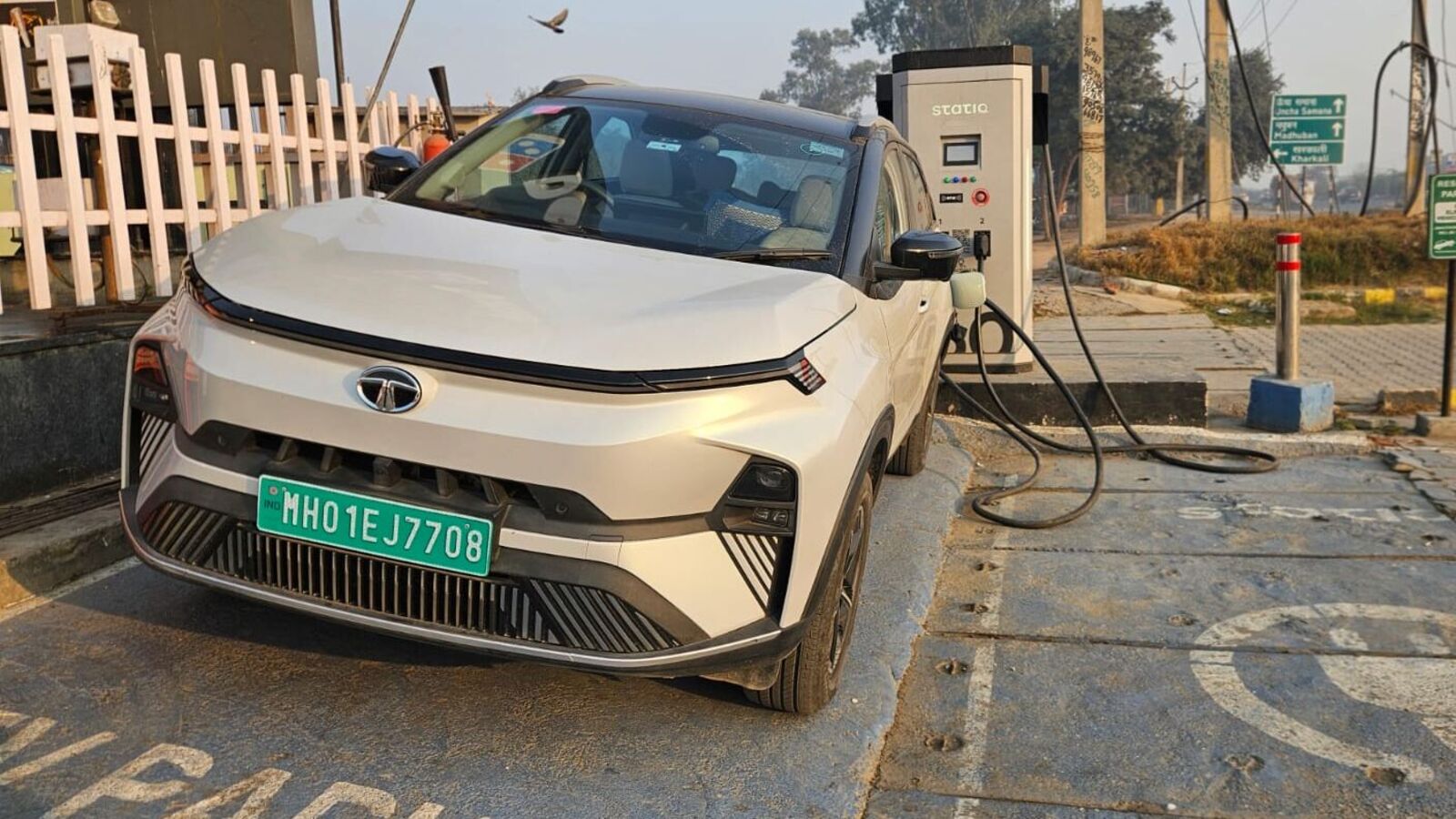
Tata Nexon EV is being charged fast with static fast charger.

As electric vehicles (EVs) gain popularity, long distance travel is becoming increasingly possible as the number of fast charging stations continues to increase. However, before setting out on an important trip, it is important to ensure that your EV is in optimal condition. This will reduce the chances of you getting stuck because your vehicle broke down for some reason. Here are five key mechanical checks that you can easily perform to reduce the chances of breakdown:

battery health assessment

Charge Capacity: Make sure that your battery is fully charged before the journey and that it can maintain the required range and operate at fuel efficiency.

Cell balancing: An electric vehicle usually automatically balances its cells during the end of its charging process. So, all you need to do is charge your vehicle up to 100 percent and the cells should balance automatically. This will help improve the performance and longevity of the battery pack and cells.

(Read more: Should you opt for RSA? And which spare parts are usually covered?)

Tire condition and pressure

Tread depth: Tires are one of the most important parts of a vehicle as they are the only thing that comes in contact between the vehicle and the road. Adequate depth is essential for optimal grip, especially on wet or slippery roads. So, make sure the tires have enough thread. Tires with uneven tread, bulges, blisters or sidewall damage should also be replaced.

Tire Pressure: Maintain recommended tire pressure to improve efficiency and handling.

Tire Alignment and Balancing: Proper alignment and balancing can have a significant impact on tire wear, fuel efficiency and the overall driving experience. It also helps reduce driver fatigue while driving in a straight line as the driver does not need to constantly apply force to keep the vehicle in a straight line.

brake system inspection

Brake pad thickness: Ensure adequate brake pad material to avoid sudden brake failure.

Brake fluid level: Check the brake fluid level and quality. If it is not at the optimum level it should be topped up.

Regenerative Braking System: Verify the functionality of the regenerative braking system, which helps save energy and reduces brake wear. It also helps in recharging the battery when going downhill and applying brakes. Regenerative braking usually works when the battery is below 80 percent.

(Read more: What to check before first car service)

cooling system performance

Coolant Level: Check coolant level in the electric motor and battery cooling systems. The purpose of the coolant is to ensure that the battery and electric motor do not overheat.

Charging port and cable inspection

Port condition: Check the charging port for any damage, corrosion or loose connections.

Cable Functionality: Test the charging cable to ensure that it is functioning properly and can provide the required charging speed.

By diligently performing these essential checks before a long EV trip, you can significantly enhance your driving experience, reduce the risk of unexpected breakdowns and enjoy a safe and comfortable trip.

Check out Upcoming EV Cars in India, Upcoming EV Bikes in India.

First publication date: 30 November 2024, 11:14 am IST

Source link

Honda hopes to double EV driving range with solid-state batteries

Honda hopes to double EV driving range with solid-state batteries

By the end of 2020, Honda aims to enhance its electric vehicles with all-solid-state batteries, doubling their driving range. the company is investing

,

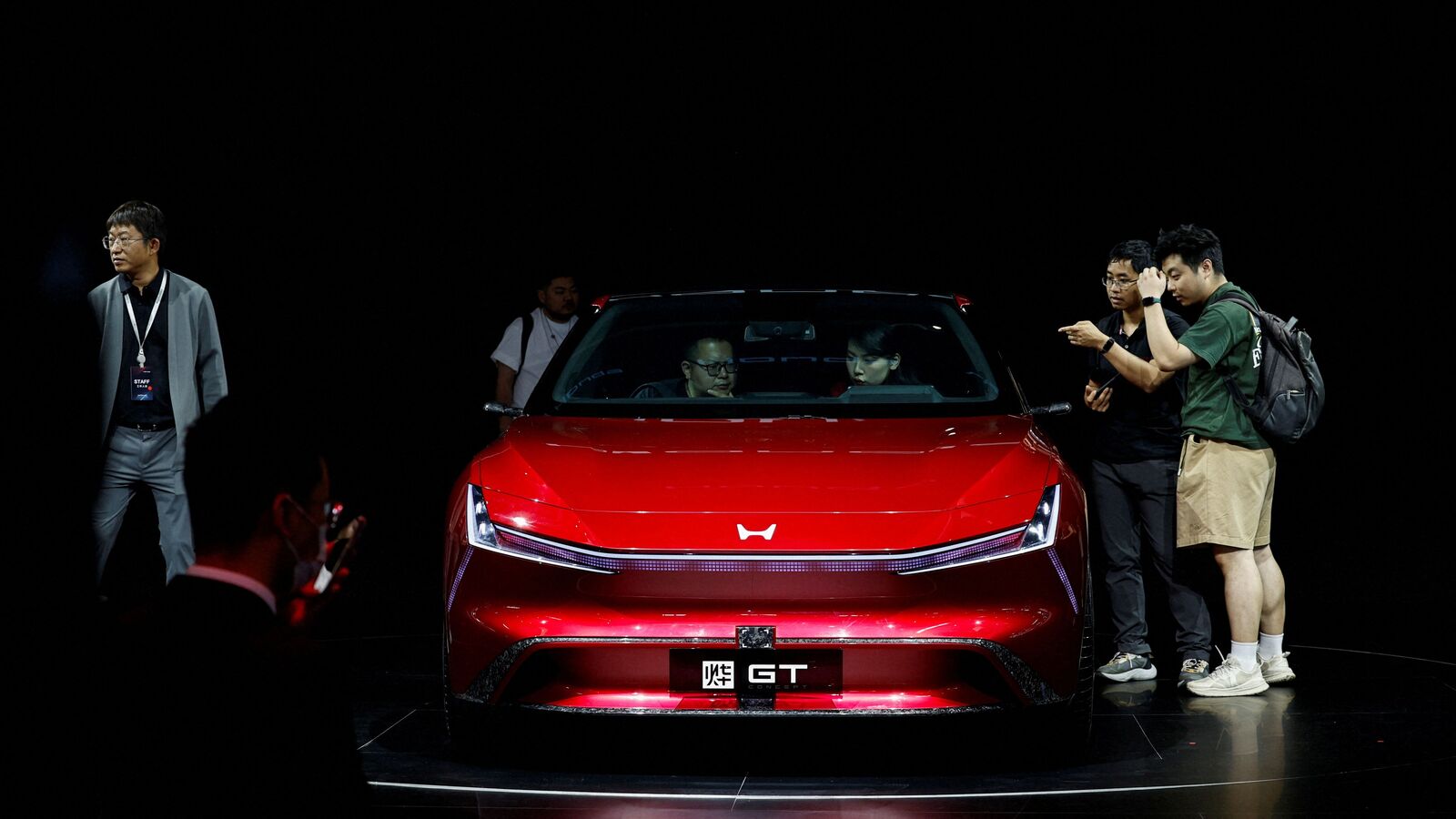
Honda is currently developing all-solid-state batteries, which they hope will double driving range by the end of this decade. The carmaker intends to adopt the new power source by the end of 2020. (Reuters)

Honda Motor aims to double the driving range of its electric cars by the end of 2020 when they begin adopting all-solid-state batteries, a new type of power source under development, the head of its research unit said Wednesday. Said to.

All-solid-state batteries, replacing liquid-state lithium-ion batteries, will yield double the driving range by the end of this decade and more than 2.5 times that by the 2040s, said Keiji Otsu, president of Honda R&D.

Automakers and battery suppliers around the world unveiled plans to develop solid-state batteries, billed as a key technology to create longer-lasting, safer and cheaper electric vehicles amid a slowdown in EV development Is.

Also read: Hyundai Ioniq 9 electric SUV covers range of over 600 km

“This is a game-changer for the EV era,” Otsu told reporters at Honda's pilot all-solid-state battery production line in Tochigi, north of Tokyo. Honda is investing 43 billion yen ($277 million) in the Pilot Line, about half of which is funded by Japanese government subsidies.

Otsu said Honda will begin operating a pilot line in January, with the goal of reducing battery size by 50 percent, weight by 35 percent and costs by 25 percent from current levels over the next half decade.

Honda plans to increase its annual EV production to more than 2 million units by 2030. It targets a global sales ratio of 40 per cent for EV and fuel cell vehicles in 2030 and 100 per cent in 2040.

Also read: As Tesla plans to launch robotaxi, EV maker wants to ease US regulations for self-driving cars

Honda's strategic partner Nissan Motor is also developing all-solid-state batteries, aiming to begin operating its pilot line in March.

Otsu suggested the possibility of joint materials procurement, saying, “There may be areas where we can work together.”

Otsu said Honda has “no reason to refuse” external sales of its solid-state batteries if it is mutually beneficial for it and partners.

Toyota Motor, the world's largest automaker by sales, plans to commercialize all-solid-state batteries in 2027-2028 in partnership with oil refiner Idemitsu Kosan. ($1 = 155.2800 yen)

Check out Upcoming EV Cars in India, Upcoming EV Bikes in India.

First publication date: Nov 21, 2024, 10:01 am IST

Source link

October sees record EV registrations, up 26 per cent year-on-year to reach 1.1 million units: Report

October sees record EV registrations, up 26 per cent year-on-year to reach 1.1 million units: Report

  • EV penetration improved by 100 basis points (bps) year-on-year, with total EV registrations growing 26 percent year-on-year to 1.1 million units.
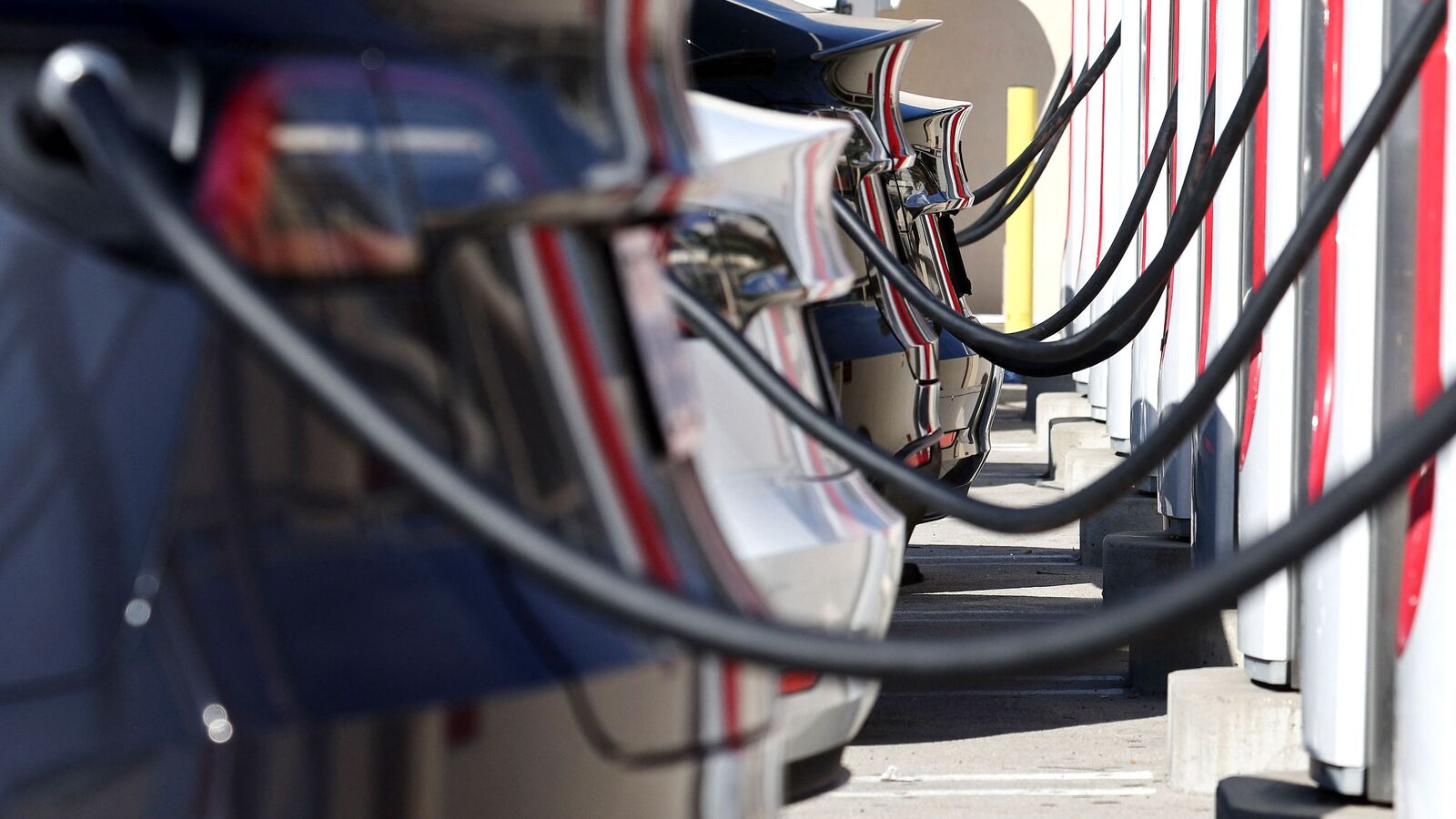
The growth in EV registrations was mainly led by the electric two-wheeler segment, while passenger cars recorded a modest eight per cent growth. (AFP via Getty Images)

According to Haitong report, electric vehicle (EV) registrations witnessed a modest growth in October 2024, mainly due to increased festive season demand, leading to strong year-on-year (YTD) growth in EV penetration across all regions. increased.

YTD EV penetration improved 100 basis points (bps) year-on-year (YoY) to 7.6 percent, with total EV registrations increasing 26 percent to 1.1 million units.

This growth was mainly led by the two-wheeler (2W) segment, while the passenger vehicle (PV) segment recorded a marginal growth of 8 per cent.

Also read: Creta, Venue SUV could not save Hyundai India's profit from 16.5 percent decline in Q2 FY25

In October, sequential penetration rates for electric two-wheelers (E2W) and electric passenger vehicles (EPV) increased by 10 bps with YTD growth of 100 bps and 10 bps respectively.

Although the electric three-wheeler (3W) segment saw a monthly decline of around 290 bps in penetration, it maintained a YTD penetration gain of 250 bps.

Strong festive demand led to the highest number of PV EV registrations ever in October, even though penetration in the segment remains relatively low.

The recent surge in rural demand in contrast to the slowdown in urban areas has created short-term pressure on overall EV penetration. However, the upcoming launch of new EV models by major PV original equipment manufacturers (OEMs) such as Tata, Mahindra & Mahindra (M&M) and Maruti Suzuki is expected to increase the adoption rate.

Total E2W registrations in October reached 139,379 units, representing an impressive growth of 118 percent year-on-year. While YTD penetration for E2Ws grew 100 bps YoY, October saw a modest 10 bps monthly gain.

Also read: Tata Motors misses Q2 profit estimates due to weak sales, hopes for festive turnaround

Ola Electric maintained its market leadership with 30 per cent share and regained some of its lost ground last month. Ola registrations grew by 75 per cent year-on-year and 69 per cent month-on-month (MoM), totaling 41,713 units.

TVS regained its second position from Bajaj Auto with 21 percent market share, while Bajaj stood second with 20 percent. TVS experienced a growth of 82 per cent year-on-year reaching 29,964 registrations, while Bajaj's registrations increased by 212 per cent to 28,288 units.

Electric three-wheeler registrations in October reached 67,172 units, up 17 per cent YoY and 11 per cent MoM, reflecting solid growth in demand. YTD penetration in this segment grew by 250 bps year-on-year.

Recommended Watch: This is Maruti's first electric car!

Mahindra & Mahindra (M&M) strengthened its position as the market leader with YTD market share up 50 bps to 9.5 per cent in October.

Bajaj Auto also made significant progress, increasing its YTD market share to 6.3 percent from a negligible share last year.

The EPV segment achieved record monthly registrations in October with 10,752 units, a growth of 70 per cent year-on-year due to the festive season. YTD penetration in the EPV category grew marginally by 10 bps YoY.

Tata Motors retained its position as the market leader with a YTD market share of 63 percent, though this was down from 72 percent last year. MG Motors showed considerable progress and increased its YTD market share from 12 per cent to 20 per cent year-on-year.

Check out Upcoming EV Cars in India, Upcoming EV Bikes in India.

First publication date: 13 November 2024, 09:49 am IST

Source link

Auto Recap, September 26: MotoGP return, Ola Electric expansion and more

Auto Recap, September 26: MotoGP return, Ola Electric expansion and more

  • Check out the latest and key updates from the Indian and global automotive industry.
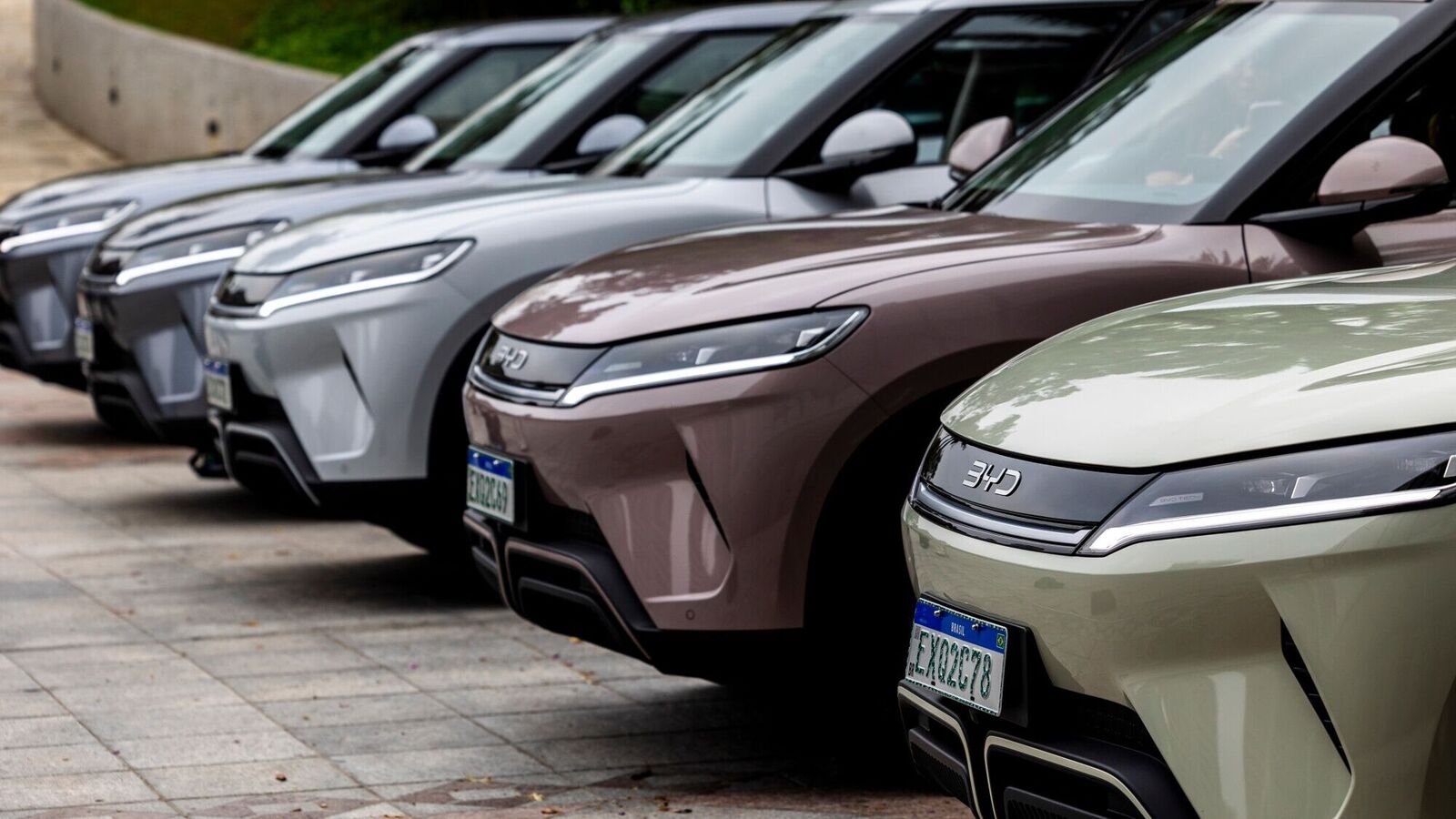
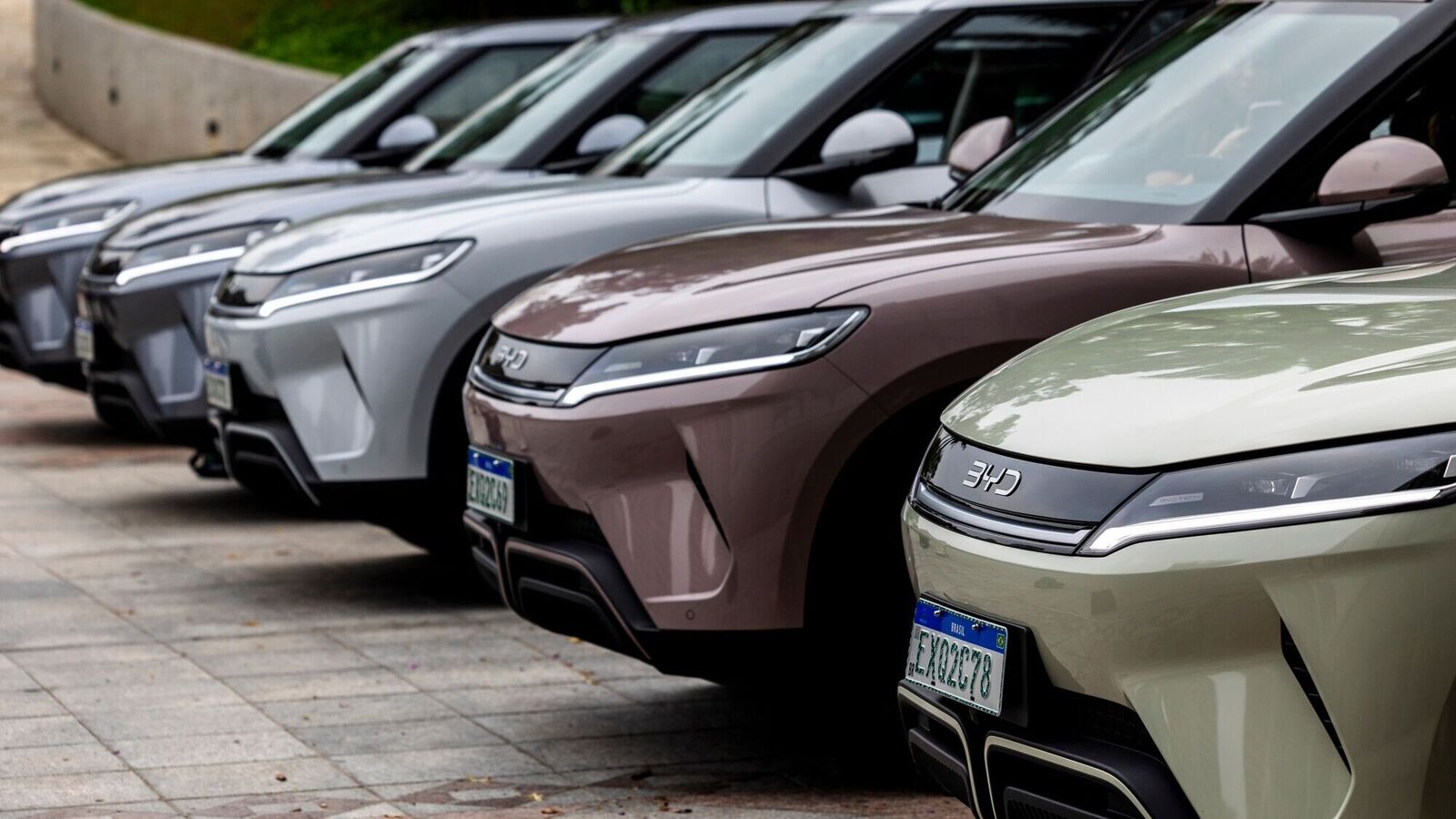
Image used for representational purposes only. File photo: BYD Company Yuan Pro electric vehicle (EV) during a launch event at Club Monte Libano in Sao Paulo. (Bloomberg)

HT Auto ensures that you stay informed about important developments in both the Indian and global automotive industries. Given the rapid changes taking place in the automobile and motorcycle sectors, we present a brief but comprehensive summary of the key events of September 26.

Ola Electric launches network partner program

Ola Electric has launched a new network partner program that will help the electric two-wheeler maker expand in tier 2 and tier 3 cities. The company has successfully onboarded 625 partners under this initiative to expand its sales presence across India. Additionally, Ola Electric intends to increase this number to 1,000 partners in anticipation of the upcoming festive season. Furthermore, the company emphasizes its goal to expand its network by including 10,000 partners in both sales and service areas by the end of 2025.

(Read more: Ola Electric aims to increase presence in small cities, launches new program)

BYD made one million cars in three months

BYD or Build Your Dreams is the largest manufacturer of all-electric and hybrid vehicles in China. It is now one of the largest EV sellers worldwide, giving huge competition to US-based Tesla. BYD has manufactured nine million vehicles in total so far and that's seriously fast for a company whose roots go back just over two decades. According to data from the Chinese Passenger Cars Association, in 2023, the company will sell 3,024,417 cars worldwide, significantly higher than the 427,302 cars sold in 2020.

(Read more: BYD on steroids? Chinese EV giant makes one million cars in three months)

Petrol and diesel prices may reduce

Margins on retail auto fuel have improved as falling crude oil prices in recent weeks have given state-owned companies the opportunity to cut petrol and diesel prices. Rating agency ICRA said on Thursday, 2-3 per litre.

The price of a basket of crude oil imported by India averaged US$74 a barrel in September, down from about US$83-84 a barrel in March when petrol and diesel prices were last cut. 2 per litre.

(Read more: Petrol and diesel prices may reduce by this much) 3 per litre, says report)

MotoGP to return to India in 2026

As per MotoGP announcement, India is set to host another Grand Prix race at the Buddh International Circuit in Greater Noida. The Fédération Internationale de Motocyclisme (FIM), the International Road-Racing Teams Association (IRTA), and Dorna Sports, the official management body of MotoGP, have confirmed that India will be one of the venues for the 2026 FIM MotoGP races.

Originally scheduled for 2025, these races have been postponed to 2026 due to various technical and operational challenges. Additionally, it was noted that the partnership with InvestUP will continue, as both MotoGP and InvestUP are committed to realizing the Indian Grand Prix and promoting India as a premier destination for international sporting events.

(Read more: MotoGP: Buddh International Circuit India to host another Grand Prix in 2026)

Karnataka government plans tax breaks for hybrid cars, incentives for EVs

The Karnataka government is considering reduction in duty and provision of financial incentives for automotive manufacturers making hybrid and electric vehicles. Additionally, the state administration is considering substantial tax cuts for hybrid cars, with the aim of increasing the sales of eco-friendly fuel technology vehicles within the state. This initiative is in line with the previous announcement made by the Uttar Pradesh government ahead of the Union Budget to make hybrid vehicles more accessible and affordable.

(Read more: Hybrid and electric vehicles will be more affordable in this Indian state. Learn more)

Get information about upcoming cars in India, electric vehicles, upcoming bikes in India and cutting-edge technology that is changing the automotive landscape.

First publication date: 27 Sep 2024, 08:40 AM IST

Source link

Government sources say there is no problem with China's BYD investment in Türkiye

Government sources say there is no problem with China's BYD investment in Türkiye

According to sources in the Turkish Industry Ministry, BYD's investment in Turkey is progressing smoothly. Discussions are underway with other Chinese car manufacturers for new investments.

,

Turkish Industry Ministry sources have confirmed that BYD's investment in Turkey will not be affected by China's warning to its carmakers about foreign investment risks. Talks are also ongoing with other Chinese carmakers for new investments. (Bloomberg)

Chinese electric vehicle maker BYD's investment process in Turkey is continuing without any problems, Turkish Industry Ministry sources said on Thursday, when asked about China's warning to its companies about the risks of investing abroad.

Discussions are underway with other Chinese carmakers for new investments, the sources said, speaking on condition of anonymity.

China's commerce ministry recently warned the country's carmakers about the risks of making auto-related investments overseas, Reuters reported on Thursday, citing two people familiar with the matter. (Reporting by Nevzat Devranoglu and Huseyin Hayatcevar; Writing by Burcu Karakas; Editing by Jonathan Spicer)

Check out upcoming EV cars in India, upcoming EV bikes in India.

First Publication Date: Sep 13, 2024, 08:27 AM IST

Source link

Mahindra XUV.e9 EV spotted while charging at Tata dealership

Mahindra XUV.e9 EV spotted while charging at Tata dealership

  • Mahindra will launch XUV.e9 in April 2025. It will be the second vehicle to be based on the ‘Born Electric’ platform.
The XUV.e9 is the coupe version of the XUV.e8 SUV. (Twitter/TeslaClubIN)

Mahindra is working on a slew of new electric vehicles for the Indian market. The homegrown manufacturer showcased new concepts back in 2022 and is currently testing them on Indian roads. One of the five electric SUVs was the XUV.e9 which was spotted recently while it was charging at a Tata Motors dealership.

One of the first things that we can notice is that the charging port is located on the rear left-hand side. We have seen from the earlier spy shots that there is a plastic piece that covers the charging port. There is a C-shaped LED tail lamp that wraps around the charging port.

A look at the charging port that is covered by a plastic piece. (Photo courtesy: Facebook/Anto Leo Thomson)

We also get a close look at the front-end design of the SUV Coupe. The LED headlamps are the same ones that are doing duty on the XUV.e8 so they are vertically stacked and have copper elements in them. There is also a slim air dam in the bumper for the airflow required for electrical components. There are also newly designed alloy wheels on the side with flush sitting door handles.

Mahindra XUV.e9 charging at a Tata dealership ((Twitter/TeslaClubIN))

The Mahindra XUV.e9 will have dimensions of 4,790 mm in length, 1,905 mm in width, and a height of 1,690 mm. It will be based on the INGLO platform and feature a wheelbase of 2,775 mm. The XUV.e9 does look rather imposing and dominating because of its size which will be larger than the XUV700 for reference.

Also Read : Mahindra XUV.e9 EV spotted ahead of launch.

Mahindra has already revealed that the XUV.e9 will be launched in April 2025. It will be the second ‘Born Electric’ vehicle to come from Mahindra’s stable after XUV.e8 which will be launched by the end of 2024. The XUV.e8 is essentially an electrified version of the XUV700 and the XUV.e9 is the SUV Coupe version of the XUV.e8.

First Published Date: 15 May 2024, 11:51 AM IST


Source link

Chinese electric vehicles face insurance challenges in UK. Here’s why

Chinese electric vehicles face insurance challenges in UK. Here’s why

Insurance companies in the UK are reluctant to insure Chinese electric vehicles (EVs), citing concerns over high repair costs, lack of technical infor

While insurance costs for EVs in the UK are already high, Chinese EVs face additional hurdles due to parts availability issues and lack of manufacturer documentation for repairs. (Photo is representational)

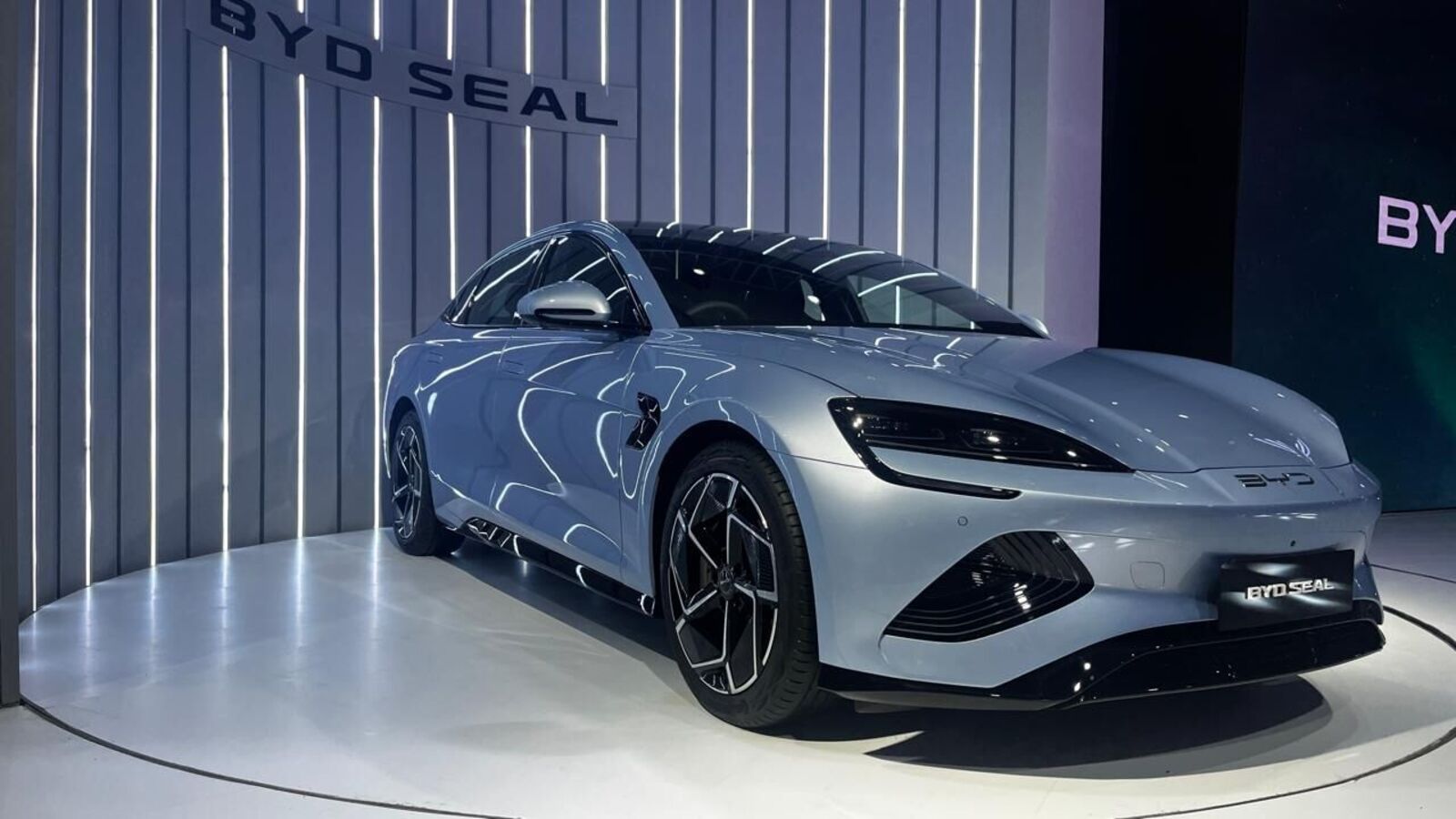
Chinese electric vehicles (EVs) are facing insurance challenges in the UK, with many models being either uninsurable or burdened with exorbitant premiums. Factors such as high repair costs, lack of technical information, and lengthy lead times for replacement parts are contributing to this issue. Models like the BYD Seal, GWM Ora 03, and some MG models are particularly affected, according to a report by Auto Express.

Thatcham Research, a UK-based risk intelligence company, attributes this situation to Chinese automakers’ unfamiliarity with European repair processes. The intelligence company emphasises that there is a need for better engagement between Chinese automakers and the UK insurance industry. It advises these companies to understand the market and ensure they have the right logistics in place to support their vehicles.

However, Chinese EVs are not the only ones facing insurance challenges in the UK. EV owners in general are paying nearly double the premiums compared to those with combustion vehicles. Tesla owners, in particular, are experiencing significant cost increases. Insurers are also quick to write off cars from mainstream Western manufacturers due to minor battery issues, especially those with batteries as structural elements.

The UK’s National Body Repair Association, highlights the lack of parts availability for Chinese manufacturers as a major issue. The repair association stated that repairers have had to write off models like the GWM ORA 03 due to unavailability of parts, despite these being repairable under different circumstances.

Also Read : Chinese vehicles under radar for national security data risk in United States

GWM ORA acknowledges the challenges faced by some owners in obtaining insurance coverage and claims to be taking steps to address the issue. However, the carmaker suggest that part of the problem may be due to unfamiliarity with the brand, leading to communication breakdowns and exaggerated parts lead times.

Another challenge lies in the differences between the Chinese and European repair markets. Labor rates in China are much lower, leading to a perception that repairs are simpler and more cost-effective than they actually are in Europe.

Ultimately, these insurance challenges could impact the competitiveness of Chinese EVs in the UK and European markets, especially in light of potential tariffs. The gap between the expectations of Chinese automakers and the UK insurance industry needs to be addressed to ensure a smoother path for Chinese EVs in these markets.

First Published Date: 10 Mar 2024, 17:35 PM IST


Source link