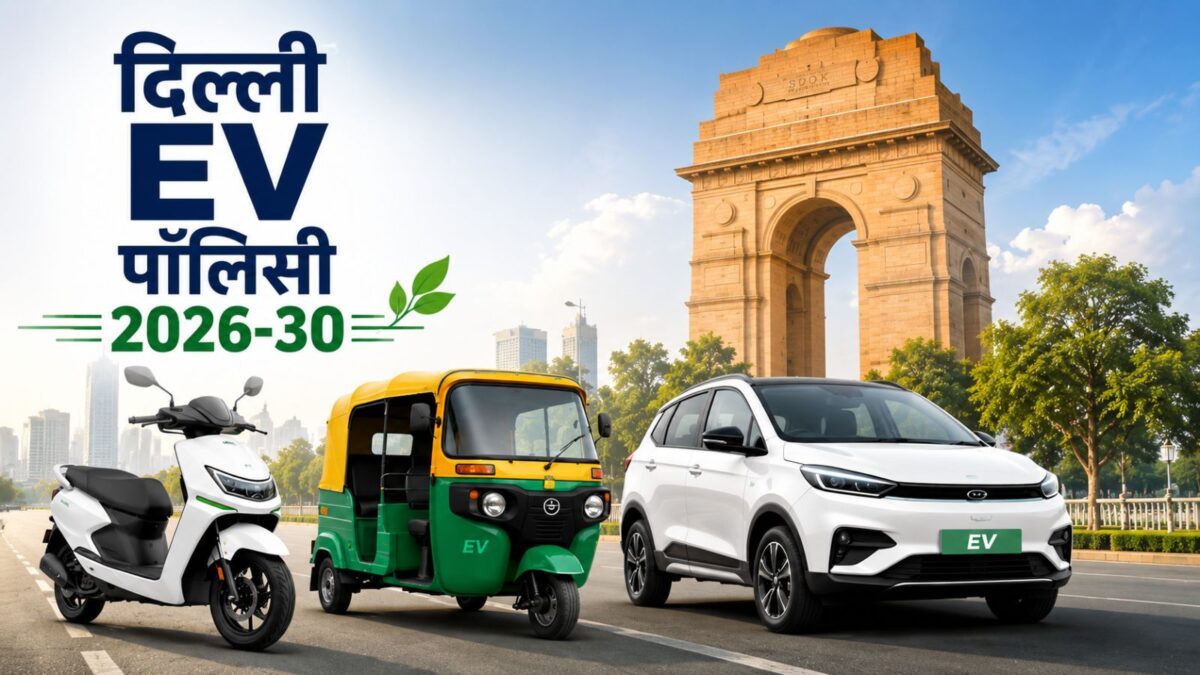
You are stuck with petrol and diesel, while electric vehicles are being sold at a rapid rate.

You are stuck with petrol and diesel, while electric vehicles are being sold at a rapid rate.

If you are still entangled in the mathematics of rising prices of petrol and diesel, calculating the mileage or making rounds of the fuel station every week, then just wait! A large population of the country has now moved beyond this problem. Just when you are thinking of standing in petrol pump queues, the footfall of customers at Electric Vehicle (EV) showrooms is increasing.

A silent but very fast revolution is going on in the Indian automobile market. Data is witness that the confidence of Indian customers is now rapidly shifting from traditional fuel to 'green mobility'. If you are planning to buy a car in the coming days and you want to know why your next car should be an electric car, then this article of ours is useful for you.

EV sales are breaking records

If you look at the recent data of Federation of Automobile Dealers Association (FADA) and Government Vehicle Portal, the speed of EV will surprise you. The figures are as follows-

  • Huge jump in annual growth: The total sales of electric vehicles in India have registered an annual growth of about 35% to 40% over the previous financial years.
  • Dominance of two-wheelers: The youth and middle class of the country have taken charge of the EV revolution. The share of electric two-wheelers (scooters and bikes) alone in the total electric vehicle sales is more than 55%. Companies like Ola, Ather, TVS and Bajaj are selling thousands of units every month.
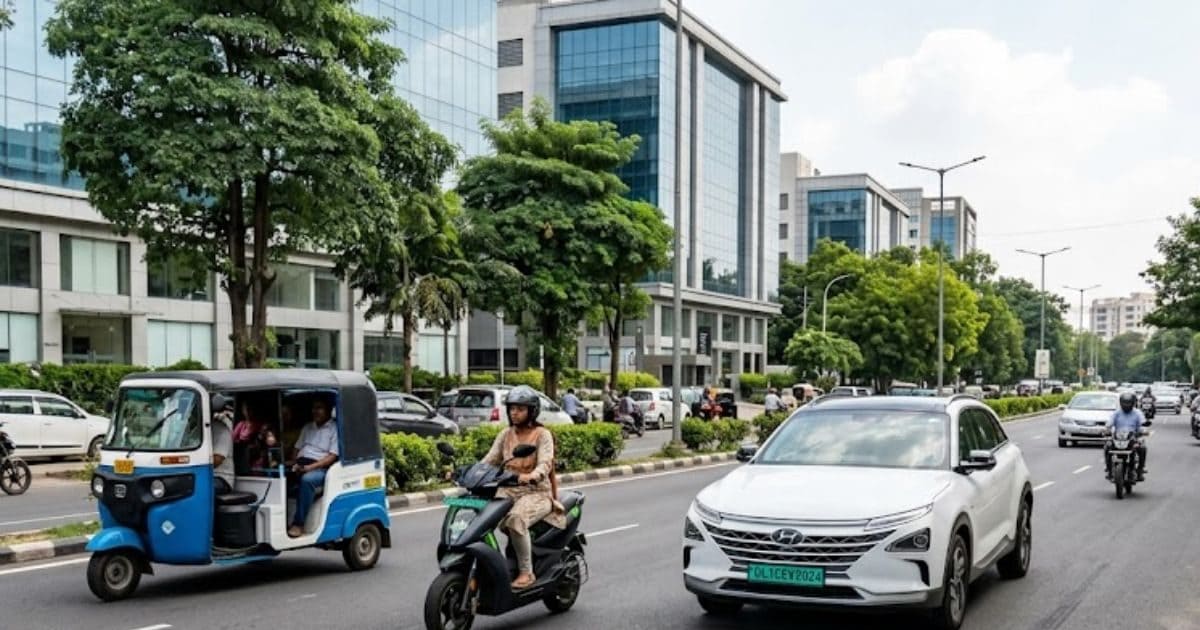
  • Revolution in the three-wheeler segment: The game has completely changed in the commercial segment. More than 50% of the total three-wheelers (auto rickshaws and loaders) sold in the country have now become electric. The entire structure of local transport and delivery is shifting to electricity.
  • Speed ​​in car market also: Thanks to companies like Tata Motors, MG and Mahindra, sales of electric cars have also seen a growth of up to 90% annually.

Why are people leaving petrol and diesel and choosing EV?

What happened that people suddenly started saying 'bye-bye' to petrol and diesel? There are some very concrete and practical reasons behind this. Come, let us try to know these also one by one-

1. Huge savings on pocket: While the average cost of driving a petrol car is Rs 7 to 9 per kilometer, an electric car runs for only Rs 1 to 1.5 per kilometer. In two-wheelers this cost is even less (about 25 to 30 paise per kilometer).

2. No maintenance hassles: A conventional engine has hundreds of moving parts. This includes things like engine oil, filter, spark plug, gearbox. There is no hassle in EV. No engine, no oil change, i.e. almost zero maintenance cost.

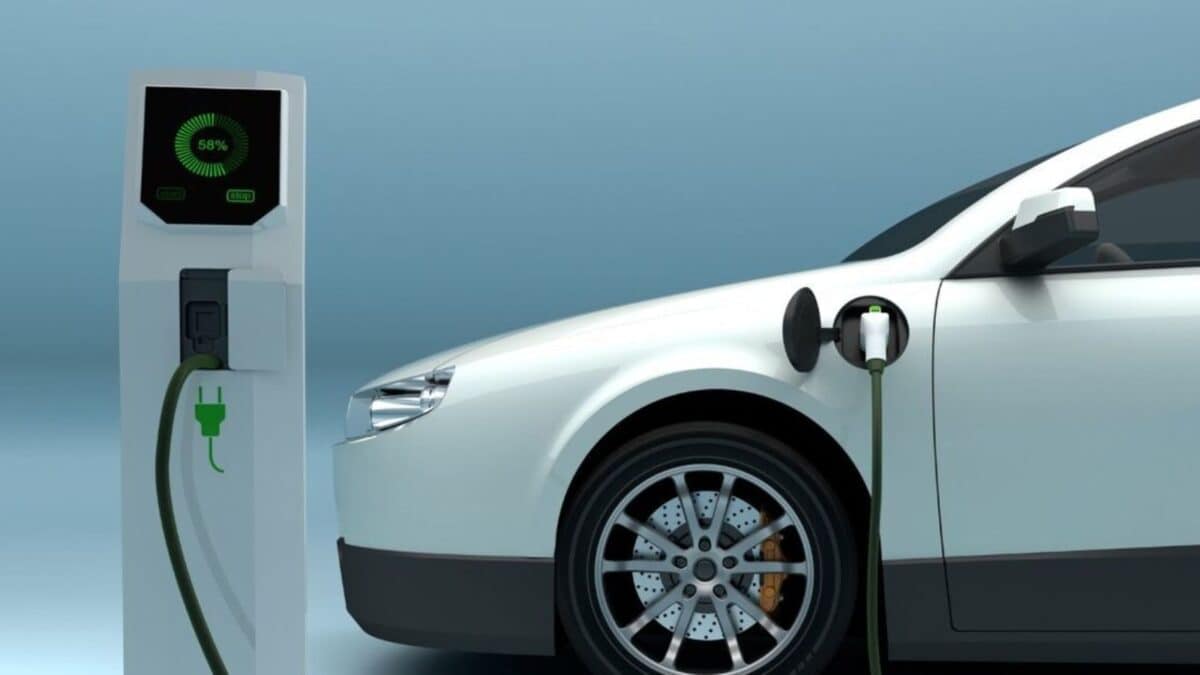
3. Increasing Range and Infrastructure: Earlier people were afraid what would happen if the battery ran out. But now the vehicles are giving a range of 150 to 500 kilometers in a single charge. Also, a network of charging stations has been spread from the highway to the society.

The future is EV!

Experts believe that the Indian auto market has now reached the turning point from where return is not possible. The government's FAME scheme, PLI scheme and tax exemptions given by state governments have doubled this pace. So next time you think of buying a car or bike, don't just look at petrol and diesel variants. The market trend is clear. The world is changing and vehicles are no longer being charged at petrol pumps but at home plug points.

Source link

EV buyers rejoice! Will get incentive up to ₹ 30,000

EV buyers rejoice! Will get incentive up to ₹ 30,000

Delhi government is preparing the draft of Electric Vehicle Policy 2026 to control vehicle pollution and rapid adoption of electric vehicles (EV). In this, year-wise incentives will be given to electric two-wheeler and auto-rickshaw buyers. Special 'Pink e-Permit' and 'Rainbow Permit' categories for women and transgenders may also be included.

The current EV policy was brought in 2020 and extended several times. It will expire on 31 March 2026. The new policy may remain effective till 2030. Let us know what can be changed in the new EV policy. According to the information, after the policy is announced, the Transport Department will send the final draft to the Cabinet. After getting approval, it can be announced in the budget session starting from March 16.

target to reduce emissions

Talking about the figures, two-wheelers constitute about 67 percent of the total vehicles in Delhi and vehicle emissions contribute about 23 percent of air pollution in winter. The main goal of this policy is to convert 58 lakh two-wheelers into electric ones. For this, major incentives have been kept in the first three years.

Who will get how much benefit?

Electric two-wheelers (ex-showroom price up to Rs 2.25 lakh) will get an incentive of Rs 10,000 per kilowatt-hour (maximum Rs 30,000) in the first year. In the second year it will be Rs 6,600 per kilowatt-hour (maximum Rs 20,000) and in the third year it will be Rs 3,300 per kilowatt-hour (maximum Rs 10,000). For electric auto-rickshaw, an incentive of Rs 50 thousand will be given in the first year, Rs 40 thousand in the second year and Rs 30 thousand in the third year. There will be no limit on the number of buyers in these three years.

The objective behind this is to encourage a large number of people to buy electric bikes and autos in the first year itself. More than one lakh two-wheelers have been registered in Delhi so far this year, whereas last year there were more than five lakh. The goal is to completely convert the two-wheeler and auto fleet into EVs by 2030.

Special exemption for women and transgenders

Special incentives will be given under 'Pink e-Permit' and 'Rainbow Permit' category for the empowerment of women and transgender drivers. The government will strengthen last-mile connectivity by training them. It will be mandatory for the permit holder to drive the vehicle himself; it cannot be given on lease. Some relaxation will be given in case of pregnancy. The process of priority allotment of auto-rickshaws will start from April 1 and will continue for the first nine months.

Public charging and battery swapping points will also increase

The policy has a provision to increase the number of public charging and battery swapping points from the current 9,000 to 36,000. Incentives have also been kept for electric trucks (N1 category). E-cars will get 100 percent exemption in road tax and registration fees till March 31, 2030 for vehicles with ex-factory value up to Rs 30 lakh. Vehicles above this will not be able to get this benefit.

The new EV policy aims to develop extensive charging networks, battery recycling, servicing chains and improve air quality. The incentives will be linked to the PM e-Drive Scheme of the Central Government. Also, let us tell you that the information given above has been collected on the basis of draft and possibilities. These benefits have not been officially confirmed yet.

Source link

Hero Electric enters premium electric bike segment under new A2B brand

Hero Electric enters premium electric bike segment under new A2B brand

Hero Electric has announced that the company will be diversifying into the premium electric bike segment under its new brand ‘A2B.’ The electric two-wheeler giant is one of the leaders in terms of volume in the electric scooter segment. The new A2B brand will further diversify the portfolio with electric bikes, scooters and other new variants in the category, the company said in a statement.

By: HT Auto Desk
| Updated on: 31 Aug 2023, 18:06 PM

Hero Electric will expand in the premium electric two-wheeler segment under the new A2B brand

Hero Electric says its upcoming range of premium electric two-wheelers will be tailored to withstand Indian road and climatic conditions. The upcoming electric model range also promises robust battery systems, integrated powertrains, and aesthetics that reflect the premium buyer sensibilities.

Also Read : Hero Electric, Okinawa among other EV makers asked to refund FAME II incentives

Speaking on entering the premium e-bike segment, Sohinder Gill, CEO – Hero Electric, said, “While the Hero Electric brand continues to be the bedrock of our basic E-mobility thrust, we intend to invest in new brands for specific market categories. We believe that differentiation is key to market dominance, and going forward we will enter categories under specialist brand entities to bring focus to the market segments they represent, complementing the Hero brand as a legacy player in the mass mobility segment.”

Hero Electric is bullish about the long-term growth of the electric vehicle segment even as short-term challenges hamper the e-two-wheeler space at large. The company has over 15 years of experience in retailing electric two-wheelers largely focussed on the sub 1 lakh entry segment.

“The Indian market is ripe for e-mobility exploration, and we are perfectly positioned to meet the emerging demands, including those from the premium segment. Our commitment resonates with India’s aspiration to become a global EV hub, and we are eager to play a pivotal role in making that a reality,” Gill added further.

Commenting on the announcement, Naveen Munjal, MD – Hero Electric, said, “We are embarking on a de-aggregation strategy with specific brand offerings in different segments. This tactical move aims to focus on our traditional turf with the Hero Electric brand while allowing us to break into newer segments as competition builds up in this sector.”

Hero Electric has not announced the launch timeline for the premium EVs under the A2B brand. The company also remains tight-lipped about its upcoming model range, whether these models will be indigenously developed and at what price points will they be retailed at. The company has over 850 sales and service outlets across the country and has sold over six lakh units so far. The manufacturer has a manufacturing facility in Ludhiana, Punjab, and a shared facility in Pitampura, Madhya Pradesh with the Mahindra Group.

First Published Date: 31 Aug 2023, 18:06 PM IST


Source link