Last Updated:
Delhi Government's new EV Policy 2026 has been implemented, under which you will get the benefit of subsidy, 100% road tax and registration fee exemption, as well as scrappage incentive on purchasing electric vehicles. But to avail these facilities, some important online processes will have to be completed within the stipulated time. Know the complete step-by-step process and important rules from creation of RC to receipt of subsidy in bank account through DBT.
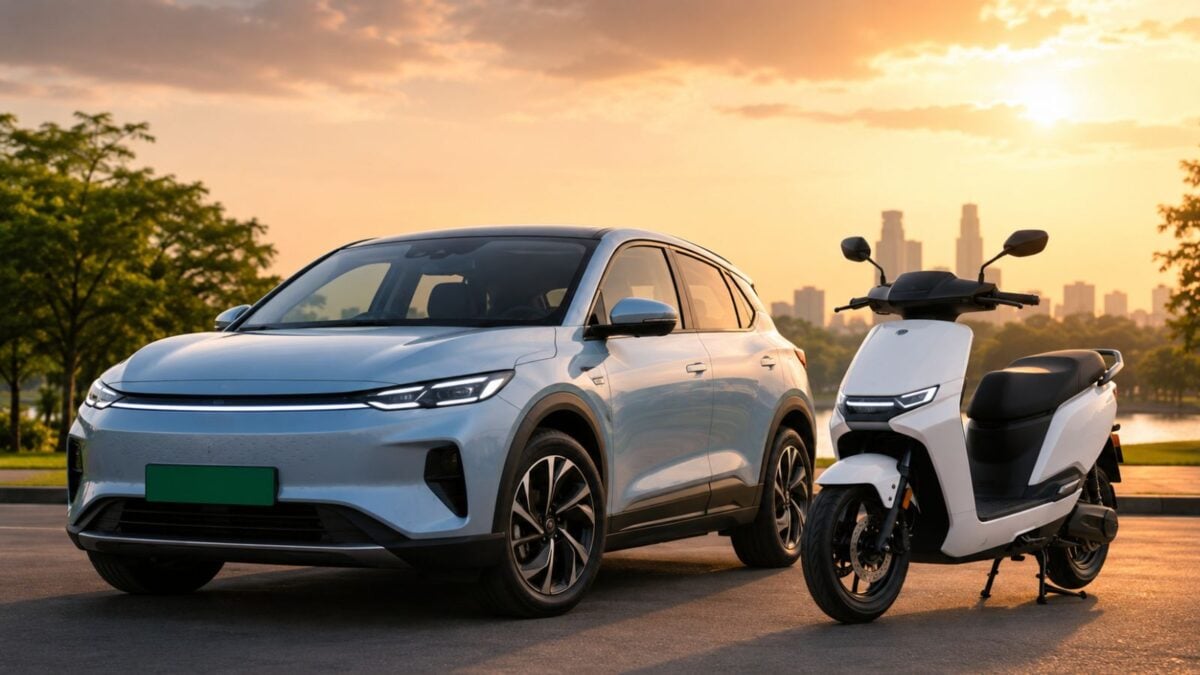
Know the step-by-step process to avail benefits in Delhi EV Policy. (AI image)
Delhi EV Policy 2026 It has become effective from this month and will run till March 2030. The government has planned to invest about ₹15,000 crore for this, which also includes developing more than 30,000 EV charging points. The policy has provisions like incentives during purchase, complete exemption in road tax and registration fees, incentives on scrapping of old vehicles and ban on ICE vehicles in a phase-wise manner.
The policy also aims to achieve 95 percent EV registration by 2027 and stop registration of new petrol/CNG two-wheelers from 2028. Incentives will be given through Direct Benefit Transfer (DBT) through a dedicated online portal, which is good for both transparency and ease. Let us know which steps can be followed while buying a new electric vehicle in Delhi to avail full benefit of subsidy.
Select eligible model
Before booking a new electric vehicle, please confirm with the dealer whether the model you are purchasing is approved by the Model Approval Committee of Delhi Government or not. According to government rules, it is mandatory for the dealer to inform the customer about subsidy eligibility at the time of booking. Keep in mind that only 'pure electric' vehicles are eligible for subsidy, there is no exemption for hybrid vehicles.
Generate RC of the vehicle
After purchasing the vehicle, it will be registered by the Transport Department. Car buyers will get 100% exemption on road tax and registration fees here. Your time begins as soon as the Registration Certificate (RC) of your vehicle is officially generated. The government has set a strict time limit for claiming subsidy.
Register on online portal in 30 days
Within 30 days of the vehicle's RC being generated, you will have to register yourself by visiting the new dedicated EV Incentive Portal of Delhi Government. Unlike the old policy, now the dealer will not fill the form for you, it will be the entire responsibility of the vehicle owner.
Claim subsidy by uploading documents
After logging in to the portal, fill in the details of your vehicle (RC number, chassis number etc.). If you had an old BS-IV or older vehicle which you have scrapped, then also upload its valid 'Scrapping Certificate' to get scrappage incentive of up to ₹ 1 lakh. Along with this, enter the correct information of your Aadhar card and bank account (cancelled cheque/passbook).
Verification and money transfer
The application submitted by you will be scrutinized by the Transport Department and Public Financial Management System (PFMS). The entire process is transparent and if all the documents are found to be in order, the subsidy amount will be credited directly into your Aadhaar-linked bank account (through DBT) within 60 days from the date of application.
urgent matter: If you avail any financial subsidy or incentive under the Delhi EV Policy 2026, you will not be able to obtain a 'No Objection Certificate' (NOC) to transfer or re-register that vehicle outside Delhi for the next 3 years from the date of purchase. The government will keep a lock-in period of 3 years on it.
About the Author
.jpg?impolicy=website&width=52&height=52 "authoring")
Ram Mohan Mishra, working as Senior Sub-Editor at News18 Hindi, is active in digital media since 2021 and is currently handling the Auto Desk. They provide car and bike related information in an easy, clear and reliable manner.read more