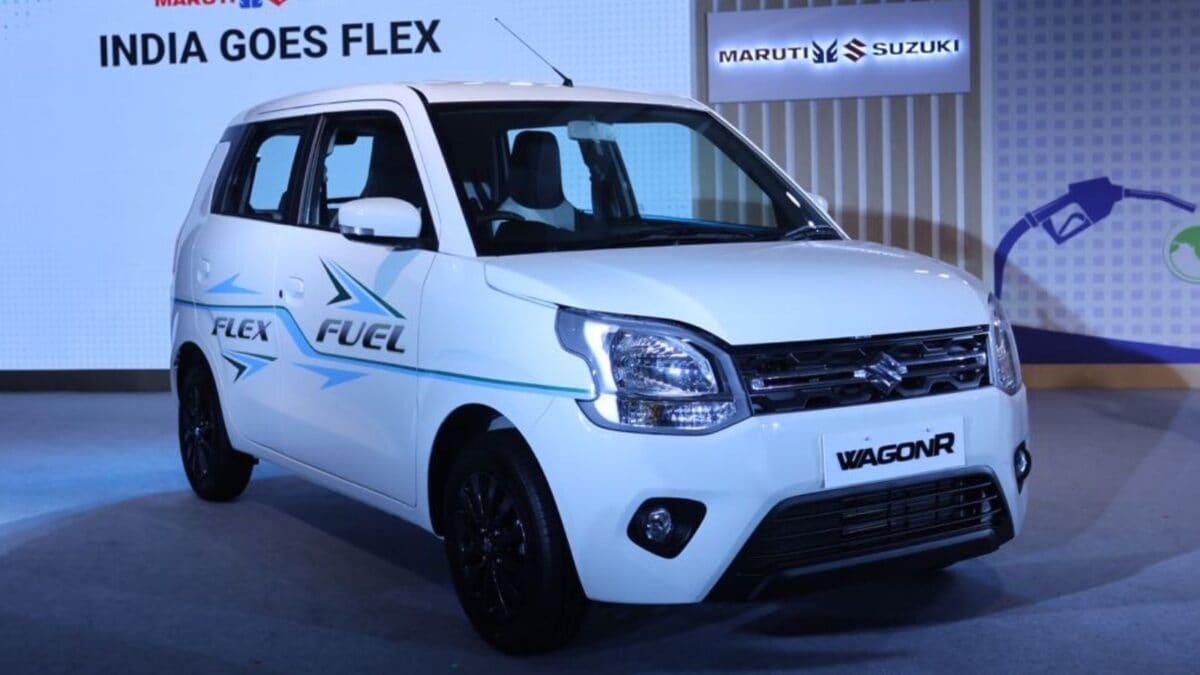
Maruti Suzuki has launched its first flex fuel-powered car, Maruti Suzuki Flex Fuel, in the Indian market. It is India's first mass-market flex-fuel passenger car, which can run on E20 to E85 (and tested up to E100) ethanol-blended petrol. The normal Wagon R is mainly available with petrol (E20) or CNG options. Flex fuel version will increase eco-friendly fuel, support farmers and reduce dependence on imported oil.
If we compare it with the normal petrol version, the design, interior and most of the features of both the models are almost similar, but in flex fuel, the engine has been given special upgrades to deal with the corrosive effects of ethanol. The flex version is based on the ZXi+ MT and is costlier. Its ex-showroom price starts from around ₹ 7.24 lakh. Whereas, normal Wagon R is available in the range of ₹ 5-6.5 lakh. Let us know what is the difference between the two?
Design and interior
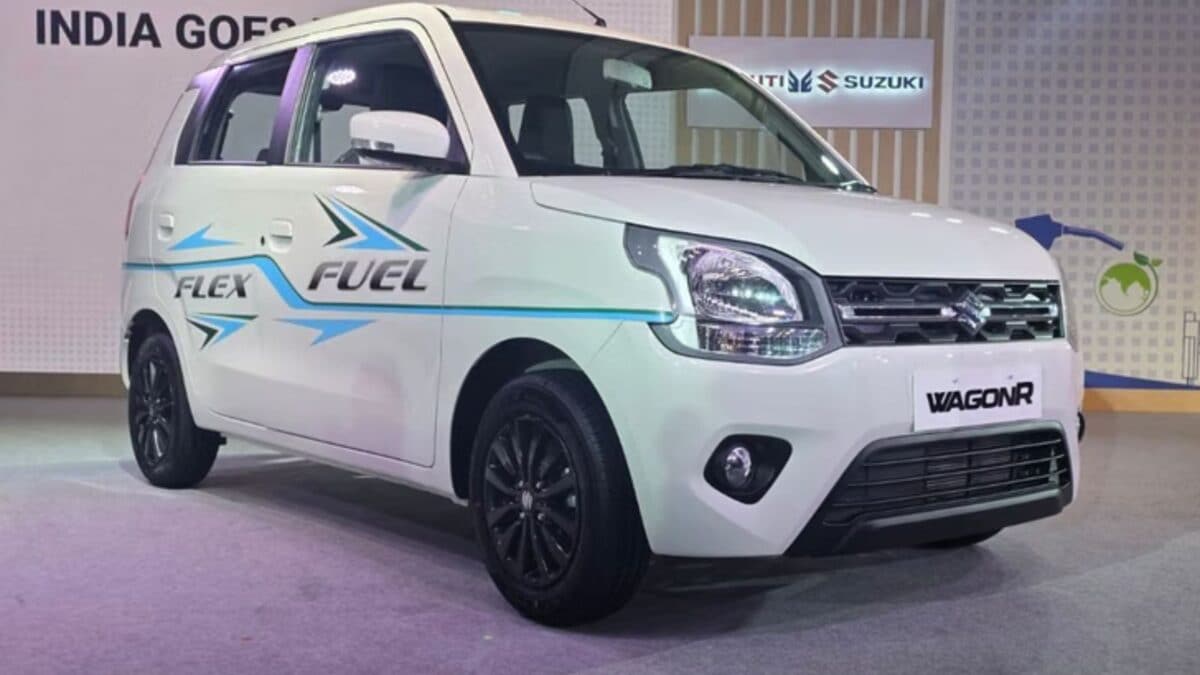
There is no big difference between the two models. The flex fuel Wagon R shares the same tall-boy stance, floating roof look (blacked-out C-pillar), vertical taillamps and 14-inch wheels as the normal Wagon R. The only difference is the fluorescent badging and side decals. Its length is 3655 mm, width is increased, wheelbase is 2435 mm. Parking of both is easy.
The interior of both is completely similar. Beige-black dual-tone cabin, spacious seating (5 people), good headroom and leg room. 7-inch touchscreen, steering-mounted controls, manual AC are available in all. Boot space is 341 litres. There are no additional changes in the flex version.
Features and safety
Both have 7-inch infotainment (Android Auto/Apple CarPlay), power ORVMs, tilt steering. Being based on the Flex Fuel top variant, some premium features are available as standard, but basic comfort is equal in both. 6 airbags, ESP, ABS with EBD, rear parking sensors, hill hold assist and seatbelt reminder are standard on Flex Fuel. Variants with 6 airbags are also available in the normal Wagon R.
Engine and Performance
The normal Wagon R has two engine options, 1.0L (68 PS) and 1.2L K12N (90 PS, 113 Nm), which are available in MT/AMT option. The 1.2 liter K12N engine has been upgraded to flex fuel. Things like special injectors, fuel pump, lines, ECU and ethanol sensor are new in it. Power and torque are slightly better, but mileage may be lower on high ethanol blends. (ARAI- 25 kmpl in petrol mode) It can be bought only with 5-speed MT. At the same time, AMT is also available in normal 1.2L.
.jpg?impolicy=website&width=52&height=52 "authoring")