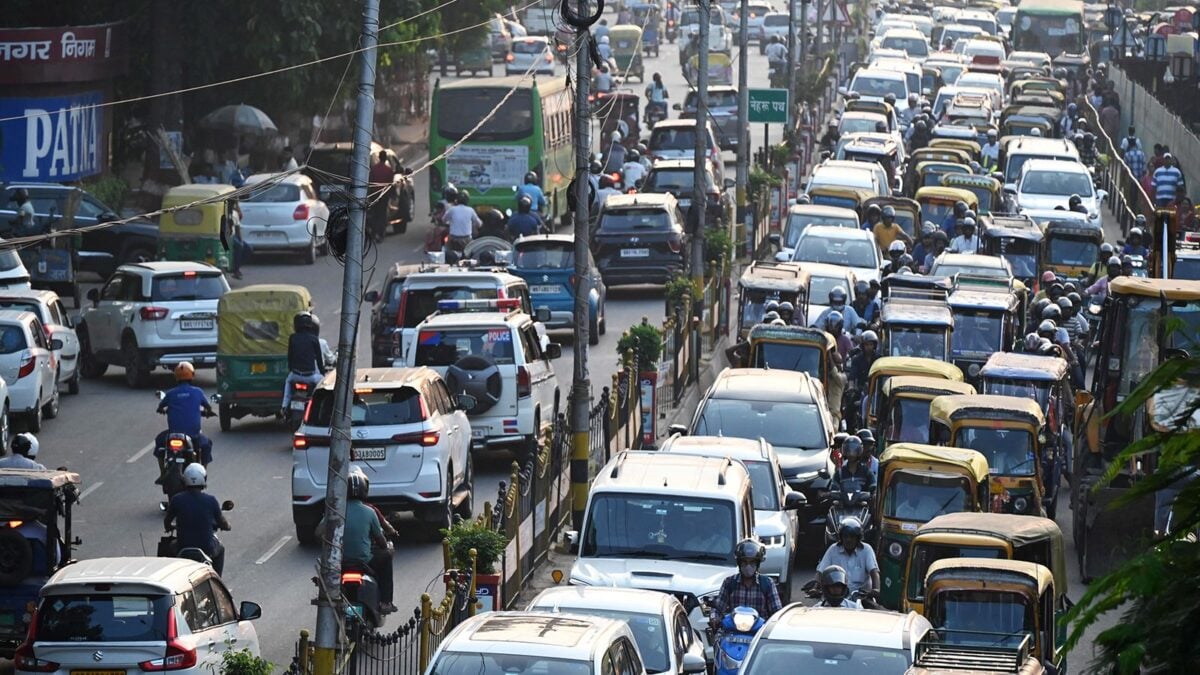
New Delhi. India's transport sector is currently going through a major transformation, based on two different paths to clean-mobility. The first path is of E20 petrol (petrol mixed with 20 percent ethanol) and the second is of battery operated electric vehicles (EVs). Current national policy sees these as a sequential, 'twin-track' strategy rather than a choice between the two.
In this strategy, E20 fuel is serving as an immediate relief means for energy security, while electric vehicles are positioned as the ultimate long-term solution to reduce carbon emissions. The recent fluctuations in the global energy market have further heightened the need for this dual approach, as India imports about 85 percent of its crude oil needs from abroad, which always puts economic pressure on the country.
E20 got big success in a short time
The introduction of E20 petrol in the country has been a huge success in a very short time. India completely shifted its domestic fuel supply to E20 petrol much ahead of its legal schedule. Due to this swift step, there has been a huge reduction in the expenditure on import of crude oil, due to which the country has saved foreign exchange of more than Rs 1.4 lakh crore. Additionally, this policy has provided a strong economic support to the agriculture sector as surplus sugarcane, maize and spoiled grains are being diverted for ethanol production, directly benefiting the farmers.
However, despite these huge economic benefits, there are some practical challenges to a mandatory E20 rollout on the ground. The biggest concern for consumers is the slight drop in vehicle mileage, as ethanol has a lower energy density per liter than pure petrol. According to automotive laboratories, depending on the engine calibration, the use of E20 fuel can result in a slight reduction in mileage of 3 percent to 6 percent. Additionally, vehicles manufactured after April 2023 are fully compatible with this fuel, but it may have adverse effects on parts of older vehicles as ethanol naturally absorbs moisture, which can cause normal rubber gaskets, hoses and fuel line seals to deteriorate quickly.
Electric vehicles: the challenge of high-capital infrastructure
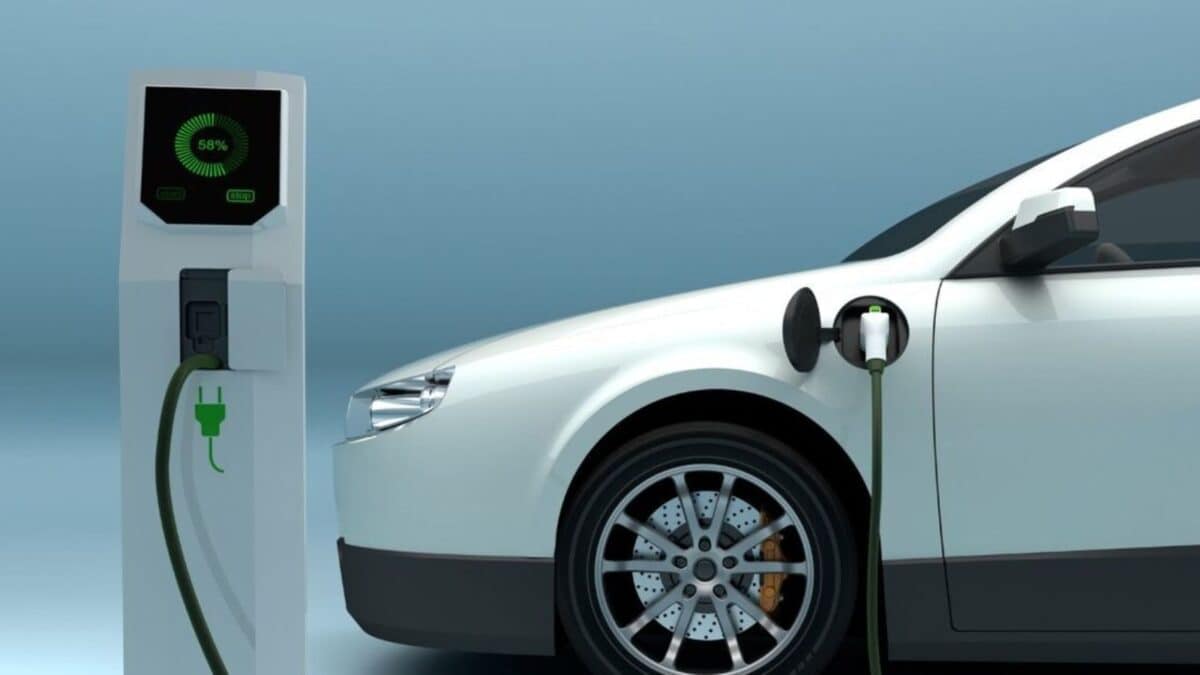
On the other hand, moving towards electric vehicles meets the goal of zero-emission in the long run, but it requires huge capital investment. The pace of adoption of EVs in urban areas has increased rapidly due to government efforts like PM E-DRIVE scheme and Production Linked Incentive (PLI) for Advanced Chemistry Cell Battery Storage. The tax structure of the government is also a big help in this, while a huge GST of 28 percent is applicable on conventional petrol-diesel vehicles, whereas a low GST rate of only 5 percent is applicable on electric vehicles.
Despite this, some major structural bottlenecks remain in the EV sector. Although local assembly for electric two-wheelers and three-wheelers has been successfully integrated in the country, the supply chain for manufacturing the most critical component, i.e. battery cells, is still highly dependent on imported refined minerals. Additionally, the speed of the public charging network still lags far behind vehicle sales, especially in smaller cities (Tier-2 and Tier-3), leading to range anxiety. Grid capacity limitations and the lack of a unified, interoperable charging payment card also make its use difficult for non-commercial users.
Alignment of market reality and policy
According to projections from economic and transportation models, petrol consumption in India may reach its peak around early 2032, after which it will start declining due to mass electrification. Therefore, these timelines need to be balanced very carefully in long-term policy planning. Planning to add excessive capacity for ethanol distilleries beyond current requirements could turn that investment into stranded capital assets over the next two decades.
The strategic need for India is not to choose between E20 and electric mobility, but to manage their different life cycles properly. E20 fuel serves as a vital transitional bridge to provide immediate carbon reduction and financial relief from the existing conventional vehicle fleet. Additionally, the country will need to continue to aggressively expand domestic battery cell manufacturing and charging infrastructure, so that when the liquid fuel market shrinks in the future, India is well prepared to move towards a mature electric mobility ecosystem.
(Originally written by: Pathikrit Sen Gupta)