The prices of petrol and diesel are continuously increasing in the country. In such a situation, mileage has now become not just a convenience but a necessity for car buyers. On the basis of fuel efficiency figures certified by the Automotive Research Association of India (ARAI), we are telling you the top 5 highest mileage cars of the country.
These figures are based on petrol and hybrid powertrains (in kilometers per litre), as the mileage of CNG cars is measured in kilometers per kilogram. Note, ARAI figures are lab tested and real-world mileage may be off by 15-25%, but they are a great benchmark for comparison. The mileage of every car is above 25 KMPL. Come, let us know about them one by one.
1. Maruti Suzuki Swift
Maruti Swift is the favorite hatchback of young buyers, which now comes with Z-series 1.2 liter 3-cylinder petrol engine. This engine gives 82 hp power and 112 Nm torque. ARAI mileage in the 5-speed AMT variant is 25.75 KMPL, while in the manual it is 24.8 KMPL. Its weight is only 920-925 kg, which gives excellent efficiency due to low weight. Ex-showroom price starts from Rs 5.79 lakh to Rs 8.65 lakh. Swift is not only ahead in mileage, but is also known for driving fun, better safety and modern features (7-inch touchscreen, wireless Android Auto).
2. Maruti Suzuki Celerio
Celerio is one of the most affordable and efficient hatchbacks in the country. Its 1.0 liter 3-cylinder petrol engine generates 69 hp power and 91 Nm torque. ARAI mileage in the AMT variant reaches 26 KMPL, while the base MT stands at 25.24 KMPL. The biggest plus point is its light weight (810-835 kg), which ensures low fuel consumption in city traffic. The price is only Rs 4.70 lakh to Rs 6.73 lakh (ex-showroom). Celerio makes a budget friendly and better option for small families and first-time buyers.
3. Honda City e:HEV
The car that gives the highest mileage in the sedan segment is the hybrid variant of Honda City. Its 1.5 liter Atkinson-cycle petrol engine (100 hp, 131 Nm) combined with permanent magnet synchronous motor (109 hp, 253 Nm) gives a total power of 126 hp. ARAI mileage with e-CVT transmission is 27.26 kpl. Despite weighing 1280 kg, the hybrid system provides excellent efficiency through battery regeneration and electric assist. The price is around Rs 20 lakh (ex-showroom). With premium feel, spacious interior, level-2 ADAS safety and refined drive, it is ideal for the family.
4. Toyota Urban Cruiser Hayrider / Maruti Grand Vitara
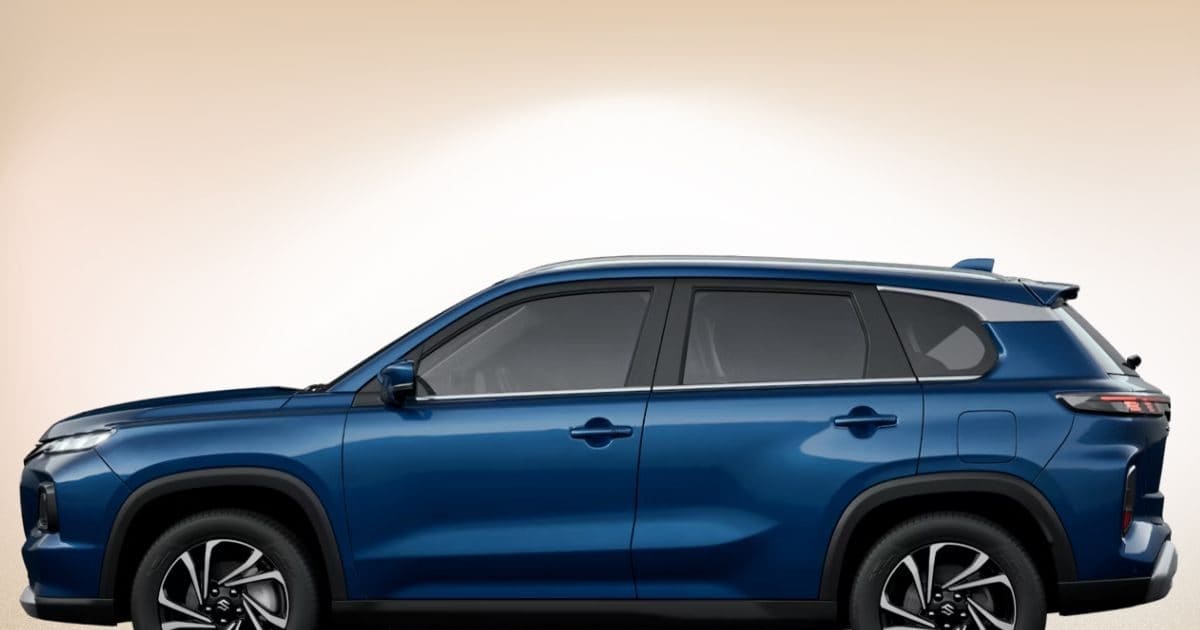
Both of these badge-engineered mid-size SUVs are in a tie in strong hybrid versions. The 1.5 liter 3-cylinder Atkinson-cycle petrol engine (92 hp, 122 Nm) coupled with the 80 hp electric motor (141 Nm) give a total output of 116 hp. ARAI mileage with e-CVT is 27.97 kpl. The weight is around 1250-1295 kg. The price of Hayrider is Rs 16.72-20.19 lakh and that of Grand Vitara is Rs 16.63-19.57 lakh (ex-showroom). Both have AWD option, premium features (panoramic sunroof, 360° camera) and hybrid technology.
5. Maruti Suzuki Victoris
The country's highest mileage car is Maruti's new mid-size SUV Victoris. It also has the same 1.5 liter strong hybrid powertrain (92 hp engine + 80 hp motor, total 116 hp) as the Grand Vitara and Hayrider, but due to optimized tuning and design the ARAI mileage has reached 28.65 kpl. Weight is 1250-1295 kg. Prices start from Rs 10.50 lakh and go up to Rs 19.99 lakh (ex-showroom) for the hybrid top variant.
Our advice: If your budget is low then go for Celerio or Swift, while for premium and long term savings, Hybrid Victoris, Hayrider/Grand Vitara or City e:HEV are best. These cars not only save fuel but are also environment friendly. Before buying, definitely take a test drive and check real-world user reviews.