Most Affordable SUV Under 10 Lakh in India: At present, there is the highest demand for affordable SUVs. If you are planning to buy a cheapest SUV in the coming days, then this article of ours is useful for you. In this article, we have brought for you a list of 5 SUVs cheaper than Rs 10 lakh.
This list includes Tata Nexon, Kia Sonet, Hyundai Venue, Skoda Kylaq and Nissan Magnite. These vehicles are much better in terms of their price as well as features and safety. Let us have a look at their price, design, interior, features, safety, engine and mileage details.
1. Tata Nexon
Tata Nexon is one of the safest and popular compact SUVs of India. Its starting price is around ₹ 8.00 lakh (ex-showroom). In terms of safety, it has received a 5-star rating from Global NCAP, which makes it a reliable option for the family. Nexon has 1.2-litre turbo petrol and 1.5-litre diesel engine options.
Its muscular design, high ground clearance and 'three-arrow' LED taillamps give it a distinct identity on the road. Its initial variants (Smart, Pure) are easily available in the budget of Rs 10 lakh, in which driving modes like Eco, City and Sports are also available.
2. Kia Sonet
Kia Sonet is known for its premium features and stylish looks. Its starting price starts from around ₹ 7.30 lakh. If you give priority to technology and interior quality, then Sonet is a great choice. Even in its base model (HTE) you get good build quality and standard safety like 6 airbags. It has a 1.2-litre naturally aspirated petrol engine, which is quite smooth for driving in the city. Its bold front grille and spectacular dashboard layout attract the youth a lot.
3.Hyundai Venue
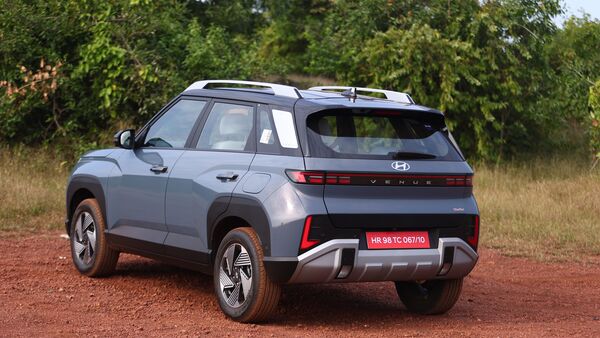
Hyundai Venue is considered an all-rounder SUV in the Indian market. Its price starts from ₹ 8.00 lakh and goes up. The biggest feature of Venue is its refined engine and Hyundai's excellent after-sales service. Its initial variants (HX 2) offer a reliable driving experience with basic features. This car is very easy to drive in crowded cities and its compact size does not pose any problem in parking. A good balance of comfort and reliability is seen in it.
4. Skoda Kylaq
Skoda Kylak is a new and powerful entry in this segment. Skoda has designed it specifically for the Indian market and its starting price has been kept quite aggressive at ₹7.59 lakh. It has a powerful 1.0-litre TSI turbo petrol engine, which is no less than a gift for driving enthusiasts. In Kaylak you get to experience European build quality and excellent handling. Variants like Classic and Classic+ are available in the budget of Rs 10 lakh, which are a perfect blend of safety and performance.
5. Nissan Magnite
Nissan Magnite is the most affordable SUV in this list, with a starting price of just ₹ 5.62 lakh. This is the best option to fulfill the dream of SUV in low budget. You can also buy its top-end variants for under ₹ 10 lakh, which come with features like 360-degree camera, wireless Android Auto/Apple CarPlay and cruise control. Its sporty look and light weight makes it a high mileage car. If you want maximum features and 'value for money' at a low price, then there is nothing better than Magnite.
Who to buy: If your priority is safety, then choose Tata Nexon. Nissan Magnite is best for features and mileage in low budget. For a premium experience, go for Kia Sonet or Hyundai Venue. If you want great driving performance, then Skoda Kylaq can be the perfect choice. Take the decision according to your need and budget.
Although the Venue has not yet been tested by crash agencies, it is expected to perform better than before, as this new architecture is much tougher than the existing K2 platform.
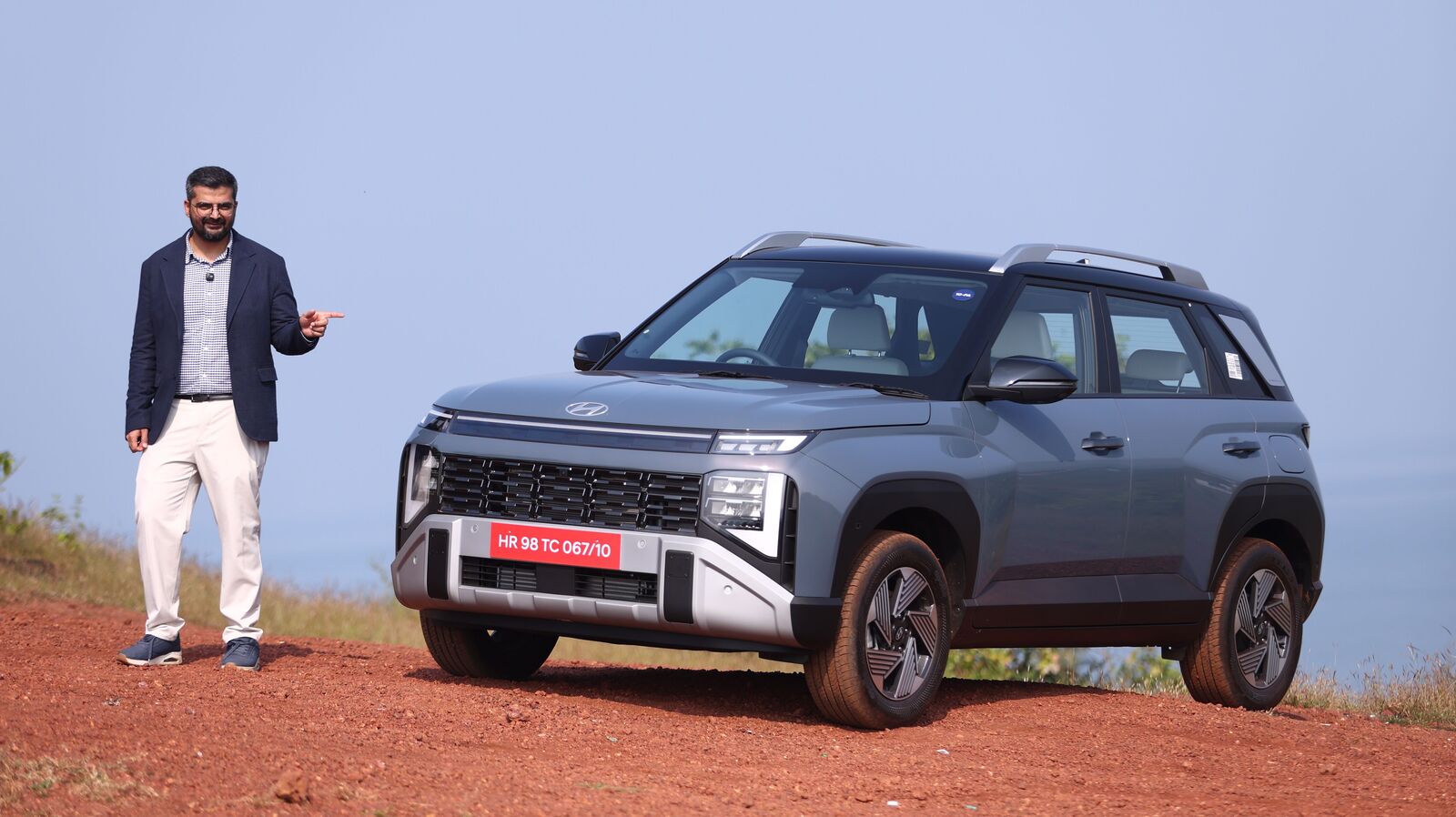
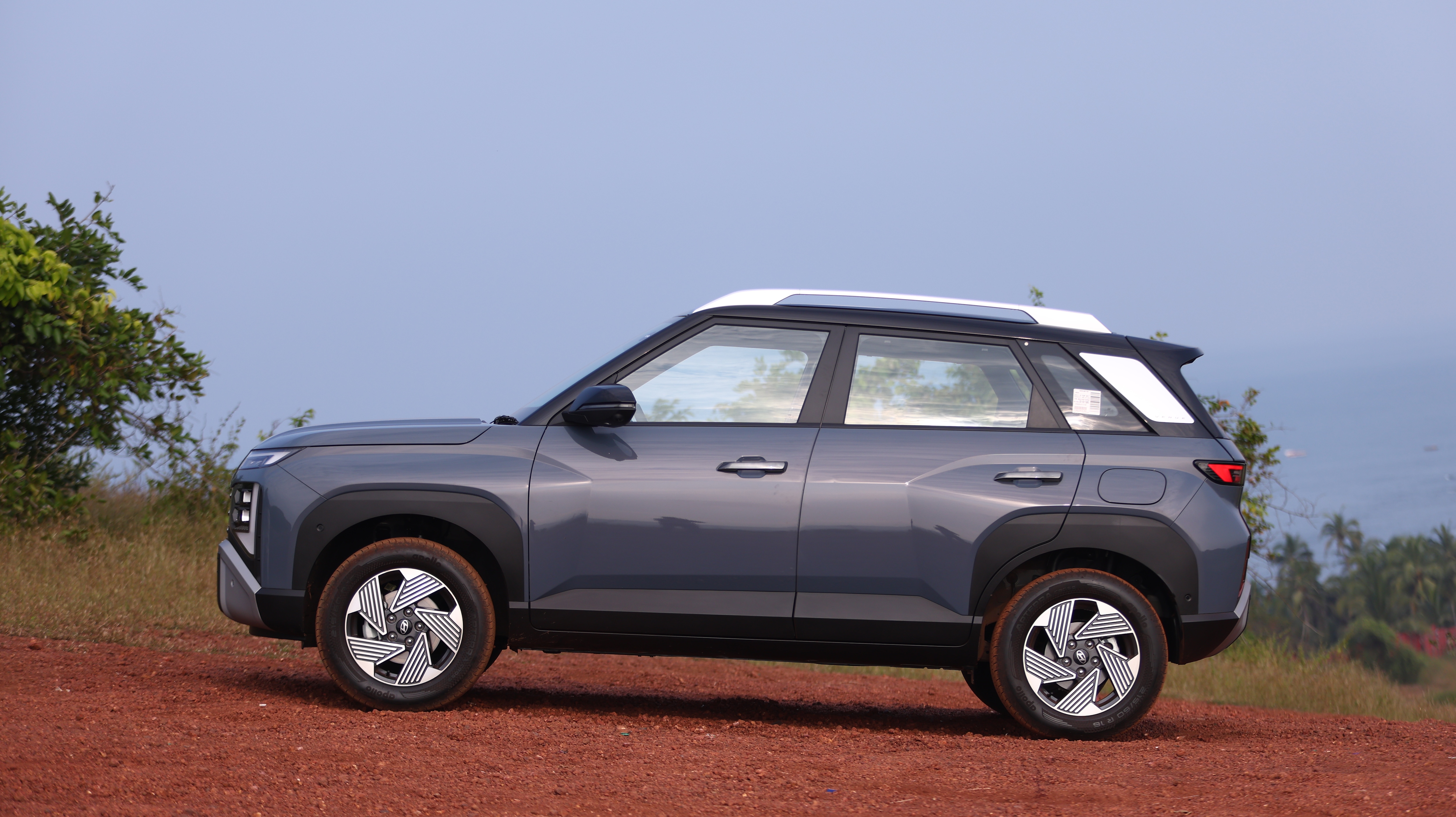
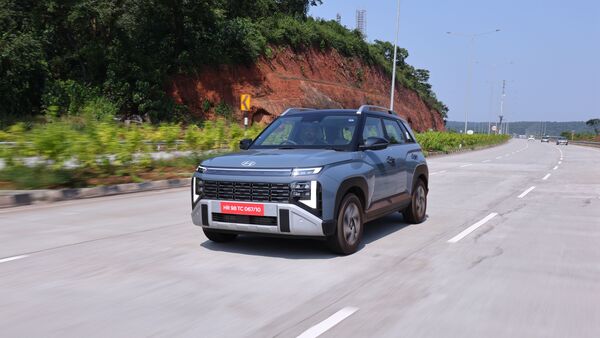
For most people, the 2025 Venue will immediately stand out as a larger, more well-designed SUV. It now looks much more stylish thanks to several new design elements, and its overall appearance is more in line with Hyundai's larger SUVs like the Creta and Alcazar. In fact, many are already calling it the “Mini Creta” – a moniker which, in my opinion, actually works in the Venue’s favour.
More importantly, Hyundai claims that it has significantly improved the safety of the SUV by transitioning to the new global K1 platform. Although the Venue has not yet been tested by crash agencies, it is expected to perform better than before, as this new architecture is much stiffer than the older K2 platform, with more use of ultra high-strength steel in key structural areas. This is worth noting because design and feature upgrades are expected with any update, but adopting an entirely new platform for better security is a big step.
Kudos to Hyundai for making this a priority.
The larger wheelbase in the new Venue has opened up more legroom for second-row occupants, and although the overall length remains the same, the SUV is now longer and wider.
Also, the main attraction in my opinion is the larger wheelbase which has opened up more legroom for the second row passengers. And yes, the SUV has now become longer and wider, while the overall length remains the same. The rear seat now benefits from a 20 mm longer wheelbase and the scooped-out backs of the front seats, giving passengers a significant increase in knee room. However, the thigh support still leaves room for improvement. Shoulder space has also increased slightly, although fitting three adults on the rear bench remains a tough affair. On the positive side, rear passengers continue to get reclining seats and Hyundai has now added sunshades for added comfort.
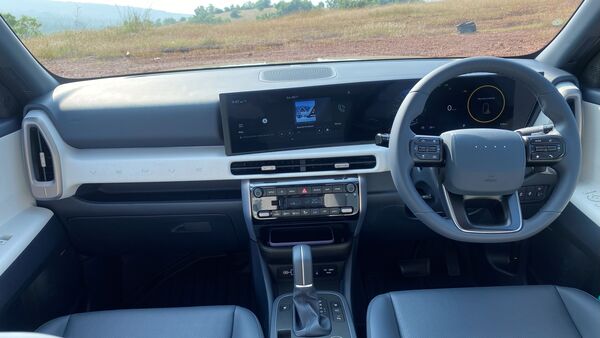
The highlight of the cabin is the new 10.25-inch dual-screen setup on the dashboard, which offers a more modern layout with better materials.
The cabin of the Hyundai Venue feels like a worthwhile step up in both quality and experience. The dashboard now gets a cleaner, more modern layout with a redesigned center console and better materials that give a more premium feel. The highlight is the new dual 10.25-inch screen setup – one for the infotainment system and the other for the fully digital instrument cluster – bringing a tech-rich ambience that is usually seen in the above segment. Hyundai has added features that really enhance the everyday practicality, including ventilated front seats, a wireless charger, rear AC vents, a 360-degree camera, and connected car tech with expanded functionality. The seats are more supportive, and the increased cabin space makes the Venue more spacious than before. Subtle but thoughtful touches like ambient lighting, Type-C fast charger and improved storage area further enhance the in-cabin utility. It is worth noting that Level-2 ADAS is also available in it.
What's it like to drive?
The new Venue comes with three engine options. We tested the 1.0-litre turbo-petrol unit, which produces 120 bhp and 172 Nm of torque
I admit, I have driven most Hyundai vehicles, but never the Venue. And when I got the opportunity to test drive the 1.0-litre turbo, I immediately said yes. For reference, the SUV is available in several engine and transmission options that are carried over from the previous model year, the only addition being the introduction of an automatic gearbox option on its diesel engines. Powertrain options available on the Hyundai Venue include:
1.2L NA petrol (4-cylinder) 83 hp / 115 Nm: paired with 5-speed manual
1.0 liter turbo-petrol (3-cylinder) 120 hp / 172 Nm: Transmission options: 6-speed manual or 7-speed DCT
1.5 liter turbo-diesel (4-cylinder) 116 hp / 250 Nm: Now available with a 6-speed manual along with a 6-speed torque converter automatic.
As I mentioned earlier, driving the Venue was a refreshing experience for me, but one thing immediately became familiar, the refined rumble of its 1.0L turbo-petrol engine and the trademark fluid steering feel that clearly makes a Hyundai, a Hyundai.
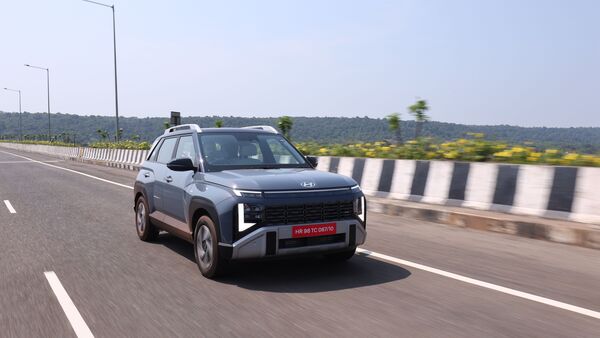
Right off the start line, the Venue immediately reminds you that this is a compact SUV built for everyday Indian road conditions. It's a practical package, and its compact footprint inspires confidence, especially when navigating tight, crowded corners where its agility really shines. The 1.0-litre turbo-petrol unit I drove felt lively, especially in Sport mode. However, in Eco and Normal modes, it becomes breathless if you press the accelerator hard. That said, refinement levels are fine, and the 7-speed DCT delivers quick, smooth and predictable gear shifts. However, don't expect it to go fast like a hot-hatch, as it's not really intended to do that. There's a little turbo-lag in the lower rev-range, especially if you try to drive it too enthusiastically, but given the size of the engine, it's nothing I'd complain about. The 1.0 turbo unit has enough power for you to enjoy everyday drives without any theatrics and it delivers exactly that, nothing more.
Handling and Ride Quality:
The Venue's suspension setup does a commendable job of absorbing most of the impact without letting anything harsh enter the cabin.
What really stands out is how confidently the Venue handles broken roads and uneven stretches and Goa had plenty of those on offer. Even before the Venue got onto the highway to stretch its legs, the potholes around the next corner ensured that the suspension was put to work. I even took it to the top of a hill for some epic shots, and the mix of tarmac, rough patches and mild off-road sections gave me a clear feel of Hyundai's suspension tuning. It's clear that the Venue has been engineered as a family-comfort-focused SUV, not something you'd choose for carving corners.
The Venue's suspension setup (MacPherson strut at the front and coupled torsion beam axle at the rear) does a commendable job of absorbing most of the impact without letting anything harsh seep into the cabin. After driving it for a whole day on the bumpy, narrow and winding roads of Goa, I was really impressed with how well the suspension has been tuned to deliver a luxurious, cushy ride.
Last words:
from the new Venue range Rs 7.89 lakh for base model Rs 15.69 lakh for the range-topping diesel automatic version
I've rarely found myself really impressed by sub-compact SUVs, but the new Venue has changed that, despite me not being an SUV person and certainly not a fan of compact SUVs. However, from an average Indian buyer's perspective, the Venue falls short on a lot of parameters. It's not just feature-rich; It presents a compelling value proposition.
Hyundai has kept the starting price attractive 7.89 lakh (ex-showroom). However, as you climb the ladder, prices increase rapidly – Rs 14.74 lakh for turbo-petrol DCT, 15.48 lakh for the top-spec N Line, and Rs 15.69 lakh for the diesel automatic – positioning the higher trims among the most expensive trims in the segment. I just wish the top-end variant was priced a little more aggressively, because otherwise, Hyundai has nailed the Venue's brief.
It's clear that the new Venue aims to deliver more value than ever before while remaining competitive. It's grown in size, its feature list has expanded, and it's claimed to be safer thanks to a new platform – all while maintaining the easy, confident driving manners it's always been known for.
2025 Hyundai Venue: Strengths and weaknesses
The new Venue retains its confident driving dynamics while growing in size, expanding its feature suite and enhancing its safety credentials with a new platform.
I love:
Updated design, streamlined proportions, modern look
Excellent suite of interior features, and excellent cabin feel
Comfortable and cushioned ride quality
I dislike:
Higher prices on top trims
Handling him doesn't inspire confidence
Turbo lag on 1.0 liter (3 cylinder) engine
First publication date: 23 November 2025, 15:58 PM IST