
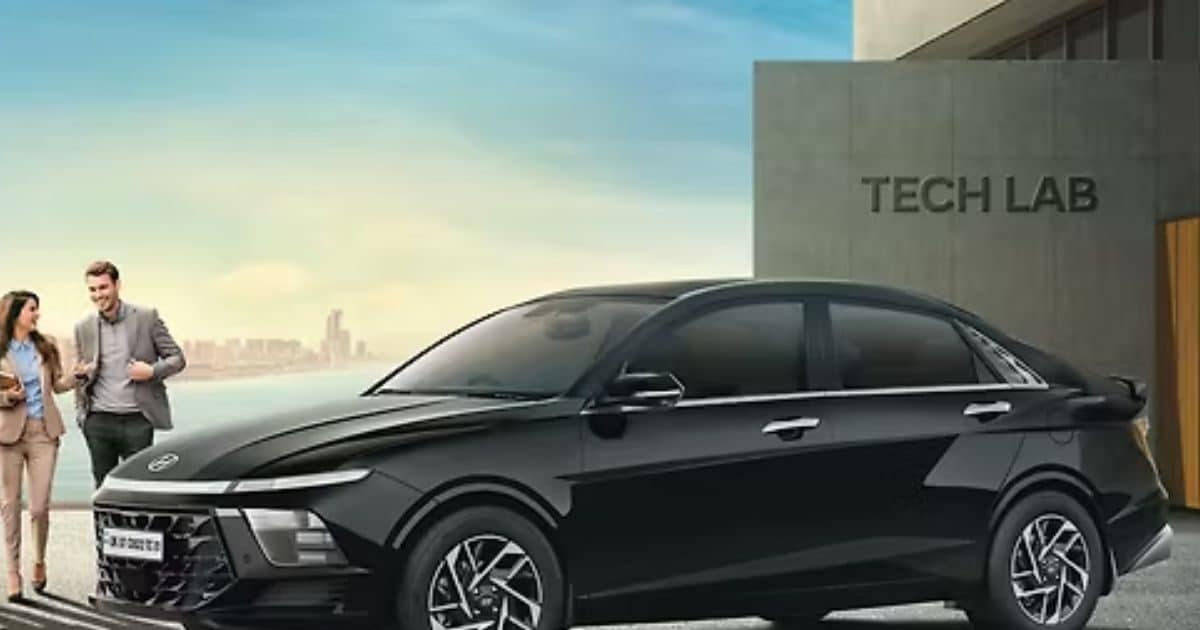
2026 Hyundai Verna launched at a starting ex-showroom price of only ₹ 10.98 lakh, know what changed

2026 Hyundai Verna launched at a starting ex-showroom price of only ₹ 10.98 lakh, know what changed

Hyundai Motor India has introduced its popular C-segment sedan Verna in a new avatar. The 2026 Hyundai Verna now comes with more than 25 new updates, which include bold design, level-2 ADAS, dual 10.25 inch screens, power seats with memory function and a more premium feel.

Its starting ex-showroom price is ₹ 10.98 lakh, while the top variant goes up to ₹ 18.25 lakh. It will be offered in a total of 6 variant options – HX2, HX4, HX6, HX6+, HX8 and HX10. These prices are slightly higher than the old model, but considering the features and styling, it seems to be value for money. Booking has started and delivery will take place from March-April 2026.

Design and dimensions

Verna's look has now become more bold and premium. At the front, a new black chrome radiator grille, dual LED projector headlamps and revised front-rear bumpers have been provided. On the side, new 16-inch diamond-cut alloy wheels and sharper body lines make it look sporty. There are updated tail lamps in the rear too.

This is the widest sedan in the segment and the wheelbase is 2,670 mm. Length is 4,565 mm, width is 1,765 mm. Two new color options have been added and there are a total of 7-8 color options available. Due to its fastback silhouette and aerodynamic design, it will look very attractive on the road. In the market it will compete with cars like Honda City and Skoda Slavia.

Cabin and Comfort

It gets a D-cut steering wheel (with updated Hyundai logo), leatherette seat upholstery and a dual-tone theme. Has been introduced with. The driver seat is 8-way power adjustable, with memory function and welcome retract feature. The passenger seat is 4-way electrically adjustable, which also has a walk-in device. Front seats are ventilated.

Boot space is 528 litres, which is enough for the family. Features like rear window sunshade, smart trunk, wireless charger, 64-color ambient lighting and electric sunroof are available in the top variants. Overall space, comfort and quality is best in the segment.

Features and safety

It gets segment-first features like dual 10.25-inch integrated infotainment and digital cluster, Hyundai Bluelink connected car tech (70+ features and 350+ voice commands), wireless Android Auto/Apple CarPlay, Bose 8-speaker premium sound system, switchable infotainment and climate control panel, surround view monitor and blind spot view monitor. Rear AC vents, paddle shifters (in Turbo), drive modes (Eco, Normal, Sport) and smartphone connectivity are also included.

No stone has been left unturned in safety. It has been given Hyundai SmartSense Level-2 ADAS, which includes 20 advanced functions. 7 airbags (standard), integrated dashcam, rain-sensing wipers, ESC, hill start assist, TPMS, rear parking sensors and ISOFIX child seat anchors are also part of the safety package. It is considered very safe for Indian roads.

Engine and Mileage

Engine options remain the same. The first is a 1.5-litre MPi naturally aspirated petrol engine, which is equipped with a 6-speed MT or IVT automatic. The second is a 1.5-litre turbo GDi petrol engine, which produces 160 PS power and 253 Nm torque. It is mated to 6-speed MT or 7-speed DCT. Paddle shifters, ISG (Idle Stop & Go) and drive modes are available in Turbo. ARAI claimed mileage ranges from 18.6 kmpl to 20.6 kmpl.
Source link

5 cars with radar-based ADAS that make driving in dense fog easier

5 cars with radar-based ADAS that make driving in dense fog easier

  • Radar-based ADAS uses radio waves to detect vehicles in fog, making these five cars safer and more confidence-inspiring in low visibility.

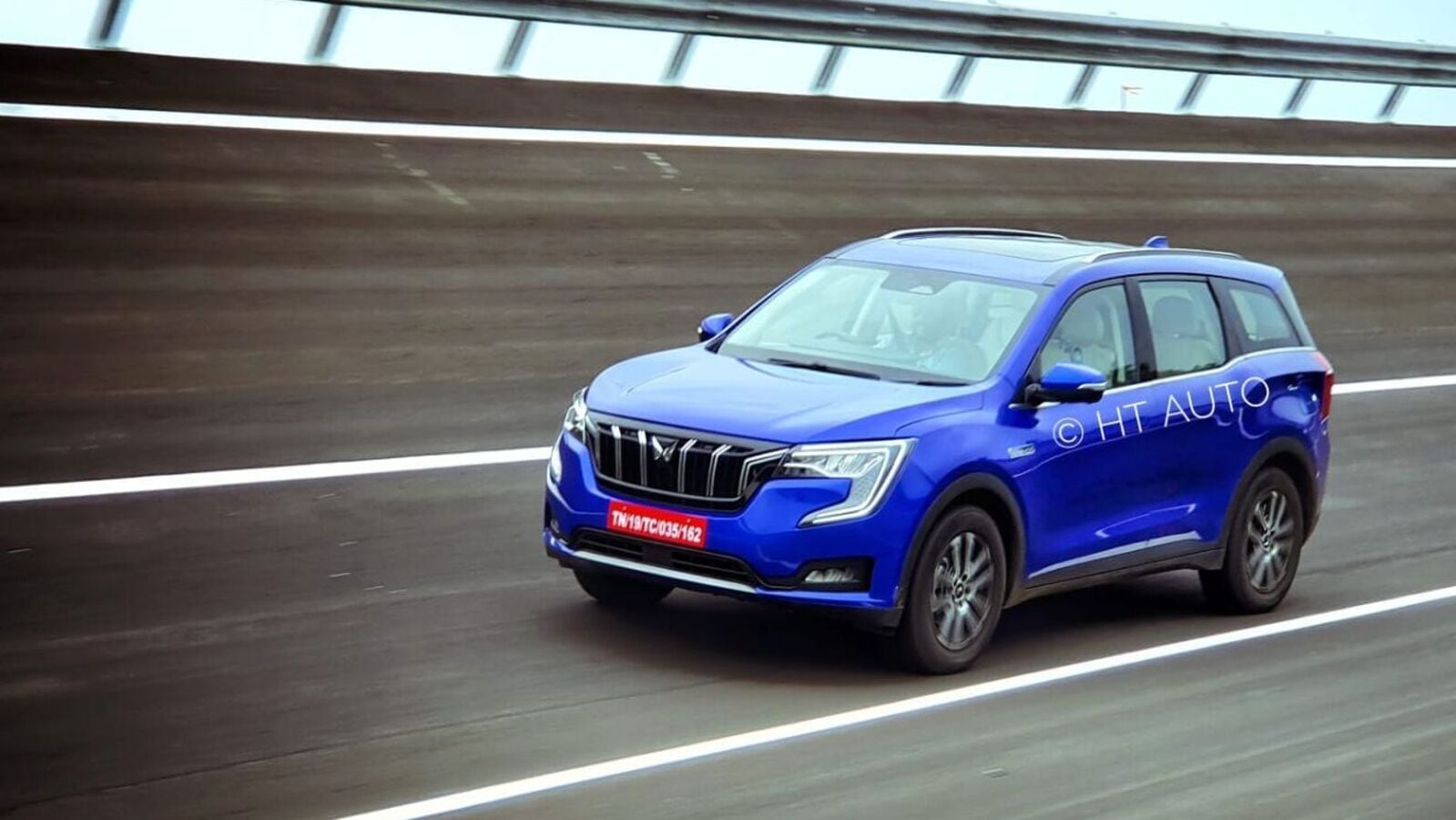
When visibility on Indian roads is reduced due to dense fog in winter, radar-based ADAS-equipped cars like the XUV700 provide added reassurance. (HT Auto/Sabyasachi Dasgupta)

View personalized offers

check offer icon check offers

Anyone who has been through the winter fog of North India knows how quickly visibility can drop to just a few metres. In such situations, a car's safety technology matters as much as good headlights and steady hands on the wheel. This is where radar-based ADAS have a clear advantage over camera-only systems.

Unlike cameras, which rely on visible light and struggle in fog, radar uses radio waves that can pass through fog and moisture. Sensors continuously measure the distance and speed of oncoming vehicles, feeding this data to systems like adaptive cruise control and automatic emergency braking. While ADAS is never a substitute for driver attention, radar-assisted systems remain more reliable when visibility is poor.

Here are five cars sold in India with radar-based Level 2 ADAS that can make driving in dense fog a little less stressful:

The newly launched Tata Sierra enters the mid-size SUV segment with a focus on safety and technology. The Sierra is equipped with Level 2 ADAS, which includes adaptive cruise control, autonomous emergency braking, and lane keep assist functions that rely on radar and camera fusion.

Engine options include petrol and diesel units, with the power figure going up to around 158 bhp depending on the variant. Sierra is priced below Harrier From Rs 11.49 Lakh Rs 21.29 lakh (ex-showroom). With its high seating position and modern safety technology, the Sierra is targeted at buyers who want everyday utility with added confidence in poor visibility.

Kia has recently unveiled its new generation Seltos. However, the variants sold earlier also came packing the Level 2 ADAS suite. Higher variants get radar-assisted features including adaptive cruise control, forward collision avoidance and lane keeping system.

The highlight is the 1.5-litre turbo-petrol engine that produces around 157 bhp, while a naturally aspirated petrol option is also available. Prices range from from 10.8 lakhs Rs 19.8 lakh (ex-showroom). For highway commuters who often encounter fog while driving early in the morning, the Seltos' ADAS package adds a reassuring safety net.

Hyundai's Creta remains a benchmark in the SUV sector, and its SmartSense ADAS suite cements that position. This system combines radar and cameras to enable adaptive cruise control, lane keeping assist, and automatic emergency braking.

The Creta is offered with multiple powertrains, including a 1.5-litre turbo-petrol engine producing around 157 bhp. Ex-showroom prices currently sit between 10.7 lakh more 20.2 lakh. In dense fog, the Creta's radar-based distance monitoring works quietly in the background, stepping in only when needed.

The XUV700 was one of the first mass-market Indian SUVs to offer radar-based Level 2 ADAS, and it remains one of the most widely implemented in its price range.

The petrol version of this SUV produces around 197 bhp, while the diesel goes up to around 182 bhp, making it one of the most powerful cars on this list. XUV700 prices range from from 13.6 lakhs Rs 23.7 lakh (ex-showroom). Features like Smart Pilot Assist and emergency braking are especially useful on foggy expressways where sudden deceleration is common.

Radar-based ADAS is no longer limited to SUVs, and the Hyundai Verna proves that point. The sedan gets radar-assisted SmartSense ADAS on higher trims, which includes adaptive cruise control and forward collision warning.

Its 1.5-litre turbo-petrol engine produces around 157 bhp, making the Verna one of the fastest cars in its segment. With prices starting from Going up to Rs 10.7 lakh and Rs 16.9 lakh (ex-showroom), it offers radar-based safety technology in a lower, more aerodynamic body style.

conclusion

Radar-based ADAS does not magically eliminate the risks of driving in fog, and it does not replace careful driving. But when visibility is reduced and reaction time matters, radar gives the car a more reliable way to “see” what's going to happen ahead. For Indian conditions, especially winter highways, these systems can make a meaningful difference when used responsibly to help avoid accidents.

Upcoming cars in India in 2025, check out the best SUVs in India.

First publication date: 18 Dec 2025, 15:54 PM IST

Source link