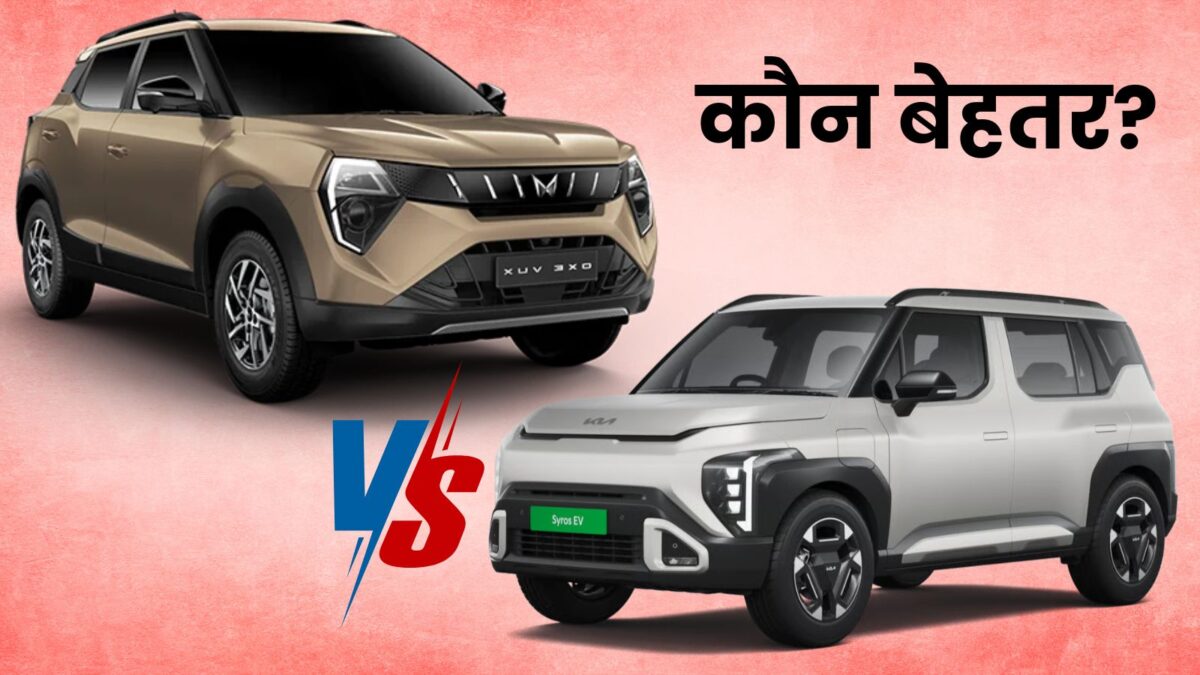
Kia Syros EV and Mahindra XUV 3XO EV compete with each other in the compact SUV segment in the Indian EV market. Prices for the Kia Syros EV start at ₹13.49 lakh (ex-showroom), while the top variant goes up to ₹19.99 lakh. Mahindra XUV 3XO EV, on the other hand, is priced between ₹13.89 lakh to ₹14.96 lakh. Both models are designed for affordable electric mobility, premium features and daily use.
The Syros EV claims more range with two battery options, while the XUV 3XO EV offers a balance of budget and performance. If you want to buy either of these two, then this article of ours is useful for you. Let's take a look at the details of their design, interior, features, safety, battery, motor and range.
Design and interior
Kia Syros EV comes with an attractive and modern look. 3995 mm length, bold front grille, LED lights and EV-specific elements. Mahindra Syros EV looks more stylish.
The Syros EV has dual 12.3-inch screens, panoramic sunroof, spacious rear seats and premium materials. The XUV 3XO EV features twin 10.25-inch displays, ventilated seats and good cabin space. Comfort is good in both, but Kia's cabin feels more luxurious.
Features and safety
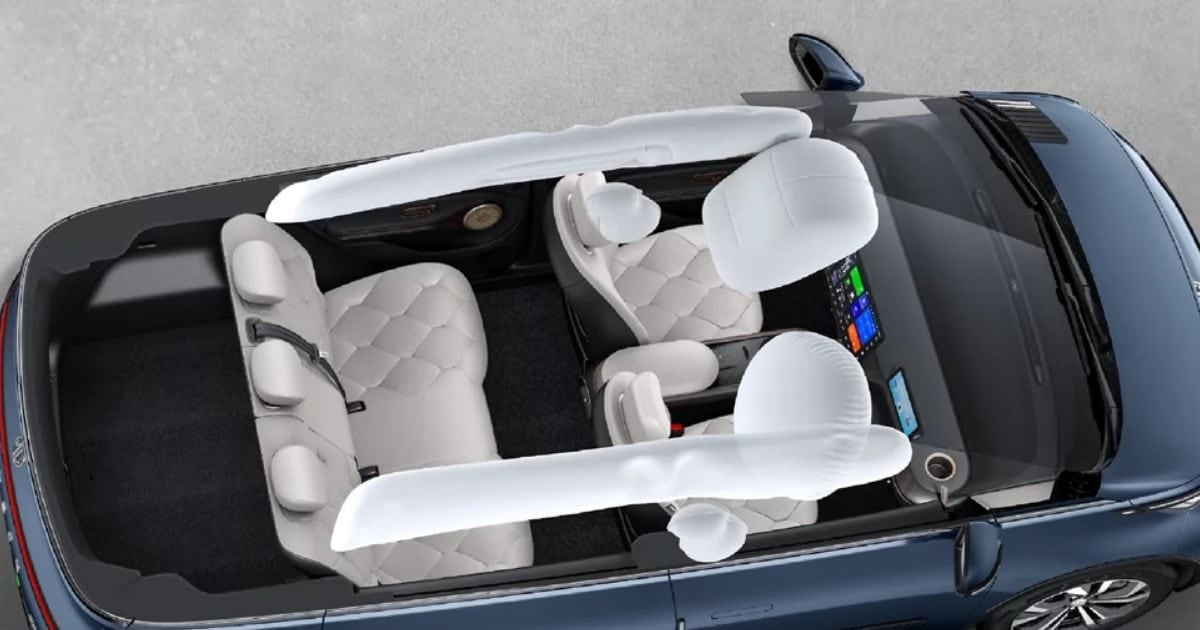
The Syros EV has L2 ADAS, V2L, connected car tech and a panoramic sunroof as standard. Features like Harman Kardon audio, 360 degree camera, L2 ADAS and wireless charging are available in XUV 3XO EV. Both are full of tech. The XUV 3XO EV is also safe with 6 airbags, ESP and L2 ADAS. Both have good safety scores.
Battery, Motor and Range
The Syros EV has 42 kWh (443 km range, 133-135 hp) or 51.4 kWh (526 km, 171 hp, 255 Nm) battery options. It can be charged 10-80% in 39 minutes with DC fast charging. The XUV 3XO EV has a 39.4 kWh battery and its motor produces 147 hp power and 310 Nm torque. Claimed range goes up to 456 KM. It can be charged 0-80% in 50 minutes. The Syros EV leads in range, while the XUV 3XO EV is stronger in torque and acceleration (0-100 km/h in just 8.3 seconds).
The demand for electric cars is increasing with time in the Indian auto market. If we look at last month's sales, MG Windsor was the best selling car of March 2026. At the same time, there has been an increase in the sales of Punch EV and e Vitara. Apart from this, the demand for XEV 9S and Harrier EV has decreased.
If we look at the total sales, a total of 24,716 units of electric cars have been sold in March 2026. This figure shows an annual increase of 19.90 percent compared to the total 20,616 units sold in March 2025. Let us take a look at the model wise sales report of the segment.
MG Windsor
MG Windsor is at number one in terms of sales. Last month it got a total of 4,530 new customers. This figure shows a spectacular increase of 74 percent on a monthly basis as compared to its sales in February 2026.
Mahindra XEV 9s
Mahindra XEV 9S is at second place in the list. Last month, a total of 3,254 people bought this indigenous electric car. This figure shows a monthly decline of 8 percent as compared to the sales in February 2026.
Tata Punch EV
There has been a huge increase in the sales of Punch EV. A total of 2,871 units were sold last month. This figure shows a huge increase of 171 percent on a monthly basis as compared to the sales of last month.
Tata Nexon EV
Nexon EV is at number four in the list. A total of 2,405 units of this electric SUV were sold last month. At present we do not have the records of the sales held in the last month.
Maruti and Vitara
The recently launched e-Vitara has registered its name in the list of top-5 EVs. Last month it got a total of 2,254 new customers. This figure shows a spectacular increase of 159 percent on a monthly basis.
Apart from the top-5 electric cars of the segment mentioned above, last month there were 1,759 units of Only 207 units of XUV3XO EV have been sold.
Many big events took place in the Indian automobile sector in the last one week. Volkswagen launched the facelift of its popular Taigun SUV, while VinFast entered the electric MPV segment. Renault started the delivery of the new Duster and also announced big plans for the future.
Apart from this, Kia India has confirmed new EVs and hybrid models. All these updates reflect the Indian customers' move towards better options, advanced features and electrification. It is clear from these news of this week that companies are focusing on design, technology and sustainability. Let's take a look at the big news of the entire week.
Launch of Volkswagen Taigun Facelift
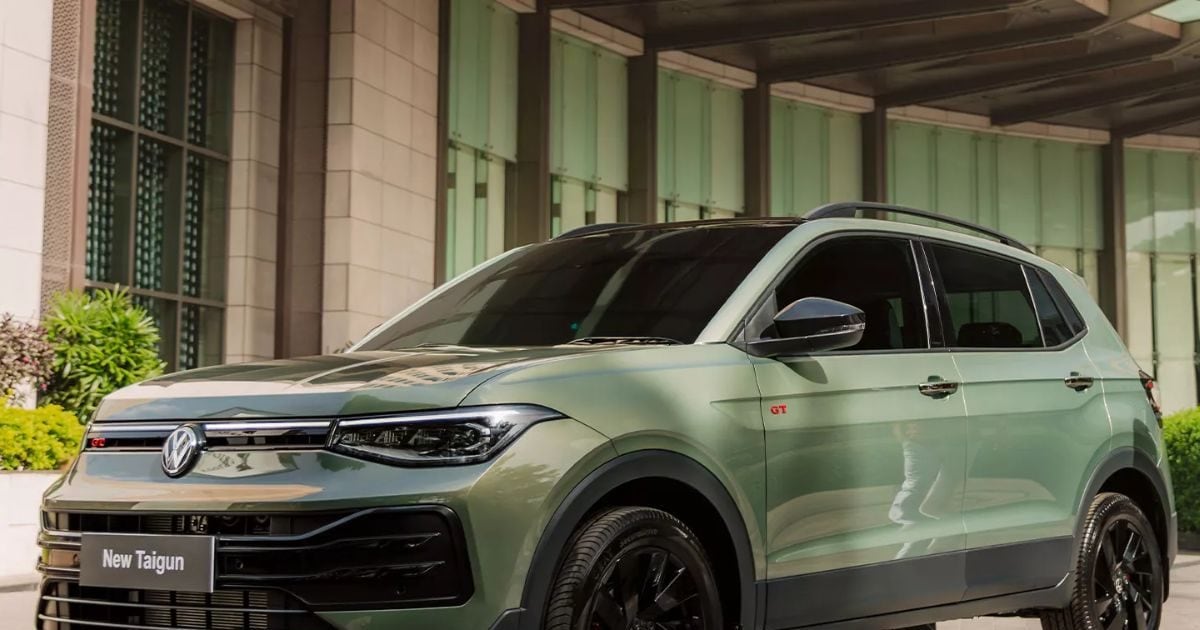
Volkswagen India launched the 2026 Taigun Facelift on 9 April 2026. Its starting price is ₹ 10.99 lakh (ex-showroom). The facelift model gets minor changes on the exterior, like new LED headlamps, reworked bumpers and illuminated VW logo. Ventilated front seats, panoramic sunroof and updated features have been added to the interior.
The special thing is that with the 1.0-litre TSI petrol engine, the option of 8-speed automatic gearbox is now available, which will give better efficiency and driving experience. This update will strengthen Taigun in the competitive mid-size SUV segment, where it will compete with Renault Duster and other models. The company is hoping to achieve 20-25% more volume.
VinFast VF MPV 7 launched
Vietnamese EV maker VinFast has launched its third model VF MPV 7 in India on 15 April 2026. This spacious electric 7-seater MPV is available at a price of ₹24.49 lakh (ex-showroom). It has a 60.13 kWh battery pack, which gives 201 bhp power and 280 Nm torque. ARAI-claimed range is up to 517 km.
The model has comfort features like theatre-style seating, AC vents in all three rows and leatherette upholstery. VinFast's focus is on Indian family and fleet users. It will compete with vehicles like BYD eMax 7 and Kia Carens Clavis EV. The company is going to start delivery soon
Renault Duster delivery begins
Renault India has started customer deliveries of the new Duster to be launched in March 2026. The first delivery took place in Chennai in the presence of the company's CEO François Provost. Currently, only turbo-petrol variants are being delivered, while deliveries of the hybrid version are expected to begin by Diwali 2026.
It is built on the new CMF-B platform and has modern features, better safety and adventure capability. Price starts from ₹10.49 lakh. Along with delivery, the company is also strengthening its retail network, which includes new 'R' stores. The hybrid variants have already been sold out through bookings.
Kia India's mega planning
Kia India has announced its ambitious plans for India at the 2026 CEO Investor Day. The company will expand its portfolio in India to 10 models by 2030, out of which 8 will be electrified (EVs and hybrids). Especially Syros EV, Sorento Hybrid and Carnival Hybrid have been confirmed to be brought to India.
Syros EV may be launched in 2026, while hybrid models will arrive by 2030. Kia's focus is on the budget EV segment and hybrid technology, so that hybrid option can be available in popular vehicles like Seltos also. There is also a plan to increase the dealer network to 800 locations. This step has been taken keeping in mind the fast development of the Indian EV market.
Renault's future plan
Renault India announced to bring 7 new vehicles in India by 2030 under the FutureReady India plan. The company aims to achieve 5% market share. The focus will be on two new platforms – RGEP (Renault Group Entry Platform) and RGMP.
RGEP is meant for entry-level and affordable cars, which will support the successors of models like Kiger and Triber. This platform will come with petrol, CNG, AMT and CVT options. Renault is also planning to make the Chennai plant a global export hub, with an annual export target of ₹2 billion. The new models will also include strong hybrid and full electric powertrains.
Mahindra is doing great work in the Indian electric car market. The company's electric origin SUV series – BE 6, XEV 9e and XEV 9S have crossed the total sales mark of 50,000 units. This achievement has been achieved in just one year since the start of deliveries, which reflects Mahindra's rapid growth in the Indian Electric Vehicle (EV) market. BE 6e and XEV 9e, launched in November 2024, received an excellent response from the market.
Their delivery started from March 2025. In the first seven months alone, both these models recorded sales of more than 30,000 units, which means on an average one vehicle was sold every 10 minutes. Now after the inclusion of XEV 9S, this figure has reached 50,000. This series has covered a distance of more than 32 crore kilometers so far, which proves the reliability and real-world performance of these vehicles.
Mahindra BE6
BE 6 is a stylish and sporty electric SUV, whose price starts at ₹ 18.90 lakh. It is available with 59 kWh and 79 kWh battery packs and gives a range of up to 682 kilometers. It has features like AI-powered technology, Dolby Atmos sound system, ultra-fast charging and premium interior. It is proving to be an attractive option for young buyers and performance lovers.
Mahindra XEV 9e
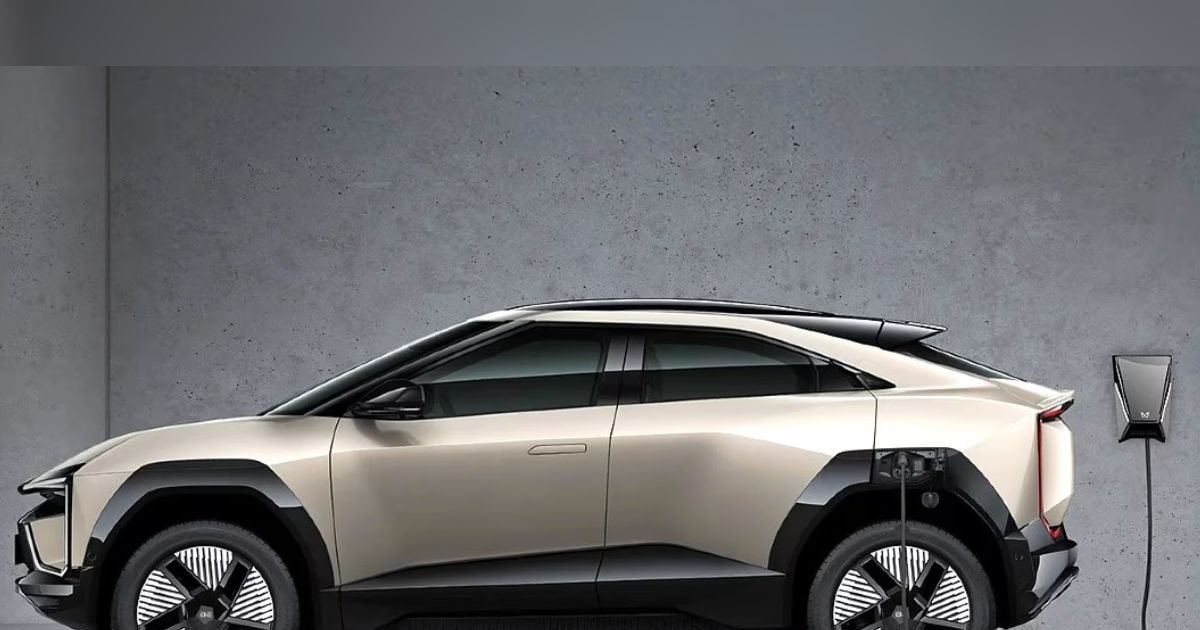
XEV 9e has been placed in the premium segment, with a starting price of ₹ 21.90 lakh. This is an electric SUV with coupe-style design, which offers an excellent combination of luxury, technology and range. At the same time, XEV 9S is Mahindra's first 7-seater electric SUV, which is specially designed for family users. In this, the focus has been on more space, comfort and practicality.
success story
There are many reasons behind the success of these vehicles. Almost 80% of the buyers are buying electric vehicles for the first time, which shows that Mahindra has played an important role in making the EV segment mainstream. Many customers are driving more than 1,000 kilometers a month and some vehicles have crossed the 50,000 kilometer mark. Their performance has been excellent even in extreme weather conditions.
Mahindra has invested heavily on these models. The company claims that these vehicles are made on global standards and are perfect for Indian roads. Their specialties are 5-star B-NCAP safety rating, advanced software and fast charging network. This milestone is not just a number for Mahindra, but a sign of its strong hold in the Indian EV market.
The company is now working on more variants, better charging infrastructure and export plans. If this pace continues, Mahindra may soon join the top EV makers of the country. Overall, the BE 6, XEV 9e and XEV 9S prove that Indian consumers are now taking electric mobility seriously.
Tata Motors has crossed 2.5 lakh cumulative EV sales in India, backed by its extensive electric car portfolio and early entry into the segment.
Tata Motors has crossed 2,50,000 cumulative EV sales in India since launching the Nexon EV as its first mainstream electric car in 2020.
View personalized offers
check offers
Tata Motors announced that it has crossed 2,50,000 cumulative EV sales in India, a significant milestone in its electric passenger vehicle business since launching its first mainstream electric car, the Nexon EV, in 2020. That SUV is now the first EV in India to cross 1 lakh cumulative sales.
According to the Indian manufacturer, the latest milestone was recorded across its current EV portfolio, which includes the Nexon EV, Harrier EV, Tiago EV, Express-T EV for the fleet segment and the recently introduced Punch EV. Tata said its EVs now account for a larger share of the overall passenger EV market, supported by early entry into the segment and offering models across body styles and different price points.
The carmaker attributed this growth to growing EV demand among private buyers and fleet operators, especially in urban markets. Tata Motors further claimed that Tata EV owners have collectively driven more than five billion kilometers, a figure that reflects the growing acceptance of EVs in the real world rather than limited-use ownership.
Commenting on the milestone, Shailesh Chandra, MD and CEO, Tata Motors Passenger Vehicles Limited, said, “The sales of 250,000 EVs demonstrate that electric mobility is fast becoming a part of everyday Indian life. Our customers are driving more, traveling farther, and are increasingly relying on EVs as their only car. Our EV journey, which began in 2018, is never about to lead alone. This progress is the result of the visionary policies of the government, the steadfast support of our supplier partners and charging infrastructure providers and above all, the trust and enthusiasm of TATA.ev customers. As EV adoption accelerates, our commitment remains clear: by making it accessible across all sectors, strengthening the ecosystem and investing in India-first technology and localisation. Will continue to lead the growing EV market.
Also read: Jaguar F-Pace production discontinued, brand closes chapter of 90 year long ICE era
Tata's ongoing commitments towards the Indian EV landscape
Tata continues to invest in Indian charging infrastructure through partnerships and its Tata Power-supported ecosystem, which now has over 20,000 public charging points available across the country.
The company further said that it is preparing to expand its EV lineup with new products based on its dedicated EV architecture along with software and connectivity updates aimed at improving the ownership experience. It is set to launch the upcoming Sierra EV and updated Punch EV in early 2026, while the Avinya range of premium luxury EVs is due to be covered by the end of next year. This is a part of Tata's larger target to have five new EV nameplates, including Sierra and Avinya, by fiscal 2030, supported by major updates to its portfolio.
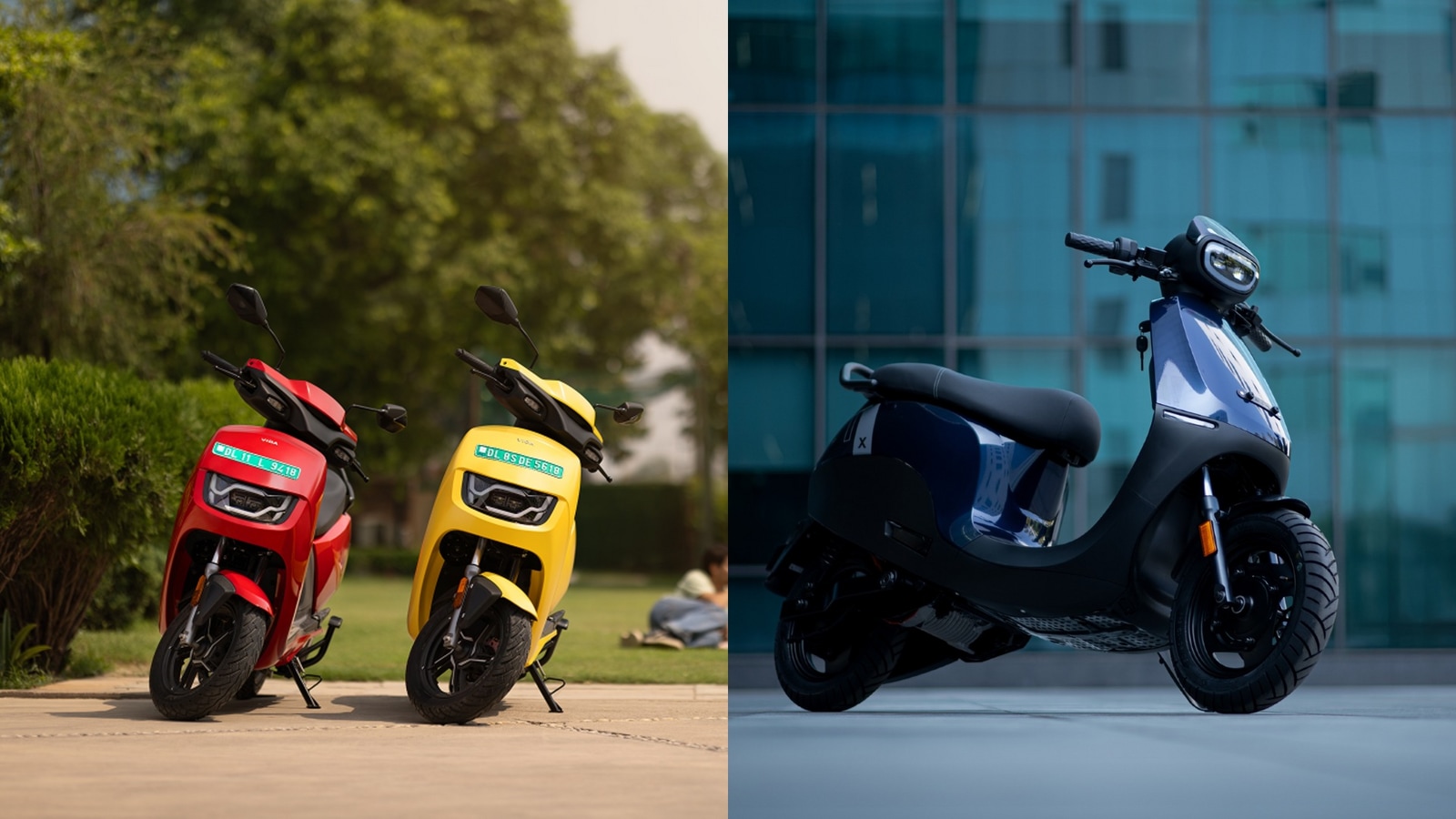
According to FADA data, Hero MotoCorp has overtaken Ola Electric to take the fourth position in India's November 2025 EV two-wheeler retail sales. Hero's VIDA lineup grows 66 per cent year-on-year, while Ola has seen a sharp decline in volumes.
Hero MotoCorp has overtaken Ola Electric to reach the fourth position in India's EV two-wheeler market in November 2025, as Ola reported a sharp decline in retail sales.
View personalized offers
check offers
The latest data released by the Federation of Automobile Dealers Associations (FADA) shows that Hero MotoCorp has grabbed the No. 4 spot in total electric two-wheeler (E2W) retail sales in November 2025, taking over the seat from Ola Electric after the latter suffered a sharp decline in volumes. The data shows that Hero retailed a total of 12,213 units, a year-on-year increase of 66.12 percent from 7,352 units in the same month last year. This comes despite it selling 3,739 fewer units compared to October 2025, a month-on-month decline of 23.44 percent.
Hero sells in the E2W market through its VIDA brand, which is dedicated to manufacturing electric scooters. It sells a total of four models from the VX2 and V2 lineup, with the range starting from VX2 Go for Rs 73,850 and going up to max ₹1,40,000 (both ex-showroom) for the V2 Pro.
Ola Electric has come to fifth position in the Indian E2W market
Ola Electric has seen much better days, but right now, it is ranked fifth below Hero after total retail sales of 8,402 units in November 2025. The EV maker sold 20,920 fewer units compared to the same month last year, leading to a massive 71.35 percent decline in retail volumes.
Ola has reported a 47.61 percent MoM decline in total retail sales from 16,036 units sold in October 2025. The company is seeing a decline in its sales after Q1 FY26, with the overall performance weakening amid increasing competition.
Ola currently sells four models in its e-scooter portfolio, with a range starting from S1 The price of S1 Pro+ is Rs 1,54,999. Its Roadster electric motorcycle range currently has two models available for booking, starting with the base Roadster 1 lakh (all ex-showroom).
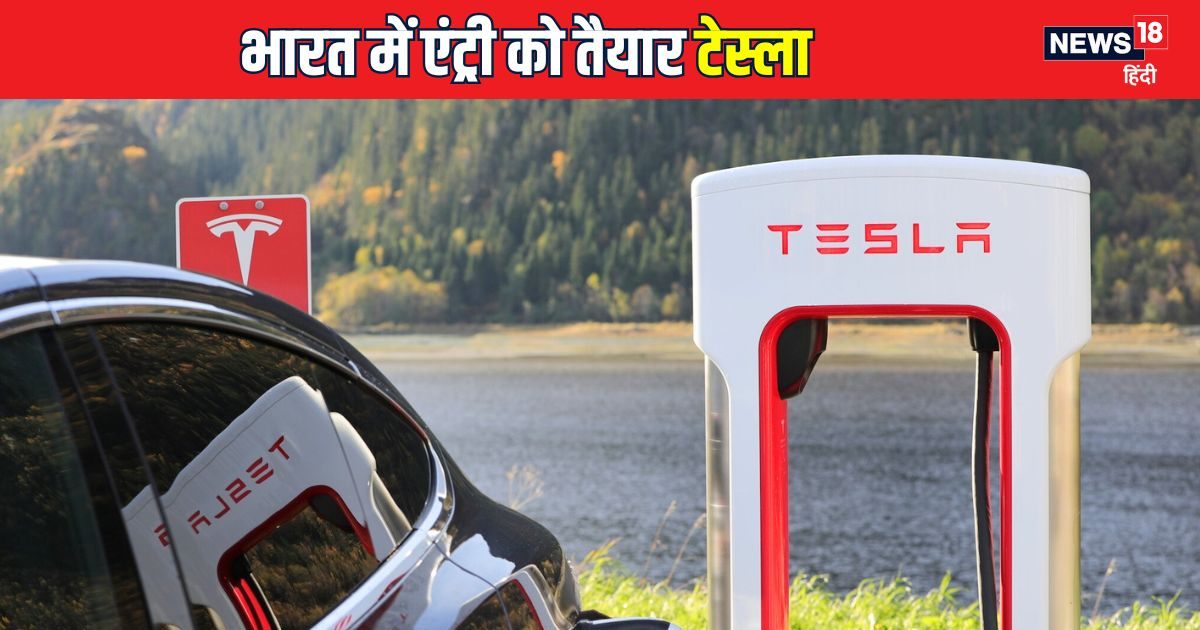
Tesla in India: Tesla plans to set up an electric vehicle plant in Maharashtra and is exploring the possibility of cooperation with Tata Motors.
Highlights
Tesla is planning to set up an EV plant in Maharashtra.
There is a possibility of cooperation between Tesla and Tata Motors.
Tesla has announced 13 new jobs in India.
Tesla in India: Tesla's electric cars may soon be seen making a splash on the streets of India. Alan Musk -led Tesla has taken steps towards setting up its electric vehicle (EV) manufacturing unit in India. Maharashtra has emerged as Tesla's first choice for this project. Also, discussions of possible cooperation with Tata Motors are also in full swing. This step is indicating the beginning of a new era in the EV market of India.
Tesla has started searching for land to set up its electric vehicle (EV) manufacturing unit in India, and Maharashtra has emerged as the first option for this. According to a report by The Economic Times, Tesla has also started talks with Tata Motors officials for possible cooperation. This development has come to light after Allen Musk's meeting in America recently with Prime Minister Narendra Modi. According to the report, Tesla is demanding incentives related to policy like import duty on EV to make its entry easier in the Indian market.
Why Maharashtra is the first choice of Tesla? The city of Pune in Maharashtra is already an important center for Tesla, where an office and several suppliers of the company are present. Government officials have proposed potential sites in Chakan and Chikhali, which are close to Pune and are known as major automotive hubs. Mercedes-Benz, Tata Motors, Mahindra & Mahindra, Volkswagen and Bajaj Auto are present here.
However, the discussions are still on, and Tesla is considering many things before taking a final decision. Another reason is the proximity to the port of the site, which will facilitate logistics and exports. The Maharashtra government is cautious in this matter, as earlier Vedanta-Phuxcon semiconductor plant and big projects like Tata-Air Craft Project had gone to other states. Given competition, it is also likely that Tesla can choose another location.
Tesla put 13 vacancies on LinkedIn Tesla has recently announced job opportunities for 13 posts on LinkedIn as part of his expansion efforts in India. These roles are in Mumbai and Delhi, which indicates that Tesla may soon launch its sales showroom in India. In addition, Tesla has approached Tata Motors officials, who is a prominent EV manufacturer in India. There is a possibility that both companies are looking for opportunities for cooperation. Senior Tesla's senior official Prashant Menon can play an important role in the company's strategy. Menon led Tesla's India operation team before being posted in the Netherlands in 2022.
Discussion has been going on for many years Tesla's entry in India has been in discussion for many years. In 2021, the company had planned to set up a showroom and office at Lower Parel, Mumbai, but it was postponed by the Government of India refusing to reduce import duty on Tesla vehicles. Tesla had proposed to reduce the fee on a fully prepared EV from 60% to 40% at a fully prepared EV priced from $ 40,000, as well as promised that after assessing the market response, it would set up a manufacturing plant in India. . However, the Government of India refused to give any tax exemption at that time.
China's angle too In 2023, Tesla officials interacted with the Modi government about the purchase of local components, after which the company replaced the office in Pune. Musk's meeting with Modi further increased the discussions about Tesla's plans. In 2024, India introduced an updated EV policy, offering duty relief to manufacturers investing a minimum of $ 500 million. Musk was expected to announce an investment during a visit to India in April 2024, but he canceled the journey and visited China instead.
Location:
New Delhi,New Delhi,Delhi
First Published:
February 19, 2025, 13:44 IST
Homebusiness
Tesla will be ready to make a splash on the streets of India, the company will hold Tata's hand!

 check offers