An accident occurred while leaving the showroom! Will I get a claim or will I lose money from my pocket? Know the rules

An accident occurred while leaving the showroom! Will I get a claim or will I lose money from my pocket? Know the rules

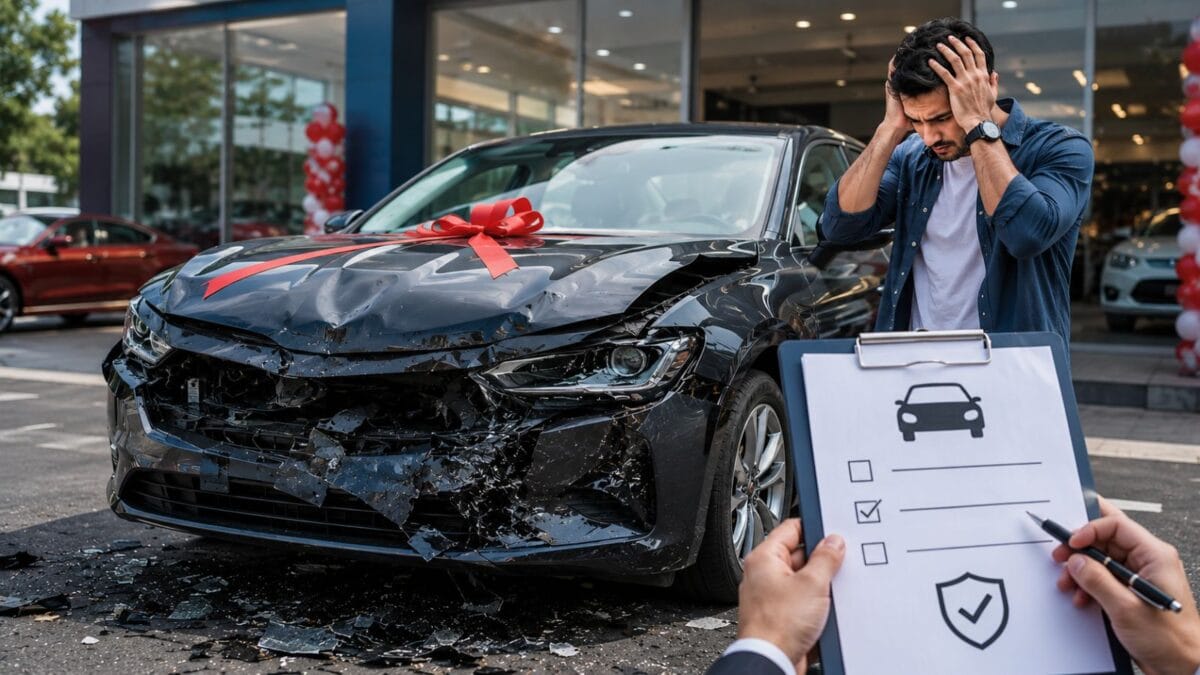
The joy of buying a new car is very special for everyone, but imagine what would happen if that shiny car meets with an accident as soon as you step out of the showroom gate? Recently, many such incidents have come to light from different parts of the country, where the vehicle met with an accident within a few seconds of taking delivery. In such a situation, the first question that arises in the mind of every buyer is whether he will get an insurance claim for this loss or not?

As per the law and the rules of the Motor Vehicle Act, the legal responsibility of the vehicle passes to you as soon as you sign the delivery papers. According to the rules, the vehicle can leave the showroom only when its insurance is active. So, technically you should get a claim, but there are some tricky aspects! Come, let us know about these also.

Rules of insurance companies: When is the claim received?

Nowadays, under the rules of the Motor Vehicle Act, no vehicle is allowed to be taken out of the showroom without valid insurance. Most dealers activate Zero Depreciation insurance policy even before delivery of the vehicle.

This means that as soon as the vehicle crosses the threshold of the showroom, its insurance cover starts. If any accident occurs during this period, the insurance company is obliged to compensate for the loss. The customer has to pay only the file charge or a nominal deductible amount prescribed under the policy.

The most important condition is to have the vehicle registered.

Despite having insurance, there is one rule due to which your claim may be rejected and that is the RTO registration of the vehicle. According to the decisions of the courts and consumer commissions, driving a vehicle on a public road without a valid registration number is a legal offense and a serious violation of insurance conditions.

In a recent case, the State Consumer Commission upheld the decision of the insurance company to reject the claim because the registration number of the vehicle was not issued. In such cases, if the dealer has carelessly handed over the unregistered vehicle, then the court can impose a fine on the dealer, but the customer may also have to bear a large part of the loss.

What if the showroom staff is at fault?

Many times, while bringing the car out of the showroom or getting the gate pass cut, the driver or staff of the showroom is driving it. If an accident occurs before the formal delivery process is completed or while the showroom staff is driving, the entire legal and financial responsibility lies with the showroom (dealer). In such a situation, no loss of any kind can be recovered from the customer.

Do these things immediately in case of an accident

If God forbid such an accident happens, then instead of panic follow these legal steps-

  • Notify immediately: Notify your insurance company and dealer immediately after the accident.
  • Gather evidence: Make sure to take mobile photos and videos of the incident site and the damage caused to the vehicle.
  • File an FIR: If third party damage has occurred, then an FIR is necessary for the claim.

Source link

Zero Dep or Own Damage? Which one will be most beneficial to choose while taking car insurance?

Zero Dep or Own Damage? Which one will be most beneficial to choose while taking car insurance?

While buying car insurance, many people remain confused as to what should be the basic coverage and which add-ons are beneficial. On-damage i.e. Own Damage (OD) cover and Zero Depreciation (Zero Dep) are two important terms. OD protects against damage caused to your own car, while Zero Dep eliminates the depreciation deduction on parts at the time of claim.

Nowadays, in view of the rising repair costs and inflation of parts, it is important to make the right choice between the two. In this article we will understand the difference in detail. Claim process, premium impact and also which option is better for you? By choosing the right insurance, you can avoid unnecessary expenses and get complete protection.

What is Own Damage Insurance?

Own Damage cover primarily provides protection against damage caused to your car. This includes road accidents, theft, fire, natural disasters (flood, earthquake), riots etc. It can be purchased along with third party insurance and is also available as a standalone OD policy.

In OD cover, depreciation is deducted on the cost of parts at the time of claim settlement. For example, the reduction may be 50% on plastic/rubber parts, 0-50% on metal parts depending on age. Labor charges are usually full, but parts costs are reduced. For older cars or those looking for a budget-friendly option, the OD offers basic safety. As per IRDAI regulations, it is available in standalone form from 2019.

What does Zero Dep mean?

Zero Depreciation is an add-on cover taken with an OD or Comprehensive policy. This is also called bumper-to-bumper or Nil Depreciation. In this, there is no depreciation deduction on the parts replaced at the time of claim. Meaning, the insurance company covers the entire bill (after certain deductibles).

This is especially beneficial for new or luxury cars, because parts are expensive and the amount of depreciation can be high. Generally it is available for cars up to 5 years old. The premium is 15-30% more than the OD premium, but the savings in claims are considerable. The number of claims in this add-on is limited (2-3 claims per). These are the differences between the two-

  • OD is a policy (Standalone), whereas Zero Dep is just an add-on.
  • OD is cheap, Zero Dep is expensive (additional 10-30% cost).
  • Due to deduction of depreciation in OD, claim is reduced, full payout is available in Zero Dep.
  • OD for older cars or low budget ones, Zero Dep better for new/expensive cars.
  • Reduction in OD based on age and parts (eg 50% on plastic), Zero deduction in Zero Dep.

Example: Of a repair bill of ₹50,000, you may lose out on ₹15,000-20,000 in OD, whereas in Zero Dep, almost the entire bill gets claimed.

Which one is right to buy?

This completely depends on the age, value, usage and budget of your car. If the car is new (0-5 years) then it is better to take comprehensive or OD with zero dip. The cost of the additional premium will be covered in just one or two claims. This is necessary in luxury or high-value cars. At the same time, for an old car, only OD is sufficient because Zero Dep can be expensive if the parts are cheap and depreciation is high.

Advice and Precautions

When making a claim, report it within 30 days, otherwise it may be rejected. Also check out other add-ons like engine protection, consumables. Choose the right IDV (Insured Declared Value) as it decides the upper limit of the claim. Always choose IRDAI approved insurance company and read the policy document carefully.

Source link

car insurance

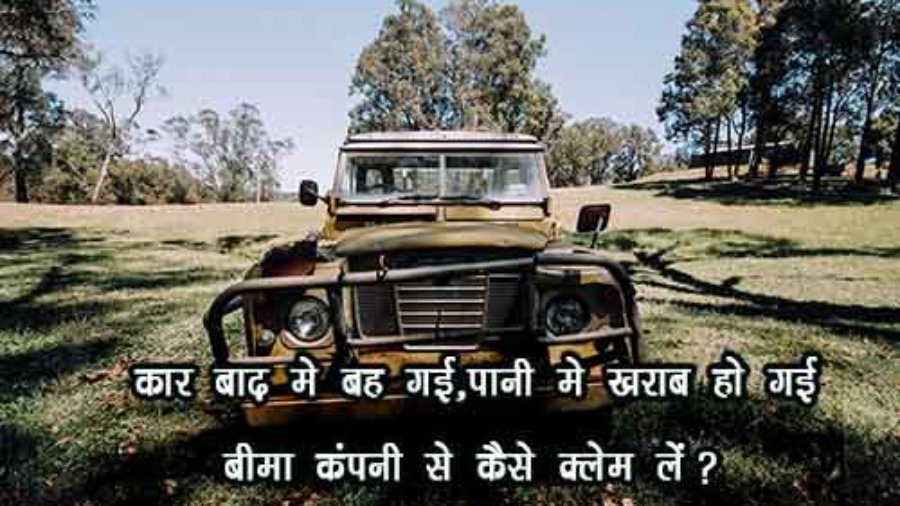
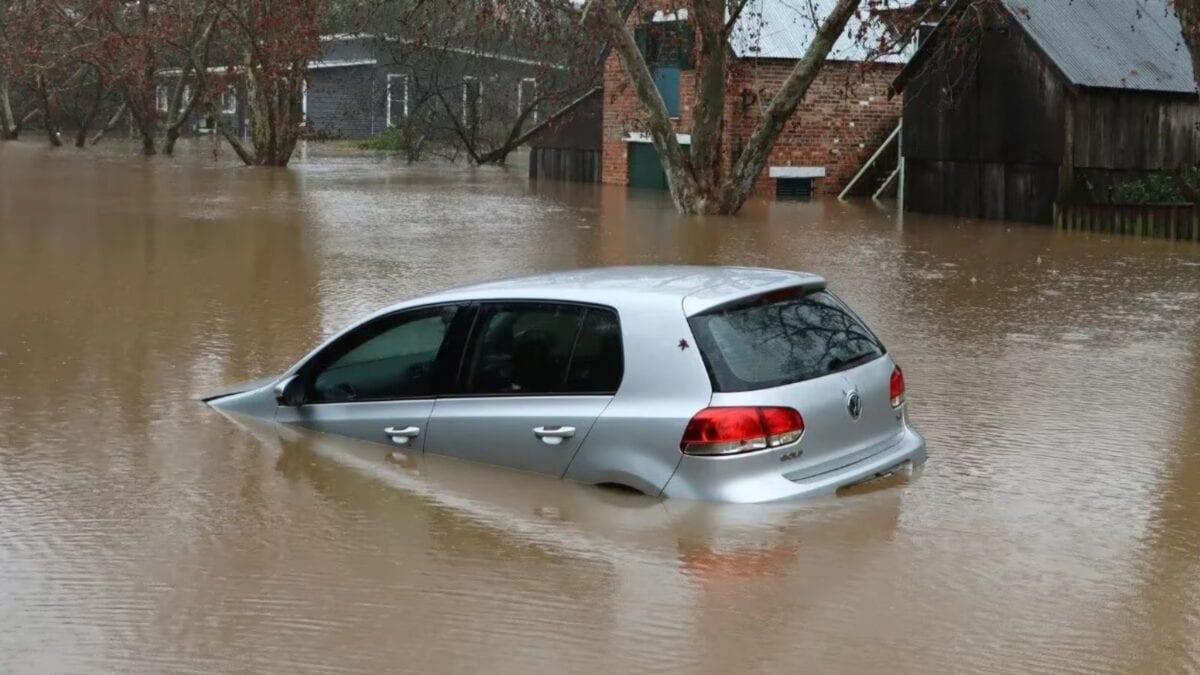
बाढ़ में बह गई कार या तूफान से हो गया नुकसान… इंश्योरेंस क्लेम का ये है नियम

बाढ़ में बह गई कार या तूफान से हो गया नुकसान: एक परिचय

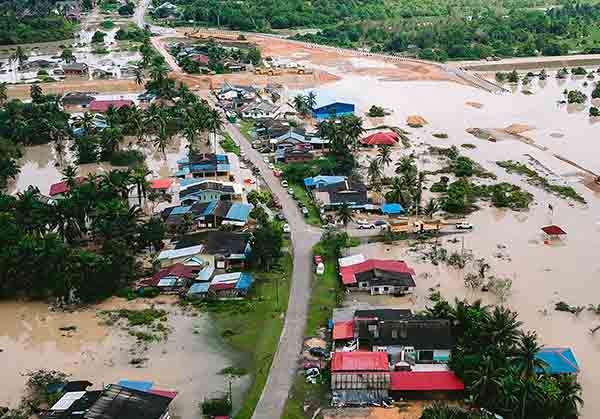
बाढ़ में बह गई कार या तूफान से हो गया नुकसान: एक परिचय बाढ़ और तूफान जैसी प्राकृतिक आपदाएं वाहनों को नुकसान पहुंचा सकती हैं, जिससे उनके मालिकों को आर्थिक नुकसान हो सकता है। ख़ासकर जब वाहनों को खराबी का सामना उनके मालिकों के लिए आम बात हो रही हो, तो उन्हें इंश्योरेंस क्लेम की आवश्यकता हो सकती है। इस लेख में, हम बाढ़ में बह गई कार या तूफान से हो गया नुकसान के लिए इंश्योरेंस क्लेम के नियमों को विस्तार से जानेंगे।

बाढ़ में बह गई कार या तूफान से हो गया नुकसान

स्टेप 1: तत्काल कार्रवाई लें

स्टेप 2: व्यापक इंश्योरेंस कवरेज का महत्व

स्टेप 3: नुकसान के प्रमाणीकरण की आवश्यकता

स्टेप 4: क्लेम फार्म भरें और संदर्भ पत्र जमा करें

स्टेप 5: क्लेम प्रक्रिया की समीक्षा और मूल्यांकन

स्टेप 6: उपयुक्त क्लेम निपटान की प्रक्रिया

स्टेप 7: नियमों के तहत अवधारणा का सम्मान करें

स्टेप 8: क्लेम निपटान प्रक्रिया के बाद क्या करें

स्टेप 9: इंश्योरेंस कंपनी के साथ संपर्क में रहें

स्टेप 10: नुकसान की रोकथाम के उपाय

स्टेप 11: सावधानियां और सुझाव

स्टेप 12: सुरक्षा के महत्वपूर्ण अवसर

स्टेप 13: इंश्योरेंस क्लेम प्रक्रिया में धैर्य रखें

स्टेप 14: कार के नुकसान पर चिंता करने से पहले बीमा नीति की जांच करें

स्टेप 15: क्लेम प्रक्रिया में विश्वास रखें

car insurance claim

Hyundai Exter SUV

पूछे जाने वाले प्रश्न (FAQs)

Q1: क्या मेरी कार का इंश्योरेंस कवर बाढ़ और तूफान के नुकसान को शामिल करेगा?

  • हाँ, आमतौर पर कार के इंश्योरेंस कवर में बाढ़ और तूफान के नुकसान शामिल होते हैं। इंश्योरेंस कंपनी की नीतियों पर निर्भर करेगा कि कैसे और कितने हद तक नुकसान कवर किया जाता है। आपको अपनी इंश्योरेंस पॉलिसी की जांच करनी चाहिए और नुकसान को शामिल करने वाली चीज़ों के बारे में अच्छी तरह से समझना चाहिए। यदि आपका कवर बाढ़ और तूफान को शामिल करता है, तो आपको अपनी कार के नुकसान के लिए इंश्योरेंस क्लेम दर्ज करने में सफलता मिल सकती है। हालांकि, इंश्योरेंस कंपनी के नियमों का पालन करने के लिए आपको उन्हें आवश्यक दस्तावेजों के साथ प्रदान करना होगा और उनके मूल्यांकन की प्रक्रिया को पूरा करना होगा।

Q2: क्या मैं इंश्योरेंस कंपनी को ऑनलाइन क्लेम दर्ज कर सकता हूँ?

  • हाँ, आप अपनी इंश्योरेंस कंपनी को ऑनलाइन क्लेम दर्ज कर सकते हैं। आधुनिक तकनीकी प्रगति के कारण, अब बहुत सारी इंश्योरेंस कंपनियां ऑनलाइन क्लेम दर्ज करने की सुविधा प्रदान करती हैं। आपको अपनी इंश्योरेंस कंपनी की वेबसाइट पर जाना होगा और वहां उपलब्ध क्लेम दर्ज करने के लिए निर्देशों का पालन करना होगा। आपको आवश्यक जानकारी और दस्तावेजों को ऑनलाइन जमा करना होगा, जैसे कि क्लेम फॉर्म, नुकसान के फोटोग्राफ, और अन्य संबंधित दस्तावेज। ऑनलाइन क्लेम दर्ज करने से आपको समय और श्रम की बचत होगी और क्लेम प्रक्रिया को सुगम बनाने में मदद मिलेगी। हालांकि, आपको यह सुनिश्चित करना चाहिए कि आप अपनी इंश्योरेंस कंपनी की नीतियों और निर्देशों का पूरा पालन करें ताकि क्लेम दर्ज करने में कोई समस्या न हो।

Q3: क्या मुझे अपनी कार की फोटोग्राफ लेनी होगी नुकसान के बाद?

  • हाँ, नुकसान के बाद आपको अपनी कार की फोटोग्राफ लेनी होगी। यह एक महत्वपूर्ण कदम है जो इंश्योरेंस कंपनी को नुकसान की मात्रा और प्रकार की समीक्षा करने में मदद करता है। आपको नुकसान के बाद आपकी कार के सभी अंगों की चित्रों को लेना होगा, जिनमें नुकसान साफ़ दिखाई दे रहा हो। इसके अलावा, आपको नुकसान के साथ-साथ वाहन के पहले के हालात की तुलना करने के लिए भी फोटोग्राफ लेना चाहिए। इससे आपको क्लेम प्रक्रिया में मदद मिलेगी और नुकसान की सत्यता को सिद्ध करने में मदद मिलेगी। यदि संभव हो, तो आप दिन के प्रकाश में और विभिन्न कोणों से फोटोग्राफ लें ताकि ये चित्र स्पष्ट और अच्छी गुणवत्ता वाले हों। इसके अलावा, आपको इन फोटोग्राफों को सुरक्षित रखना चाहिए ताकि आपके पास उन्हें क्लेम प्रक्रिया के दौरान उपयोग करने का संभावना हो सके।

Q4: क्या क्लेम प्रक्रिया में समय सीमा होती है?

  • हाँ, क्लेम प्रक्रिया में समय सीमा होती है। इंश्योरेंस कंपनी नुकसान की घटना के बाद क्लेम दर्ज करने के लिए निर्धारित समय सीमा तय करती है। यह सीमा इंश्योरेंस पॉलिसी और कंपनी के नियमों पर निर्भर करेगी। आपको अपनी इंश्योरेंस कंपनी के साथ संपर्क करके समय सीमा के बारे में सटीक जानकारी प्राप्त करनी चाहिए और क्लेम दर्ज करने की अंतिम तिथि का पालन करना आवश्यक होगा। अगर आप समय सीमा के बाद क्लेम दर्ज करते हैं, तो आपका क्लेम अस्वीकार किया जा सकता है। इसलिए, नुकसान होने के बाद जल्दी से क्लेम दर्ज करना आवश्यक होता है ताकि आपकी क्लेम प्रक्रिया समय पर पूरी हो सके।

Q5: क्या मैं क्लेम रद्द कर सकता हूँ या नहीं?

  • हाँ, आप क्लेम रद्द कर सकते हैं। क्लेम प्रक्रिया के दौरान, यदि आपको किसी कारणवश क्लेम रद्द करना चाहिए, तो आप अपनी इंश्योरेंस कंपनी से संपर्क करें और इस विषय में उनके नियमों और दिशानिर्देशों को जानें। क्लेम रद्द करने के लिए, आपको संभवतः क्लेम दर्ज करने से पहले या क्लेम प्रक्रिया के मध्य में इंश्योरेंस कंपनी को सूचित करना होगा। इसे आपकी इंश्योरेंस कंपनी की नीतियों के आधार पर पूरा करना होगा। हालांकि, आपको ध्यान देना चाहिए कि क्लेम रद्द करने के पश्चात आपका नुकसान कवर नहीं रहेगा और आपको क्लेम के लिए कोई भुगतान नहीं मिलेगा। क्लेम रद्द करने से पहले, सलाह दी जाती है कि आप अपनी इंश्योरेंस कंपनी से परामर्श लें ताकि आपको सभी संबंधित नियमों और प्रक्रियाओं के बारे में सही जानकारी मिल सके।

आवश्यक संसाधन

इस लेख में दी गई जानकारी केवल सूचनात्मक है