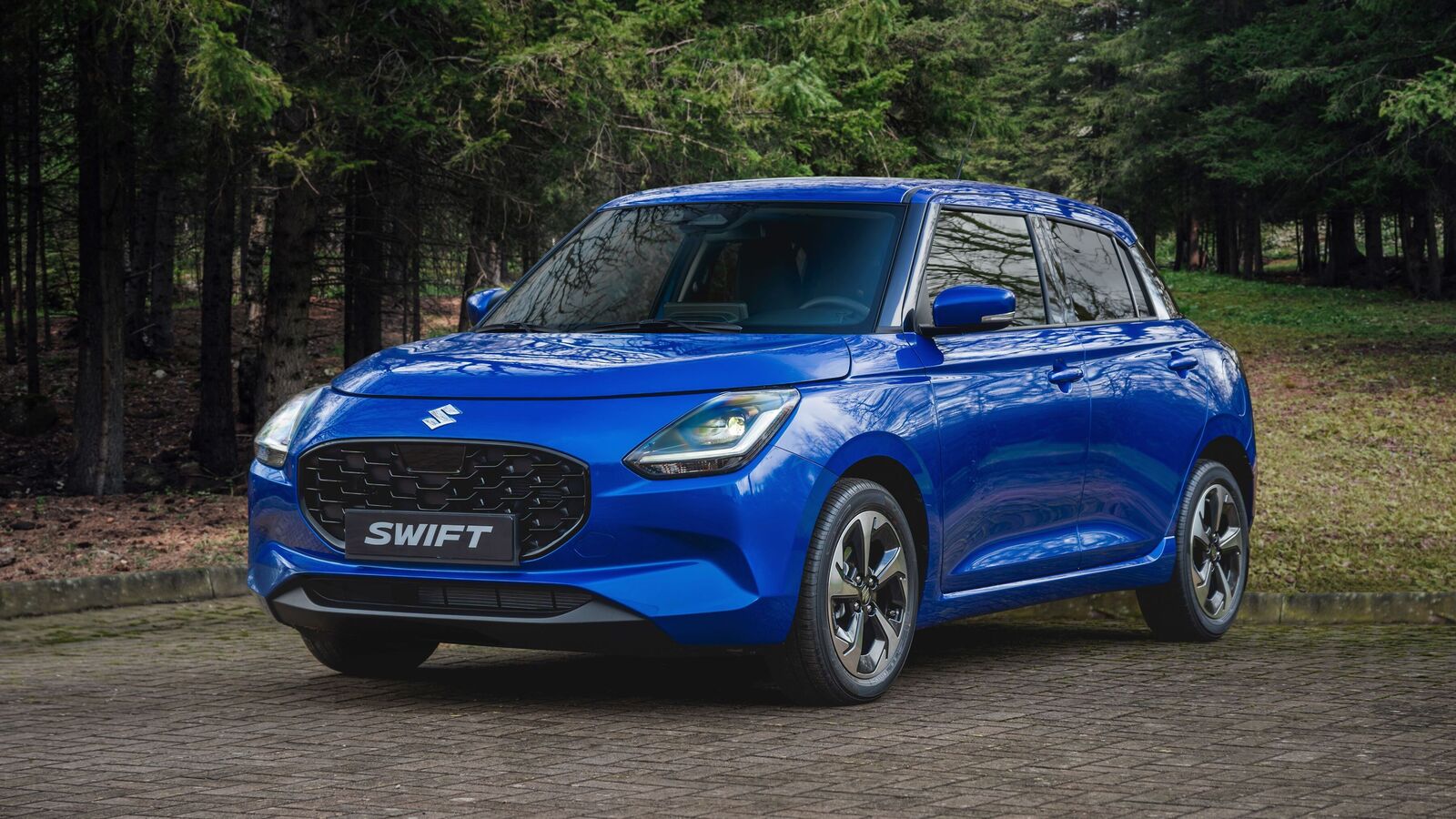
Swift CNG Price: The country's leading car manufacturer Maruti Suzuki has finally launched its fourth generation Maruti Swift CNG in the Indian market. Earlier, the company had introduced its petrol variant, whose starting price was Rs 6.49 lakh. Now the company has also launched its CNG variant, whose ex-showroom price starts at Rs 8.20 lakh.
The rollout of SUVs will begin early next year with the first India-made electric vehicle and at least two gasoline-powered models ready for market from 2026, three sources with knowledge of the company's plans said.
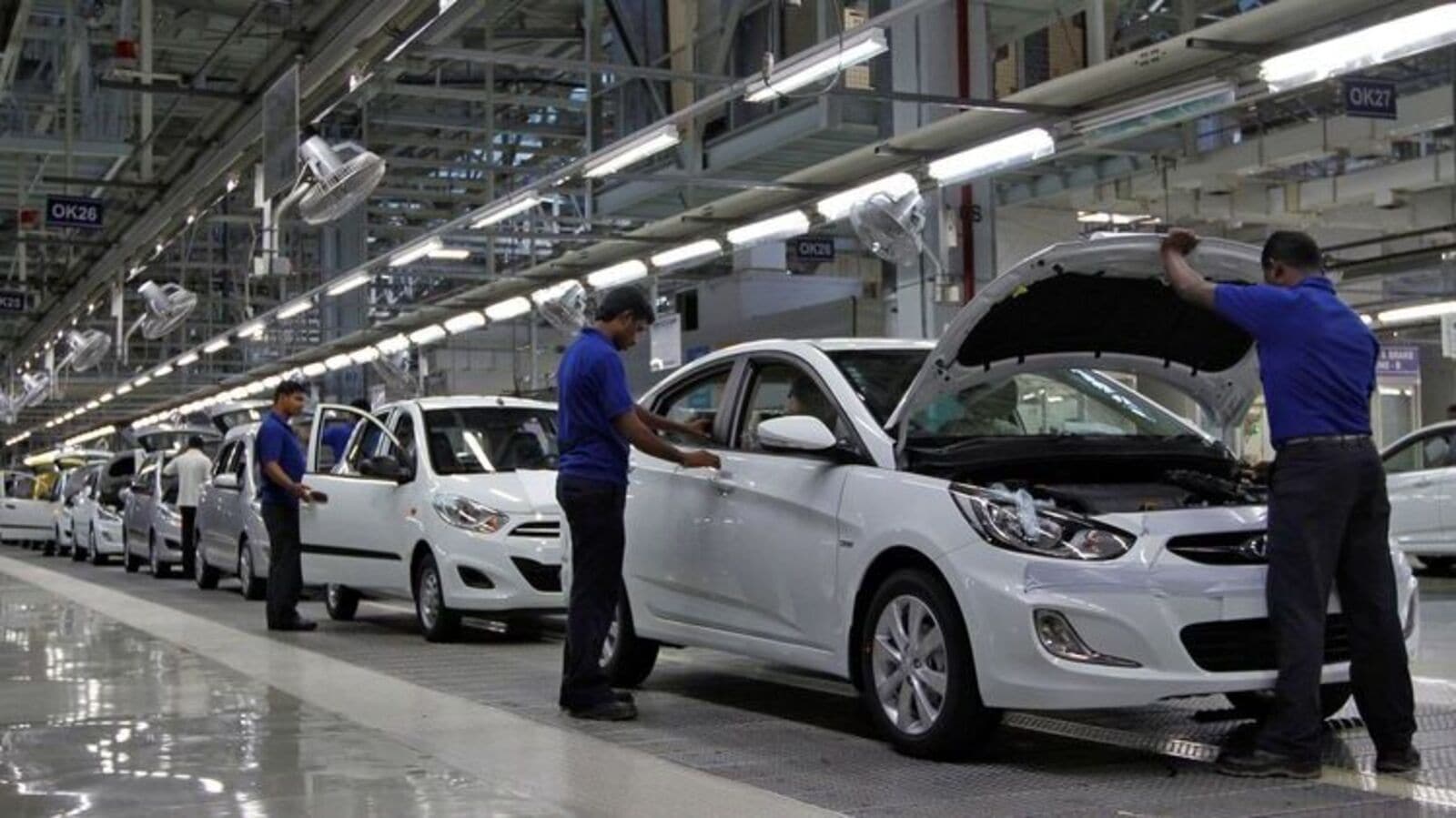
Hyundai's first listing outside South Korea, as well as its strategy to add higher-margin offerings, signal its positive outlook toward the world's third-largest car market, as its presence in China is shrinking and domestic sales are declining.
Also read: Hyundai targets 30 per cent sales growth by 2030, doubles hybrid car lineup
Hyundai's sales in India trail only Maruti Suzuki, though in a fast-changing competitive landscape, homegrown giants Tata Motors and Mahindra & Mahindra have dented its market share with new SUVs that are now the top-selling vehicles, replacing the once-favourite small cars.
This has pulled down Hyundai's Indian market share to 14.6 per cent from 17.5 per cent four years ago, while Tata's share has nearly tripled to 14 per cent in the same period. Toyota, the next-largest foreign rival, has seen its share rise from four per cent to six per cent.
“Hyundai is in a difficult position,” said VG Ramakrishnan, managing partner at consultancy Avantiam. “Its primary focus should be on how to maintain its market share and the only way to do that is by introducing products rapidly.”
Hyundai did not respond to requests for comment on its plans in India.
'Lively Market'
India is the third-largest revenue-generating country for Hyundai after the US and South Korea, and the company has already invested $5 billion in the country, with a commitment to invest another $4 billion over the next decade.
“We are proud to consistently achieve the second largest market share in this vibrant market and will continue to lead Hyundai as a premium brand,” Hyundai Motor Group Executive Chairman Euisun Chung said during his visit to India in April.
Also Read: Kia Carnival Arrives In Delhi, Spotted At Delhi Airport Ahead Of Launch
Hyundai's launch of an India-made electric SUV in 2025 will be followed by the introduction of four more EVs by the end of the decade as it evaluates plans to make the country a regional EV export hub, three sources not authorised to speak to the media said.
Hyundai on Wednesday announced it will launch hybrid cars in India as part of a broader strategy to increase global sales to 30 percent by 2030, boosting its plan to sell higher-priced vehicles in the country to boost margins.
Its share of cars priced at least $18,000 – considered upmarket in India – is set to double to 15 per cent between 2021 and 2023, according to its draft IPO filed in June.
Hyundai, which plans to sell its 17.5 per cent stake in the Indian business to the public, said it will continue its “premiumisation” strategy that has helped it post the highest profit margins among peers in India, but the gains have come at the cost of volumes.
Also Read: Hyundai Creta EV 2025 to be unveiled at India Mobility Expo – Key Facts
Ramakrishnan said the auto maker will have to maintain a good balance between market share and margins after its listing.
“If any of these deteriorates, shareholders may question the company,” he said.
Hyundai's sales in India were at an all-time high last fiscal year, despite its market share declining.
intense competition
Hyundai Motor had initial success in the Indian market due to affordable hatchbacks like the Santro, while the i10 and i20 models also continue to enjoy similar success.
Hyundai entered India in 1996 and its initial success in the country, which has been a graveyard for automakers such as Ford and General Motors, was due to affordable hatchbacks such as the Santro, which has now been discontinued.
As customer preferences changed, Hyundai launched its first locally produced SUV in 2015. The mid-sized Creta, priced between $13,000 and $24,000, was an instant success and became Hyundai's biggest grossing car.
Hyundai's 13-car portfolio now has eight SUVs, but its share of India's total 25 lakh SUV sales last fiscal declined to 19 per cent from 24 per cent three years ago, IPO documents show.
Also read: From Creta EV to Harrier EV, these are the expected EVs to launch before March 2025
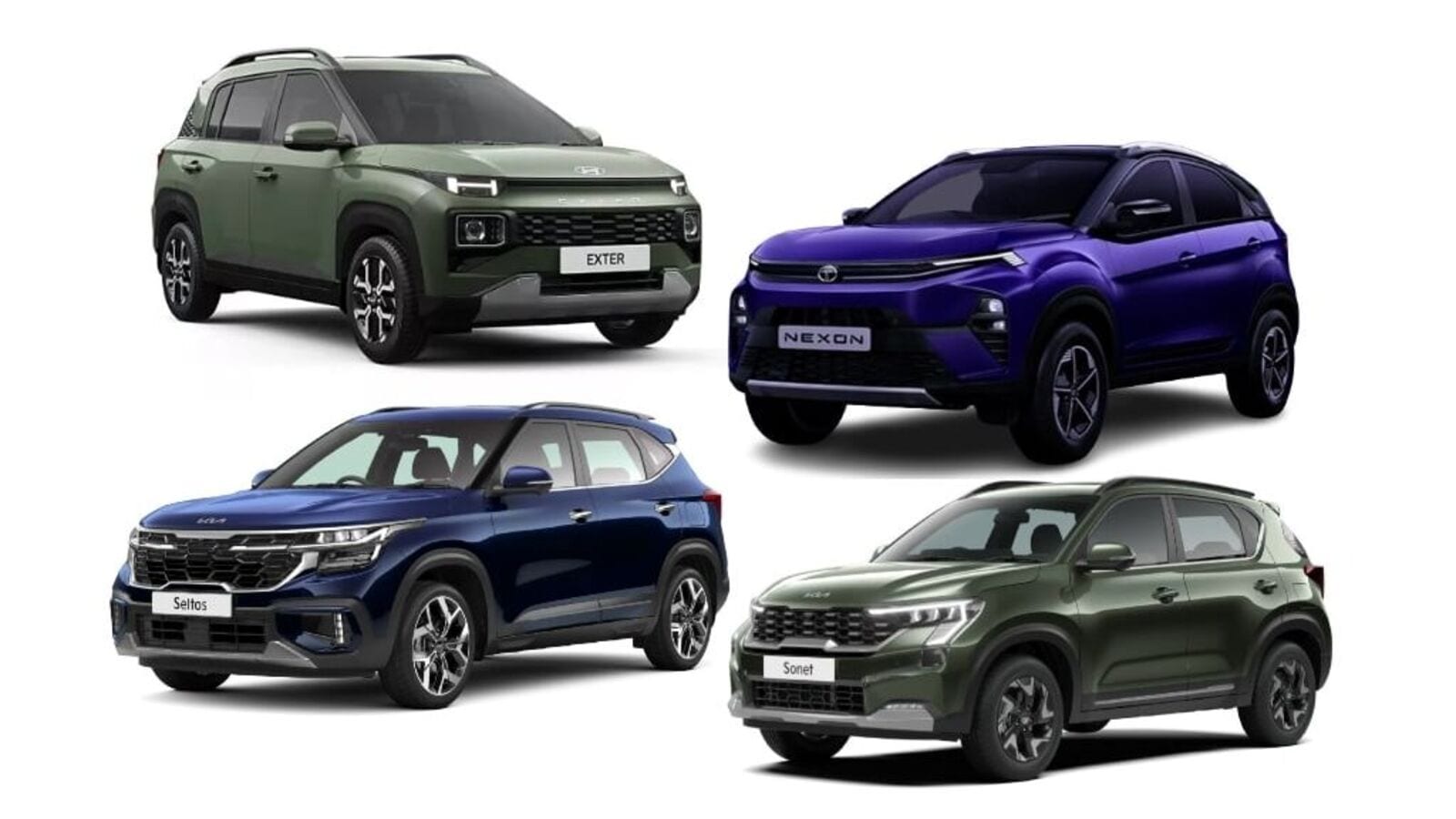
Of the two new gasoline-powered SUVs that Hyundai is planning for India, the first will be based on the Bayon crossover currently sold in global markets and will compete with Maruti's Frontx crossover and Tata's Nexon SUV, three sources said.
The second car will be bigger than the Hyundai Creta SUV and will compete with the Mahindra XUV700.
These two SUVs are expected to boost Hyundai's sales by around 120,000 units annually, a source said. Industry data shows the carmaker sold 615,000 cars in India, of which 63 per cent were SUVs and the rest hatchbacks and sedans. The company exported 163,000 vehicles in the last fiscal.
However, Hyundai's rivals aren't standing still.
Tata, India's top-selling EV maker with a market share of over 75 per cent, has said it plans to launch five EVs in the next three to four years, taking its total to 10.
Mahindra has said it will launch seven electric SUVs and six new gasoline-powered SUVs by the end of the decade. Market leader Maruti is doubling down on SUVs and hybrids and plans to launch six EVs by 2031.
“What has taken Hyundai this far will not necessarily take it into the future. Competition is even more intense,” said an Indian supplier of Hyundai.
Find out about upcoming cars in India, electric vehicles, upcoming bikes in India and cutting-edge technology that is changing the automotive landscape.
By: HT Auto Desk , updated on: August 23, 2024, 21:01 pm
Maruti Suzuki says that 30 per cent of its total sales come from the Nexa channel and this is reason enough to take Nexa to customers in smaller towns.
,
Maruti Suzuki says that 30 per cent of its total sales come from the Nexa channel and this is reason enough to take Nexa to customers in smaller cities and towns in the country.
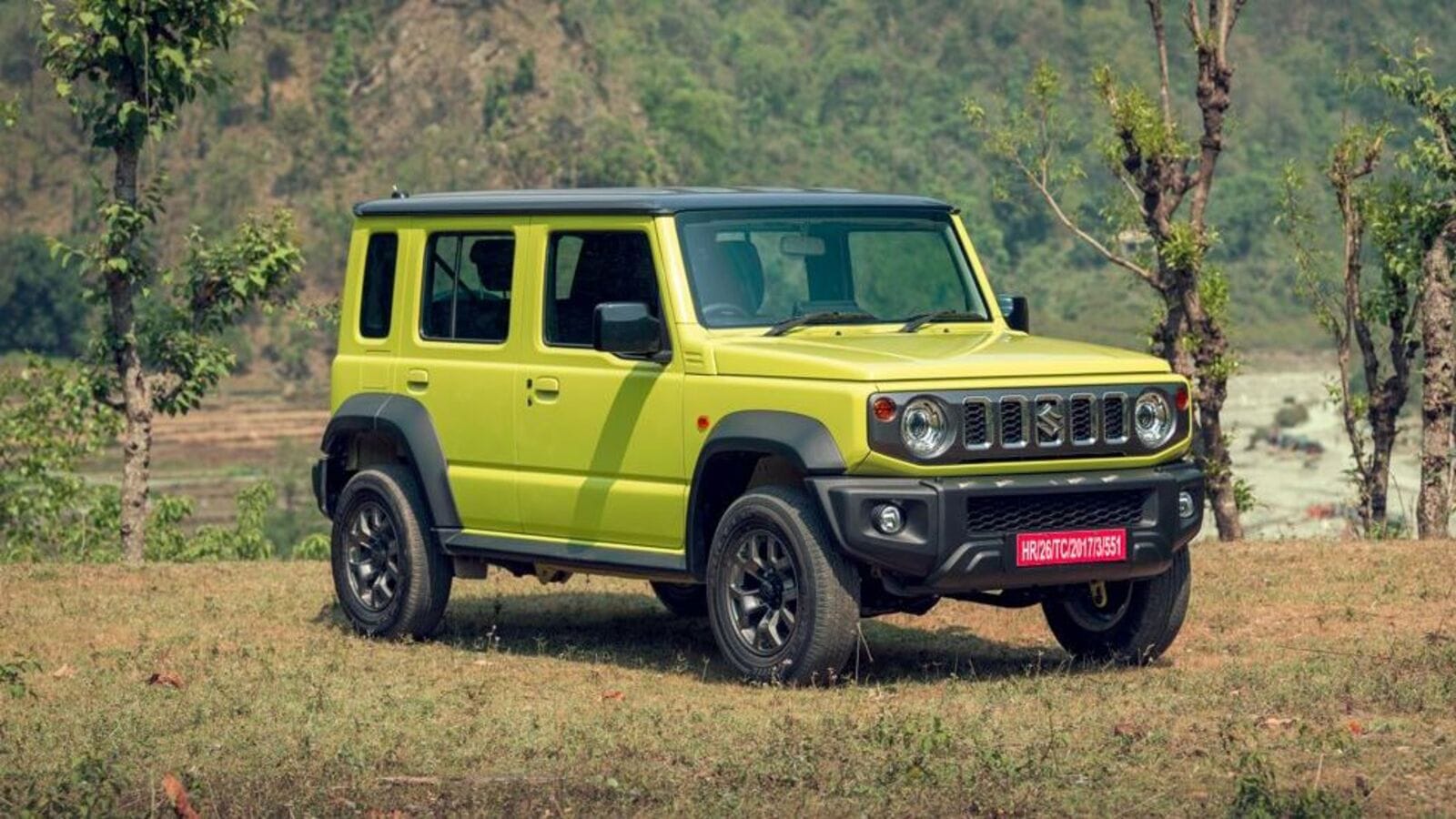
Some of the more premium or exclusive models like the Jimny are offered by Maruti Suzuki under its Nexa retail channel.
Maruti Suzuki on Friday announced that it will open a network of Nexa Studio outlets in smaller Indian cities and towns that did not have Nexa retail outlets till now. While there are 500 Nexa retail outlets across the country since the first one was set up in 2015, Maruti Suzuki says the Nexa Studios will be smaller versions of these retail outlets that will still offer the same premium sales and service benefits to customers in tier II and III cities and towns.
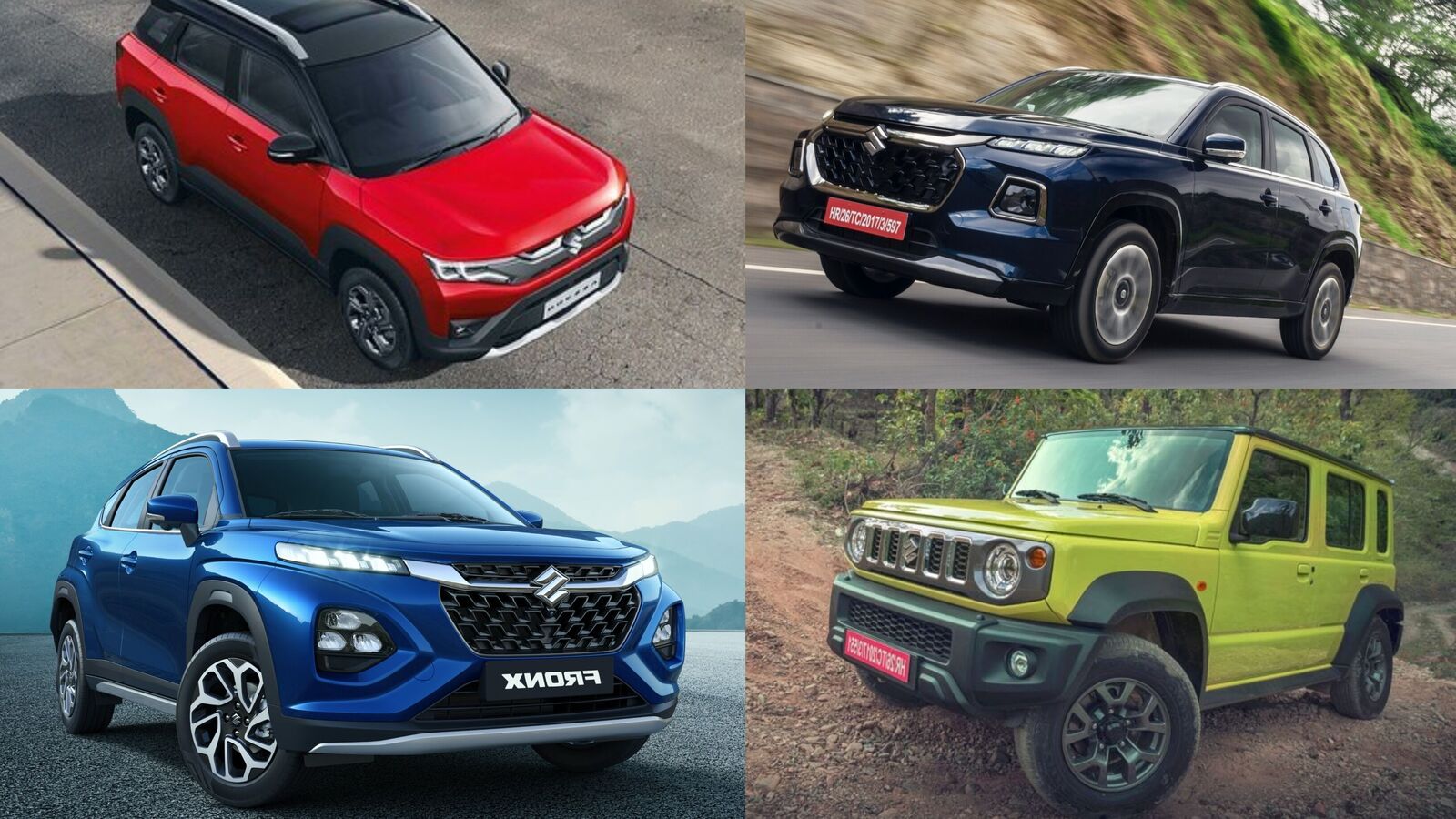
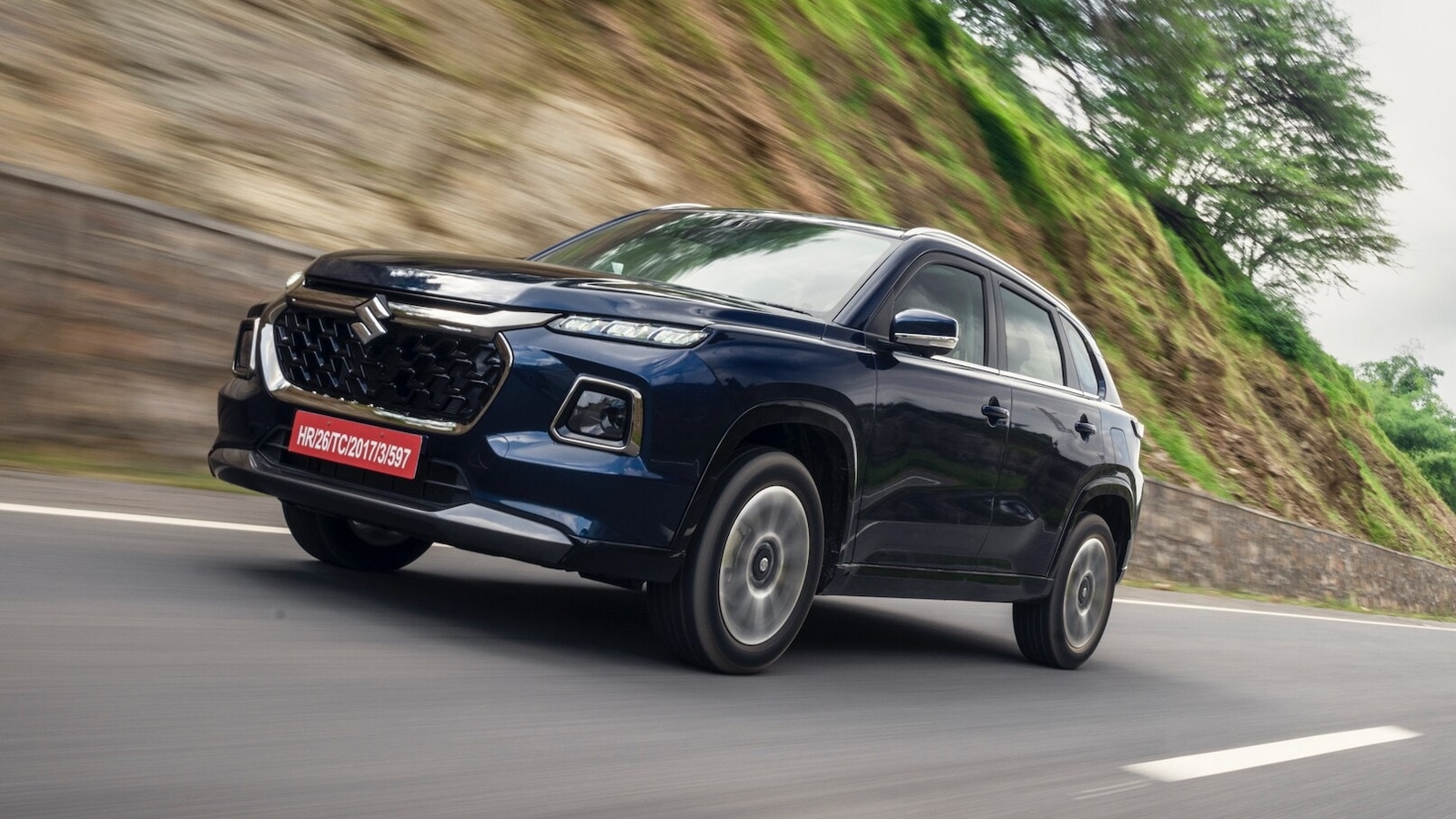
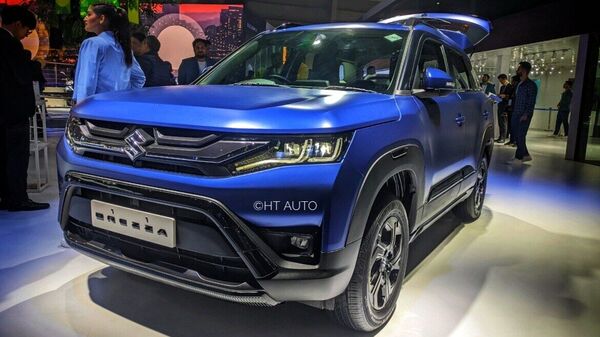
Maruti Suzuki Nexa was set up in 2015 as an alternative retail outlet and currently co-exists with the Maruti Suzuki Arena sales channels. Slightly more premium or even niche vehicle offerings from the Maruti Suzuki camp – such as the Jimny, Grand Vitara, Invicto and even cars like the Frontex, Baleno, Ciaz and XL6 are offered under the Nexa umbrella, while models like the Vigor, Swift, Ertiga and Brezza are sold under the Arena brand.
Also read: Maruti Suzuki's Nexa sold more than 27 lakh cars in 9 years, Baleno is the best selling car
But while Arena outlets are widely spread, Maruti Suzuki says Nexa will now be closer to more potential customers and this is the driving factor behind setting up Nexa Studio.
What is Maruti Suzuki Nexa Studio and how is it different from Nexa?
The Nexa Studio outlets will essentially be two-car-display-showrooms, but will still offer the entire product portfolio that exists under the Nexa umbrella. Maruti Suzuki officials say that the vehicle buying experience at the Nexa Studio will be exactly the same as at a Nexa outlet. Moreover, just like a Nexa service centre, the Nexa Studio will also offer after-sales support and service assistance.
So, while Nexa outlets are so far located in the big cities of the country, Nexa Studios will be set up in smaller cities and towns to bring the Maruti Suzuki brand closer to customers. “As we reach closer to customers, their trust in us increases. So our aim is to provide a better Nexa experience to customers in smaller towns. Each Nexa Studio has the potential to sell 20 to 25 cars every month,” said Partho Banerjee, senior executive officer, marketing and sales, Maruti Suzuki India Ltd (MSIL), during an interaction with members of the press.
Why is Nexa Studio important for Maruti Suzuki?
Banerjee highlights that about 30 per cent of Maruti Suzuki's sales in the country come from Nexa channels. And within the Nexa channel, about 37 per cent of sales come from tier II and III cities. “If we want these customers to visit our Nexa outlet, sometimes they have to travel 100 km. Now we will take Nexa closer to them. Our focus is on expanding our presence here (tier II and III cities and towns),” he said.
Maruti Suzuki has a wide presence across the Indian landscape and has the largest sales and after-sales network for any car manufacturer in the country.
First Publication Date: 23 August 2024, 16:48 PM IST
By: HT Auto Desk , updated on: 22 August 2024, 20:00 PM
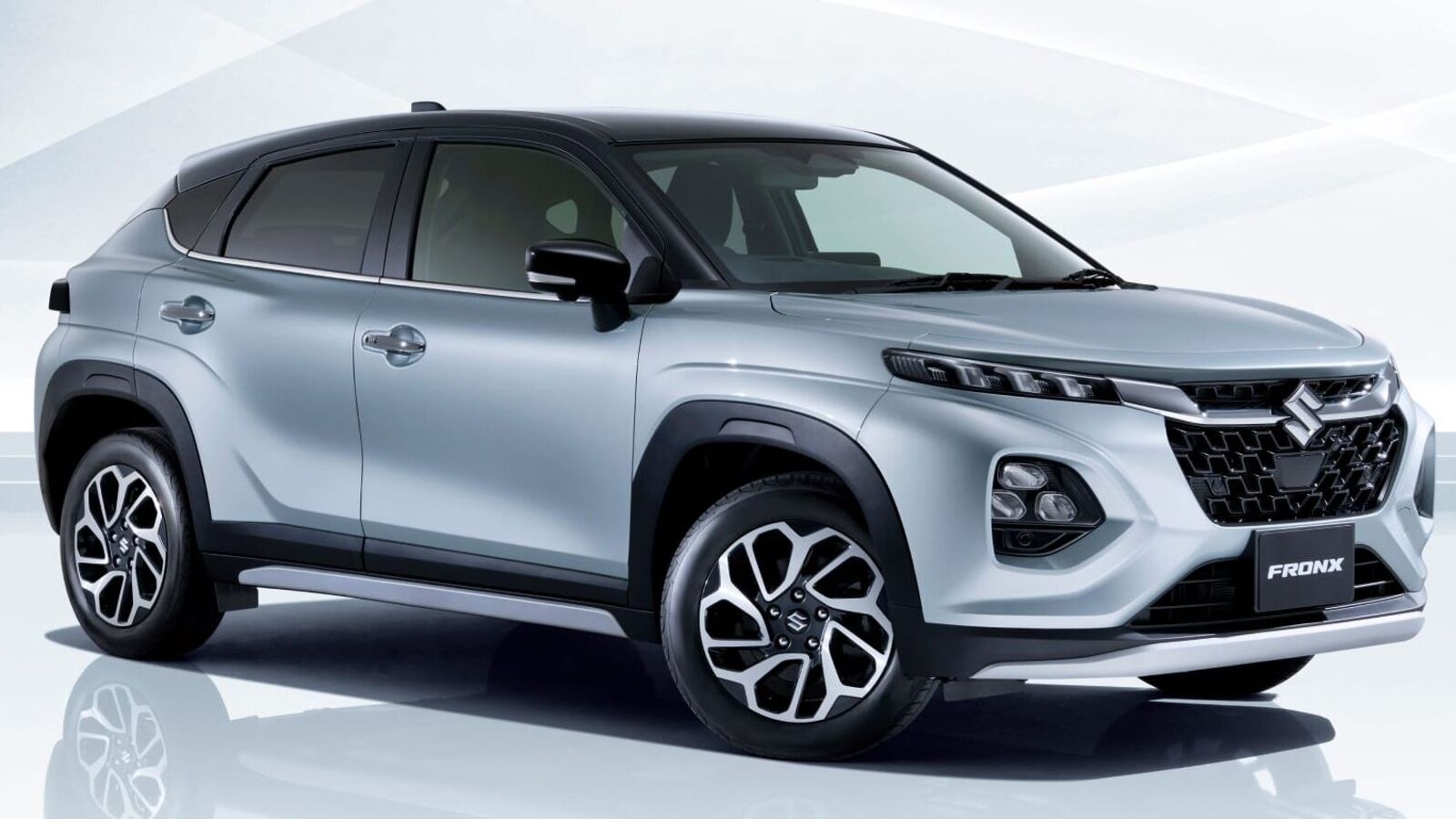
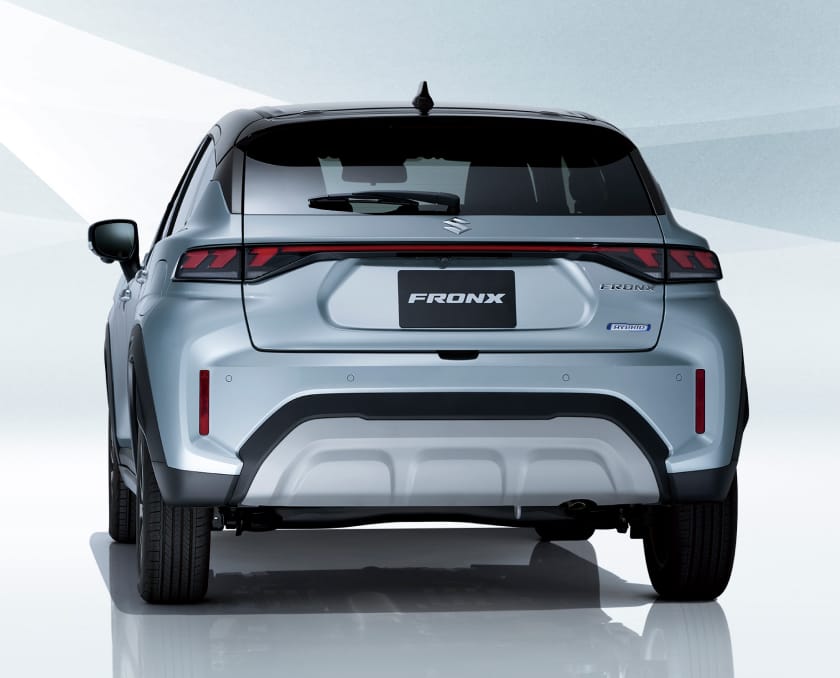
The Suzuki Fronx for Japan will feature several changes compared to the India-spec version, especially in terms of the equipment available on it.
The Japanese-spec Suzuki Frontx features more equipment than the India-spec model, including ADAS, AWD and revised interiors
Suzuki is preparing to introduce the new Fronx subcompact coupe SUV in Japan later this year and the model is being exported to its home market from India. In fact, the India-made Fronx is the second model developed by Maruti Suzuki after the Baleno to be exported to Japan. While the first batch of shipments of the Japan-spec Fronx was recently dispatched from Gujarat, more details have emerged about what will be different in the car compared to the Indian version.
Japanese-spec Fronx: what’s different?
The Suzuki Fronx for Japan will feature several changes over the India-spec version, especially in terms of equipment on offer. The model is being produced at Suzuki Motor Group’s facility in Sanand, Gujarat, and shares its underpinnings with the Baleno. While the model sold in India gets 1.2-litre naturally aspirated petrol and 1.0-litre turbo petrol engine options, the Japanese model will get a 1.5-litre naturally aspirated petrol engine.
Also Read: Maruti Suzuki Begins Exports Of Made-In-India Frontx Coupe SUV To Japan
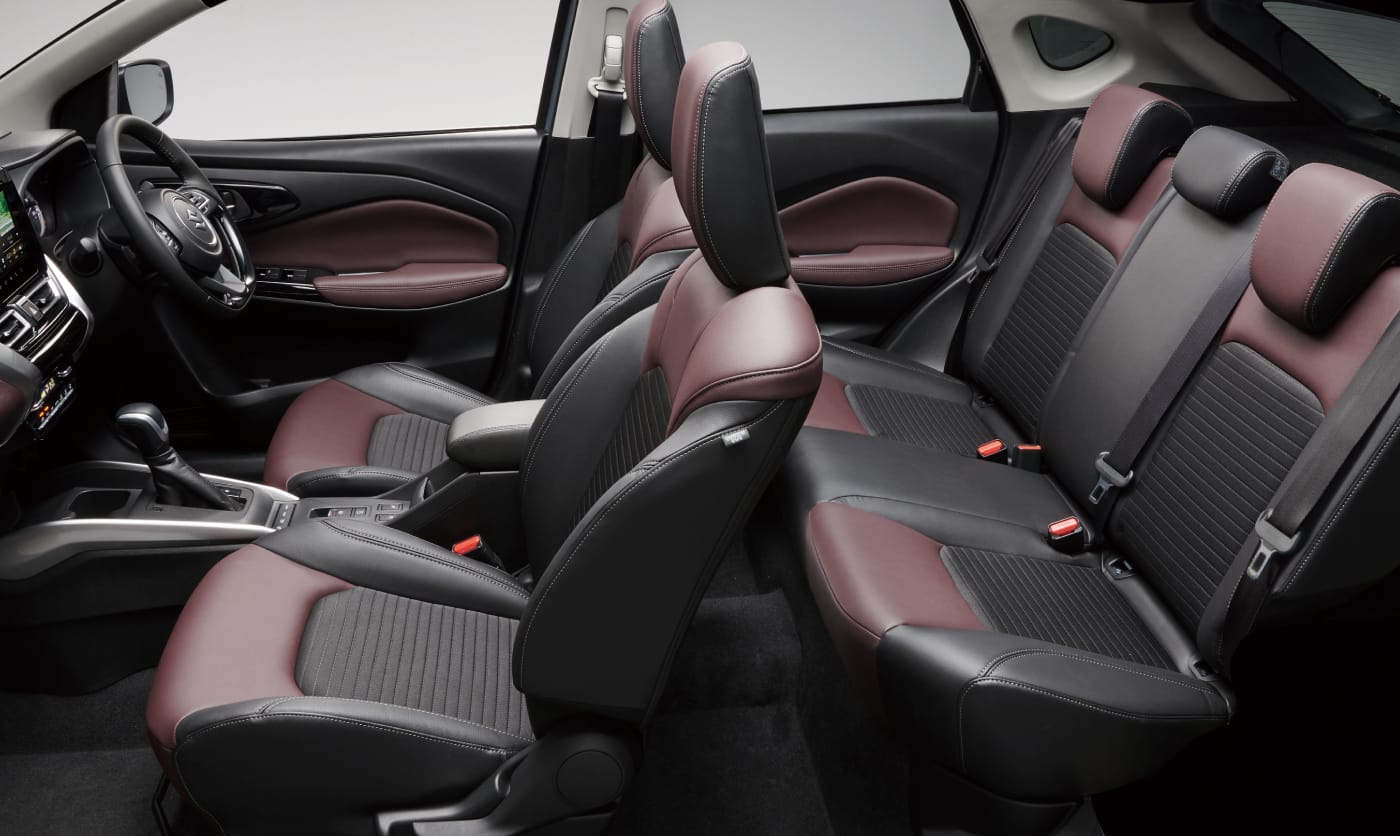
The cabin of the Frontex in Japan will feature a dark grey and plum-themed colour scheme, while the Indian model features a plum and black theme
This is not surprising as there are no specific restrictions in Japan except for the kei segment. Moreover, Maruti Suzuki is already exporting the Fronx and its rebadged Toyota cousin (Starlet Cross) to South Africa with the same displacement engine.
However unlike the Indian version, which has only a front-wheel drive configuration, the Fronx for Japan will come with Suzuki’s AllGrip AWD technology for better traction. Most parts of Japan experience snowfall, which makes AWD an essential safety feature in such conditions. The AllGrip AWD system comes with multiple off-road modes including Auto, Sport, Snow and Lock. The rear suspension system on the Japanese Fronx has also been reworked with a rear torsion beam setup with a unique layout to accommodate the AWD system.
The Japanese-spec Frontex will get a 1.5-litre petrol engine with manual and automatic transmission options
Japanese-spec vs India-spec frontx cabin
Additionally, the Japan-spec Fronx features a different interior with a dark brown and plum-themed layout. It is also a more plush cabin with soft-touch material on the door pads, and piano black finish on the door handles, steering wheel, and centre console. The seats are made of fabric and faux leather for a premium look.
Also read: Maruti Suzuki Fronx Real Efficiency Tested. See How It Works
One of the major differences in the Japanese Fronx will be the addition of Advanced Driver Assistance System (ADAS), which will offer lane-keeping assist, auto emergency braking, front parking sensors, auto cruise control, heated seats, electronic parking brake with hill hold, and more.
Bookings for the new Suzuki Fronx have begun in Japan, while the launch will take place sometime next month. Deliveries will begin later this year.
First Publication Date: 22 August 2024, 20:00 PM IST
By: Paarth Khatri | Updated on: 15 May 2024, 10:04 AM
Mahindra XUV 3XO is offered with three engine options and nine variants.
The Mahindra XUV 3XO comes with a new 6-speed automatic transmission.
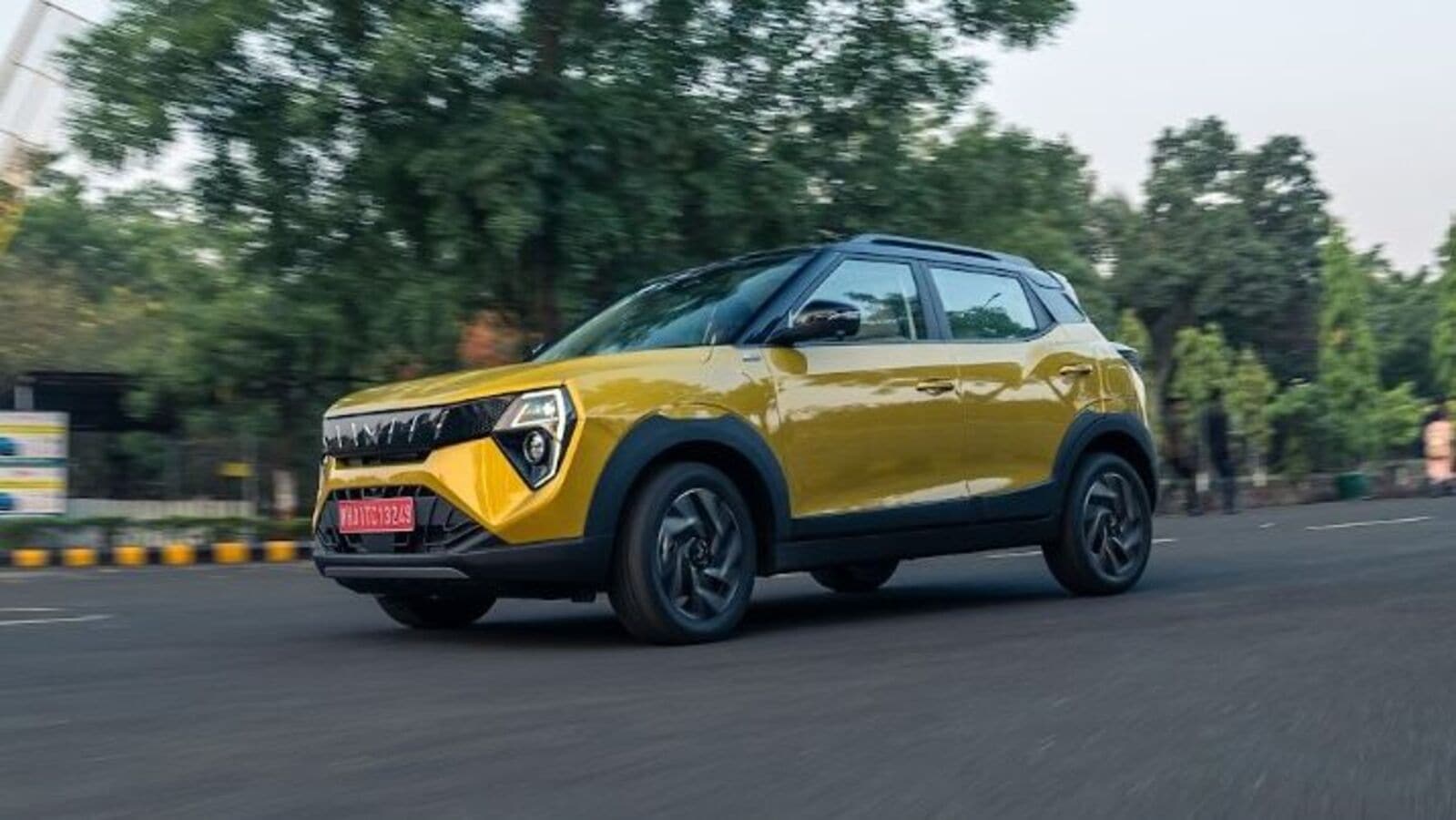
Mahindra recently launched the XUV 3XO in the Indian market. It is essentially a heavily updated version of the XUV300. Now, the brand has opened bookings for the XUV 3XO online on the website and at authorised dealerships as well. Mahindra has also announced that they will be commencing deliveries of the sub-compact SUV from 26th May. Having said that, interested customers can already check out the XUV 3X0 at the nearby dealerships.
The XUV 3X0 will be offered with three engine options. There is a 1.2-litre turbo petrol engine, a 1.2-litre petrol engine with direct-injection and a 1.5-litre diesel engine. The direct-injection petrol engine puts out 128 bhp of max power and a peak torque output of 230 Nm. The turbo petrol produces 108 bhp and 200 Nm whereas the diesel engine puts out 115 bhp and 300 Nm.
As standard, all engines come mated to a 6-speed manual gearbox whereas the diesel engine also gets a 6-speed AMT. What’s new for the 3XO is the 6-speed torque converter automatic transmission that is now available on both petrol engines.
Mahindra is offering the XUV 3XO in nine variants. The prices start at ₹7.49 lakh and go up to ₹15.49 lakh. Both prices are ex-showroom. The main rivals of the XUV 3XO are the Kia Sonet, Tata Nexon, Maruti SuzukiBrezza, Hyundai Venue and the upcoming compact SUV from Skoda.
Watch: Mahindra XUV 3XO review: XUV300 reborn with more zeal and style? | Check – Price, Interior, Colours
Some of the highlights of the XUV 3XO are the panoramic sunroof which is the largest in the segment, there is a 360-degree parking camera, dual-zone climate control and auto hold with an electronic parking brake. Then there is the addition of Level 2 ADAS. The hardware is shared with the XUV700. Moreover, there are also three steering modes – Comfort, Normal and Sport.
By: HT Auto Desk | Updated on: 15 Apr 2024, 07:54 AM
The fourth-generation Maruti Suzuki Swift is ready to hit the Indian market in May 2024 with a revamped design, new features and a new 1.2-litre Z-Ser
…
The fourth-generation Maruti Suzuki Swift is ready to hit the Indian market in May 2024 with a revamped design, new features and a new 1.2-litre Z-Series three-cylinder petrol engine with mild-hybrid technology.
The fourth-generation Maruti Suzuki Swift is ready to hit the Indian market in May 2024 with a revamped design, new features and a new 1.2-litre Z-Series three-cylinder petrol engine with mild-hybrid technology.
Maruti Suzuki Swift has been making headlines over the last few months. The popular hatchback is all set to receive a completely new generation avatar in May this year, which will come with a revamped design, new features and a new 1.2-litre Z-Series three-cylinder petrol engine with mild-hybrid technology. This is going to be a major update for the Swift after a long time and is expected to boost the appeal of the hatchback further.
The new generation Maruti Suzuki Swift made its global debut at the 2023 Japan Mobility Show. Since then, the hatchback has gone on sale in global markets like Europe and Japan. Now, India is going to be added to that list. The India-spec next-generation Swift would be similar to the global model. However, the new generation Swift sits on the same platform as the current model.
2024 Maruti Suzuki Swift: Exterior
The new Maruti Suzuki Swift, also codenamed YED, comes with a significantly distinctive visual appearance compared to the outgoing model. It gets a new front profile featuring an updated radiator grille flanked by sharper and redesigned LED projector headlamps with integrated LED daytime running lights. The top variant would get LED fog lamps. The bumper too looks different. Moving to the side profile, the hatchback gets new design alloy wheels, and relocated rear passenger door handles. At the back, the new Swift sports redesigned LED taillights and a revamped bumper. The new Swift is expected to come available in new colour options.
2024 Maruti Suzuki Swift: Interior
Moving inside the cabin, the Swift gets a significantly updated dashboard layout sporting a free-standing touchscreen infotainment system and a fully digital instrument cluster. Seat and upholstery materials too come refreshed.
2024 Maruti Suzuki Swift: Safety
On the safety front, the new Swift would come with six airbags, ABS with EBD and ESP as standard, a three-point seatbelt for the second-row centre passenger, reverse parking camera. The India-spec Swift may miss out on the 360-degree camera and ADAS that are available in the global model.
2024 Maruti Suzuki Swift: Powertrain
The new generation Maruti Suzuki Swift gets a new Z-Series 1.2-litre three-cylinder petrol engine, which replaces the current model’s K12 four-cylinder petrol unit. Expect the power and torque output of the new engine to be similar to what the K12 unit generates. The current engine churns out 89 bhp peak power and 113 Nm maximum torque. Expect a five-speed manual unit and AMT option to be available for the new Swift. The biggest highlight would be the mild-hybrid technology that would be available across all the variants.
By: HT Auto Desk | Updated on: 02 Apr 2024, 07:01 AM
Rapid surges in SUV sales have propelled the growth in rural market sales for all the carmakers in India, while demand for small cars has slumped sign
…
Rapid surges in SUV sales have propelled the growth in rural market sales for all the carmakers in India, while demand for small cars has slumped significantly.
Rapid surges in SUV sales have propelled the growth in rural market sales for all the carmakers in India, while demand for small cars has slumped significantly.
Rural India emerged as the driving force behind the record-breaking sales of passenger vehicle sales in FY24. After registering 41.2 lakh passenger vehicles in the CY23, now the Indian auto industry has sold 40 lakh PVs for the first time in a financial year in FY2024, reported Mint. Interestingly, this growth came despite the sliding numbers of hatchbacks, which conventionally remained the driving force behind the Indian passenger vehicle market as well as the rural PV sales.
The report has stated that in FY24, the Indian passenger vehicle market registered a total of 42.3 lakh units and one in every two cars sold in the country were SUVs. The overall passenger vehicle market in the country witnessed an 8.7 per cent year-on-year (YoY) growth over the 38.9 lakh cars sold in the previous financial year, which was another record for the Indian auto industry. Clearly, the sales of the passenger vehicles are on the momentum of creating incremental growth records over the last two financial years.
All OEMs register record rural sales
All the major car manufacturers in India reportedly witnessed all-time-high sales in rural markets in the last financial year. The demand and sales in the rural markets even overtook the urban markets, where the most preferred vehicles are SUVs.
Speaking on the rural demand and sales of Maruti Suzuki, the country’s most-selling passenger vehicle brand, Shashank Srivastava, executive committee member of Maruti Suzuki, said that sales for the OEM in the rural market were 7.87 lakh units, registering an 11 per cent YoY growth. He added that it was much better than the OEM’s urban market growth. “Rural sales of 7.87 lakh units this year, a growth of 11% year-on-year, have been much better than urban growth. Rural growth for the year is about 11% and urban growth is about 7%. And so, this is the highest-ever rural sales that we saw, which also should be a very good signal for the economy,” Srivastava said.
The second bestselling carmaker in India, Hyundai, attributed the rise in rural sales to multiple factors such as infrastructure development, increased access to information, and improved road quality across the country. Tarun Garg, Chief Operating Officer of Hyundai Motor India, said that rural sales for the OEM, for which SUVs account for more than 60 per cent of its total sales, reached a record 19.44 per cent in FY24, up from the previous year’s 18 per cent. This means that nearly one in every five Hyundai cars sold in India in FY24 were sold in rural areas. This signified a burgeoning consumer base beyond urban markets.
For homegrown auto major Tata Motors, rural sales contribute around 40 per cent to the OEM’s total sales. In the past five years, Tata Motors claims to have witnessed a five-times increase in rural market growth. The report quoted a Tata Motors spokesperson revealing that models like Tata Nexon, Punch and Tiago were the company’s highest-selling passenger vehicles in the rural markets in FY24. The OEM also attributed this sales surge to models like Punch CNG and Tiago EV.
What’s driving the surge in rural PV sales
The SUV segment in the Indian passenger vehicle market has been growing at a rapid pace over the last couple of years and it was no different in FY24. In the last fiscal, one in every two passenger vehicles sold in India, were SUVs, becoming the driving factor behind the overall PV sales growth as well as the rural market also. The segment reportedly registered its sharpest growth of 28 per cent in the last fiscal, while sales of hatchbacks or small cars accounted for 28 per cent of the total PV sales volume. The sales of hatchbacks witnessed a 12 per cent slump in the just concluded fiscal, compared to the FY23.
This comes as a major shift in trend. Earlier, the rural markets mostly preferred small cars at the entry level, but over the last couple of years that seems to have changed with aspirations of rural consumers also rising. Speaking on this, Shashank Srivastava said that the percentage sales of smaller cars is still higher in rural areas, but the overall segment construct of the markets is converging. Key factors such as rising rural incomes, higher internet penetration and connectivity are leading this change, Srivastava said. He also said the exponential growth in rural sales isn’t an isolated phenomenon, but a culmination of various factors fostering economic buoyancy in the countryside. “There seems to be a convergence in the segment choices of the rural and the urban consumers with a small lag of time,” the Maruti Suzuki official added.
By: HT Auto Desk | Updated on: 01 Apr 2024, 17:24 PM
Models like Fronx, Brezza and Grand Vitara continue to lead Maruti Suzuki’s charge in the SUV segment while Ertiga and XL6 power the carmaker in MPV s
…
Models like Fronx, Brezza and Grand Vitara continue to lead Maruti Suzuki’s charge in the SUV segment while Ertiga and XL6 power the carmaker in MPV segment.
Maruti Suzuki continues to witness increase in sales of its utility vehicles with SUVs like Fronx, Brezza, Grand Vitara and Jimny.
Utility vehicles have proved to be the game-changer for Maruti Suzuki yet again as the carmaker recorded a 15 per cent jump in passenger car sales in March. With the help of SUVs and MPVs like Brezza and Ertiga among others, Maruti clocked more than 1.52 lakh sales last month. While the utility vehicle segment continues to witness rise in sales, the compact cars like Baleno and Swift continues a downslide for the carmaker. Overall, Maruti Suzuki ended the financial year with record sales of more than 21 lakh cars.
Compact cars from Maruti Suzuki continues to be the biggest contributor to its sales despite falling numbers. Maruti sells models like Baleno, Celerio, Dzire, Ignis, Swift and WagonR in this segment. In March, Maruti clocked 71,832 units in the segment which is lower than 69,844 units it could sell during the same month last year. Maruti is expected to see some upward movement in the segment when it launches the facelift version of the Swift and Dzire sometime later this year.
The biggest gainer among Maruti cars are its SUVs and MPVs. With sales of 58,436 units in March, Maruti saw an impressive 57 per cent increase over 37,054 units sold in March last year. SUVs like Brezza, Fronx and Grand Vitara remain the best-selling models for Maruti in this segment. In the MPV segment, Ertiga and XL6 remain among the top-selling models.
Small cars like Alto and S-Presso also saw rise in sales in the last month of the fiscal. The two models found 11,829 takers in March, marginally higher than 11,582 unit sales during the same month last year. Ciaz, the only mid-size sedan in Maruti’s lineup, saw only 590 units dispatched last month.
Overall, Maruti sold 21.35 lakh cars in the last 12 months, a record for India’s largest car manufacturer. Out of these, Maruti’s sale in India was nearly 17.60 lakh with almost 10 per cent increase over the last financial year. In FY2023-24, Maruti’s overall exports also hit a record of 2.83 lakh units. In March alone, Maruti exported 25,892 units.
By: HT Auto Desk | Updated on: 14 Mar 2024, 17:53 PM
Over 50 per cent or about 5,000 of Maruti Suzuki Subscribe customers were added in the current financial year.
The Maruti Suzuki Subscribe program witnessed a 44 per cent hike in subscriptions this fiscal garnering over 5,000 customers
Maruti Suzuki’s car leasing program, Subscribe, has achieved a new milestone as it hit 10,000 new car subscription sales. The automaker introduced the Maruti Suzuki Subscribe program in July 2020, bringing a more accessible way to lease cars at attractive monthly payments. The subscription program is in addition to the traditional retail sales channels offered by the automaker.
Maruti Suzuki revealed that a significant chunk of Subscribe customers are based out of major metros with its presence in over 25 cities. Moreover, over 50 per cent or about 5,000 customers were added in the current financial year itself. The carmaker also revealed that its premium cars including the Brezza, Baleno, Grand Vitara and Ertiga are among the most popular models accounting for over 53 per cent of the total subscriptions.
The Maruti Suzuki Baleno, Brezza, Grand Vitara, and Ertiga are the most popular subscription options
The Maruti Suzuki Subscribe program allows customers to select the ownership period based on their requirements. This could vary from a minimum of 12 months to four years. The company offers rental prices according to the tenure. The monthly payments include the car’s cost, insurance, maintenance and more, thereby ensuring a seamless ownership experience.
Commenting on the milestone, Shashank Srivastava, Senior Executive Officer, Marketing and Sales – Maruti Suzuki India Limited, said, “Since its introduction, the Maruti Suzuki Subscribe program has steadily been gaining acceptance among Indian buyers who prefer flexible buying and ownership experience. The vehicle subscription model is gradually gaining momentum in the country, and most of our customers are based out of Delhi-NCR, Mumbai, Hyderabad, Chennai, and Bangalore. Interestingly, over 50 per cent of the total Maruti Suzuki Subscribe customers have been added in the current financial year.”
Maruti Suzuki Subscribe is offered through five partners in the country and registered a 44 per cent growth in FY2023-24 year-to-date (YTD) over FY2023 YTD. The automaker also revealed that 65 per cent of the subscriptions were for 3-4 years, as customers are looking for more flexible vehicle ownership options.
Maruti Suzuki Arena sold over 9 lakh cars to women
By: HT Auto Desk | Updated on: 08 Mar 2024, 18:58 PM
Maruti’s new initiative is aimed at celebrating the growing number of women drivers and influencers in vehicle decisions across the country.
Maruti Suzuki Arena sells majority of manufacturer’s vehicles.
On account of Women’s Day, Maruti Suzuki has announced that they have sold more than 9 lakh cars through their Maruti Suzuki Arena dealerships. In FY23-24, 28 per cent chose Maruti Suzuki’s cars which is up from 18 per cent in FY17-18. The brand will be launching a new campaign called ‘Arena Journeys’ under the Maruti Suzuki Arena. This initiative is aimed at celebrating the growing number of women drivers and influencers in vehicle decisions across the country.
The campaign will include short stories from four well-known women directors such as Tanuja Chandra, Alankrita Shrivastava, Sonam Nair, and Tahira Kashyap Khurrana. The directors will be narrating interesting stories of women.
The first short story will debut on 8th March. Commenting on the launch of the ‘Arena Journeys’, Mr. Shashank Srivastava, Senior Executive Officer, Marketing and Sales, said, “As industry leaders, Maruti Suzuki India Limited is proud to shine a spotlight on the rising number of women taking charge of the roads. We are proud of the fact that over 9 lakh women buyers have found their right match with Maruti Suzuki Arena. More than 28% of women in FY23-24 chose the brand value of Maruti Suzuki as a reason to purchase. Arena Journeys is more than just a campaign; it’s a testament to the brand’s dedication to inclusivity, empowerment, and customer-centricity.”
Currently, the brand is working on the launch of Swift which is expected to make its debut in the coming months. The hatchback will get some major revisions to the exterior and the interior will have some hints of the Baleno. The biggest change will be the new engine. It will be a new three-cylinder unit that will replace the current four-cylinder unit. Suzuki says that they did this in favour of better fuel efficiency and the engine is supposed to deliver better low-end torque.
By: Mainak Das | Updated on: 06 Mar 2024, 15:13 PM
Hybrid cars have been increasingly becoming popular across India, bridging the gap between electric cars and ICE models.
Hybrid cars have been increasingly becoming popular across India, bridging the gap between electric cars and ICE models.
Hybrid cars are gradually gaining higher traction in the Indian passenger vehicle market. Over the last few years, several automakers present in the Indian market have been shifting their focus on bringing in new cleaner and greener powertrain technologies. While the ultimate goal remains steady on battery electric vehicles, hybrid cars are bridging the gap between pure EVs and fossil fuel-propelled models that run on petrol or diesel.
Market data reveals that between September and November 2023, sales of hybrid cars surged significantly surpassing the electric car retail numbers. While electric car sales have been witnessing a marginal slowdown, in sync with the worldwide trend, hybrid cars are recording a ramp-up in growth. As the numbers testify, a total of 24,062 units of hybrid cars were sold between September and November last year, as against 21,455 units of battery electric cars.
The question is why Indians are in love with hybrid cars instead of pure electric vehicles.
Advantages of hybrid technology over pure ICE or EV
It is well known that hybrid cars offer the benefit of both worlds, internal combustion engines (ICE) and electric vehicles (EV), by combining a fossil fuel engine with an electric motor and a battery pack. By blending the best of both worlds, the hybrid powertrain technology not only ensures lower tailpipe emission compared to pure petrol or pure diesel models but also offers lower fuel consumption and longer driving range, eventually resulting in financial savings for the vehicle owners.
At the same time, hybrid powertrain technology comes at a cheaper cost compared to pure electric vehicles. Besides that, using a hybrid car boosts the consumers’ confidence in electrified propulsion technology. There are different types of hybrid powertrain technology available in the market, which include micro hybrid, mild hybrid, full hybrid and plug-in hybrid. In the first two variants, the electric motor acts as an assisting component for the internal combustion engine, which generates the actual propulsion power, while in the latter two variants, the electric motor itself can generate propulsion power for the vehicle with assistance from a battery pack. Many full hybrid or plug-in hybrid cars can run about 50-kilometre distance on electric power alone.
Watch: Do Hybrid Cars Make More Sense Than EVs In India? | All Things EV | HT Auto
Hybrid cars offer a cost-effective solution against pure ICE, EV and CNG models
In the last few years, several automakers in the Indian passenger vehicle market have launched their respective hybrid cars. Maruti SuzukiGrand Vitara, Toyota Urban Cruiser Hyryder, HondaCity and Toyota Innova Hycross are some of the key passenger vehicles in the country, which currently are sold as hybrid models. Interestingly, the hybrid powertrain technology has penetrated not only the mass-market segment but the luxury segment as well. The reason behind this is the rising consumer demand for this tech.
Multiple factors have played their bit in this growth story of hybrid cars. Since the Covid-19 pandemic, demands for personal mobility have surged drastically. At the same time, sky-high petrol and diesel prices and the significantly high cost of acquisition for electric cars have paved the way for hybrid cars in India, which satiate the requirement for lower tailpipe emission in the face of tightening emission norms and growing concern for environmental pollution. Besides that, the promise of a longer driving range and lower fuel consumption too helped the growth of hybrid cars.
Petrol and diesel prices in India have shot up by around 41 per cent since 2019. In such a situation increased availability of CNG kits in the aftermarket and OEMs introducing petrol-CNG cars have offered the consumers a viable solution, but with that, the vehicle owners have to compromise on boot storage. Electric vehicles too have come up dramatically in the last few years, but even now, an electric car costs significantly more than its ICE counterpart. Besides that, other factors like confusion about the lifecycle of EVs, lack of charging infrastructure, and range anxiety have been hindering the desired growth of electric cars.
On the other hand, hybrid technology offers a key viable solution, where consumers don’t have to worry about range anxiety or compromise on the boot space of their vehicles while getting the benefit of both ICE and EVs. The consumers have understood this and shifting their focus accordingly. Buoyed by that, carmakers in India are increasingly focusing on bringing hybrid cars into the market, fuelling the cyclic growth in the segment.
By: HT Auto Desk | Updated on: 03 Mar 2024, 16:31 PM
Sales of passenger vehicles and two-wheelers posted a strong growth in February 2024.
Sales of passenger vehicles and two-wheelers posted a strong growth in February 2024.
The inordinately long waiting periods for passenger vehicles may be ending as the carmakers continued to produce a record number of vehicles in February 2024, building up stock in their respective dealerships, claimed a report by LiveMint. The increasing retail demand has been playing a crucial role for the automakers to push for higher vehicle production.
The report further stated that the carmakers in India are keeping a close watch on market demand, as inventories, which have already reached 26 days, are likely to pile up in the dealerships with the OEMs having been able to cater to the pending orders and incremental sales depending solely on the pace of fresh demand.
Passenger vehicles to see lower waiting period
The report quoted India’s largest carmaker Maruti Suzuki’s Senior Executive Director Shashank Srivastava revealing that the Indian passenger vehicle industry expects to finish the current financial year with an 8.1 per cent growth rate at 42 lakh units.
In February 2024, the passenger vehicle segment in India recorded wholesales of 373,177 units as opposed to 335,324 units registered in February 2023, marking an 11.3 per cent year-on-year growth, Srivastava said. However, the retail numbers are lower than the wholesale figure, estimated to be around 335,900 units registered last month as compared to 301,900 units recorded in February 2023, which also registered an 11.3 per cent growth. However, the difference between wholesale and retail numbers was about 40,000 units, which have been added to the stock, revealed the Maruti Suzuki top official.
He also said that the stock level is now at 300,000 units, which is around 25-26 days of stock in the industry. “So far since July of last year, we have seen pending bookings significantly come down and stock in the channel had come down. But not only is it pretty high again, the luxury for OEMs to push wholesale against retail is not there anymore,” Srivastava reportedly said, further adding, “We saw that rural growth cumulatively was at 11.7 per cent between April and February, higher than growth in urban sales at eight per cent.”
SUVs driving growth in PV segment
SUVs have been driving demand and sales in the Indian passenger vehicle market, just like the rest of the global market. In February 2024 as well, SUVs accounted for more than 50 per cent of all passenger vehicle sales in India. Industry experts reportedly expect the SUV segment to contribute more than half of total passenger vehicle sales in the current financial year.
The launch of a host of new models in the last few months, and improved availability on the back of the eased supply chain have helped the automakers to post a strong growth in this segment.
Two-wheelers clock strong double-digit growth
Major two-wheeler manufacturers such as Hero MotoCorp, TVS Motor Company and Bajaj Auto have clocked a strong double-digit growth in February 2024, compared to the same month a year ago. However, registrations of two-wheelers grew at a much slower pace in February this year, at 13.2 per cent, claimed the report. This resulted in inventory addition at showrooms. The report also claimed that in the premium segment, higher demand helped Royal Enfield post a wholesale growth of a mere five per cent, whereas retail registrations shrank 1.3 per cent last month, compared to February 2023.
In the electric two-wheeler segment, sales remained flat in February 2024, reflecting a stagnation in demand. The report claimed that registrations of high-speed electric two-wheelers were up by 24 per cent on a year-on-year basis in February 2024. This was due to the extra day in February because 2024 is a leap year. However, the registrations in this category were flat last month compared to January at 81,963 units.
Baleno and Swift continue to power Maruti Suzuki through February
Table of Contents
By: HT Auto Desk | Updated on: 01 Mar 2024, 16:47 PM
Maruti Suzuki is currently preparing to launch the new-gen Swift in the Indian market.
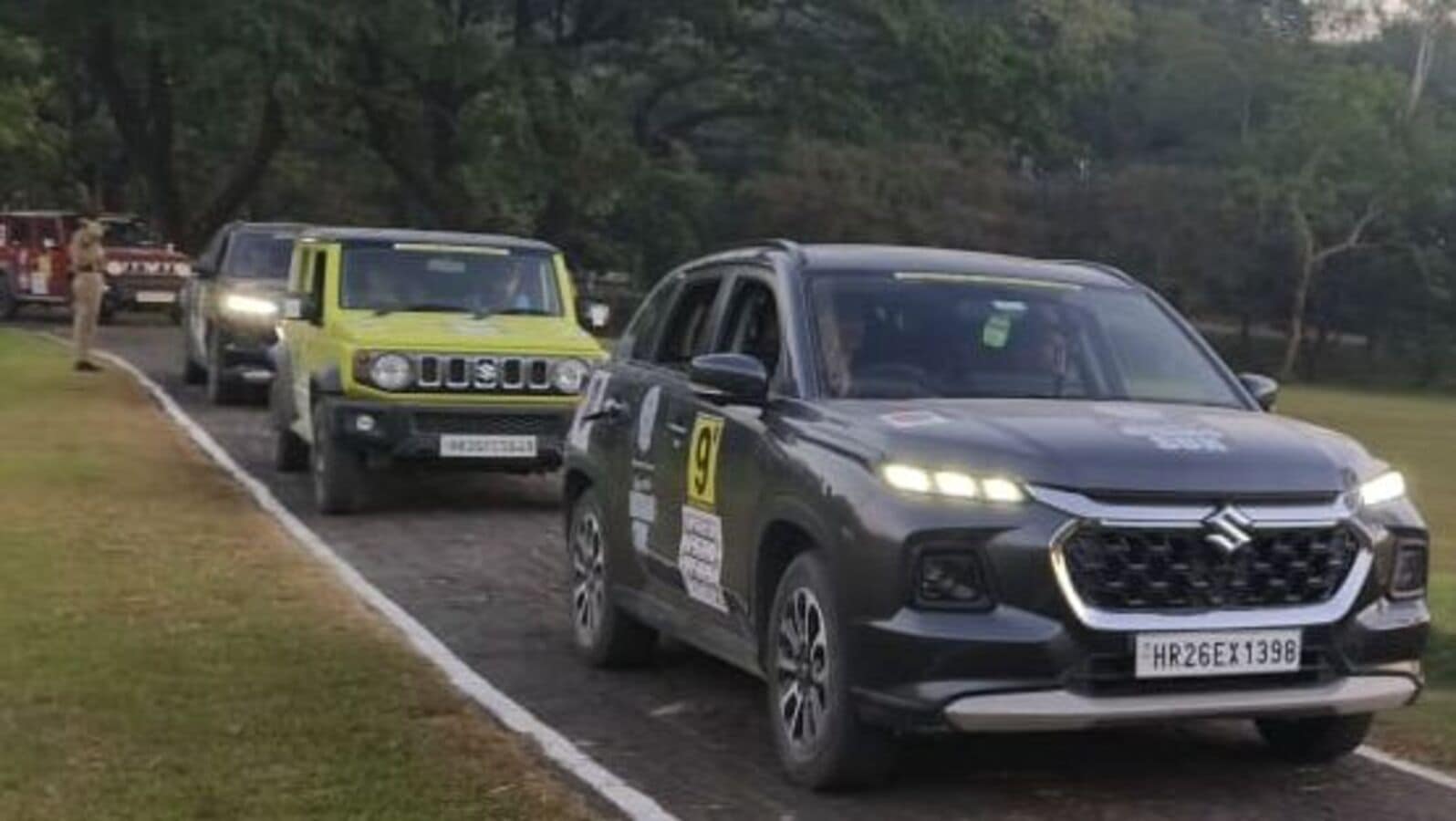
Image used for representational purposes only. (Image courtesy: X/@HQ_DG_NCC)
India’s largest four-wheeler manufacturer, Maruti Suzuki India Limited, has announced sales figures for February. Maruti Suzuki sold a total of 1,97,471 units, which consists of domestic sales of 163,397 units, sales to other OEMs of 5,147 units and exports of 28,927 units.
The compact segment was the most popular as the brand sold 71,627 units in February 2024. It consists of vehicles like Baleno, Celerio, Dzire, Ignis, Swift, Tour S and WagonR. Then there were the utility vehicles, which consisted of Brezza, Ertiga, Fronx, Grand Vitara, Invicto, Jimny, S-Cross and XL6. The sales figures stood at 61,234 units. Ciaz and Eeco sold 481 and 12,147 units, respectively.
Affordable compact vehicles such as Alto and S-Presso are still very popular as the brand sold a combined 14,782 units of those. The rest of the sales numbers come from Super Carry, which is a light commercial vehicle and sales to other OEMs.
From April to February, the most popular models for Maruti Suzuki were WagonR, Baleno and Swift. SUVs accounted for 51.5 per cent of overall sales for Maruti Suzuki.
The brand is currently preparing to launch a new generation of Swift in the Indian market. The hatchback has already been revealed in Japan and will soon be making its way to Indian shores. The hatchback will not only get some major cosmetic upgrades but it would also get an all-new engine.
The new engine is a three-cylinder unit as compared to the four-cylinder unit that we currently get in the Indian market. Suzuki says that this change has been done in favour of more low-end torque and more fuel efficiency. In the global market, the new engine comes mated to a CVT automatic transmission. It is expected that the Indian market will still get a 5-speed manual gearbox and an AMT transmission.
Maruti Suzuki ended February as India’s second largest SUV manufacturer behind segment leader Mahindra and Mahindra.
Maruti Suzuki’s dominance in the SUV market has been buoyed by vehicles such as Fronx, Grand Vitara, Brezza and Jimny. The carmaker is currently close second to Mahindra in the SUV segment in terms of sales.
Maruti Suzuki continues to benefit from its sport utility vehicles (SUVs) as it remains one of the largest manufacturers in the segment for the Financial Year 2023-24. From April last year to February 2024, Maruti has sold more than four lakh SUVs, which include the likes of Brezza, Grand Vitara, Fronx, Jimny and S-Cross. Though the carmaker had briefly become India’s largest SUV manufacturer last year, the crown has been retaken by Mahindra and Mahindra, the maker of Scorpio-N, Thar and XUV700 among others. However, Maruti Suzuki plans to continue with its SUV offensive and aims to increase its sales in the coming days.
From small and compact cars to small and compact SUVs – Maruti Suzuki’s shift towards the more popular body-type in passenger vehicle segment has been rapid. In the last two years, the carmaker has driven in as many as four models, including the Grand Vitara, Fronx and Jimny. Maruti Suzuki said that it has sold 4,04,114 units of sport utility vehicles in the ongoing financial year. However, it admitted that it is likely to fail in meeting estimates of selling around 4.50 lakh SUVs within the same fiscal.
In February, Maruti Suzuki delivered 41,256 units of SUVs. Brezza, Fronx and Grand Vitara contributed the bulk of the sales in the segment. Currently, Maruti Suzuki has a little more than 20 per cent market share. The Jimny, one of the most anticipated launches that took place last year, has not been as successful as some of its siblings. However, it managed to increase its sales to 514 last month from the low of 163 units in January this year.
Compared to its rival Mahindra and Mahindra, Maruti Suzuki ended February just short by nearly 1,200 SUVs. Mahindra sold 42,401 units last month, mostly through its popular Scorpio brand which is available in Scorpio-N and Scorpio Classic versions. Jimny’s sales performance could be one of the factors why Maruti Suzuki may not hit the 4.50-lakh unit sales in the segment by March-end. Its performance could also be the reason why Maruti is currently lagging behind Mahindra in terms of market share in the SUV segment.
By: HT Auto Desk | Updated on: 10 Jan 2024, 15:57 PM
Renault India has launched the updated Kwid hatchback in the country with a revised list of features, enhancing its appeal further and raising its com
…
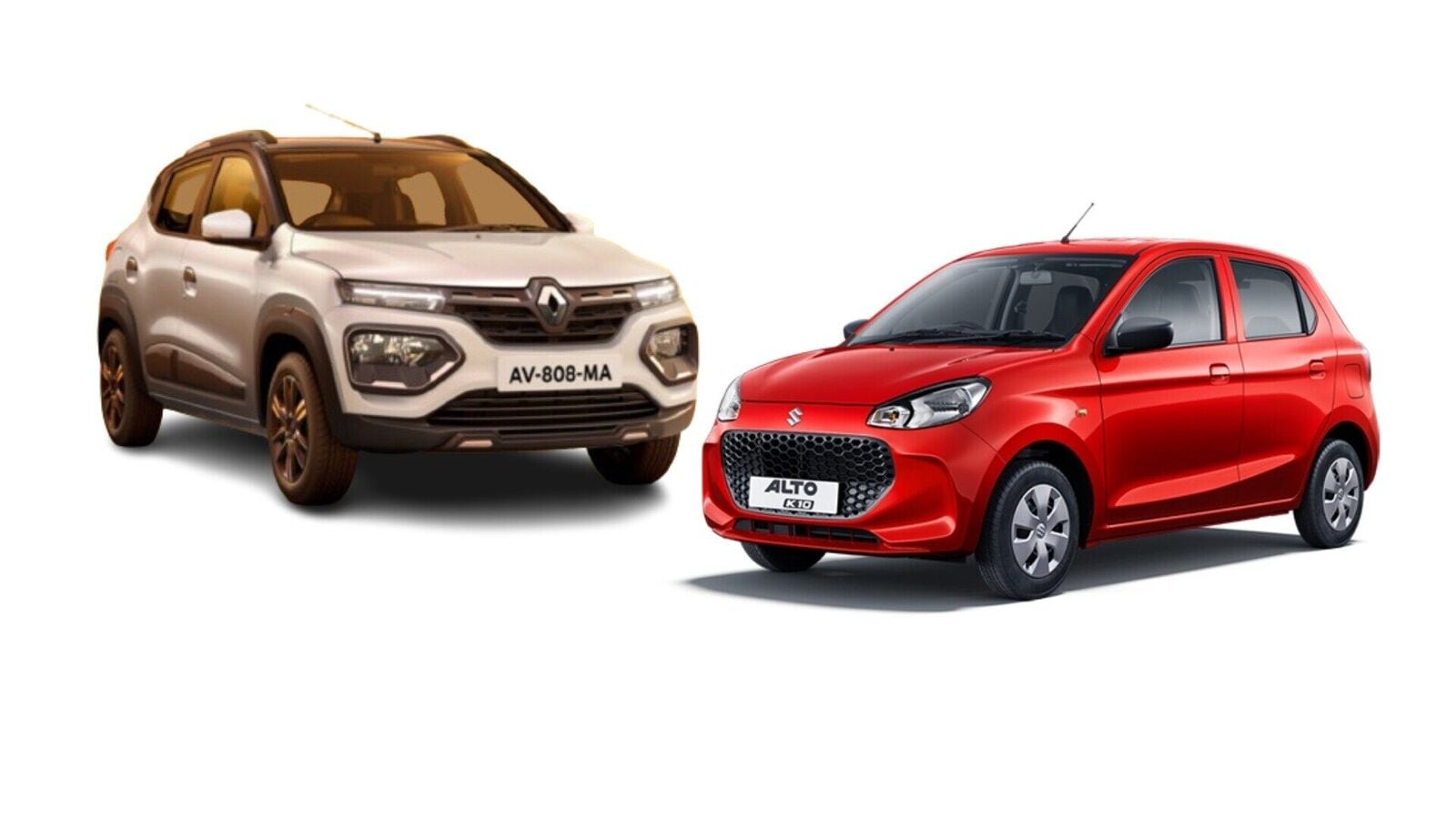
Renault India has launched the updated Kwid hatchback in the country with a revised list of features, enhancing its appeal further and raising its competitiveness against the Maruti Suzuki Alto K10.
Renault India has launched the updated Kwid hatchback in the country with a revised list of features, enhancing its appeal further and raising its competitiveness against the Maruti Suzuki Alto K10.
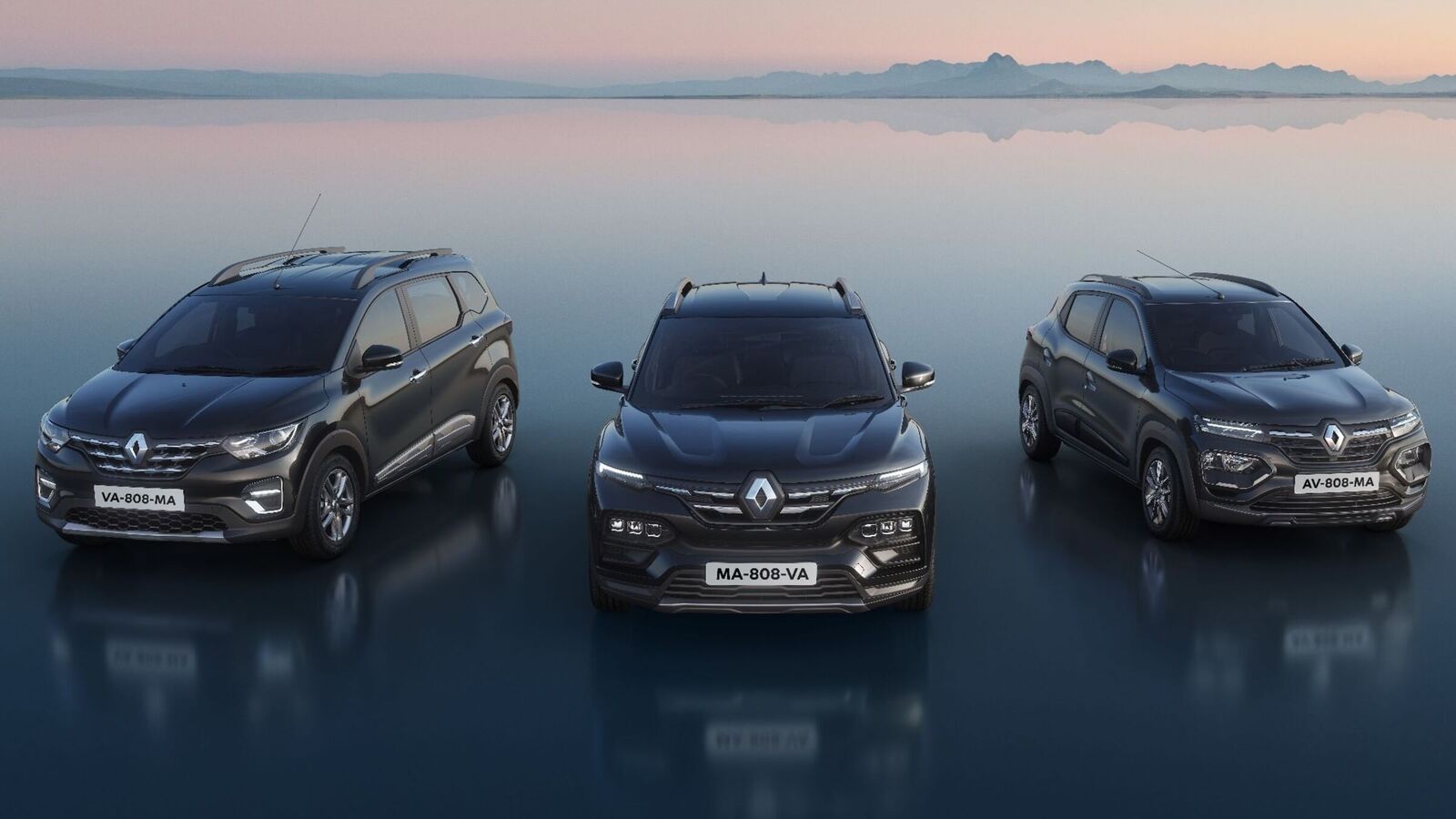
Renault India has launched the 2024 iteration of the Kwid hatchback in the country at a starting price of ₹4.69 lakh (ex-showroom) alongside its other siblings like Kiger and Triber. While the pricing of the updated Renault Kwid hatchback remains unchanged, the French auto giant has revised the feature list and introduced three new dual-tone exterior shades.
With the launch of the updated Kwid, the RXL(O) variant of the car now comes with an eight-inch touchscreen infotainment system making it the most affordable hatchback in India with this feature. Also, this variant of the Kwid now comes with an AMT gearbox, making it the most affordable automatic car in India. Renault has also made 14 safety features as standard for the Kwid hatchback.
Renault Kwid competes with rivals like the Maruti Suzuki Alto K10, which has been one of the bestselling small hatchbacks in India for a long time. Here is a price and specification comparison between the new Kwid and Maruti Suzuki Alto K10.
2024 Renault Kwid vs Maruti Suzuki Alto K10: Price
The 2024 Renault Kwid is priced between ₹4.69 lakh and ₹6.12 lakh (ex-showroom, Delhi), while the Maruti Suzuki Alto K10 hatchback is available between ₹3.99 lakh and ₹5.96 (ex-showroom, Delhi).
The RXL(O) AMT variant of the Renault Kwid is priced at ₹5.44 lakh (ex-showroom), which makes it the most affordable automatic car in India, while the closest competitor against it is the Maruti Suzuki Alto K120 VXI AGS, which is priced at ₹5.61 lakh (ex-showroom).
2024 Renault Kwid vs Maruti Suzuki Alto K10: Specification
The updated Renault Kwid remains the same as the previous model on the powertrain front. Under the hood, the 2024 Renault Kwid continues to draw power from a 1.0-litre, three-cylinder, petrol engine that is capable of churning out 67 bhp peak power and 91 Nm of maximum torque. This engine is available with transmission choices of a five-speed manual and an AMT unit.
On the other hand, powering the Maruti Suzuki Alto K10 is a 1.0-litre K10C petrol engine. This engine is available with transmission options of a five-speed manual unit and an AMT, which the automaker calls Auto Gear Shift or AGS. The Alto K10 hatchback churns out 65 bhp peak power and 89 Nm of maximum torque.
The Alto K10 is available in both petrol-only and petrol-CNG fuel options, while the Renault Kwid has no CNG option. When it comes to power and torque output, the Kwid generates slightly more power and torque than the Alto K10.
By: Sameer Fayaz Contractor | Updated on: 28 Dec 2023, 15:46 PM
Maruti Suzuki achieved the landmark figure in seven years and eight months since the first generation Vitara Brezza went on sale in March 2016.
The Maruti Suzuki Brezza was launched as the Vitara Brezza in March 2016 and went on to achieve the one million sales milestone in December 2023
Maruti Suzuki has recorded a new milestone with one of its most popular SUVs as the Brezza clocked over 10 lakh units in sales. The achievement comes within eight months since the subcompact SUV crossed the nine lakh sales mark. The automaker achieved the landmark figure in a total of 94 months or seven years and eight months, since the first generation Maruti Suzuki Vitara Brezza went on sale in March 2016.
As of November 2023, Maruti Suzuki had sold 996,608 units of the Brezza and would need an additional 3,392 units to hit the one million milestone, which the company achieved in early December. Now in its second generation, the SUV has been a top seller right from the start averaging monthly sales of nearly 14,000 units every month.
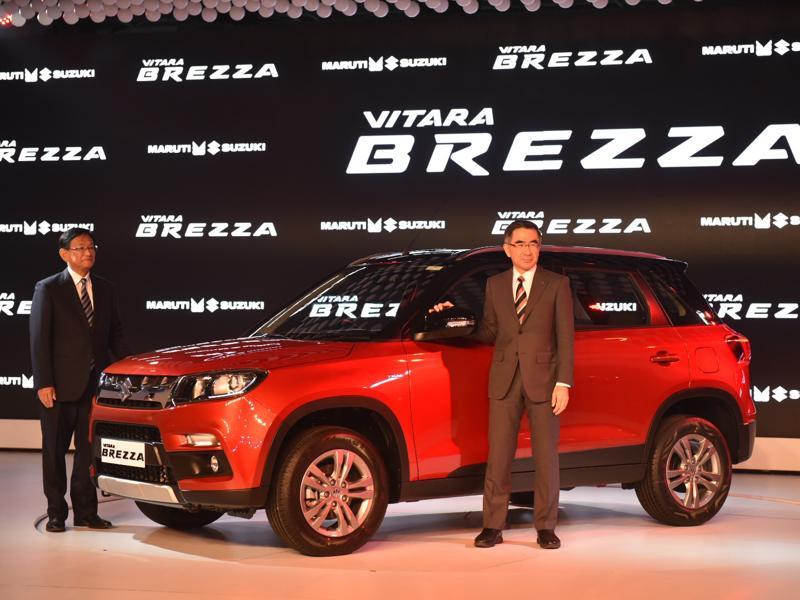
The Maruti Suzuki Vitara Brezza was first unveiled at the 2016 Auto Expo
The Maruti Suzuki Brezza has also been the top-selling subcompact SUV in the country surpassing rivals like the Tata Nexon, Kia Sonet, Hyundai Venue, Mahindra XUV300 and the like. Notably, the Nexon is the only other SUV to have sales of more than one lakh units in FY2024 so far in the segment.
Maruti Suzuki clocked the one lakh sales milestone in March 2017 within a year of the Vitara Brezza’s launch. The subcompact SUV went on to hit the five lakh sales mark in January 2020, 46 months since its launch. The remaining five lakh units were achieved in just under 47 months, showcasing the same consistency in sales.
The Maruti Suzuki Brezza CNG launched earlier this year helped bring a new push to overall sales
While the first generation Maruti Suzuki Vitara Brezza was a diesel-only offering with a 1.3-litre oil burner, the carmaker changed that when the facelift arrived in 2020 plonking the 1.5-litre petrol engine. The automaker went on to add a CNG option in March this year, which pushed sales further amidst rising fuel prices. This helped the SUV claim the top spot in the segment, which it lost out to the Nexon in FY2022 and FY2023.
Maruti Suzuki also showcased the idea of a Brezza CNG automatic at the 2023 Auto Expo but the model has not yet been greenlit for production. The company’s UV offerings have been a massive success and helped Maruti to take the throne of the number one SUV maker in the country from Mahindra this year. The brand’s other SUVs include the Fronx, Jimny, and Grand Vitara
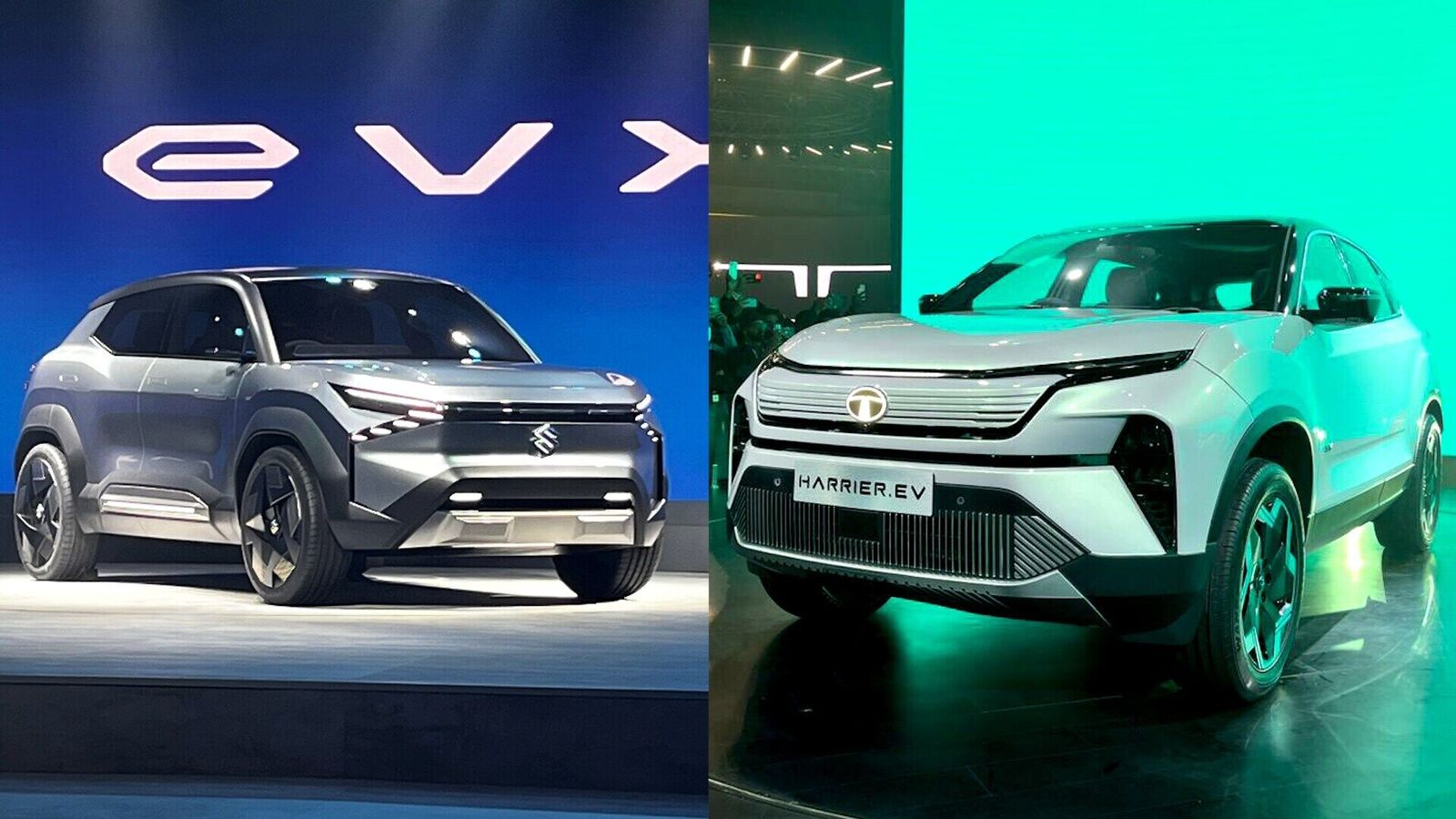
India will get a number of new electric cars in the next 12 months as the EV segment continues to grow at a rapid rate. Several carmakers have already confirmed launch of their new electric vehicles in 2024. Some of these models will help top carmakers enter the EV fray in the country which currently has less than seven per cent contribution to overall vehicle sales in India. Key names among the expected electric cars to hit Indian shores include the likes of Maruti Suzuki’s first EV – the eVX, Tata Harrier EV among others. Here is a quick look at list of brand new electric cars to launch in India next year.
Maruti Suzuki is expected to launch its first electric vehicle in India with the introduction of the eVX in 2024. Tata Motors is also expected to launch at least three new EVs, including the electric avatar of its flagship Harrier SUV next year.
2024 will be a landmark year for Maruti Suzuki, the largest carmaker in India, as it plans to put its first ever electric car eVX to production. The carmaker has confirmed that the eVX electric SUV, first showcased at the Auto Expo held in January this year, will be manufactured from Suzuki Motor’s Gujarat facility at Hansalpur starting next year. It is expected to be launched some time in 2024. The eVX electric SUV will come with a range of around 550 kms in a single charge. It will be equipped with a 60 kWh lithium-ion battery pack. When launched, it will take on the likes of MG ZS EV and Hyundai Kona among others.
Tata Harrier EV
Tata Motors has confirmed that its flagship Harrier SUV, which recently received a major facelift, will get its electric version next year. The Harrier EV made its debut at the Auto Expo earlier this year. Built on the Gen 2 EV architecture, the Harrier EV will come with V2L and V2V charging facilities. The Harrier EV has been spotted testing on roads ahead of its launch within the next few months. However, very little is known about what this electric SUV will offer in terms of range, performance and features.
Tata Punch EV
The second electric vehicle from Tata stable expected to make India debut next year is the Punch. The smallest SUV from the carmaker already has the ICE and CNG version on sale. When launched, it will become the fourth car in Tata’s lineup to offer ICE, CNG and EV version of the same model. The Punch EV is expected to come with the same Ziptron technology that is doing duty in other Tata EVs like Nexon. The size of the battery could be the ones used for Tigor EV or the Nexon EV. Tata Punch EV could offer range of more than 300 kms in a single charge in the long-range version.
Tata Curvv EV
The third electric car from Tata Motors expected to be launched in 2024 is the Curvv EV. Tata is likely to launch the EV version of the SUV after its ICE version makes its debut. The Curvv EV will be based on Tata Motor’s X1 platform which will be heavily reworked to become EV ready. According to reports, the expected range of the Curvv electric SUV will be between 400 kms and 500 kms in a single charge. It is not clear if Tata Motors will use the same battery the Nexon EV facelift uses.
Kia EV9
The Korean auto giant is expected to expand its EV lineup in India with the introduction of its three-row electric SUV EV9. Based on the Electric Global Modular Platform (E-GMP), the EV9 stands more than five metres in length. It promises to offer range of up to 541 kms in a single charge. It is expected to be offered in two variants. Globally, the EV9 is powered by a 150 kW electric motor that can help it sprint 0-100 kmph in 9.4 seconds. The RWD version of the EV will come with a more powerful 160 kW electric motor. The EV has an 800-volt electrical architecture that enables the EV to charge at ultra-fast speed. Kia claims the EV9 can run 239 kms with just 15 minutes of charging.
Mahindra XUV.e8
Mahindra and Mahindra will also expand its EV lineup for India with the launch of an electric SUV based on the XUV700. This will be Mahindra’s second electric offering after the XUV400. Mahindra had showcased five upcoming electric SUVs during an event held in United Kingdom in August last year. To be launched under the Born Electric brand, the XUV.e8 is expected to come with dual electric motor as well as all-wheel drive technology. Mahindra is likely to offer at least 60 kWh battery pack with the XUV.e8 EV besides adding features like level 2 ADAS, 5G connectivity among others.
Renault India has announced support for its customers in Tamil Nadu and Andhra Pradesh who have been affected by Cyclone Michaung. The French automaker announced free roadside assistance for the affected customers, while it also launched a 24×7 helpline among other benefits. The automaker also claimed that it had initiated SMS alerts and company app notifications prior cyclone to inform its customers about vehicle safeguarding measures.
By: HT Auto Desk | Updated on: 09 Dec 2023, 10:10 AM
Renault extends support to customers affected by Cyclone Michaung by launching free RSA and a 24×7 helpline.
Over the last two days, several automakers including Maruti Suzuki, Tata Motors, Hyundai, Mahindra, Toyota, Jeep, and Audi have announced supportive measures for their respective customers who have been affected by the cyclone. Now, Renault has joined the list as it has announced a comprehensive support initiative for its customers.
The car manufacturer in an official release has said that it is offering roadside assistance to help customers transport their vehicles to the nearest dealerships free of cost. The company also claimed that it would reimburse the towing costs incurred by customers who independently arranged for transporting their vehicles. Renault claims to have deployed an additional fleet of 15 towing trucks throughout Tamil Nadu to prioritise recovery of flood-affected vehicles. Also, it has set up a 24×7 helpline ensuring the customers prompt and efficient assistance.
Speaking about the measures taken, Sudhir Malhotra, Vice President of Sales Marketing at Renault India Private Limited (RIPL), said the automaker has pledged to provide robust support to its customers affected by the Chennai floods. “During these hard times, Renault India, in solidarity with other OEMs, provides robust support to our customers affected by the Chennai floods. Our all-encompassing initiatives, spanning proactive communication and hands-on assistance, underscore our unwavering commitment to offering 24/7 aid to our customers in Tamil Nadu. Renault India will continue to remain vigilant, continuously monitoring the situation and adjusting our efforts to address the changing needs of the community and our customers. We stand united in these challenging times,” he added.
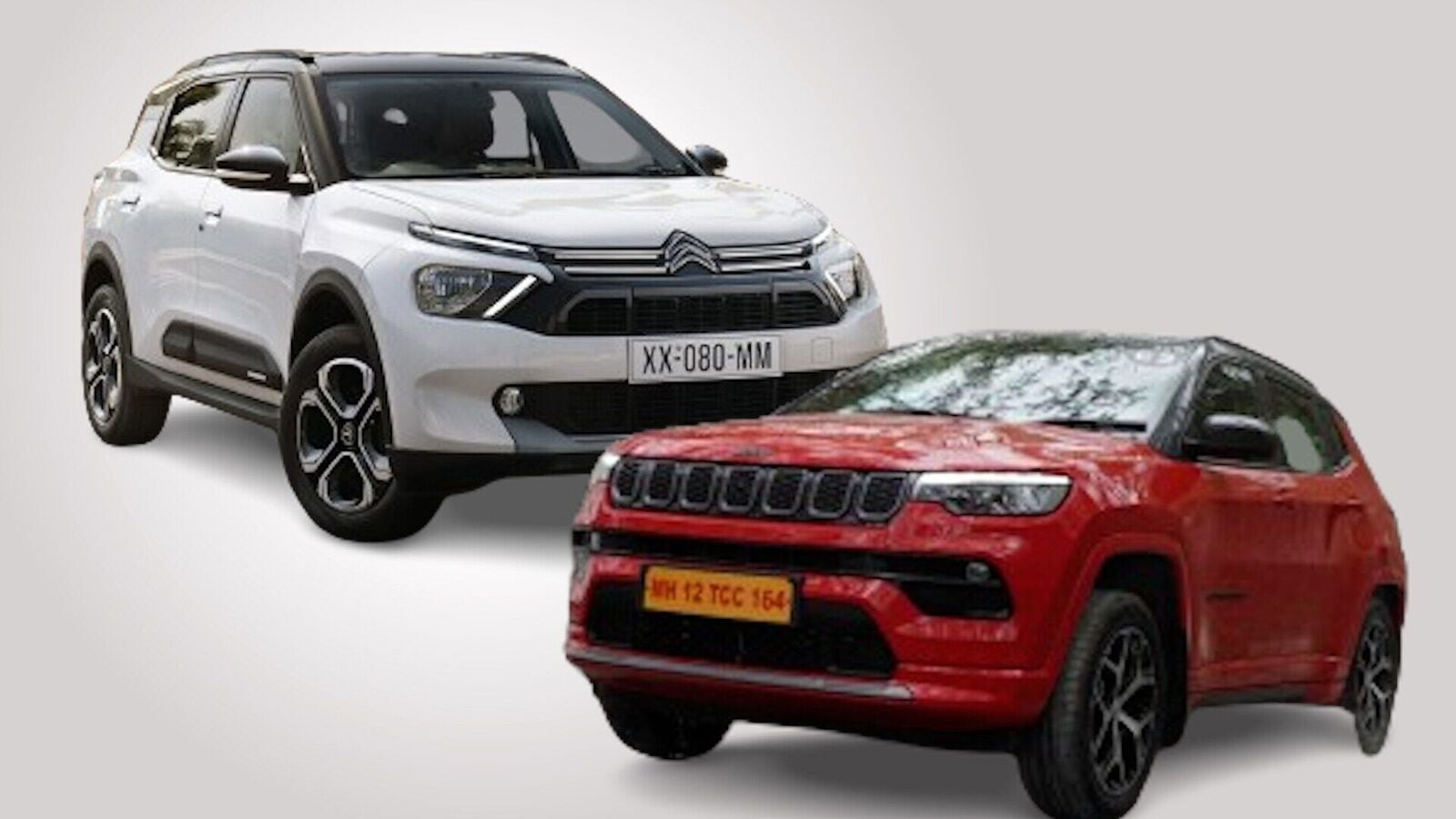
French auto giant Citroen and US-based carmaker Jeep have joined other car manufacturers in India to offer help to customers whose vehicles are affected by the floods caused by Cyclone Michaung in states like Tamil Nadu and Andhra Pradesh. The two carmakers, part of the Stellantis Group, have rolled out multiple initiatives which include roadside assistance to special offers to buy a new model in case someone’s car has been totally damaged.
By: HT Auto Desk | Updated on: 08 Dec 2023, 15:43 PM
Citroen and Jeep, part of the Stellantis Group, have extended assistance to its customers whose vehicles are affected by the floods caused by Cyclone Michaung.
Citroen and Jeep issued a statement today, December 8, stating that it will assist victims of the cyclone that left several cars damaged or submerged over the past one week. The statement reads, “In the wake of the floods caused by Michaung Cyclone in Chennai, Jeep and Citroen have announced vehicle service initiatives to provide round-the-clock comprehensive support to owners of flood-affected vehicles.” The duo joins others like Maruti Suzuki, Hyundai Motor, Tata Motors and others to offer assistance to their customers in the wake of floods in the two states.
Among the initiatives undertaken by Citroen and Jeep include 24X7 roadside assistance for their customers to tackle any emergency situation. The carmakers will also help customers wishing to tow away their vehicles to safety. The towing support will carry these vehicles to their nearest dealerships. Customers of Citroen and Jeep can also avail a 40-point complimentary vehicle check-up through advanced appointments at respective dealerships.
Citroen and Jeep are also offering fast-track processing of vehicle insurance. The customers are required to carry essential documents like Driving License, Registration Certificate and vehicle-related policy documents to the dealerships to avail this assistance. The duo will also offer prioritised repairs through insurance partners and faster claim processing. The two carmakers also promise to make genuine spare parts available in time for faster repair process.
Citroen and Jeep are also offering an opportunity to its customers who wish to buy a new car. The carmakers have special offers on fresh purchases for customers whose vehicles have been damaged beyond repair in the floods caused by the cyclone.
Citroen offers cars like C5 Aircross, C3 Aircross, C3 and eC3 as part of its India lineup. Jeep India sells SUVs like Compass, Meridian, Wrangler and Grand Cherokee.
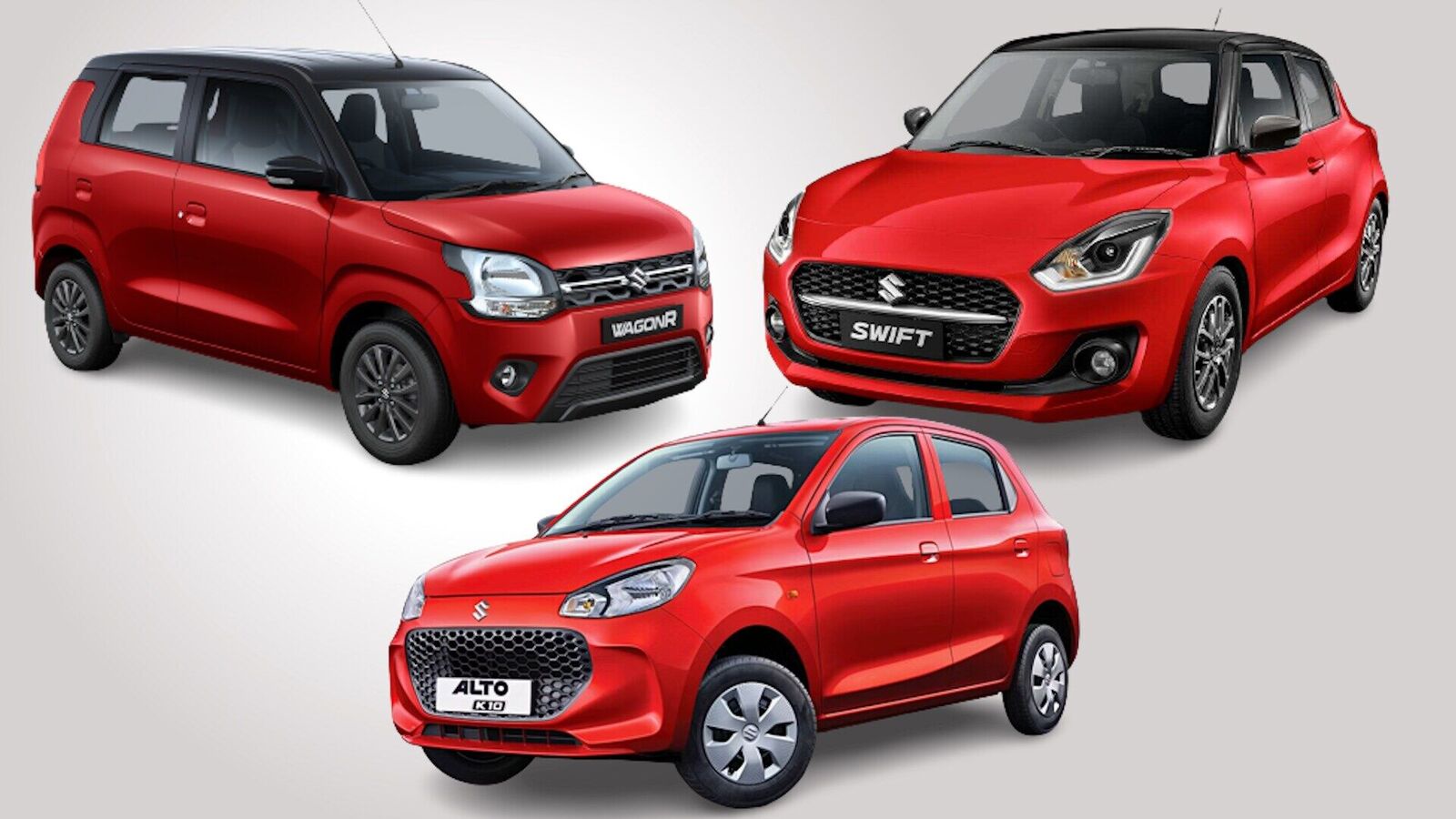
Maruti Suzuki continues to ride high on its small cars as it remains firmly on top of the list of biggest carmakers in India in November. Maruti Suzuki delivered 1.34 lakh units across India last month, up from 1.32 lakh units it clocked in November last year. Though small cars like Alto, Baleno, Swift and WagonR remain the biggest volume drivers for Maruti, the marginal one per cent growth for the carmaker came from its SUV lineup which includes models like Brezza, Grand Vitara and Fronx as well as MPVs like Ertiga and XL6.
By: HT Auto Desk | Updated on: 01 Dec 2023, 15:47 PM
Small cars from Maruti Suzuki continues to drive the carmaker’s sales in India. More than 50 per cent of Maruti’s sales come from models like Alto, Baleno, Swift and WagonR. (HT Auto/Sabyasachi Dasgupta)
On Friday, Maruti Suzuki released its sales report for November. According to the report, Maruti’s smallest offerings Alto and S-Presso contributed 9,959 units last month, down from 18,251 units during the same month last year. Its hatchback segment, which also includes models like Celerio, Dzire and Ignis, contributed 64,679 units to overall sales. However, this segment too, saw a drop from 72,844 units sold in November last year. Overall, both these segments saw nearly 20 per cent drop in sales.
The biggest gainers for Maruti Suzuki in November were its SUVs and MPVs. The lineup, which includes models like Brezza, Fronx, Grand Vitara, Jimny, S-Cross, Ertiga, Invicto and XL6, clocked 49,016 units in November this year. During the same month last year, Maruti’s utility vehicles had contributed 32,563 units. However, Maruti Suzuki did not have models like Fronx, Jimny or Invicto in its lineup back then. EECO, the sole van in Maruti’s line-up, contributed 10,226 units last month.
Maruti Suzuki has intensified its SUV game in India. India’s leading passenger vehicle manufacturer had reported about 80 per cent hike in profit in the last three months thanks to the rise in demand for its SUVs. Maruti Suzuki currently leads the SUV segment in India with new-age models introduced in the past one year or so. Models like Grand Vitara and Fronx, which feature as some of India’s top-selling models, have added to Maruti’s tally led by sub-compact SUV Brezza as well as the latest entrant Jimny five-door off-road SUV.
In terms of exports too, Maruti Suzuki has grown last month despatching 22,950 units across its global markets. It is a growth of around 15 per cent compared to 19,738 units exported by the carmaker in November last year.