
Last Updated:
Choosing between NA and turbo engine is the most difficult decision when buying a car. Should you go for the smooth and frugal NA engine or the powerful and fun turbo? City traffic, highway driving, mileage and maintenance. Keeping every aspect in mind, know here which engine is perfect for your needs.

What is the difference between NA and turbo engine? Know
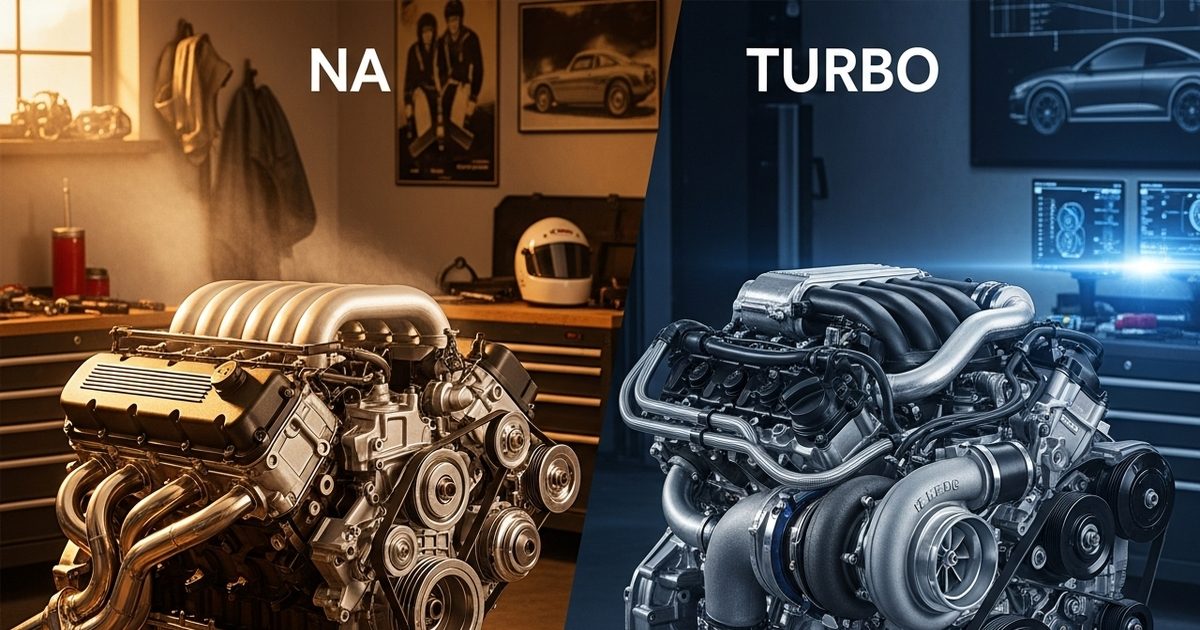
The biggest question while buying a car is whether to buy a naturally aspirated (NA) engine or turbocharged? This decision is not easy amidst the rising petrol and diesel prices in India, city traffic and long driving on the highway. The NA engine is considered a simple and reliable option of the old times, while the turbo engine attracts performance lovers by extracting more power than even a small engine.
Both have their advantages and disadvantages. If you travel 20-30 kilometers daily in the city or like to drive fast on the highway, then it is important to understand which engine will suit your needs. In this article, we will explain the technical differences, advantages and disadvantages of both the engines and the right purchasing decision.
NA engine
In NA i.e. Naturally Aspirated engine, air comes in naturally through the intake manifold. When the piston goes down, a vacuum is created in the cylinder and the atmospheric air automatically goes out. There is no additional pump or turbine in it. Due to this, the response is immediate, the car starts easily in any weather, be it hot or cold, morning or evening. Torque and power depend on the size of the engine. For example, the 1.2 liter NA petrol engines of Maruti Swift or Hyundai Grand i10 run very smoothly at city speeds.
turbocharged engine
A turbocharged engine uses a turbine driven by exhaust gases. This turbine rotates the compressor, which presses and burns more air and fuel in the engine. Even a smaller 1.0 or 1.2 liter engine gives 100-120 bhp power and ample torque. The turbo engines of Tata Nexon, Kia Sonet or Mahindra XUV300 are fun to overtake and load on the highway. But there is a problem of 'turbo lag'. The power comes on suddenly at low RPM, which makes it feel a bit awkward in city stop-go traffic.
Maintenance and cost
Talking about maintenance and cost, NA engine is cheap and simple. Servicing is easy, parts are cheap and the risk of breakage is low. Servicing becomes expensive due to turbocharger, intercooler and more sensors in turbo. If your annual driving is less than 10-12 thousand kilometers and mostly in the city, then NA engine will be better in terms of fuel economy and low cost.
If you travel at a speed of 120-140 km/h on the highway, take a long trip with the family or have luggage loaded in the car, then the turbo engine will give more fun and power. Small engines with turbo often give better mileage than big engines with NA.
The right choice as per your need-
- City, Low Budget, Low Maintenance- NA Engine (Swift, Baleno, i10)
- Performance, Highway, Overtaking- Turbo Engine (Nexon, Sonet, Venue)
- Mileage and Balance – 1.0 liter turbo petrol the smartest choice
About the Author
.jpg?impolicy=website&width=52&height=52 "authoring")
Ram Mohan Mishra, working as Senior Sub-Editor at News18 Hindi, is active in digital media since 2021 and is currently handling the Auto Desk. They provide car and bike related information in an easy, clear and reliable manner.read more
