
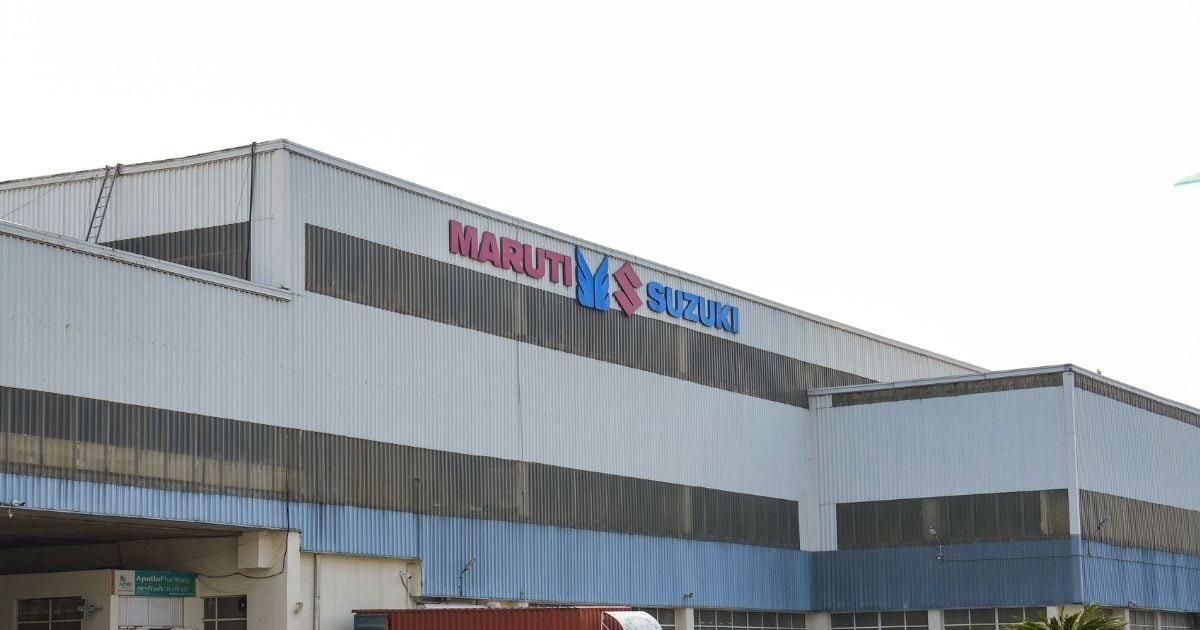
Maruti Suzuki's dominance in the Indian car market is continuously decreasing. The company's market share has declined to 39.26 percent in the financial year 2025-26 (FY26), which is the lowest level in the last 13 years. According to Society of Indian Automobile Manufacturers (SIAM) data, this is the third consecutive year when Maruti's share has declined. The company's share was around 50 percent in FY20, which means there has been a decline of about 12 percent in the last six years.
The main reason for the change in the Indian automobile market is the growth of the SUV and Utility Vehicle (UV) segments. The UV segment now accounts for 67 percent of the total passenger vehicle market in FY26, while the growth of sub-4 meter cars was just less than 2 percent. There was an increase of 11 percent in UV segment. Maruti Suzuki's share in the UV segment is below 25 percent, while its dominance in the sub-4 meter segment (like Wagon R, Swift, Baleno) remains at 67 percent. But the company has suffered losses due to slowing demand for small cars.
Where is the gap coming from?
The biggest issue among the weaknesses of Maruti is the absence of diesel engine. The share of diesel engine vehicles in the market is about 20 percent, but Maruti has completely left this segment. The company's positioning remained weak even in the premium segment. For example, Toyota-badged models often outsell Maruti's twin models. The case of Grand Vitara (Toyota Hyrider) is a good example of cannibalization, where the Toyota version is being liked more. Maruti Invicto sells only 300-400 units per month, while Toyota Innova Hycross sells 9,000-11,000 units.
Mahindra and Tata took advantage
Competitors took advantage of this opportunity. Mahindra & Mahindra doubled its share in five years and reached second position with 14.21 percent in FY26. Models like Thar, Bolero and Scorpio strengthened it. Tata Motors' share reached 13 percent, in which Nexon, Punch and Safari have a major contribution. Both the companies have gone ahead in SUV and premium features, design and safety.
What do the figures say?
Talking about figures, Maruti holds about 50 percent share in the petrol and CNG segments, but powertrain complexities, mistakes in diesel and premium offerings and loss of brand aspiration have worsened the situation. Tata and Mahindra have set new standards in design, features and safety.
India's passenger vehicle market reached record levels in FY26, with SUVs accounting for 56-67 percent share. Maruti has set a target of acquiring 50 percent share by FY31, but analysts believe this will be challenging. The company has not yet given any new statement on this target.
still number-1
Overall, Maruti Suzuki still remains India's largest car company and has a strong service network. But the SUV boom, changing consumer preferences and increasing competition have challenged its traditional dominance. In the future, the company can strengthen its position only by electric vehicle transition and strong offerings in the premium segment.