Mega planning of Tata Motors! Will launch 3 new EVs soon, know details
Last Updated:
Tata Motors will launch Tata Tiago EV facelift, Tata Avinya and Tata Sierra EV in the remaining months of 2026, which will further strengthen the electric vehicle market in India. Let's take a look at their possible launch details.

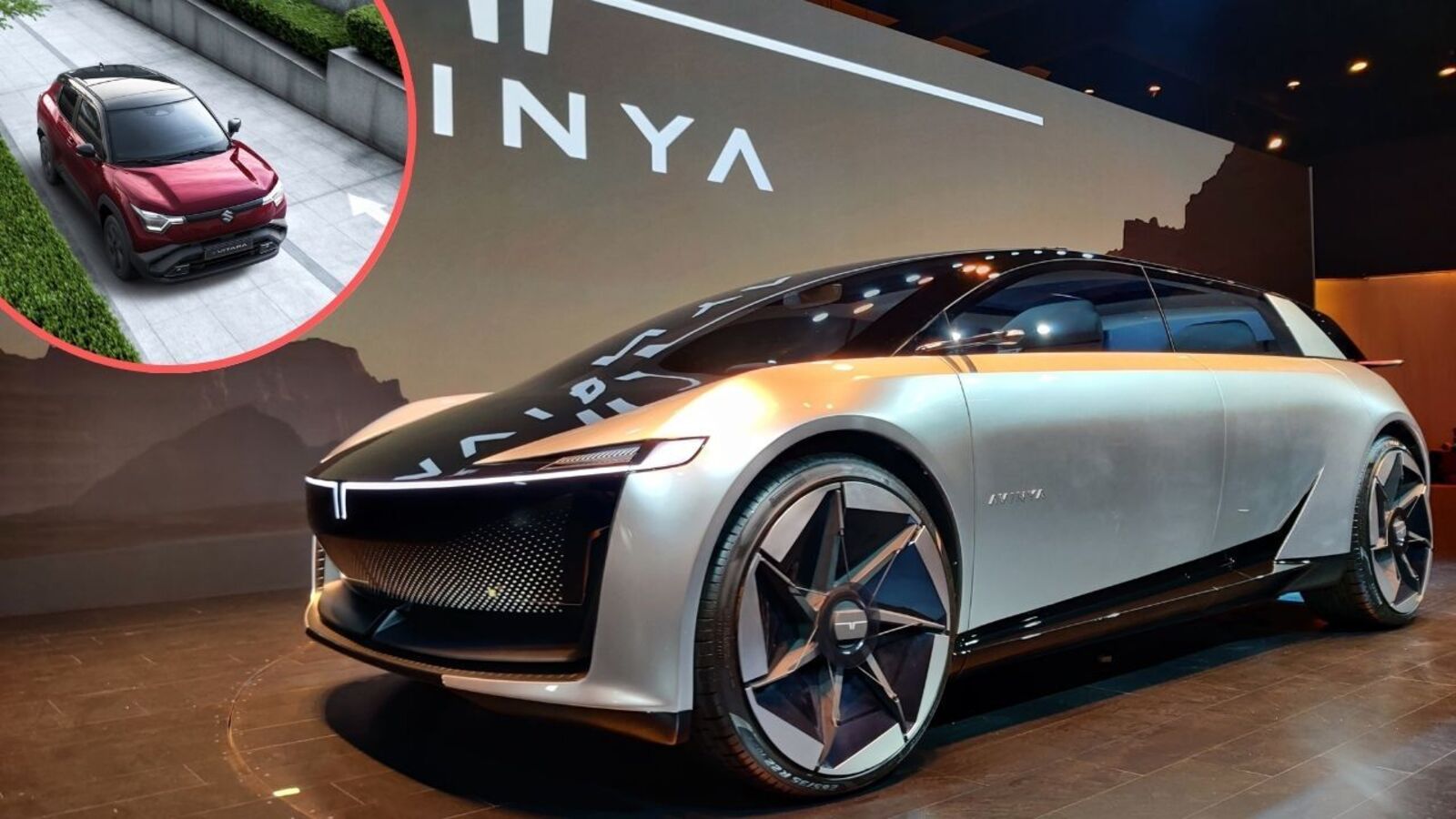
Tata Avinya EV
Tata Motors is moving rapidly in the electric vehicle segment of the country. The company has made a strong hold in the market in the last few years with Nexon EV, Punch EV and other models. Now in the remaining months of 2026, the company is preparing to launch three new electric cars, which will bring exciting options to the customers. The names of Tata Tiago EV Facelift, Tata Avinya and Tata Sierra EV are included in the list of upcoming EVs.
These cars are in different segments. There is an affordable hatchback update, a premium concept-based SUV and a mid-size electric SUV. These launches will further strengthen India's electric vehicle market, where the demand for eco-friendly and technologically advanced vehicles is increasing. Tata's Gen-3 EV architecture and better battery technology will make these models attractive. Let us know what will be seen in these.
1. Tata Tiago EV Facelift
Tata Tiago EV is India's most popular affordable electric hatchback. Now its facelift version is going to be launched in 2026. Newly designed lights, updated front grille, revised bumper and taillights are visible in the spy photos. It may possibly get a bigger battery pack (perhaps up to 30 kWh), more range (250-300 km), sunroof, 360-degree camera and new features like updated infotainment system. This will be best for city use, the price will be a little higher than the current model but value for money.
2. Tata Avinya
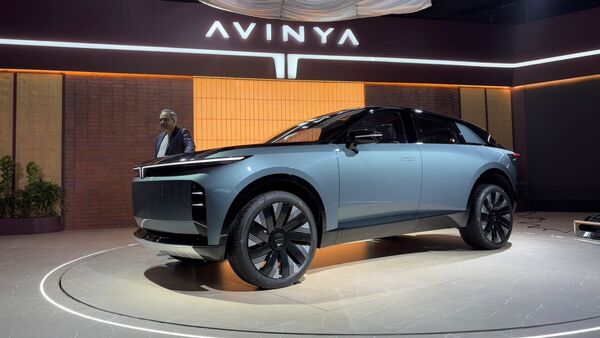
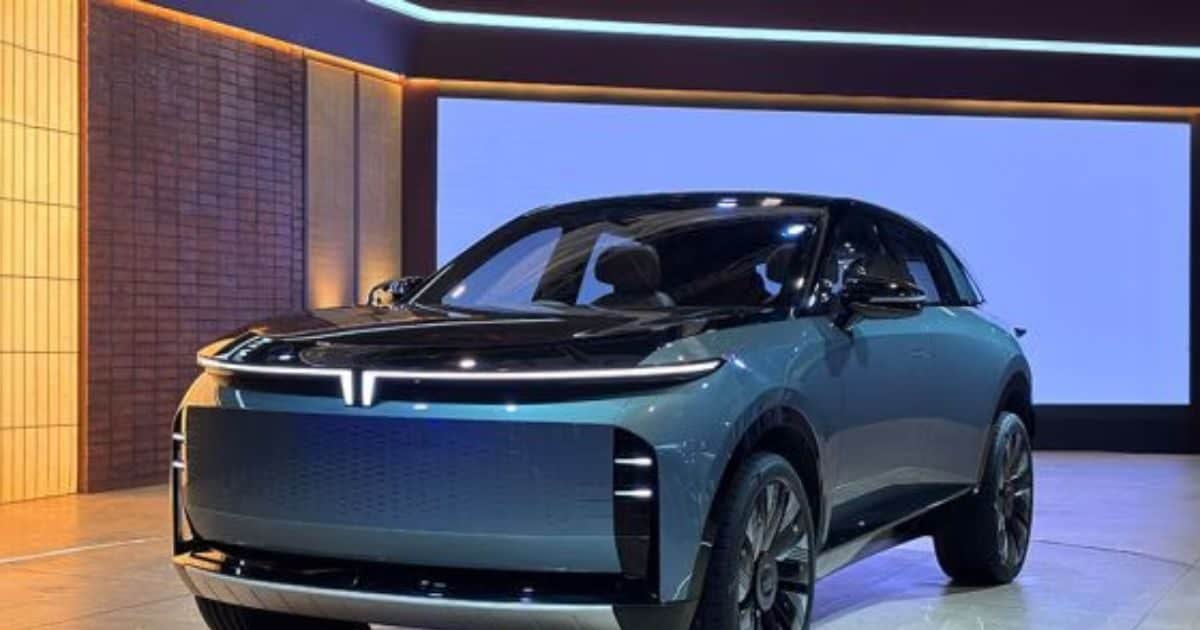
Tata Avinya is a premium electric concept, which will be built on the company's new Gen-3 platform. It is expected to be launched in mid-2026 (around June). The estimated price can start from Rs 40 lakh. Avinya will have features like futuristic design, sportback style, high-end interior, advanced ADAS, long range (500+ km) and fast charging. This will be the beginning of Tata's premium EV brand, which will offer a blend of luxury and performance.
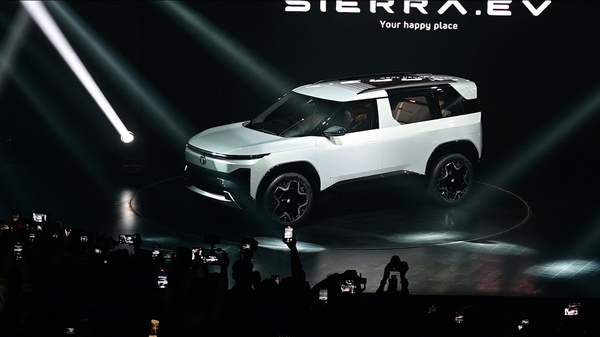
3. Tata Sierra EV
Tata Sierra EV will be launched in the second quarter (April-June) of 2026. This is a mid-size electric SUV, which will be based on the recently launched ICE Sierra. It will have both RWD and AWD options, dual motor setup, high ground clearance and modern features like hill assist, large touchscreen and premium cabin. The estimated price will be around Rs 20-25 lakh. It will compete with models like Mahindra BE 6, Hyundai Creta EV. These three models will further strengthen Tata's EV portfolio.