XEV 9S beats Nexon and Windsor, see sales report

XEV 9S beats Nexon and Windsor, see sales report

Last Updated:

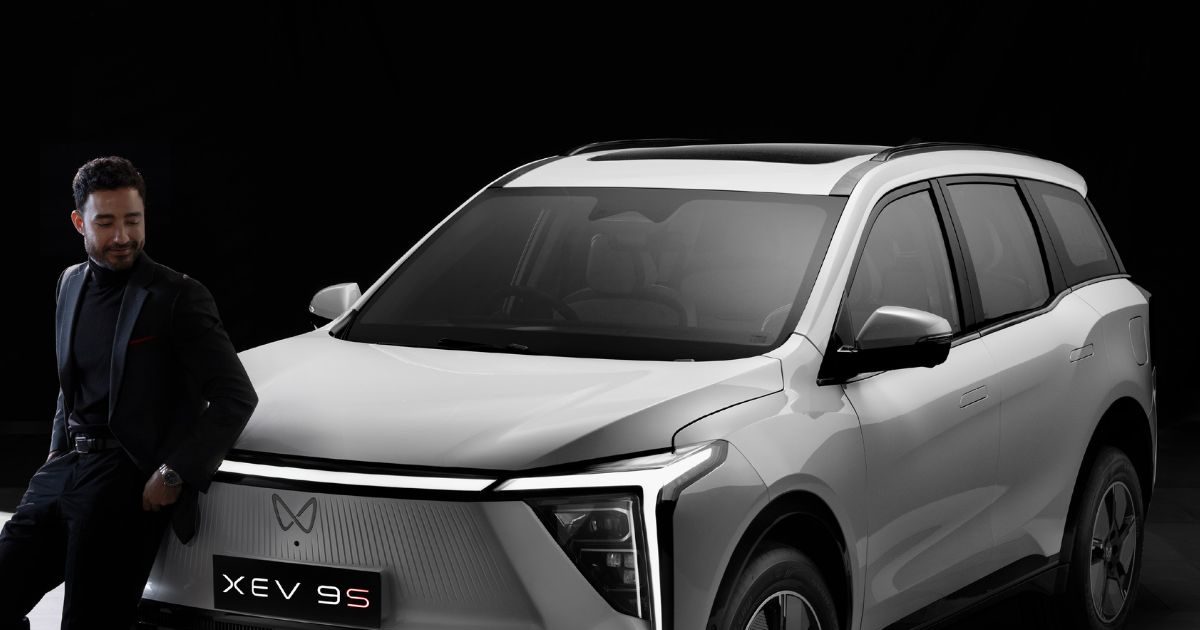
A big upheaval has been seen in the electric car market in February 2026. Mahindra XEV 9S achieved the top position for the first time, leaving behind Tata Nexon and MG Windsor. This increasing competition in the EV segment has made the market even more interesting. Know the complete top 10 list and how much was sold by whom.

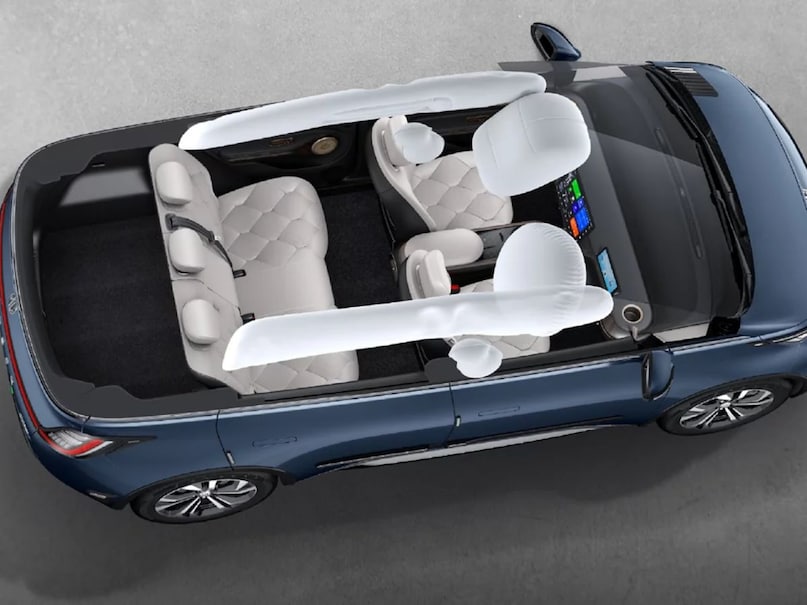
Mahindra's XEV 9S has created a stir in the Indian market in February 2026. This 5 seater electric car has become the country's best selling EV with sales of 3,539 units. It has achieved the top position for the first time by defeating big companies like Tata and MG.

MG Windsor EV

MG Motor's premium crossover Windsor EV has maintained its strength. It stood second with sales of 2,599 units in February. It remains a favorite of customers due to its luxurious 'aero- lounge' seats and battery-as-a-service (BaaS) model.

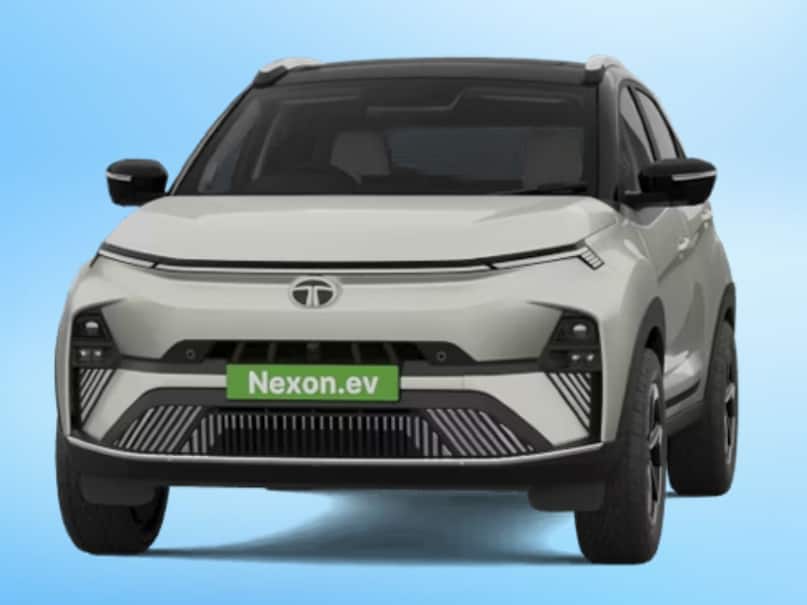
Tata Nexon EV

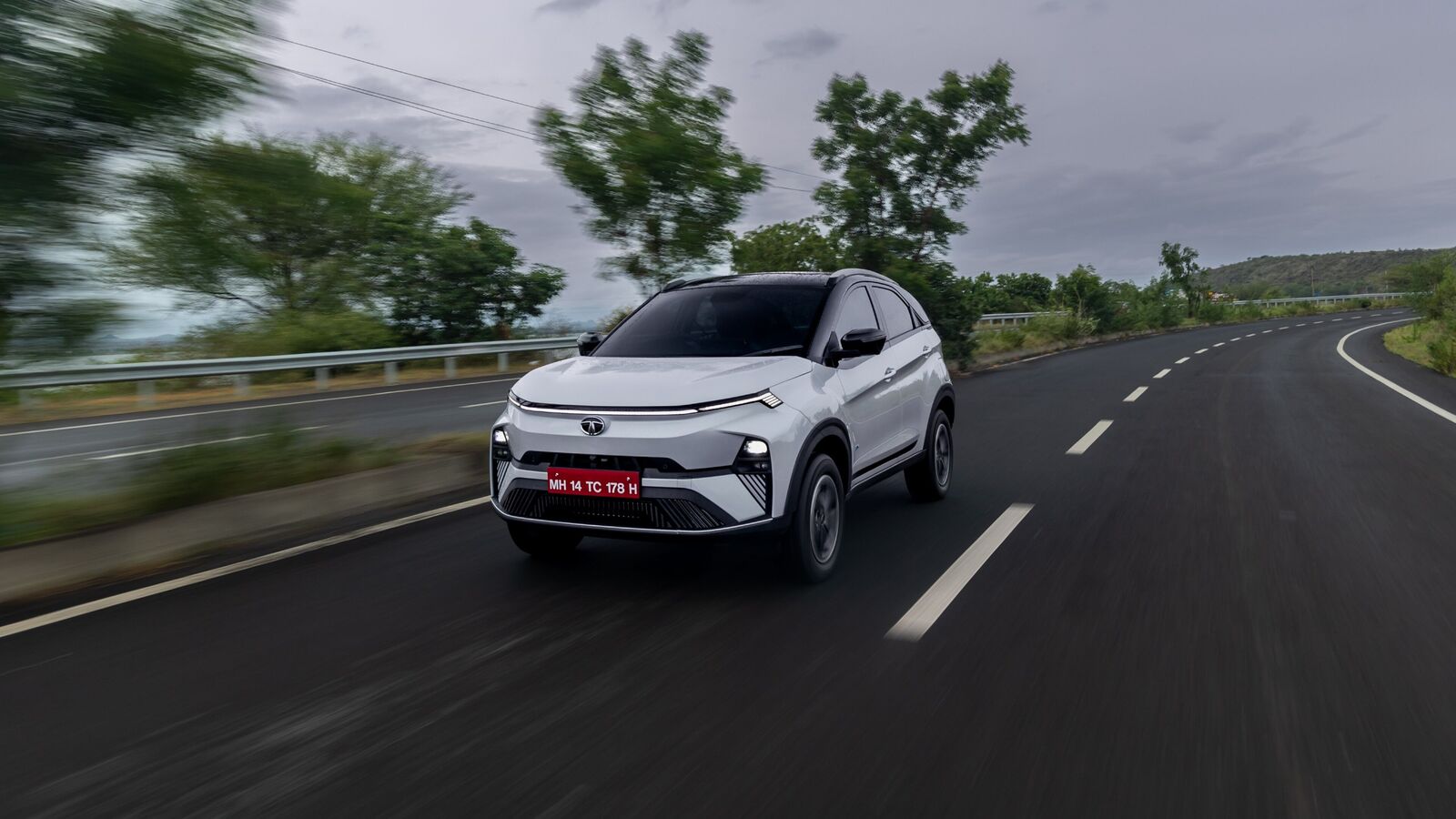
Tata Nexon EV, which was the market leader for a long time, has slipped to the third position this time. Its 2,410 units have been sold in February 2026. Although Nexon is still a trusted name, new offerings from Mahindra and MG have given tough competition to its market share.

Add News18 as
Preferred Source on Google

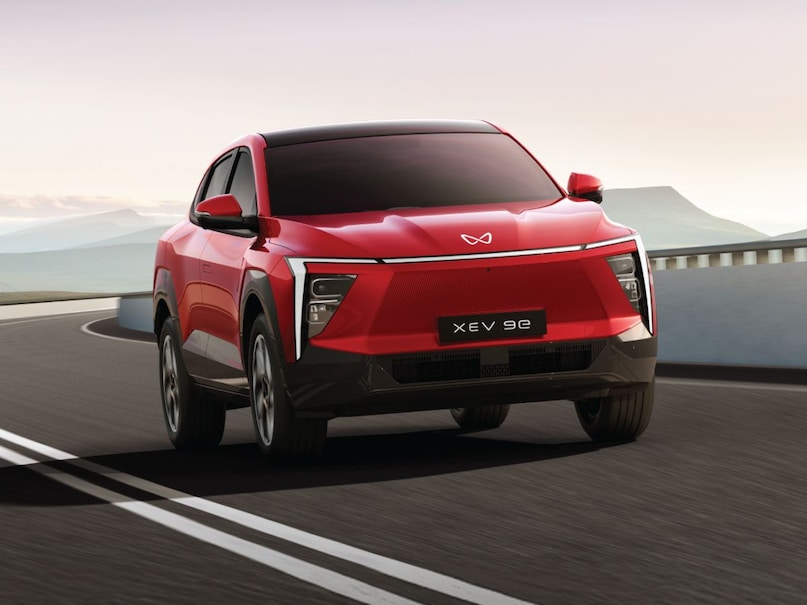
Mahindra XEV 9e

Mahindra's second premium offering XEV 9e is also included in the top chart. It secured fourth position with sales of 1,889 units. Due to its luxury features and futuristic design, it is attracting those customers who want a high-tech driving experience.

Tata's powerful Harrier EV was at fifth place. Its sales performance in February was quite good and it made its place in the premium SUV segment. Tata Motors has launched it with features like large battery pack and all-wheel drive (AWD), which make it special.

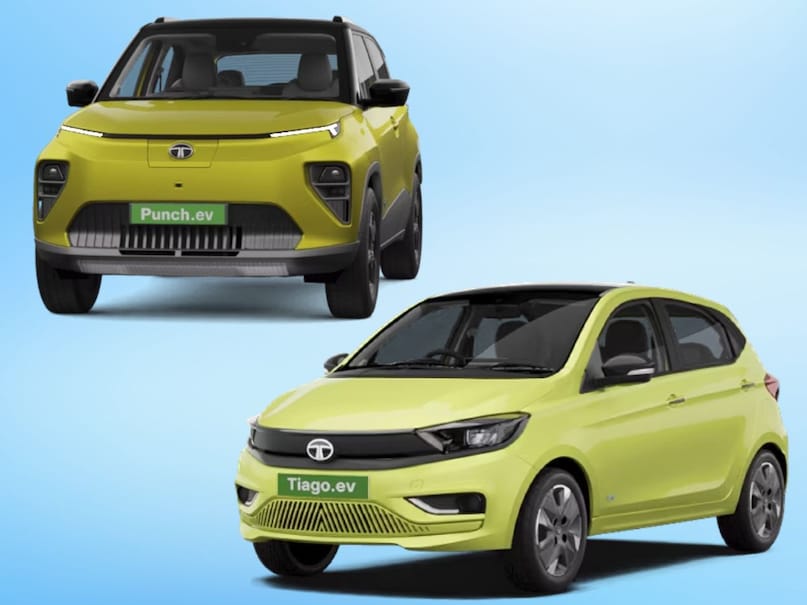
Tata Punch EV Facelift vs Tata Tiago EV

In the affordable range of Tata Motors, Tiago EV and Punch EV stood at seventh and ninth position respectively. 1,226 units of Tiago EV and 1,061 units of Punch EV were sold. Both these models remain a great option for those who want a small EV for city use.

Top 10 Electric Cars in India

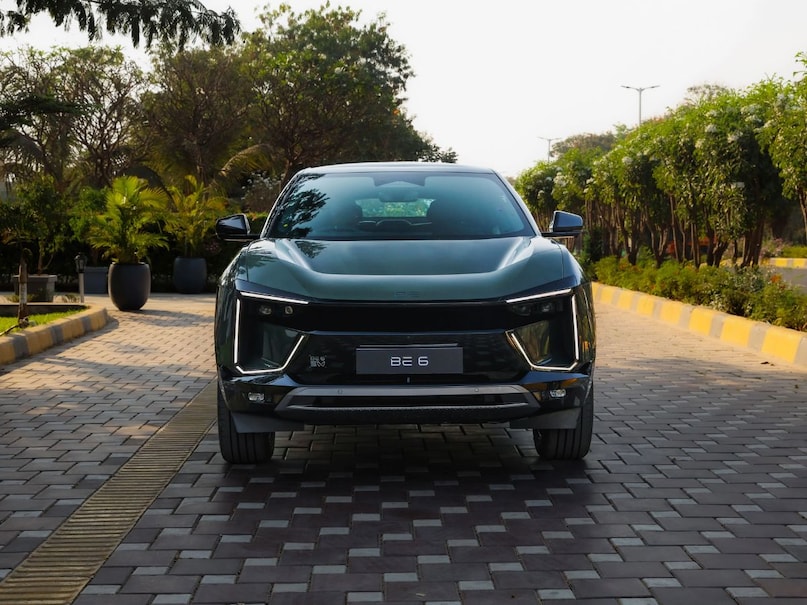
Mahindra's sports electric car BE 6 has also made it to the top 10. Its 1,104 units were sold in February, due to which it remained at number eight in the list. Due to its sharp looks and performance, it is in great demand among the youth.

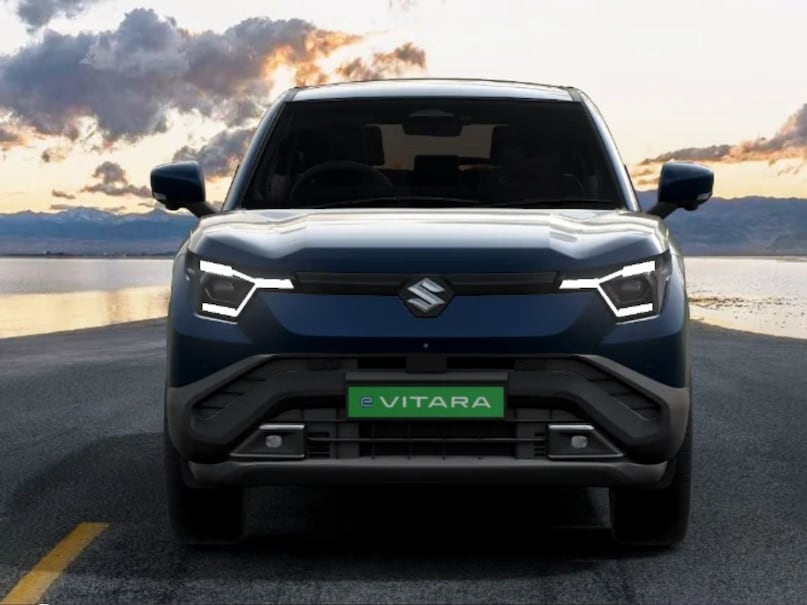
The country's largest car manufacturer Maruti Suzuki has also registered its presence in the EV segment. Their first electric car e-Vitara secured 10th position with sales of 870 units. With the entry of Maruti, the competition is expected to become more interesting in the coming times.

Click here to add News18 Hindi as your favorite news source on Google.

Source link

Tata Motors crosses 2.5 lakh EV sales in India, outlines future roadmap for 2026

Tata Motors crosses 2.5 lakh EV sales in India, outlines future roadmap for 2026

  • Tata Motors has crossed 2.5 lakh cumulative EV sales in India, backed by its extensive electric car portfolio and early entry into the segment.

Tata Motors has crossed 2,50,000 cumulative EV sales in India since launching the Nexon EV as its first mainstream electric car in 2020.

View personalized offers

check offer icon check offers

Tata Motors announced that it has crossed 2,50,000 cumulative EV sales in India, a significant milestone in its electric passenger vehicle business since launching its first mainstream electric car, the Nexon EV, in 2020. That SUV is now the first EV in India to cross 1 lakh cumulative sales.

According to the Indian manufacturer, the latest milestone was recorded across its current EV portfolio, which includes the Nexon EV, Harrier EV, Tiago EV, Express-T EV for the fleet segment and the recently introduced Punch EV. Tata said its EVs now account for a larger share of the overall passenger EV market, supported by early entry into the segment and offering models across body styles and different price points.

The carmaker attributed this growth to growing EV demand among private buyers and fleet operators, especially in urban markets. Tata Motors further claimed that Tata EV owners have collectively driven more than five billion kilometers, a figure that reflects the growing acceptance of EVs in the real world rather than limited-use ownership.

Commenting on the milestone, Shailesh Chandra, MD and CEO, Tata Motors Passenger Vehicles Limited, said, “The sales of 250,000 EVs demonstrate that electric mobility is fast becoming a part of everyday Indian life. Our customers are driving more, traveling farther, and are increasingly relying on EVs as their only car. Our EV journey, which began in 2018, is never about to lead alone. This progress is the result of the visionary policies of the government, the steadfast support of our supplier partners and charging infrastructure providers and above all, the trust and enthusiasm of TATA.ev customers. As EV adoption accelerates, our commitment remains clear: by making it accessible across all sectors, strengthening the ecosystem and investing in India-first technology and localisation. Will continue to lead the growing EV market.

Also read: Jaguar F-Pace production discontinued, brand closes chapter of 90 year long ICE era

Tata's ongoing commitments towards the Indian EV landscape

Tata continues to invest in Indian charging infrastructure through partnerships and its Tata Power-supported ecosystem, which now has over 20,000 public charging points available across the country.

The company further said that it is preparing to expand its EV lineup with new products based on its dedicated EV architecture along with software and connectivity updates aimed at improving the ownership experience. It is set to launch the upcoming Sierra EV and updated Punch EV in early 2026, while the Avinya range of premium luxury EVs is due to be covered by the end of next year. This is a part of Tata's larger target to have five new EV nameplates, including Sierra and Avinya, by fiscal 2030, supported by major updates to its portfolio.

Check out upcoming EV cars in India.

First publication date: 23 Dec 2025, 16:19 PM IST

Source link