Auto News Weekly Wrap-UP: From the launch of new Punch EV to the entry of Gravity 7-seater, these are the 5 big news of the week.

Auto News Weekly Wrap-UP: From the launch of new Punch EV to the entry of Gravity 7-seater, these are the 5 big news of the week.

Last Updated:

Auto News Weekly Wrap-UP: In the third week of February 2026, Tata Motors, Maruti Suzuki, Nissan, Kia Seltos and BMW have boosted the Indian auto market by launching new electric, family and luxury models. Read this week's top-5 news.

Zoom

Auto News Weekly Wrap-UP

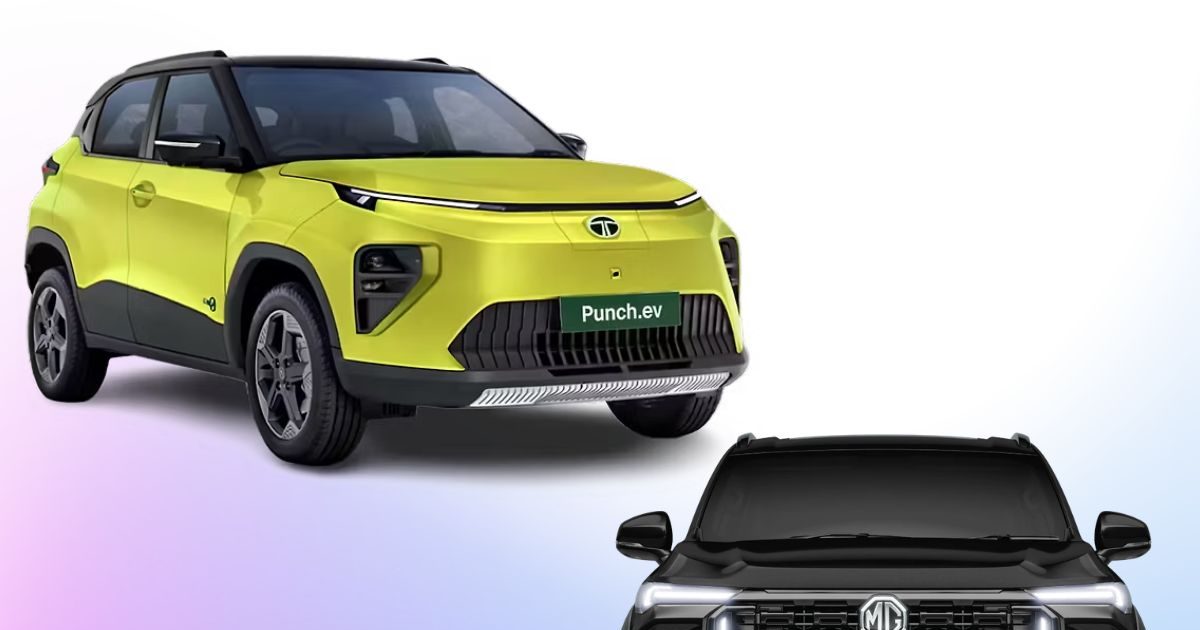
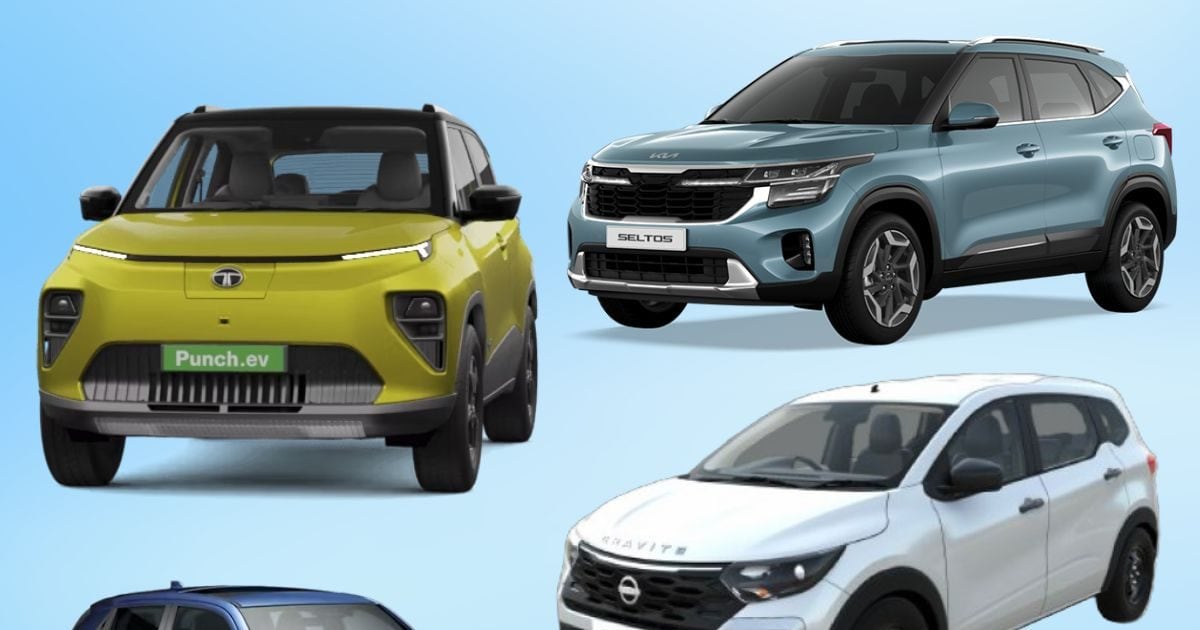
Auto News Weekly Wrap-UP: There has been a rise in the Indian auto market in February 2026. This week Tata Motors launched the facelift model of 2026 Punch EV which has a bigger battery and more range. Maruti Suzuki introduced its first electric SUV E Vitara which will bring affordable electric mobility with battery-as-a-service plan.

Nissan launched the Gravity 7-seater MPV, which is a budget friendly option for families. Kia Seltos achieved the milestone of sales of 6 lakh units and BMW gave a new powerful option to luxury SUV lovers by launching the new X3 30 xDrive M Sport Pro. These launches will meet the growing needs of customers in the electric, family and premium segments.

2026 Tata Punch EV launch

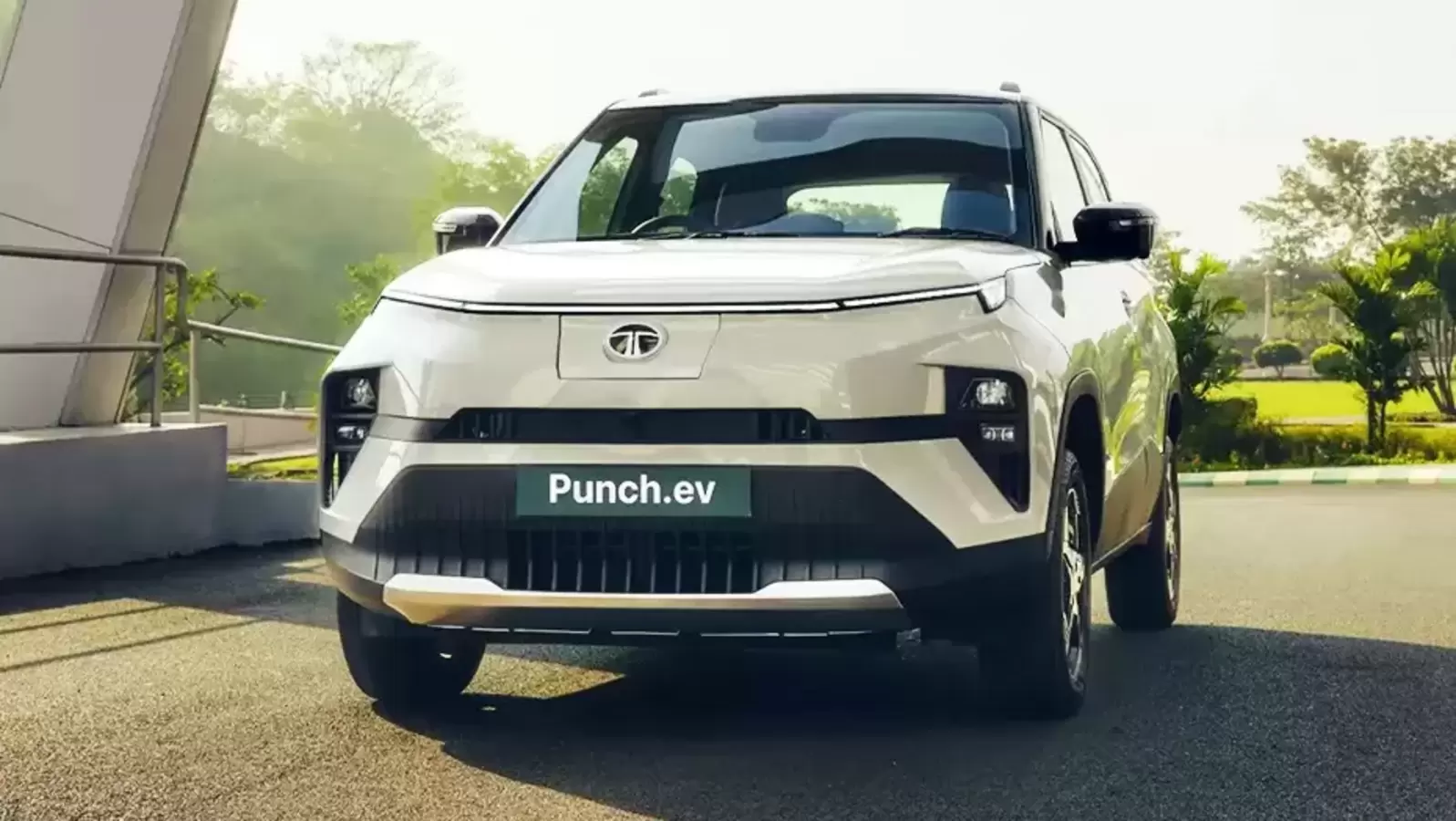
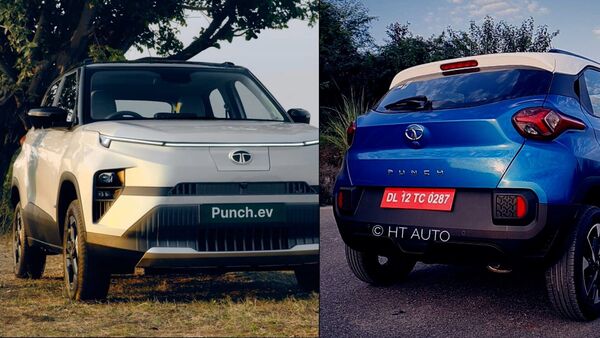
Tata Motors has launched the 2026 Punch EV facelift on 20 February. It will now have 30 kWh and 40 kWh battery options which give ARAI certified range of up to 468 kilometers. In the real world it is estimated to be around 355 km. There have been mild changes in the exterior. Prices start at just Rs 6.49 lakh for the 40 kWh variant with 135 km fast charging in 15 minutes and battery-as-a-service plan. It will compete with vehicles like Citroen EC3 in the budget electric SUV segment.

Maruti E Vitara launch

Maruti Suzuki has launched its first mass-market electric SUV e Vitara around 17 February 2026. It has a range of up to 543 kilometers and the starting price of the Delta variant on battery-as-a-service plan is only Rs 10.99 lakh. The vehicle has 6 airbags, advanced safety and modern cabin. The battery rental plan is available at just Rs 3.99 per kilometre, making electric cars very affordable for Indian families. Zeta and Alpha variants are also available.

Nissan Gravit 7-seater MPV launched

Nissan has launched the Gravity 7-seater MPV on February 18, whose starting ex-showroom price is Rs 5.65 lakh. This sub-4 meter family car is built on the Renault Triber platform but has been provided with features like Nissan styling, premium interior, sliding second row seats and removable third row. 1.0 liter petrol engine with manual and AMT options. It has 6 airbags. Delivery will start from March 2026.

Seltos crosses 6 lakh units sales milestone

Kia India announced that after its launch in 2019, Seltos has crossed the total sales mark of 6 lakh units in February 2026. 29 percent of sales were of top variants which shows the demand for premium features and safety. Regular updates, bold design and multiple powertrain options have kept it ahead of vehicles like Creta. This achievement reflects Kia's successful journey in India and the growing popularity of the Seltos.

BMW X3 30 xDrive M Sport Pro launched

BMW has launched the new X3 30 xDrive M Sport Pro on February 16, whose ex-showroom price is Rs 74.50 lakh. Locally assembled in Chennai, this model produces 258 hp and 400 Nm power with a 2.0 liter turbo-petrol mild-hybrid engine. The xDrive all-wheel drive and 8-speed automatic accelerates from 0-100 km/h in just 6.3 seconds. Features like the new Brooklyn Gray color, M Sport styling and BMW OS 9 make it the best combination of performance and luxury.
Source link

MG showed the way, Tata and Maruti raced on it! How right is it to buy EV with BaaS scheme? Know

MG showed the way, Tata and Maruti raced on it! How right is it to buy EV with BaaS scheme? Know

Last Updated:

Buying an EV in India has now become easier than before. After the success of MG Motor India's BaaS model, Tata Motors and Maruti Suzuki have also entered this race. Low upfront cost, separate battery EMI and affordable starting price. Will this really change the EV market? Read the full report.

news immediately

Zoom

BaaS Scheme

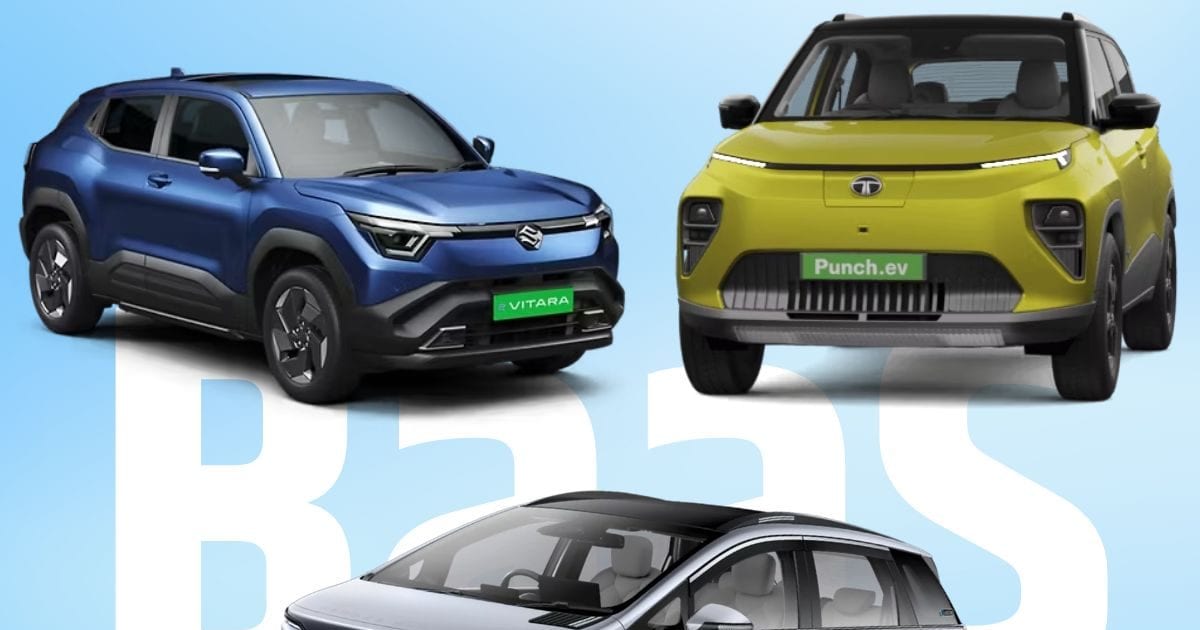
Now the real revolution has started in the Indian EV market. MG Motor India showed how it can solve the battery problem that makes EVs expensive by introducing Battery as a Service (BaaS) with the Windsor EV in 2024. Now Tata Motors and Maruti Suzuki have also started on the same path. In February 2026, both the companies have launched electric vehicles with BaaS. The question is, will this completely change the EV market?

MG made BaaS mainstream. The full price of Windsor EV is around ₹ 14 lakh, but on BaaS it remains only ₹ 9.99 lakh + ₹ 3.9 per km battery charge. Comet EV starts at ₹4.99 lakh + ₹3.2/km What's the result? Saving of Rs 4-5 lakh in upfront cost, zero tension of battery degradation or replacement. Perhaps this is why Windsor EV became India's best selling EV. Will Tata and Maruti also be able to do this? Come, let us try to find out.

Tata's 'Twin EMI' scheme

Tata has launched Punch EV facelift on 20 February 2026. The 40 kWh battery is capable of delivering a real world range of 355 km. The normal price is ₹ 9.69 lakh, but it can be purchased with BaaS for only ₹ 6.49 lakh, in which battery rent of ₹ 2.6/km will have to be paid separately. Tata is calling it 'twin EMI', in which the EMI of the car is separate and that of the battery. This can prove to be a game changer for small towns and middle class.

Maruti Suzuki launched its first electric car eVitara on 18 February. The full price of the base variant is ₹ 15.99 lakh, but with BaaS it can be purchased for only ₹ 10.99 lakh, in which battery rent will have to be paid at the rate of ₹ 3.99/km. This fare will increase to ₹4.39/km on the larger 61 kWh variant. Direct savings of up to ₹ 5 lakh are seen upfront. Maruti's large service network and brand trust can make it more popular.

Why is BaaS a game changer?

The biggest hurdle for EVs in India is the upfront cost. BaaS scheme solves this to a great extent. The buyer just buys the car. The battery remains on rent. The upfront savings cover the battery charge for 80,000-1 lakh km even in the long run. Resale value is better because the battery is different. This formula makes buying an EV as easy and cheap as buying an ICE car.

Where will the problem arise?

However, this is not such an easy task. Some challenges are also emerging. Monthly bills may prove costly for those who drive more kilometres. Charging infra is still weak, long trips are difficult. However, government schemes, fast charging stations and aggressive plans of companies will be able to overcome these.

Source link

Which is better between 2026 Tata Punch EV and Mahindra XUV 3XO EV? know the difference

Which is better between 2026 Tata Punch EV and Mahindra XUV 3XO EV? know the difference

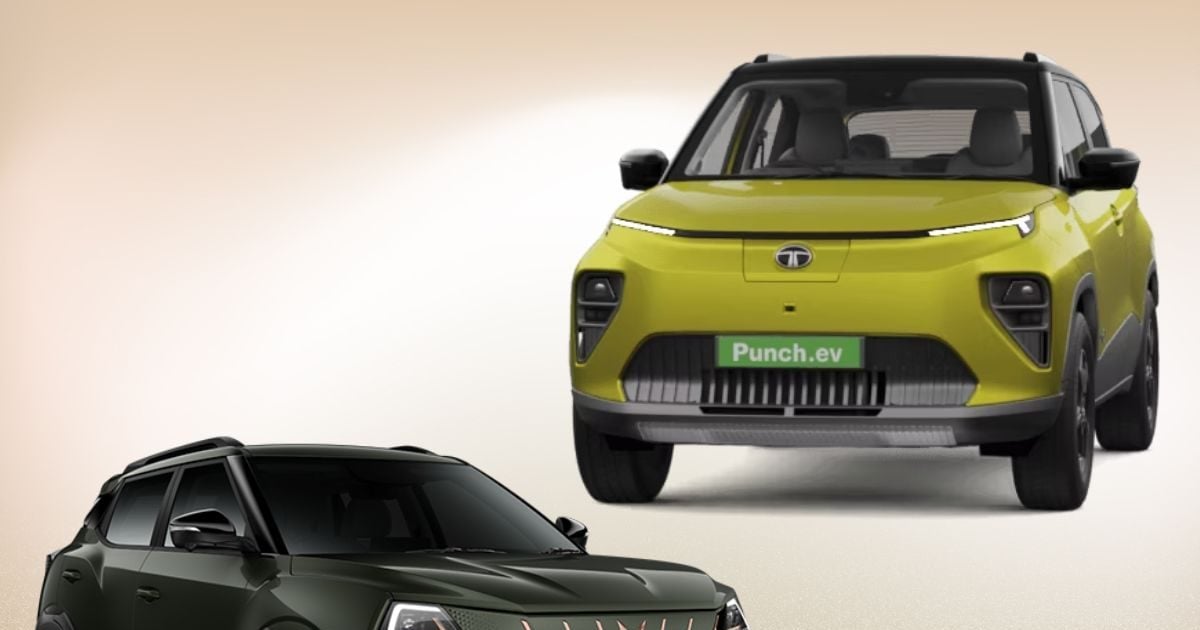
Both Tata Punch EV and Mahindra XUV 3XO EV are popular compact electric SUVs in India. These are great options for city driving and family use. The Tata Punch EV is in the micro-SUV segment, while the Mahindra XUV 3XO EV is a slightly larger and premium sub-compact SUV. Both the electric cars have received a new update.

On one hand, Punch EV is budget-friendly and perfect for the city. Whereas, XUV 3XO EV comes with more power, better range and luxury features. If you are planning to buy either of these two, then this article of ours is useful for you. Let us have a look at their price, design, features, safety, battery, motor and range details.

price comparison

The starting ex-showroom price of Tata Punch EV starts from ₹ 9.69 lakh. However, it can be purchased with BaaS option for only ₹ 6.49 lakh. Whereas, the top variant will be available for ₹ 12.59 lakh. Mahindra XUV 3XO EV prices start at ₹13.89 lakh (AX5) and go up to ₹14.96 lakh (AX7L). The Punch EV is cheaper and better suited for budget buyers, while the XUV 3XO EV is in the premium segment.

who is better in design

The design of Tata Punch EV is compact, boxy and rugged, with strong looks, short overhangs and high ground clearance. It is easy for parking and maneuvering in the city. The design of Mahindra XUV 3XO EV is more modern and stylish, with sharp lines, big grille, LED lights and premium feel. It looks a little bigger and more presentable.

Which is better in interior?

The interior of Punch EV is simple and practical. It can be purchased with dual-tone theme, 10.25-inch infotainment screen and good space. The XUV3XO EV is more premium. It has dual-screen setup, high-quality materials, large space, panoramic sunroof and luxury touch. Both are close in rear seating and boot space (364L vs 366L), but the XUV3XO is more comfortable.

Features and safety

Punch EV has 360-degree camera, wireless charging, cruise control and connected car tech. XUV 3XO EV is more advanced. It can be bought with Level-2 ADAS, Harman Kardon sound system, 360-degree camera, panoramic sunroof and multi-drive modes (Fun, Fast, Fearless). Both get features like 6 airbags, ESP and TPMS with 5-star safety rating.

Battery, Motor and Range

Tata Punch EV has 30 kWh or 40 kWh battery options. Its range is 335-468 km (ARAI). The motor produces 80-127 bhp and 114-2000 Nm wheel torque. The XUV3XO EV has a 39.4 kWh battery, with a range of 456 km (claimed). The motor gives 147.5 bhp and 310 Nm. It can reach the speed of 0-100 kmph in 8.3 seconds. Both support fast charging (DC).

Source link

Auto News Weekly Wrap-Up: From pictures of new Tata Punch EV to entry of MG Majestor, these are the big news of the week

Auto News Weekly Wrap-Up: From pictures of new Tata Punch EV to entry of MG Majestor, these are the big news of the week

Auto News Weekly Wrap-Up: The second week of February 2026 was much better for the Indian auto market. On one hand, Tata Motors has introduced its cheapest electric SUV in a new avatar. At the same time, a news has also come that India is now moving towards adopting WLTP testing cycle, which is an effort to make fuel efficiency and emissions more realistic.

Apart from this, spy shots of SKODA Slavia Facelift have also been revealed, which indicate updates in design and features. Finally, the MG Majestor has finally been introduced after a long wait. Let us know about this week's top news one by one.

Tata Punch EV facelift seen

Tata Motors has recently teased the Punch EV facelift through pictures. It will be launched on 20 February 2026. This model will have updated styling and a fully electric approach, which is perfect for urban driving. In the facelift version, a range of 563 kilometers can be obtained on a single charge, which is more than before. The exterior includes a cleaner closed grille, sharper looks and Y-shaped LED DRLs.

The interior features a large central touchscreen, digital instrument cluster and a dual-spoke steering wheel. This model will strengthen Tata's EV range, especially in the budget-friendly segment. Prices could start around Rs 10 lakh and it is going to be smaller than the Nexon EV but feature-packed. The spy shots reveal that it is completely uncamouflaged, which is adding to the excitement ahead of the launch.

India will adopt WLTP testing cycle

The Government of India has decided to adopt WLTP (Worldwide Harmonized Light Vehicle Test Procedure) from April 2027. This new protocol will be applicable to all M1 category vehicles like cars, SUVs and MPVs. Modified Indian Driving Cycle (MIDC) is currently used, but WLTP better reflects real-world driving.

This cycle, implemented in Europe since 2018, will make fuel efficiency and emissions more accurate, thereby providing correct information to consumers, BS6 vehicles will have to undergo this new test, but EVs will remain on MIDC for now. This change will also affect the Corporate Average Fuel Efficiency (CAFE) norms, which is an important step towards environmental protection.

Skoda Slavia facelift seen

Testing pictures of Skoda Slavia facelift have been revealed. It can be launched in May 2026. The fully camouflaged test mule shows updates to the LED headlights, revised grille and integrated lighting elements. Features may include electric sunroof, 6-way powered and ventilated front seats, 10.1-inch touchscreen and AIDS suite.

The design will have reworked bumpers, new alloy wheels and revised taillights. There will be no mechanical changes, but the price will remain between Rs 12 to 19 lakh. This update will make Slavia stronger in competition with Honda City and Hyundai Verna. The price may also increase slightly compared to the current model.

Entry of MG Majestor

MG Motor India has unveiled the Majestor SUV, which is the flagship model above the Gloster. It is in the D+ segment, which has a 215 bhp diesel engine, advanced off-roading tech and 4X4 capability. The exterior has a heavily redesigned front, connected LED taillamps and thick cladding.

The interior features an all-black theme, heated/massaging seats and locking differentials. It will come in 6 or 7-seater option and the price can potentially start from Rs 50 lakh. The company has started taking bookings for a token amount of only Rs 41 thousand and the delivery will start from May 2026.

Source link

Tata Punch EV Facelift will enter the Indian market on February 20, know what will change

Tata Punch EV Facelift will enter the Indian market on February 20, know what will change

Tata Punch EV Facelift has been spotted several times during testing. Now the company is ready to launch it in the Indian market. Tata Punch EV facelift is tentatively scheduled to launch on 20 February 2026. This is an updated electric version of Tata's popular micro-SUV, which will bring improvements in design, features and potential range from the current model.

Its estimated price will be around the current ₹ 9.99 lakh to ₹ 14.44 lakh (ex-showroom). However, it may increase slightly due to updates. It will give a strong competition in the compact EV segment, which will have better looks, more tech and safety focus. Let us know what changes can happen in Tata Punch Facelfit.

Design and interior

Tata Punch EV facelift will be inspired by the existing ICE Punch facelift (2026). The front will get a new LED headlamp setup, redesigned bumper, connected LED DRLs and updated grille, which will look more aggressive and modern. The rear will have connected taillights, new bumpers and refreshed tailgate design. The side profile will have new alloy wheels and SUV-like cladding. Overall, it will look more premium and attractive than before, and the ground clearance will remain good.

The interior will get a larger 10.25-inch or larger free-standing touchscreen infotainment system, digital instrument cluster and updated steering wheel. There will be touch-based AC controls, premium upholstery, better seating and seats with extended thigh support. Cabin space will be optimized. New color schemes, soft-touch materials and modern layout can increase the premium feel. Boot space is also expected to be adequate.

Features and safety

The facelift will get advanced features like larger touchscreen, wireless Android Auto/Apple CarPlay, connected car tech (iRA), voice assistant, premium sound system, sunroof, automatic climate control, air purifier, cruise control, push-button start, wireless charging and multi-mode regenerative braking. These features will be more attractive than the current model.

In terms of safety, it will have 6 airbags, ABS, EBD, ESC, TPMS, 360-degree camera, reverse parking sensors, hill hold and electronic parking brake as standard. It is built on acti.ev platform, so structural safety will be high. Potential ADAS features like lane assist or auto braking could also be added. High rating is expected in BNCAP. (about 70 words)

Battery, Motor and Range

The existing 25 kWh and 35 kWh battery packs are likely to remain in the facelift. With 25 kWh pack, you will get 80-82 bhp power, 114 Nm torque and 265-315 km claimed range (MIDC). 120 bhp power, 190 Nm torque and 365-421 km range will be available in 35 kWh pack. Some reports suggest a new 40.5 kWh pack and a range of up to 500 km. However, official confirmation regarding this is yet to happen.

Source link

Tata preparing to rule the electric car market, Avinya brand will change the whole game

Tata preparing to rule the electric car market, Avinya brand will change the whole game

New Delhi. Tata Motors has its eyes fixed on the premium market. The main attraction of the company's new electric vehicle lineup is now the Avinya brand, which will serve as the flagship offering after its launch late next year. The company plans to invest Rs 16,000 to 18,000 crore between financial years 2025 to 2030 to develop new products, platforms and support the growing electric ecosystem.

Also waiting for Sierra EV

The Sierra EV, which is due to arrive in early 2026, and the Punch EV, which is due to get a facelift soon, will act as a bridge between the mass-market and premium offerings of the Avinya series. Total sales of Nexon EV, Tiago EV, Punch EV, Harrier EV and Curve EV in India have crossed the 2.5 lakh units mark. Tata's electric range has played a key role in increasing volumes in the last five years, with the Nexon EV selling more than one lakh units. The first vehicle under the Avinya range will likely be an SUV or Sportback, followed by several other body styles.

Dealership and Digital Interface

Unlike the existing range, the company is preparing to adopt a blended sales approach for Tata Avinya models by combining physical dealerships and digital interfaces. Its rivals will be globally recognized electric models like Hyundai Ioniq 5, Kia EV6, Tesla Model Y and luxury entry-level EVs from German companies. Tata is being flexible in terms of technological development. The company has indicated that Avinya will not be limited to a single battery chemistry, but will also adopt options other than LFP in terms of range, safety, charging speed and packaging efficiency.

Target of 10 lakh charging points

Especially work is being done in areas like electrical architecture, safety systems and software integration. Tata aims to install 40,000 charging points under the open collaboration model by 2027. In the future plan, the company has set a vision to reach a total of ten lakh chargers including one lakh public charging points by the end of the decade.

Keep an eye on big market share

Tata says that more than 50 percent domestic value addition has been achieved at the Tier 3 supplier level, due to which the company is getting PLI benefits. Used EV batteries are also being used for renewable energy storage, thereby promoting the circular economy. At present, Tata Motors' EV market share is between 40 to 45 percent and the company is confident of taking it to 45 to 50 percent soon.

Source link

After Sierra, Tata is preparing to shake the market again, 3 new cars are going to create a stir

After Sierra, Tata is preparing to shake the market again, 3 new cars are going to create a stir

New Delhi. Tata Motors recently achieved a new sales milestone in the electric mobility segment in India. The domestic automaker has sold more than 2.5 lakh electric vehicles so far, out of which more than 1 lakh units are of Nexon EV alone. To further strengthen its position, Tata Motors plans to expand its product portfolio and charging network in the coming years.

Tata will launch three new electric models in 2026
While announcing this EV sales milestone, the company also confirmed that it will launch three new electric models in 2026, including the Sierra EV, the updated Punch EV and the Avinya EV. The Sierra EV and Punch EV will be launched in the first half of 2026, while the premium Avinya range will be introduced in the second half of the year.

Premium Tata Avinya EV
The Avinya range will be Tata's new premium electric product portfolio, based on its Gen-3 born electric architecture. We saw the Avinya concept at the last Bharat Mobility Show, which featured futuristic design language and minimalist cabin theme. Its key design elements include the unique grille, full-width LED light bar, slim headlamps, slim screen integrated into the dashboard, new steering wheel with screen and sustainable materials.

equipped with smart features
The upcoming Tata Avinya EV is expected to get advanced technologies like next-gen ADAS, OTA updates, ultrafast charging, battery management system and integrated propulsion system. Its driving range can be more than 500 kilometers per charge, and the battery can be charged in less than 30 minutes.

Tata Sierra EV
Tata Sierra EV and updated Punch EV will be launched in the first half of 2026. The electric version of Sierra may share its platform and powertrain with the Harrier EV. There won't be much change in design and features, but the EV version may get some EV-specific software upgrades and badges.

New Tata Punch EV Facelift
The 2026 Tata Punch EV may see mild design changes and feature upgrades, while the existing powertrain options will remain intact. There is talk that the updated model may get the 45kWh battery pack of the Nexon EV, which gives an ARAI range of 489 km on full charge.

Source link

Tata Punch EV Ground Clearance, Boot Space And Dimensions

Tata Punch EV Ground Clearance, Boot Space And Dimensions

This article will give you details about the dimensions, or length, width, height and wheelbase of the Tata Punch EV. We’ll also look at the ground clearance, boot space, fuel tank capacity and tyre size of the Tata Punch EV.

The Tata Punch EV is 3827mm long, 1742mm wide and 1615mm tall. Bigger exterior dimensions give a car a stronger road presence. The Punch EV has a 2445mm long wheelbase. A longer wheelbase makes the car more stable at high speeds and gives better legroom in the back seat, while a shorter wheelbase makes the car more agile.

TATA PUNCH EV DIMENSIONS

Length

3827mm

Width

1742mm

Height

1615mm

Wheelbase

2445mm

Ground Clearance

190mm

Boot Space

366L

Wheel Size

195/60 R16

The Tata Punch EV has a boot space measuring 366 litres. The Punch EV has a ground clearance of 190mm. The tyre size of the Tata Punch EV is 195/60 R16. Cars running on bigger wheels provide better handling and styling. However, these advantages come at the cost of efficiency. Having bigger wheels means more metal and more rotating mass. Therefore, it adversely impacts your drivability, performance and mileage.

What Are The Dimensions Of Tata Punch EV?

The Tata Punch EV is 3827mm long, 1742mm wide and 1615mm tall.

What Is The Length Of Tata Punch EV?

The Tata Punch EV is 3827mm long. Here’s the length of Punch EV in other units like centimetres, metres, feet and inches:

TATA PUNCH EV LENGTH

Millimetres

3827mm

Centimetres

382.7cm

Metres

3.827m

Inches

150.67in

Feet

12.56ft

What IsThe Width Of Tata Punch EV?

The Tata Punch EV is 1742mm wide. Here’s the width of Punch EV in other units like centimetres, metres, feet and inches:

TATA PUNCH EV WIDTH

Millimetres

1742mm

Centimetres

174.2cm

Metres

1.742m

Inches

68.58in

Feet

5.72ft

What Is The Height Of Tata Punch EV?

The Tata Punch EV is 1615mm tall. Here’s the height of Punch EV in other units like centimetres, metres, feet and inches:

TATA PUNCH EV HEIGHT

Millimetres

1615mm

Centimetres

161.5cm

Metres

1.615m

Inches

63.58in

Feet

5.3ft

What Is The Wheelbase Of Tata Punch EV?

The Tata Punch EV has a wheelbase measuring 2445mm. Here’s the wheelbase of Punch EV in other units like centimetres, metres, feet and inches:

TATA PUNCH EV WHEELBASE

Millimetres

2445mm

Centimetres

244.5cm

Metres

2.445m

Inches

96.26in

Feet

8.02ft

What Is The Boot Space Of Tata Punch EV?

The Tata Punch EV has a boot space measuring 366 litres. Here’s the boot space information of Punch EV in other units like cubic centimetres, cubic metres, cubic inches and cubic feet:

TATA PUNCH EV BOOT SPACE

Litres

366L

Cubic Centimetres

366000cm3

Cubic Metres

0.366m3

Cubic Inches

22334.78in3

Cubic Feet

12.93ft3

What Is The Ground Clearance Of Tata Punch EV?

The Tata Punch EV has a ground clearance of 190mm. Here’s the ground clearance of Punch EV in other units like centimetres, metres, feet and inches:

TATA PUNCH EV GROUND CLEARANCE

Millimetres

190mm

Centimetres

19cm

Metres

0.19m

Inches

7.48in

Feet

0.62ft

Also read: Exclusive – Maruti Suzuki Celerio AMT Now Cheaper | V3Cars


Source link

Tata Punch EV to be launched on January 17

Tata Punch EV to be launched on January 17

The new Tata Punch EV takes things up a notch from its petrol-powered sibling and is based on the second-generation ActivEV platform promising about 3

The Tata Punch EV will go on sale on January 17 and prices are expected to be between ₹11-14 lakh (ex-showroom)

Tata Motors has confirmed the Punch EV is all set to go on sale on January 17, 2024. The Tata Punch EV was unveiled earlier this month and the model will be the brand’s most affordable electric SUV. The new Tata Punch EV takes things up a notch from its petrol-powered sibling and is based on the second-generation Pure EV platform called ActivEV. Pre-bookings for the new Punch EV are already open for a token of 21,000.

Tata Punch EV: Styling

The Tata Punch EV looks different from its petrol counterpart getting styling updates as seen on the Nexon EV facelift as well as the Curvv concept. The connected LED DRLs at the front, closed-off grille, slim LED headlamps, all are intended to bring the model in line with Tata’s electric SUV family. The design theme will also be prevalent on the upcoming Harrier EV slated for launch later this year. Other notable changes include new aero alloy wheels, while the rear remains identical with the addition of the new dual-tone bumper.

Also Read : Tata begins production at new Sanand plant acquired from Ford

Tata Punch EV
The Tata Punch EV is expected to get several segment-first features including upgrades over the petrol-powered Punch

Tata Punch EV: Features

The cabin remains under wraps for now but the Punch EV is expected to get the 10.25-inch touchscreen infotainment system from the Nexon EV facelift. It will also get the new UI, the two-spoke steering wheel with the illuminated Tata logo, a rotary drive selector and more. Expect the model to come with a new control panel for the HVAC unit.

On the feature front, the Punch EV is likely to get a 360-degree camera, leatherette seats with ventilation, electronic parking brake with auto hold, wireless charging, connected car tech, cruise control, a sunroof and more. Tata is also likely to bring the Arcade.ev app to the infotainment system allowing users to download interactive applications.

Tata Punch EV: Range

Built on the second-gen platform, the new Tata Punch EV will be available in standard and long-range versions. Specifications are yet to be revealed but expect to see 25 kWh and 35 kWh battery packs. Charging options will include a 3.3 kW on the standard and a 7.2 kW AC charger on the long-range model. Expect the long-range version to offer a range of about 300 km on a single charge. Tata says the new battery packs will be wider and will come with higher-density cells promising to improve efficiency by 10 per cent.

Also Watch: 2023 Tata Nexon EV facelift first drive review: Best-seller gets even better?

More details on the Tata Punch EV will be available on January 17. Deliveries should begin soon after the launch. The electric SUV will be sold via Tata’s new EV-only dealerships. Expect prices to be in the vicinity of 11-14 lakh (ex-showroom) and the Punch EV will primarily take on the Citroen E-C3 in the segment.

First Published Date: 12 Jan 2024, 20:01 PM IST


Source link