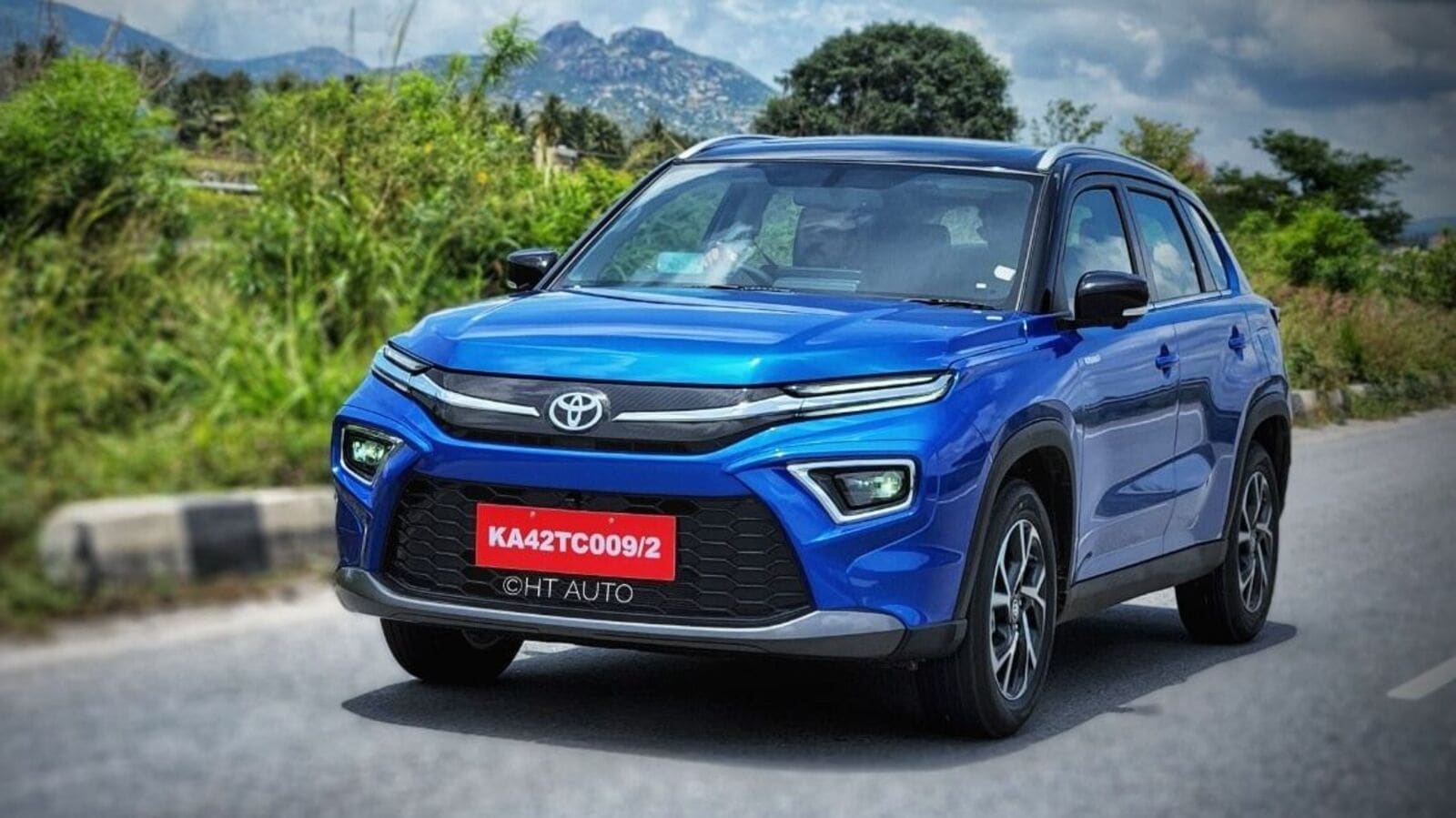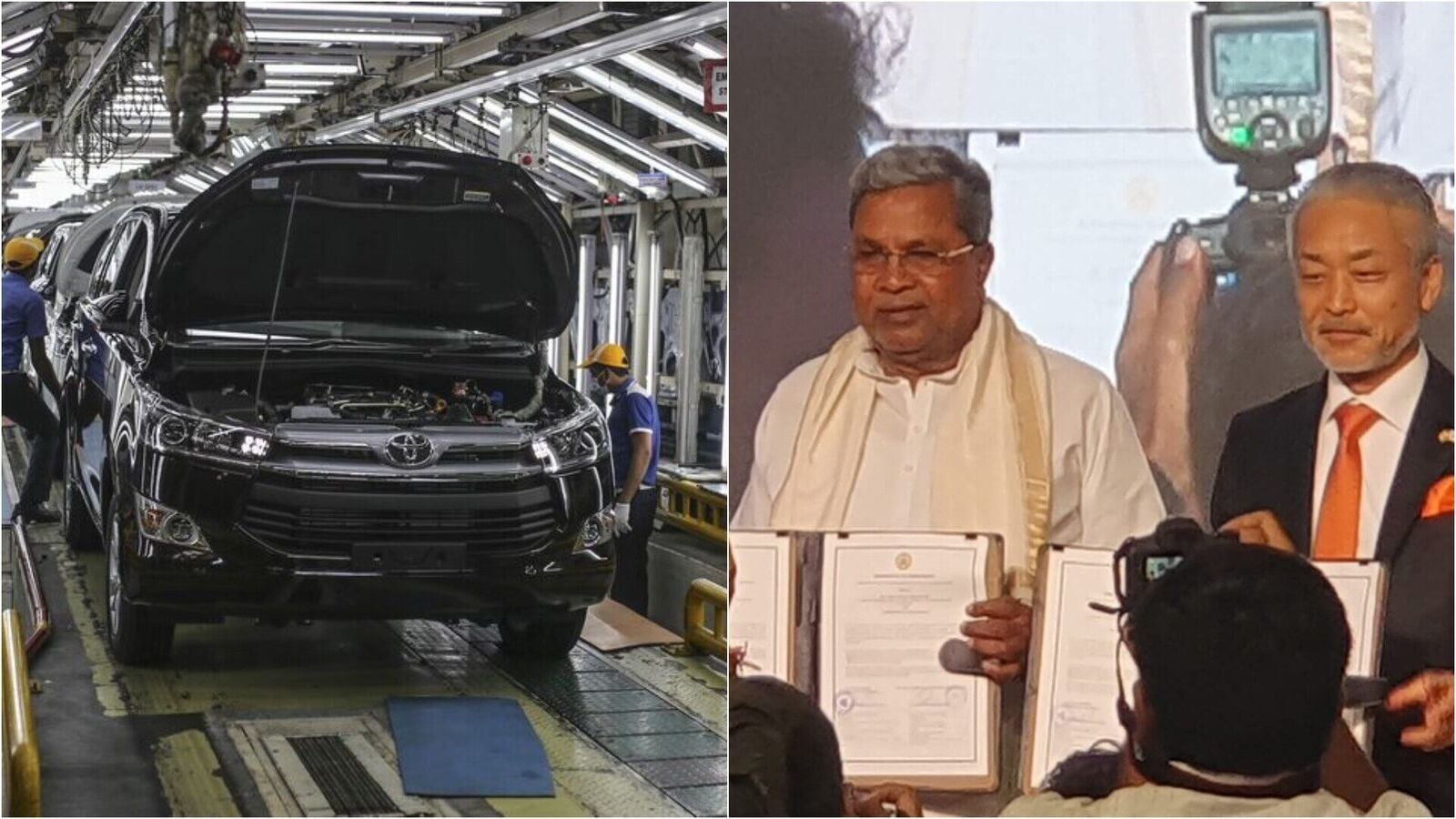
- Toyota Motor Corp's sales and production fell in November, driven in large part by a sharp decline in China as the country ended subsidies meant to boost sales of electric and fuel-efficient cars.
Toyota Motor Corp's sales and production fell in November, driven in large part by a sharp decline in China as the country ended subsidies meant to boost sales of electric and fuel-efficient cars.
The Japanese carmaker said Thursday that global sales – including subsidiaries Daihatsu Motor Co. and Hino Motors Ltd. – fell 1.9% to 965,919 units from a year earlier. Production declined 3.4% to 934,001 vehicles.
Global automakers are facing greater uncertainty as they navigate an environment of trade tensions, regulatory changes and an uncertain economic outlook. Toyota's results serve as a barometer for the industry's struggle to balance strong long-term demand with short-term economic and policy constraints.
Sales of Toyota and Lexus brands in China fell 12% in November, with the company citing the expiration of trade-in subsidies in major cities as funds ran out. The figures were released against the backdrop of ongoing diplomatic tensions between China and Japan since November, when Prime Minister Sanae Takachi made comments about Taiwan that angered Asia's largest economy. China responded by warning its citizens not to travel to Japan.
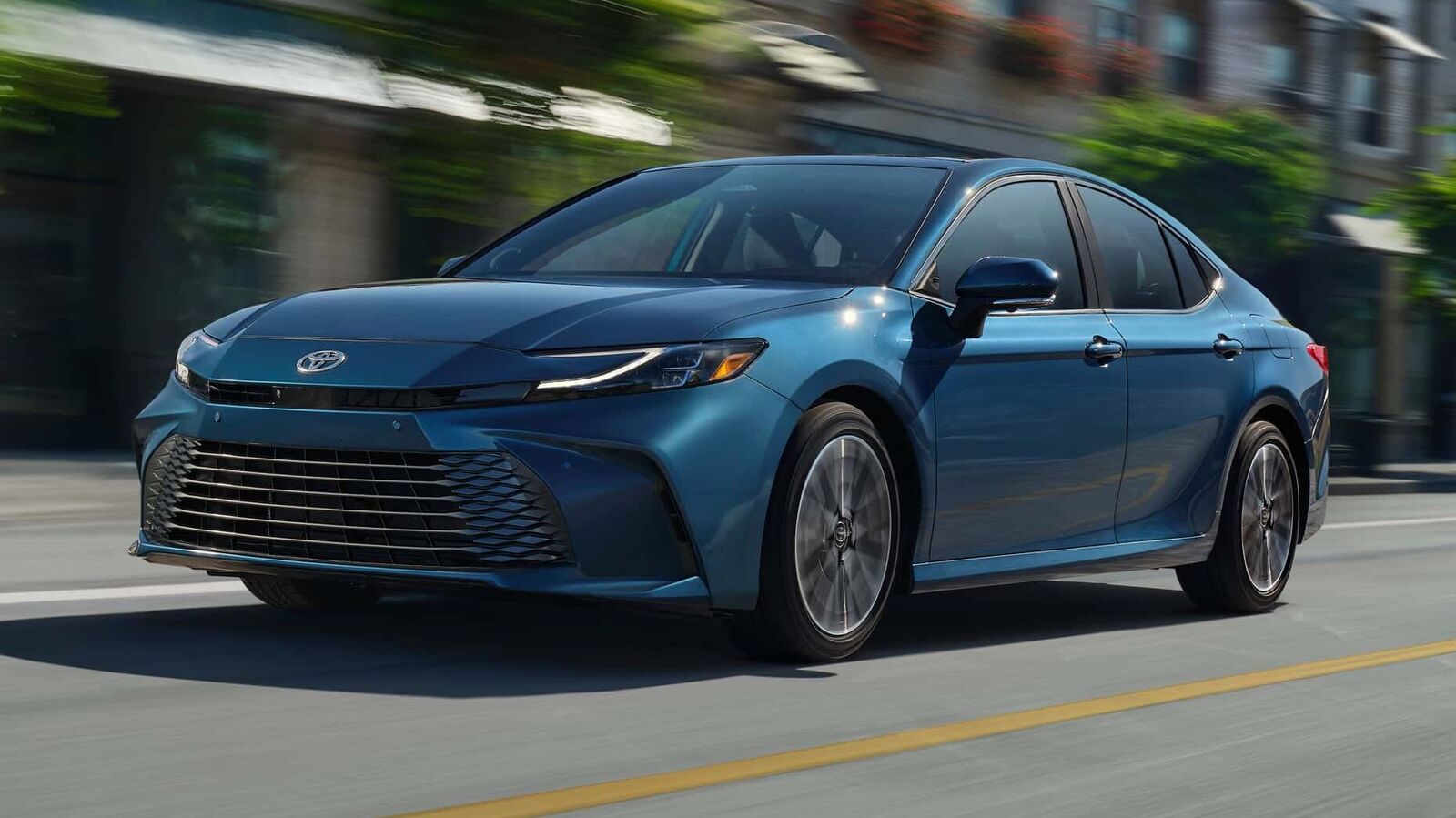
Also read: Toyota to sell US-made Camry, Highlander and Tundra in Japan from 2026
Toyota production in Thailand rose 15% last month and in the US 9%, but fell 14% in China, 9.7% in Japan and 7.9% in the UK.
The European Union's decision this month to roll back an effective ban on combustion engines appears to offer more flexibility to used carmakers seeking to mass-produce battery-powered cars. While Toyota and other Japanese carmakers that introduced gas-electric hybrid technology already had a lead over legacy makers that remain dependent on pure-gasoline cars, the EU amendment could give Chinese EVs the head start they've been waiting for.
Meanwhile, the company is in the crosshairs of President Donald Trump as he prepares to impose hefty tariffs on cars and car parts imported into the US. Earlier this month, Trump said he was paving the way for Asia's lightweight “kei” cars to be built and sold in the U.S., even though they don't currently meet federal safety standards for new vehicles.
Recently, Toyota said it would send three American-made models back to Japan, intended to accommodate Trump's wishes.
Honda Motor Co's November results were also dragged down by China, as well as the impact of a semiconductor shortage due to a political tussle between China and the Dutch over a chipmaker in the Netherlands.
The carmaker's sales fell 15% to 273,681 units in November; This included a 34% decline in China, where the carmaker has seen declines for 22 consecutive months. The company said production in North America fell 61% due to the chip crisis, which recently forced plants in Japan and China to temporarily close over the year-end holidays.
Nissan Motor Co.'s global production fell 4.2% to 257,008 units during the same month, but rose 22% in China, thanks to the popularity of some EVs released there earlier this year, including the N6 and N7. Global sales fell 4.9% in November.
First publication date: 27 December 2025, 10:36 am IST
 check offers