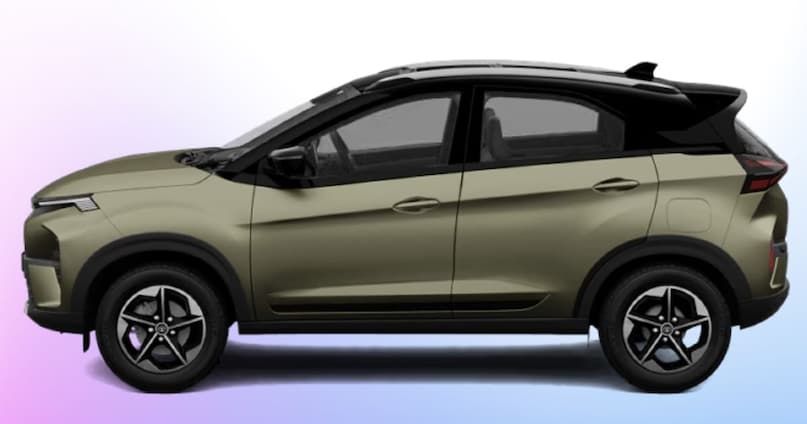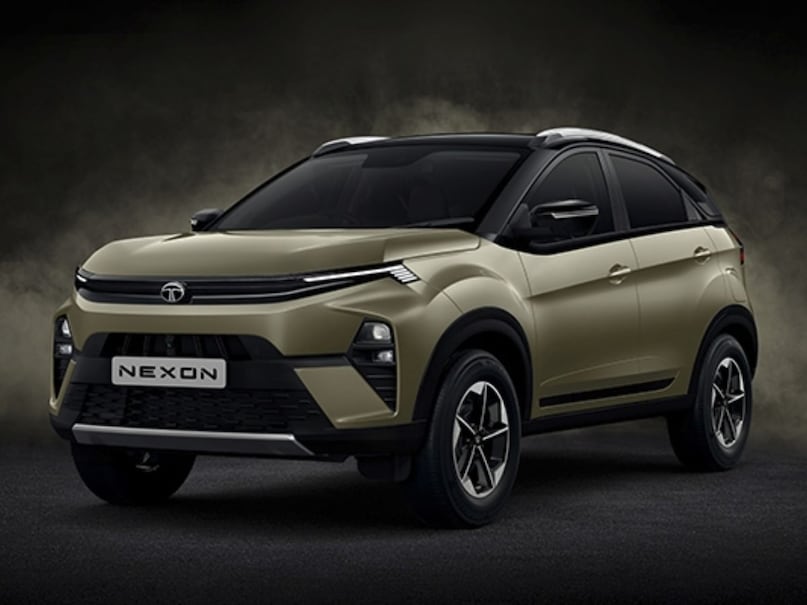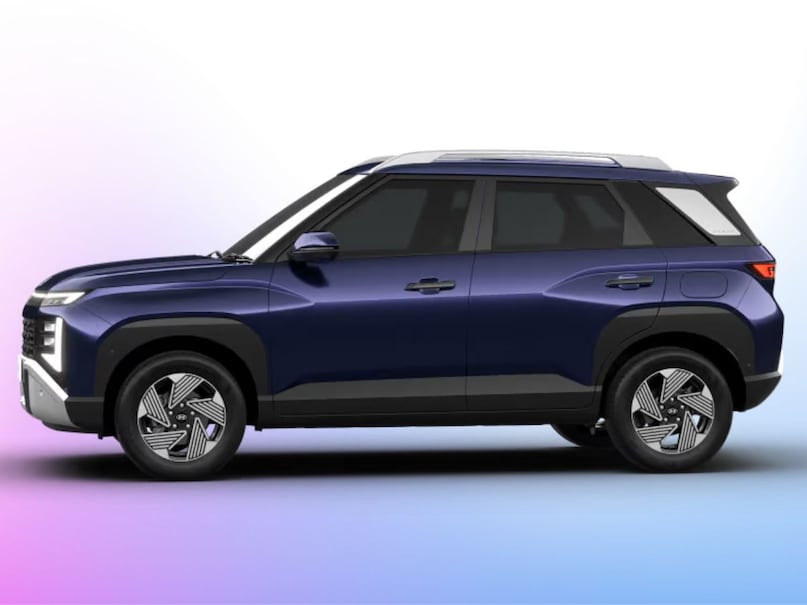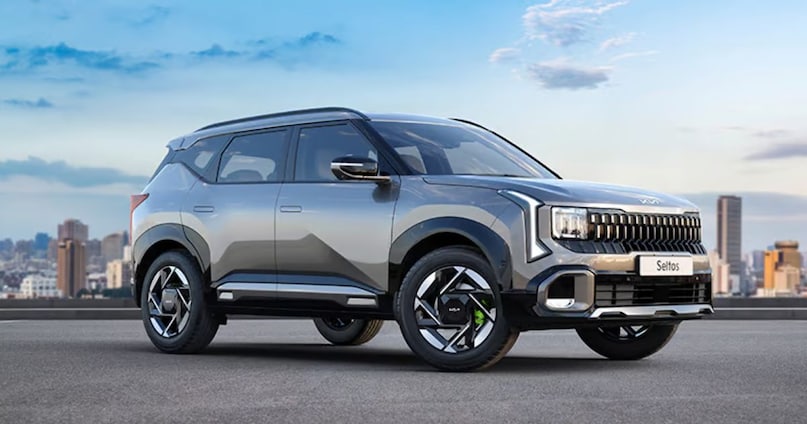
Skoda established itself in India on the basis of its ₹7.59 lakh SUV! Crossed the production figure of 50,000 units

Skoda established itself in India on the basis of its ₹7.59 lakh SUV! Crossed the production figure of 50,000 units

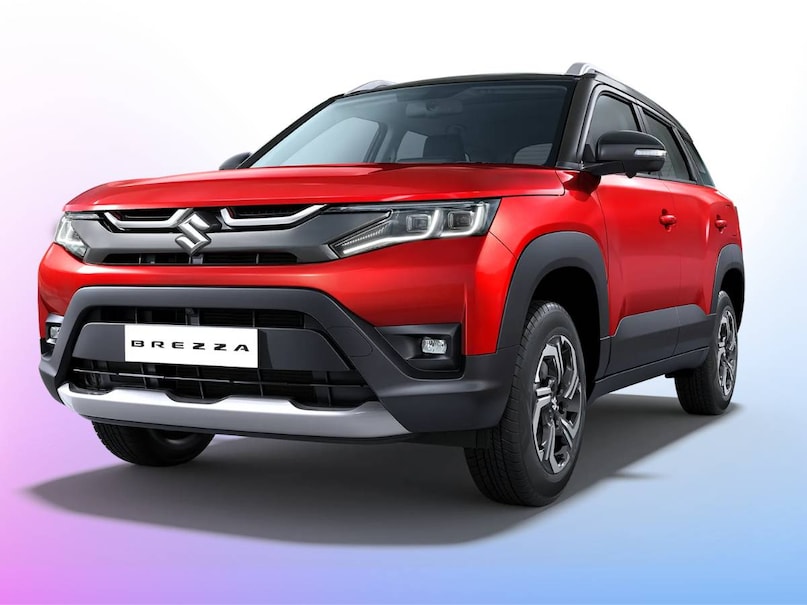
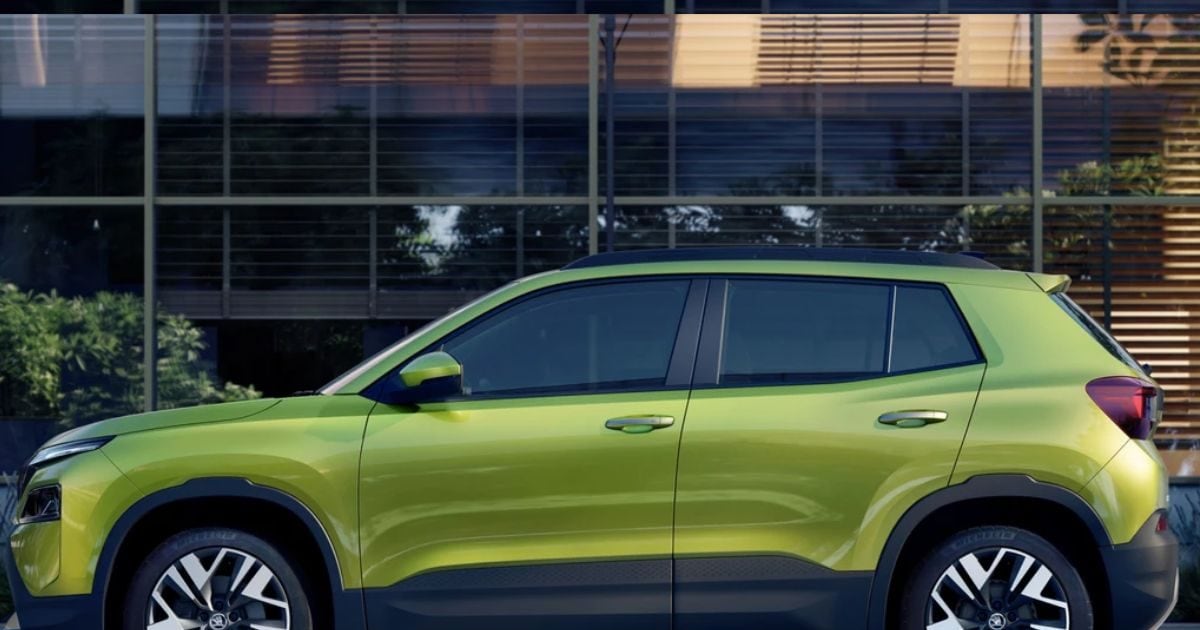
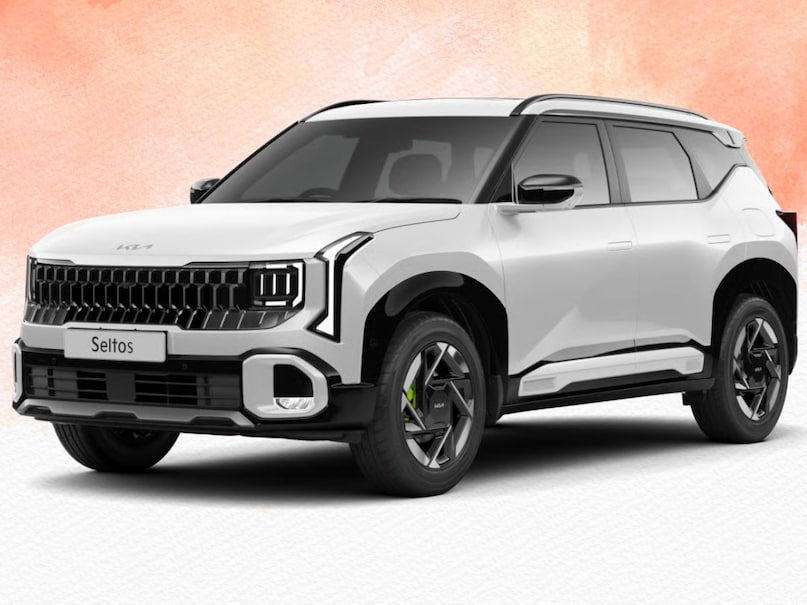
Skoda Kylaq has strengthened the company's position in the Indian market with its launch. Skoda is continuously selling it in the market and now the company has said that this affordable SUV has crossed a big milestone. The company has completed the production of 50,000 units of this compact SUV in January 2026. This milestone was achieved in just over a year after launch.

Skoda Kaylak was launched in December 2024 and deliveries started from January 2025. This car, manufactured at Pune's Chakan plant, has shown strong demand, due to which the company has increased the production capacity by 30%. Retail sales of Kayak in 2025 stood at 46,872 units, which is a major share (about 62-75%) of Skoda's total sales. This car has remained a growth driver for Skoda in India, leading to the group's annual growth of 36%. India has become Skoda's fourth largest market after Kylaq's major contribution to sales.

Price and variant options

Ex-showroom prices of Skoda Kaylak starts at ₹7.59 lakh and goes up to ₹12.99 lakh for the top variant. It is attractively priced in the sub-4 meter compact SUV segment. Variants include Classic, Signature, Signature+, Prestige etc. with manual and automatic (TC) transmission options available. Recently there has been a slight increase in prices.

Design and interior

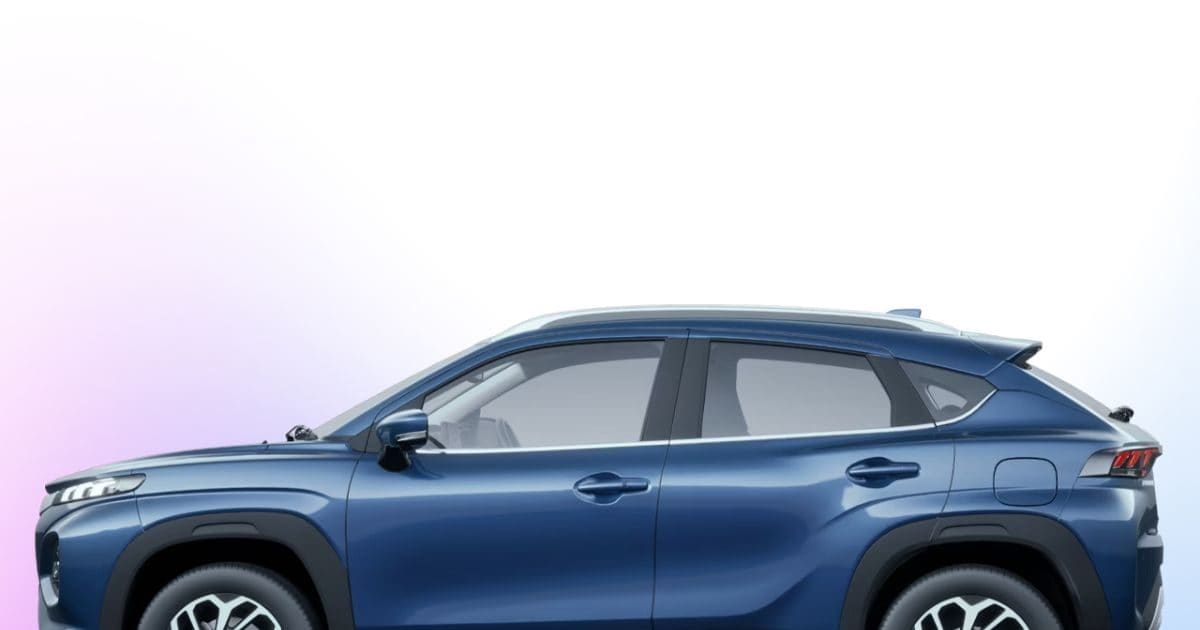
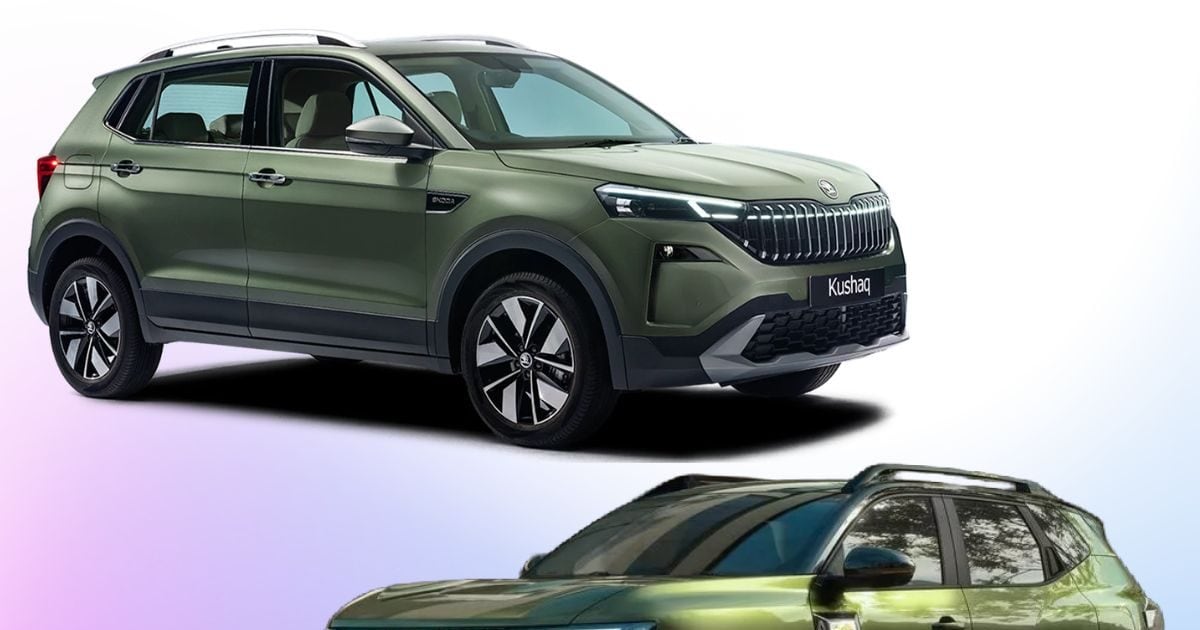
Talking about design, Kaylaak has a modern and bold look. It has Skoda's signature crystal LED headlights, sleek grille, muscular body lines and 17-inch alloy wheels (in the top variant). It is built on the MQB-A0-IN platform, which is also the base for cars like Kushaq and Slavia. Its look gives a premium and European feel, which creates a distinct identity in the Indian market.

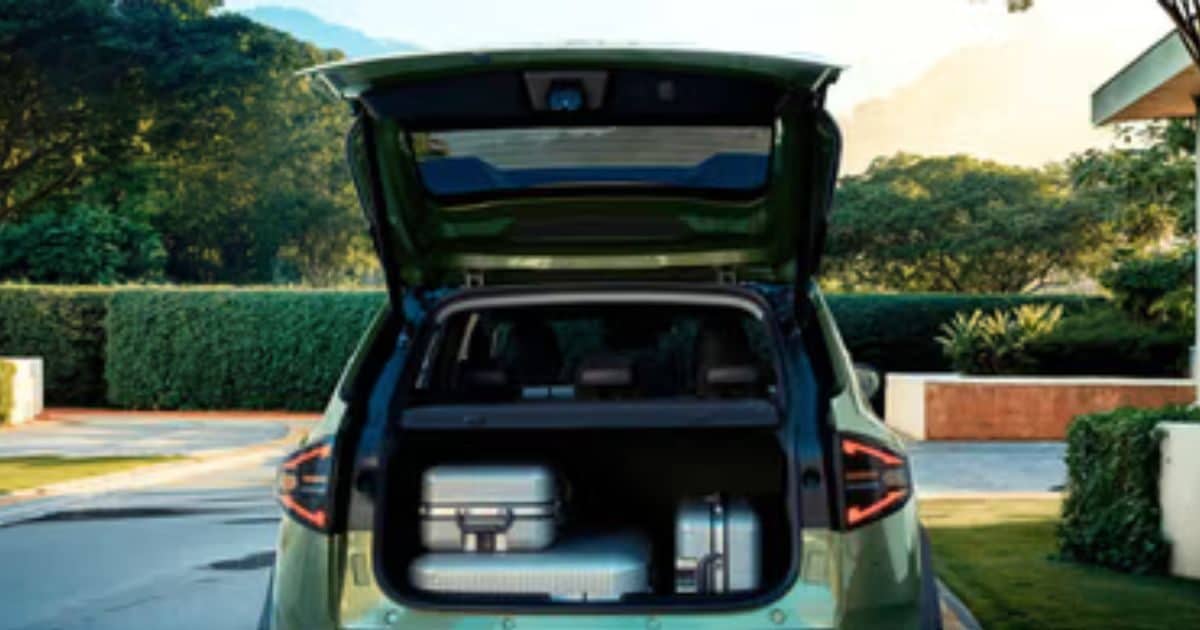
The interior is spacious and premium. The cabin is comfortable in 5 seater configuration. Features like 10-inch touchscreen infotainment system, wireless Android Auto/Apple CarPlay, digital instrument cluster, ventilated front seats (in the top variant), powered seats, leatherette upholstery, rear AC vents and air purifier. Boot space is 446 litres, which increases to 1,265 liters when the rear seats are folded.

Features and Engine

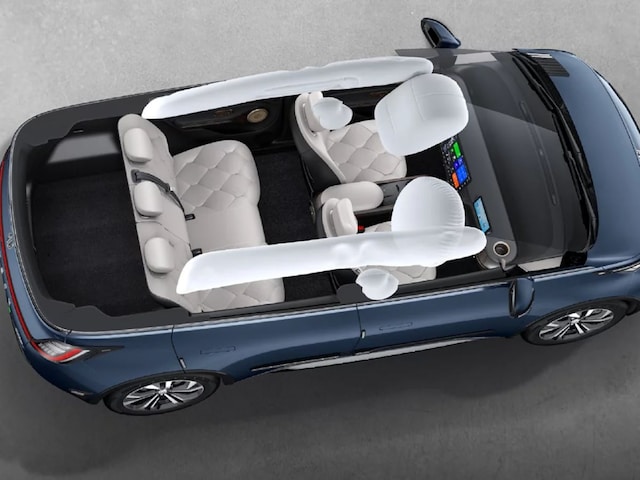
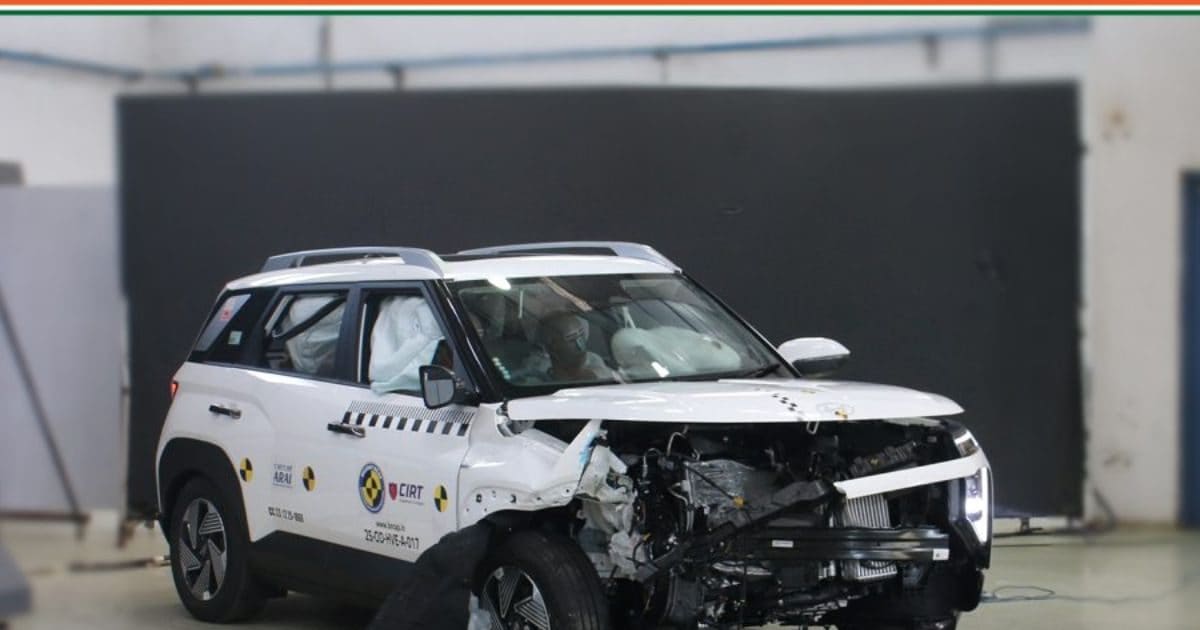
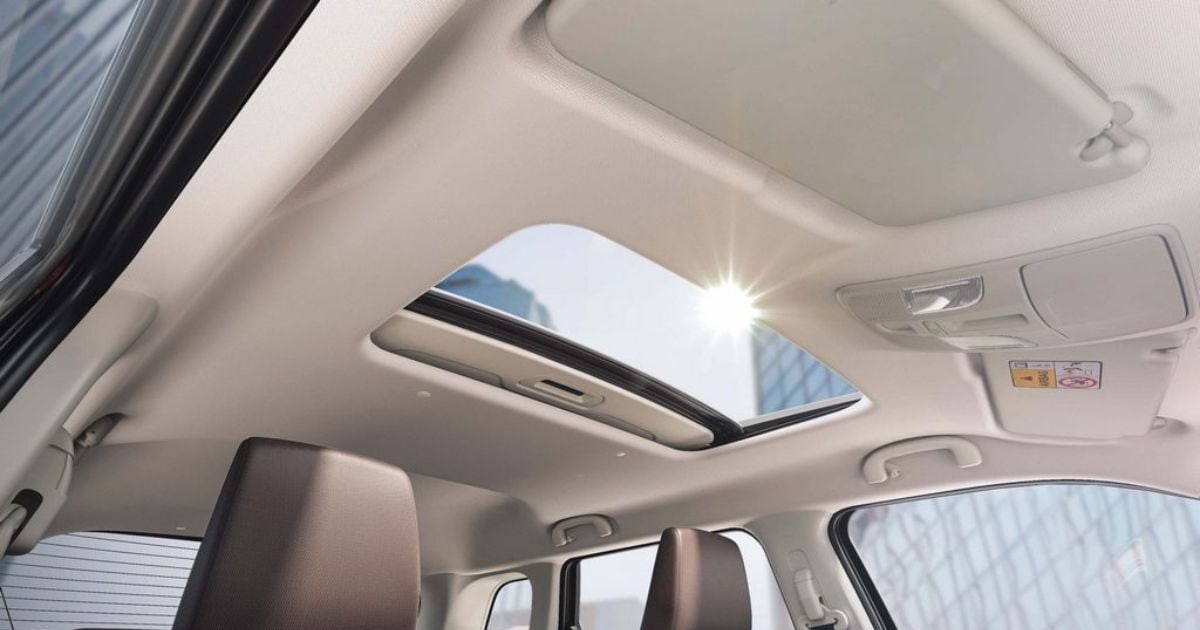
Skoda Kylaq is full of features as per its price. It also has safety features like electric sunroof, cruise control, push button start-stop, keyless entry, automatic climate control, 6 airbags, ESC, traction control, TPMS, rear parking sensors/camera and hill hold. This is one of the safest cars in the segment.

The engine is 1.0-litre TSI turbo petrol, which generates 114 bhp power and 178 Nm torque. There are 6-speed manual or 6-speed automatic transmission options. ARAI claimed mileage ranges from 19.05 to 19.68 kmpl. In real-world it can easily give up to 16-18 kmpl. Ground clearance is 189 mm, which is quite good for daily use.

Source link

25 KM mileage, 6 airbags and sunroof! This is the cheapest automatic car in the country, price starts from only Rs 4.75 lakh

25 KM mileage, 6 airbags and sunroof! This is the cheapest automatic car in the country, price starts from only Rs 4.75 lakh

Cheapest Automatic Car in India: With time the number of customers buying automatic cars is increasing rapidly. It is especially liked by those people who want to avoid the hassle of changing gears on the crowded roads of cities. Now automatic cars are no less than luxury for traffic jams, narrow streets and daily commuting.

If you want to buy a car with an automatic gearbox in the coming days and your budget is tight, then you have come to the right address. In this article, we have brought a list of 5 Most Affordable Automatic Cars of the country. This list includes names ranging from Maruti Suzuki S-Presso to Tata Nexon. Come, let's take a look at their price and features.

Maruti Suzuki S-Presso

Maruti Suzuki Espresso is at first number in the list. The company sells it with AGS. Its starting ex-showroom price starts from only Rs 4.75 lakh. It is a mini-SUV style hatchback, which has good ground clearance, compact size and mileage of up to 25 kmpl.

This is the perfect option for parking and traffic in the city. It has a 998cc K10C engine, which gives 68 bhp power. Features include touchscreen, power windows, keyless entry and standard 6 airbags. Due to Maruti's service network, its running cost remains very low.

Maruti Suzuki Alto

Maruti's car is also at number two in the list. Alto K10 can be purchased with AGS at a starting ex-showroom price of only Rs 5.51 lakh. This is one of the most popular and affordable cars in India. Mileage of 24-25 kmpl, small size and low maintenance makes it a perfect option for first time car buyers.

Maruti Alto K10 has a 998cc engine, which is enough for city speed. It is best for those families who want to buy a popular and automatic transmission car in a low budget. The company offers standard 6 airbags with all the safety features.

Renault Kwid

Renault Kwid is at number three in the list. The company sells it in AMT option, the starting ex-showroom price of which is only Rs 5.44 lakh. The specialty of Kwid is its good ground clearance (174mm), which is perfect for the bumps and potholes of Indian roads. Its look is also different from Maruti vehicles.

It has a 1.0L engine, whose mileage reaches around 22 kmpl. Features like 8-inch touchscreen, Android Auto/Apple CarPlay and rear camera are available in the higher variant. Renault's design is youthful, which attracts young buyers. This can be considered for commuting to office.

Maruti Suzuki Celerio

Maruti's car is again at number three in the list. The company also sells Celerio with AGS option at a lower price. The starting ex-showroom price of Celero AGS starts at just Rs 5.61 lakh. It is a spacious hatchback, with good headroom and boot space.

Its engine is similar to Alto K10 and S-Presso and the mileage reaches around 26 kmpl. The standard 6 specs make the S-Presso one of the best cars in the segment. The refined engine and smooth AGS gearbox is good for family use.

Tata Punch

Tata punch is included at number five. Its cheapest automatic variant (Pure Plus AMT) is available at a starting ex-showroom price of only Rs 7.55 lakh. This micro-SUV is the safest option among the 2026 facelift model with its 5-star Bharat NCAP safety rating (Adult Protection 30.58/32 and Child Protection 45/49).

It has 6 airbags as standard, ESP, hill hold assist, 360-degree camera, TPMS and strong body structure. Its 1199cc naturally aspirated petrol engine gives 87 bhp power, while the mileage is around 18-20 kmpl. 193mm ground clearance, 366 liters of boot space and SUV-like styling set it apart from other hatchbacks. The company has also included 360 degree camera and sunroof in its higher variants.

Source link

Will the prices of Mercedes, BMW, Audi cars reduce immediately after India-EU FTA, or will we have to wait?

Will the prices of Mercedes, BMW, Audi cars reduce immediately after India-EU FTA, or will we have to wait?

India EU FTA: There is a lot of discussion in the market regarding the proposed free trade agreement between India and the European Union. It is believed that this agreement can be formally announced on January 27. This deal is coming after negotiations that lasted for almost 10 years, but it would not be right to assume that its direct impact will be immediately visible on the prices of luxury cars. A free trade agreement is going to be signed between India and European Union today. You can get moment-to-moment updates related to this here – Live Blog

In fact, most of the luxury cars sold in India do not come fully prepared from abroad. More than 90 percent of the cars are assembled in the country. About 51 to 52 thousand luxury vehicles are sold annually, which include brands like Mercedes-Benz, BMW, Jaguar Land Rover and Audi. These companies have plants in Maharashtra and Tamil Nadu, where cars are assembled by importing parts from abroad. The price of these vehicles is often above Rs 1 crore.

Understand CKD vs CBU

These parts are called CKD kit in technical language. About 15 percent import duty and 1.5 percent social welfare surcharge are levied on these, which means the total tax is about 16.5 percent. In contrast, cars that come from outside in completely built condition, called CBU, are taxed heavily, ranging from 70 to 110 percent. In the proposed agreement, there is talk of first bringing the duty on CBU to about 40 percent and later reducing it to 10 percent in a phased manner.

But since most of the luxury cars sold in India are already low-tax CKD models, there seems to be little scope for a major price cut. Santosh Iyer, Managing Director and CEO of Mercedes-Benz India, while talking to Moneycontrol clearly said that this agreement is not expected to have any significant immediate impact on the prices. He said that more than 90 percent of the company's sales are of locally assembled cars and only about 5 percent of the vehicles are completely imported from Europe.

Mercedes, BMW also assemble cars in India

Mercedes assembles its cars at the Chakan plant near Pune and most of the kit comes from Germany. Recently the company started local production of Mercedes-Maybach GLS, which happened for the first time outside America. Due to this, the price of this model reduced by about Rs 42 lakh, i.e. there was a relief of about 13 percent. This example shows that the real role in reducing prices is played by local manufacturing, and not just trade agreements.

BMW also adopts almost the same strategy. Almost 9 out of 10 models of the company are assembled in India only. Hardeep Singh Brar, President and CEO of BMW Group India, believes that there is no possibility of immediate change in prices, but this agreement can be beneficial in the long run. According to him, if the tax on CBU is reduced then the company will be able to launch new international models in India and after assessing the demand, a decision can be taken for further local production.

No relief in prices in near future!

Jaguar Land Rover has also indicated that the trade agreement should not expect any immediate change in the prices of cars assembled in India. The company assembles many Range Rover and Discovery models in Pune and a big plant is about to start near Chennai. Even with the proposed India-UK Free Trade Agreement, the company has not assured customers of price relief in the near future.

You will get benefits if you buy Ferrari, Lamborghini, Porsche

Experts believe that if anyone can benefit the most, it is the supercar brands like Ferrari, Maserati, Lamborghini and Porsche, which fully import their cars. Similarly, ultra luxury brands like Rolls-Royce and Bentley may also benefit from a separate trade agreement in future.

However, there is another big factor here – currency. Market experts say that the weakness of the rupee can eliminate the tax benefits to a great extent. In 2025 alone, the rupee had weakened by about 19 percent against the euro. For this reason, many luxury car companies increased prices in 2025 and early 2026. According to a market expert, the impact of currency may limit the benefits of tax cuts in the coming few years.

Overall, the India-EU Free Trade Agreement may gradually change the direction of the luxury car market, but it is not practical to expect the common customer to get cheaper cars immediately. Real relief may be seen in the long run, when companies enter the market with new strategies.

Source link

Will run on battery…will also run on petrol! Exciting Hybrid SUV has arrived in the market, confirm delivery for just ₹ 21 thousand

Will run on battery…will also run on petrol! Exciting Hybrid SUV has arrived in the market, confirm delivery for just ₹ 21 thousand

After a long wait, Renault India has unveiled the new generation model of its iconic SUV Duster in the market. This is the same car which once laid the foundation of the Indian mid-size SUV segment. The new Renault Duster is the first product launched in India under the Renault International Game Plan 2027. The biggest thing is that it will now be available in strong hybrid option with turbo petrol engine.

The company claims that while maintaining its rugged and adventurous DNA, this SUV has become more advanced than ever in terms of design, technology, safety and powertrain. This SUV has been specially designed for India, in which about 90% of the components are localized. Let us know what has been offered in the new Renault Duster.

Design (Exterior)

The look of the new Renault Duster has been kept bold, muscular and modern. Trapezoidal grille, full LED headlamps and Renault's global light signature are seen in the front. The horizontal LED light bar at the rear and the 'Duster' badge with yellow accents distinguish it.

With 212 mm ground clearance, 26.9 degree approach angle and 34.7 degree departure angle, this SUV is also ready for off-roading. The car comes with 18-inch diamond cut alloy wheels, wheel arch cladding and door side protection. The special Mountain Jade Green color and two-tone black roof option give it a premium look.

renault duster interior

Interior, Features and Technology

The cabin of the new Duster is fighter-jet inspired and completely driver-centric. The elevated center console, electronic gear shifter, physical button layout and premium Mountain Jade leatherette seat upholstery make its interiors special. Duster badging is provided on the dashboard and door panels with carbon finish and yellow stitching. The cabin feels more spacious and premium due to the panoramic sunroof.

The new Renault Duster has a 10.1-inch OpenR Link touchscreen infotainment system, which has Google built-in. It has support for Google Maps, Google Assistant, Google Play Store and more than 100 apps. A 10.25-inch TFT digital driver display is also available.

Features like 60+ connected car features, wireless charging, ventilated front seats, 6-way power adjustable seats, dual-zone climate control, electric tailgate, electric parking brake with auto hold, 48-color ambient lighting and Arkamys sound system have been provided.

safety detail

The new Duster is built on the Renault Group Modular Platform (RGMP), which has been engineered to 5-star safety standards. It has 35 standard safety features and 17 ADAS features. Apart from this, hill descent control, multiple airbags, electronic stability control and 360 degree camera safety technology have been provided.

Engine and Mileage Details

The new Renault Duster will come in three powertrain options. The first is the Turbo TCe 160 petrol engine, which produces 163 PS power and 280 Nm torque and will be available with a 6-speed manual or 6-speed DCT (wet clutch). The second Turbo TCe 100 petrol engine, which will come with a 6-speed manual.

The third and most special is the Strong Hybrid E-Tech 160 system, which has a 1.8L engine and 1.4 kWh battery. The company claims that this hybrid version can run in EV mode up to 80% of the time in the city, which will make the mileage best in the segment.

Introductory price and booking details

The prices of the new Renault Duster will be announced in mid-March 2026. Customers can pre-book by purchasing R Pass for ₹ 21,000. R Pass holders will get special introductory pricing, priority delivery and Gang of Dusters merchandise. Deliveries of the petrol variant will begin from April 2026, while deliveries of the strong hybrid version will begin from Diwali 2026.

Source link

Which car is this? Everyone was asking this question after seeing the Odisha Governor's car, people were stunned to see the look!

Which car is this? Everyone was asking this question after seeing the Odisha Governor's car, people were stunned to see the look!

Last Updated:

When Governor Dr. Haribabu Kambhapati arrived to hoist the tricolor on the occasion of 77th Republic Day in Odisha, everyone's eyes were fixed on his vehicle. The Governor was riding in Mahindra's new electric car Mahindra XEV 9e. The futuristic design of this car was so amazing that people on social media mistook it for a foreign brand. As soon as the video went viral on Twitter, this wonderful avatar of 'Made in India' started being discussed everywhere.

news immediately

New Delhi. A unique sight was seen during the Republic Day parade in Bhubaneswar. Usually, white SUVs or old luxury cars are used for VVIP movement, but Odisha Governor Dr. Haribabu Kambhapati, breaking from tradition, chose Mahindra's brand new electric SUV Mahindra XEV 9e as his vehicle.

As soon as the video of this parade went viral on social media, the comment box was filled with questions. People could not believe that an Indian brand could make such a stylish and premium looking car. Many users even called it 'Indian Lamborghini'. Through this car, Mahindra not only proved its engineering prowess but also gave a new height to Indian automobile design at the global level.

Design that wins everyone's heart

The design of Mahindra XEV 9e is like a sports car. It has signature LED lighting at the front and an aerodynamic 'Coupe' style. Its long body and sharp cuts make it unique and different from any other car on the road.

Interior and Luxury

The view inside this Governor's car is like that of a spaceship. It has a 'triple-screen' dashboard, that is, the entire screen from the driver to the seat next to him is a screen. Its cabin is so premium that it competes with cars like Mercedes and BMW.

Strong battery and range

XEV 9e is based on Mahindra's new 'INGLO' platform. It has two battery pack options of 59 kWh and 79 kWh. Once fully charged, this car can cover a distance of approximately 450 to 530 kilometers. Its speed is such that it reaches a speed of 100 km per hour in the blink of an eye.

Price and Indian brand pride

The starting price of Mahindra XEV 9e in the market starts from around Rs 21.90 lakh (ex-showroom) and goes up to around Rs 26 lakh for the top model. Seeing this car of Mahindra, people on Twitter patted the company a lot.

The arrival of the Governor in an indigenous electric car on the auspicious occasion of Republic Day not only presents the picture of 'self-reliant India', but also tells that Indian brands are going to dominate the roads of the future. This Mahindra car has now become a status symbol as well as a symbol of Indian pride.

About the Author

authoring

Jai Thakur

Jai Thakur has been associated with the world of news since 2018. Working as Senior Sub Editor in News18Hindi since 2022 and is part of the business team. There is interest in news related to business, especially stock market. Apart from this…read more

homeauto

What car is this? People were stunned to see the Odisha Governor's car!

Source link

Be it BMW or Mercedes and Audi, every luxury car will become cheaper by lakhs of rupees.

Be it BMW or Mercedes and Audi, every luxury car will become cheaper by lakhs of rupees.

Last Updated:

Price on Luxury Car: After the completion of the free trade agreement between India and the European Union, the prices of many luxury cars will reduce. Currently, the tax on these cars coming to India from Europe is up to 110 percent, but immediately after the FTA, the tax on these cars may come down to 40 percent and the prices may come down by 20 to 40 percent. Which cars will be cheaper after this deal, here is the complete list.

BMW Series 3: BMW, one of the most popular luxury cars in India, is a German company, which has been manufacturing these luxury cars since 1916. Currently the price of BMW 3 Series is between Rs 60 to 75 lakh, but it is believed that after FTA its prices will fall by 30 to 40 percent. This means that its new price in India can be Rs 40 to 55 lakh, which means a saving of Rs 15 to 25 lakh.

BMW car price down, audi car price down, mercedes car price down, luxury car price down after FTA, how much price down after FTA with EU, how much will luxury cars become cheaper due to trade agreement with EU, how much will BMW be cheaper with FTA, how much will Audi be cheaper with FTA, how much will Mercedes be cheaper with FTA, how much will Jaguar car be cheaper with FTA will be cheaper

Mercedes-Benz C-Class: Buying Mercedes cars is the dream of every Indian. The price of these luxury cars is so high that very few people can afford to buy them. Currently these cars start between Rs 60 to Rs 70 lakh. After FTA, the prices will reduce by 30 to 40 percent and the new price in India can be between Rs 40 to 50 lakh. This means that around Rs 20 lakh can be saved.

BMW car price down, audi car price down, mercedes car price down, luxury car price down after FTA, how much price down after FTA with EU, how much will luxury cars become cheaper due to trade agreement with EU, how much will BMW be cheaper with FTA, how much will Audi be cheaper with FTA, how much will Mercedes be cheaper with FTA, how much will Jaguar car be cheaper with FTA will be cheaper

Audi A4/A6: Audi is the most purchased luxury car in India today. Audi is a German company, which is a part of the Volkswagen auto maker. The manufacturing of these cars started in 1909. Currently, the starting price of an Audi car in the country ranges between Rs 45 to 70 lakh. After FTA it may reduce by 24 to 35 percent. After this, the new price in the country can be between Rs 35 to 40 lakh, which means there can be a saving of Rs 10 to 30 lakh.

Add News18 as
Preferred Source on Google

BMW car price down, audi car price down, mercedes car price down, luxury car price down after FTA, how much price down after FTA with EU, how much will luxury cars become cheaper due to trade agreement with EU, how much will BMW be cheaper with FTA, how much will Audi be cheaper with FTA, how much will Mercedes be cheaper with FTA, how much will Jaguar car be cheaper with FTA will be cheaper

BMW X1/X3: The prices of this series of BMW cars may also come down. Currently, the price of cars of this series in the country falls between Rs 50 to 80 lakh. After FTA, it may come down by 30 to 40 percent, which means the new price could be Rs 35 to 60 lakh and the buyer can save Rs 15 to 20 lakh.

BMW car price down, audi car price down, mercedes car price down, luxury car price down after FTA, how much price down after FTA with EU, how much will luxury cars become cheaper due to trade agreement with EU, how much will BMW be cheaper with FTA, how much will Audi be cheaper with FTA, how much will Mercedes be cheaper with FTA, how much will Jaguar car be cheaper with FTA will be cheaper

Mercedes GLC/GLA: Currently, to buy this model of Mercedes car in the country, one has to spend around Rs 65 to 90 lakh, but after FTA, this price can come down to between Rs 45 to 65 lakh. This means that those buying these luxury cars can save Rs 20 to 25 lakh.

BMW car price down, audi car price down, mercedes car price down, luxury car price down after FTA, how much price down after FTA with EU, how much will luxury cars become cheaper due to trade agreement with EU, how much will BMW be cheaper with FTA, how much will Audi be cheaper with FTA, how much will Mercedes be cheaper with FTA, how much will Jaguar car be cheaper with FTA will be cheaper

Volvo XC60/XC90: Sweden's Geely Automotive Group established Volvo cars in the year 1927. Currently the price of this European car in the country ranges between Rs 70 lakh to Rs 1.20 crore. After FTA, it may reduce by 30 to 45 percent and the new price may come down to Rs 50 to 80 lakh. This means that the buyer of these luxury cars can save Rs 20 to 40 lakh.

BMW car price down, audi car price down, mercedes car price down, luxury car price down after FTA, how much price down after FTA with EU, how much will luxury cars become cheaper due to trade agreement with EU, how much will BMW be cheaper with FTA, how much will Audi be cheaper with FTA, how much will Mercedes be cheaper with FTA, how much will Jaguar car be cheaper with FTA will be cheaper

Porsche Macan/Cayenne: Porsche is also a German automobile company, whose price in the country currently ranges from Rs 90 lakh to Rs 2 crore. After the free trade agreement with the European Union, it may reduce by 35 to 45 percent and the new price may be Rs. 60 lakh to Rs. 1.30 crore. This means that the buyer of this car can save Rs 30 to 70 lakh.

BMW car price down, audi car price down, mercedes car price down, luxury car price down after FTA, how much price down after FTA with EU, how much will luxury cars become cheaper due to trade agreement with EU, how much will BMW be cheaper with FTA, how much will Audi be cheaper with FTA, how much will Mercedes be cheaper with FTA, how much will Jaguar car be cheaper with FTA will be cheaper

Jaguar F-Pace/Land Rover: Currently, the prices of Jaguar and Land Rover cars are quite high in the country. After FTA, the prices of some models of these cars may also fall by 30 to 45 percent. This means that buyers of these cars can also save lakhs of rupees.

BMW car price down, audi car price down, mercedes car price down, luxury car price down after FTA, how much price down after FTA with EU, how much will luxury cars become cheaper due to trade agreement with EU, how much will BMW be cheaper with FTA, how much will Audi be cheaper with FTA, how much will Mercedes be cheaper with FTA, how much will Jaguar car be cheaper with FTA will be cheaper

In the FTA with the EU, tax exemption on electric cars has been stopped for 5 years, so that domestic car companies do not suffer losses. After this, the prices of European electric cars like BMW iX, Mercedes EQE/EQS, Audi e-tron, Porsche Taycan may also reduce by 35 to 50 percent. Under this agreement, more discounts can be available on e-cars.

Click here to add News18 Hindi as your favorite news source on Google.
homeauto

Be it BMW or Mercedes and Audi, every luxury car will be cheaper by lakhs of rupees.

Source link

26 KM mileage and 6 airbags! Big families are buying this 7 seater CNG car, price starts from only ₹ 10,76,300.

26 KM mileage and 6 airbags! Big families are buying this 7 seater CNG car, price starts from only ₹ 10,76,300.

Demand for CNG cars is increasing with time. Due to skyrocketing prices of petrol and diesel and increasing pollution, people are turning to CNG vehicles. This was seen in the sale held last year. On one hand, Maruti Ertiga was the best selling CNG car throughout the year. At the same time, sales of Maruti Wagon R and Maruti Dzire have also been good. Let us know about the Top-10 CNG Cars sold in CY 2025.

As told to you, the first number in the list is Maruti Suzuki Ertiga CNG. Last year, Maruti sold a total of 1,29,920 units. The company sells it at a starting ex-showroom price of only ₹ 10,76,300. The 1.5 liter NA petrol engine given in it produces 87 bhp power and 121.5 Nm torque.

Maruti Suzuki Ertiga CNG: Mileage and features

Its claimed mileage is 26.11 KM/KG. The feature list includes a 9-inch touchscreen SmartPlay Pro system with Android Auto and Apple CarPlay support, rear AC vents, automatic climate control, cruise control, rear parking camera, push-button start/stop, 7-seater layout and for safety, 6 airbags, ABS with EBD, ESP, hill hold assist, rear parking sensors and ISOFIX child seat anchor points.

Maruti's head decorated with crown

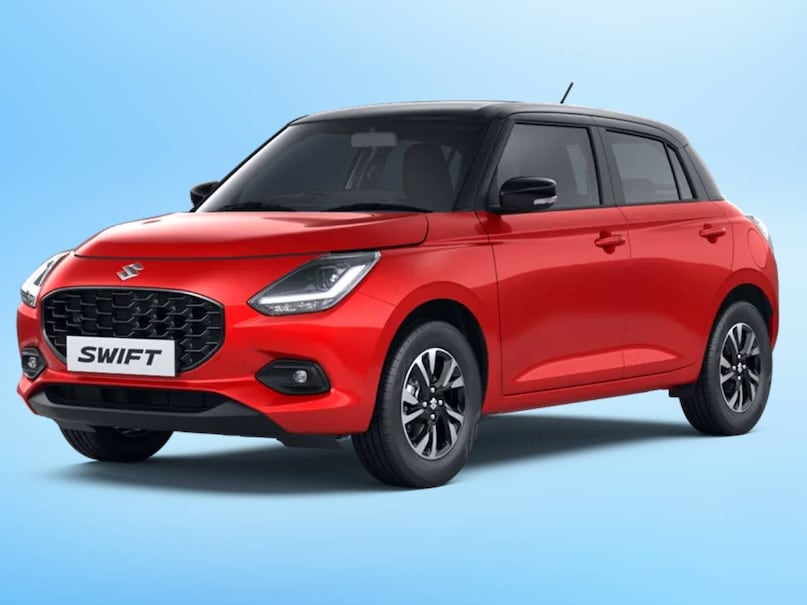
Apart from this, Maruti has sold 1,02,128 units of Maruti Wagon R, 89,015 units of Maruti Dzire, 70,928 units of Maruti Vitara Brezza, 59,520 units of Maruti Eeco, 42,051 units of Maruti Fronx, 24,220 units of Maruti Baleno, 24,037 units of Maruti Grand Vitara and Maruti XL6. 19,879 units, 18,054 units of Maruti Swift, 6,210 units of Maruti Alto, 4,193 units of Maruti Celerio and a total of 1,575 units of Maruti S-Presso have been sold.

Second number of Tata Motors

Tata Motors is at second place in the list. Last year, 71,113 units of Tata Punch, 34,712 units of Tata Nexon, 15,775 units of Tata Tiago, 10,831 units of Tata Altroz ​​and 7,029 units of Tata Tigor were sold.

Hyundai was number-3

Hyundai is at third place after Maruti and Tata Motors. Last year, the company sold 49,464 units of Hyundai Aura, 18,528 units of Hyundai Exter and 11,275 units of Hyundai Grand i10.

Toyota's good sale

Toyota is at last number in the list. The company has sold 11,137 units of Toyota Rumion, 6,612 units of Toyota Glanza, 5,380 units of Toyota Urban Cruiser Taisor and only 4,960 units of Toyota Urban Cruiser Hybrid.

Source link

The wait is over! New Renault Duster will enter the Indian market tomorrow

The wait is over! New Renault Duster will enter the Indian market tomorrow

New Renault Duster will enter the Indian auto market tomorrow i.e. on 26 January 2026. This will be a big offering in the Indian SUV market, because considering the popularity of the old Duster, the new generation Duster is in the news. This car will be built on Renault's new CMF-B platform, which will make it more strong, modern and safe.

Talking about the possible price, it can start from ₹ 10 lakh and go up to ₹ 18-20 lakh ex-showroom. Auto experts are estimating that the base variant may be around ₹ 10-12 lakh, mid variant ₹ 14-16 lakh and top variant (especially automatic or AWD) may be around ₹ 16-19 lakh. Let us look at the details related to its design, interior and features.

possible design

The look of the new Duster is quite aggressive and boxy. It will get Y-shaped LED DRLs, large grille, muscular bumper, light bar with connected LED taillights and high ground clearance of 217 mm, which is great for off-roading. The side profile will look strong and rugged, while the new alloy wheels and roof rails will give it a premium touch. Overall, it has become more modern and stylish while maintaining the rough and tough image of the old Duster.

Interior and Features

The cabin will be quite upgraded. It will have spacious cabin, better material quality and modern layout. There will be a large 10-inch touchscreen infotainment system, digital instrument cluster, wireless Android Auto/Apple CarPlay, good seating posture and ample storage space. There will be good leg room and headroom in the rear, which is perfect for family use.

The list of features is going to be long. It is expected to include features like 360 ​​degree camera, ventilated front seats, powered driver seat, cruise control, automatic climate control, wireless charging, multiple USB ports, connected car tech and LED lighting. ADAS (Advanced Driver Assistance System) can also be available in some variants.

How good will the safety be?

The new Duster will be stronger in terms of safety. Features like 6 airbags (in the top variant), EBD with ABS, Electronic Stability Control (ESC), Hill Start Assist, TPMS and ISOFIX child seat mounting will be standard in it. The global version has received a 4-star safety rating, it is expected that it will perform well in India also.

Engine and Mileage

Engine options will mainly include 1.2-litre 3-cylinder turbo-petrol, which will come with a mild-hybrid system. Power will be around 130 hp and torque around 230 Nm. Apart from this, there may also be 1.0-litre turbo or other options. Transmission options will be 6-speed manual and CVT/automatic. In some reports, there is talk of AWD (4×4) variant also coming, which will be best for off-roading. Mileage could be around 18-22 KMPL.

Source link

From the entry of Toyota Urban Cruiser Ebella to VinFast VF6 and VF7 getting 5-stars, these are the 5 big news of this week.

From the entry of Toyota Urban Cruiser Ebella to VinFast VF6 and VF7 getting 5-stars, these are the 5 big news of this week.

Auto News Weekly Wrap Up: This week, many new updates have been seen in the Indian automobile sector, which caught the attention of car buyers and auto enthusiasts. Toyota introduced its first electric car Toyota Urban Cruiser Ebella, which is a big step in the company's entry into electric mobility. Along with this, 2026 Skoda Kushaq Facelift entered, in which new design, additional features and premium touches have been given.

In terms of safety, Tata Punch Facelift, Vinfast VF6 and VF7 achieved 5 star rating in Bharat NCAP crash test. Mahindra introduced the Thar Roxx Star Edition, which comes as a stylish and special edition. These news are related to the increasing importance of electric vehicles, facelift models and safety standards in the Indian market. Come, let us know about these updates one by one.

Entry of Toyota Urban Cruiser Ebella

Toyota has introduced its first battery electric car Urban Cruiser Ebella, which is based on the e-Vitara platform. There are two battery options in it. With the small battery, you get 142 hp power and with the big battery, you get 172 hp, which is capable of giving a range of up to 543 km. It is going to be launched soon with 9 color options, LED lighting, 18-inch alloy wheels and premium features.

2026 Skoda Kushaq Facelift Unveiled

The 2026 facelift version of Skoda Kushaq was also introduced this week, which has a modern solid design, sharper lines, new LED lights and updated bumpers. Features like massage seats, large digital display and panoramic sunroof have been added to the interior. This SUV will be launched in March 2026, which will further strengthen the premium compact SUV segment.

Mahindra Thar Roxx Star Edition launched

Mahindra has launched the special Star Edition of Thar Roxx, the starting price of which is ₹ 16.85 lakh. It has a gloss black grille, 19-inch black alloy wheels, piano black elements and all-black interior. This gives a stylish look to the off-road SUV.

Tata Punch Facelift gets 5-stars

Tata Punch facelift has achieved 5 star rating in both adult and child protection in Bharat NCAP crash test. This is a testament to Tata's strong build quality and safety features, making it the top choice in the sub-4 meter SUV segment.

VinFast VF6 and VF7 turned out to be safe

Both VF6 and VF7 EVs from VinFast have achieved 5 star safety rating in Bharat NCAP. VF6 scored 27.13/32 in Adult and high in Child, while VF7 scored 28.54/32 points. This shows VinFast's focus on safety in the Indian market. In this way, this week was quite happening for the auto industry.

Source link

Sunroof and 6 airbags from base variant! Will this SUV eat up Hyundai Creta's market?

Sunroof and 6 airbags from base variant! Will this SUV eat up Hyundai Creta's market?

2026 Skoda Kushaq vs Hyundai Creta: Kushaq and Creta compete with each other in the compact SUV segment. The Skoda Kushaq has recently been updated with the 2026 facelift, which brings a new design, more features and some segment-first additions. Whereas Hyundai Creta is already the market leader and is known for its popularity, feature load and refinement. Let us look at the price, design, interior, features, safety, engine and mileage details of both of them.

Starting prices for the current Skoda Kushaq start around ₹10.99 lakh and go up to ₹18-20 lakh for the top variants (like Monte Carlo or Prestige). Whereas the base E petrol variant of Hyundai Creta starts from ₹ 10.72-10.79 lakh and the top model goes up to ₹ 20.20 lakh. Thus, Kushaq starts at a slightly lower price, but Creta has more variant options.

2026 Skoda Kushaq vs Hyundai Creta

design details

The 2026 Skoda Kushaq facelift gets a completely new front facia. New grille, updated LED headlights (with four-eye signature), redesigned bumper and sharper looks. There are minor changes in the side and rear also. This includes new alloy wheels and LED taillights. It looks more premium and European style. Hyundai Creta has a big grille, sleek LED DRLs, connected taillights and stylish wheels. The look of Creta is more fashionable, whereas Kushaq looks more sophisticated and classy.

Interior and Features

Kushaq 2026 gets upgraded interior. The new 10.25-inch digital cockpit, 8-inch digital instrument cluster, better material quality and spacious cabin make it special. It has a segment-first rear seat massage function (in Prestige and Monte Carlo). Rear space is good, but not as wide as the Creta. The new Kushaq can be purchased with sunroof only from the base variant.

The interior of Creta gives a more premium feel. The dual-tone theme, large 10.25-inch touchscreen, soft-touch materials and more comfortable seating make it different. The Creta has more leg room for rear passengers and better AC vents. The build quality is better in Kushaq, but Creta feels more luxurious.

Features and safety

Many new features have come in Kushaq 2026. This includes an 8-speed torque converter AT (segment-first), rear seat massage, ventilated front seats, wireless charging, 360-degree camera, new LED lighting and updated infotainment. The top variants also have panoramic sunroof. Creta leads in feature load. Level-2 ADAS, BlueLink connected car tech, Bose sound system, power driver seat, panoramic sunroof and head-up display are part of the feature list. Both vehicles come with standard 6 airbags along with advanced safety features.

Engine and Mileage

Skoda Kushaq gets 1.0L TSI (115 PS, 178 Nm) and 1.5L TSI (150 PS, 250 Nm) petrol engines, which are connected with 6MT/6AT and the new 8AT. Its mileage ranges from 17.8-19.76 kmpl (ARAI). Hyundai Creta has 1.5L NA petrol (115 PS), 1.5L turbo petrol (160 PS) and 1.5L diesel (116 PS) engines. Transmission options include MT, CVT, DCT, iMT and AT. Its mileage is between 17.4-21.8 kmpl.

Source link

This is the country's cheapest car with 6 airbags, price starts from only ₹ 3,69,900

This is the country's cheapest car with 6 airbags, price starts from only ₹ 3,69,900

Most Affordable Cars with 6 Airbags in India: At present, while buying a new car, people keep safety at the forefront. Keeping this approach of customers in mind, national car companies have also started offering even cheap vehicles with better safety features. In this article, we have brought for you a list of 3 cheapest cars, which come with 6 airbags.

Our list includes the names of Maruti Suzuki Alto K10, Maruti Suzuki Celerio and Maruti Suzuki Wagon R, which come with 6 airbags (driver, passenger, side and curtain) from the base variant itself. If your budget is less than Rs 5 lakh and you do not want to compromise on safety, then you can choose one of these vehicles. Come, let us know about their price and features.

Maruti Suzuki Alto K10

This is the cheapest car in India with 6 airbags. Its price starts from only ₹ 3,69,900. This is a small, fuel-efficient car, which has a 1.0-litre engine, which gives a mileage of 24-25 kmpl. 6 airbags are now standard across all variants. Along with this there are features like ABS, EBD and reverse parking sensors. This is the best option for those who want safety in the budget.

Maruti Suzuki Celerio

It is a slightly larger and practical hatchback compared to Alto. Ex-showroom price of Celerio starts from ₹4.70 lakh and goes up to ₹7.37 lakh. It has a 1.0-litre engine, which gives excellent mileage (up to 26 kmpl). Space is good, interior simple but comfortable. 6 airbags along with ABS, EBD and high safety rating make it a good option for the family.

Maruti Suzuki Wagon R

This is a popular family car with tall boy design. The starting price of Wagon R starts at ₹4.99 lakh and goes up to ₹6.95 lakh for the top variant. It can be bought with 1.0-litre or 1.2-litre engine options and the mileage is around 22-25 kmpl. More headroom and boot space is available, which is the best option for the family.

Our advice: These three cars of Maruti come with low-maintenance, high resale value and good service network. If your budget is only Rs 5-6 lakh, then this is the most economical and safe option. Alto K10 is the cheapest, while Wagon R offers more space. Before buying, balance your need and budget, then you can choose one of these.

Source link

How much has Skoda Kushaq Facelift changed from before? Know the difference from design to features

How much has Skoda Kushaq Facelift changed from before? Know the difference from design to features

Skoda Kushaq is considered a strong option in the compact SUV segment. The company has recently launched this SUV in facelift avatar to maintain its better position in the market. This facelift mainly focuses on changes in design, features and cabin. At the same time, the company has not made any mechanical changes in it and the platform is also the same. Let us know how different it is compared to its older model in terms of design, interior, features, safety, engine and mileage.

Talking about the design, the old Kushaq had a butterfly grille and separate LED taillights, which looked classic but a bit dated. The front grille looks more upright and wider in the new 2026 model, with illuminated light bands along with chrome ribs. The new LED headlights are sharper and more modern with segmented DRLs. There are connected LED taillights at the rear, which give the SUV a wide and premium look. Overall, the new model looks more aggressive and attractive, whereas the old one was fine for its time.

Interior and Features

There is not much difference in the cabin of both, but the color schemes in the new model are refreshed and give a more premium feel. The old one had an analog-digital cluster, while the new one has a fully digital instrument cluster. The panoramic sunroof is now bigger. A first-in-segment rear seat massage function has been added to the high-end variants (Prestige and Monte Carlo). The new one has auto-dimming IRVM, better material quality and modern touch.

Talking about the features, the new Kushaq has updates like 10.1-inch larger touchscreen, front parking sensors, rain-sensing wipers, better AC (Variable Geometry Compressor). Some of these features were missing in the old model or were limited to only the top variants. Connected car tech and more comfort features have been added in the new one. The company now offers sunroof from its base variant only.

safety detail

Skoda vehicles are known for safety. Both the vehicles have 5-star Global NCAP rating. It has been provided with safety features like 6 airbags, ESC and TPMS as standard. These have front parking sensors and better safety aids, but advanced features like ADAS Level-2 have not been provided yet. In this way, it is a perfect SUV in terms of safety.

Engine and Mileage

Engine options remain the same. This includes 1.0L TSI (115 PS) and 1.5L TSI (150 PS) turbo petrol. In the facelift avatar, 1.0L comes with 8-speed automatic gearbox option, the old one had 6-speed. This will now give better performance and smoothness. DSG option remains intact with 1.5L. The engine may have slightly better refinement and efficiency than the old one. However, this will be known only after driving.

Source link

421 KM range, 360° camera and 6 airbags! This is the cheapest electric car in the country, starting price is only ₹ 5 lakh

421 KM range, 360° camera and 6 airbags! This is the cheapest electric car in the country, starting price is only ₹ 5 lakh

Most Affordable Electric Cars In India: The market of electric cars is growing rapidly in the country. Especially at this time, where the prices of petrol and diesel are high and pollution is also continuously increasing. Buying an EV is a more affordable task due to state government subsidies, FAME scheme and low running costs. If you also want to buy an electric car in the coming days, then we have brought for you a list of the 3 cheapest EVs in the country.

The most affordable options include MG Comet EV, Tata Tiago EV and Tata Punch EV. These cars are perfect for daily use, low maintenance and good range. All three are from trusted companies like Tata and MG, which have a strong service network. Their prices start from just ₹ 5 lakh, which is best for those buying EV on a budget. Come, let us know about the price and features of these electric cars.

MG Comet EV

This is the most economical electric car in India, which is perfect for small tasks in the city. Its ex-showroom price starts at around ₹6.24 lakh and goes up to ₹8.82 lakh to ₹9.99 lakh for the top variant. However, under the BaaS scheme, customers can buy it at a starting ex-showroom price of only Rs 5 lakh.
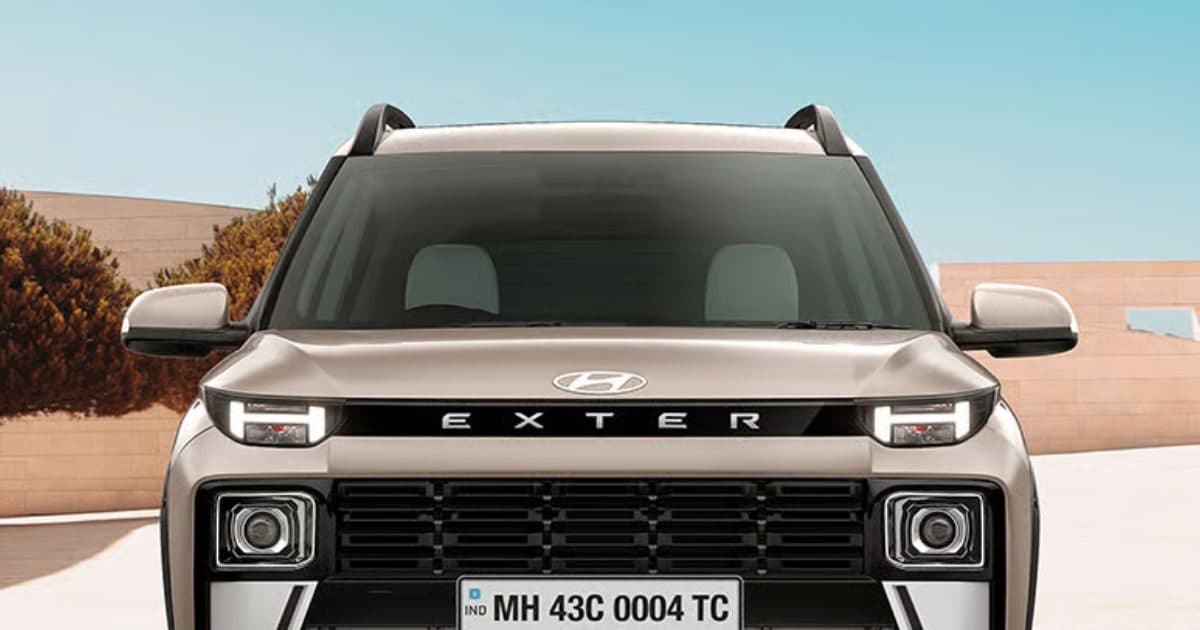
This is a compact and four-seater car, whose turning radius is only 4.2 meters. Therefore, it is easier to navigate narrow streets and parking. The battery is of 17.3 kWh, which gives a range of 230-250 km. Features include touchscreen, connected car technology, LED lights, reverse camera and power windows. Running costs are very low, charging at home costs ₹1-2 per km.

Tata Tiago EV

Tata Tiago EV

Tiago EV is a value for money hatchback, which is more suitable for family use. Its ex-showroom price starts at ₹7.99 lakh and goes up to ₹11.14 lakh for the top variant. This is a 5-door car, which has good space and 5 people can sit comfortably. On a single charge, it can run up to 250 km in medium range and 315 km in long range.

Battery options are 19.2 kWh or 24 kWh. Features include safety features like 7-inch touchscreen, Android Auto-Apple CarPlay, digital cluster, ABS, EBD, dual airbags and hill hold. Tata's strong build quality and service network is a big plus. It is great for daily commute, school-office and short trips. Charging time takes 8-10 hours, but gets reduced with a fast charger.

Tata Punch EV

Tata Punch EV

Tata Punch is the most affordable electric SUV, which is known for its ground clearance and rugged looks. Its ex-showroom price starts from ₹9.99 lakh and goes up to ₹14.44 lakh for the top variant. Range ranges from 315 KM to 421 KM depending on different battery packs. The battery is available in medium and long range options.

Features include 10.25-inch touchscreen, ventilated seats, 360 degree camera, cruise control and up to 6 airbags. The high ground clearance is perfect for Indian roads. It provides SUV style and better safety for the family. The price is higher than Tiago, but it is economical as per the value. These three cars give 70-80% less running cost than petrol cars. However, price and charging cost are two big factors in this.

Source link

Maruti Grand Vitara vs Toyota Hyrider: Which Hybrid SUV has more power? Know the difference in two minutes

Maruti Grand Vitara vs Toyota Hyrider: Which Hybrid SUV has more power? Know the difference in two minutes

Maruti Suzuki Grand Vitara vs Toyota Hyder: Maruti Grand Vitara and Toyota Urban Cruiser Hyrider are two big competitors within the compact SUV segment. Both these Hybrid SUVs are built on the same platform and Suzuki-Toyota together sell them under different names. However, there is a difference in the design, branding and some features of both.

The starting ex-showroom price of Grand Vitara starts at ₹ 10.77 lakh (Sigma S variant), while the Hyrider can be purchased at a starting ex-showroom price of ₹ 10.95 lakh (E variant). The top variants of Grand Vitara go up to ₹ 19.72 lakh and Highrider up to ₹ 19.76 lakh. On-road prices in Delhi for the top hybrid variant of the Grand Vitara are around ₹22.75 lakh and the Hyrider is around ₹22.80 lakh. Let us take a look at their design, interior features, safety engine and mileage details.

how much difference in design

The Grand Vitara has split LED headlights, connected tail lamps, 17-inch alloy wheels and a large grille. Color options available include Arctic White, Opulent Red with Black Roof etc. At the same time, the design of Hyrider is more sleek and sophisticated, with sleek LED DRL, chrome grille and two-tone roof option. Color options include Speedy Blue with Midnight Black, Sportin Red etc. The length of both is approximately 4345 mm, width is 1795 mm and wheelbase is 2600 mm.

Interior and Features

Both the Hybrid SUVs have a 5-seater cabin, with 373 liters of boot space and 45 liters of fuel tank. The Grand Vitara gets a dual-tone (Black + Bordeaux) theme, while the Hayrider gets a single-tone black interior, both with fabric/leatherette upholstery, rear armrest, 60:40 split folding seats and manual adjustments. The Grand Vitara has a 7-inch digital cluster and 64 color ambient lighting, while the Hayrider has a leather-wrapped steering wheel.

There are more similarities in features. Both have a 9-inch touchscreen, Android Auto/Apple CarPlay, wireless charging, panoramic sunroof, ventilated seats, automatic climate control, 360-degree camera, cruise control and rear AC vents. The Grand Vitara gets a heads-up display and blind spot monitor as extras, while the Hyrider gets air quality control.

safety detail

Both are strong in safety. Both the vehicles are sold with 6 airbags, ABS with EBD, ESP, Hill Hold, TPMS, ISOFIX and rear camera. However, till now no other institute of Bharat NCAP has cross tested them. Both the vehicles have brake assist and emergency assistance. Anti-theft alarm is also available in Grand Vitara, which is missing in Grand Vitara.

engine option

Same engine options are available in both. The first is a 1.5-litre petrol mild hybrid, which produces 102 hp and 137 Nm. The second strong hybrid engine (91 hp ICE + electric motor and the third CNG generate slightly less power. Transmission options include 5-speed manual, 6-speed auto and e-CVT. The Grand Vitara has an all-grip AWD option, which is not available in the Hyrider. Both are capable of giving a mileage of 27.97 kmpl (ARAI) in the strong hybrid.

Source link

Mahindra Thar Roxx Star Edition launched, these features will be available with new look for ₹ 16.85 lakh

Mahindra Thar Roxx Star Edition launched, these features will be available with new look for ₹ 16.85 lakh

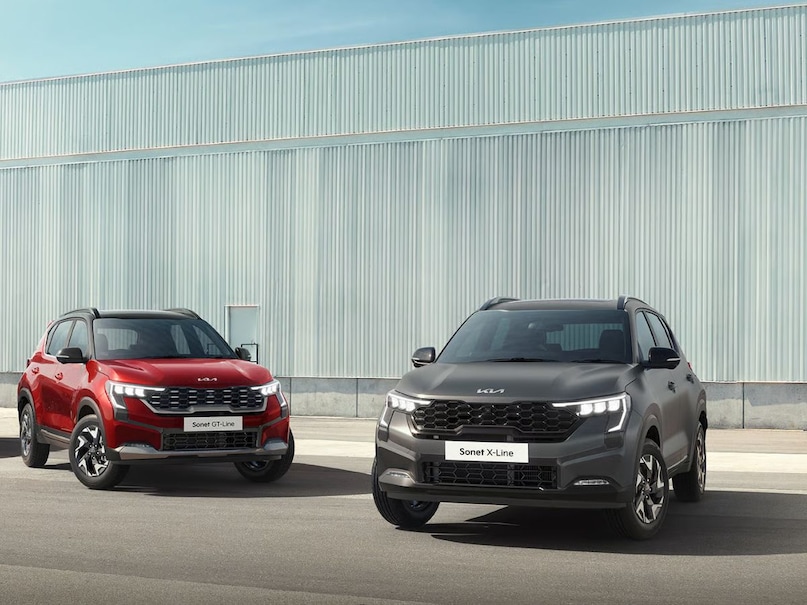
Mahindra Thar Roxx Star Edition has been launched in the Indian market. This is a special and design-focused variant of the Thar Rox, which comes with mainly cosmetic and cabin enhancements, while the mechanicals remain the same. This special edition is mainly based on the diesel manual variant and with stylish looks makes it an attractive option for adventure lovers.

Prices for the Star Edition start at Rs 16.85 lakh for the diesel MT. Petrol AT variant goes up to Rs 17.85 lakh and diesel AT goes up to Rs 18.35 lakh. It is positioned above the lower variants of the Thar Rox like the MX1 or MX3 and slightly below the fully-loaded AX7L. On-road prices can reach Rs 19-22 lakh depending on the location.
design details

The design of the Thar Roxx Star Edition is boxy and muscular, reminiscent of the classic Thar. It has LED projector headlights, LED DRLs, signature grille and round headlamps. The Star Edition gets special cosmetic upgrades like unique alloy wheels, blacked out elements, special badging and stealth black color options. Its 226 mm ground clearance is great for off-roading.

Interior and Features

Modern touches have been given in the cabin. It has soft-touch materials, new steering wheel and revised center console. Enhanced cabin feel is available in Star Edition. Like premium upholstery, multi-function steering and better finishing. It is a 5-seater, which has good legroom and headroom. Boot space is up to 644 litres.

It has features like 10.25-inch touchscreen infotainment system, rear AC vents, height-adjustable driver seat, panoramic sunroof, Harman Kardon sound system, ventilated front seats and powered driver seat. Off-road features include electronic locking differential, hill hold control, hill descent control and smartcrawl.

Top in safety

Mahindra Thar Rox Star Edition also has 6 airbags as standard, features like ESP (Electronic Stability Program), Rollover Mitigation, ABS with EBD, Brake Assist, TPMS (Tire Pressure Monitoring System), rear parking sensors and rear defogger make it better.

Engine and Mileage

There are two engine options in Thar Rox Star Edition. The first 2.0-litre turbo petrol (mStallion) engine produces 160-175 bhp power and 320-380 Nm torque. It is paired with 6-speed MT/AT. Whereas, the 2.2-litre turbo diesel engine gives 150-173 bhp power and 330-380 Nm torque. It is paired with 6-speed MT/AT.

Source link

2026 Tata Punch vs Hyundai Exter: Which is better at a lower price of ₹ 6 lakh? know this

2026 Tata Punch vs Hyundai Exter: Which is better at a lower price of ₹ 6 lakh? know this

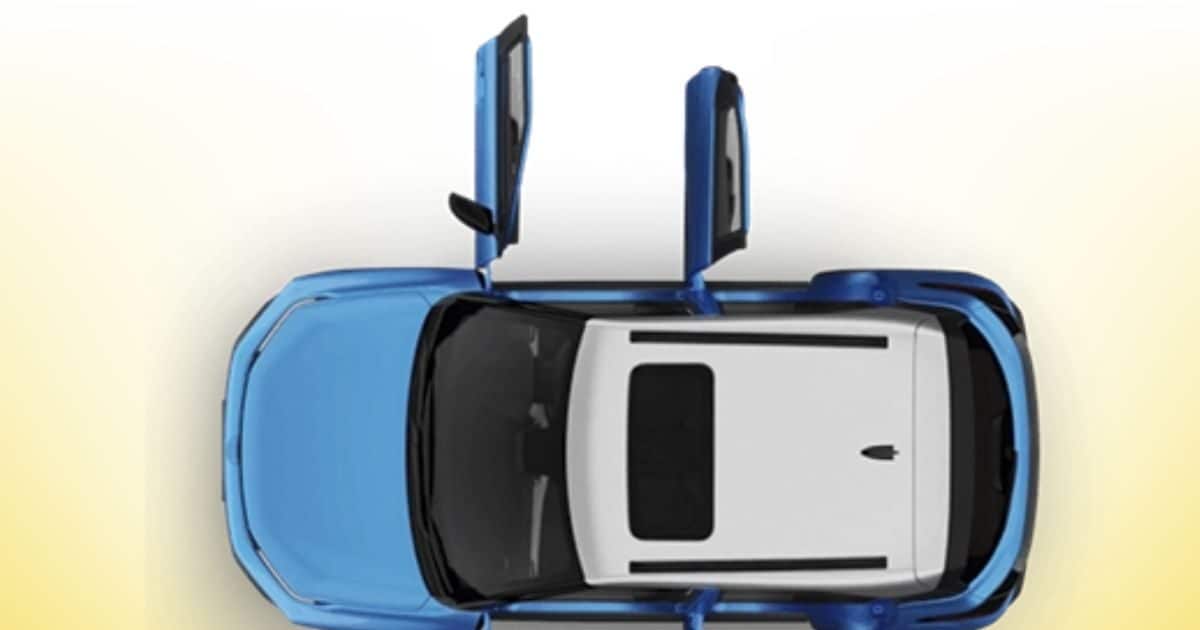
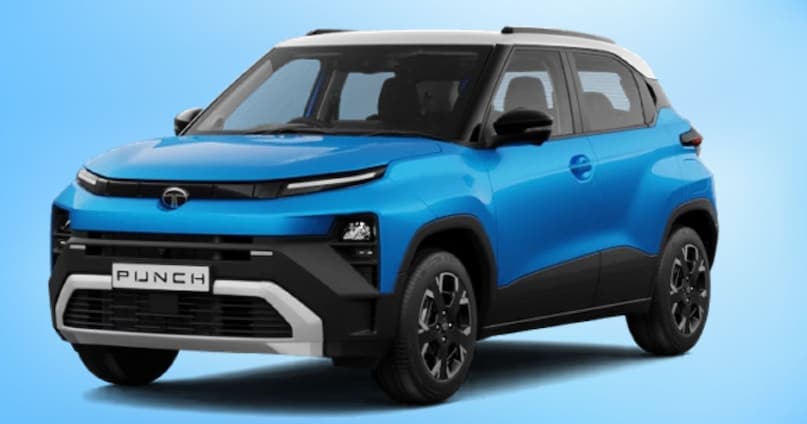
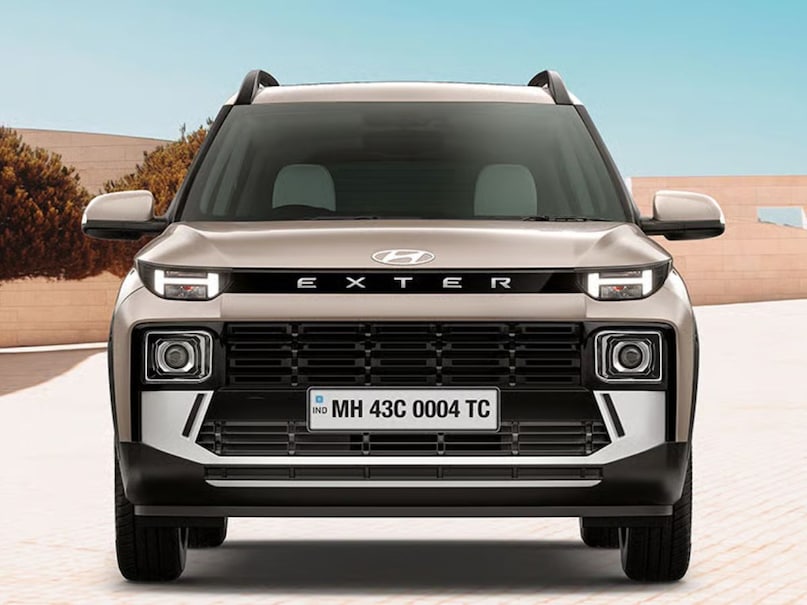
2026 Tata Punch vs Hyundai Exter: Tata Punch and Hyundai Exeter are big competitors within the micro SUV segment. The recently launched new Punch has now become much more advanced in terms of design-interior along with features and safety. Come, let us know which SUV is better among these two at a price of less than Rs 6 lakh.
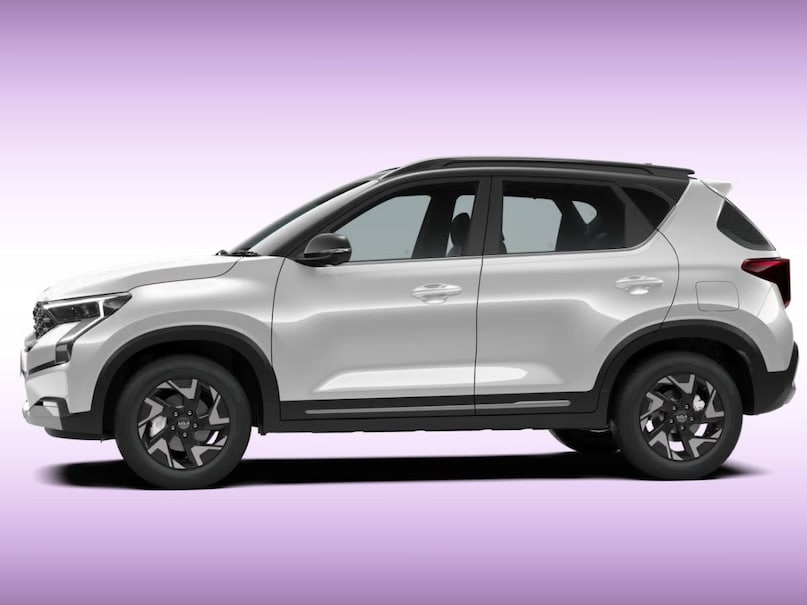
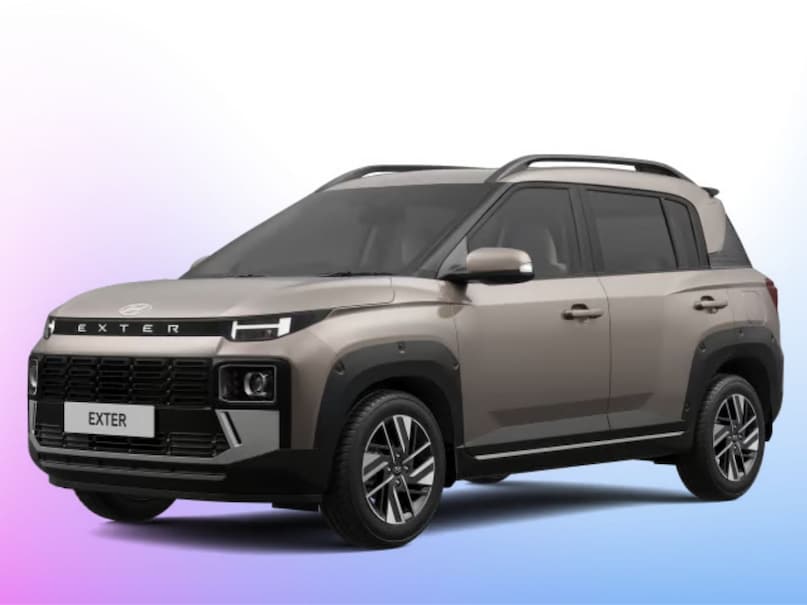
Tata Punch prices start at ₹5.60 lakh and go up to ₹10.55 lakh for the top variant (Turbo/CNG AMT). The base price of Hyundai Exter is ₹5.64 lakh and it goes up to ₹9.61 lakh for the top model. Punch is a bit cheaper but gets expensive at the top end, especially the turbo variant which is priced higher.

who is better in design

The 2026 facelift of Tata Punch is quite aggressive and modern. The SUV looks strong with new LED DRLs, connected LED taillights, revised grille and 16-inch dual-tone alloy wheels. Hyundai Exter's design is smooth and family-friendly with a boxy shape, LED headlights and chrome elements. Exter looks more premium and classy, ​​while Punch is rugged and has youth appeal.

interior detail

The Punch now gets a larger 10.25-inch touchscreen, fully digital instrument cluster, ventilated front seats, dual-zone AC and better thigh support. Exter also has a good cabin. It has features like 8-inch touchscreen, single-zone AC and dashcam. Of the two, the interior of Punch feels more spacious and modern.

What is the difference in features?

Both have sunroof, wireless charging, Android Auto/Apple CarPlay, cruise control. A 360-degree camera, level-2 ADAS (top variant), ventilated seats and a large infotainment screen give the Punch the edge. Exter has unique features like dual camera dashcam and smart sunroof.

Who is first in safety?

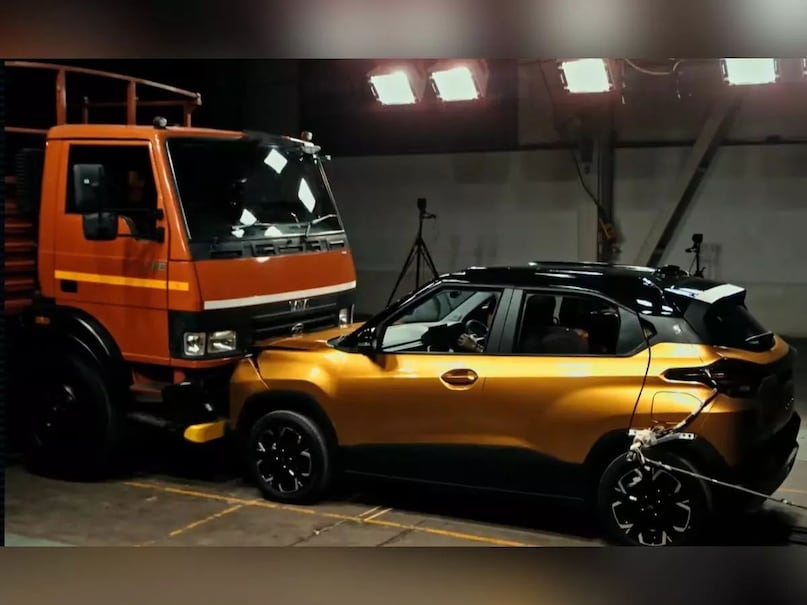
Tata Punch is the safest compact SUV with a 5-star Bharat NCAP rating. It has standard 6 airbags and disc brakes on all wheels. The Exter also comes with 6 airbags, but the NCAP rating is not 5-star. Punch is ahead in safety.

Engine and Mileage

Punch has 1.2L NA petrol (88 PS, 115 Nm), new 1.2L turbo petrol (120 PS, 170 Nm) and CNG option. Mileage goes up to 20 kmpl in NA petrol. The Exter has 1.2L NA petrol (83 PS, 114 Nm) and CNG (69 PS). The mileage of Exter goes around 19-20 kmpl for petrol. Both are capable of giving mileage up to 27 km/kg in CNG.

Source link

Shock for Thar lovers! Company has increased the price of SUV, now it will be available at this price

Shock for Thar lovers! Company has increased the price of SUV, now it will be available at this price

Mahindra Thar is the most popular lifestyle SUV in the country. The company has announced to increase its prices as soon as the year 2026 begins. The prices of Thar have been increased by up to ₹ 20,000 depending on the different variants. The company has released the new price list with immediate effect.

Mahindra has made this revision in the prices of Thar with the beginning of calendar year 2026. There has been no change in the price of the base variant AXT 2WD (Desel), which is still available at ₹9.99 lakh (ex-showroom). However, all other variants, such as LXT trims, models with both 2WD and 4WD, manual and automatic transmissions have received a uniform increase of ₹ 20,000. After this increase, the price of the top-spec variant of Thar has now reached ₹ 17.19 lakh (ex-showroom).

Why did Thar become expensive?

This price hike seems to be a part of the common practice in the automotive industry at the beginning of the year, where companies adjust prices due to increase in costs (such as raw materials, labor or other factors). Mahindra Thar received a facelift update in 2025, in which features like refreshed look in the exterior, body-coloured grille, dual-tone front bumper, 18-inch alloy wheels and spare wheel hub with parking camera at the rear, rear wiper-washer were added. Many new creature comforts, technology and features were also added to the interior, making it more attractive.

good demand in the market

Thar's popularity comes from its rugged design, off-road capability and strong performance. It is available with 1.5L and 2.2L diesel engine options. It also comes in petrol variants. The 4×4 system, high ground clearance and multi-terrain modes make it a preferred choice for adventure lovers.

There will be an impact on the sale!

This price increase, applicable to all except the base model, will impact most buyers. In percentage terms, this is an increase of 1.2% to 1.6% in some variants, which may not seem like much but overall it is effective on the top models. The demand for Mahindra Thar is already very high and it will be interesting to see how much impact this hike has on bookings or sales in the coming months.

Source link

Taxi operators' fun! Tata Motors launches car with yellow number plate, price only Rs 5.59 lakh

Taxi operators' fun! Tata Motors launches car with yellow number plate, price only Rs 5.59 lakh

Tata Motors has introduced the fleet version of its popular compact sedan Tata Tigor in a new avatar in the Indian auto market. the company has Tata XPRES This model has been launched for the taxi and commercial vehicle segment, which is available in both petrol and CNG variants. Its starting price has been kept at Rs 5.59 lakh (ex-showroom, New Delhi), which can prove to be an economical and reliable option for taxi operators.

The XPRES model is based on the Tata Tigor, but has been specifically designed for the fleet and taxi market. The company claims that it is India's number 1 selling EV fleet car, but now it has been strengthened with petrol and CNG variants. It has been launched with better mileage, less maintenance and large boot space.

design details

It gets a new piano black front grille, body colored bumper, piano black trunk lid garnish, 3D headlamps, red lens tail lamps, high mounted LED stop lamps and premium piano black ORVMs. The interior has features like door pocket storage, tablet storage in the glove box, premium dual-tone interiors, digital instrument cluster, full fabric seat upholstery, gear shift display, central roof lamp, trip meter, average fuel efficiency, distance to empty and door open/key reminder.

Safety and features

The list of safety features is quite strong. This includes ABS with EBD and CSC, driver and co-driver airbags, ISOFIX, engine immobilizer, seat belt reminder (all seats), seat belts with pretensioners and load limiters, 3-point ELR seat belts (all seats), rear parking sensors and speed-sensitive auto door locks. The CNG variant has important safety features like micro switch and leak detection.

Comfort and convenience features include segment-first 70L twin-cylinder CNG, height adjustable driver seat, spacious cabin, front power windows, electric power and tilt adjustable steering, front adjustable headrest, front and rear power outlets, central locking with remote keyless entry, collapsible grab handles and manual HVAC. It can be purchased only in pristine white color.

Engine and Performance

The 1.2L Revotron engine installed in Tata XPRES generates 86 PS power and 113 Nm torque in petrol mode, while 75.5 PS power and 95 Nm torque is available in CNG mode. 5-speed manual transmission is standard in both variants. This engine is powerful and proven, which is perfect for long distance rides.

In terms of boot space, XPRES is the best in the segment. The petrol variant has a boot space of 419L, while the CNG variant has 227L, which is possible due to the twin-cylinder technology. Fuel tank capacity is 35L in petrol and 70L (water capacity) in CNG. The tire size is 175/65 R14 and the spare tire is 155/80 R13.

warranty details

Talking about warranty, engine/transmission comes with 3 years/1,00,000 km and extended 5 years/1,80,000 km warranty. Tata Motors says that this vehicle is perfect for taxi operators, because there is a balance of lower running cost in CNG variant and better performance in petrol. In the market it will compete with competitors like Maruti Dezire Tour S and Hyundai Xcent Prime.

Source link

If toll is not paid, work will be halted, dues will have to be cleared before selling the vehicle and taking the fitness certificate.

If toll is not paid, work will be halted, dues will have to be cleared before selling the vehicle and taking the fitness certificate.

Last Updated:

The government has made strict rules regarding the outstanding toll money. Now, if you have any dues on your vehicle with the National Highway toll plaza, you will not be able to sell the vehicle nor will you be able to renew its fitness certificate or get a new one made.

Now people will not be able to sell their vehicles if toll is outstanding.

New Delhi. If you are thinking of selling your car or are going to renew your fitness certificate, then this news is very important for you. Now toll dues will not be limited to FASTag only. The Central Government has taken a big step regarding toll collection on the National Highway. After the new rules of the government, if even one rupee of toll is left, neither the vehicle will be transferred nor the fitness certificate will be given.

The Ministry of Road Transport and Highways (MoRTH) has made changes in the Central Motor Vehicles Rules, 2026. According to the new rules, now any vehicle owner will have to pay all his outstanding toll before selling the vehicle (ownership transfer) or getting the fitness certificate made/renewed.

curb toll evasion
The government says that this step has been taken to stop toll evasion, ensure compliance with rules and collect chard equally from all road users. This will further strengthen the fast, cashless and accessible toll system in the country.

Toll dues now linked to vehicle related works
After the implementation of the new rules, if toll is outstanding on any vehicle, its ownership transfer or fitness certificate will not be issued. This means that important administrative work related to the vehicle will be completed only when the full amount of toll is paid. These rules will be applicable to all vehicles using toll roads across the country. With this, the rules will be strictly followed by linking the toll system and vehicle administration.

Electronic toll collection (ETC) will get a boost
RFID based FASTag and electronic toll collection system has reduced the crowd at toll plazas, but still some people continue to avoid paying toll. After the new rules, making it mandatory to pay toll dues, toll evasion will become difficult and cashless tolling will be encouraged.

What will be the impact on vehicle owners?
Now vehicle owners have to ensure that there is no outstanding in their FASTag or toll account. This will increase responsibility, but in the long run there will be less disputes regarding toll and the journey will be easier and faster.

home business

If toll is not paid, work will be halted, dues will have to be cleared before selling the vehicle.

Source link

People with this much salary will easily buy the new Tata Punch, understand the calculation of down payment and EMI in minutes.

People with this much salary will easily buy the new Tata Punch, understand the calculation of down payment and EMI in minutes.

2026 Tata Punch has made a spectacular entry in the Indian market. The company has made this popular SUV more advanced than before and has launched it at a starting ex-showroom price of only Rs 5.59 lakh. With its launch, the new Punch has become the first SUV in the country to offer an automatic gearbox with CNG.
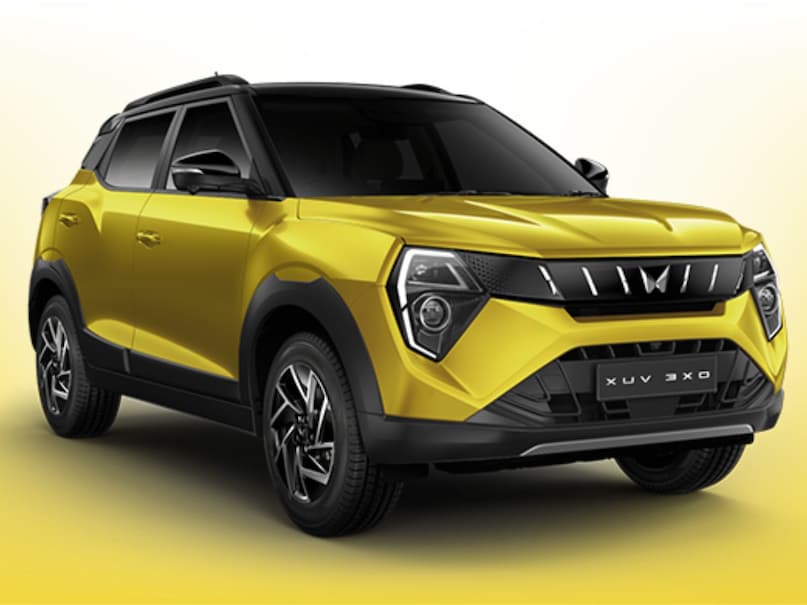
If you are planning to buy the new Tata Punch and are facing budget problems, rest assured. In this article we will know about the On Road Price and EMI details of 2026 Tata Punch. You will also know about the features, specifications, engine and mileage of the vehicle.

2026 Tata Punch On Road Price & EMI

As told to you, the new Punch can be bought in the country's capital Delhi at a starting ex-showroom price of only ₹ 5,59,900. After this, road tax of ₹ 31,396 and insurance amount of ₹ 34,629 will have to be paid on the base variant of the new Punch. Additionally, additional fees of up to Rs 500 may also have to be paid. In this way the on-road price of the vehicle will reach Rs 6,26,425.

If you make a down payment of Rs 1 lakh for this on-road price, then you will have to take a car loan of the remaining Rs 5,26,425. Let us assume that you get this loan at an interest rate of 10 percent for 5 years. In such a situation, you will be able to repay this loan in 60 months with an EMI of Rs 11,185.

how much interest will go

After paying EMI for 5 consecutive years and down payment of Rs 1 lakh, you will pay a total interest of Rs 1,44,674 in 60 installments. In this way, after interest, the total price of your car will be Rs 6,71,099, which also includes the down payment of Rs 1 lakh.
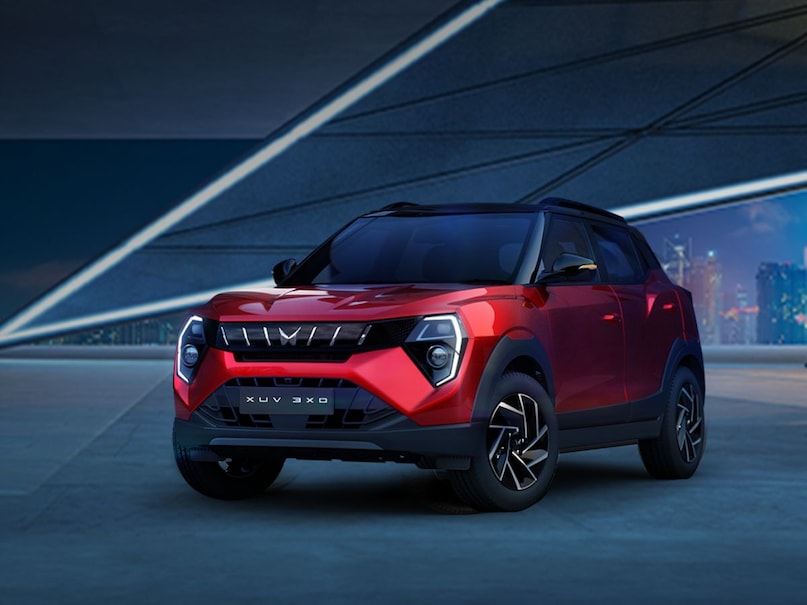
Features and mileage details

The 2026 Tata Punch facelift has three engine options – 1.2L naturally aspirated petrol (88 PS, 115 Nm), 1.2L turbo petrol (iTurbo – 120 PS, 170 Nm, 6-speed MT) and CNG (73 PS, 103 Nm). Mileage is 18-20 kmpl in petrol, 18 kmpl in turbo and 26-27 km/kg (ARAI) in CNG
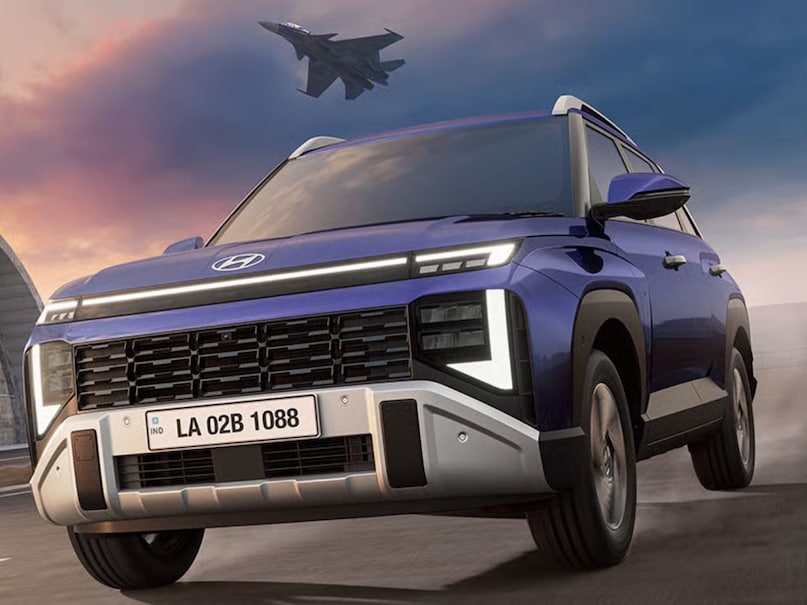
Talking about safety, it has 5-star Bharat NCAP rating, standard 6 airbags in all variants, ESP, TPMS, 360° camera, hill hold, blind spot monitor. Features include 10.25-inch touchscreen (wireless AA/CP), sunroof, cruise control, ventilated seats, ambient lighting and LED lights. Overall, this is a safe and feature-rich micro SUV.

Our advice: The On Road Price and EMI related details mentioned above are just an example. This figure may increase or decrease due to change of vehicle model, dealership, insurance company or RTO. Apart from this, getting car loan approved at low interest rate depends on your credit score and monthly earnings. If you earn 40-50 thousand per month, then you can consider buying it on EMI.

Source link