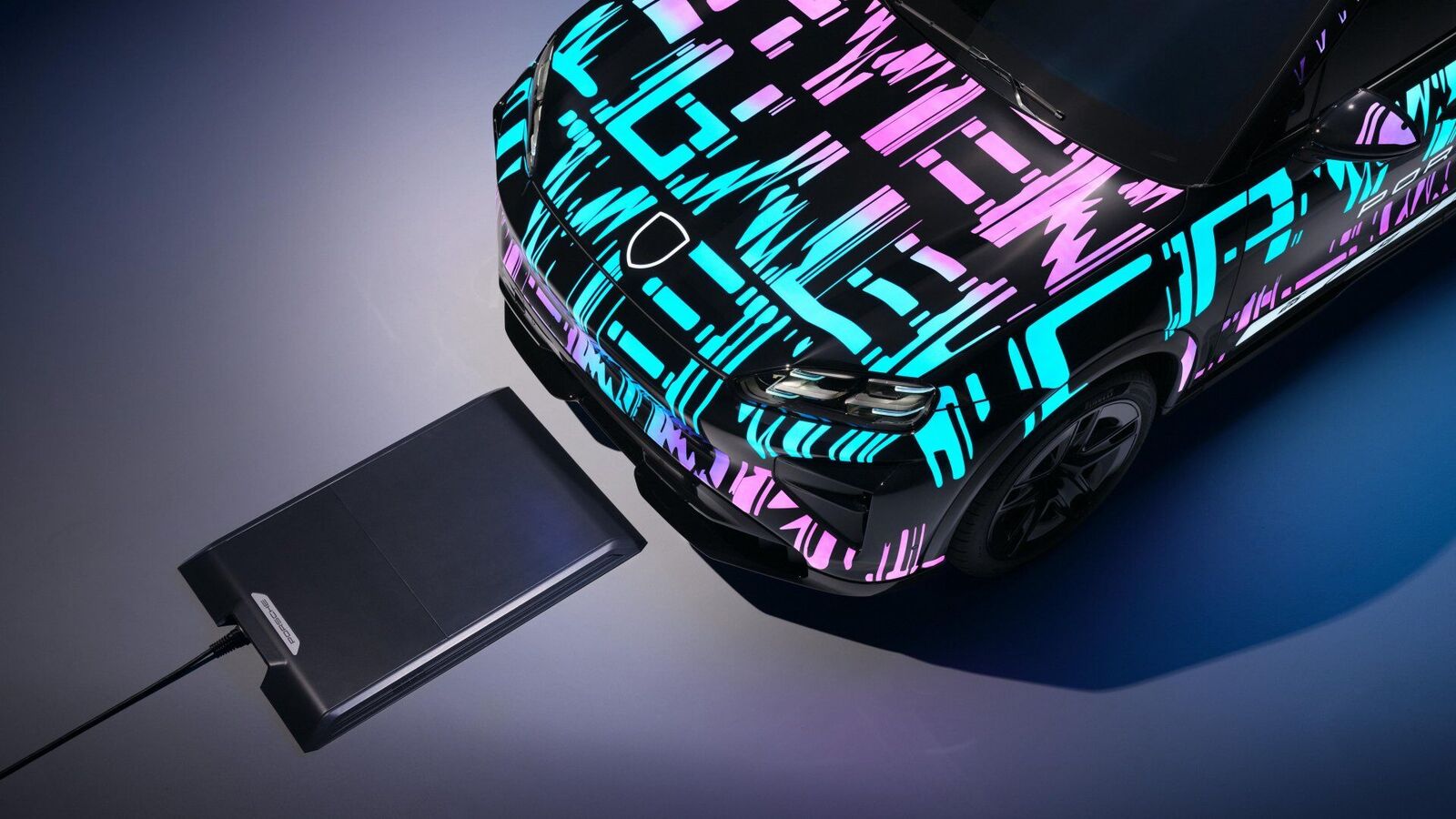
Here's how the Porsche Cayenne Electric's wireless charging works

Here's how the Porsche Cayenne Electric's wireless charging works

  • Porsche's upcoming Cayenne Electric introduces wireless home charging using a floor plate and underbody receiver, enabling automatic, cable-free energy transfer with built-in safety controls.

The Cayenne Electric aligns on a floor-mounted charging plate that transfers energy through an inductive coil hidden in the SUV's underbody.

View personalized offers

check offer icon check offers

Porsche is preparing to introduce a wireless charging option for the upcoming Cayenne Electric, aiming to eliminate one of the most awkward parts of EV ownership: plugging in. Instead of handling a cable, owners will be able to park on a floor-mounted plate in their garage and let the car do the rest. Here's a clear explanation of how the system works, what makes it different and why it matters.


Preferred Source Banner

A wireless setup consists of two main components:

  • A floor plate is installed in a parking lot or garage.
  • A receiver unit is installed behind the front axle of the Cayenne.

The floor plate houses all the necessary electronics in a single box approximately 6 cm high, 78 cm wide and 117 cm long. Unlike previous inductive systems that required additional hardware, such as a wallbox, this plate only requires connection to the household power supply.

Before charging for the first time, the vehicle and the plate perform a one-time digital handshake, exchanging data and passwords via the plate's built-in Wi-Fi. This prevents misuse including attempts at power theft.

How do drivers position the SUV?

To guide the car to the right place, Porsche uses technology similar to its Keyless Go system.

  • On the car display, the receiver's location is shown as a green dot.
  • The charging coil is visible as a green circle in the floor plate.
  • Parking is accurate when the point sits inside the circle.

Even if the alignment is not perfect, the system allows up to 10 cm of misalignment, with the software continuously adjusting the charging parameters to maintain efficiency.

The science behind the “wireless” part

Although the idea is similar to wireless phone charging, the underlying engineering is more complex. The plate uses inductive coupling, where a magnetic field created by a coil in the floor plate induces a voltage in a matching coil on the vehicle.

To make this work at EV-scale power levels, the system converts regular grid electricity into direct current and then transforms it, inside the plate, into high-frequency alternating current of about 85 kHz. This high-frequency signal is what allows useful amounts of energy to efficiently cross the air gap. Continuous software monitoring ensures that even if the coils are not perfectly aligned, the power flow remains stable.

Security systems work in the background

Charging in the air gap requires careful control of heat, magnetic fields, and anything that slides under the vehicle. The receiver is surrounded by shielding to keep magnetic exposure away from the cabin, while ferrite components in the plate and vehicle direct the magnetic field where it is needed.

The plate constantly checks for metal objects, keys, tools and coins that may become hot if left on or near the charging area. It also uses motion detection to keep pets or hands from reaching under the car. If something is detected, the system warns the driver or stops charging immediately. Porsche says the technology also stays well within electromagnetic-compatibility limits to avoid interference with other electronics.

What can owners expect

Day-to-day use is designed to feel “normal” without any cables. Park, confirm alignment on the display, set the parking brake and drive away. Charging times and performance should match what owners already expect from a wired 11 kW home setup.

Porsche is also exploring a future version where the car could park itself on top of the plate and automatically begin charging, taking the driver out of the process entirely.

Upcoming cars in India in 2025, check out the best SUVs in India.

First publication date: 15 November 2025, 08:30 AM IST
Source link

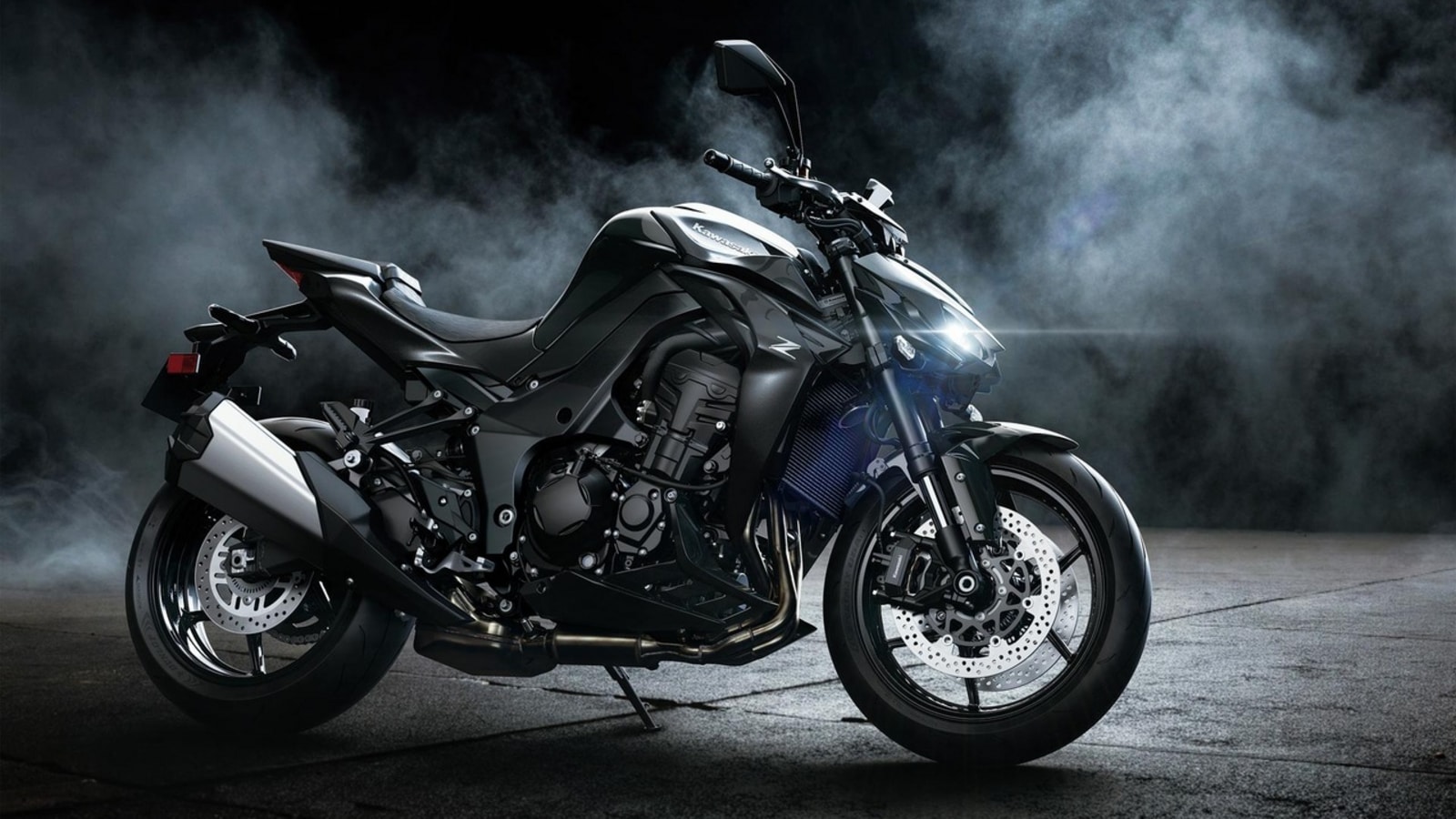
Kawasaki Z1100 Supernaked launched in India at ₹12.79 lakh

Kawasaki Z1100 Supernaked launched in India at ₹12.79 lakh

Kawasaki Z1100: Design and styling

The Kawasaki Z1100 continues the bold and muscular aesthetic that defined its predecessor. With twin-pod LED headlamps, a sculpted fuel tank and a sharply contoured tail, the motorcycle maintains its hunter-like stance. The familiar Sugomi design language gives the Z1100 a distinctive, ready-to-pounce look that is synonymous with Kawasaki's naked lineup.

Kawasaki Z1100: Engine and performance

Powering the motorcycle is a 1,099cc liquid-cooled inline-four engine that is shared with the Ninja 1100SX. It produces 136 hp at 9,000 rpm and 113 Nm of torque at 7,600 rpm, mated to a 6-speed gearbox with Kawasaki Quick Shifter (KQS) system for clutchless upshifts and downshifts. The Z1100 uses an aluminum frame from the Ninja 1100SX and comes with a curb weight of 221 kg, which is similar to its international counterpart.

specifications Description
engine type 1,099cc, liquid-cooled, inline-four
power output 136hp at 9,000rpm
Torque: 113Nm at 7,600rpm
Gearbox 6-speed unit with Kawasaki Quick Shifter (KQS)
cooling system liquid cooled
frame type Aluminum frame (shared with Ninja 1100SX)
Kerb weight 221 kg
tire Dunlop Sportmax Q5A (120/70-ZR17 front, 190/50-ZR17 rear)
suspension Fully adjustable Showa units (front and rear)
break Tokico Braking System

Kawasaki Z1100: Features and Electronics

Kawasaki has equipped the Z1100 with a comprehensive suite of modern features accessed through the new 5-inch TFT display. This system allows riders to monitor and adjust various electronic aids, including:

  • Five-axis IMU-based rider assistance system
  • Three levels of traction control
  • Two selectable power modes
  • cruise control
  • two-way quickshifter
  • Dual-channel ABS

The display also offers Bluetooth connectivity, providing access to turn-by-turn navigation, call and message alerts, and other smartphone-based functions.

Kawasaki Z1100: chassis, suspension and brakes

The Z1100 rides on fully adjustable Showa suspension units at both ends, ensuring optimum handling and ride comfort. Braking performance is handled by Tokico callipers, while the motorcycle is fitted with Dunlop Sportmax Q5A tyres, sized at 120/70-ZR17 at the front and 190/50-ZR17 at the rear.

Kawasaki Z1100: model lineup and rivals

The 2026 Kawasaki Z1100 is available in a single Metallic Gray color in India, with no SE variant offered at launch. Its direct competition is with Honda CB1000 Hornet SP, which is priced at 13.29 lakh (ex-showroom), which gives Kawasaki a significant price advantage in the segment.

Check out the upcoming bikes in India.

First publication date: 14 November 2025, 15:12 PM IST

Source link

Audi previews Formula 1 identity with R26 concept ahead of 2026 debut

Audi previews Formula 1 identity with R26 concept ahead of 2026 debut

  • Audi's R26 concept provides the first look at its Formula 1 design and confirms its technical, strategic and operational roadmap ahead of the 2026 debut season.

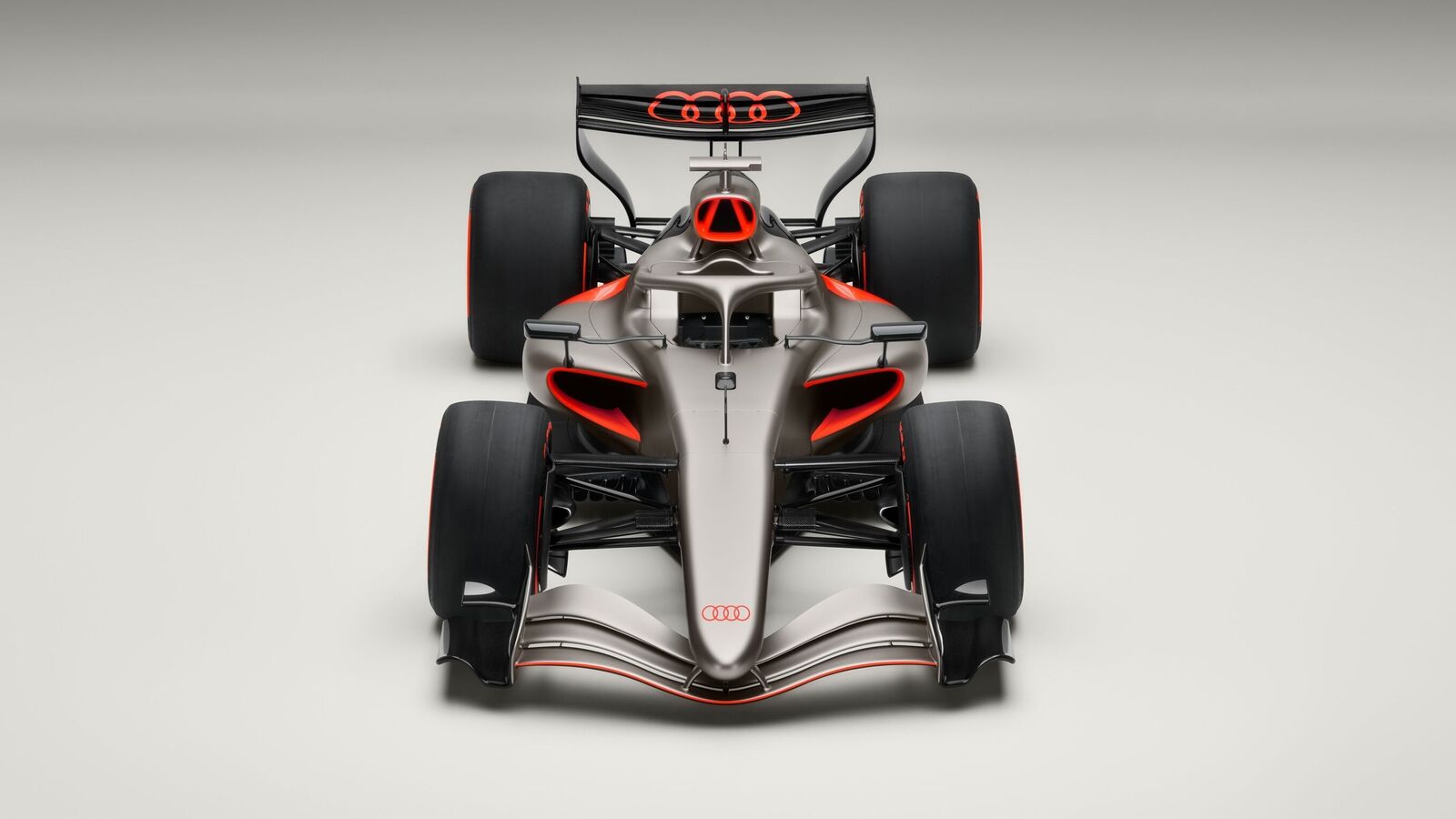
Audi has unveiled its R26 concept for its entry into Formula 1.

Audi has unveiled the R26 Concept, providing a first look at its Formula 1 design language and detailing the team's preparations for its debut in the 2026 season. The reveal at the Audi Brand Experience Center in Munich is a major step towards the company's entry into the pinnacle of motorsport.

Preferred Source Banner

The R26 Concept introduces a clean, geometric aesthetic defined by titanium, carbon black and the new Audi Red. The brand's iconic four rings will also appear in red for the first time, reserved exclusively for its Formula 1 identity. Chief creative officer Massimo Frascella said the concept represents Audi's new design philosophy, which aims to unify its racing presence and road-car lineup through simplicity and precision.

Technical base and team structure

Audi's Formula 1 program operates at three major locations. The Neuburg facility in Germany leads the development of the power unit. This unit is a 1.6-litre turbocharged V6 hybrid that runs on sustainable fuel under the new 2026 regulations. The hybrid system will provide almost identical power to the combustion engine, making F1 technology relevant to the road car.

Audi R26 Concept
The Audi R26 Concept showcases the brand's new Formula 1 design language, featuring a mix of titanium, carbon black and Audi Red accents.

Chassis development and race operations are based at the former Sauber factory in Hinwil, Switzerland, now wholly owned by Audi. A technical office in Bicester, UK, provides access to motorsport expertise from the heart of “Motorsport Valley”.

The F1 team will be led by Mattia Binotto and Jonathan Wheatley, who will report directly to CEO Gernot Dollner. The driver lineup includes Nico Hulkenberg and Gabriel Bortoletto, who combine experience with emerging talent.

Strategic move in motorsport

Döllner called the entry the “next chapter” in Audi's renewal, which aims to make the team competitive by 2030. CFO Jürgen Rittersberger said the move is in line with the brand's long-term business strategy, citing Formula 1's cost-cap model and global audience as key incentives.

Audi has already secured Adidas, BP and Revolut as key partners. The first full F1 car will be revealed in January 2026. This will then be followed by testing in Barcelona and Bahrain before the team's race debut at the Australian Grand Prix (6-8 March, 2026).

Upcoming cars in India in 2025, check out the best SUVs in India.

First publication date: 13 November 2025, 14:02 PM IST

Source link

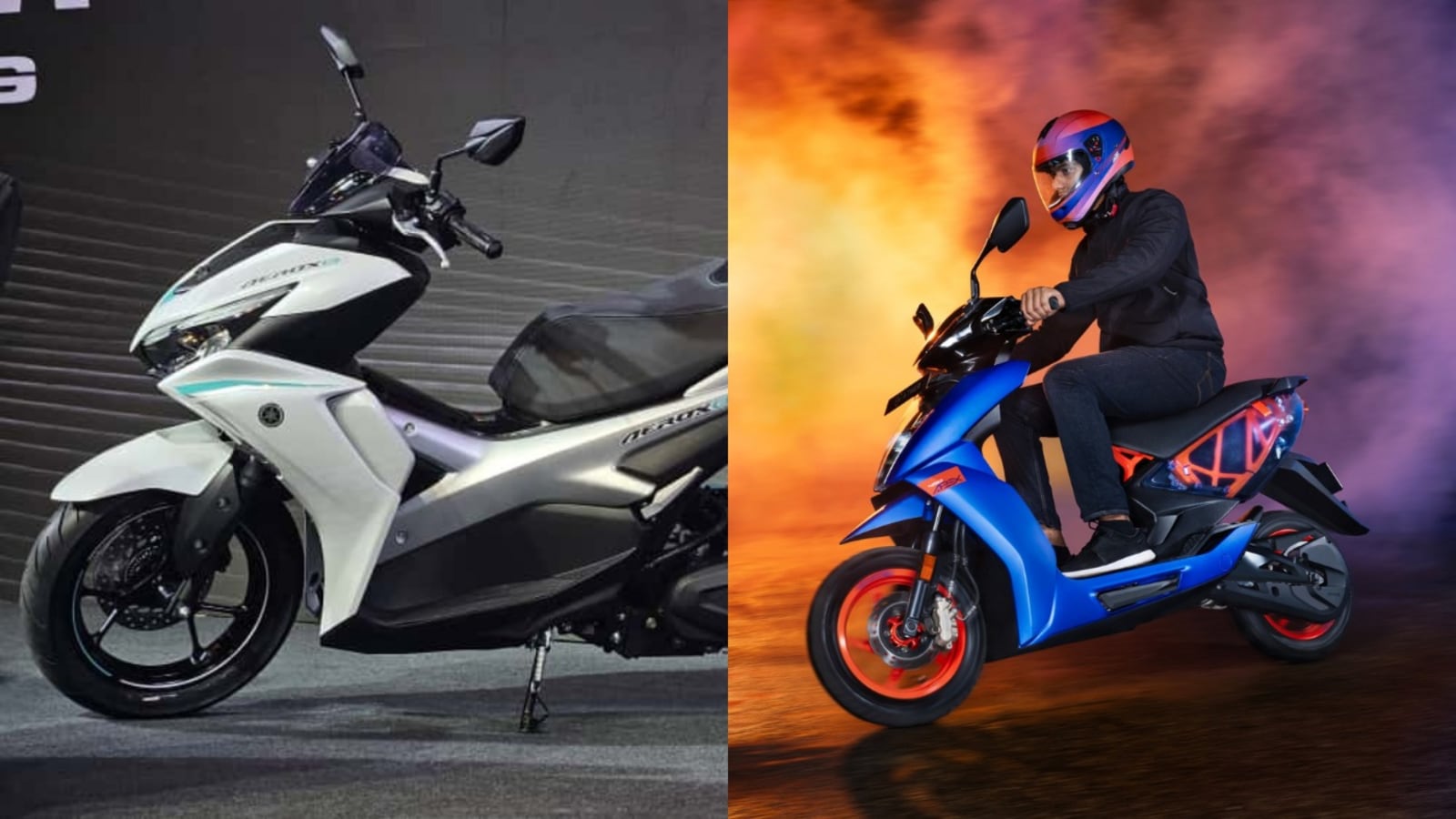
Yamaha Aerox E vs Ather 450 Apex: Which sporty electric scooter will you choose

Yamaha Aerox E vs Ather 450 Apex: Which sporty electric scooter will you choose

The Aerox E has a 3.0 kWh lithium-ion battery pack, split into two removable 1.5 kWh units, meanwhile, the Ather 450 Apex draws power from a 3.7 kWh lithium-ion fixed battery.

The Aerox E has a 3.0 kWh lithium-ion battery pack, split into two removable 1.5 kWh units, meanwhile, the Ather 450 Apex draws power from a 3.7 kWh lithium-ion fixed battery.

View personalized offers

check offer icon check offers

In India, the electric two-wheeler industry is changing rapidly as established brands and domestic start-ups are venturing into the premium segment. YAMAHA The Aerox E is the brand's first serious attempt in this field and brings Yamaha's sporty DNA to the electric space. On the other hand, ather energy 450 top This is the most performance-oriented scooter from Ather, adding an edge to an already proven platform. Each of these scooters is designed for urban riders who want performance and design as well as a connecting experience in an electric two-wheeler.

Preferred Source Banner

Yamaha Aerox E vs Ather 450 Apex: Design

The Yamaha Aerox E closely mirrors the design of its petrol-powered counterpart arox 155The overall silhouette resembles a maxi-scooter, complete with a long front apron, twin LED headlamps and a wide floorboard tunnel, The visual stance continues to emphasize Yamaha's performance roots, The scooter uses the same underbone frame, although it has been modified to house a twin removable battery setup, Yamaha has also adjusted the underseat storage layout and battery compartment, bringing the scooter down to 139 kg, which is about 13 kg heavier than the ICE version,

On the other hand, the Ather 450 is based on the Apex 450X platform but refines its design execution. It features a new color theme, transparent side panels and a distinctive orange frame. The compact proportions remain unchanged, keeping its weight down at 111.6 kg. The design focus of the Apex lies in improving aerodynamic efficiency, while maintaining the Ather's signature minimalist appeal.

Yamaha Aerox E vs Ather 450 Apex: Features

Arox E supports multiple ride Mode – ecologyStandard, and Boost. The scooter gets Bluetooth connectivity, fully digital LCD display, LED lighting and front disc brake with ABS. Yamaha has also integrated regenerative braking, although details of the software tuning have been kept under wraps.

The Ather 450 Apex brings a rich feature suite, reflecting the brand's software-first approach. It gets a 7-inch touchscreen instrument cluster with Google Maps integration, cruise control, multi-level regenerative braking and Warp+ mode for best performance. The scooter runs on Ather's latest 5.0 software update, which adds smoother throttle mapping and better battery management. OTA (over-the-air) updates remain a strong differentiator in Ather's feature stack.

Yamaha Aerox E vs Ather 450 Apex: Specifications

In terms of performance, the Yamaha Aerox E uses a 9.5kW motor, which produces 48Nm of torque. The Aerox E has a 3.0 kWh lithium-ion battery pack, split into two removable 1.5 kWh units. Yamaha claims a range of 106 km (IDC), with a top speed expected to be around 95 km/h. The battery supports both standard and fast charging, although detailed timings have not been disclosed. The Aerox E is underpinned by a telescopic front fork and twin rear shocks, similar to the ICE model, ensuring a familiar riding setup.

The Ather 450 Apex uses a 7 kW PMS motor that produces 26 Nm of torque and a top speed of 100 km/h. It draws power from a 3.7 kWh lithium-ion battery with an IDC range of 157 km. Using a standard charger, it takes 5.5 hours for a full charge, while Ather's fast-charging network can add 15 km of range in about 10 minutes.

Check out upcoming EV bikes in India.

First publication date: 12 November 2025, 15:56 PM IST

Source link

Maruti Suzuki E Vitara will be launched on December 2. View Details

Maruti Suzuki E Vitara will be launched on December 2. View Details

Maruti Suzuki E Vitara is built on the company's dedicated “Heartect-e” platform and will be offered in two battery capacities – 49 kWh and 61 kWh.

Maruti Suzuki E Vitara is built on the company's dedicated “Heartect-e” platform and will be offered in two battery capacities – 49 kWh and 61 kWh.

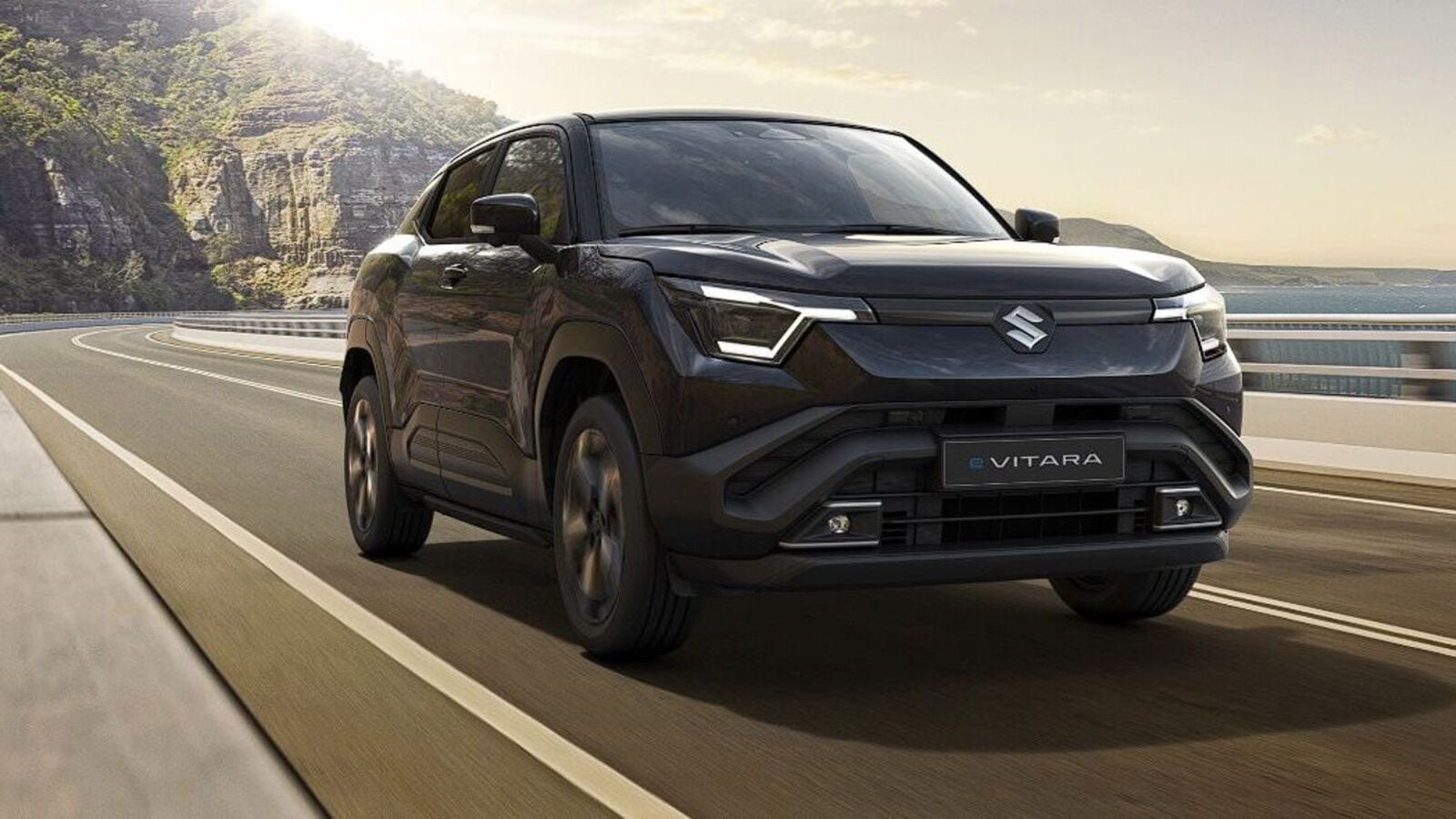
Maruti Suzuki, India's largest carmaker, is on the verge of its most significant transformation into electric mobility. Maruti Suzuki E Vitara Scheduled to make its domestic debut on 2 December 2025 Maruti Suzuki India Limited's first fully battery-electric vehicle (BEV) for the Indian market. Although the date is now confirmed, the real challenge will be to translate that launch into real market relevance.

Preferred Source Banner

The e Vitara is built on the company's dedicated “Heartect-e” platform and will be offered in two battery capacities – 49 kWh and 61 kWh. The two sizes show that Maruti is targeting both urban commuters and buyers demanding more range.

(Also read: Maruti Suzuki crosses 3 crore domestic sales mark in India, creates new record,

The small 49 kWh pack has a WLTP range of up to 344 km and is available with a front-wheel drive setup that produces 142 bhp and 193 Nm of torque. The larger 61 kWh pack is available in FWD and AWD variants. While the FWD variant offers a WLTP range of up to 426 km, from an electric motor that outputs 171bhp and 193 Nm, the AWD variant bumps the power output to 181 bhp and 307 Nm of torque, for a range of up to 395 km. Price-wise, early reports are around the starting range 20 lakh ex-showroom for the Indian market.

Maruti Suzuki E Vitara presents a modern and premium design with LED projector headlights, Y-shaped LED daytime running lights and front fog lamps. Since it is an electric vehicle, it does not require any conventional radiator grille. The side profile features black cladding and 18-inch aerodynamically optimized alloy wheels. At the rear, it has a black bumper, three-piece LED taillights connected by a glossy black strip.

(Also read: GST reform revives Maruti Suzuki small cars as hatchbacks overtake SUVs,

Maruti Suzuki E Vitara: Interior and features

Inside, the E Vitara is equipped with a dual-spoke steering wheel and a dual-screen dashboard setup. It includes a 10.1-inch touchscreen infotainment system and a 10.25-inch digital instrument cluster. Other interior features include rectangular AC vents, an auto-dimming IRVM, semi-leatherette seats, an electronic parking brake and a wireless phone charger. Additional features include a panoramic sunroof, 10-way adjustable driver's seat and ventilated front seats. The vehicle comes standard with seven airbags, 360-degree surround view camera and ADAS technology.

Check out upcoming EV cars in India.

First publication date: 11 November 2025, 15:39 PM IST

Source link

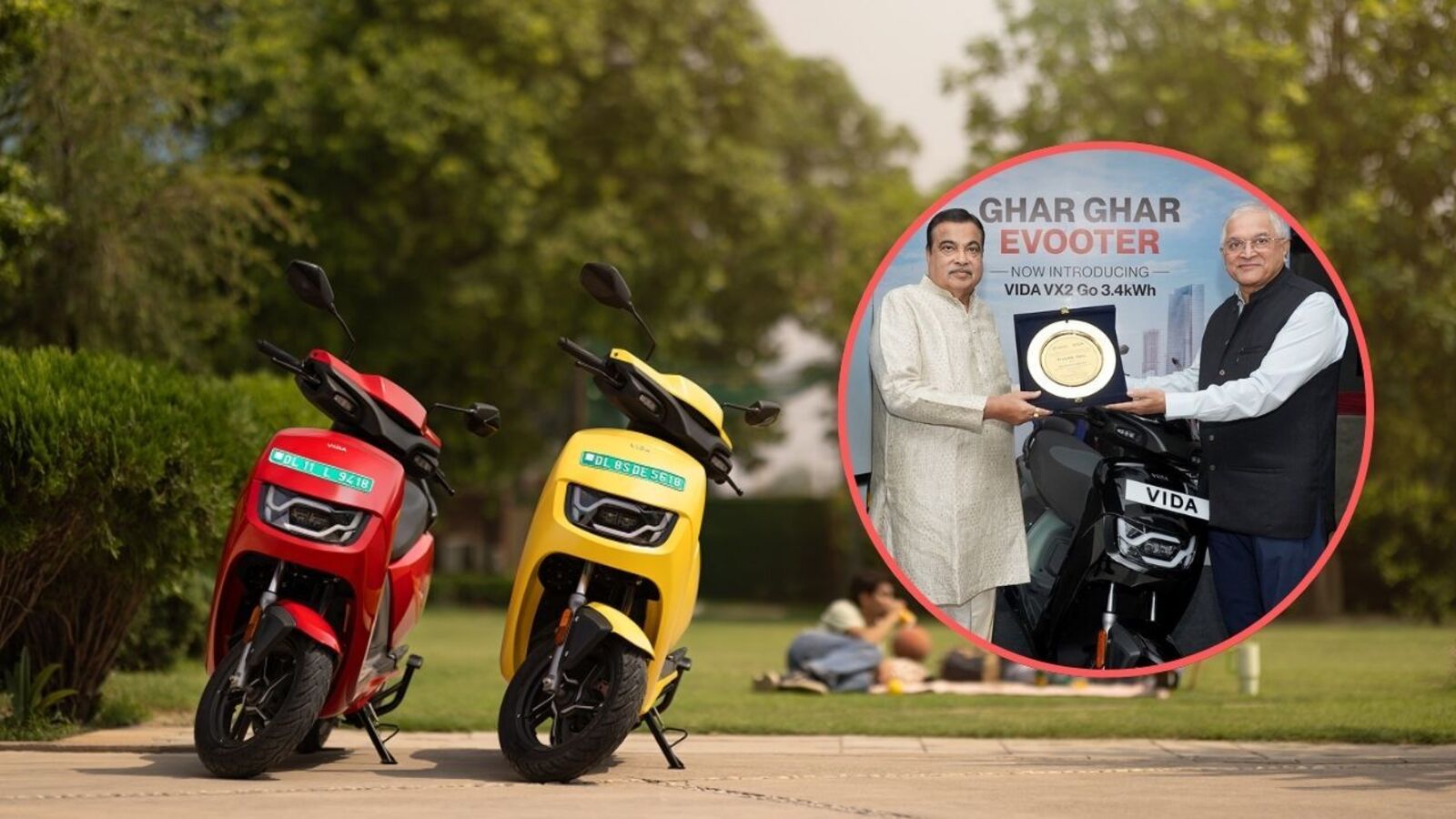
VIDA expands VX2 lineup with new 3.4 kWh Go variant, priced at ₹1.02 lakh

VIDA expands VX2 lineup with new 3.4 kWh Go variant, priced at ₹1.02 lakh

Positioned a step up from the existing VX2 Go, the new 3.4 kWh variant offers improved performance and extended range. It is equipped with a dual-removable-battery setup that offers a range of up to 100 km per charge in the real world. The motor produces a maximum power output of 6 kW and 26 Nm of torque, allowing the scooter to reach a speed of 70 kmph. The VX2 Go 3.4 kWh further adds two riding modes, Eco and Ride, allowing riders to manage efficiency and responsiveness depending on riding conditions.

The VX2 Go 3.4 kWh retains the compact and functional form factor, with a flat floorboard, a large seat and 27.2 liters of under-seat storage. The suspension is said to be tuned to suit Indian road conditions to enhance ride comfort both when riding solo as well as with a pillion rider or luggage.

Commenting on the launch, Kaushalya Nandakumar, Chief Business Officer – Emerging Mobility Business Unit, Hero MotoCorp, said: “VIDA has always stood for progress – combining innovation with functionality to improve the lives of Indian riders. The new eVoter VX2 Go 3.4 kWh is designed for those who want more range and efficiency in their commute – conscious of performance, practicality and purpose. It is designed to empower everyday mobility. And strengthens our commitment to lead India towards a cleaner, better tomorrow.”

Also read: Advantages and disadvantages of Vida VX2 explained

VIDA VX2 Go 3.4 kWh: at a glance

Social class Description
price 1.02 lakh (ex-showroom)
battery capacity 3.4 kWh Lithium-Ion (dual removable pack)
peak power 6 kilowatt
peak torque 26nm
top speed 70 km/h
Range (real world) Up to 100km per charge
riding mode echo and ride
break Drum brakes (front and rear) with CBS.
wheels/tyres 12 inch alloys with tubeless tires
storage capacity 27.2 liters under seat
to sit Large double seat for rider and pillion
special features Flat Floorboard, Dual Battery Setup, 2-Step Riding Mode, Portable Charging
connectivity Basic digital instrument cluster with ride information display
Battery as a Service (BaaS) Available – 60,000 base+ 0.90/km usage charge
Availability VIDA dealerships across the country from November 2025
other types VX2 Go 2.2 kWh (standard), VX2 Plus (top version)

VIDA VX2 Go 3.4 kWh: Price and availability

To further ease EV adoption, VIDA is offering its Battery-as-a-Service (BaaS) model for the new version, allowing customers to subscribe to the scooter's battery instead of purchasing it outright. This helps reduce initial ownership costs while providing flexible charging and maintenance solutions. instead of paying At a one-time price of Rs 1.02 lakh (ex-showroom), customers can opt for BaaS, which starts at 60,000, with additional pay-per-kilometre cost 0.90.

The new variant will be available at VIDA dealerships across the country from November 2025. With the launch of the VX2 Go 3.4 kWh, the brand's VX2 portfolio now consists of three models: VX2 Go 2.2 kWh, VX2 Go 3.4 kWh, and VX2 Plus. With this, the brand caters to a wide spectrum of electric scooter buyers, from daily commuters to those seeking more performance from their rides.

Check out upcoming EV bikes in India.

First publication date: 10 November 2025, 14:06 PM IST

Source link

2025 Renault Triber AMT test: Does the 7-seater deliver fuel efficiency?

2025 Renault Triber AMT test: Does the 7-seater deliver fuel efficiency?

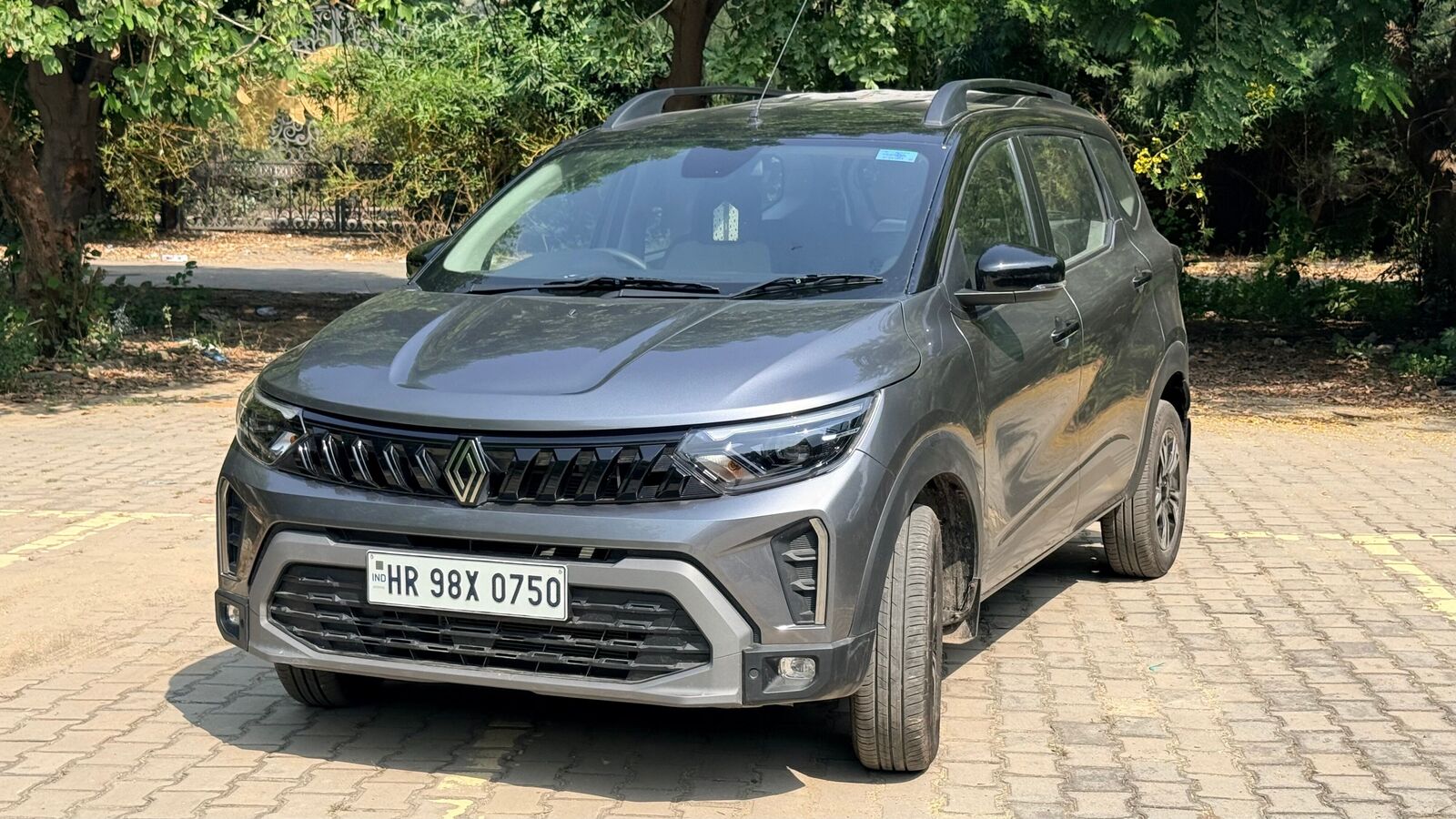
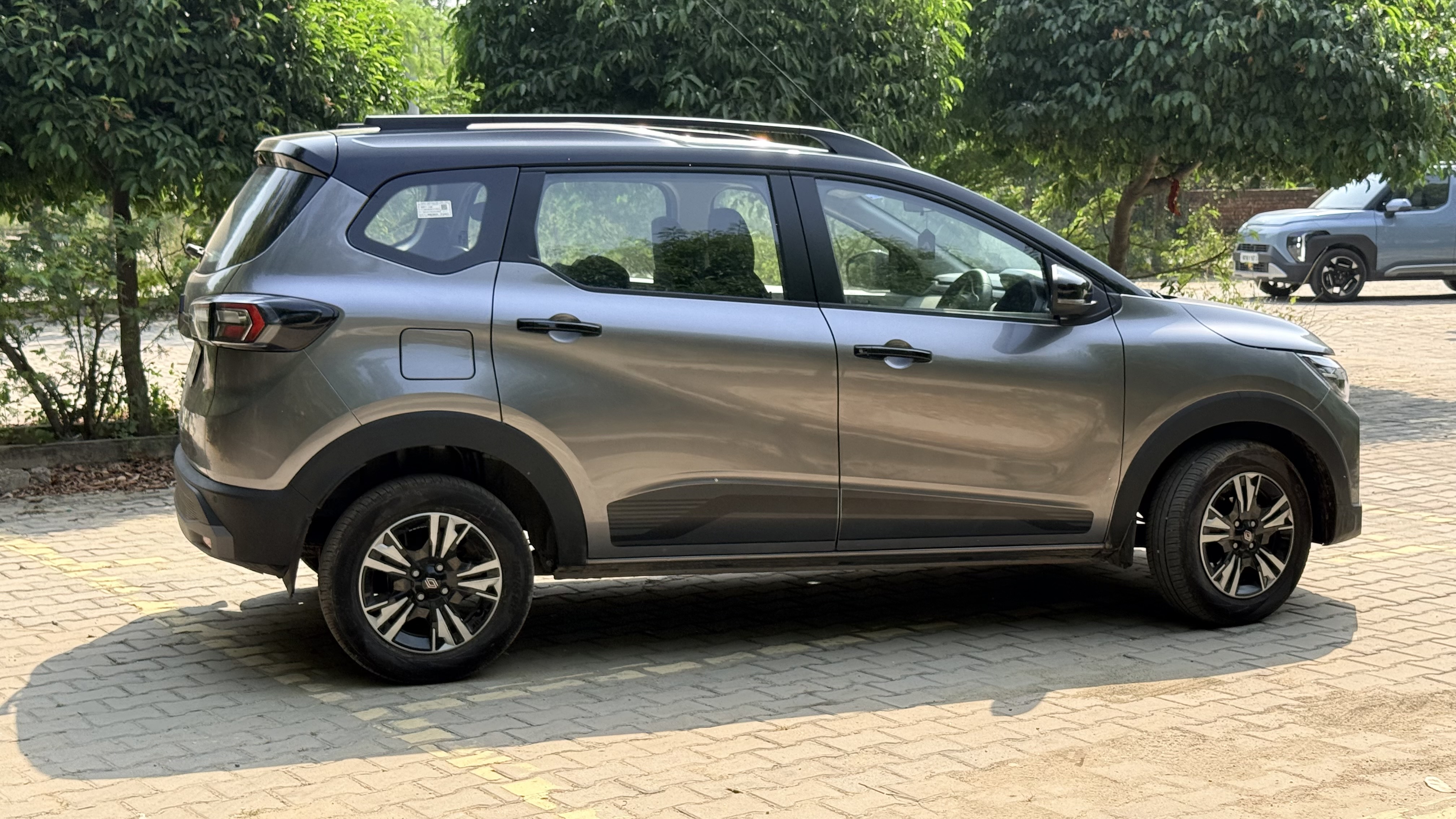
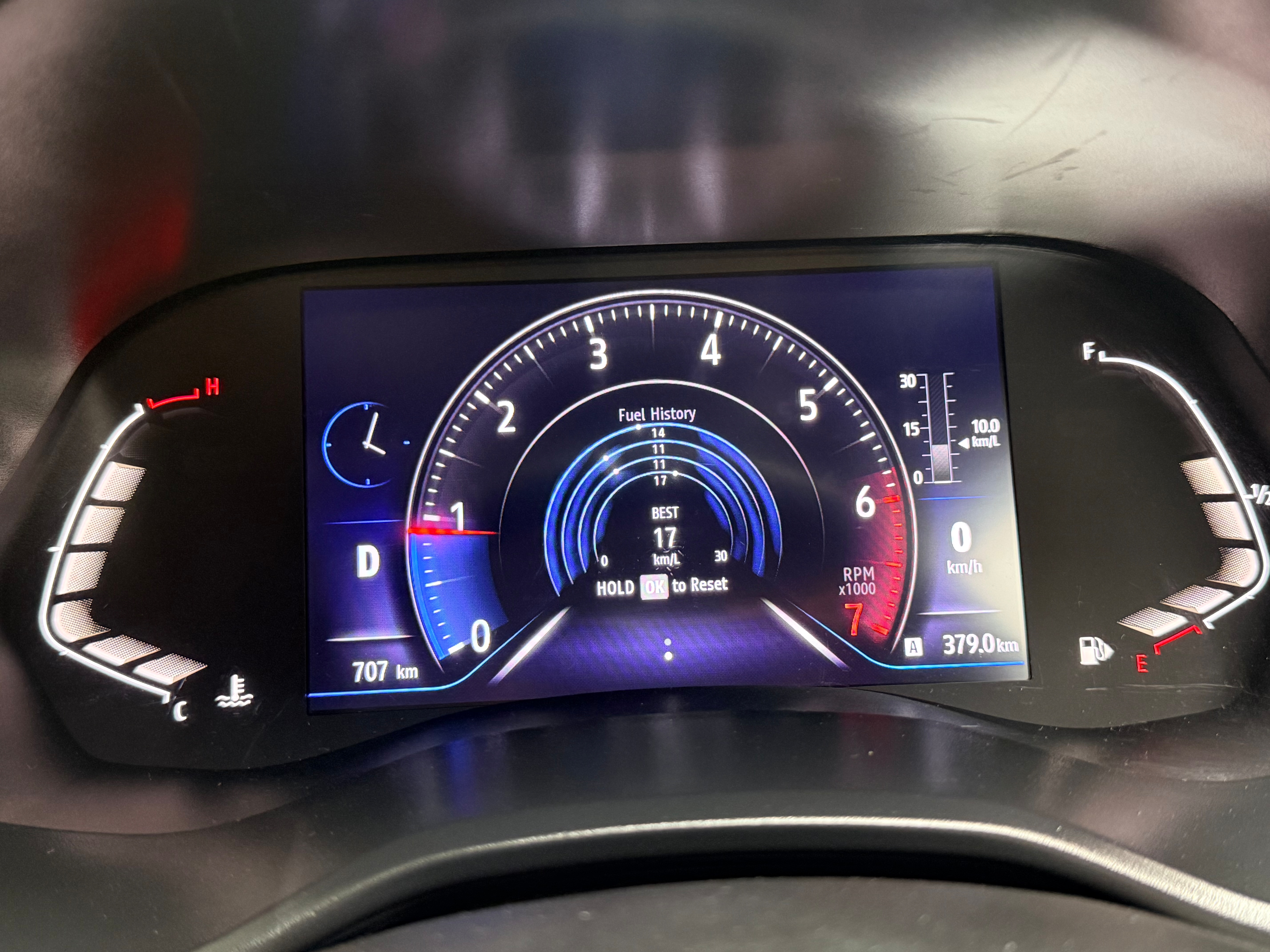
  • In city fuel-efficiency testing, the Renault Triber facelift recorded an average mileage of 9.25 km/l across various traffic scenarios.

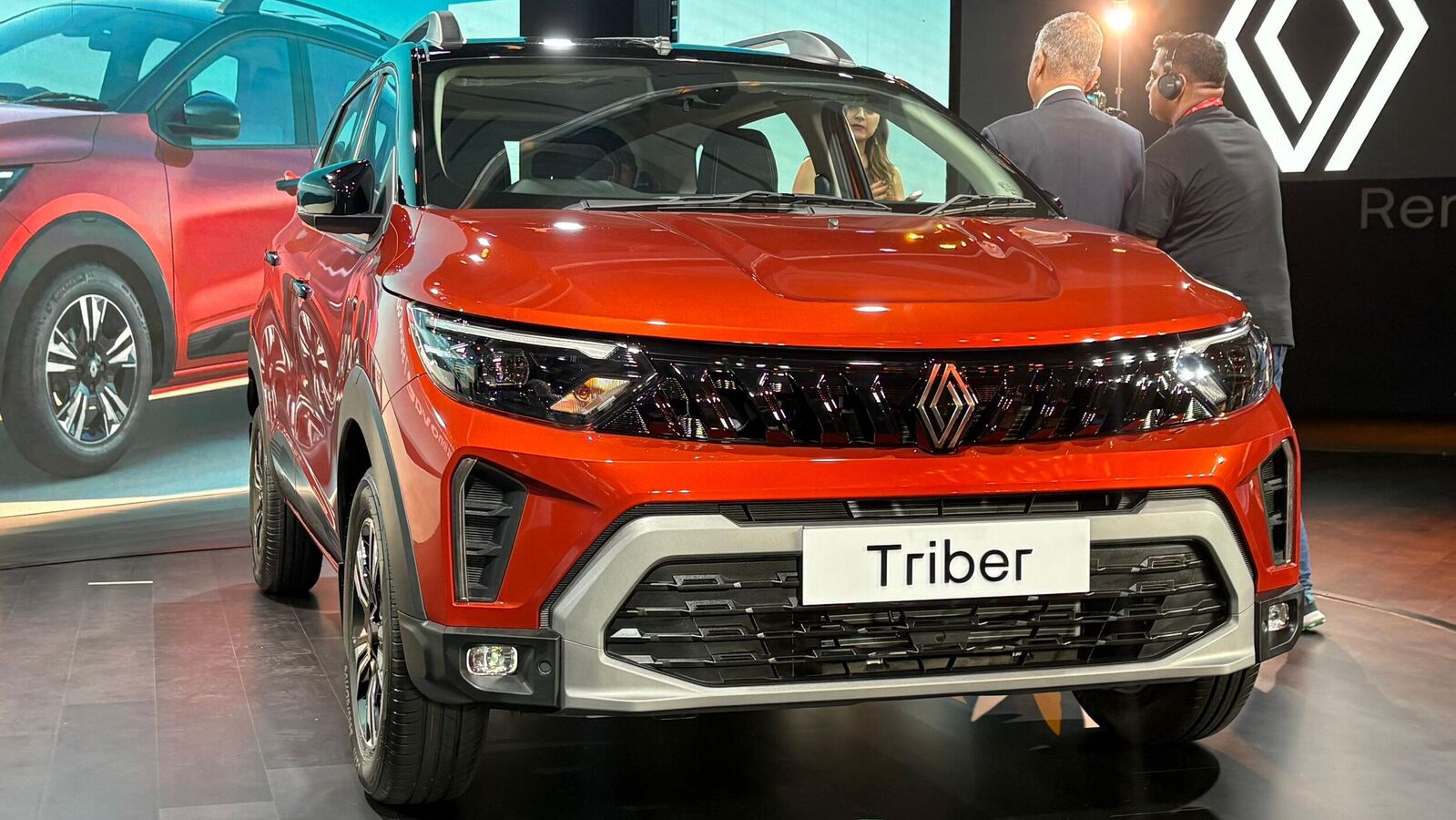
We took the Renault Triber facelift to test its fuel efficiency.

View personalized offers

check offer icon check offers

The Renault Triber has long been known as one of India's most practical and affordable seven-seaters. Now, with its 2025 facelift, Renault has refreshed its appeal for urban families who want space, versatility and value in a single package.

Preferred Source Banner

First launched in 2019, the Triber became increasingly popular among budget-conscious buyers due to its flexible seating and easy-to-drive features. The latest update focuses on design changes, new features and a more refined cabin experience, while the tried and tested 1.0-litre petrol engine is mated to a 5-speed manual or EZ-R AMT gearbox.

But beyond what is visible on the brochure, the real question is how the Triber facelift performs in real-world conditions. To find out, HT Auto conducted a city fuel-efficiency test under everyday traffic scenarios, and the results paint a clear picture of its urban mileage.

What were the conditions for this test?

The test was conducted in four different cities, each of which represented different levels of traffic congestion, from slow-moving peak-hour traffic to relatively free-flowing stretches.

The test car was the 'Emotion' trim equipped with the EZ-R AMT transmission. The manual air-conditioner was left on throughout the drive, set to 'cool' with fan speed at level 1.

During testing, the car was driven at a maximum speed of 60 km/h, while the average speed for the overall journey was 15.9 km/h. The car covered a total distance of 70.3 km in a duration of 4 hours and 30 minutes.

Also Read: Renault Triber review: Is the most affordable MPV worth buying?

What were the test results?

The Triber facelift returned fuel efficiency figures of 6 km/l, 7 km/l, 10 km/l and 14 km/l in four cities, depending on traffic density.

While lower figures were seen during heavy stop-and-go traffic, higher numbers came from smoother stretches with fewer stops. The average of these runs gives a real-world mileage of around 9.25 km/l. This is impressive for the AMT transmission, but not so much for the weak 1.0 petrol doing the job.

Despite these numbers, Triber remains one of the most accessible and versatile options for Indian families, offering space, comfort and ease of driving at a price that no rival can match.

Upcoming cars in India in 2025, check out the best SUVs in India.

First publication date: 08 November 2025, 09:12 am IST

Source link

Skoda Octavia RS Track review: A hot-headed sedan with supermodel aura

Skoda Octavia RS Track review: A hot-headed sedan with supermodel aura

A quick walk down memory lane

Over the years, Skoda Octavia gained immense popularity in the Indian market. When European cars were still a little out of reach for most Indians, Skoda quietly came onto the scene with simple promises: something solid, something premium, something different. That “something” turned out to be Octavia. It wasn't trying to be flashy or loud. The bus featured a tight build quality, a classy stance and an engine that really impressed people. Gradually, the Octavia became the car you saw in the neighborhood and immediately associated with success, not the flashy kind, but the “earned” kind.

And then Skoda did something that no one expected at that time. It decided to give this suave, executive-friendly sedan a suitably wild look. Enter the Octavia vRS, a car that looked innocent on the outside but had a mischievous smile under the hood. It transformed from a smart corporate choice to a celebratory badge of honor. For enthusiasts, it was the first time that something resembling a practical family car would make hearts skip a beat every time they drove it. This is where the story of RS in India began.

The Skoda Octavia RS 245 entered the Indian market in 2020.

People began modifying these sedans to generate more horsepower, creating all kinds. Some sleeper builds can even rival sports cars, as shown on YouTube in 2010. However, fans were disappointed to receive the news in 2023 that the sedan was being discontinued. Enough of the history lesson, flashback to 2025, the Czech-made car got enthusiasts excited at the auto show. And recently I experienced this firsthand.

Skoda Octavia RS: looks and exterior design

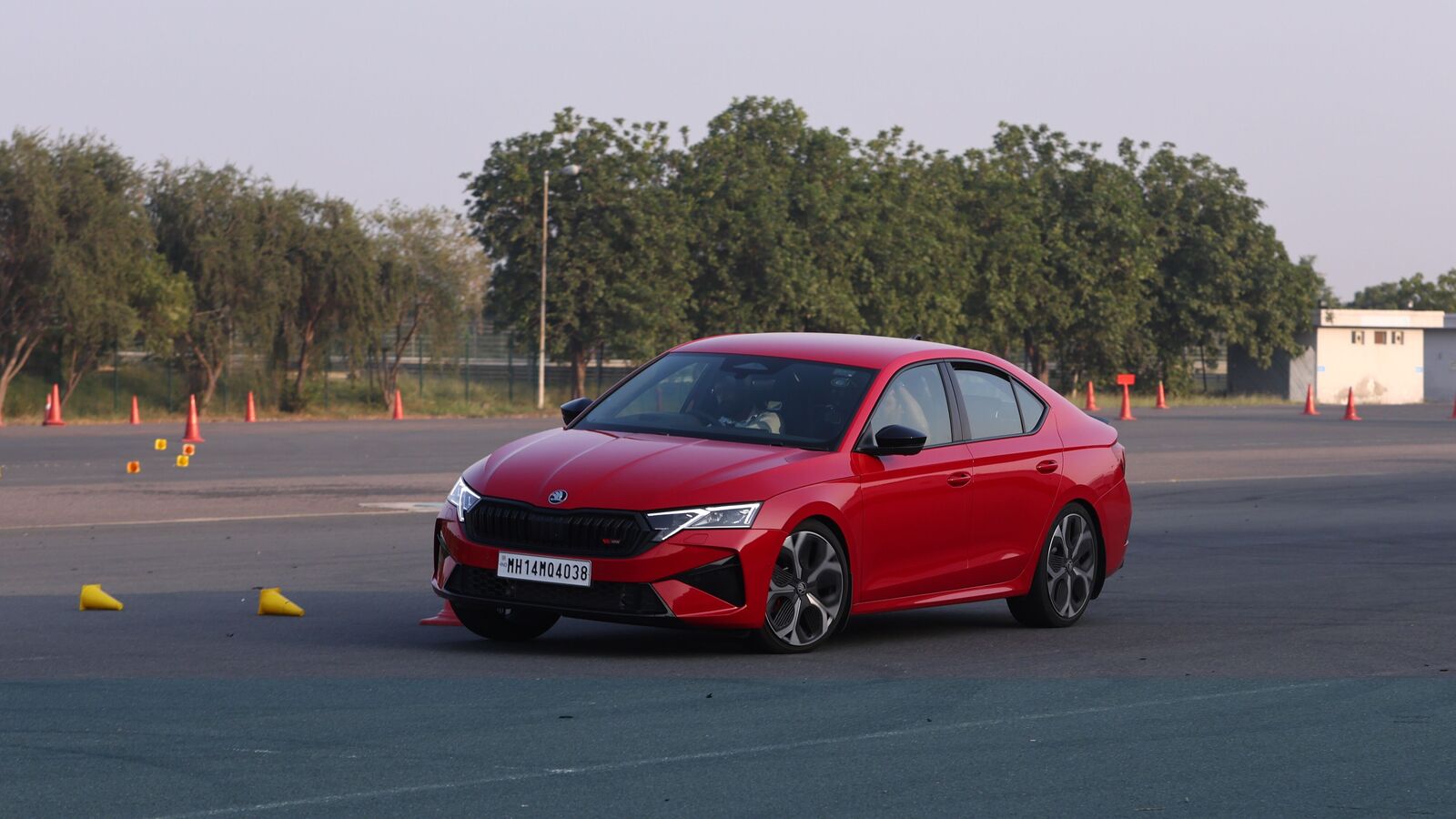
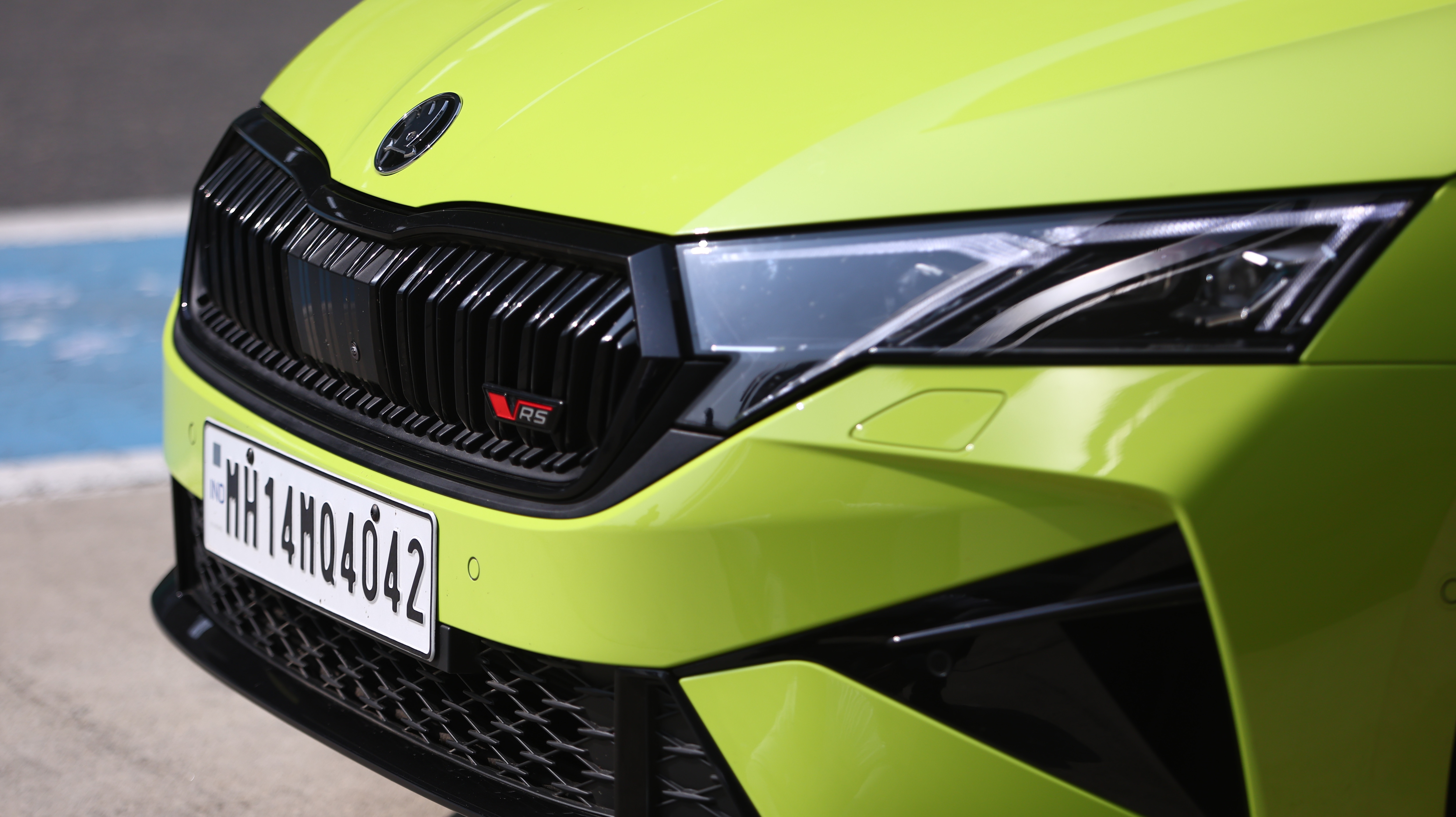
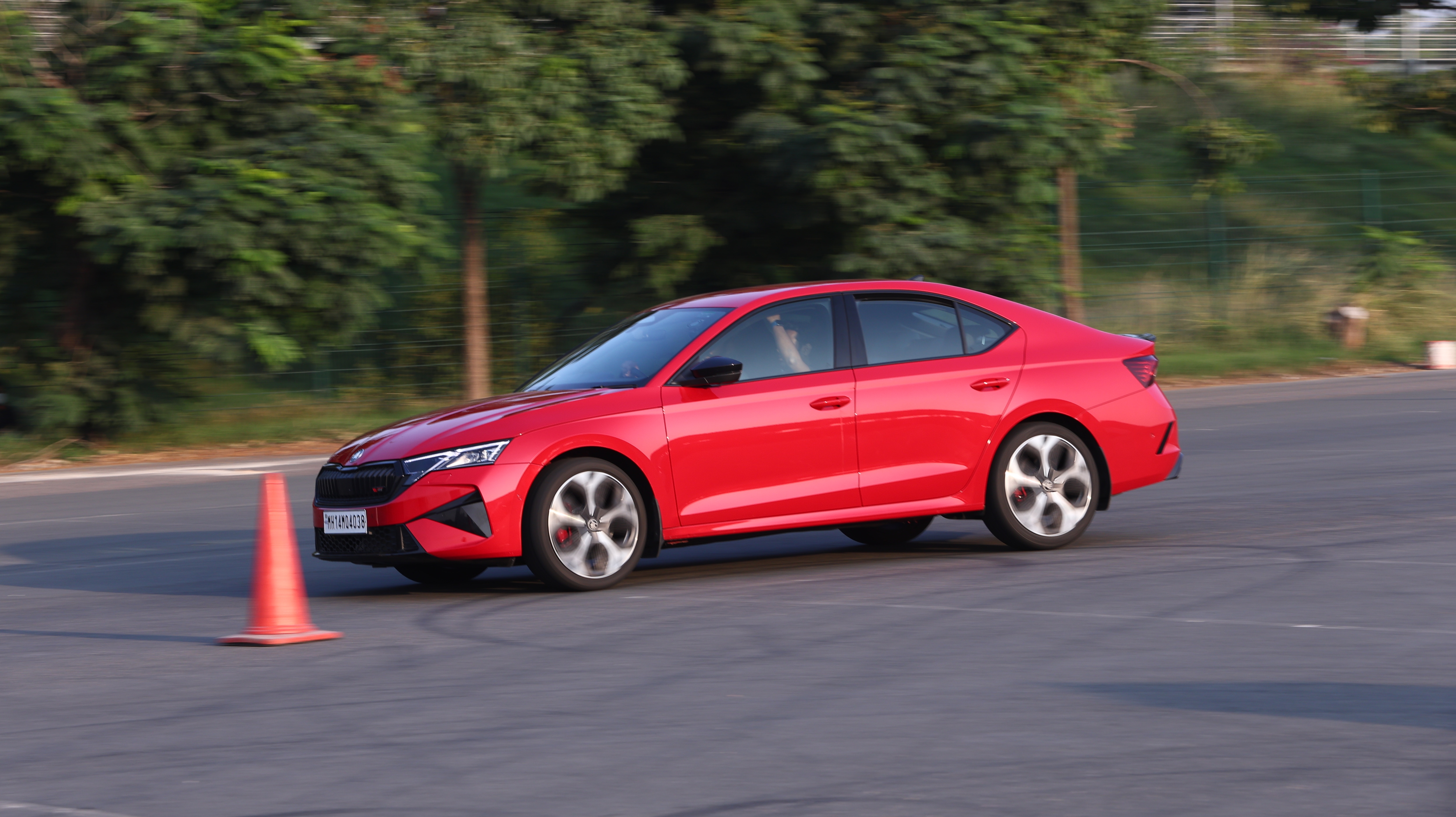
Let's talk about looks first because what's a film without buildup, right? The 2025 Skoda Octavia RS comes in five great colors, which include Mamba Green, Magic Black, Candy White, Race Blue and Velvet Red. Irrespective of the shade, the Octavia RS will win your heart with its sophisticated design. There are some updates to the fascia, which make the car look sharper than before. The bumper has been updated to look bold with sharp cuts, and the LED DRLs have also been updated to a new style. There are functional air vents on each side of the bumper, which coupled with the car's new aero-styled alloys are expected to make it more aerodynamic. The grille is now larger and the nose is lower, making the Octavia look like a supermodel posing for a magazine cover.

2025 skoda octavia rs
Sharp features have been given in the face of the sedan.

Greed doesn't stop here. Move to the rear, and the angled taillamps, along with the blacked-out spoiler, add a ton of character to the design. “There's a beast hiding inside me, but don't let anyone know,” the super slim twin exhaust whispers. Likewise, the VRS badges on the front and rear are equally subtle and patiently wait for you to figure out what they mean. The highlight of the car's side profile is its sloping coupe-ish roofline. Smooth in contrast to the sharp cuts of the front and back. The 19-inch alloy wheels might look better without the aero spokes, but then you win some and lose some. Peeking out from behind the alloy wheels are angry red calipers mounted on both the front and rear of the car.

2025 skoda octavia rs
The 2025 Skoda Octavia RS looks as beautiful going away as it does coming.

Skoda Octavia RS: Cabin and features

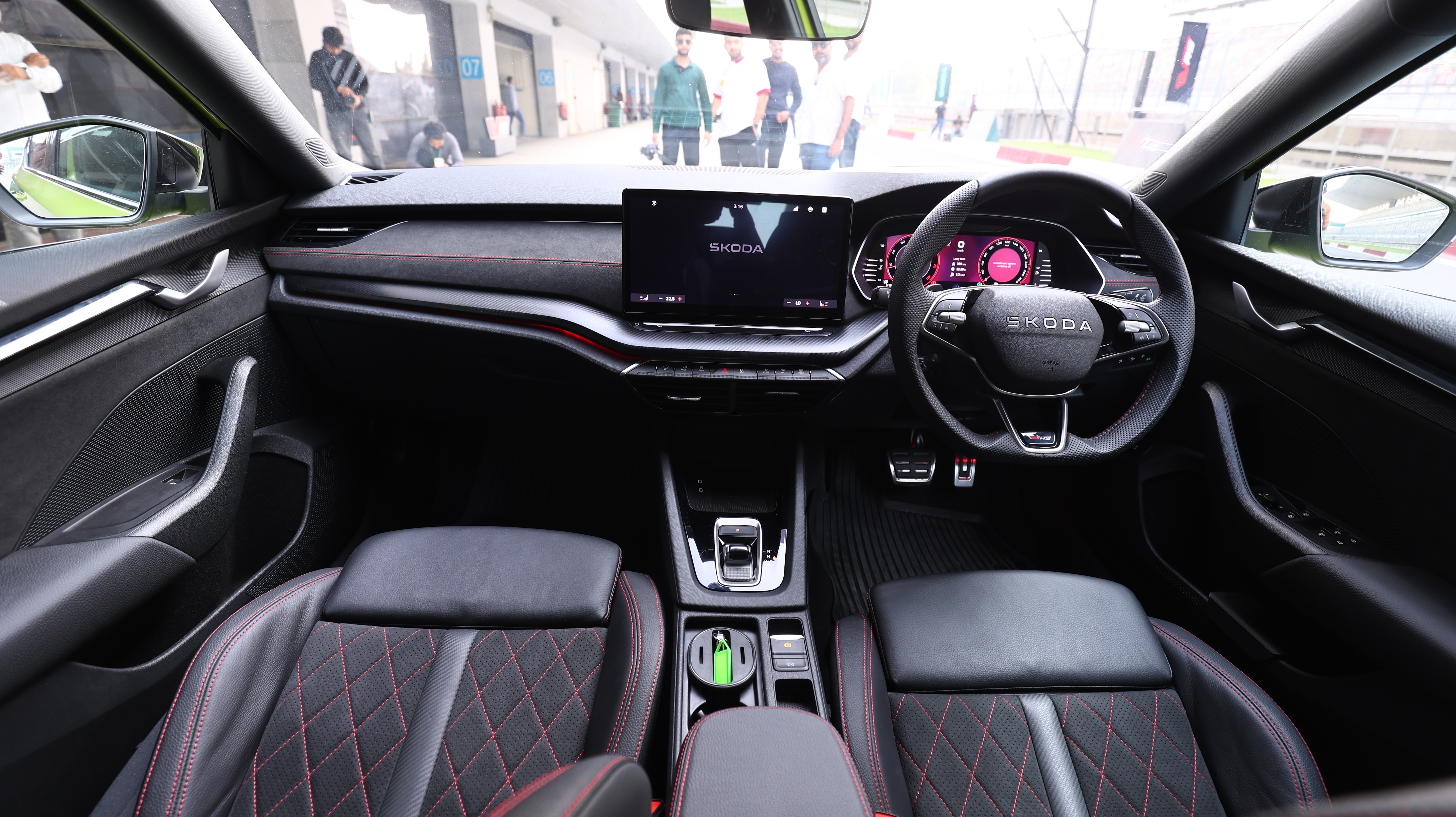
Like Volkswagen Auto Group (VAG), the Octavia RS's dashboard is a 2025 minimalist. A touchscreen infotainment, a digital driver display and a few buttons. However, it does not feel outdated in any sense. I like to call it driver-centric. The steering wheel also feels amazing to hold. Most of the adjustments on the driver's display are adjustable via buttons on the steering wheel. For everything else, there's a 13-inch touchscreen. Now, both of these screens feature modern graphics and an easy-to-use interface.

Inside the cabin there are 'just clever' things that every Skoda offers, like a bin in the driver's door, an umbrella, etc. And it has every feature one could want, from wireless charging to electronically controlled seats. The seats themselves are quite supportive and finished in suede and leatherette. There's a suede pad with red stitching on the passenger side of the dashboard, which adds texture to the all-black cabin. The center console has a toggle switch for gear selection, which doesn't live up to the RS vibe. The rear seat also offers a good amount of practically usable space for three adults. But no one would want to buy this car for that, right?

2025 skoda octavia rs
The cabin of the 2025 Skoda Octavia RS feels really well-built.

Refinement levels are more than adequate. Despite enthusiasts' disagreements, the exhaust growl is noticeably less even in Sport mode. With the amazing fit and finish of the product, there is no question of unusual cabin noise.

Skoda Octavia RS: Drive Experience

Let's get to what you really want to know: how it runs. Now, I have to be careful here not to let my enthusiasm come out and give you an unbiased review of the sedan. However, the sedan is designed to fit exactly any individual. While driving the Skoda Octavia RS around the Buddh International Circuit, I was not able to test how it would handle the challenges that a sedan usually faces in the city. But whatever I tried managed to bring a smile to my face. The technology and grunt combined make a nice package on the track.

The Octavia RS today still suits its taste of everyday practicality, combined with a generous dose of sportiness. When you press the accelerator, you are pushed back into the seat. However, this is not an aggressive push, but a linear push. The transmission reminds you that this is still an executive sedan rather than a sports car. All said and done, this linear push takes the car from 0 to 100 km/h in around 6.4 seconds.

2025 skoda octavia rs
The sedan is athletic and agile.

However, the Octavia RS shines in the corners. Spin the wheel and watch the 4.7 meter sedan change direction like a bird. One of the benefits of having front-wheel drive (FWD) is the freedom to throw your vehicle into a corner while you hold the gas without the stress of oversteering. And same is the case with this sedan. What further helps its case is the XDS+ differential, which keeps it glued even when all the kinks are gone. You do experience a small amount of body roll as you change direction, which isn't a huge deal but is noticeable.

The unit I was driving had been wandering around the track since morning and started shuddering while applying brakes. Despite this, braking performance remained solid. The pedal feel was just right, and it provided enough resistance to make you feel confident under hard braking.

Skoda Octavia RS: Specifications

specifications Description
engine 2.0-litre turbocharged petrol (EA888 family)
Power 261 bhp
Torque: 370 Nm @ 1,600-4,500 rpm
transfer 7-speed DSG
drivetrain Front-Wheel Drive (FWD)
0-100 km/h 6.4 seconds (manufacturer's claim)
top speed 250 km/h (electronically limited)
Suspension (F/R) MacPherson Strut / Multi-Link (15mm lower sports chassis)
break disc all around
wheels 19 inch aero alloy
Dimensions (L×W×H) 4,709 mm × 1,829 mm × 1,457 mm
wheelbase 2,677 mm
Price (ex-showroom) 49.99 lakh

Skoda Octavia RS: Verdict

Unfortunately, with only 100 units allocated, it's already sold out. The Skoda Octavia is a classic hot-hatch at its core, except that it's not a hatchback. What makes it great is its practicality, as well as overall performance. The Skoda Octavia will easily find a place in an enthusiastic father's garage. And it's the kind of car that will last until the kids grow up and learn to drive. Maybe just being there will turn a kid or two into an enthusiastic person. Of course, if you can afford one.

First publication date: 07 November 2025, 19:15 PM IST

Source link

Bentley unveils platform details for its first electric vehicle

Bentley unveils platform details for its first electric vehicle

  • Bentley Motors has confirmed new details about its first electric SUV, which will launch globally in 2026. The Crewe-based marque has also confirmed revisions to its electrification roadmap.

Bentley Motors' first all-electric vehicle will reach global markets in 2026, with deliveries starting in 2027.

View personalized offers

check offer icon check offers

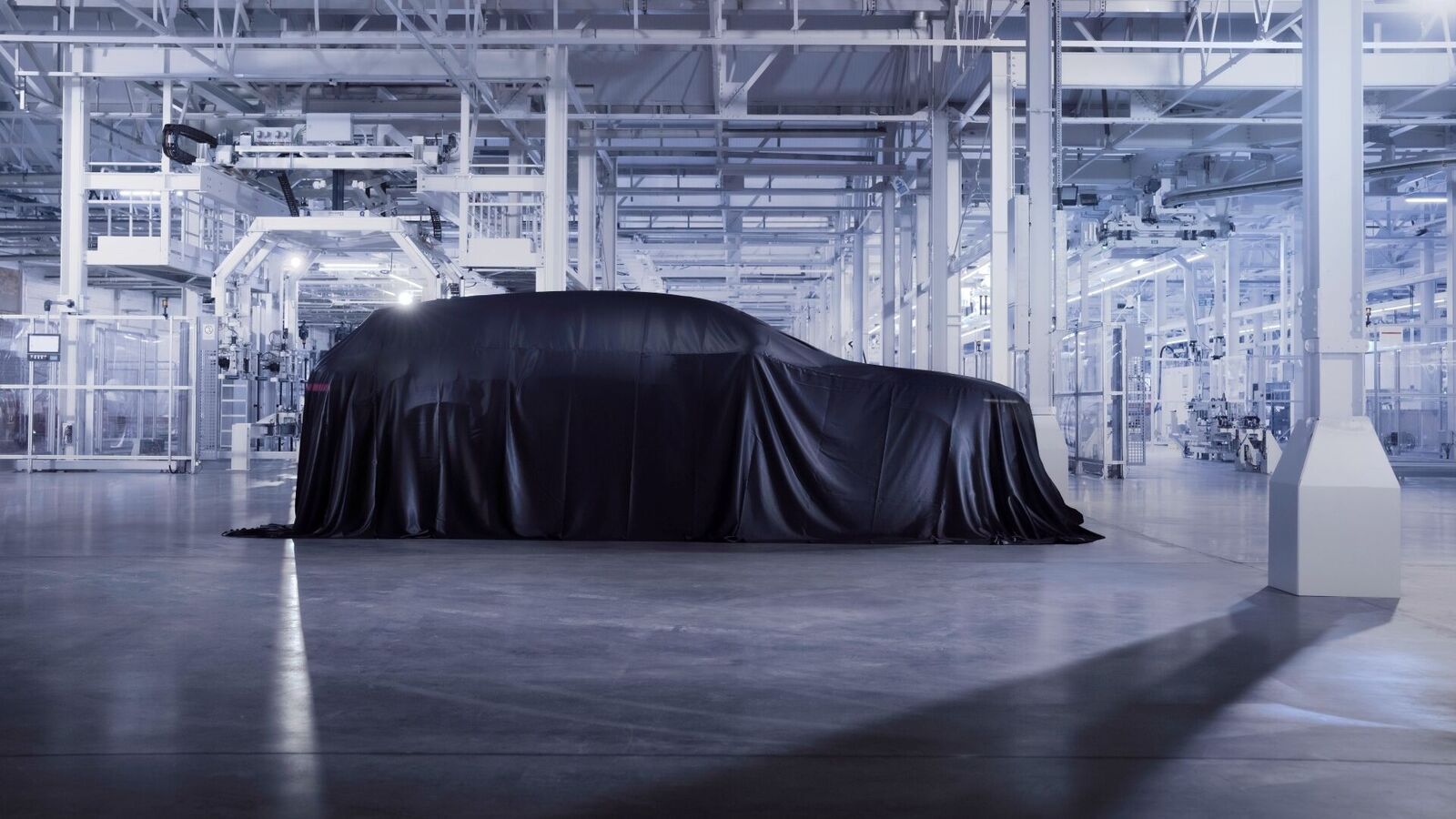
Bentley Motors has revealed new technical and production details for its first all-electric vehicle, as well as a new teaser of the model hidden under a black cover on the production line. Billed as a luxury urban SUV, pre-series production of the model is underway ahead of a global debut in late 2026. The upcoming EV marks a significant milestone for the Crew-based marque, serving as the first of a new generation of battery-electric vehicles to be manufactured at its “Dream Factory” in the UK.

Preferred Source Banner

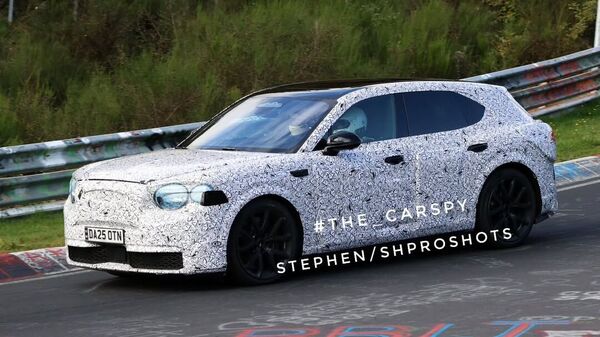
The upcoming Bentley EV will sit below the Bentayga in the luxury carmaker's portfolio, measuring under five meters in length and designed in a more compact, urban-focused form. Test mules of the prototype have revealed a low, aerodynamic profile inspired by the EXP 15 concept, with a fastback-like silhouette. The design reflects a shift towards a more modern, streamlined aesthetic for Bentley's EV lineup.

Despite its compact dimensions, Bentley says the EV will retain the sense of refinement, ride comfort and craftsmanship associated with the marque. It will be positioned as a high-end luxury EV with grand tourer credentials and urban practicality.

Bentley EV: technical details

Bentley EV
Test mules of Bentley's upcoming electric SUV show low aerodynamic profile with fastback-style rear end (Stephen Hancock/SH Proshots)

The new SUV will be based on Volkswagen Group's Premium Platform Electric (PPE) architecture, which will be shared with the Porsche Cayenne Electric. Although official specifications are not yet available, this platform may support dual-motor AWD configurations with a battery capacity of more than 100 kWh. In the Cayenne EV, the same platform allows for a useful battery capacity of up to 108 kWh and charging speeds of up to 400 kWh.

Bentley claims the new EV can cover 100 miles (~160 km) of range in less than 7 minutes, making it one of the fastest charging EVs currently in development. If it gets the same battery as the Cayenne EV, it could give a range of over 600 km on a single charge, which is what Porsche currently claims on the WLTP test cycle.

Production of the model will take place at Bentley's Crewe headquarters, which is being upgraded into a flexible, digital manufacturing facility ready for EV production. This transformation is central to the company's Beyond100+ strategy, its long-term roadmap towards sustainability and electrification.

Also Read: Bentley introduces new Continental GT variant, signals the return of a century-old nameplate

Bentley's EV plans for the future:

While electric SUVs will be the first major outcome of this strategy, Bentley has also outlined revisions to its broader electrification timeline. The company had planned to be fully electric by 2035, but is now considering extending that goal, confirming that its internal combustion and plug-in hybrid models will be available along with an EV lineup by 2035. Bentley said it is increasing availability due to ongoing global demand for hybrid powertrains, particularly in key luxury markets. The move ensures that the company is able to maintain a diverse mix of powertrain solutions during its transition period.

Earlier this year, Bentley introduced new hybrid versions of the Continental GT, GTC and Flying Spur and added the pure-V8-powered Bentayga Speed ​​to its line-up. A new limited-run, pure-ICE model is also set to break cover before the end of 2025, which is expected to be the new Continental Supersports. These models will continue to be offered with EVs till 2035.

Bentley's first electric SUV will enter production in 2026, with customer deliveries starting in 2027. This marks both a technological and strategic turning point, where the company aims to move towards full electrification while maintaining the craftsmanship and performance standards that have long defined its identity.

Check out upcoming EV cars in India.

First publication date: 07 November 2025, 14:23 PM IST

Source link

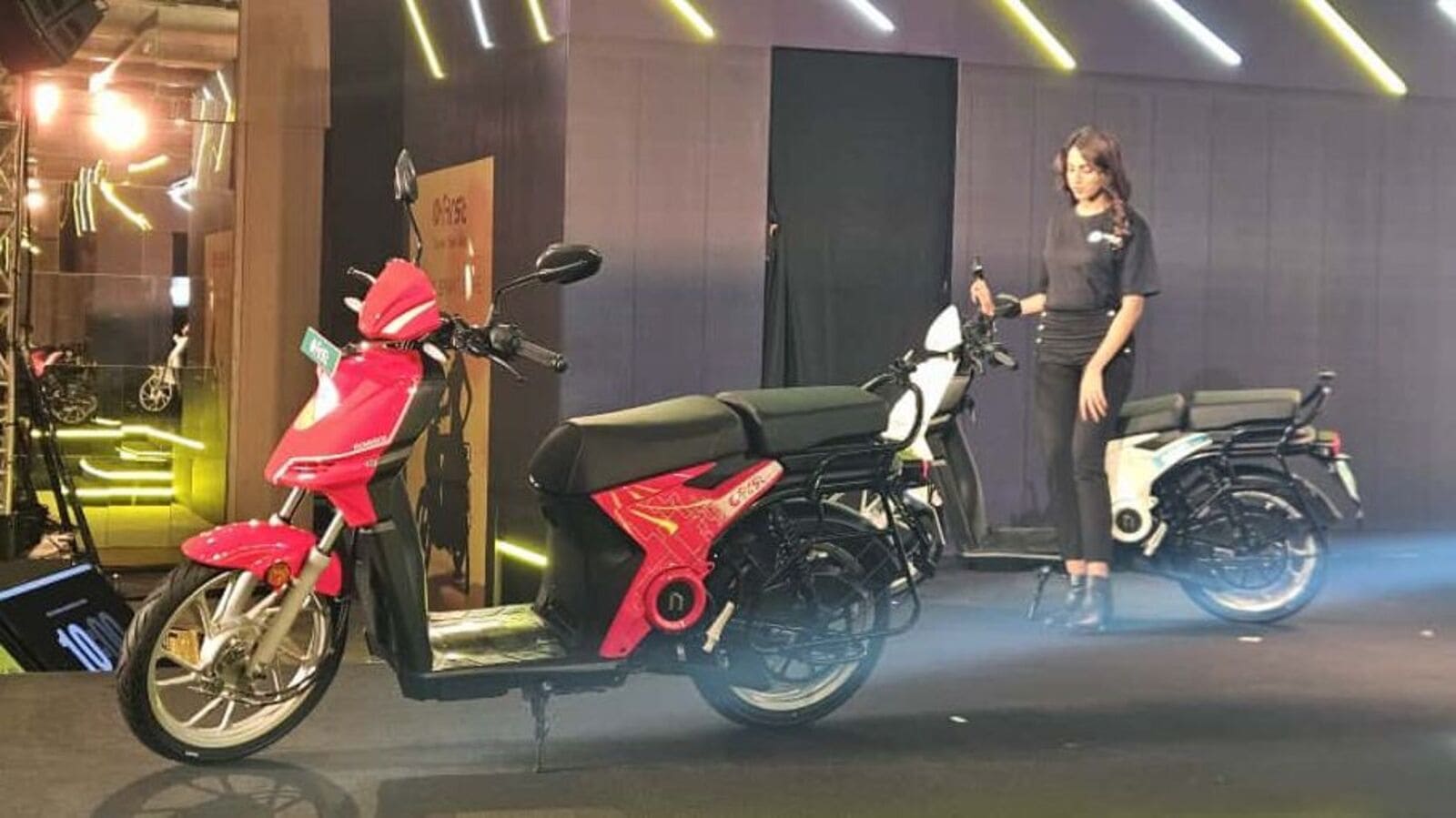
Numeros N-first EV scooter launched at ₹64,999

Numeros N-first EV scooter launched at ₹64,999

Marketed under the tagline “Change your vibe”, the N-First has been developed in collaboration with Italian design firm Wheelab. According to Numeros, the model is designed to balance affordability, reliability and aesthetics for daily urban commuting.

Key Features and Tools

The N-First is available in five variants and two color options, Traffic Red and Pure White. It includes a number of features focused on stability, security and digital connectivity. These include:

  • 16 inch wheels for better stability compared to scooters with smaller wheels.
  • riding mode
  • inversion aid
  • Liquid immersion-cooled Li-ion battery for better thermal management.
  • IoT connectivity suite with remote locking, theft and tow alerts, geo-fencing and ride data tracking.
  • OTA (over-the-air) updates for software optimization.

The electric scooter has been tested in various conditions, including high temperatures in Jaisalmer and low temperatures in Manali as well as congested urban environments.

specifications n-first (2.5 kWh) n-First (3.0 kWh i-Max+)
Battery Type liquid immersion-cooled li-ion liquid immersion-cooled li-ion
motor type PMSM Mid-Drive Motor (Chain Transmission) PMSM Mid-Drive Motor (Chain Transmission)
certified idc range up to 91 km up to 109 km
Charging Time(0-100%) 5-6 hours 7-8 hours
wheel size 16 inches 16 inches
top speed 55 km per hour 70 km per hour

Tested and Made in India

According to the company, the N-first platform has undergone on-road validation in Indian environments, ranging from extreme heat to cold weather. The vehicle uses a mid-mounted motor with chain drive and is aimed at riders who want high stability and comfort for short to mid-distance trips.

Booking and Availability

Established in 2019, Numeros Motors is building its dealer network in Bengaluru, Chennai, Kochi and Thrissur, with more South Indian markets expected to follow. Bookings are open through the official manufacturer's website. The manufacturer offers a warranty of 3 years/30,000 km. Extended warranty with 5-year/60,000 km is also available.

Check out the upcoming bikes in India.

First publication date: 06 November 2025, 15:48 PM IST

Source link

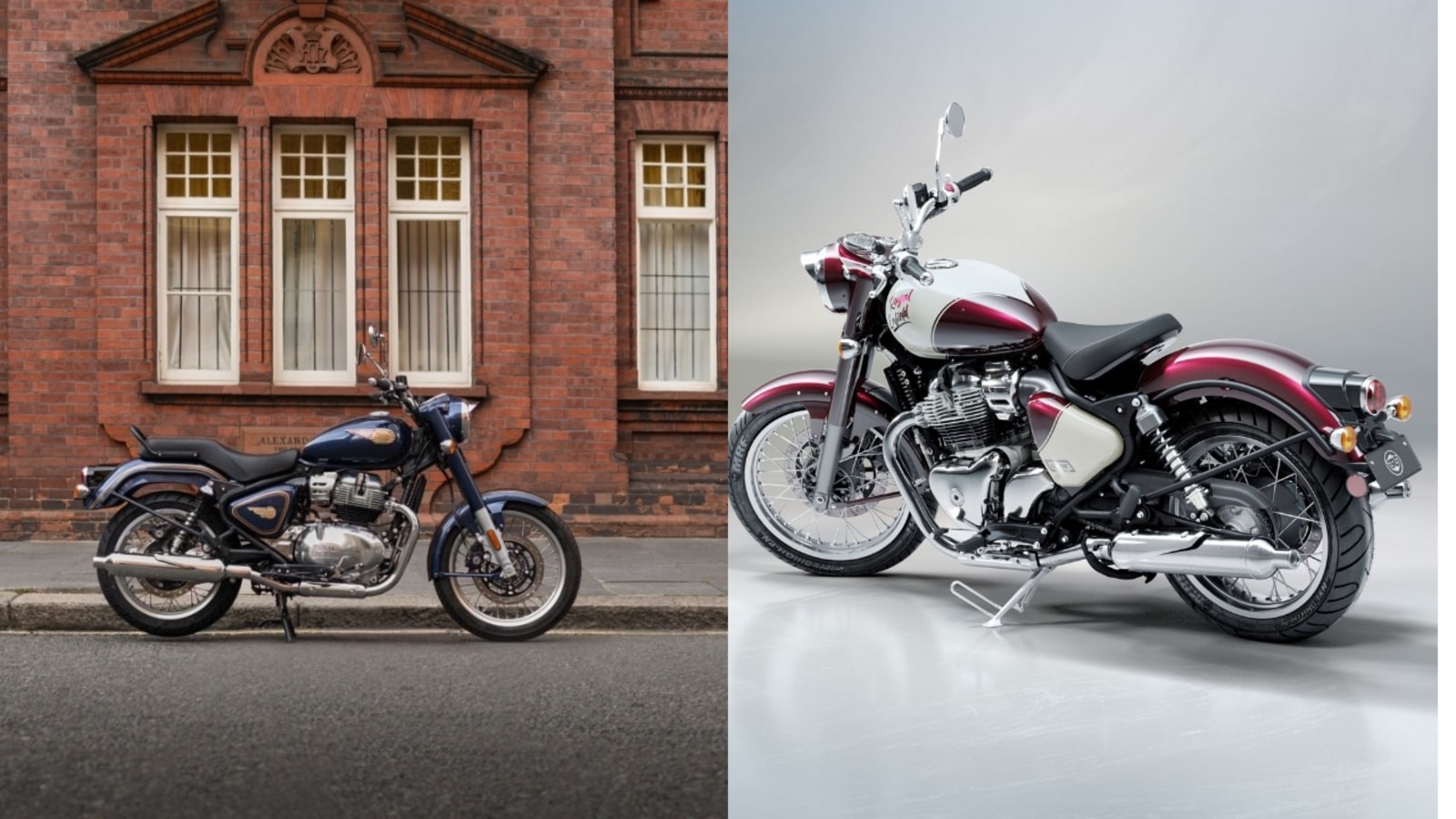
Royal Enfield Bullet 650 vs Classic 650: Which Classic RE Big Boy Will You Choose?

Royal Enfield Bullet 650 vs Classic 650: Which Classic RE Big Boy Will You Choose?

If the Classic 650, launched at EICMA 2024 a year ago, was aimed at recapturing the old style of post-war motorcycles, this new Bullet 650 simply makes the heritage real; It features a nameplate that has been a feature of the Royal Enfield brand for over ninety years. Both have the same foundation, but have inherited a different spirit.

Also Read: Royal Enfield Bullet 650 with 648 cc parallel-twin engine unveiled at EICMA 2025

Royal Enfield Bullet 650 vs Classic 650: Design

The Classic 650 inherits the soft lines, teardrop tank and chrome-accented touches of its younger brother, the Classic 350. The bike sits low, looks handsome, and feels timeless. The color palette, Vallam Red, Bruntingthorpe Blue, Teal Green and Black Chrome, helps it look rich and mature. The proportions are almost perfect for a modern retro motorcycle, with subtle updates like LED lighting and improved finish quality showing just how much Royal Enfield's craftsmanship has evolved.

In contrast, the Bullet 650 is more straightforward, strong and confident. Its shape is derived from the smaller Bullet 350, with larger dimensions and refinement of the 650 cc platform. Signature features like the chrome-ring headlamps with twin pilot lamps, hand-painted tank pinstripes and metal tank badging are present, as is the iconic Bullet lettering.

It looks and feels like a Bullet should in its most advanced form, commanding, substantial and proudly in line with the spirit.

Royal Enfield Bullet 650 vs Classic 650: Features

Royal Enfield has struck a careful balance between heritage and practicality with both models.

The Classic 650 features a semi-digital instrument cluster with tripper navigation, dual-channel ABS, LED headlamps and taillamp units and the same Showa suspension setup seen on its 650 siblings. Chrome switchgear, fine paintwork and neatly integrated details add to the feeling of quality.

The Bullet 650 gets the same hardware base, large analog speedometer with semi-digital dials, LED lighting and a sturdy build. But it lives up to the retro brief, with minimal electronic intrusions and honest ergonomics that feel instantly familiar to longtime Bullet riders.

The seats, too, are slightly different in character, with the Classic 650's softly shaped saddle feeling more cruiser-friendly, while the Bullet 650's flat seat emphasizes everyday utility and rider-back seat comfort in a more traditional manner.

Both motorcycles ride on 18-inch spoke wheels, use the same twin-shock rear suspension setup, and feature premium Showa telescopic forks at the front, which are tuned for comfortable, confident highway manners rather than sporty cornering intent.

Royal Enfield Bullet 650 vs Classic 650: Specifications

Beneath the retro design lies the same refined 648 cc, air-/oil-cooled, parallel-twin engine that has powered every Royal Enfield 650 to date. It produces 47 hp at 7,250 rpm and 52.3 Nm at 5,650 rpm, mated to a 6-speed gearbox and slip-and-assist clutch.

The Classic 650 weighs around 243 kg, has a seat height of around 800 mm and ground clearance of 154 mm. It is expected to sit in the same ballpark as the Bullet 650, as it uses the same chassis, suspension geometry and fuel tank size of 14.8 litres.

Braking is handled by discs at both ends with dual-channel ABS, while suspension duties are handled by Showa telescopic forks at the front and twin gas-charged shocks at the rear.

In short, the ride experience should be instantly familiar to anyone who's spent time in an Interceptor or Super Meteor, smooth, streamlined and confidence-inspiring, but here wrapped up in timeless design.

Check out the upcoming bikes in India.

First publication date: 05 November 2025, 15:36 PM IST

Source link

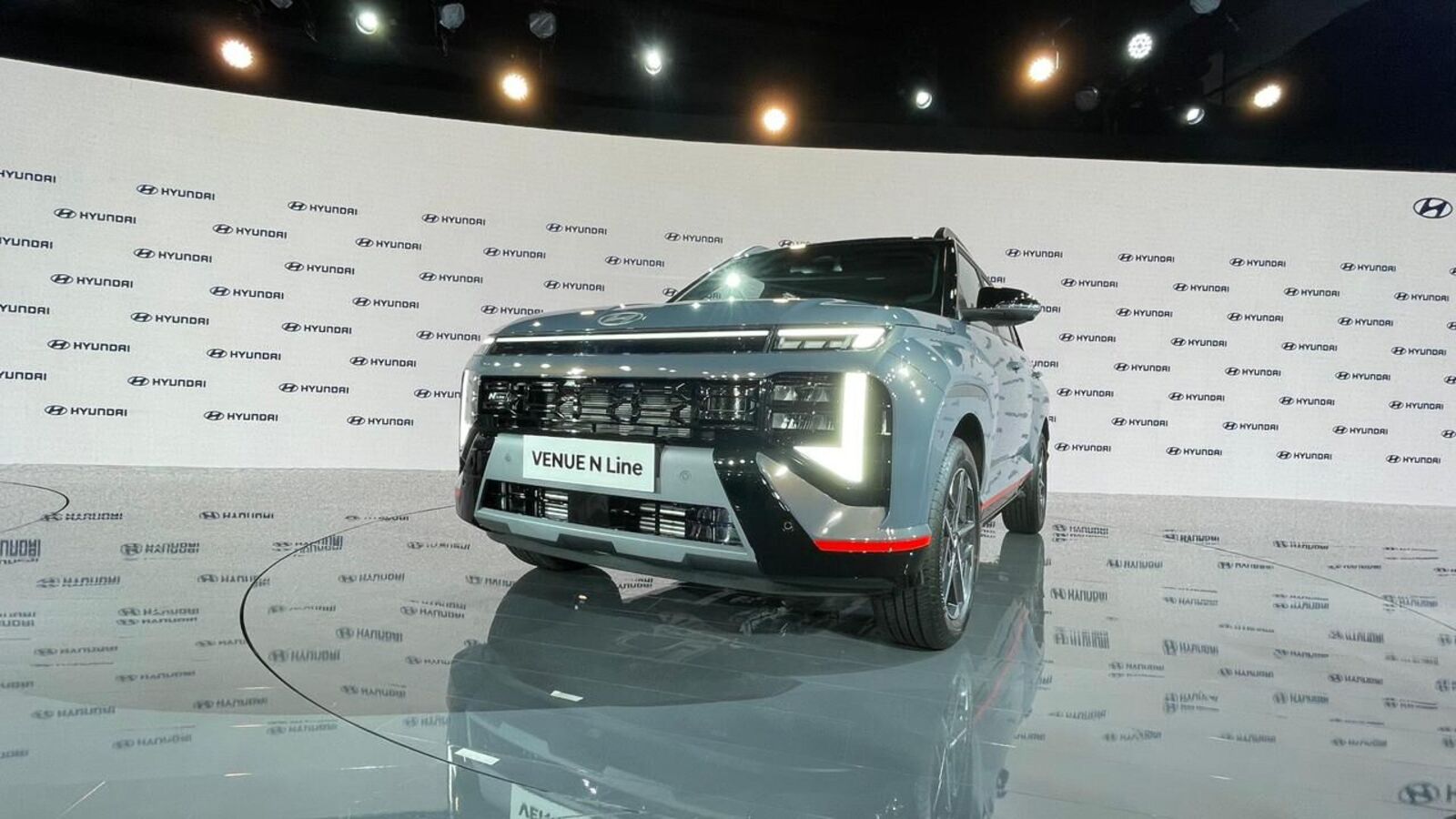
2025 Hyundai Venue N-Line unveiled with sportier design and better tech

2025 Hyundai Venue N-Line unveiled with sportier design and better tech

  • The 2025 Venue N-Line marks a generational change for the sporty sub-compact SUV and comes with a design overhaul, an advanced tech suite and additional safety technology.

The 2025 Hyundai Venue N-Line has been unveiled with sportier design elements and additional equipment, and comes with a 1-litre turbo-petrol unit.

View personalized offers

check offer icon check offers

2025 Hyundai Venue N-Line unveiled in India along with standard model, with bookings open for token amount 25,000. Billed as a performance-focused version of the regular Venue, the new model marks a generational upgrade with a revised design, an upgraded tech suite and advanced driver-assistance systems. The sporty sub-compact SUV is designed for young enthusiasts and features cosmetic upgrades, specially tuned components and new features.

Preferred Source Banner

The sub-compact SUV will be offered in two trims, N6 and N10, and will be offered in five monotone and three dual-tone color options, including Atlas White, Dragon Red, Hazel Blue and Abyss Black, with a contrast black roof option for select colours. Official pricing details will be available closer to the actual launch.

2025 Hyundai Venue N-Line: at a glance

parameters Description
engine 1.0L Kappa Turbo GDI Petrol
displacement 998 cc
Power 120 PS @ 6,000 rpm
Torque: 172 Nm @ 1,500-4,000 rpm
transfer 6-speed MT / 7-speed DCT with paddle shifters
Dimensions (L x W x H) 3995 x 1800 x 1665 mm
wheelbase 2,520 mm
Suspension (F/R) MacPherson Strut/CTBA with coil springs
brake(f/r) Disc/Disc (Red Calipers)
tire 215/55 R17 alloy (diamond cut, N-logo)
key features N-Line body kit, dual exhaust, black-red cabin, 12.3″ dual display, Bose 8-speakers, aroma diffuser, ADAS L2 (21 features), OTA updates
color options 5 monotone, 3 dual-tone (including new hazel blue and dragon red)

2025 Hyundai Venue N-Line: Design details

2025 Hyundai Venue N-Line
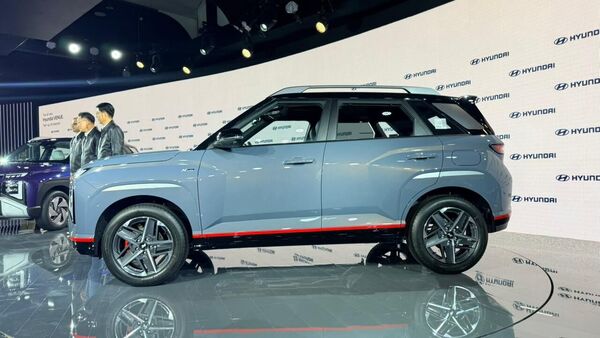
The 2025 Venue N-Line features distinctive cosmetic elements, including a dark chrome grille, unique bumpers and red paint all around.

The new generation Venue N-Line incorporates distinctive design elements to differentiate it from the standard version. It has a dark chrome front grille and special bumpers for a more aggressive look. It is available in dual-tone color options with red exterior accents, including a trim that extends over the wheelbase. The car gets 17-inch diamond-cut alloy wheels with N branding and red brake callipers, while the rear gets an N-line wing-type spoiler with LED high-mounted stop lamp to highlight its sporty looks.

The cabin continues the N-Line treatment with a black and red interior theme, N-branded leather seats and red contrast stitching on the upholstery. The steering wheel and gear lever are also N-Line exclusive, and the driver gets metal paddles. The updated dashboard layout now focuses on the new dual 12.3-inch displays, complemented by a Bose 8-speaker sound system and multi-colour ambient lighting. Hyundai has also added a smart aroma diffuser and support for over-the-air (OTA) updates for vehicle systems.

Also read: 2025 Hyundai Venue launched 7.89 lakh. Receives more clear design and advanced technology

2025 Hyundai Venue N-Line: Powertrain

Power comes from the familiar 1.0-litre turbo-petrol engine, which produces 118 bhp and 172 Nm of torque. This motor can be mated to a 6-speed manual or a 7-speed DCT with paddle shifters. The Venue N-Line also offers selectable drive modes (Eco, Normal, Sport) and individual traction control settings (sand, mud, snow) on the steering wheel, while the exhaust has been tuned for a sportier sound profile.

2025 Hyundai Venue N-Line: Feature suite

2025 Hyundai Venue N-Line
The new Venue N-Line features all the interior upgrades over the regular model, including the new dual-screen CCD setup.

The new N-Line runs on the new generation Venue's CCNC (Connected Car Navigation Cockpit), developed with NVIDIA computing architecture. The setup focuses on dual 12.3-inch curved panoramic screens for the infotainment and digital cluster, which supports navigation, OTA updates and wireless smartphone connectivity with customizable layouts, better UI and intuitive controls. This dual-display cockpit also features drive mode themes and ADAS alerts.

Cool features include ventilated front seats, a wireless smartphone charger, a voice-enabled sunroof, and a cooled glovebox. The driver benefits from a 4-way electrically adjustable seat, while rear passengers get dedicated AC vents and two-stage reclining seats.

Also Read: New Hyundai Venue vs Old Hyundai Venue – Know All Features

2025 Hyundai Venue N-Line: Safety technology

The Venue N-Line offers an extensive list of safety technology, including 360-degree camera, blind-view monitor, EPB with auto-hold and the new Level 2 ADAS with 21 features. This system offers adaptive cruise control, lane-keeping assist, and forward collision avoidance, among other functions. Hyundai says the Venue N Line also includes more than 40 standard safety features and a stronger body shell.

Hyundai has no intention of abandoning its N-Line range, and with it, the South Korean carmaker is able to target driving enthusiasts who want a sportier offering without having to step into the full-on performance segment with a higher-priced hot hatch or sedan. The 2025 Venue N-Line strengthens Hyundai's hold on this niche market amid increasing competition from brands offering sport-style iterations of their own models.

Upcoming cars in India in 2025, check out the best SUVs in India.

First publication date: 04 November 2025, 13:34 PM IST

Source link

Honda Elevate ADV Edition launched in India, price starts at ₹15.29 lakh

Honda Elevate ADV Edition launched in India, price starts at ₹15.29 lakh

  • Honda has launched the Elevate ADV variant in India as a new top-end variant with sportier styling and dual-tone options.

Honda Cars India launches Elevate ADV variant in India with sportier cosmetic elements for an overall bolder look

View personalized offers

check offer icon check offers

Honda Cars India launches Elevate ADV variant in India, prices start at 15.29 lakh (ex-showroom) and going up to Rs 16.66 lakh (ex-showroom). Positioned as the top-end variant of the Japanese compact SUV, the Honda Elevate ADV edition comes with special cosmetic upgrades and equipment for buyers wanting a sportier package. It offers dual-tone shades and a bolder look, while mechanically remaining the same as the standard model.

Preferred Source Banner

Elevate ADV variant priced in single-tone exterior with manual gearbox going up to 15.29 lakhs ₹15.49 lakh for dual-tone color options. The range between CVT variants is 16.46 lakh (single-tone) and 16.66 lakh (dual-tone). All prices are ex-showroom.

The model comes with a standard warranty of three years unlimited kilometres, with the option to extend the coverage to 10 years through Honda's extended and anytime warranty packages.

Commenting on the launch, Kunal Bahl, Vice President, Marketing and Sales, Honda Cars India Limited said, “Honda Elevate has received a positive response from customers across the country due to its bold looks and highly engaging performance. With the introduction of the Elevate ADV edition as the top trim, we aim to provide more choices to customers with different preferences. This new model blends an even more bold and sharp design, style with Honda's trusted quality and refinement, making it the perfect choice for every journey. We are excited to welcome more customers to experience this exciting new experience.”

Honda Elevate ADV Edition: Price List

exterior finish transfer price ( lakh, ex-showroom Delhi)
single note 6-speed manual 15.29
dual tone 6-speed manual 15.49
single note 7-speed CVT 16.46
dual tone 7-speed CVT 16.66

What are the design changes in Honda Elevate ADV Edition?

Honda Elevate ADV Edition
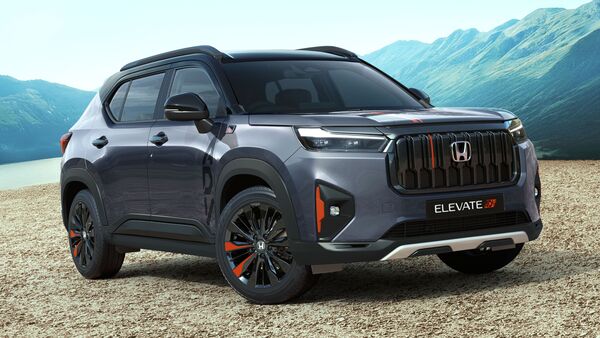
The Honda Elevate ADV Edition is available in both single-tone and dual-tone color options, prices may vary depending on the final choice and gearbox configuration.

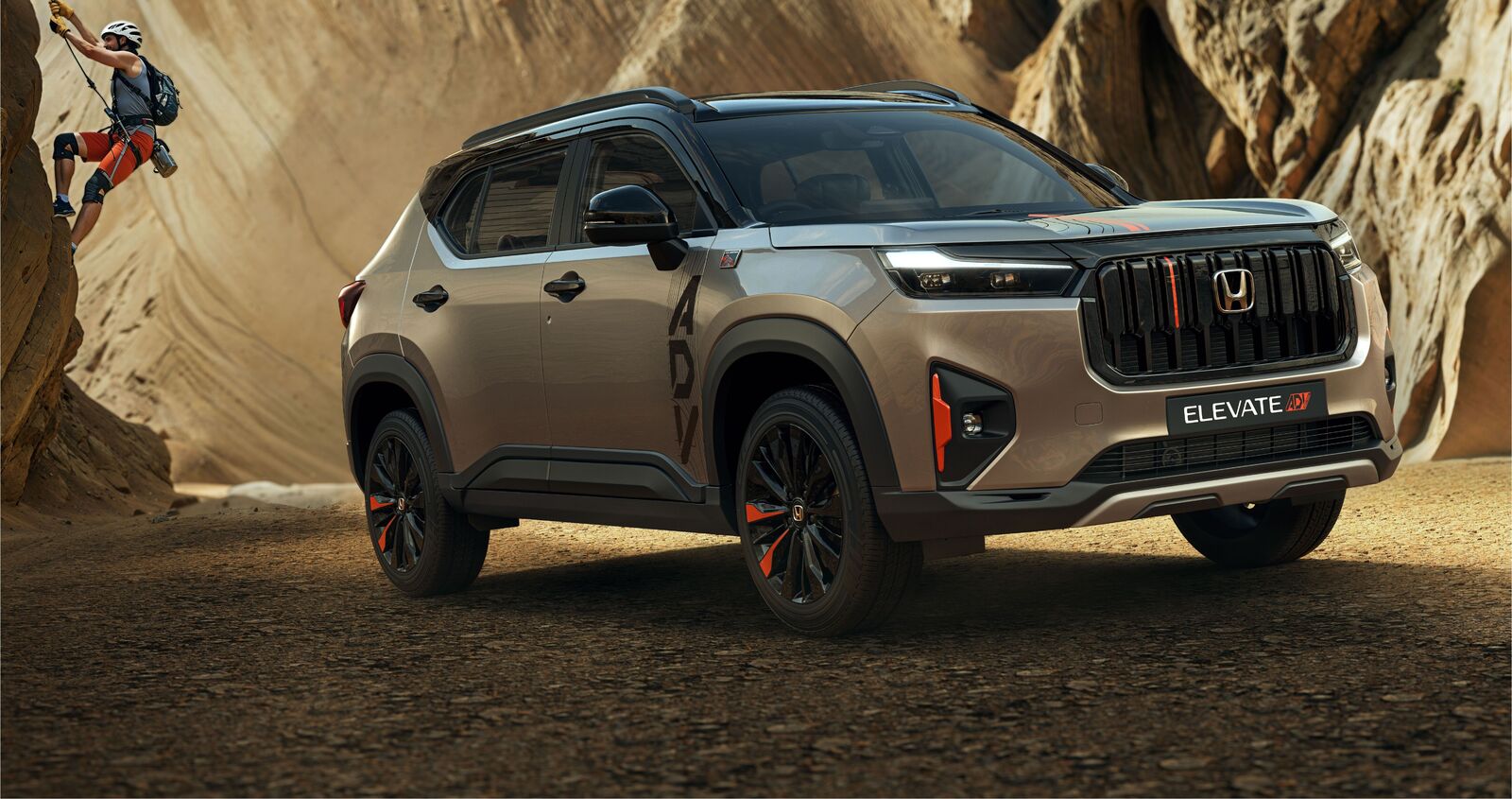
The Elevate ADV edition features several distinctive design elements with orange highlights. Riding on black alloy wheels with orange accents, the model features a new Alfa-Bold Plus front grille with black surrounds, and it also has hood decals with orange highlights. The SUV benefits from black treatment on the roof rails, door handles, ORVMs and shark fin antenna along with 'ADV' badging on the fenders and orange accents around the fog lamps and rear skid garnish. The rear skid plate matches the body colour, while the dual-tone variant gets a blacked-out C-pillar and Crystal Black Pearl roof for a more premium touch.

The Honda Elevate ADV Edition is available in two exterior colours: Meteoroid Gray Metallic and Lunar Silver Metallic. Both options are offered in single and dual-tone finishes.

What does the interior of the Elevate ADV variant look like?

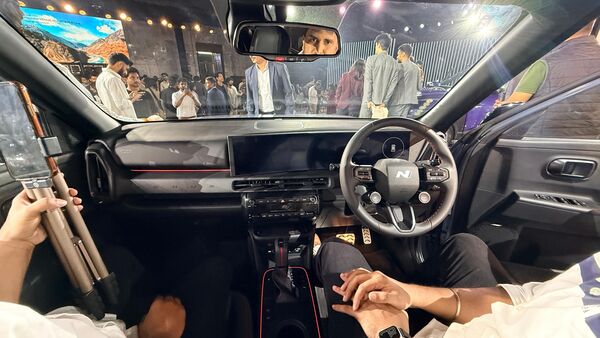
Stepping inside reveals a blacked-out cabin with orange detailing on the seats, door trim and gear shifter. The seats are finished in black with orange contrast stitching and embossed ADV logos at the front and rear, while the seat belt tongue-plates are finished in orange. The cabin gets orange highlights on the AC knob and gear knob molding, while the roof lining, sun visor and pillars are painted black. The model is also decorated with ADV-specific illuminated instrument panel garnish.

Also read: Honda to launch aggressive products on a large scale, 10 new cars to be introduced by 2030

Elevate ADV version is powered by?

The ADV variant is powered by Honda's 1.5-litre i-VTEC petrol engine, available with a 6-speed manual or a 7-speed CVT with paddle shifters. It retains the dimensions of the standard model, including 220 mm ground clearance, 458-litre boot, and focuses on practicality and long-term usability.

What is included in the technology and security suite of the Elevate ADV Edition?

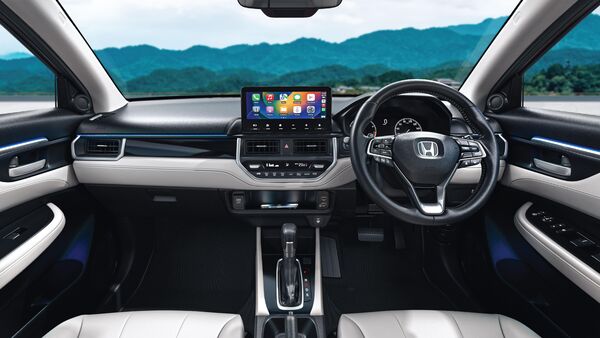
Honda Elevate Ivory Cabin
The Elevate ADV edition retains other features including a 10.25-inch touchscreen display, 7-inch semi-digital console, wireless charging and a sunroof. Image of ZX version used for representational purpose

Honda Sensing ADAS suite is standard on the ADV variant with features like Collision Mitigation Braking, Lane Keep Assist, Road Departure Mitigation, Adaptive Cruise Control and Lead Car Departure Notification. Other safety equipment includes six airbags, stability and traction control, hill start assist and ISOFIX-compliant rear seats.

Smartphone connectivity is supported through the Honda Connect system, which includes over 37 connected car features under a five-year subscription plan. The ADV variant may also come with a new 360-degree surround view camera as an optional feature.

Upcoming cars in India in 2025, check out the best SUVs in India.

First publication date: 03 November 2025, 13:43 PM IST

Source link

Renault Triber review: Is the most affordable MPV worth buying?

Renault Triber review: Is the most affordable MPV worth buying?

French automaker Renault is accepting this challenge with its Triber facelift due in 2025. With the updated version, it is important to add features as the competition offers it all. But can the Triber facelift do this while still offering enough that one might consider buying it? We drove the MPV to find out.

Triber facelift launched in July, sales have started 5.76 lakh (ex-showroom). It's hard to beat this price in the MPV category. For the top-spec variant, users will have to pay ₹ 8.12 lakh (ex-showroom) for manual transmission and ₹ 8.59 lakh (ex-showroom) for AMT. We drove the top-spec Emotion. Although it lacks some modern features like seat ventilation and automatic climate control, these are not dealbreakers at this price.

Renault Triber is available in 5-speed manual or 5-speed AMT.

Renault Triber facelift: Does it look the part?

External appearances matter. That said, we only received feedback from friends and acquaintances stating that the car looks beautiful and stylish. With a newly sculpted hood and redesigned bumper, Renault has elevated the looks of this MPV, and ultimately, it looks even better than its immediate rivals in the segment.

The new LED headlamps look small in proportion to the car, but not to the extent that it spoils the aesthetics. It gives a little beautiful touch to the fascia. From the front, the dual-tone paint accentuates the pillars well, while also helping to hide the stepped roofline to some extent. And as you know, the front of the car is the best angle to admire it.

At the rear, the Triber looks similar to the pre-facelift model. Changes like the new smoked LED taillights and revised 'Triber' lettering are subtle but noticeable. The rear now looks completely updated.

On the profile, the new alloy wheel covers steal the spotlight and do the styling job well. The blacked-out ORVMs with integrated turn indicators also add to the overall appeal of the vehicle.

renault triber
The length of the MPV is 3985 mm.

Renault Triber facelift: How does it feel inside the cabin?

Triber looks quite good from inside. It gets dual-tone interiors with a new instrument cluster and a redesigned steering wheel. The dominant shade on the interior is light beige, due to which the cabin feels airy. To highlight these areas, a dark gray shade has been applied to key touchpoints like the steering wheel, infotainment, air conditioning and door switches.

Sitting on the driver's seat, you do not at all feel that you are sitting in an 'economical' MPV. With a driver's instrument display and floating style 8-inch touchscreen, it makes you feel welcome with all the modernity it has to offer. The graphics on the multi-information display (MID) look great for the most part. The animations feel a bit gimmicky, but again you can't ask for too much here.

renault triber
The MID is placed in the center and has two LED indicator gauges on either side.

All the useful toggles are placed at the bottom of the infotainment screen; These include parking sensor deactivation, defogger, emergency parking, door lock and traction control toggle. It takes a day or two to get used to the lock toggle location, as it is usually placed on the driver's door. However, giving credit where it's due, once you get used to the position, it actually feels much more convenient than the previous placement.

Adding to the convenience, the cabin gets ample storage for things. There are two places for storage in front of the passenger seat, in addition to the wireless charger, there is a place to put your phone on the center console, and another cool storage behind the gear shift knob and cupholders.

Moving towards the back, the second row has 60:40 seats, which can be adjusted in four ways. There are two adjustable headrests in this row and two in the third row. The third row gets a 50:50 split and can also be removed completely to create more space in the trunk. Folding the seats in Triber gives a boot space of 625 liters.

Renault Triber facelift: Driving and passenger experience

Now, cutting to the chase, let's talk about how the Triber drives. The 1.0-litre engine feels energetic in the city if you're driving alone and know how to utilize the car's powerband. Personally, I find it more fun to drive a slow car fast than the other way around, but most people won't drive a car that fast. Still, the 71 bhp fades away with every passenger added to the car, and at full capacity, overtaking the vehicles becomes quite a tempting task.

One saving grace for the Triber is the adaptive steering weight which remains light during slow motion and becomes heavier as you accelerate. The weighted steering wheel increases confidence and provides more feedback. The MPV feels mostly planned, except at highway speeds, where you'll feel it acting more nervously and the rear wanting to break loose with every sharp move.

In terms of comfort, considering the fact that this is an MPV, the seats could have done with a little more cushioning. People often buy it thinking of taking it on a road trip. We also tested the capacity in excess of the rated seating capacity and took the car for a quick 30-minute drive in the city, and none of the passengers had any complaints. On the same trip, the Triber also fitted a full-sized guitar in the boot with all occupants seated.

renault triber
7 passengers can sit comfortably in Renault Triber.

Braking performance is good, but there is still room for more. The wheels on the top variant are 15-inch, but the lower variant may need more grip with 14-inch wheels.

Renault Triber facelift: What needs improvement?

The Renault Triber misses the mark on a few fronts. These include a missing armrest for the second-row seats, as well as no USB-C charging port. The Triber doesn't get a dead pedal or enough foot space on the driver's side to rest your left foot when the clutch is out.

Now, to vent the evil, the cruise control switch has been placed in an awkward place; Placing it on the steering wheel would have been more accessible. The traction control toggle turns off immediately when tapped, increasing the risk of accidentally turning the toggle off. The hood release and headlamp leveler switches are also placed so low that they are very difficult to find. You'll often need to find a leveler as the main beam is decent at most, and you'll be relying mostly on the high beam to illuminate your path ahead at night. There is an audible gear noise, which is prominent at low speeds.

Renault Triber facelift: Verdict

Overall, the Renault Triber now looks different and has added features that make it contemporary as well. It is economical and has seating for seven or more passengers. The only thing you have to live with is the smaller engine, which may be useful to you if you value economy more than anything else. It offers a lot of value for its price.

First publication date: 02 November 2025, 13:49 PM IST

Source link

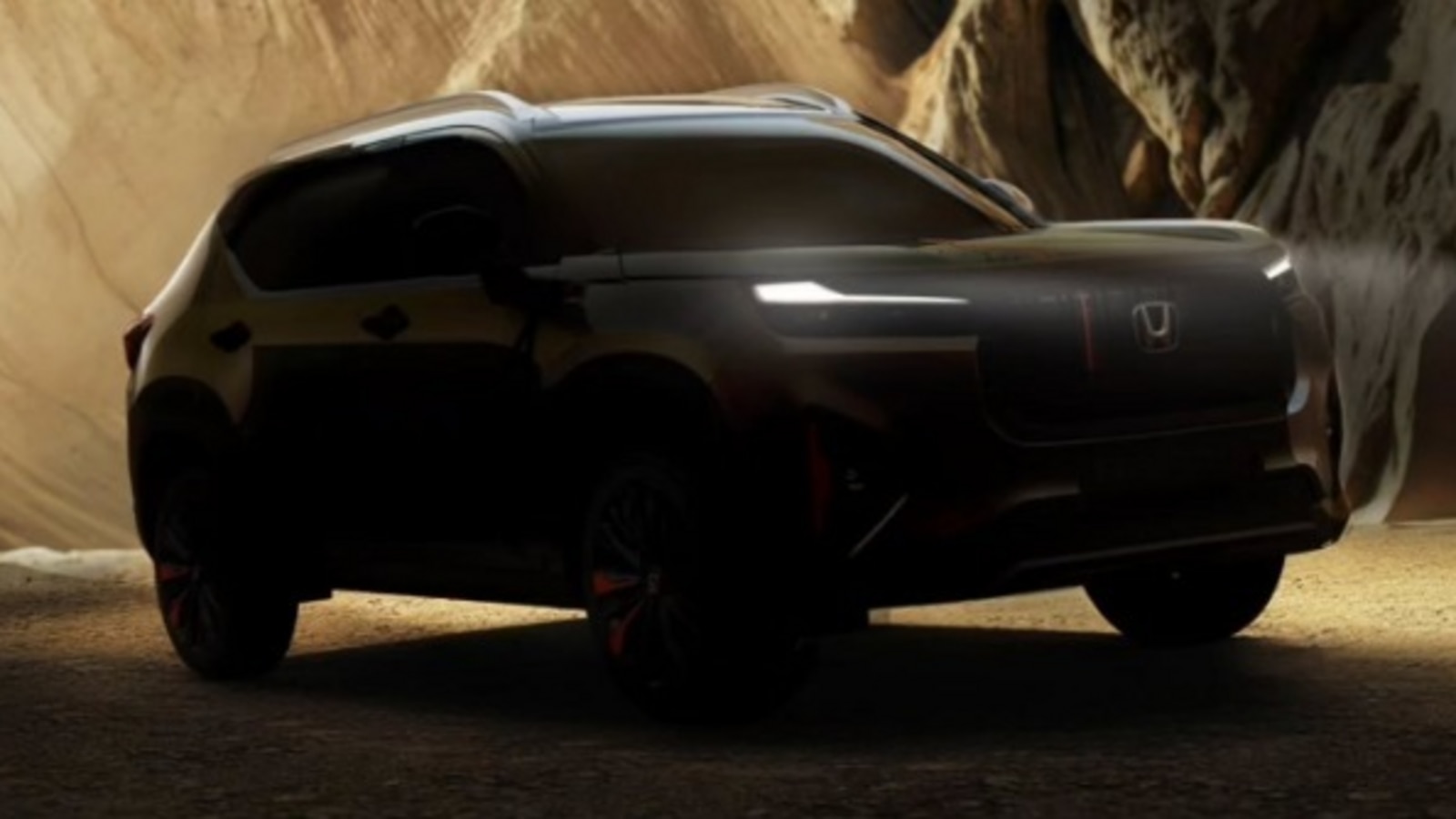
Teaser of new edition of Honda Elevate revealed, it has sporty red accents.

Teaser of new edition of Honda Elevate revealed, it has sporty red accents.

  • Honda Car India's latest teaser shows a new Elevate SUV variant with a unique grille and red accents. Although speculations hint at the name of the Explorer Edition, official confirmation is still pending.

Honda Car India has teased a new version of the Elevate SUV in India.

Honda Car India recently released a new teaser post for the Elevate on its social media. In the teaser, the Japanese carmaker has showcased a silhouette of a new version of the Elevate SUV. Although not much is visible, the teaser does reveal some key details about the upcoming version.

Preferred Source Banner

In the image, the new variant is seen sporting the new grille accessory, which is also offered in the Black Edition. Above the grille, the chrome element connecting the headlamps has also been blackened, as seen on the Black Edition. To differentiate this variant from the Black version, it gets a special red accent line running vertically on the grille. There are red markings on the edge of the fog lamp as well as on the two spokes of the alloy wheel. The alloy wheels of this version of the SUV appear in glossy black colour.

What could be the name of this new version?

The text on the post says, “An adventurous companion for the explorer inside you”. This could be a possible hint towards the naming of the SUV as an Explorer variant was under discussion earlier. However, there is no official confirmation in this regard yet.

What will power this new version of the SUV?

There will be no changes under the hood in the new version of this SUV. It will have the same 1.5 liter, 4 cylinder, naturally aspirated engine. This unit produces around 119 bhp at 6,600 rpm and 145 Nm of torque at 4,300 rpm. Transmission options for the Honda Elevate include a 6-speed manual or a 7-step CVT. There is also an official CNG option available for the SUV. However, this is dealer-level fitment only.

Features of the Honda Elevate include Level 2 ADAS and six airbags. Additional features include touchscreen infotainment system, wireless charging, lanewatch camera, traction control, hill start assist, emergency stop signal, connected technology and more. Honda offers a standard 3 years/unlimited kilometer warranty with the Elevate, which can be extended up to seven years with a flexible warranty option of up to 10 years. Roadside assistance is also available from the date of purchase.

Upcoming cars in India in 2025, check out the best SUVs in India.

First publication date: 01 November 2025, 15:01 PM IST

Source link

Ather records highest ever monthly sales, retains #3 position ahead of Ola

Ather records highest ever monthly sales, retains #3 position ahead of Ola

  • Ather reports record sales, volumes double since April, retains third position and takes lead over Ola as festive demand boosts India's electric scooter segment.

Ather has maintained its position ahead of Ola in October 2025.

View personalized offers

check offer icon check offers

Ather Energy has reported its highest ever monthly retail numbers in October 2025. The EV maker continues to retain its third position in India's electric scooter market, maintaining its lead over Ola Electric, according to Vehicle Data. The manufacturer said the strong performance is due to increased festive demand, continued retail expansion and better availability of the product in key markets.

Preferred Source Banner

Ather sold 26,713 units in the latest reporting month, accounting for 19.6 percent market share. This is the highest monthly sales figure of the company till date. Ather confirmed that the growth was supported by the strong festive period and sustained demand across key metros and tier-1 cities.

The company also said it doubled its sales from April to October 2025, showing sustained volume momentum throughout the year. Ather has remained at the third position for a consecutive month now.

Also read: Ather overtakes Ola to take third place in September e-two-wheeler sales, TVS ahead

Bajaj and TVS maintain their lead

Bajaj Auto led the market with 29,567 units and 21.9 per cent share, the vehicle data said. TVS Motor stood second with 28,008 units and 20.7 percent share. Traditional OEMs remain in a strong position due to deep retail networks and financing access.

Ola lags behind as Ather difference increases

Ola Electric, on the other hand, ended the month at the fourth position with 15,481 units and 11.6 percent share. Ether volume was over 11,000 units, widening the gap between the two premium EV players.

Among other manufacturers, Vida remained close to Ola, registering a competitive 15,064 units and 11 per cent share. Ampere achieved 6,976 units and gained 5 percent market share as it continues to build momentum. In the niche and emerging EV segment, BeGos (2,760 units), Pure EV (1,637 units), and River (1,467 units) contributed 4.3 per cent segment mix. Combined sales of other smaller OEMs accounted for the remaining around 6 per cent of the total volume. Together, small OEMs and new-age startups add diversity to India's growing electric two-wheeler sector.

market table

brand volume market share Post
Bajaj 29,567 21.9% 1
TVS 28,008 20.7% 2
anther 26,713 19.6% 3
Hailstone 15,481 11.6% 4
Vida 15,064 11.0% 5
ampere 6,976 5.0% 6
bigos 2,760 2.0% 7
pure e.v. 1,637 1.3% 8
River 1,467 1.0% 9
Other 8,309 5.9% ,

market scene

The latest figures highlight a competitive EV market led by established OEMs and strengthened by emerging brands. Ather's milestone month and broader gains over Ola underline a changing balance within the premium EV scooter category.

Check out upcoming EV bikes in India.

First publication date: 31 October 2025, 15:47 PM IST

Source link

Suzuki's multi-fuel strategy: Why isn't India ready for 100% EV any time soon?

Suzuki's multi-fuel strategy: Why isn't India ready for 100% EV any time soon?

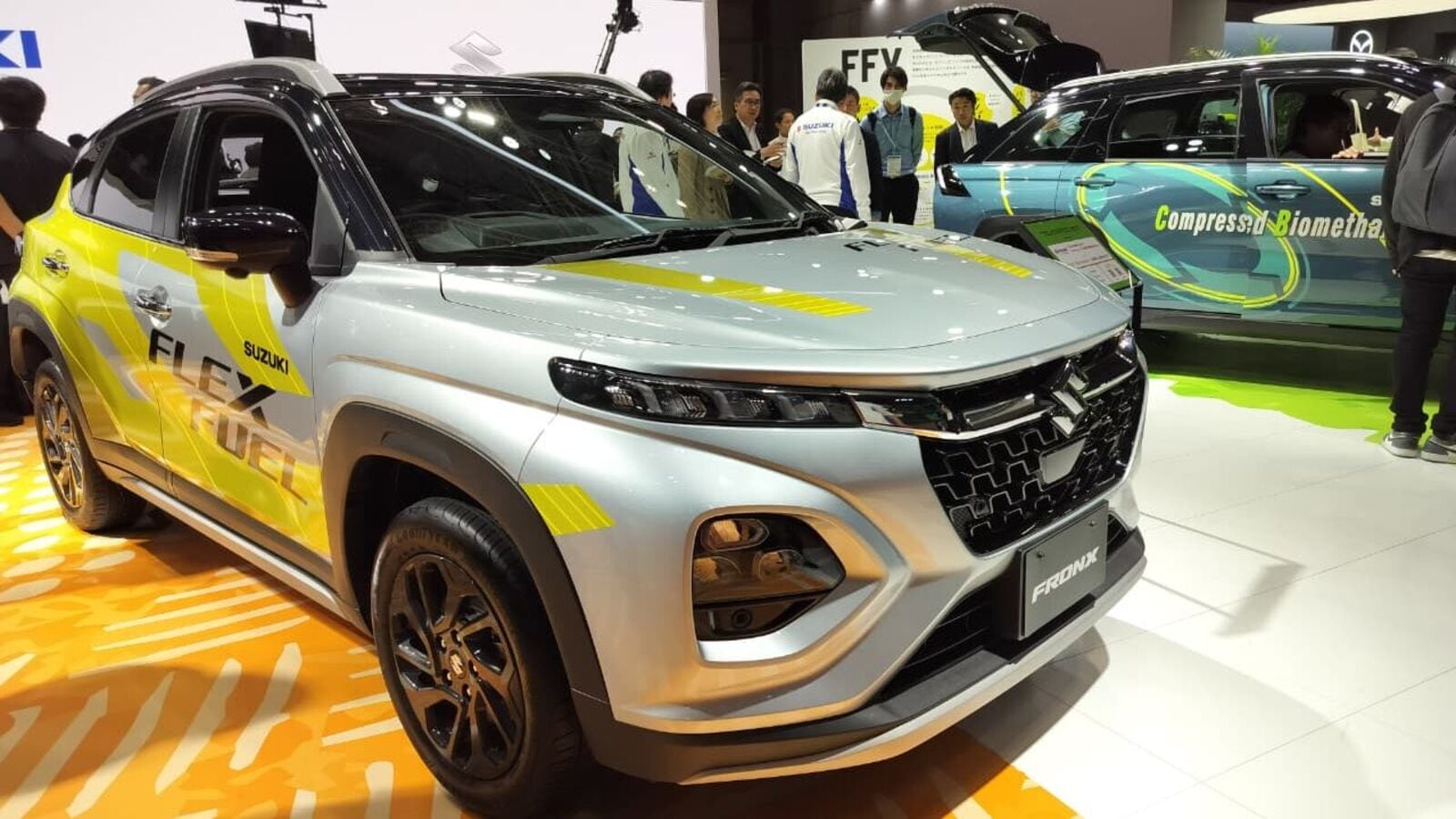
Suzuki Motor Corporation's global goal is clear: to achieve carbon neutrality by 2050. But the company says how each market gets there should be shaped by local conditions. In India, this translates into a multi-pathway strategy, adopting electric vehicles, hybrids, biofuels, CNG and even compressed biogas as parallel solutions.

“We have to find our own path to carbon neutrality,” Toshihiro Suzuki said at the Japan Mobility Show. This statement reflects a fundamental difference in Suzuki's worldview. While global automakers are racing to phase out internal combustion engines, Suzuki is betting that India's transformation will be layered, gradual and deeply linked to its energy ecosystem.

Also read: Suzuki's CBG initiative: Connecting rural India to a carbon neutral future

Why is all the electricity not enough?

India's electric vehicle travel is gaining momentum, but infrastructure remains a hurdle. Public charging points are still clustered in metros, while tier-II and rural areas lag far behind. Power grid flexibility, localization of batteries and cost parity still remain challenges.

Suzuki recognizes these shortcomings. In their view, implementing an all-electric approach prematurely could alienate millions of customers who depend on affordable, reliable mobility. Battery technology remains expensive, raw materials are scarce and localization is a lengthy process.

In that sense, the company's “multi-pathway gamble” is also a hedge against uncertainty, ensuring that Suzuki remains relevant in all areas even as the market evolves.

India in origin

Few global automakers have placed as much strategic weight on India as Suzuki. The company's Suzuki R&D Center India (SRDI) now leads the development of alternative fuel technologies tailored to local conditions. From hybrid powertrains to biofuel compatibility and CBG integration, SRDI's work underlines Suzuki's belief that India will not just be a key market, it will be a laboratory for sustainable mobility in the Global South.

Suzuki's new EV plant in Kharkhoda, Haryana, is set to begin production in FY 2025-26, marking its entry into battery-electric manufacturing. But the company has equally invested in hybridization, a bridge technology that meshes well with India's short-term emissions targets and consumer economics.

Also Read: Maruti Suzuki to capture 50% market share in Indian PV market. This way

practicality over purity

Suzuki's position is not anti-EV, it is context-driven. The company sees electrification as part of a larger continuum rather than a single, comprehensive solution. Its upcoming models will include mild hybrid, strong hybrid, flex-fuel and electric, allowing consumers to choose based on usage, affordability and local fuel infrastructure.

In many ways, this reflects India's policy direction, where ethanol blending, biogas and hybrid technologies are seen as practical enablers of the green transition. As Toshihiro Suzuki has said, “Each country must decide its own path to carbon neutrality based on its own situation.”

The challenge for Suzuki is about timeliness. Move too fast toward EVs, and the company risks alienating its price-conscious customer base. Move too slowly, and it risks being left behind as regulators tighten the screws and rivals expand their EV portfolios. Then again, the answer lies in balance, a philosophy that defines the brand's approach not only towards technology, but also towards business.

betting on the long game

Suzuki's game in India is not about chasing headlines. It is about building an ecosystem that can sustain change for decades. The company's ongoing work with biogas, hybridization and localized EV production signals an intention to diversify, not dilute.

If this approach is successful, Suzuki could demonstrate something the industry has often forgotten, that the path to zero emissions does not necessarily have to be driven by one type of energy. In a country as complex and diverse as India, carbon neutrality will not come from a single breakthrough, but from the sum of many small, systematic steps. For Toshihiro Suzuki, it's not hesitation, it's realism. And in India's case, realism may be the smartest path to a clean future.

Get information about upcoming cars in India, electric vehicles, upcoming bikes in India and cutting-edge technology that is changing the automotive landscape.

First publication date: 30 October 2025, 14:44 PM IST

Source link

Honda Activa has crossed 3.5 crore sales mark since 2001

Honda Activa has crossed 3.5 crore sales mark since 2001

Honda's two-wheeler journey in India began in 1999 through a joint venture with Hero MotoCorp. The brand's first indigenous product under HMSI, Honda Activa, was launched in 2001 and soon became a household name.

Honda Activa was the first indigenous product for HMSI and was launched in 2001

View personalized offers

check offer icon check offers

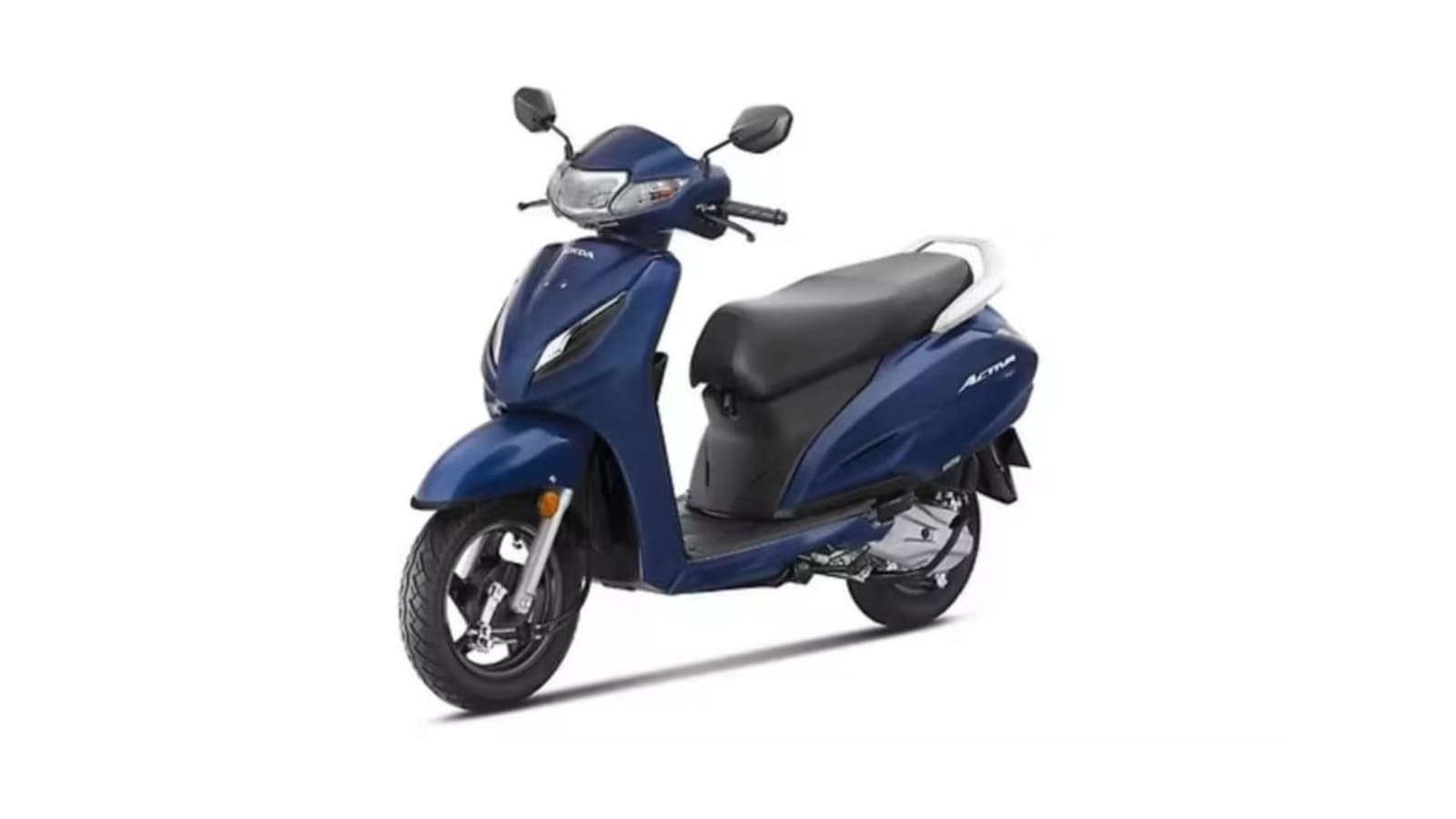
Honda Activa has crossed the 3.50 crore sales mark in India since its launch in 2001. The current Activa range includes the Activa 110, Activa 125, Activa-i and Activa E. Honda's two-wheeler journey in India began in 1999 through a joint venture with Hero MotoCorp. The brand's first indigenous product under HMSI, Honda Activa, was launched in 2001 and soon became a household name.

Preferred Source Banner

The company said it achieved the first one crore Activa customers by 2015, followed by two crore in 2018 and now 3.5 crore by 2025, a journey that reflects the enduring trust of millions of customers.

Also read: Honda two wheelers cross 500 million production mark globally

Honda Activa's journey

Launched in 2001 as a fully indigenous product of HMSI, Honda Activa has been the best selling scooter in India for the last 24 years. Over 30 million units have been sold since its launch, indicating its eternal popularity and trust among Indian buyers. Now, Activa comes in three variants, Activa, Activa 125 and the newly introduced Activa E, to suit the diverse tastes of the customers.

It comes with a 109.51 cc BS-VI engine that generates 7.73 bhp and 8.9 Nm of torque. It comes with a fuel efficiency of 59.5 kmpl and has a starting price of 78,684. The 2025 Honda Activa 125 is powered by a revised 123.92 cc, single-cylinder motor that meets OBD2B specifications. The engine generates 8.3 bhp and maximum torque of 10.15 Nm and returns a mileage of 51.23 kmpl. activa 125 price is 82,257. Activa E marks the entry of the Japanese company into the Indian e2W market and this is where it starts 1.17 lakh. It gets a 3kWh battery pack powering a 6kWh motor and offers a single-charge range of 102km (claimed).

Also Read: Shine 100 DX and CB125 Hornet fuel Honda's renewed focus on the mass motorcycle market

Honda 500 millionth production milestone

At the beginning of the year, the two-wheeler maker had crossed the 50 crore production mark globally since it began operations in 1949. Honda Motorcycle & Scooter India (HMSI)'s Vitthalpur plant in Gujarat produced the historic 500 millionth unit. Notably, the milestone model was the Honda Activa, which was the best-selling scooter in the Indian market. The company aims to reach the production mark of 1 billion by 2048.

Notably, India represents Honda's largest production center globally. Honda Motorcycle & Scooter India (HMSI) currently boasts of an annual production capacity of 6.4 million units and exports to 62 countries.

Check out the upcoming bikes in India.

First publication date: 29 October 2025, 14:54 PM IST

Source link

Confirmed: Tata Sierra to return on November 25; what to expect?

Confirmed: Tata Sierra to return on November 25; what to expect?

  • Tata Motors will launch the all-new Sierra SUV combining retro design with modern technology on November 25.

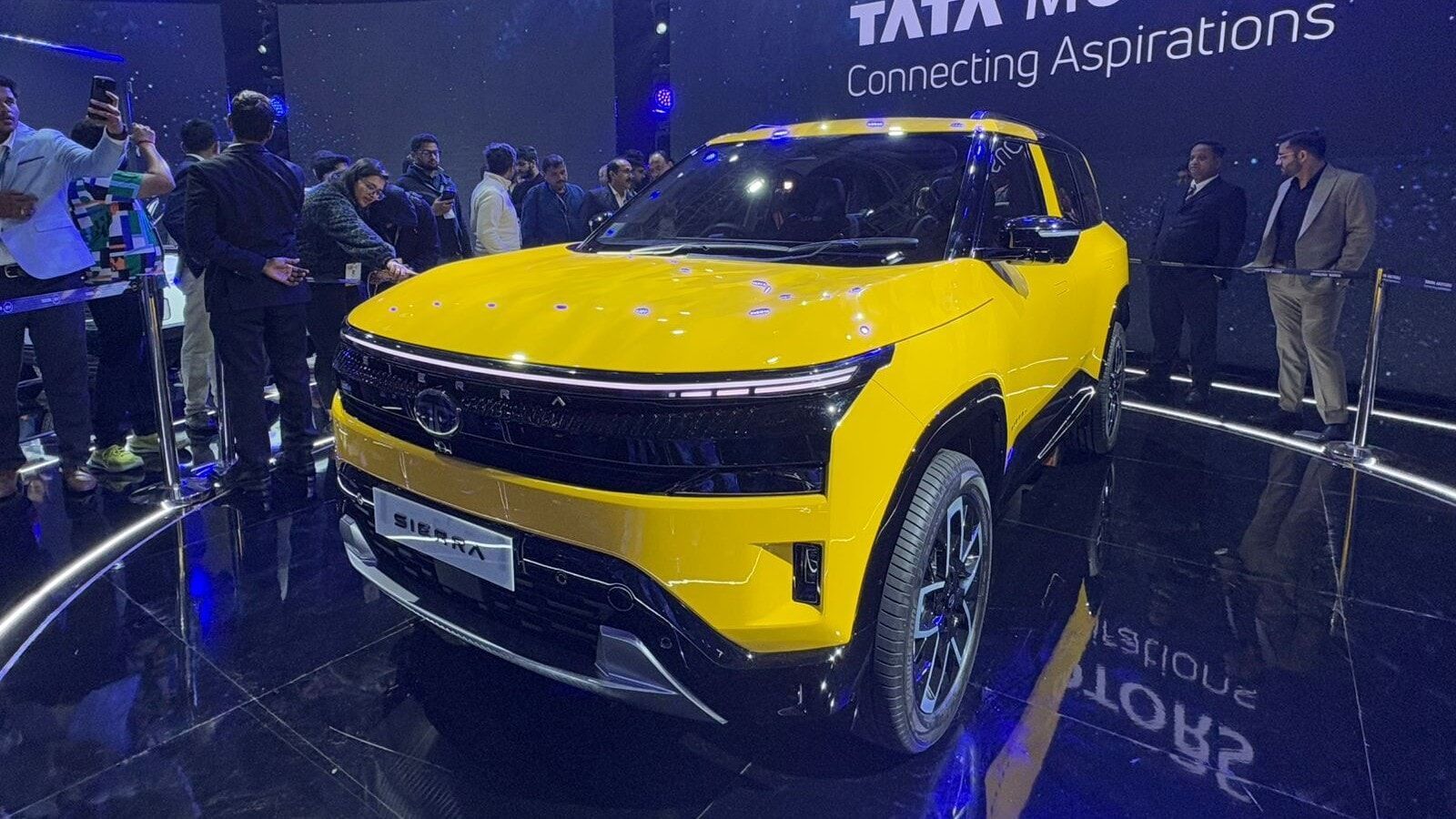
The new generation Tata Sierra and Sierra EV were first showcased at the Bharat Mobility Global Expo 2025.

Tata Motors has confirmed that the much-awaited Sierra SUV will finally make its India debut on November 25, 2025. Reviving one of the most iconic badges of India's automotive past, the new Sierra aims to blend nostalgia with cutting-edge design and technology.

Preferred Source Banner

The Tata Sierra first appeared in 1991, becoming India's first indigenously developed lifestyle SUV. Its bold three-door layout and signature wraparound rear glass made it instantly recognizable on Indian roads. The model was discontinued in the early 2000s, but the name still resonates among enthusiasts who grew up admiring its design.

Now, more than two decades later, Tata is bringing back the Sierra as a five-door SUV, modernized for 2025 while retaining the cues of its distinctive silhouette.

Why does Sierra's return matter?

The return of the Sierra is more than another SUV launch, it is a legacy revival for Tata Motors. The model reflects the significant progress made by Indian automakers in terms of design, technology and sustainability. With a mix of retro styling, premium features and flexible powertrains, the 2025 Sierra could be one of Tata's most significant launches yet.

What kind of design should we expect?

The Sierra was already showcased during the India Mobility Global Expo in early 2025. Furthermore, camouflaged test mules recently spied in Mumbai also confirm that the new Sierra features a mix of retro design cues and contemporary styling elements.

Notable external highlights include:

  • square body with straight bonnet
  • Flat tailgate and strong rear haunch
  • Trademark quarter-glass panels inspired by the original Sierra
  • flush-fitting illuminated door handles
  • Roof spoiler with shark-fin antenna
  • The front bumper has an integrated ADAS module
The new Tata Sierra SUV is set to make a comeback with both electric and ICE variants, featuring distinctive design elements and a tech-rich cabin. The electric version targets a range of 500 km, expanding Tata's EV lineup while attracting traditional SUV fans. Whereas, the ICE-powered version is expected to be offered with turbo petrol as well as diesel engines. (Instagram/carindinews)

What to expect from the cabin?

On the inside, it appears that Tata has made every effort to make the Sierra a high-end experience. The cabin design as seen in the concept and test vehicles focuses on connectivity and comfort.

Expected Internal Features:

  • Large horizontal touchscreen infotainment system
  • Wireless Android Auto and Apple CarPlay
  • ventilated front seats
  • 360-degree camera system
  • Push-button start with rotary drive selector
  • floating center console
  • panoramic sunroof
  • Complete ADAS suite for better safety
  • Passenger-side display (as previewed at the India Mobility Expo, not yet confirmed for production)

Also See: Tata Sierra SUV Unveiled | Hyundai Creta, Mahindra Thar Rocks rivals | First look auto expo 2025

Powertrain options: Petrol, diesel and electric

Tata Sierra will be offered with petrol and diesel engine options to cater to the preferences of different buyers. After the launch of the ICE model, Tata will also launch an EV version.

version Engine/Powertrain transfer Expected Range/Output
petrol 1.5-litre TGDi turbo-petrol manual/automatic Figures are about to come out
diesel 2.0-litre Kryotec diesel manual/automatic Figures are about to come out

Expected Pricing and Competitors

The Sierra will sit between the Curve and Harrier in Tata's growing SUV portfolio. Given its position in the Tata lineup, pricing is expected to start around 12 lakh (ex-showroom). It will compete in the mid-size SUV segment, taking on rivals like the Hyundai Creta, Maruti Suzuki Grand Vitara, Honda Elevate and Kia Seltos.

Upcoming cars in India in 2025, check out the best SUVs in India.

First publication date: 28 October 2025, 13:43 PM IST

Source link

Volvo EX60 confirmed for global debut on January 21: Is India calling?

Volvo EX60 confirmed for global debut on January 21: Is India calling?

  • The Volvo EX60 will launch globally on January 21, 2026. Based on the new SPA3 platform, it features the latest Superset tech stack and minimal design language.

The Volvo EX60 will be the first electric model from the Swedish carmaker to debut on the new SPA3 architecture with the Superset tech stack.

Volvo Cars has confirmed that it will officially debut the EX60 all-electric SUV for global markets on January 21, 2026. The upcoming Volvo EX60 is the electric iteration of the XC60 SUV, and it will be the first model to be built on the Swedish brand's new modular SPA3 architecture with a superset tech stack that debuted on the EX90 flagship. With its launch, Volvo can now fill the gap between the compact EX30 SUV and the three-row EX90.

Preferred Source Banner

Volvo EX60: Design and interior expectations

A recent teaser image displays design cues that are clearly Volvo. The EX60 carries over the overall silhouette of the ICE-powered XC60 with a long front section, featuring its Thor-Hammer LEDs. The general design language is expected to align with the recently launched EX30 SUV, which will feature a bold, minimalist look with a closed-off front grille, bonnet louvers and pronounced wheel arches.

The interiors of the EX60 will also be significantly modernized with a clean design that makes very limited use of physical buttons in favor of touch-capacitive controls. In typical Volvo fashion, the dashboard is likely to be equipped with a vertically-mounted central infotainment display with navigation, media and climate controls. Drivers are expected to benefit from a multi-function steering wheel with touch-capacitive controls and a slim cluster display mounted directly on the steering column in place of the traditional digital cluster.

Also Read: 2026 Volvo EX90: Electric SUV coming to India gets more tech, faster charging

Volvo EX60: Software-defined EV architecture

The Volvo EX60's SPA3 platform is said to be highly modular and scalable, and is further enhanced by the Superset tech stack, which will form the backbone of future all-electric Volvos. While the platform itself brings lower production costs as well as more core computing capabilities, the tech stack aims to take it a step further with its modular design. It consists of a set of hardware and software components that can be arranged in different ways to create an SUV. “Each of our new cars will be a selection or subset of the building blocks from the superset tech stack,” Volvo Cars previously said.

This modular approach will not only enable the carmaker to improve its models and technology over time, but will also help it produce cars of all sizes from the same technological base. Modularity is projected to improve cash flow by reducing investment and R&D costs. The Volvo EX60 is set to lead the brand's new EV technology strategy with its all-new architecture and will be built at the company's Torslanda plant in Gothenburg, with production starting in early 2026.

We expect the EX60 to reach India soon after its global launch next year. Volvo currently sells the EC40, EX40 and EX30 SUVs as part of its EV lineup on our shores, and will also soon launch the EX90 flagship SUV. The upcoming EX60 will then be positioned between the EX30 and EX90

Check out upcoming EV cars in India.

First publication date: 27 October 2025, 15:38 PM IST

Source link