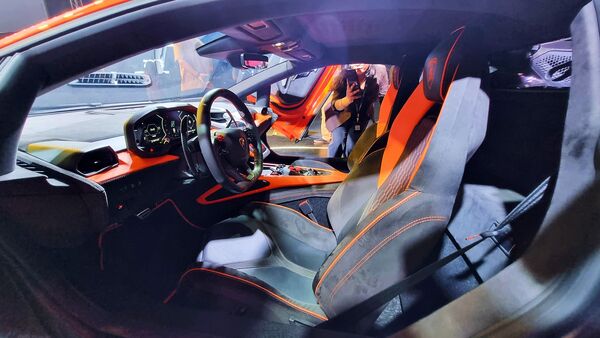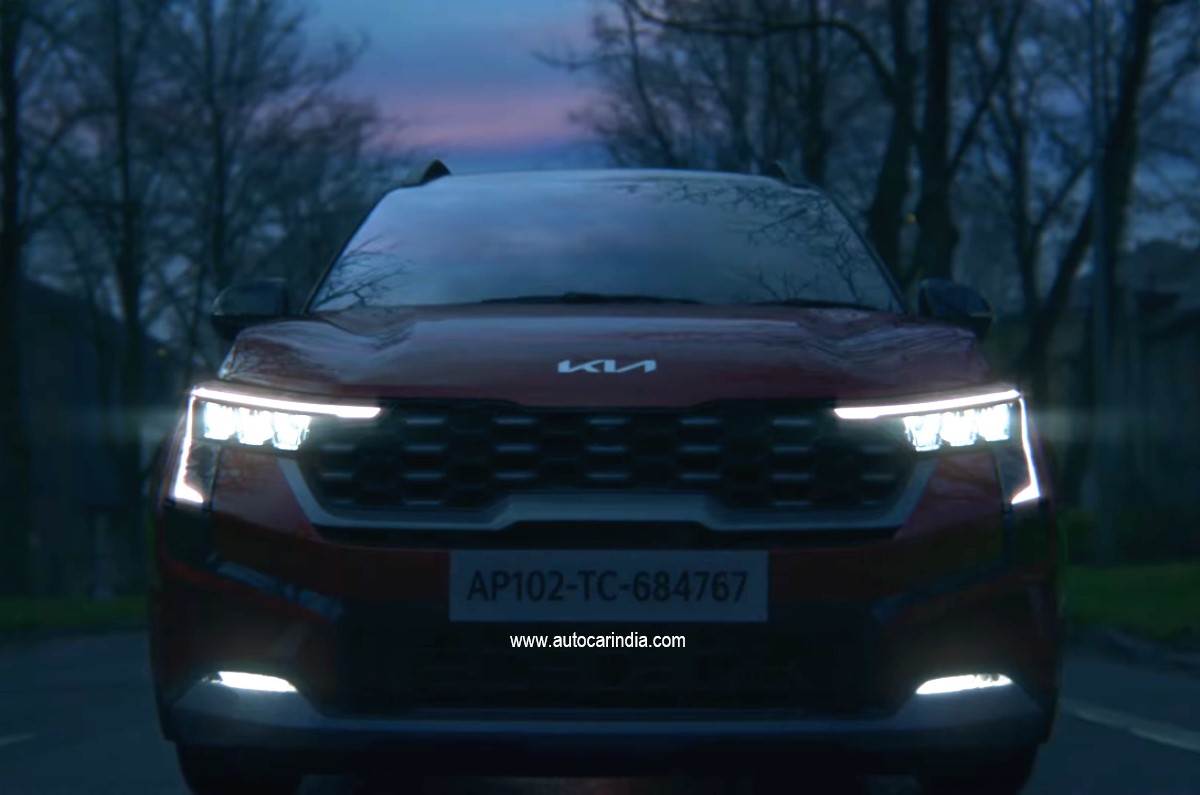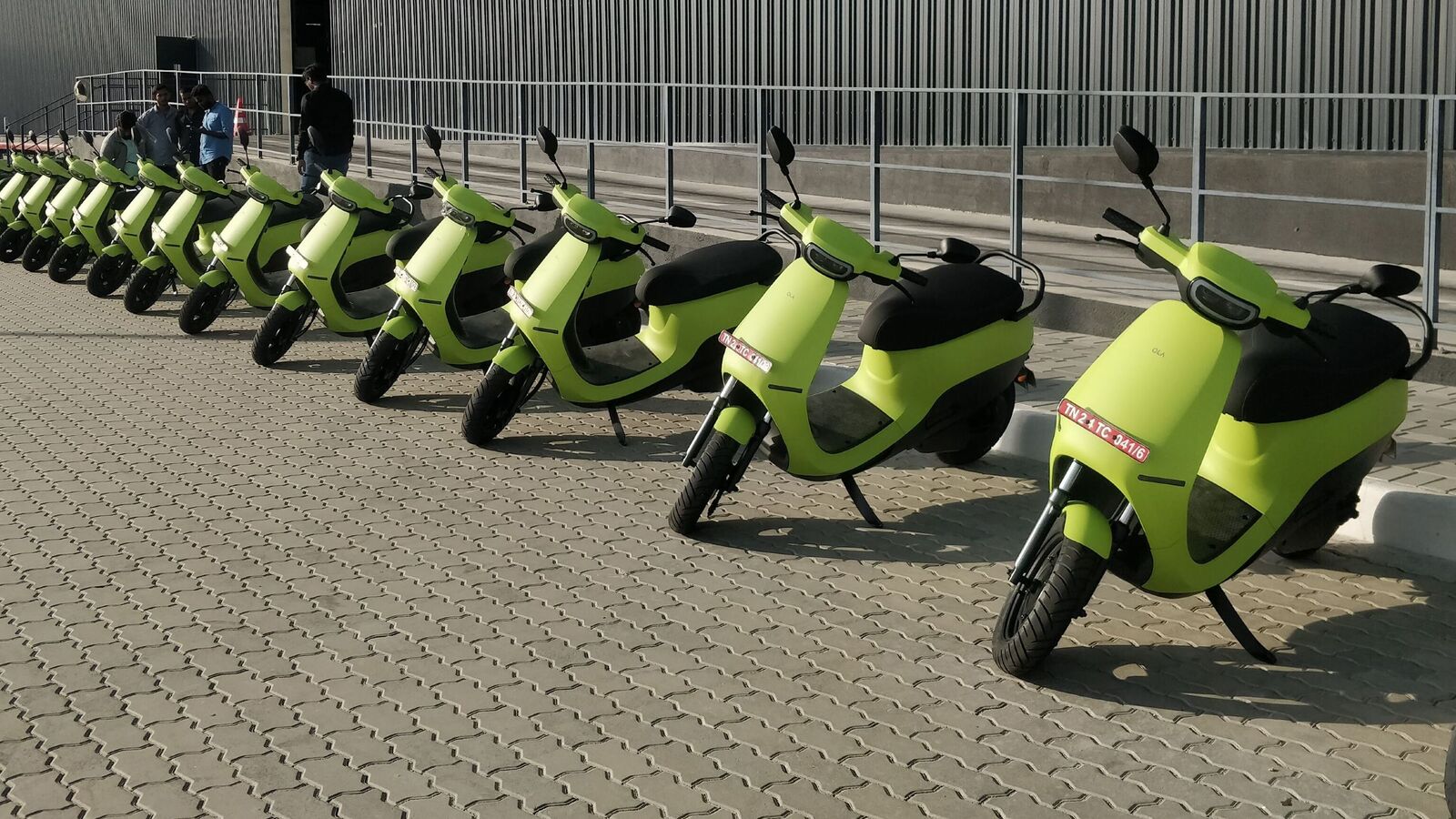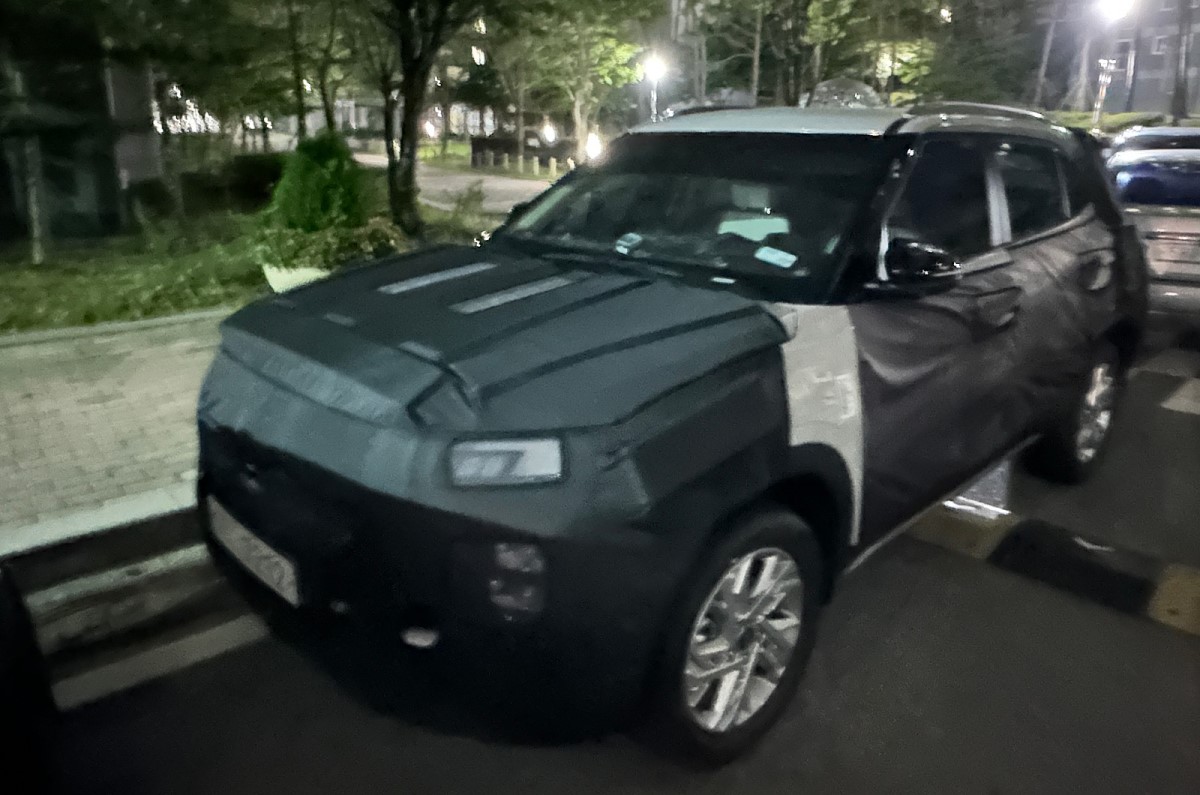
The under-development 1.5-litre TGDi petrol motor will likely arrive with Curvv SUV before it makes its way to the Harrier and Safari.
At this year’s Delhi Auto Expo, Tata Motors showcased a Harrier EV concept as well as the 1.5-litre turbocharged gasoline direct injection (TGDi) engine that would be offered under the hood of the Harrier SUV. And while the 1.5L TGDi engine has been in the works for a while now, we understand that the electric Harrier would arrive before its petrol-powered counterpart.
At the price announcement of the facelifted Harrier and Safari yesterday, Shailesh Chandra, managing director of Tata Motors Passenger Vehicles Ltd and Tata Passenger Electric Mobility Ltd, said “We have already shown the 1.5-litre TGDi engine at the Auto Expo and we intend to bring it. I would say that it’s slightly far away – one year and beyond. But we are going to bring the petrol engine also.”
According to sources, the development of the petrol motor is proving to be a challenge but one the company knows it must address, “Petrol volumes are going to grow and it is imperative that we enter the petrol segment also,” said Chandra. Once ready, the engine would allow Tata Motors to offer a petrol-powered version of both the Curvv and Sierra SUVs, in addition to the Harrier and Safari.
Bengaluru-based electric vehicle manufacturer, River, has commenced deliveries of its maiden electric scooter, Indie, in Bengaluru. The first group of pre-order customers were officially handed over their keys during an event. The electric scooter was launched in the country earlier this year in February, followed by the rollout of the first unit from the company’s state-of-the-art manufacturing facility in Hoskote in August.
By: HT Auto Desk | Updated on: 17 Oct 2023, 16:24 PM
River Indie electric scooter sources power from a 6.7 kWh electric motor, which churns out 26 Nm of torque.
River is set to revise the price of its debut product, which will be announced soon. The price hike is being considered in the aftermath of the latest modifications in the FAME II subsidy. However, the first batch of customers received the product at the initially announced price of ₹1.25 lakh (ex-showroom, Bengaluru).
The EV brand is also working on launching its first experience center in Bengaluru, which is expected to open for public by November this year. Since its inception in March 2021, the brand has raised a total of $28 million in funds from marquee investors to speed up its electric mobility journey. The EV startup is hopeful to sell one lakh units of the high-speed electric scooter by 2025.
The Indie electric scooter sources power from a 6.7 kWh electric motor, which churns out 26 Nm of torque. Power is sent to the rear wheel via a belt drive, propelling the EV to sprint 0-40 kmph in 3.9 seconds at a top speed of 90 kmph. The motor comes paired with a 4 kWh battery pack, which is claimed to deliver a 120-km range on a single charge.
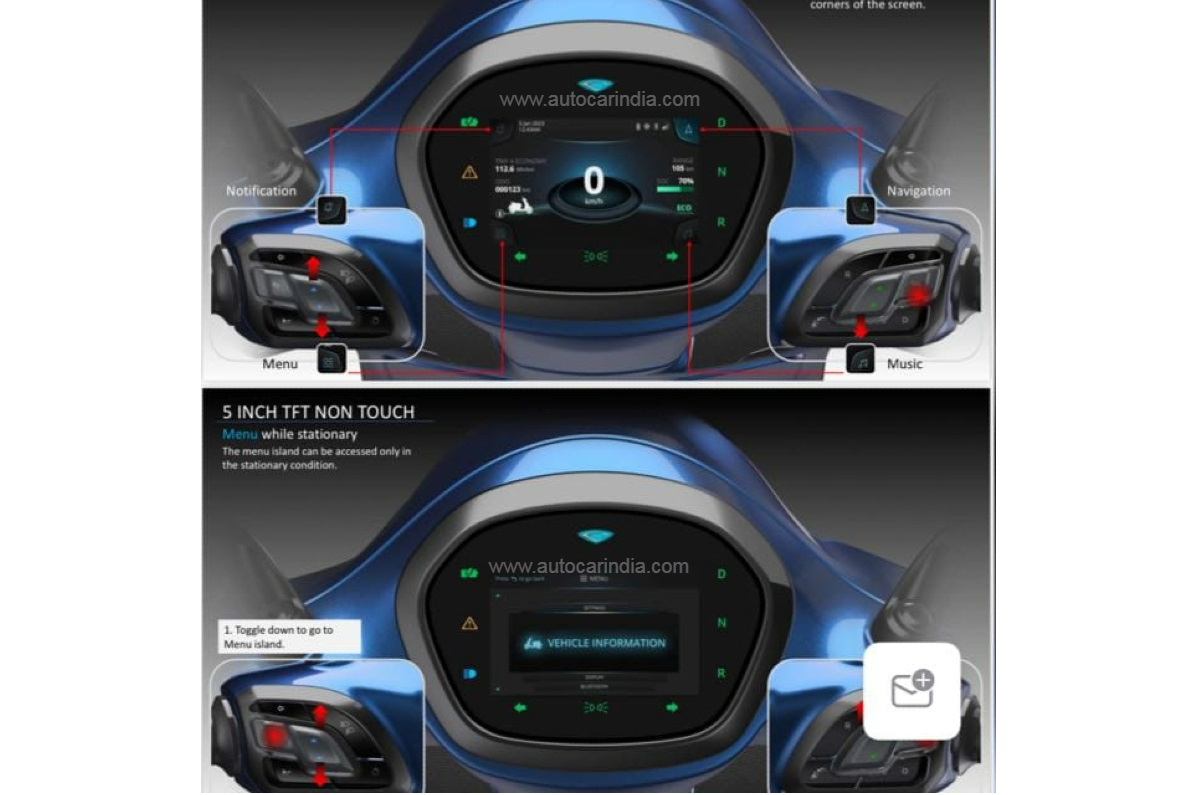
The scooter comes with an unusual design that grabs attention at the very first glance. It gets dual front LED headlamps with integrated LED daytime running lights as well as LED taillights. On the feature front, there is a fully-digital six-inch colour instrument cluster, spacious 20-inch footboard, 43-litre under-seat boot space and a 12-litre glove box, among others.
It runs on 14-inch black alloy wheels wrapped with meaty tyres. The front wheel gets a 240 mm disc brake, while the rear sports a 200 mm disc. For suspension duty, the scooter gets a telescopic setup at the front and a twin hydraulic system at the rear.
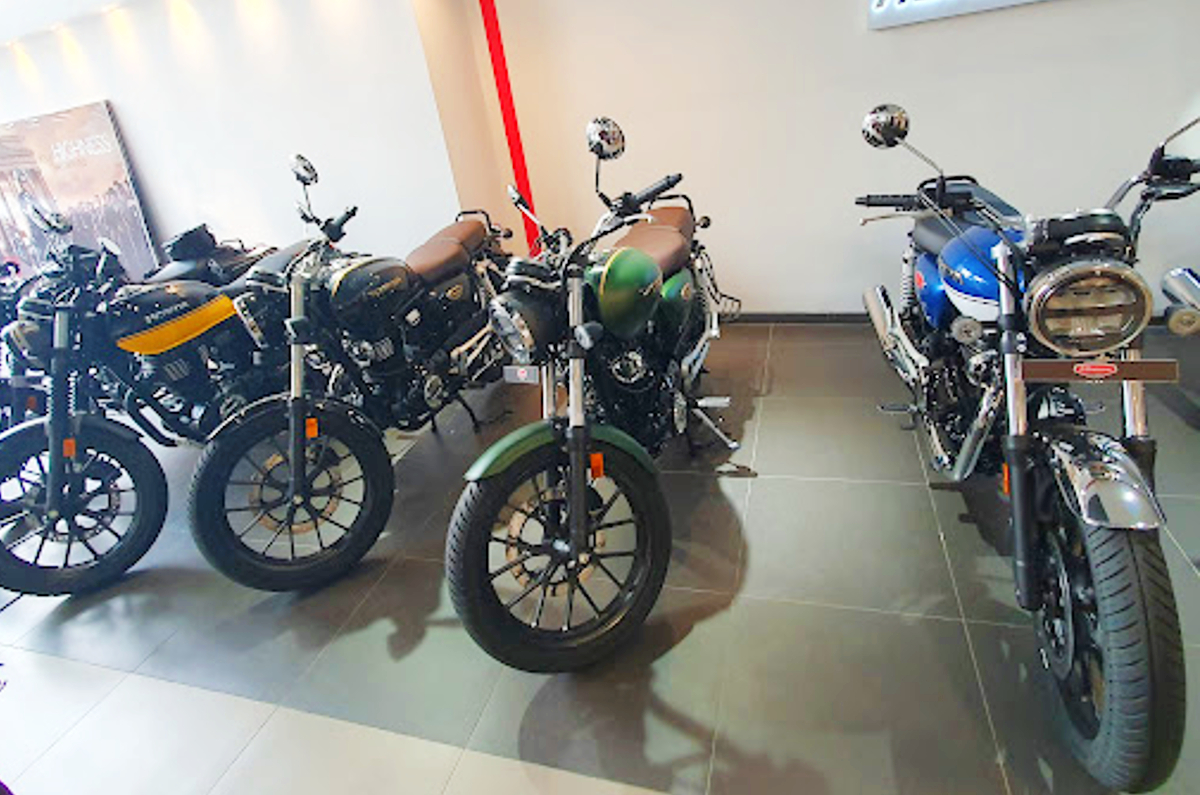
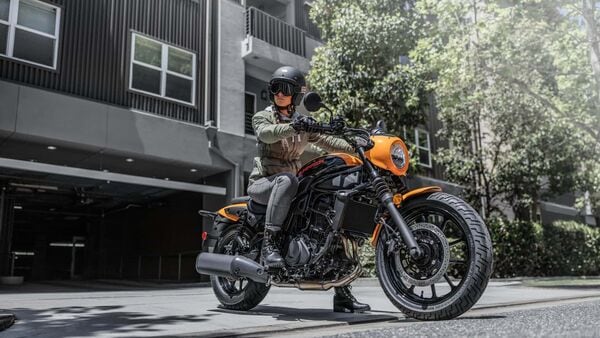
Bookings have now reopened for the X440 with prices ranging from Rs 2.40 lakh-2.80 lakh.
As promised, Hero began deliveries of the Harley-Davidson X440 on October 15, and they started in a big way. Deliveries were conducted across 100 dealerships, including both standalone Harley-Davidson and select Hero MotoCorp outlets across the country.
The Harley-Davidson X440 is made at Hero MotoCorp’s manufacturing facility in Neemrana, Rajasthan. The bike was originally launched in July 2023 and went on to garner a massive 25,000-plus bookings in its first month.
The demand was so high that Hero temporarily closed bookings in the country and increased prices across the range. Now that the deliveries have begun, Hero has reopened bookings across existing Harley dealers and through select premium Hero dealerships. Bookings can also be made online.
The motorcycle is available in three variants – Rs 2,39,500 for the Denim variant, Rs 2,59,500 for Vivid, and Rs 2,79,500 for S. This marks a Rs 10,500 hike per model over the launch price.
Hero MotoCorp’s CEO Niranjan Gupta said, “It will be our endeavour to complete all deliveries over the next 4-5 months. Our supply chain is already in the process of ramping up the capacity, as we would like to serve every single customer in India who wants to own a Harley Davidson and reduce the waiting period moving forward.”
“We are excited to bring the thrill of Harley-Davidson motorcycles to motoring enthusiasts across the country, including Tier II cities and smaller towns,” he added.
The 2023 CB300R comes mated to a six-speed gearbox and gets an assist slipper clutch which eases gearshifts and manages rear wheel lock-up on hard down shifts while deceleration.
In terms of styling, the motorcycle draws inspiration from the retro-themed CB1000R litre-class roadster with a minimalistic take on it. It boasts a muscular fuel tank and a beefy upswept exhaust, reflecting the neo sports cafe DNA. An all-LED lighting system with round LED headlamp, LED winkers and LED tail lamp further enhanced the styling quotient.
Weighing at just 146 kg, the CB300R is the lightest motorcycle in its category. It gets 41mm USD front forks and an adjustable mono-shock absorber at the rear, making it a decent choice for Indian roads. Braking duties are handled by 296mm disc brake (front) and 220mm disc (rear) with dual-channel ABS as standard.
In terms of features, the motorcycle gets a fully digital instrument cluster as well as emergency stop signal and hazard light switch. The motorcycle will be made available in Pearl Spartan Red and Matte Massive Grey Metallic colour options. “The CB300R is an ultimate gateway for young riders to brand Honda’s engineering prowess, design philosophy and premium build quality,” said Tsutsumu Otani, Managing Director, President & CEO, Honda Motorcycle & Scooter India.
Interior will also see minor cosmetic and equipment upgrades.
These are the first undisguised images of the Kia Sonet facelift that’s due to launch in India in the next 3-4 months. While several camouflaged test mules have been spied on multiple occasions before, these images that have surfaced on the internet give us a complete look at the exterior design of the updated Sonet.
The Sonet pictured here is for overseas markets and is longer than four meters in length. According to Kia India, the Sonet facelift that is headed to our shores will have slightly different looking front and rear bumpers from the one seen in these leaked images.
India-bound Sonet facelift will slightly differ in design
Likely to remain mechanically unchanged
Launch is expected in the coming months
Kia Sonet facelift exterior design revealed
This is the first mid-lifecycle update for the Sonet since its launch in September 2020, and changes will only be limited to plastic parts. The most noticeable of these are the new front bumper and headlamp assembly – the main headlamp cluster has largely retained its shape, but there’s a new drop-down element that extends into the bumper below and comes with revised LED Daytime Running Lamps and fog lamps.
Going by the bumper, this seems to be an HT Line variant that gets a slightly redesigned faux skid plate and mesh for the central air intake. The GT-Line variants could have a different bumper design. Kia also seems to have updated the grille inserts, although the overall shape remains similar.
There aren’t any significant changes in profile save for the new alloy wheels that’ll likely differ on the HT-Line and GT-Line trims. At the rear, the wraparound tail lamps have been swapped with new vertical units that are now connected by an LED light bar. It also gets a much chunkier rear bumper with a dual-tone black and silver finish.
Kia Sonet facelift interior
Although these images do not give us a look at the interior of the updated Sonet, previous spy images have hinted at slightly updated switchgear for the HVAC controls and an all-new digital instrument cluster from the new Venue. Additionally, the Sonet is also expected to get a new brown colour for the upholstery and an armrest for the rear seat, with the latter making a comeback.
Kia Sonet facelift powertrain
The Sonet facelift is likely to continue with the existing 83hp, 115Nm, 1.2-litre petrol engine, a 120hp, 172Nm, 1.0-litre turbo-petrol engine and a 116hp, 250Nm, 1.5-litre diesel engine. The petrol engine is expected to be mated to a 5-speed manual, while the turbo-petrol and diesel engines will retain the 6-speed iMT. Additionally, they will also get a 7-speed dual-clutch automatic and a 6-speed automatic, respectively.
Pre-bookings for the MUVI 125 4G will soon be opened by the Acer brand. Meanwhile, the company has also invited those interested in dealership opportunities to express their intent. For both pre-bookings and dealership inquiries, those interested need to visit the company’s official website.
The electric scooter was first showcased at the EV India Expo 2023 in Greater Noida in September this year. It comes with swappable batteries, ensuring hassle-free charging. The two removable of 48V 35.2Ah each offer a range of 80 kilometres per charge and can reach a top speed of 75 kmph. The company claims that it can be charged to full in around four hours and riders can even opt to use just one battery at a time.
The scooter is being touted as a futuristic electric mobility solution for urban commuters. It comes with a light-weight chassis which is sturdy in nature and rides on 16-inch wheels for smooth movement. The chassis is complemented by an innovative rear shock absorber system which comes paired with a front hydraulic fork, offering agility and stability to riders.
It will be available in three color options: White, Black, and Grey.
The features of the scooter are said to be highly customizable and data-driven for the tech-savvy riders. One can use their Android or iOS smartphone to customize the vehicle and turn it into an interactive machine. It gets a Bluetooth-enabled 4-inch LCD screen with three configurations available.
Aprilia’s Maverick Vinales and Yamaha’s Fabio Quartararo completed the podium.
The Indonesian round of the 2023 MotoGP world championship was topsy-turvy with Pramac rider Jorge Martin briefly leading the title race after a dominant win in Saturday’s sprint race. But reigning champion Francesco Bagnaia once again finds himself on top of the standings after Martin crashed out of the lead in the main race.
Bagnaia wins from 13th on grid
Bezzecchi on podium in sprint, P5 in race despite injury
Marc Marquez crashes out in both races
Martin vs Bagnaia title fight
Martin won the sprint race, and for the first time this year, eclipsed Bagnaia in the title fight, albeit by a mere seven points. He looked set to be on top in the main race again, but a lowside at Turn 10, presumably due to grip issues with the soft front tyre, ended his race prematurely. Bagnaia, who was running in third place when this happened, saw his chance to regain the title lead and soon overtook Aprilia’s Maverick Vinales.
Mooney VR46 team score despite injuries
Valentino Rossi’s half-brother Luca Marini claimed pole position for the first time in MotoGP and finished second in the sprint race. Joining him on the sprint podium was teammate Marco Bezzecchi, who also took a commendable top-five finish in the main race, coming from ninth on the grid.
Both riders are nursing broken collarbones, albeit different ones, and credit to them for putting on a stellar performance, broken bones notwithstanding.
Quartararo back on the podium
Just like he did in the inaugural Indian GP, Yamaha’s Fabio Quartararo, again, finished on the final step of the podium in Indonesia. He came unerringly close to former teammate Maverick Vinales in the closing stages, but wasn’t able to overtake the Spaniard. This season has yet to see Fabio Quartararo stand on the top step of the podium.
Other standout performances in Indonesia
Speaking of injured racers, LCR Honda’s Alex Rins finished inside the top 10 on a satellite Honda, despite a double leg fracture. He finished ahead of even weekend favourite Aleix Espargaro, who rides the latest 2023 RS-GP. And Fabio Di Giannantonio recorded a career-best finish in fourth place, ahead of losing his seat to Marc Marquez next year.
2023 MotoGP Championship standings
Having claimed his sixth feature race win this season, Bagnaia now sits 18 points clear of Martin in the standings. Trailing those two is Mooney VR46’s Bezzecchi. Ducati is also your 2023 constructors champion, which makes it four on a trot for the Borgo Panigale-based factory.
MotoGP heads to Australia next weekend, so keep tuning in as we bring you the latest coverage.
Iconic Italian bike maker MV Agusta has taken the wraps off the new Superveloce 98 limited edition motorcycle for the world. The new MV Agusta Superveloce 98 celebrates the 80th anniversary of the brand’s legendary ‘98’ engine this year. The limited edition motorcycle will be restricted to only 300 examples worldwide. The 98 cc single-cylinder motor was the first-ever to be produced by the Italian marquee and intended to simplify transportation in the post-World War II era.
By: Sameer Fayaz Contractor | Updated on: 14 Oct 2023, 19:14 PM
The MV Agusta Superveloce 98 celebrates the brand’s 80th anniversary of designing its first 98 cc engine
The new MV Agusta Superveloce 98 gets special upgrades, the most notable of which is the special deep red paint scheme as a nod to that used on the MV 98. MV Agusta calls it ‘Rosso Varghera’ and the deep red shade is accompanied by the contrast silver-coloured stripe running across the Alcantara seats.
The MV Agusta Superveloce 98 gets the special deep red paint scheme called ‘Rosso Varghera’ accompanied by the contrast silver-coloured stripe running across the Alcantara seat
Underpinning the limited edition Superveloce 98 is the 798 cc three-cylinder engine tuned for 147 bhp at 13,000 rpm and a top speed of 240 kmph. The 98 benefits from titanium intake and exhaust valves, while buyers will have the option of a racing kit that adds a triple-outlet Arrow exhaust, a special map for the ECU, a passenger seat cowl, a custom motorcycle body cover and a certificate of origin.
On the electronics front, the Superveloce 98 gets a 5.5-inch TFT instrument console with Bluetooth connectivity. The bike also gets cruise control, launch control, front lift control, GPS, and an anti-theft system with geolocation.
The MV Agusta Superveloce 98 draws power from the same 798 cc three-cylinder engine. There’s an optional Racing Kit that adds an Arrow exhaust, a special ECU map, passenger cowl and custom body cover, and a certificate of origin
The first MV Agusta 98 was designed in 1943 when Italian entrepreneur Count Domenico Agusta realised that Italy needed small-capacity motorcycles and not aeroplanes in the post-war world. The MV 98 was designed to be functional and accessible as Europe stumbled to get back on its feet. Needless to say, MV Agusta has come a long way since as a brand transforming itself into a mainstay maker of exotic motorcycles.
Ola Electric has announced commencing deliveries of the S1 Pro Gen2 electric scooter in India. The Ola S1 Pro Gen2 was launched in August this year for ₹1.48 lakh (ex-showroom, India) and received major changes including a comprehensively updated chassis, revised motor and battery pack, as well as new tech onboard. Ola Electric says deliveries of the S1 Pro Gen2 have begun in over 100 cities with more markets to follow soon.
By: Sameer Fayaz Contractor | Updated on: 13 Oct 2023, 19:05 PM
Ola Electric has commenced deliveries of the Gen2 S1 Pro in 100 markets with more to follow soon
Upgrades to the Ola S1 Pro Gen2 electric scooter include a frame that’s lighter in weight and a flat floorboard. The e-scooter also gets telescopic front forks instead of the monoshock unit seen on the Gen1 model. The mid-drive motor is now more powerful at 11 kW (14.7 bhp) and promises a higher top speed of 120 kmph. The e-scooter also accelerates faster from 0-40 kmph in 2.6 seconds.
The Gen2 Ola S1 Pro is based on a heavily redesigned platform along with a new and more powerful electric motor and battery pack
Compared to the Gen1 model, the new Ola S1 Pro Gen2 is about 6 kg lighter, which along with the improved battery pack has helped improve the claimed range on the scooter to 195 km on a single charge. The new S1 Pro has also received redesigned alloy wheels and a utilitarian single-piece grab rail, while the boot space shrunk by 2 litres and now stands at 34 litres. The e-scooter is available in five colours – Jet Black, Matt White, Stellar, Midnight Blue, and Amethyst.
Commenting on the commencement of deliveries, an Ola spokesperson said, “We are extremely delighted to start the deliveries of our flagship scooter S1 Pro Gen 2. With the best specs, and cutting-edge technology, the new S1 Pro is one of the most advanced scooters in the country. Building on the success of the S1 Pro Gen 1, we are confident that the S1 Pro Gen 2 will play a pivotal role in accelerating #EndICEAge in the segment.”
Potential customers can book the Ola S1 Pro Gen2 via the company’s app or website. Customers can also check out the e-scooter in person at over 1,000 experience centres across the country. We rode the S1 Pro Gen2 earlier this year and while it was impressive for all the upgrades on offer, the electric scooter did lose on the finesse expected from Ola’s flagship offering.
It’s also being exported to markets in Africa and South America.
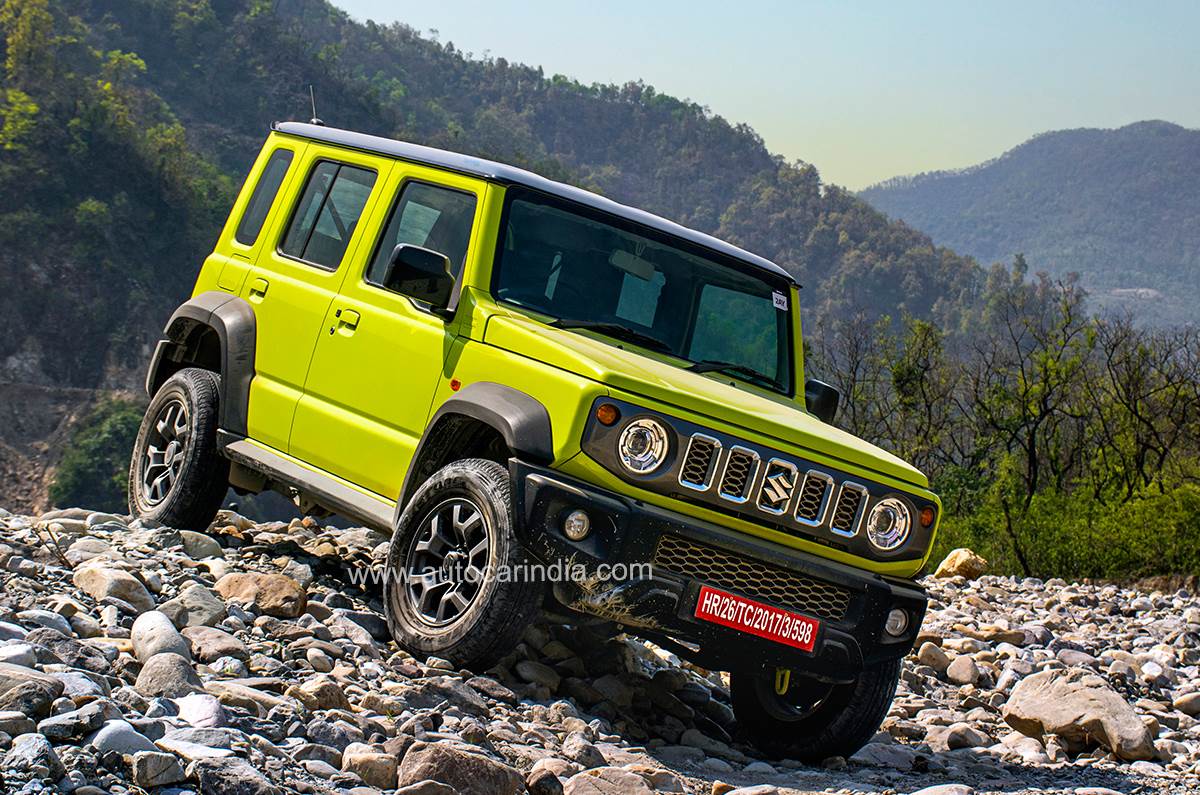
Despite the immense local interest around the 3-door Jimny when it was unveiled in 2017, Maruti Suzuki did not launch it in the Indian market, choosing to develop a 5-door version instead. The company felt the additional doors would offer more practicality and would thus be a much better fit for the Indian market.
5-door Jimny to be showcased at Tokyo motor show
3-door Jimny production stopped in India
Post its unveiling, however, Maruti Suzuki says that the 5-door version has been receiving a lot of interest from international markets like Africa and South America, and even its home market in Japan. Speaking to Autocar India at a media interaction in Delhi, C V Raman, the chief technology officer at Maruti Suzuki, said, “The 5-door Jimny will also be launched in Japan, but in some time.”
India is currently the homeroom for all 5-door Jimnys for both left- and right-hand drive versions, and it recently dispatched its first export shipment. While the Indian plant initially began producing only the 3-door version, it now solely produces the 5-door version. However, Raman says that the plant can still produce the 3-door version.
Although the Jimny will be making its way to Japan – the made-in-India model is even slated to debut at the upcoming Tokyo Motor Show – it is unlikely to make its way back to Europe in either 3-door or 5-door guise due to stricter emissions norms in the EU.
Electric vehicle manufacturer Ather Energy has taken to its X handle to help customers reboot their scooter dashboard if it has got stuck after receiving an emergency alert test notification from the government. The OEM posted a YouTube video link demonstrating the procedure to reboot the dashboard. This comes after many citizens received the emergency test notification on their phones on Tuesday.
By: HT Auto Desk | Updated on: 12 Oct 2023, 17:00 PM
The digital dashboard on the Ather 450X shows the regen at work whether using Active or Braking regen feature.
The EV maker said that the owner will need to reboot the scooter dashboard by holding both brakes and then pressing the start switch for 10 seconds. “If your dashboard stopped responding following the message… This should restore normal functioning,” the tweet read.
In a separate development, the company recently released a fresh OTA update for the 450X customers, which now shows energy recuperation through regeneration on the model’s digital console. The feature has been rolled out for the Ather 450X Gen3 and Gen2 customers so far.
The digital dashboard on the Ather 450X shows the regen at work whether using Active or Braking regen feature. Regenerative braking essentially allows the vehicle to convert energy lost while braking into powering the battery, which in turn extends the range of the vehicle. This is why, electric vehicles with regenerative braking will offer even better range in the city, where instances of braking are higher.
The Ather 450X is currently priced from ₹1.38 lakh onwards for the 2.9 kWh battery pack. It’s available in two variants – Core and Pro – with the latter priced at ₹1.53 lakh. All prices are ex-showroom, Bengaluru. The company has temporarily stopped accepting bookings for the 3.7 kWh battery pack at the moment.
By: HT Auto Desk | Updated on: 11 Oct 2023, 16:28 PM
An Indian government panel has recommended that the automakers who step up connectivity features in their cars to communicate with other vehicles and external systems should score better ratings on Bharat NCAP crash tests, Reuters has reported. The panel has reportedly submitted a draft report, which aims to boost road safety as well as introduce a technical blueprint for the connected cars in India. The Ministry of Road, Transport and Highways would decide the next steps on it, claimed the report.
The government panel has proposed the integration of V2X technology in connected cars in India that will help these cars communicate with each other as well as with other systems on the roads including traffic lights.
The proposal by the government panel reflects steps being weighed by the US, China and multiple other countries in Europe. The panel has reportedly proposed the integration of V2X technology in cars to reduce the risk of accidents and traffic congestion as well. With the V2X technology, the connected cars will be able to communicate with other vehicles as well as with other connected systems on the roads, including traffic lights, claimed the report.
The report claims that the 58-page draft proposal has stated that most of the traffic issues in India occur because of non-line-of-sight scenarios. “Most sensors do not work well in these scenarios and V2X fills the gap,” the proposal reportedly added, referring to the connected car technology commonly known as vehicle-to-everything (V2X). The panel reportedly wants the V2X technology to be considered for inclusion in India’s Bharat New Car Assessment Programme (BNCAP) for car safety ratings. This move comes in line with developments abroad. However, the panel didn’t set any deadline for the adoption of its recommendations.
India is known as a country with an alarmingly high number of road accidents, which cause lakhs of deaths and critical injuries to many people every year. If this proposal introduced by the government panel makes it to rule, it could force the automakers to equip the connected cars with technology using the airwaves to send warnings between drivers and communicate with other road systems.
Currently, the Bharat NCAP doesn’t mandate features to be included by car manufacturers, Instead, it assigns star ratings based on the impact of collisions. However, if the proposals by the government panel are to be considered we may see the government mandating the automakers to equip their connected cars with some advanced features.
At present, some cars on Indian roads feature forward collision warning and emergency braking technology. However, mostly these cars use sensors that can be triggered by close proximity. V2X is a more advanced and connected form of this warning technology, as it relies on a dedicated network to issue warnings even kilometres ahead, which enables the driver to be alert well ahead.
Jimny 5-door is expected to be showcased at the Japan Mobility Show later this month.
Maruti Suzuki has begun exporting the made-in-India Jimny 5-door to several international markets, including the Middle East, Latin America and Africa regions. India is the only country that manufactures the off-roader in five-door body style.
Jimny 5-door exported to the Middle East, Africa and Latin America regions
Will not be sold in Europe with petrol engine
Gets the same 1.5-litre petrol as the India-spec car
The Jimny 5-door for exports will have minor region-specific differences, however, there will not be any changes to its powertrain or off-road gear. The rugged ladder-frame SUV comes with a 1.5-litre petrol engine mated to either a 5-speed manual or a 4-speed automatic gearbox.
The Jimny 5-door made its debut at the Auto Expo in January and went on sale in India back in June. Earlier this year, Maruti Suzuki had said it planned to build over one lakh units of the SUV, with around 66 percent of the total production aimed at domestic sales, and the rest for exports. Domestic sales of the Jimny 5-door in India are currently averaging at around 3,000 units a month, and the SUV is available for ready delivery at some outlets, depending on the inventory and variant.
Sources tell us that the made-in-India Jimny 5-door will be showcased at the Japan Mobility Show later this month, and this is possibly the first time the Maruti off-roader is debuting outside India.
Jimny 5-door not for Europe
While the made-in-India Jimny will be sold in multiple international markets, the SUV will not go on sale in Europe, at least not as a passenger vehicle, due to strict emissions norms. As we’ve reported before, the 1.5-litre K15B engine does not clear the emissions regulations that are in effect in the EU where each carmaker can have a maximum fleet average of 95g of CO2/km. The Suzuki K15B engine does not feature any type of electrification, and on the Jimny, it emits high level of CO2. This had led Suzuki to pull the plug on the Jimny 3-door from the European market in January 2020.
The Jimny 3-door did make a comeback in the UK and Europe later as a commercial vehicle. It does not get a second row of seats, but gets a cargo bay and safety partition behind the front seats.
Suzuki Jimny EV will go on sale in Europe first
In February this year, Suzuki released teasers of its future EV models, which included the all-electric Jimny. The SUV will go on sale with an electric powertrain in Europe first and will initially come in the 3-door body style. A 5-door Jimny EV is expected to follow suit later. However, Maruti will first bring the Creta-sized eVX SUV to India as its debut born-EV product in late 2024.
MINI Countryman Shadow Edition model will be locally manufactured at the BMW Group Plant in Chennai.
By: HT Auto Desk | Updated on: 10 Oct 2023, 16:00 PM
1/6
BMW MINI has launched the Shadow Edition in India based on the Countryman Cooper S JCW Inspired hatchback. The limited series of just 24 units is available for booking on the brand’s official website shop.mini.in, and each of these is priced at ₹49 lakh (ex-showroom).
2/6
The MINI Countryman Shadow Edition model will be locally manufactured at the BMW Group Plant in Chennai. It comes in an all-black body paint with melting silver roof and mirror caps, resembling a midnight black sky with a silver lining. It rides on sporty 18-inch grip spoke alloy wheels and the John Cooper Works aerodynamics kit.
3/6
The Piano Black paint combined with double matt on exterior decals and subtle elements add to the uniqueness of the model. The car comes loaded with premium features such as the Harman Kardon Hi-Fi speaker system, Panorama glass sunroof, navigation system with touch controller and Bluetooth connectivity.
4/6
One of the highlights on the MINI Shadow Edition model is the picnic bench that folds out of the luggage compartment to provide seating space for two along with a fender dirt protection flap. One can simply park their MINI at a scenic location and enjoy some time out in nature.
5/6
Under the hood, the MINI Shadow Edition is powered by the 2-litre 4-cylinder petrol engine with TwinPower Turbo technology, delivering a peak output of 178 hp/131 kW at 5,000 – 6,000 rpm and a maximum torque of 280 Nm at 1,350 – 4,600 rpm. The model can sprint to 100 km/hr in 7.5 seconds at the top speed of 225 km/hr.
6/6
On the inside, Shaded Silver and Leather Chester Malt Brown upholstery contrasts the exterior theme. Further, colour lines along the door panel, armrest surfaces and knee pads under the dashboard compliment the upholstery colours. The model comes with a MINI Excitement Pack that features LED interior and ambient lighting as well as a projection of the MINI logo from the exterior mirror on the driver’s side when opening and closing the car door.
New Himalayan 452 gets a liquid-cooled engine and new chassis that will also underpin future models.
We’ve already brought you engine specifications for the new Himalayan 452 as well as how much it weighs. Now we can report that the company will launch the Himalayan 452 on November 7 in India.
We will be riding the bike just a week before the launch so stay tuned for our reviews.
There’s already a lot that’s known about the new Himalayan 452 including the fact that its going to get all-LED lighting, a new instrument console, a USD fork and most likely an extensive range of accessories.
The biggest talking point is the brand-new liquid-cooled, 451.65cc, single-cylinder engine that’s rated for a peak power output of 40hp at 8,000rpm. This will be RE’s first liquid-cooled mill and to hear how it sounds, tap here. Interestingly, the peak power output and the rpms its made at is the exact same as the slightly smaller Triumph Speed 400.
The top-spec Himalayan 411 retails for Rs 2.28 lakh (ex-showroom, Chennai) and when this new 452 model is launched, expect it to be positioned near the Rs 3 lakh mark.
As the Audi A4 2021 gets ready for its debut in India, how much have things changed and how many of these changes are for the better? I got a test drive unit in the last few days of last year to find out if Audi’s big present for year 2021 is capable of carrying forward A4’s popularity in the luxury sedan segment and if it can indeed keep rivals mostly at bay.
And it was quite a revelation indeed. Let’s begin with the experience behind the wheel and behind the front seats.
Drive or be driven, A4 checks most boxes in bold font
The 2021 A4 is a facelift and we will come to the face and the lift in just a bit. Under the hood though is the debut of the 2.0-litre turbocharged petrol motor in this car and it belts out 190 hp and has a tantalizing 320 Nm of torque. For those who may still be wondering, no, this Audi too has no diesel on offer.
A4 from Audi has proportions that blend a classy look with a sporty touch. (HT Auto/Sabyasachi Dasgupta)
Get inside and get it to the drive mode and it is amply clear – yet again – that here is a sedan with the ambitions of being even more sporty than what the numbers would suggest. There is a nice humdinger aura around the A4 as it makes its way forward on city roads, the seven-speed dual-clutch automatic gearbox working in tandem with the TFSI engine to deliver a constant stream of momentum.
And once the city skylines begin to fade, the promise of a more sporty drive begins to permeate.
Now the A4 has never really been the sportiest executive sedan around and the latest model isn’t too keen on going down this road either. But in the interest of offering something to he or she who may choose to drive it around, it does offer a bit more bang – Audi claims the new A4 can fire to 100 kmph in just a fraction over seven seconds and it is a claim with weight.
That A4 can sprint a bit is quite evident in the right drive mode but what it doesn’t lose out on while trying to be an Usain Bolt is its ability to also be Mo Farah. But does it really bolt to be called Bolt? Not quite. The sedan does have a sense of purpose around it but it won’t really win many drag races because it continues to prioritize balance over sheer speed thrills. Traction control on or off, it swerves ever so slightly when the pedal is slammed from standstill on a straight line, realizing a micro-millisecond later what it is being asked to do – run and run as hell.
Ideally, I would have liked a bit more feedback from the steering wheel at high speeds because it mostly remains rather muted once one picks up pace. It is well-weighted but lacks a bit of character.
No such complaints on the quality of the drive though as I remained firmly in the seats even when taking a sharp turn or a sudden U, with body roll to a minimum. The suspension is also typically Audi and the A4 gobbles speed breakers while letting in some of the bigger road craters at moderate speeds. And while suspension set ups in cars in this segment usually tend to be on the slightly softer side, the A4 could have ever so slightly gone a bit more towards the middle line.
Jump to the back seats though and it is a fine ride back home.
The recline of the rear seats are such that while the seating position is upright, it isn’t uncomfortable. A button for recline adjustment could have been great though. (HT Auto/Sabyasachi Dasgupta)
The rear seats are generous, plush and offer decent amount of space – for two. The space for legs and knees is commendable even if a tall driver is at the front, but the under-thigh support is just about adequate. The head room too is decent and the recline degree is such that even though you won’t be sitting uncomfortably upright, you will get breezy view of the surroundings. More on the cabin a bit later though.
For now, the style statement.
A4 gets botox treatment. And it works
The A4 is an executive luxury sedan and it is just great how the car has blended its stately looks with a profile that also appeals to those looking for something appealing. The 2021 A4 gets a number of visual updates but all of the changes appear to continue to enhance its bold-not-brazen exterior character.
The single-frame front grille is absolutely new – it gets a chrome boundary line and chrome horizontal slats – and is now wider than before, underlined by a reworked grille. The LED head light unit is also sleeker than in the preceding model and now integrates the pattern turn lights. There is a bit more chrome on the fog lamp enclosing while the bonnet now gets two stretched out character lines on either side and is more sculpted – almost curvaceous – than before.
The imposing single-frame front grille is the defining element of the new A4’s face. (HT Auto/Sabyasachi Dasgupta)
My test unit sat on 17-inch alloy wheels but there is an option to get a larger 18-inch set as well. With either option though, the A4 looks smart from the side and, somehow, has a more stretched out appearance. There are body lines on the side doors and the windows are decently large and enclosed in a chrome casing.
Interestingly, the door handles now pull slightly upwards rather than outright straight out. One major grouch here though is that the doors have to be almost slammed with a sense of impunity because a congenial push is going to set the (door ajar) alarms ringing – literally. This is the most annoying when seated inside and pulling the doors in.
Out and over to the rear is where the re-designed tail lights are at and the slight curve up over the boot lid, the chrome exhaust tips and the grey skid plate all add to a very attractive posterior.
The A4 sedan has a clean rear profile with chrome only at a minimal. (HT Auto/Sabyasachi Dasgupta)
Classic cabin chronicles
The cabin of the new A4 is actually where the bulk of the updates are at. Step inside to see how the car has stepped away from its predecessor.
The standalone 10.1-inch main infotainment unit is just what I want to see in every Audi car – yes, including the Q2 which has a toy-like 8-inch-screen – because it is just so a) vivid, b) responsive and c) great to look at. Frankly, I really don’t mind that there is no second screen for air-conditioning because the physical dials just below the touchscreen work well to ensure the three-zone climate control is simple enough to set and forget.
The standalone 10.1-inch infotainment system sits much like a crown on the dashboard of the new Audi A4. High-quality materials give the A4 a premium cabin appeal. (HT Auto/Sabyasachi Dasgupta)
Between the AC dials are a number of switches for functions such as selecting drive modes, auto ignition cut off, traction control, park assist and for proximity sensors. And still below is a 12V charging socket and a USB point. There is a storage space for a phone here but one can also make use of wireless charging in the space under the central armrest.
The center console itself is done well in black and piano black finish and while it can be a dust magnet, it looks really premium if well maintained. The gear unit is well within reach – not something I can say about the drive select button – and has the two cup holders as well as space to secure the car key.
Knick-knacks aside, the cabin is actually defined by the soft-touch materials all around – from the dash to the side doors, and the nicely cushioned seats come with high-quality stitching. It is just so important for a premium car to look and feel premium, and thankfully, Audi has not cut corners in this regard. Obviously, the front seats can be electronically controlled for position, recline and support, while the steering wheel can be manually adjusted for rake and reach.
Buttons and switches to electronically adjust front seats is standard in this segment of cars. (HT Auto/Sabyasachi Dasgupta)
The A4 also gets a regular-sized sunroof which can be electronically controlled to allow more light to flow in to mix and match with the beige upholstery in this review car unit.
The same sense of pleasing aesthetics continues over at the rear with the same level of premium quality on the side doors and seat cushioning. The floor hump is quite high which means the third person in the middle is going to struggle but three is often a crowd anyway. Two at the back won’t have anything much – except perhaps the lack of any AV unit – to complain about.
If packing in additional luggage emerges as a concern though, don’t fret. The rear seats fold down in 60:40 split for additional options in a near-flatbed layout. Just that these have to be done from within the cabin and there is no switch in the trunk which also misses out on a 12v charging point and instead, gets four luggage hook and a shopping bag hook to keep things in place.
The rear seats can be folded together or in 60:40 ratio for more luggage storage options. (HT Auto/Sabyasachi Dasgupta)
To buy or not to buy
The A4 from Audi has been a stellar performer for a number of reasons. It has pleasing visual aesthetics, a spacious cabin that is also premium and a drive attribute that is a nice balance between stately and sporty. Now, the 2.0 litre engine and the seven-speed automatic gearbox only go to add to the abilities of the A4. Add to it enhanced looks and updated cabin and there is no reason why Audi’s latest in 2021 shouldn’t make a whole lot of sense.
The only two points of note is a) pricing and b) rivals. The competing field is one that is packed with very capable performers as well, each making a solid claim to find a place in your garage. The much-acclaimed Mercedes-Benz C-Class, although slightly aged, and 3 Series from BMW have their own sets of strengths while the Jaguar XE is easily the most youthful of the lot, at least to drive. Then there is the new Volvo S60 that is ready for a March launch with the promise of more spunk in drive and the same mile-long list of safety highlights.
If Audi prices the A4 well, somewhere in the region of a starting tag of ₹42 lakh (ex showroom), it could once again become a disruptive force in its segment.
Arjun S Nair extends his lead in the JK Tyre Novice Cup after adding two more wins to his tally.
Dark Don Racing’s Arya Singh scored three LGB Formula 4 race wins as the 2023 JK Tyre National Racing Championship (JK NRC) resumed with Round 2 at the Kari Motor Speedway. The Royal Enfield Continental GT Cup, meanwhile, saw two different winners as Md. Samuel Zubair and Jagadeesh Nagaraj won a race each.
LGB Formula 4
The LGB Formula 4 category features made-in-India single-seaters, powered by a 1,298cc Suzuki engine. Singh kicked off Round 2 on a strong note, scoring two back-to-back wins on the opening day. He fended off his Dark Don Racing teammates to win Race 3 as well, but couldn’t repeat that feat in the final race, which followed the reverse grid format.
Starting from ninth on the grid, TS Diljith carved through the field to win the race ahead of Tijil Rao and Singh. This means Dark Don Racing took a clean sweep in the category.
Results
Race 1
1. Arya Singh (Dark Don Racing) 21mins 21.356secs
2. Diljith TS (Dark Don Racing) – 21mins 22.914secs
3. Ruhaan Alva (MSport) – 21mins 26.671secs
Race 2
1. Arya Singh (Dark Don Racing) – 22mins 09.690secs
2. Diljith TS (Dark Don Racing) – 22mins 10.104secs
3. Ruhaan Alva (MSport) – 22mins 11.147secs
Race 3
1. Arya Singh (Dark Don Racing) – 19mins 25.449secs
2. Tijil Rao (Dark Don Racing) – 19mins 29.336secs
3. T.S. Diljith (Dark Don Racing) – 19mins 29.549secs
Race 4
1. T.S. Diljith (Dark Don Racing) – 27mins 43.905secs
2. Tijil Rao (Dark Don Racing) – 27mins 48.538secs
3. Arya Singh (Dark Don Racing) – 27mins 49.901secs
JK Tyre Novice Cup
Carrying on the strong pace they showed in Round 1, both Arjun S Nair and Neythan McPherson won races in the Novice Cup category. Championship leader Nair claimed comfortable wins in the first two races, but met his match in McPherson in the final race, which went down to the wire.
Results
Race 1
1. Arjun S Nair (Momentum Motorsports) – 15mins 04.770secs
The Royal Enfield Continental GT Cup features a grid of both amateur and professional racers competing astride race-prepped Continental GT-R650s. In Race 1, Md Samuel Zubair outperformed several professional riders to score his first win in the championship.
Jagadeesh Nagaraj fended off pressure from Ullas Nanda and Abhishek Vasudev to win Race 2.
Results
Race 1
1. Md. Samuel Zubair – 13mins 45.394secs
2. Jagadeesh Nagaraj – 13mins 45.755secs
3. Abhishek Vasudev – 13mins 45.860secs
Race 2
1. Jagadeesh Nagaraj – 13mins 38.407secs
2. Ullas S. Nanda – 13mins 39.060secs
3. Abhishek Vasudev – 13mins 39.112secs
JK Tyre 250 Cup
Round 2 also hosted the JK Tyre 250 Cup race, with competitors racing on Suzuki Gixxer 250cc bikes. Sarvesh Balappa remains undefeated so far this season after claiming his second win in as many outings. Aldrin Babu and Ashish Patel completed the podium.
Bookings for the ePluto 7G Max are already open across India.
By: HT Auto Desk | Updated on: 08 Oct 2023, 17:00 PM
1/6
Pure EV has announced the launch of the ePluto 7G Max electric scooter at ₹114,999 (ex-showroom). The EV startup has also stated that bookings for the retro-themed electric scooter have been open across the country, with deliveries slated to commence during the upcoming festive season.
2/6
With the launch of the ePluto 7G Max electric scooter, Pure EV aims to increase its sales numbers during the upcoming festive season. The all-new electric scooter comes promising an impressive 201 km range on a single charge. Also, the EV comes with a host of advanced features such as hill-start assist, downhill assist, coasting regen, reverse mode, smart AI for battery longevity etc.
3/6
The retro-themed electric scooter is available in four different colour options: Matte Black, Red, Grey and White. Powering the all-new electric scooter is a 3.5 kWh lithium-ion battery pack that is mated to an electric motor capable of churning out 3.21 bhp peak power.
4/6
The AIS-156 certified battery pack claims to come with a smart battery management system powered by Artificial Intelligence (AI). The scooter gets three different riding modes. Pure EV has said that the scooter comes with a standard battery warranty of 60,000 kilometres and an extended warranty of 70,000 kilometres too is on offer.
5/6
Speaking about the design of the ePluto 7G Max, the scooter dons an old-school design blended with modern elements like LED lights, a fully digital instrument cluster etc. The scooter is equipped with smart regenerative technology, claims the manufacturer. It gets reverse mode assist and parking assist features enhancing the convenience of the rider.
6/6
With the Auto Push function, the EV can move ahead at a steady speed of five kilometres per hour, which means the rider won’t have to push it manually. The model is targeted towards consumers driving around 100 km per day and do not want to go through the hassle of frequent charging.