
- Delhi has lifted GRAP 3 after a sharp improvement in AQI, but authorities continue strict enforcement against vehicle emissions, dust, waste and industrial pollution sources.
Delhi Environment Minister Manjinder Singh Sirsa on Friday said the removal of Stage 3 restrictions under the Graded Response Action Plan (GRAP 3) does not mark a lull in anti-pollution efforts, adding that grassroots enforcement in the national capital will continue with the same intensity.
He said the withdrawal of restrictions should be seen as a response to improvement in air quality and not as a sign of ease in monitoring, as agencies have been directed to continue field-level action without any interruption.
AQI has declined significantly
Sirsa said the sub-committee of the Commission for Air Quality Management (CAQM) took the decision to revoke the GRAP 3 restrictions after seeing significant improvement in air quality. Delhi's air quality index (AQI) fell sharply from 380 to 236 within 24 hours, an official statement said.
Bawana recorded an AQI of 141, placing it in the 'good' category, officials said, reflecting the impact of intensive anti-pollution measures implemented on the ground.
Also read: New policy nears implementation, Delhi ready for its next EV phase
Action on major pollution sources
The Environment Minister said that after sustained efforts to control major pollution sources such as vehicle emissions, industrial effluents, dust and open dumping, GRAP 3 restrictions were lifted on Friday.
“We are encouraged by the progress, but this is not the time to relax. Grassroots action will continue with the same strength to consolidate the gains we have made,” Sirsa said.
Citywide enforcement activity
Data shared by the environment department shows that there has been massive enforcement activity across Delhi in the last 24 hours. Authorities issued 6,596 challans for vehicle emission violations as part of efforts to curb transport-related pollution.
Also read: Petrol and CNG vehicles may become costlier in Delhi as government imposes comprehensive green cess
During the same period, around 12,000 metric tonnes of garbage was removed from various areas of the city. Officials said 6,261 km long roads were mechanically cleaned to reduce the dust load, while 2,315 metric tonnes of construction and demolition waste was collected and taken for scientific disposal.
Enforcement teams conducted 405 inspections at illegal dumping sites, resulting in 156 enforcement actions. The authorities also eased 40 traffic congestion points in major corridors, while 99 light motor vehicles were challaned for violating entry restrictions.
Industrial Monitoring and Technology Measures
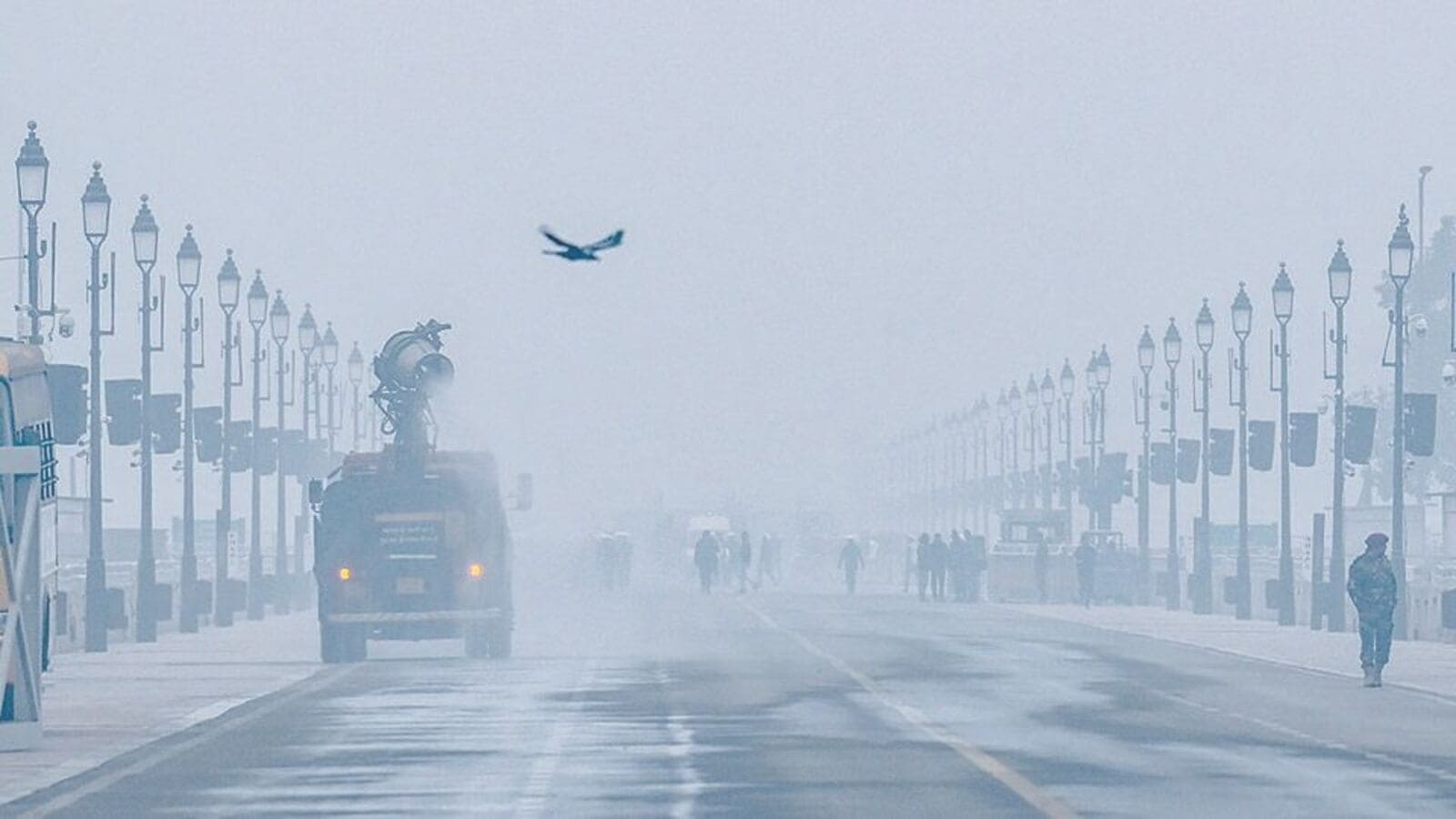
Sirsa said pollution control teams are focusing on source-level mitigation. This includes compliance checks at industrial clusters and deployment of smog guns and anti-smog vehicles at traffic-heavy stretches and identified pollution hotspots.
Also read: Delhi GRAP Phase IV rules: Which commercial vehicles are allowed?
He said initiatives like legacy waste biomining at the rate of 35 metric tonnes per day, along with the expansion of clean technology interventions in the industrial and transport sectors, are beginning to show measurable results.
Reiterating the government's resolve, the minister said as Delhi's fight against pollution continues, agencies are strengthening and adapting their response to ensure clean air for the city.
Get information about upcoming cars in India, electric vehicles, upcoming bikes in India and cutting-edge technology that is changing the automotive landscape.
First publication date: 03 January 2026, 10:41 am IST