Nissan Tekton vs Maruti Grand Vitara: Which SUV is better to buy? Know

Nissan Tekton vs Maruti Grand Vitara: Which SUV is better to buy? Know

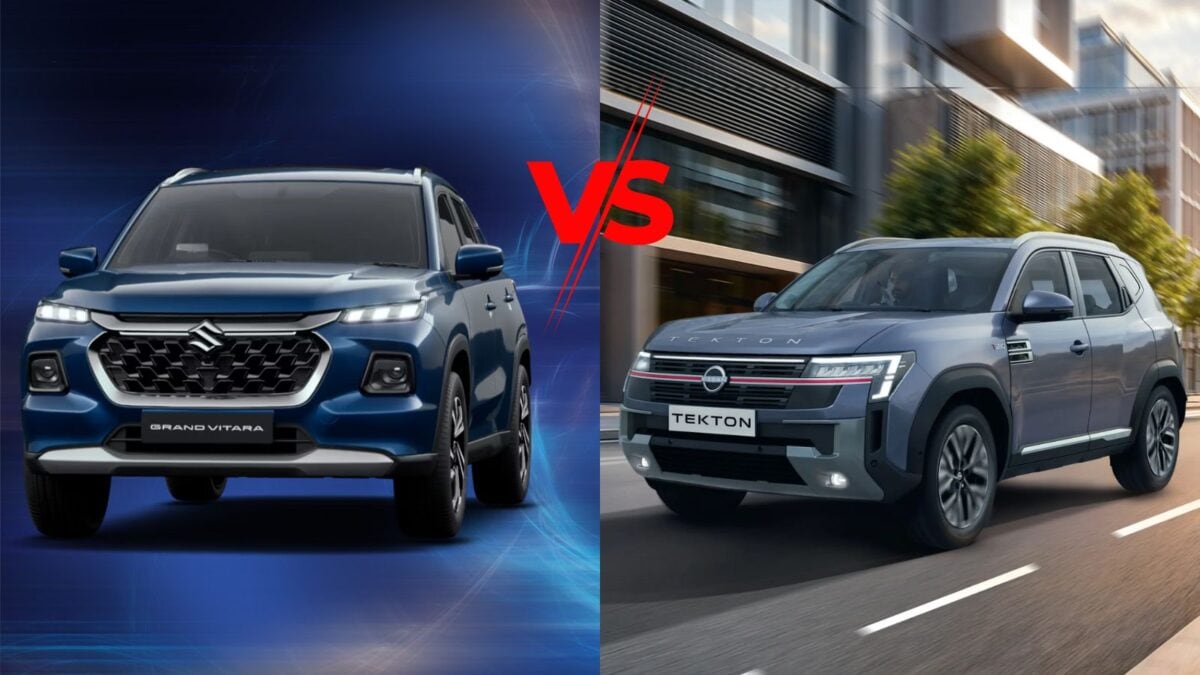
Nissan Tekton vs Maruti Grand Vitara: Nissan Tecton has recently entered the Indian mid-size SUV segment to compete with Maruti Suzuki Grand Vitara. These vehicles of both the Japanese brands are attractive options in terms of style, performance and features, but their philosophies are different. The Tecton focuses on powerful turbo petrol engines, premium features and better safety ratings, while the Grand Vitara relies on hybrid technology, fuel efficiency and Maruti's extensive service network.

If we look at the price details, the ex-showroom price of Nissan Tecton starts from ₹ 10.49 lakh and goes up to ₹ 18.59 lakh for the top variant. Whereas, Maruti Grand Vitara starts at ₹ 10.77 lakh and reaches up to ₹ 19.72 lakh for the top Strong Hybrid variant. Accordingly, Tecton is a little cheaper in the base model, while in the top end both are close. Let's take a look at their design to engine-performance details.

Design and interior

The design of Nissan Tecton is more bold and modern. It is 4349 mm long, 1815 mm wide and 1674 mm high, with 2657 mm wheelbase and 212 mm ground clearance. LED DRLs, panoramic sunroof, 18-inch alloy wheels and sharp lines give it a premium look. The Grand Vitara (4345mm long) is a bit compact but looks elegant and family-friendly in Nexa style. With 210 mm of ground clearance, both perform well on bad roads, but the Tecton has a more SUV-like stance.

The cabin of Tecton is more spacious and tech-loaded. It has a 10.1-inch touchscreen, 10.25-inch digital cluster, ventilated front seats, dual zone AC, 48-color ambient lighting and a large 518 liter boot space. The interior of the Grand Vitara is practical, with a 9-inch screen, panoramic sunroof and good build quality, but the boot space gets reduced (265 litres) in the hybrid variant. Tecton is ahead in space and luxury here.

Features and safety

Both have wireless charging, 360° camera, cruise control and connected tech. The Tecton has Google built-in, a powered tailgate and a more premium sound system. Head-up display and ALLGRIP AWD option is available in some variants in Grand Vitara.

The big plus point of the Tecton is the 5-star India NCAP rating (30.49/32 adult, 45/49 child). 6 airbags, ADAS (17+ features like AEB, lane keep assist), TPMS are standard. The Grand Vitara also has 6 airbags, ESP and 360° camera, but the official NCAP rating is not there yet.

Engine and Performance

Nissan Tecton has a 1.3 liter turbo petrol (163 PS, 280 Nm) engine, which with DCT gives fast acceleration (0-100 kmph in just 9.89 seconds). 1.0 liter variant is also available. The Grand Vitara comes with a 1.5 liter petrol (Smart Hybrid) or Strong Hybrid (116 PS Combined), mated to an e-CVT. The Tecton leads in performance, while the Grand Vitara returns a mileage of up to 27.97 kmpl and keeps running costs low in the long run.

Who should buy it: If you want power, space, ADAS and safety rating then Nissan Tecton is a better option. Choose Grand Vitara for fuel efficiency, service network and hybrid technology. The decision will depend on your needs and budget.
Source link

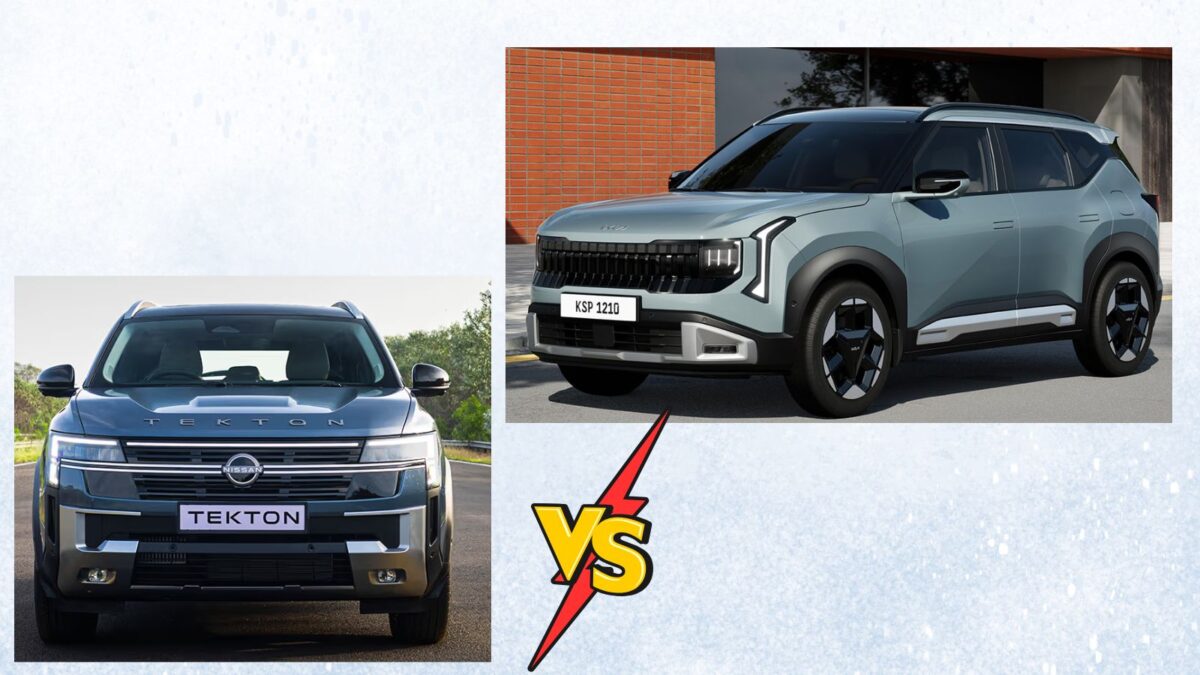
Nissan Tekton vs Kia Seltos: From design to features, which SUV is right to buy?

Nissan Tekton vs Kia Seltos: From design to features, which SUV is right to buy?

Nissan Tekton vs Kia Seltos: The recently launched Tecton also competes with the Seltos in the premium compact SUV segment. This is a rebadged version of Renault Duster. The ex-showroom price of Tekton starts from ₹10.49 lakh and goes up to ₹18.59 lakh. Whereas, the price of Kia Seltos ranges between ₹ 11 lakh to ₹ 21.82 lakh (ex-showroom).

Both cars are the best option for family use and driving enjoyment with stylish design, modern features and strong performance. The Tecton is being marketed with the name 'Baby Patrol', while the Seltos is already a popular choice. If you are planning to buy one of these two, then let's take a look at their design, interior, features, safety, engine and mileage details.

Design and interior

The design of Nissan Tecton is bold and muscular, with inverted L-shaped LED DRLs, C-shaped rear lights and 18-inch alloy wheels. It comes with a rugged look. The look of Kia Seltos is more premium and bold, with attractive LED headlamps, panoramic sunroof and GT-Line styling option. Seltos looks more premium on the road.

The cabin of Tecton is modern, which has a 10.25-inch digital cluster and 10.1-inch touchscreen. The seats are comfortable, but rear space could be a bit tight. The interior of the Seltos is more spacious and premium with dual 12.3-inch displays, better material quality and good rear legroom. Good boot space is available in both.

Features and safety

Both SUVs get panoramic sunroof, wireless charging, 360° camera and connected tech. The Tecton comes with Google built-in and mood lighting, while the Seltos comes with a Bose sound system and a more advanced infotainment setup. The Seltos looks feature-loaded.

For safety, Tecton has 6 airbags as standard, 5-star Bharat NCAP rating and ADAS (higher variants). Seltos also gets 6 airbags, ESC, level-2 ADAS and 5-star rating. Both are safe.

Engine and Performance

Tecton has 1.0L Turbo (100 PS, 19.4 kmpl) and 1.3L Turbo (163 PS, 17.8-18.5 kmpl) options. These can be purchased with MT and DCT. Seltos has 1.5L petrol, turbo and diesel options, which are more versatile. Tecton is powerful, but Seltos offers balanced performance and diesel option.

Source link

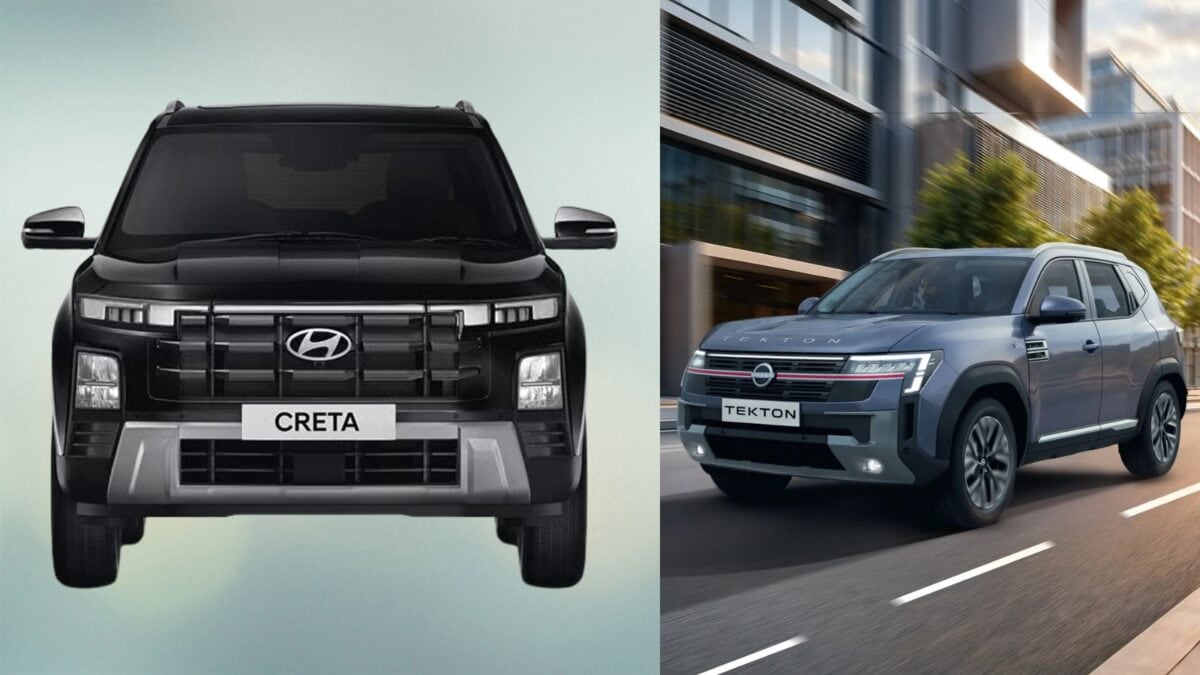
Nissan Tekton vs Hyundai Creta: Which SUV is best to buy in a budget of less than ₹ 15 lakh?

Nissan Tekton vs Hyundai Creta: Which SUV is best to buy in a budget of less than ₹ 15 lakh?

There is tough competition in the mid-size segment of the Indian SUV market. Nissan has recently launched a direct challenge to Hyundai Creta by launching Tecton. Prices for the Tecton start at ₹10.49 lakh and go up to ₹18.59 lakh (ex-showroom), while the Creta is available from ₹10.91 lakh to ₹20.11 lakh. The Tecton is a badge-engineered version of the Renault Duster, which comes with a petrol-only turbo engine and has achieved a 5-star BNCAP safety rating.

On the other hand, Creta is known for its reliability, diesel engine option and large feature list. Tecton is offering a new option with bold design, large boot space (700 litres) and premium interiors, while Creta offers balanced performance and network support. Let us know which is better to buy in terms of price, design, interior, features, safety, engine and mileage?

Design and interior

The design of Tecton is inspired by Nissan Patrol. Large grille, vertical LED DRLs, slim headlamps and connected taillights. It is slightly longer (4349mm) and wider (1815mm) than the Creta, giving better road presence with a wheelbase of 2657mm and ground clearance of 212mm. 18-inch wheels and panoramic sunroof give a premium look.

Tecton looks premium in the interior. There is a tri-tone cabin, 48-colour ambient lighting, ventilated seats and soft-touch materials. The Creta's interior is also modern with dual 10.25-inch displays and Bose sound, but the Tecton's sportier feel and larger boot makes it practical. The cabin of Creta is refined and family-friendly.

Features and safety

Both have features like panoramic sunroof, 360° camera, ventilated seats and wireless charging. Tecton offers Google built-in, 10.1-inch touchscreen, powered tailgate and level-2 ADAS (Adaptive Cruise, Lane Keep etc.) in the top variant. Creta has BlueLink connected car tech, Bose audio and more customization in some variants. The Tecton's ADAS suite is robust, while the Creta's is convenient in daily use.

Tecton's 5-star BNCAP rating (Adult 30.49/32, Child 45/49) is a big plus. 6 airbags are standard in both. Tecton has ESC, hill descent and advanced ADAS. The Creta also has a strong safety suite (ESC, hill start), but the old Global NCAP rating has been 3-stars. Tecton is ahead here.

Engine and Mileage

Tecton offers only turbo petrol engine. It can be purchased in MT/DCT option with 1.0 liter turbo petrol (100 PS, 166 Nm, 19.4 kmpl) and 1.3 liter turbo petrol (163 PS, 280 Nm, 17.8-18.5 kmpl) engines.

At the same time, Creta has NA petrol (115 PS), turbo petrol (160 PS) and diesel (116 PS, 21.8 kmpl) options. Diesel is better for mileage and long-drives, while Tecton's 1.3 liter turbo petrol gives more torque.

Who should buy it: Tecton is a new challenger with bold styling, superior safety, huge space and aggressive pricing. This is especially best for petrol lovers. Creta is strong in balanced engine options, service network and refinement. Tecton can provide value in the budget of ₹ 12-16 lakh, while diesel lovers should choose Creta.

Source link

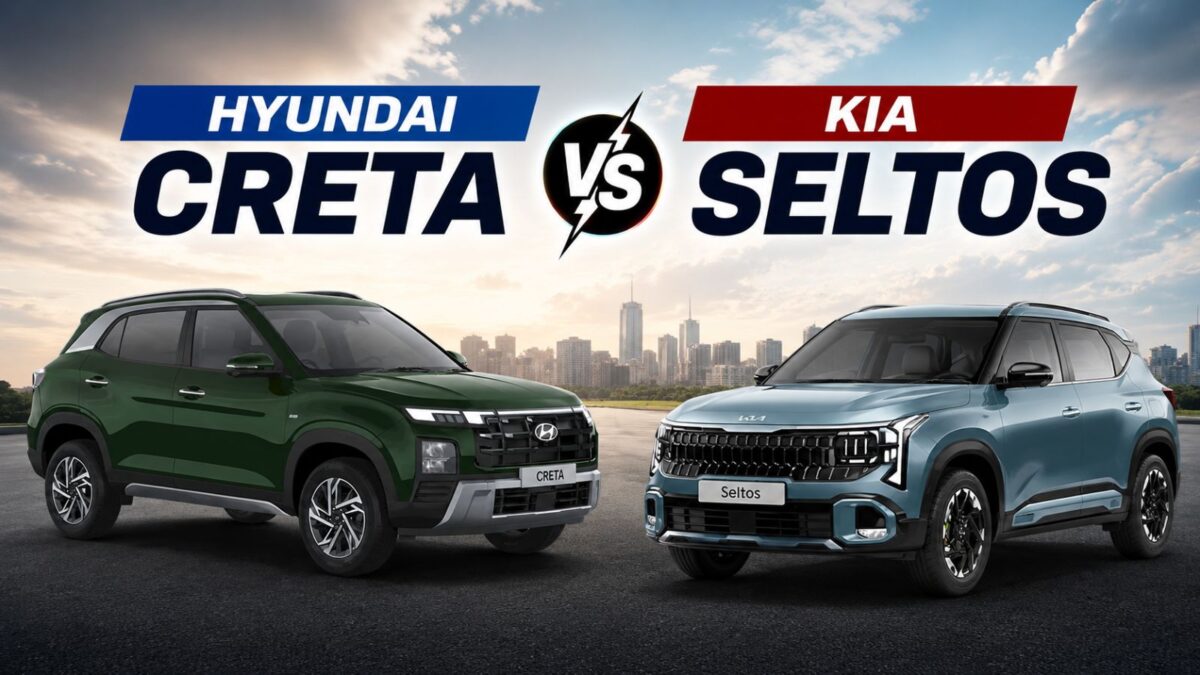
Hyundai Creta vs Kia Seltos: Before buying, know which is better between the two SUVs?

Hyundai Creta vs Kia Seltos: Before buying, know which is better between the two SUVs?

Hyundai Creta vs Kia Seltos: The mid-size SUV segment has always been the most fiercely contested in the Indian automotive market. In this segment, Hyundai Creta and Kia Seltos are two such vehicles which have ruled the hearts of the customers. Both the Korean SUVs are siblings of each other as they share the same platform, engine and gearbox options, but they have completely different identities.

While Hyundai Creta is known for its excellent ride quality, premium appeal and reliability, Kia Seltos attracts young customers with its sporty looks, aggressive design and modern cabin. If you are confused about choosing one of these two, then it is very important to understand the subtle differences in features, safety and performance, so that you can take the right decision as per your need. Let us take a look at the details from their design to engine mileage.

design details

The design of Seltos is quite sporty and aggressive. It has a signature 'Tiger Nose' grille, attractive LED DRLs, and sleek LED headlights. The connected LED taillights in its rear profile make its look very modern. The red accents found in the GT-Line and X-Line variants give it an even more aggressive look.

At the same time, the new look of Hyundai Creta is bold and futuristic. It has a large parametric black chrome grille and quad-beam LED headlights at the front. Connected LED tail lamps have been provided in the rear, which give it a distinct identity at night. The overall stance of the Creta is that of a traditional, muscular and rugged SUV.

Interior and cabin space

The interior of the Seltos comes with an all-black or dual-tone theme, which gives a very premium feel. It has a single integrated curved display of two 10.25-inch screens (infotainment and digital instrument cluster). The dashboard layout is quite driver-oriented and sporty.

The Creta's cabin feels more ventilated and quieter. It gets dual-tone gray and roof-light combination. The integrated twin screens found on the dashboard are quite smooth. For rear seat passengers, Creta gets cushioned headrests, which increase comfort in long trips.

Features and safety

Both the vehicles are packed with features. Both get panoramic sunroof, ventilated front seats, ambient lighting, wireless charging and Bose's 8-speaker sound system. The Seltos gets additional features like dual-zone automatic climate control and heads-up display (HUD), while the Creta gets more comfortable headrests and dark chrome theme on the rear seat.

Both SUVs are very strong in terms of safety. Both have 6 airbags, electronic stability control (ESC), hill-start assist, disc brakes on all four wheels and tire pressure monitoring system (TPMS) as standard. Apart from this, Level-2 ADAS has been provided in both the cars, which includes features like adaptive cruise control, lane keep assist and autonomous emergency braking. See quick comparison of both-

Specifications Kia Seltos Hyundai Creta
engine options 1.5L Petrol / 1.5L Turbo Petrol / 1.5L Diesel 1.5L Petrol / 1.5L Turbo Petrol / 1.5L Diesel
peak power 160 PS (Turbo Petrol) 160 PS (Turbo Petrol)
Transmission 6MT, IVT, 6iMT, 7DCT, 6AT 6MT, IVT, 7DCT, 6AT
boot space 447 liters 433 liters
suspension tuning Sporty and a little stiff (handling is better) Soft and comfortable (better ride quality)
Unique Features Dual-zone AC, Heads-up Display (HUD) Puddle Lamps, Rear Seat Cushion Headrest
X show. price Starting from ₹10.99 lakh Starting from ₹11.00 Lakh

Engine and Mileage

Both vehicles offer exactly the same three engine options:

  • 1.5-litre Naturally Aspirated Petrol: (115 PS / 144 Nm) – This is best for daily city driving. (Mileage: 17 km/l)
  • 1.5-litre Turbo Petrol: (160 PS / 253 Nm) – This is for those who like fast speed and sporty performance. (Mileage: 18 km/l)
  • 1.5-litre Diesel: (116 PS / 250 Nm) – This engine is economical for those traveling long distances. (Mileage: 19 to 21 km/l)

Source link

New Renault Duster vs Skoda Kushaq Facelift: Which has more power? Know

New Renault Duster vs Skoda Kushaq Facelift: Which has more power? Know

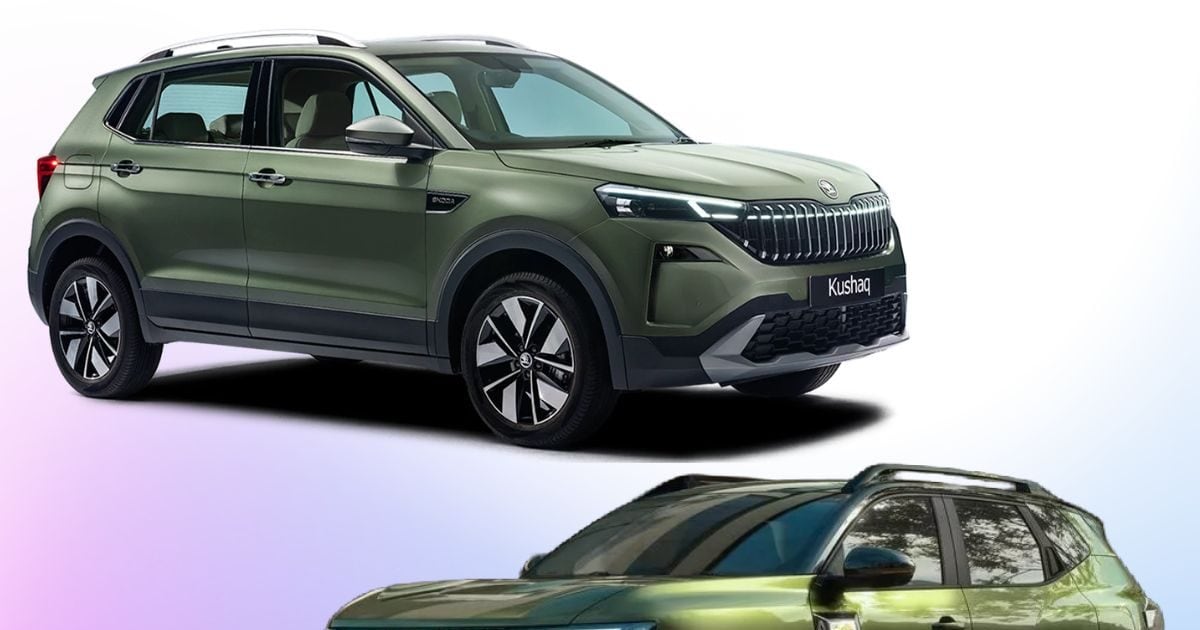
New Renault Duster vs Skoda Kushaq Facelift: Two new offerings have arrived in the Indian compact SUV segment. Renault has given a completely new avatar to the Duster, while Skoda has updated the Kushaq with a facelift. The prices of both are almost the same, but there is a lot of difference in design, engine, features and mileage.

The starting price of Renault Duster starts at ₹ 10.49 lakh, which can go up to ₹ 10.29 lakh for R-Pass subscribers. The price of top variant Iconic 1.3 Turbo DCT will be up to ₹ 18.49 lakh. A total of 19 variants are available. Prices for the Skoda Kushaq facelift start at ₹10.69 lakh and go up to ₹18.99 lakh for the top Monte Carlo. Let us look at the details from design to its engine and mileage.

Design and interior

The look of the new Duster is aggressive and muscular. It has new LED headlamps, bold front grille, high ground clearance (212 mm) and strong SUV styling, which gives an off-road image. It gives a modern touch while maintaining the heritage of the earlier Duster. At the same time, there are mild changes in Kushaq facelift. It gets a new front grille with red stripes, illuminated light bar, illuminated Skoda logo at the rear and sporty appeal. The design of Kushaq is more premium and refined, while Duster looks rugged and powerful. Panoramic sunroof is available in both the higher variants.

The cabin of the Duster is spacious, with a dual screen setup of a 10.1-inch infotainment screen and a 10.25-inch digital instrument cluster. Ventilated front seats, ambient lighting, powered tailgate and good boot space (up to 518 litres) are available. It is practical for family use. The interior of Kushaq facelift gives a more premium feel. Ventilated and power adjustable front seats, rear seat massage function, dual-zone AC with rear AC vents and updated matte finish. Both have wireless charging and connected tech. However, extra features like Google AI Companion are available in Kushaq.

Features and safety

Both the SUVs are feature-packed. Duster has features like level-2 ADAS (17 features), 360-degree camera, wireless Android Auto/Apple CarPlay, dual-zone climate control and powered tailgate. The Kushaq comes with a panoramic sunroof (standard in some variants), ventilated seats, rear massage, automatic climate control and an updated infotainment system. The Kushaq has 40+ safety features as standard, while the Duster emphasizes on ADAS. Overall, the Kushaq is slightly ahead in features, but the Duster's ADAS and 360 camera are a big plus.

Kushaq facelift has received 5-star global NCAP rating. The company sells it with standard 6 airbags, ESC, TPMS, ISOFIX and many active safety features. Duster is also targeting 5-star GNCAP. It includes 6 airbags, 360-degree camera, disc brakes on all wheels, electronic parking brake and ADAS.

Engine and Mileage

There is a big difference between the two in powertrain and mileage. Duster can be purchased with 1.0L Turbo (100 PS/160 Nm, 6MT), 1.3L Turbo (163 PS/280 Nm, 6MT/6DCT) and 1.8L Strong Hybrid E-Tech (160 PS, 80% city drive in EV mode) engines. It will be capable of giving a maximum mileage of up to 24 KMPL. At the same time, Kushaq can be purchased with 1.0 liter TSI (115 PS/178 Nm, 6MT/8AT) and 1.5 liter TSI (150 PS/250 Nm, 7DCT) engines. Its claimed mileage goes up to 19 KMPL.

Source link

Will this SUV eat up Tata Sierra's market? Price also 1 lakh less

Will this SUV eat up Tata Sierra's market? Price also 1 lakh less

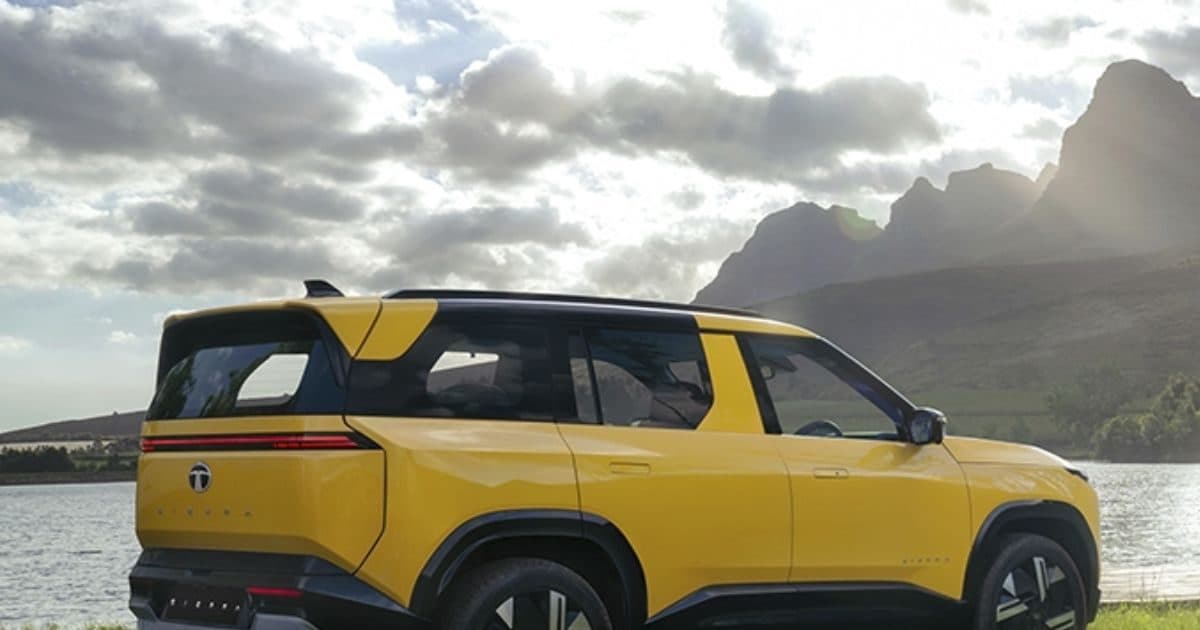
Tata Sierra vs New Renault Duster: The new Renault Duster and Tata Sierra compete with each other in the mid-size SUV segment. The Duster was recently launched in 2026, while the Sierra was launched in late 2025 and deliveries began in 2026. Both the cars are popular names in the Indian market.

Talking about the price, the base variant of the new Renault Duster will be available for ₹ 10.49 lakh (ex-showroom). Whereas, the top variant goes up to ₹ 18.49 lakh. Tata Sierra starts at ₹11.49 lakh and the top variant goes up to ₹21.29 lakh. The Duster is cheaper by ₹1 lakh at the base level, while the Duster looks more affordable even at the top end. Now let us look at their design, engine and mileage details.

design details

The design of Duster is modern and aggressive. It has been introduced with LED headlamps, muscular grille, 212 mm ground clearance and rugged look. The Sierra is reminiscent of the classic Sierra, but with a modern touch. The wide body, high styling, long wheelbase (73 mm more than the Duster) and more width/height set it apart. Sierra feels more premium and spacious.

Cabin and Comfort

The Duster comes with dual screens (10.1-inch infotainment + 10.25-inch driver display), panoramic sunroof, good quality materials and connected car features. The boot space is large (518-700 litres). The Sierra has a luxurious feel, better rear leg room (from the longer wheelbase), premium upholstery and a spacious cabin. Both have good space, but the Sierra is better for rear passengers.

Features and safety

Both Duster and Sierra get ADAS (17 features like lane keep assist, adaptive cruise), 360° camera, TPMS, panoramic sunroof, wireless charging, large touchscreen, connected tech and premium audio system. For safety, both have 6 airbags, ABS, EBD, ESC as standard. ADAS and robust build make both better.

New Renault Duster (Side Profile)

Engine and Mileage

Duster will currently be sold in two engine options. First 1.0L turbo-petrol (100 PS) and second 1.3L turbo (163 PS/280 Nm) engine, after this a strong hybrid variant will also come by Diwali. Its mileage is around 15-20 KMPL. Sierra can be purchased with 1.5L NA petrol (105 PS), 1.5L turbo-petrol (160 PS) and 1.5L diesel (116 PS) engines. Its mileage ranges from 16-20.5 kmpl.

Source link