Car or bike drowned in flood? If you want full insurance money then do this work immediately

Car or bike drowned in flood? If you want full insurance money then do this work immediately

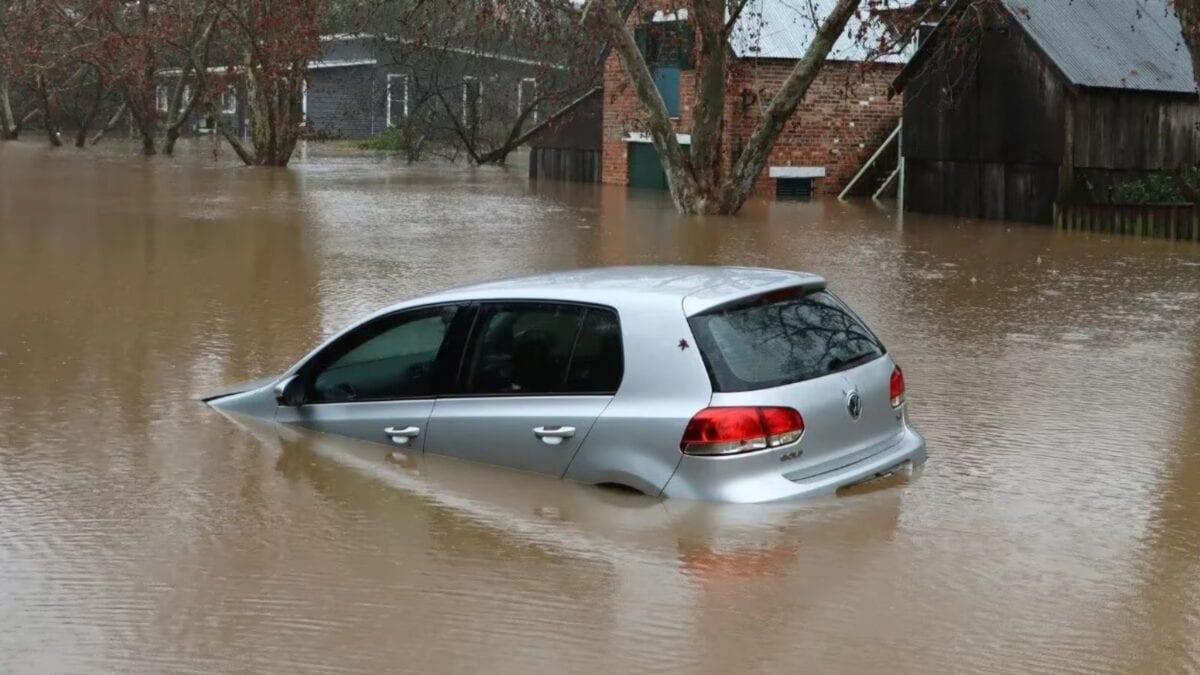
Floods and waterlogging are a common problem during monsoon in India, which causes huge damage to cars and two-wheelers. Engine, electrical system, interior and body parts get damaged due to immersion in water. In such a situation, a comprehensive insurance policy protects you financially. Third party insurance only covers damage caused to others, whereas a comprehensive policy is necessary for damage to your own vehicle.

This includes natural disasters like flood, cyclone. Taking the Engine Protect add-on can also cover problems like hydrostatic lock. Filing the claim on time and having the correct documents makes the process easier. Companies fast-track claims under IRDAI guidelines. If you are careful, you can get full compensation, be it repair or total loss. Let us know which steps can be followed to get the insurance money?

What to do immediately if your vehicle gets damaged in floods

In case of flood, first ensure the safety of yourself and your family. If the vehicle is stuck in water, do not start it. This can cause hydraulic lock due to water entering the engine, which leads to claim rejection. Disconnect the battery if possible. Do not move the vehicle yourself. Get towed with the help of the insurer.

Take photos and video of the damage. All around the vehicle, showing the engine, dashboard, seats, water level and surroundings. This evidence helps a lot in claim processing. Do not clean the vehicle even after the water recedes, wait until the surveyor arrives. Avoid roadside parking and choose higher ground.

Notify the insurance company immediately

Report the incident within 24-48 hours. Delay may result in claim rejection. Do intimation through the company's helpline number, app, website or agent. Provide policy number, vehicle details, date and place of incident. Note down the claim registration number.

Most companies offer roadside assistance, which provides towing facilities. The same process is applicable for both two-wheelers and four-wheelers. According to IRDAI, claims due to natural disaster are given priority. Also keep these important documents ready-

  • copy of insurance policy
  • Vehicle Registration Certificate (RC)
  • driving license
  • photo/video of damage
  • Claim Form (Digital or Physical)
  • If the vehicle is washed away then file an FIR in the police station
  • NOC from the financier if the vehicle is financed
  • AML documents like PAN card and Aadhaar (for large claims)

File the claim online by uploading these documents. In many cases, garage estimate is also helpful.

Surveyor Inspection and Claim Assessment

After giving information, the insurance company sends a surveyor. He physically inspects the vehicle, assesses the damage and prepares a report. Do not get any repairs done until the surveyor arrives.

If the repair cost is more than 75% of the IDV (Insured Declared Value) then it can be considered a total loss and payment is made on the basis of IDV (less deductible). Cashless facility is available in some network garages. If not, then reimbursement also happens. The same rule is applicable in two-wheelers also.

Total loss or loss of vehicle

If the vehicle is washed away in the flood and is not found then lodge an FIR. Get a non-traceable certificate from the police. After this the insurance company settles the claim on the basis of IDV. If the loss is high even after being located, it is considered a total loss.

Claim Settlement and Tips

After submitting all the documents the claim should be settled within 30 days. Interest may be charged on delay under IRDAI rules. Cashless repairs will be easy if you choose a network garage. Avoid common mistakes like delay, wrong documents or not starting the vehicle.

Check the policy before the season, take engine protect and zero depreciation add-ons. Keep digital copies of documents. This will keep the claim process fast and transparent. In this way, by filing the claim carefully, the vehicle owner gets financial relief even in times of crisis like flood.
Source link

Have to drive the car in the rain; So fix these 5 things today itself

Have to drive the car in the rain; So fix these 5 things today itself

Last Updated:

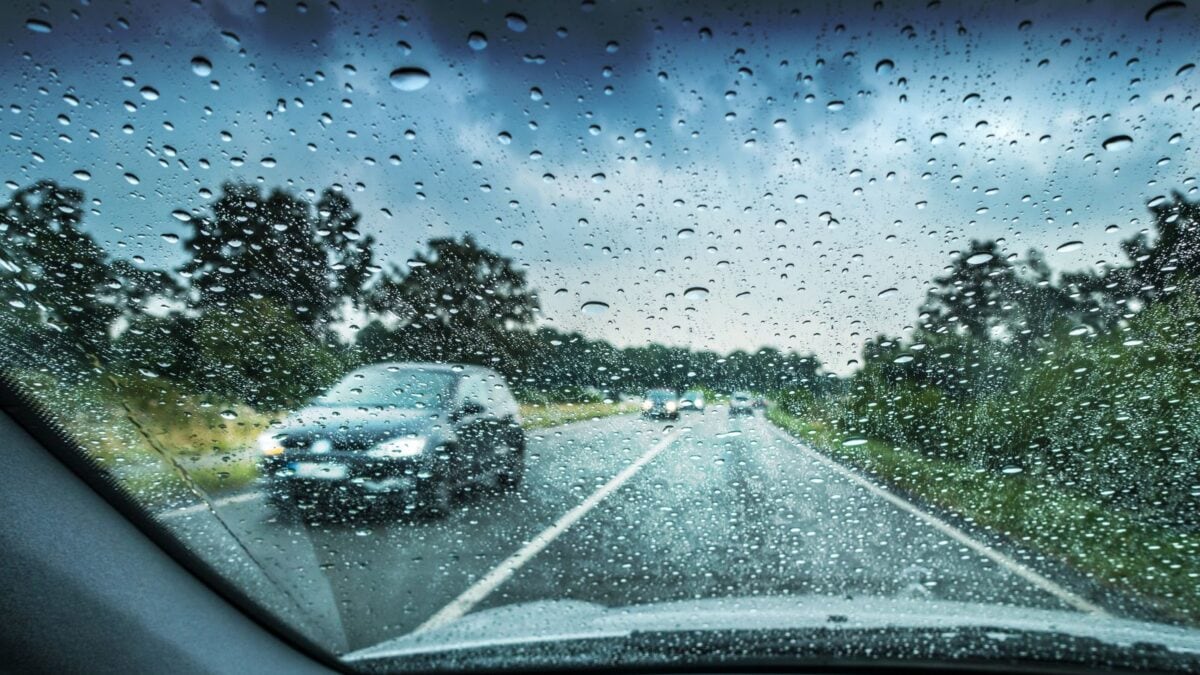
As much as the first rain of monsoon makes your driving pleasant, it also increases the risk. Slippery roads, low visibility and long braking distance can turn a small mistake into a major accident. In such a situation, it is very important to check 5 things of the car before the rain starts. Know what things can make your drive safe and stress-free.

news quickly

Zoom

Car Driving in Rain: Keep these 5 things in mind in the rain.

With the first monsoon rains, roads become slippery, visibility reduces and braking distance also increases. Driving in such conditions is quite challenging. If your car is not properly prepared from wipers to tires, then small carelessness can turn into a big accident. For safe driving in the rain, repair the important things of your car today.

Regular maintenance not only saves your life but also increases the life of the car. In this article, we will tell you about five important things which should be checked and rectified before the rains start. By taking precautions in time, you will be able to drive with confidence even in the rain. Let us know about these tips one by one.

1. Wiper Blades

The first thing that is important in rain is to see clearly. Old, cracked or hardened wiper blades do not remove water properly and leave stains on the windshield. This reduces visibility and increases the risk of accident. Check wiper blades today. If they are more than six months old or make noise when wiping off water, get new blades installed immediately. Choose good quality silicone blades that last. Also fill the wiper fluid completely. This small investment can make your rainy driving much safer.

2. Tire

Tire grip is most important in the rain. Worn tires can slide on water and pose a hydroplaning hazard. Tire tread depth should be at least 1.6 mm, but in monsoon, 3-4 mm or more is better. Get all four tires checked today itself. Keep the pressure correct because tires with low pressure slip more. If the tires are older than two years, check their condition. If necessary, get new tires installed. Tires with good tread provide better braking and control in rain.

3. Brake System

Braking distance increases on wet roads. If the brake pads are worn or the brake fluid is old then braking may become weak. Get brake pads, discs and fluid levels checked today. Brake fluid should be changed every two years. The ABS system should also work well in the rain. If there is a noise while applying brakes or the vehicle tilts to one side, then immediately go to the mechanic. Strong brakes are essential for your safety and that of others.

4. headlights and taillights

Proper functioning of lights is very important due to fog and low visibility during rains. The road ahead is not clearly visible due to blurred or bad headlights. Check all lights (headlights, taillights, brake lights and indicators) today. If the bulbs are burnt out or the lenses have become cloudy, get them replaced. Keep fog lights also clean. Correct lighting not only shows you the way but also lets other drivers know about your presence.

5. Battery and Electrical System

Moisture in rain affects batteries and electrical parts. A weak battery can suddenly get damaged in the rain. Get the battery terminals cleaned, check the water level and check the condition of the battery today. If the battery is two years old then definitely get it tested. Also protect all electrical connections from moisture. With a good battery, wipers, lights and engine starting will continue to work without any problem.

About the Author

authoring

Ram Mohan MishraSenior Sub Editor

Ram Mohan Mishra, working as Senior Sub-Editor at News18 Hindi, is active in digital media since 2021 and is currently handling the Auto Desk. They provide car and bike related information in an easy, clear and reliable manner.read more


Source link

What can cause a car to break down on road and how to avoid it: Key tips

What can cause a car to break down on road and how to avoid it: Key tips

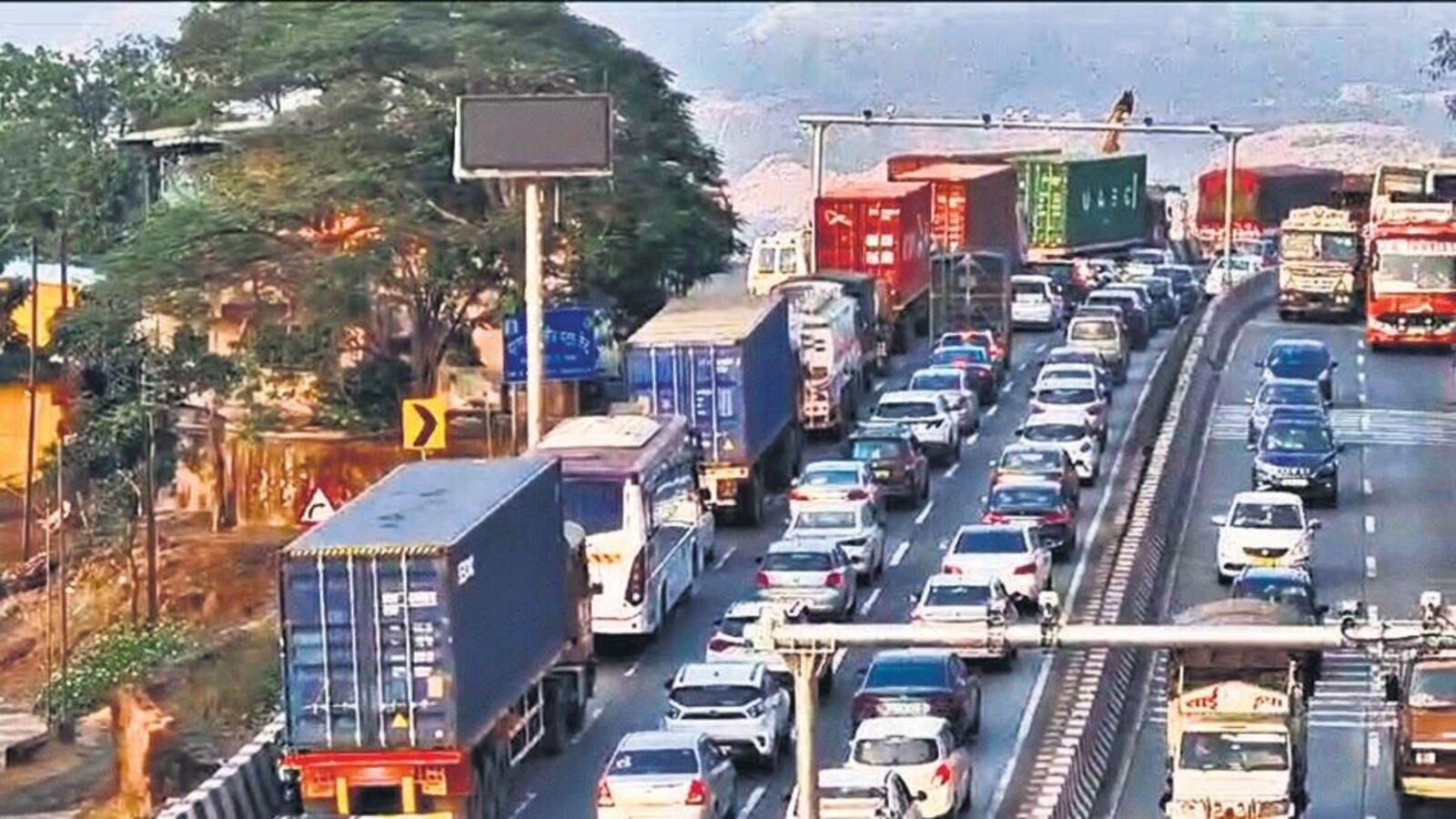
The long weekend around Christmas has thrown traffic out of control in many parts of India, especially for those heading to hill stations in Himachal Pradesh or Maharashtra. Motorists and holidayers who took the Mumbai-Pune Expressway over the weekend faced long traffic jams. The massive traffic jam on the Mumbai Pune Expressway took 36 hours to be cleared, leaving thousands of vehicles stuck on the highway near Lonavala and Khandala.

By: HT Auto Desk
| Updated on: 25 Dec 2023, 18:14 PM

Due to the weekend and Christmas holidays, there was a huge traffic jam on the Mumbai-Pune Expressway at Khandala Ghat, while broken-down vehicles made the situation worse. (HT_PRINT)

For many people who took the Mumbai-Pune Expressway to reach their destinations during the weekend around Christmas, it became a nightmare. Many people had to wait more than three hours to get out of the jam after being stuck in traffic congestion. At some stretches, the traffic jam extended up to 10 kilometres. Several cars broke down on the Mumbai-Pune Expressway, worsening the traffic situation there. Videos of cars standing at the roadside on the Mumbai Pune Expressway with their bonnets open have gone viral on social media platforms.

Breakdowns on the road can be extremely stressful for vehicle owners. Here are some common reasons that play key roles behind a car breaking down and tips on how to avoid such a condition.

Dead or faulty battery

One of the most common causes of vehicle breakdown is a dead or faulty battery, which makes it difficult for a driver to start a car’s engine, eventually leaving him or her stuck. It is recommended to get the battery checked by a technician every three years and replace it if required. A few warning signs of a faulty car battery are dim lights and slow-functioning power windows.

Faulty alternator

An alternator is highly important as it recharges a car’s battery using engine power. Additionally, the alternator also provides power to the car’s electrical components. A faulty alternator means the battery will not be charged properly and there will be stress on other electrical components as well. Hence, get the alternator checked periodically by a technician and fix if there are any issues. Keep an eye out for the car’s ignition warning light and high engine temperature alert. These are signs when the belt that drives the alternator is broken.

Malfunctioning engine

An engine can be dubbed as the heart of a car. The engine works in unison with many critical components and faults in any of them can result in a breakdown. Some common issues related to a car engine failure include a failing oil pump, aged spark plugs, debris and oil deposits, poor lubrication, inadequate fuel and air compression, blocked engine radiators, leaking engine coolant, damaged oxygen sensors prolonged engine detonation etc. It is imperative to get the engine checked by a trained technician frequently and fix any issue if detected. Also, make sure to change engine oil and engine coolant periodically as required and prescribed by the OEM.

Damaged clutch wire

Manual cars rely on a clutch for running and shifting gears. In case of damage to the clutch, the vehicle’s overall performance is impacted negatively. If the clutch plate is burnt or the clutch wire is broken, the car stops moving. If you see, hear or feel signs like a grinding sound while changing gears, the clutch pedal comes at a higher position than its usual resting position, unusual feeling while the clutch pedal is pressed, there is a potential issue with the clutch and it needs to be fixed immediately.

Electrical issues

Modern cars come loaded with a wide range of advanced features, which make it hard to detect electrical problems. It is difficult to fix such an issue in the middle of the rod. But, an electrical short circuit can drain the car’s battery and leave the vehicle stranded. Hence, if you feel any issues with any of the car’s electrical systems like dimming lights or issues with power windows or other components, get the car checked by a technician. Installation of aftermarket electrical components such as additional lights or other devices can also put stress on the entire electrical system and eventually on the battery as well. Also, avoid installing unnecessary lights or fancy gadgets as that puts pressure on the battery draining its charge.

First Published Date: 25 Dec 2023, 18:14 PM IST


Source link