Car or bike drowned in flood? If you want full insurance money then do this work immediately

Car or bike drowned in flood? If you want full insurance money then do this work immediately

Floods and waterlogging are a common problem during monsoon in India, which causes huge damage to cars and two-wheelers. Engine, electrical system, interior and body parts get damaged due to immersion in water. In such a situation, a comprehensive insurance policy protects you financially. Third party insurance only covers damage caused to others, whereas a comprehensive policy is necessary for damage to your own vehicle.

This includes natural disasters like flood, cyclone. Taking the Engine Protect add-on can also cover problems like hydrostatic lock. Filing the claim on time and having the correct documents makes the process easier. Companies fast-track claims under IRDAI guidelines. If you are careful, you can get full compensation, be it repair or total loss. Let us know which steps can be followed to get the insurance money?

What to do immediately if your vehicle gets damaged in floods

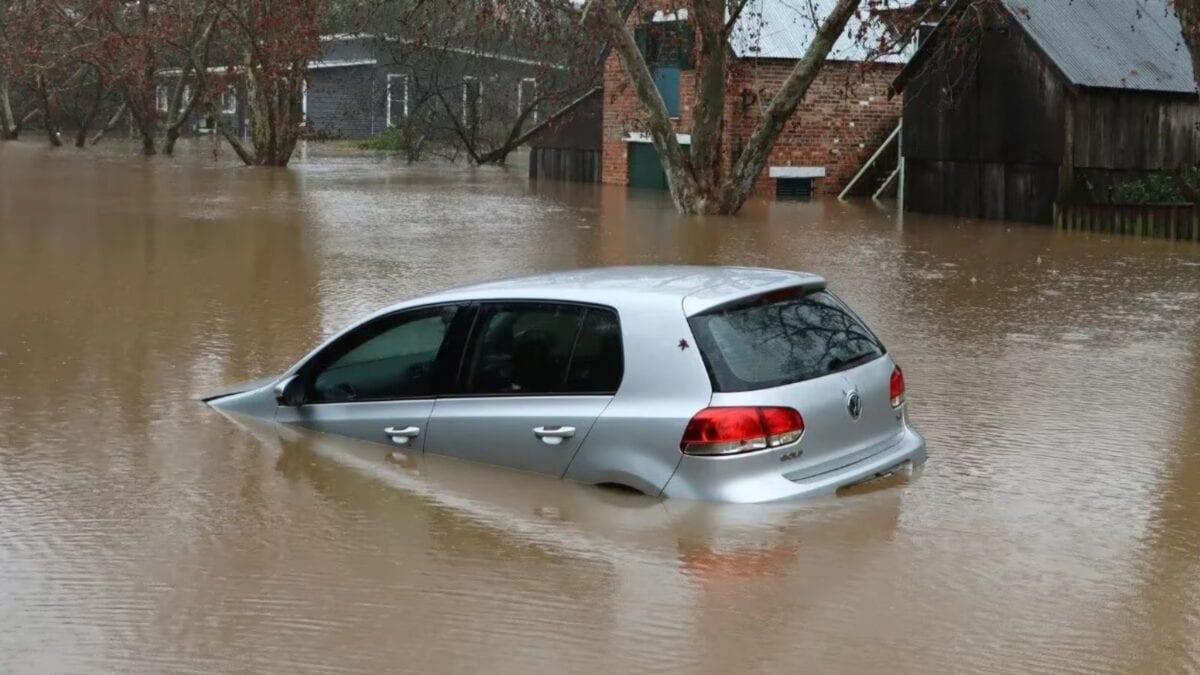
In case of flood, first ensure the safety of yourself and your family. If the vehicle is stuck in water, do not start it. This can cause hydraulic lock due to water entering the engine, which leads to claim rejection. Disconnect the battery if possible. Do not move the vehicle yourself. Get towed with the help of the insurer.

Take photos and video of the damage. All around the vehicle, showing the engine, dashboard, seats, water level and surroundings. This evidence helps a lot in claim processing. Do not clean the vehicle even after the water recedes, wait until the surveyor arrives. Avoid roadside parking and choose higher ground.

Notify the insurance company immediately

Report the incident within 24-48 hours. Delay may result in claim rejection. Do intimation through the company's helpline number, app, website or agent. Provide policy number, vehicle details, date and place of incident. Note down the claim registration number.

Most companies offer roadside assistance, which provides towing facilities. The same process is applicable for both two-wheelers and four-wheelers. According to IRDAI, claims due to natural disaster are given priority. Also keep these important documents ready-

  • copy of insurance policy
  • Vehicle Registration Certificate (RC)
  • driving license
  • photo/video of damage
  • Claim Form (Digital or Physical)
  • If the vehicle is washed away then file an FIR in the police station
  • NOC from the financier if the vehicle is financed
  • AML documents like PAN card and Aadhaar (for large claims)

File the claim online by uploading these documents. In many cases, garage estimate is also helpful.

Surveyor Inspection and Claim Assessment

After giving information, the insurance company sends a surveyor. He physically inspects the vehicle, assesses the damage and prepares a report. Do not get any repairs done until the surveyor arrives.

If the repair cost is more than 75% of the IDV (Insured Declared Value) then it can be considered a total loss and payment is made on the basis of IDV (less deductible). Cashless facility is available in some network garages. If not, then reimbursement also happens. The same rule is applicable in two-wheelers also.

Total loss or loss of vehicle

If the vehicle is washed away in the flood and is not found then lodge an FIR. Get a non-traceable certificate from the police. After this the insurance company settles the claim on the basis of IDV. If the loss is high even after being located, it is considered a total loss.

Claim Settlement and Tips

After submitting all the documents the claim should be settled within 30 days. Interest may be charged on delay under IRDAI rules. Cashless repairs will be easy if you choose a network garage. Avoid common mistakes like delay, wrong documents or not starting the vehicle.

Check the policy before the season, take engine protect and zero depreciation add-ons. Keep digital copies of documents. This will keep the claim process fast and transparent. In this way, by filing the claim carefully, the vehicle owner gets financial relief even in times of crisis like flood.

Source link

Must buy these 5 add-ons with car insurance! Lakhs of rupees will be saved in claims

Must buy these 5 add-ons with car insurance! Lakhs of rupees will be saved in claims

Your car is not just a vehicle, but your hard-earned money and daily need. Therefore, when you get car insurance, just taking the basic policy is not enough. Road uncertainties, expensive parts, floods, accidents or breakdowns can occur at any time. In such a situation, by choosing the right add-ons while taking car insurance, you can get mental peace along with security of your money.

These add-ons save you from depreciation deductions, extra expenses and emergencies at the time of claim. These covers prove to be very useful especially for users with new cars or those who drive a lot. A little extra premium is charged, but lakhs of rupees are saved in case of claim. Choose these add-ons keeping in mind your driving habits, age of the car and the region. With this, your car will be completely safe and you will be able to drive without any worries. Let us know about 5 such important add-ons.

1. Zero Depreciation Cover

This is the most popular and essential add-on. In a normal claim, the insurance company deducts depreciation based on the age of the parts, due to which the claim amount reduces significantly. With zero depreciation cover, you get the full value and there is no deduction. This is especially beneficial for cars less than 5 years old.

The company bears the entire cost of repairing bumpers, panels or other expensive parts in case of accident or damage. This keeps your financial loss minimal. The premium seems a little high but it proves to be an investment in the long run. Every car owner should give this priority.

2. Roadside Assistance

Emergencies like breakdown, puncture, battery down or running out of fuel can occur at any time on the road. This add-on provides 24×7 support which includes towing, tire change, jump start, fuel delivery and lockout service. This is a life saver especially for those traveling on highways or remote areas. Many companies offer a limited number of free services. Be sure to keep this information in mind while purchasing an add-on.

3. Engine Protection Cover

The engine is the most expensive and important part of the car. Problems like water logging, oil leakage or hydrostatic lock are not covered by the normal policy. This add-on covers the cost of repair or replacement of the engine, gearbox and related parts. Mandatory for those driving in flooded areas or on bad roads. The claim process is simple and protects lakhs of rupees. Engine damage is often unpredictable, so this cover provides a strong shield of protection.

4. Return to Invoice Cover

In case of total loss of the car, this add-on refunds the original invoice value (on-road price). This also includes registration, insurance and other charges. You get the full amount instead of less payment based on depreciation or market value. Very useful for those buying a new car. This makes it easier to buy a new car. It provides financial security in case the entire vehicle is damaged in an accident.

5. Consumables Cover

Accident repairs involve the cost of engine oil, grease, bolts, nuts, washers and other consumable items, which are not covered under a normal policy. This add-on takes care of all this. Avoids extra bills at the time of claim. Especially very beneficial in major accidents or parts replacement. It makes the claim process complete by covering small but essential expenses. It makes sense to include this in every insurance policy.

Source link

Zero Dep or Own Damage? Which one will be most beneficial to choose while taking car insurance?

Zero Dep or Own Damage? Which one will be most beneficial to choose while taking car insurance?

While buying car insurance, many people remain confused as to what should be the basic coverage and which add-ons are beneficial. On-damage i.e. Own Damage (OD) cover and Zero Depreciation (Zero Dep) are two important terms. OD protects against damage caused to your own car, while Zero Dep eliminates the depreciation deduction on parts at the time of claim.

Nowadays, in view of the rising repair costs and inflation of parts, it is important to make the right choice between the two. In this article we will understand the difference in detail. Claim process, premium impact and also which option is better for you? By choosing the right insurance, you can avoid unnecessary expenses and get complete protection.

What is Own Damage Insurance?

Own Damage cover primarily provides protection against damage caused to your car. This includes road accidents, theft, fire, natural disasters (flood, earthquake), riots etc. It can be purchased along with third party insurance and is also available as a standalone OD policy.

In OD cover, depreciation is deducted on the cost of parts at the time of claim settlement. For example, the reduction may be 50% on plastic/rubber parts, 0-50% on metal parts depending on age. Labor charges are usually full, but parts costs are reduced. For older cars or those looking for a budget-friendly option, the OD offers basic safety. As per IRDAI regulations, it is available in standalone form from 2019.

What does Zero Dep mean?

Zero Depreciation is an add-on cover taken with an OD or Comprehensive policy. This is also called bumper-to-bumper or Nil Depreciation. In this, there is no depreciation deduction on the parts replaced at the time of claim. Meaning, the insurance company covers the entire bill (after certain deductibles).

This is especially beneficial for new or luxury cars, because parts are expensive and the amount of depreciation can be high. Generally it is available for cars up to 5 years old. The premium is 15-30% more than the OD premium, but the savings in claims are considerable. The number of claims in this add-on is limited (2-3 claims per). These are the differences between the two-

  • OD is a policy (Standalone), whereas Zero Dep is just an add-on.
  • OD is cheap, Zero Dep is expensive (additional 10-30% cost).
  • Due to deduction of depreciation in OD, claim is reduced, full payout is available in Zero Dep.
  • OD for older cars or low budget ones, Zero Dep better for new/expensive cars.
  • Reduction in OD based on age and parts (eg 50% on plastic), Zero deduction in Zero Dep.

Example: Of a repair bill of ₹50,000, you may lose out on ₹15,000-20,000 in OD, whereas in Zero Dep, almost the entire bill gets claimed.

Which one is right to buy?

This completely depends on the age, value, usage and budget of your car. If the car is new (0-5 years) then it is better to take comprehensive or OD with zero dip. The cost of the additional premium will be covered in just one or two claims. This is necessary in luxury or high-value cars. At the same time, for an old car, only OD is sufficient because Zero Dep can be expensive if the parts are cheap and depreciation is high.

Advice and Precautions

When making a claim, report it within 30 days, otherwise it may be rejected. Also check out other add-ons like engine protection, consumables. Choose the right IDV (Insured Declared Value) as it decides the upper limit of the claim. Always choose IRDAI approved insurance company and read the policy document carefully.

Source link

car insurance bima in India

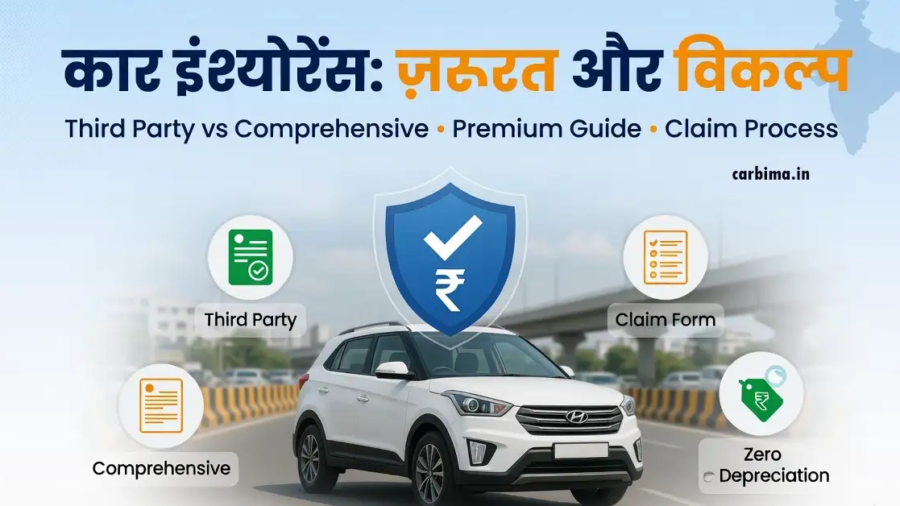
भारत में कार इंश्योरेंस: ज़रूरत, विकल्प, कंपनियाँ, प्रीमियम और क्लेम गाइड

भारत में कार इंश्योरेंस: विकल्प, ज़रूरत, कंपनियाँ, प्रीमियम व क्लेम गाइड

भारत में कार इंश्योरेंस: ज़रूरत, विकल्प, कंपनियाँ, प्रीमियम और क्लेम गाइड (Hindi)

यह आर्टिकल Car Insurance की ज़रूरत, Third Party और Comprehensive जैसे विकल्प, प्रमुख इंश्योरेंस कंपनियों के लिंक, और सामान्य तौर पर प्रीमियम/क्लेम को समझाने के लिए है।
Best Car Insurance in India Third Party Car Insurance Comprehensive Car Insurance Car Insurance Premium Car Claim Process Online Car Insurance Quote

1) Car Insurance की ज़रूरत क्यों है?

भारत में कार इंश्योरेंस लेना “वित्तीय सुरक्षा” और “कानूनी पालन” दोनों के लिए जरूरी है। एक दुर्घटना में अगर आपकी कार किसी अन्य को नुकसान पहुँचा देती है, तो Third Party Liability आपकी देनदारी कवर करता है। वहीं Comprehensive Insurance आपकी कार के नुकसान (जैसे चोरी, आग, प्राकृतिक आपदा, एक्सीडेंट) को भी कवर कर सकता है।

2) भारत में कार इंश्योरेंस के मुख्य विकल्प

(A) Third Party Car Insurance (कानूनी रूप से आवश्यक)

यह पॉलिसी किसी तीसरे पक्ष (व्यक्ति/वाहन/सम्पत्ति) को हुए नुकसान/चोट के लिए मुआवज़ा देती है। भारत में यह सामान्यतः मिनिमम कानूनी आवश्यकता माना जाता है।

  • फोकस: तीसरे पक्ष की देनदारी (Liability)
  • आपकी कार के अपने नुकसान कवर नहीं (अक्सर इसमें नहीं)
  • प्राइस आमतौर पर Comprehensive से कम

(B) Comprehensive Car Insurance (काफी लोगों के लिए “Best Choice”)

Comprehensive पॉलिसी में आमतौर पर Third Party Liability के साथ-साथ आपकी कार के नुकसान का व्यापक कवरेज भी शामिल होता है (शर्तों/एंडोर्समेंट के आधार पर)।

  • फोकस: आपकी कार + तीसरा पक्ष दोनों
  • कई ऐड-ऑन के साथ बेहतर सुरक्षा: Zero Depreciation, Engine Protection आदि
  • प्रीमियम अपेक्षाकृत अधिक

(C) Add-ons/Enhancements (Comprehensive में काफी वैल्यू)

आपकी ज़रूरत अनुसार ऐड-ऑन चुनकर कवरेज मजबूत होता है:

  • Zero Depreciation: पार्ट्स पर डिप्रीसिएशन कटने का प्रभाव कम/हट सकता है
  • Engine Protection: इंजन/गियरबॉक्स से जुड़ा नुकसान (पॉलिसी शर्तों के अनुसार)
  • Roadside Assistance: इमरजेंसी सर्विस/टॉइंग आदि
  • Consumables: कुछ रिपेयर आइटम्स के खर्च कवर हो सकते हैं

3) कार इंश्योरेंस प्रीमियम (Premium) किन कारणों से बदलता है?

Car Insurance Premium एक जैसा नहीं होता। आम तौर पर इन फैक्टर्स पर निर्भर करता है:

  • कार का मॉडल/मेक/वेरिएंट (मूल्य और रिपेयर कॉस्ट)
  • शहर (क्लेम फ्रिक्वेंसी, सर्विस नेटवर्क)
  • एज (उम्र) ऑफ कार: नई कार पर प्रीमियम अलग
  • NCB (No Claim Bonus): बिना क्लेम के सालों से डिस्काउंट बढ़ता है
  • एड-ऑन/कवरेज: Zero Depreciation/Engine Protection से प्रीमियम बढ़ सकता है
  • डिडक्टिबल/डिडक्टिबल विकल्प: कुछ प्लान्स में प्रीमियम कम दिख सकता है, पर क्लेम में कटौती हो सकती है

प्रीमियम की “टिपिकल” रेंज (सिर्फ समझ के लिए)

वास्तविक प्राइस आपकी कार/सिटी/वेरिफाइड डिटेल्स से ही फाइनल होता है। फिर भी, एक आइडिया के लिए:

पॉलिसी टाइप टिपिकल रेंज (वार्षिक, अनुमान) कब उपयुक्त
Third Party लगभग ₹3,000 – ₹12,000+ बेसिक कानूनी सुरक्षा के लिए
Comprehensive लगभग ₹8,000 – ₹35,000+ कार + तीसरा पक्ष दोनों कवरेज के लिए
Add-ons के साथ +₹1,000 – ₹10,000+ (ऐड-ऑन पर निर्भर) बार-बार ट्रैफिक/लॉन्ग ड्राइव/हाई-रिस्क जरूरत

4) क्लेम (Claim) प्रक्रिया: जल्दी से सही कदम

  • दुर्घटना के तुरंत बाद FIR/Police report (जहाँ लागू हो), फोटोज, और डॉक्यूमेंट्स बनाएं
  • इंश्योरेंस कंपनी/TPA को जल्द सूचना दें
  • वर्कशॉप/कैशलेस की उपलब्धता चेक करें (कई मामलों में कैशलेस हो सकता है)
  • Survey/Inspection के लिए वाहन भेजें (यदि कहा जाए)
  • क्लेम निपटान में डिस्क्लोज़र और पॉलिसी शर्तें बहुत महत्वपूर्ण होती हैं

5) “Best” या “Worst” कार इंश्योरेंस कंपनियाँ—क्यों कहा जाता है?

ऑनलाइन रिव्यू/रेटिंग्स में कभी-कभी “best” और “worst” लिखा दिखता है। लेकिन ध्यान रखें—किसी कंपनी की परफॉर्मेंस आपके शहर, आपके केस, पॉलिसी टाइप, और डॉक्यूमेंट्स की गुणवत्ता पर निर्भर करती है।

Best होने के सामान्य कारण: तेज क्लेम सेटलमेंट, अच्छा सर्विस नेटवर्क, कैशलेस वर्कशॉप की सुविधा, स्पष्ट पॉलिसी-शर्तें, मजबूत TPA/डॉक्यूमेंट सपोर्ट।
Worst/कम रेट होने के सामान्य कारण: क्लेम में देरी, कम पारदर्शिता, सर्विस/वर्कशॉप कवरेज सीमित, या पॉलिसी शर्तों की गलत समझ।

नीचे दी गई कंपनियाँ भारत में लोकप्रिय/उपलब्ध हैं। “Best”/“Worst” का फैसला हमेशा आपकी जरूरत के अनुसार कोटेशन + पॉलिसी-शर्तें देखकर करें।

6) भारत की उपलब्ध प्रमुख Car Insurance कंपनियाँ (नाम + लिंक)

कंपनियों के “Best/Worst” पर राय केस-बाय-केस होती है। फिर भी आप इन बिंदुओं पर तुलना कर सकते हैं: claim settlement ratio, customer support, cashless garages, और policy clarity.

Insurance Company आम तौर पर क्या अच्छा/क्यों चुना जाता है संभावित कमियाँ (कभी-कभी—केस पर निर्भर) लिंक
ICICI Lombard विस्तृत नेटवर्क, पॉपुलर ऑनलाइन प्रोडक्ट, कैशलेस सपोर्ट मिलने की संभावना कभी-कभी क्लेम में शर्तें/डिस्क्लोज़र पर डिपेंड करता है ICICI Lombard
HDFC ERGO डिजिटल कोटेशन/खरीद, ग्राहक अनुभव पर फोकस पॉलिसी शर्तें/वर्कशॉप उपलब्धता शहर के अनुसार बदल सकती है HDFC ERGO
Digit Insurance ऑनलाइन प्रोसेस, आसान कोटेशन; अक्सर वैल्यू-फॉर-मनी विकल्प क्लेम प्रक्रिया में डॉक्यूमेंट/प्रूफ पर सख्ती हो सकती है Digit Car Insurance
Reliance General कार बीमा प्रोडक्ट्स, नेटवर्क/सर्विस का विकल्प वर्कशॉप/कैशलेस कवरेज लोकेशन पर निर्भर Reliance General
Bajaj Allianz कस्टमर-बेस्ड विकल्प, प्रीमियम/कवरेज में संतुलन ऐड-ऑन/डिडक्टिबल का प्रभाव समझना जरूरी Bajaj Allianz
Royal Sundaram कई जगह सर्विस/रीपोर्टिंग के लिए जाना जाता है क्लेम केस और शर्तों पर निर्भर परिणाम Royal Sundaram
New India Assurance सरकारी क्षेत्र की बड़ी ब्रांड मौजूदगी; क्लेम प्रोसेस के लिए स्थापित नेटवर्क डिजिटल खरीद/स्पीड यूज़र अनुभव अलग हो सकता है New India Assurance
National Insurance सरकारी क्षेत्र—वृहद नेटवर्क/रीच पॉलिसी/वर्कशॉप कवरेज लोकेशन पर निर्भर National Insurance
United India Insurance सरकारी क्षेत्र; कुछ शहरों में मजबूत मौजूदगी सेवा गति/कैशलेस नेटवर्क शहर अनुसार बदल सकता है United India Insurance
Best Car Insurance in India चुनने का स्मार्ट तरीका:
1) पहले Third Party बनाम Comprehensive तय करें।
2) समान कवरेज/टर्म के साथ कम से कम 3–5 कोटेशन तुलना करें।
3) NCB, deductible, add-ons, और cashless network जरूर देखें।
4) पॉलिसी शर्तों में “क्या कवर है/क्या नहीं” साफ करें।

7) निष्कर्ष: आपको कौन सा विकल्प लेना चाहिए?

अगर आपकी प्राथमिकता कानूनी सुरक्षा है, तो Third Party Car Insurance न्यूनतम जरूरत पूरा करता है। लेकिन आज के रिपेयर कॉस्ट और अप्रत्याशित जोखिम को देखते हुए कई ड्राइवर Comprehensive Car Insurance को “Best Car Insurance” मानते हैं—खासकर जब आप Zero Depreciation/Engine Protection जैसे ऐड-ऑन सही तरीके से चुनते हैं।

अपने शहर और वाहन के लिए सही प्रीमियम देखने हेतु ऊपर दिए लिंक से ऑनलाइन कोटेशन निकालें।

Buy your favorite car in Diwali but don't be cheated, know which variant is worth the money, keep these 5 things in mind

Buy your favorite car in Diwali but don't be cheated, know which variant is worth the money, keep these 5 things in mind

New Delhi. Buying a new car is considered auspicious during the festive season, and if you are planning to buy a car on this occasion, it is important to keep some important things in mind. Here we are telling you 5 important tips to choose a 'value for money' car, which will help you in buying the right and affordable car.

1. First decide the budget
According to Pankaj Mathpal, personal finance expert and CEO of Optima Money Managers, the cost of a car should not exceed 50% of your annual income. For example, if your annual income is Rs 10 lakh, you should consider a car up to Rs 5 lakh. This ensures that you take a right decision as per your financial situation.

2. Choose models with only essential features
Many times car companies add such features in expensive variants, which you do not need. This increases the price of the car, but it does not prove to be 'value for money'. Therefore, it is better to choose the features as per your requirement.

3. Avoid dealership accessories
When buying a car, the accessories available from the dealership can be expensive. By purchasing them from outside, you can get a cheaper option and money will also be saved. Therefore, consider buying accessories from the market instead of the dealership.

4. Check After Sales Service
Before buying a car, it is important to pay attention to the after sales service of that brand. Car service is required from time to time and if the service of the company or dealership is not good then you may have to spend more on maintenance. Therefore, investigate this aspect thoroughly.

5. Pay attention to insurance
According to the Motor Vehicles Act, 1988, it is necessary to have car insurance. Driving a car without insurance is not only illegal, but there is also a risk of fine or the car being confiscated. Additionally, considering the increasing number of accidents on the roads, a proper insurance policy is also essential for your safety. Many companies offer attractive policies, so choose the best policy by comparing all the options.

Keeping these 5 important aspects in mind, you can choose the right 'value for money' car as per your budget.

Tags: auto news

Source link

car headlight

Understanding First-Party Car Insurance: Benefits, Types, and Choosing an Indian Insurance Company

Understanding First-Party Car Insurance

When it comes to insuring your car, one of the options you have is first-party car insurance. This type of insurance provides coverage for damages to your own vehicle in the event of an accident, theft, or any other covered event. In this article, we will explore first-party car insurance and provide details on how it works with Indian insurance companies.

Benefits of First-Party Car Insurance

First-party car insurance offers several benefits to vehicle owners. Here are some key advantages:

1. Coverage for Own Vehicle

With first-party car insurance, you can rest assured that your own vehicle is protected in case of damage or loss. This coverage can be particularly helpful if you have a high-value car or if you rely heavily on your vehicle for daily commuting.

2. Protection against Unforeseen Events

Accidents and unforeseen events can happen at any time. First-party car insurance provides coverage for damages caused by accidents, natural disasters, theft, fire, or vandalism. This coverage can give you peace of mind knowing that you are financially protected in such situations.

3. Customizable Coverage Options

Indian insurance companies offer various types of first-party car insurance policies, allowing you to choose the coverage options that best suit your needs. You can opt for basic coverage or enhance it with additional features such as roadside assistance, zero depreciation cover, or engine protection.


Understanding First-Party Car Insurance

Types of First-Party Car Insurance Policies

Indian insurance companies offer different types of first-party car insurance policies to cater to the diverse needs of vehicle owners. Here are some common types:

1. Comprehensive Car Insurance

Comprehensive car insurance provides coverage for both third-party liability and damages to your own vehicle. It offers the most extensive coverage and is highly recommended if you want maximum protection for your car.

2. Third-Party Car Insurance

Third-party car insurance is the minimum legal requirement in India. It covers damages caused to third-party property or individuals due to an accident involving your vehicle. However, it does not cover damages to your vehicle.

3. Zero Depreciation Car Insurance

Zero depreciation car insurance, also known as bumper-to-bumper insurance, provides coverage for the full value of your vehicle without factoring in depreciation. This means that in case of a claim, you will receive the entire cost of repairing or replacing damaged parts without any deduction for depreciation.

Choosing an Indian Insurance Company for First Party Car Insurance

When selecting an Indian insurance company for your first-party car insurance, it is important to consider the following factors:

1. Reputation and Financial Stability

Choose an insurance company with a good reputation and a strong financial standing. This ensures that they will be able to fulfill their obligations in case of a claim.

2. Claim Settlement Ratio

Check the claim settlement ratio of the insurance company. This ratio indicates the percentage of claims settled by the company. A higher claim settlement ratio indicates a better track record of settling claims promptly.

3. Network of Cashless Garages

Find out if the insurance company has a wide network of cashless garages. This will allow you to avail of cashless repairs in case of an accident, making the claim process smoother and more convenient.

4. Premium and Coverage Options

Compare the premiums and coverage options offered by different insurance companies. Look for a policy that provides adequate coverage at a competitive premium.

Conclusion

First-party car insurance is an essential investment for car owners in India. It provides coverage for damages to your own vehicle and offers protection against various unforeseen events. When choosing an Indian insurance company for first-party car insurance, consider factors such as reputation, claim settlement ratio, network of cashless garages, and premium and coverage options. By selecting the right policy from a reliable insurance company, you can ensure that your car is well-protected.

cheap third party car insurance

Bajaj Allianz General Insurance Policy- Buy General Insurance Online

Bajaj Allianz General Insurance Policy-

Bajaj Allianz General Insurance Company Limited is a joint venture between Allianz SE, the world’s leading insurer, and Bajaj Finserv Limited. The Company received the certificate of registration from IRDA on 2nd May 2001 to conduct general insurance business in India. Bajaj Allianz General Insurance, today, is one of the largest private insurers in the industry, with offices in over 1100 towns and cities. The Company has continuously been expanding its operations to reach out to its customers.

3rd party insurance for car

On May 2nd, 2021, we completed 20 years of care. In our two-decades-long journey, we rose from a humble start-up to an industry leader. We have gained the trust of close to 11 crore customers with the help of over 9000 employees, a robust distribution network of more than 80,000 agents, almost 9,000 motor dealer partners, and over 240 bank partners. We are also associated with most brokers, web aggregators, and major e-commerce platforms. We have formed meaningful relationships with our partners, customers and employees in the course of our journey so far.

Bajaj Allianz General Insurance Policy
car insurance renewal online

The Company recently changed its brand identity to ‘Caringly Yours’ to reposition itself in the minds of Indian consumers as a brand that protects and cares about customers’ financial worries around their most prized possessions – their health, home & content, vehicles, businesses, etc. With this, the Company not just aims to take its service to the next level but also seeks to provide the best customer experience at every touchpoint and make insurance a pull rather than a push product. 

Bajaj Allianz General Insurance caters to individuals across demographics of the country and the corporate sector with its wide range of products and services that go beyond insurance. The Company is not only bringing insurance solutions to the customers’ doorstep but also improving insurance penetration, with its advanced digital and mobile applications. Today, through its digital offices, it has reached out to over 1000 new Tier 2 and 3 towns across India. The Company has a strong focus on customer centricity and aims at delivering superior value with an excellent and caring experience for the customer. Today, the Company is taking its relationships with the customers beyond insurance, by offering them a plethora of digitized customer-centric initiatives. 

The Company registered strong financial results by posting revenue of ₹ 13,788 crores in FY 2021-22. The company recorded a net profit of ₹ 1,339 crores. Bajaj Allianz General Insurance also reported a healthy Combined Ratio of 99.6% and a solvency ratio of 344% for the period.

cheap third party car insurance
3rd party insurance for car