
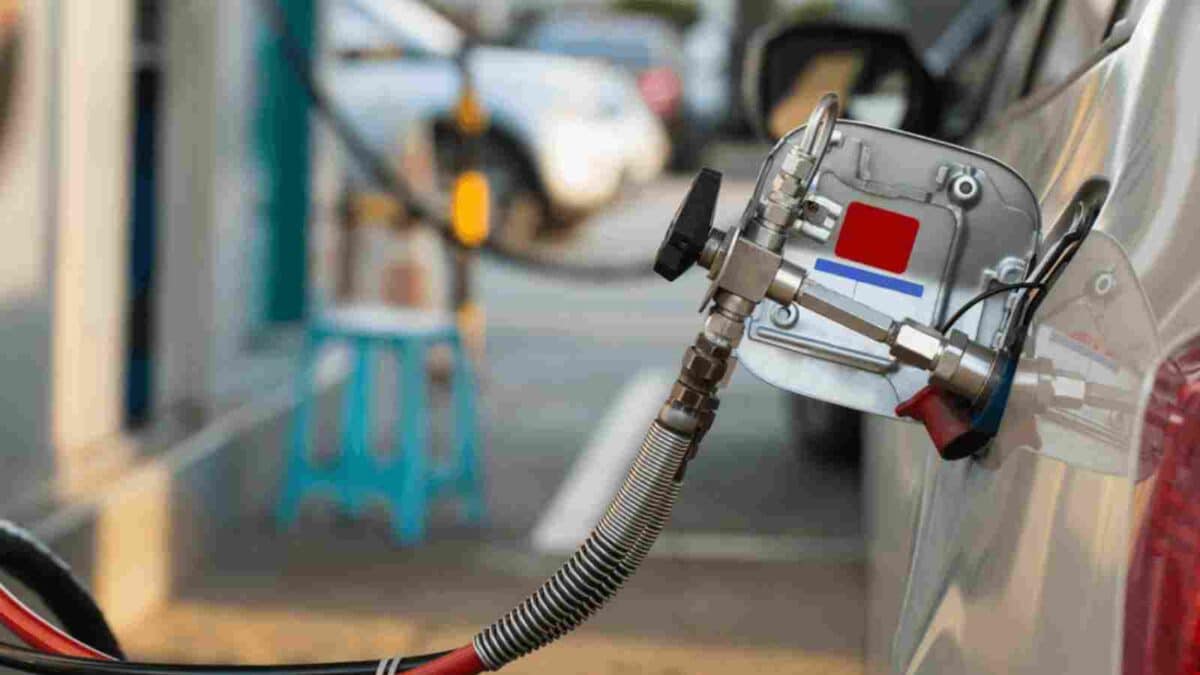
Should a CNG car sometimes be run on petrol also? Know what experts say

Should a CNG car sometimes be run on petrol also? Know what experts say

Last Updated:

Do you always run your CNG car on gas? If yes, then this habit can affect the engine and fuel system in the long run. Auto experts explain why it is important to drive in petrol mode from time to time, how much fuel should be kept in the petrol tank and which small mistakes can cause costly losses. Read complete information in this report.

news quickly

Zoom

Is it necessary to run a CNG car on petrol?

Amidst the continuously increasing prices of petrol and diesel and uncertainties of EV infrastructure, CNG cars are the best option. They save fuel and are also considered better for the environment. But many owners are troubled by the question whether it is better to run their CNG car completely on gas or should they switch to petrol sometimes.

What do auto experts say on this and should a CNG car be run on petrol from time to time? We will discuss this very thing in this article. First of all let us know the nature of CNG, after that we will talk further.

What is CNG?

CNG is a dry fuel, which does not provide as much lubrication to the engine as petrol. Running only on CNG for a long time can affect the fuel pump, injectors and other parts. Therefore maintaining balance is important for long life and smooth performance of the engine. CNG cars are mostly bi-fuel systems, that is, they can run on both fuels. Most models start a cold engine on petrol, then switch to CNG once it warms up.

Why is petrol necessary?

According to experts, parts of the petrol system should not be left completely idle. The fuel pump needs petrol to stay cool and lubricated. If the petrol tank is almost empty, the pump may overheat, which can be costly to repair. Similarly, petrol injectors get clogged when not used for a long time, which can cause difficulty in starting or irregular performance of the engine.

Do not leave tank empty

Always keep at least 25 percent fuel in the petrol tank. Drive 10-15 kilometers in petrol mode once a week. This keeps the injectors clean and the entire system remains healthy. If on a long drive, switch to petrol 500 meters before the destination. Drive the entire drive on petrol at least once a month, so that the engine gets a proper cleanup. This makes cold start easier and increases the life of the engine. Sometimes the problem of long queues or running out of gas at CNG stations also makes petrol a backup.

CNG has many benefits. Lower expenses, better mileage and less pollution. But the high temperature and dryness of CNG can put additional pressure on the valve seats. Occasional use of petrol balances this effect. Vehicles with factory-fitted CNG kits already have this system in mind.

Bonus Tip: If you are driving a CNG car then follow some additional tips. Always install CNG-specific spark plugs, get regular servicing done and get the cylinder hydro tested on time. Avoid unauthorized mechanics. With the right habits, a CNG car will not only be economical but will also remain reliable for a long time.

About the Author

authoring

Ram Mohan MishraSenior Sub Editor

Ram Mohan Mishra, working as Senior Sub-Editor at News18 Hindi, is active in digital media since 2021 and is currently handling the Auto Desk. They provide car and bike related information in an easy, clear and reliable manner.read more



Source link

How suitable is a factory fitted CNG car for daily office commuting?

How suitable is a factory fitted CNG car for daily office commuting?

Daily commuting is a big expense for office goers across the country including Delhi-NCR. If you drive a car 50 kilometers or more every day, then the cost of petrol will be heavy on your pocket. In March 2026, the price of petrol in Delhi is Rs 94.77 per liter, while CNG is available at only Rs 77.09 per kg.

In such a situation, a car with factory fitted CNG kit not only provides huge savings in fuel cost, but also gives you an opportunity to save thousands of rupees every month by spending almost half of the petrol. This is not a marketing claim, but complete mathematics, which we will understand step by step today. Let us know in detail why this is the best option for daily office commuters.

how much difference in price

First of all let us understand the reality of the current fuel price. In big cities like Delhi where CNG stations are available at every corner, there is a big difference in the prices of petrol and CNG. Petrol is Rs 94.77/litre, while CNG is only Rs 77.09/kg. But savings come not just from price but also from mileage.

How much will be the savings?

Now comes the real math – running cost of petrol vs factory fitted CNG. Let's take a real-world example that is perfect for office commuters. Suppose your car is a popular factory CNG model, like Maruti Suzuki Swift or WagonR CNG.

The real world mileage of a petrol car in city traffic is usually 15-18 km/litre. Whereas the real world mileage of factory fitted CNG is easily available in the city up to 24-28 km/kg. In such a situation the calculation will be like this-

Petrol Car Expenses (Real City Driving)

  • Mileage- 16 km/l (average traffic)
  • Cost per kilometer – 94.77 ÷ 16 = ₹5.92 per km

Factory Fitted CNG Car Cost (Real City Driving)

  • Mileage- 25 km/kg (average traffic)
  • Cost per kilometer – 77.09 ÷ 25 = ₹3.08 per km

The cost of CNG is almost half that of petrol! See how much will be saved by driving 50 kilometers daily.

  • Petrol Daily Expenses = 50 × 5.92 = ₹296
  • CNG Daily Expenses = 50 × 3.08 = ₹154
  • Daily Savings = ₹142

Best for office goers!

If you go to office 25 days, the monthly savings will be around ₹ 3,550 and the annual savings will be around ₹ 42,600. If you drive 60-70 km daily then this figure can reach ₹ 50,000-60,000 annually. In 3-4 years, the extra upfront cost of the factory CNG variant (Rs 50,000 to 1 lakh) will be completely recovered.

This mathematics applies to every car. Be it Swift, Brezza CNG or Tata Punch iCNG. Boot space is also not reduced in Tata's models with dual cylinder technology, which is a big plus of factory fitted. Along with this, car companies like Maruti and Hyundai have also started introducing CNG cars with twin cylinder technology.

Why only factory fitted CNG?

The benefits of a factory fitted CNG car are not limited to money only. Installing aftermarket kit voids the manufacturer's warranty and the service center refuses to do so in case of engine problems. In factory fitted, the engine is specially tuned for CNG, power loss is very low (only 10-15%) and engine life is long. Let us have a look at some factory fitted CNG models-

  1. Maruti WagonR CNG: Its price starts from Rs 6.5 lakh. ARAI mileage is 34 km/kg.
  2. Maruti Celerio CNG: Highest mileage (35.44 km/kg ARAI) and best option in budget.
  3. Maruti Swift CNG: Sporty looks, real mileage 27+ km/kg, perfect for youth.
  4. Tata Punch iCNG: SUV style, good boot space due to dual cylinder, price starts at only ₹ 7.5 lakh.

what understand: Factory fitted CNG car is a game changer for daily office goers. The whole mathematics is clear. Compared to petrol cars, they cost around ₹ 3 less per km. Annual savings of 40-50 thousand and less pollution also make it special. If you plan to buy, then take a test drive and understand the math yourself. Once you switch to CNG, you will never go back to petrol!

Source link