
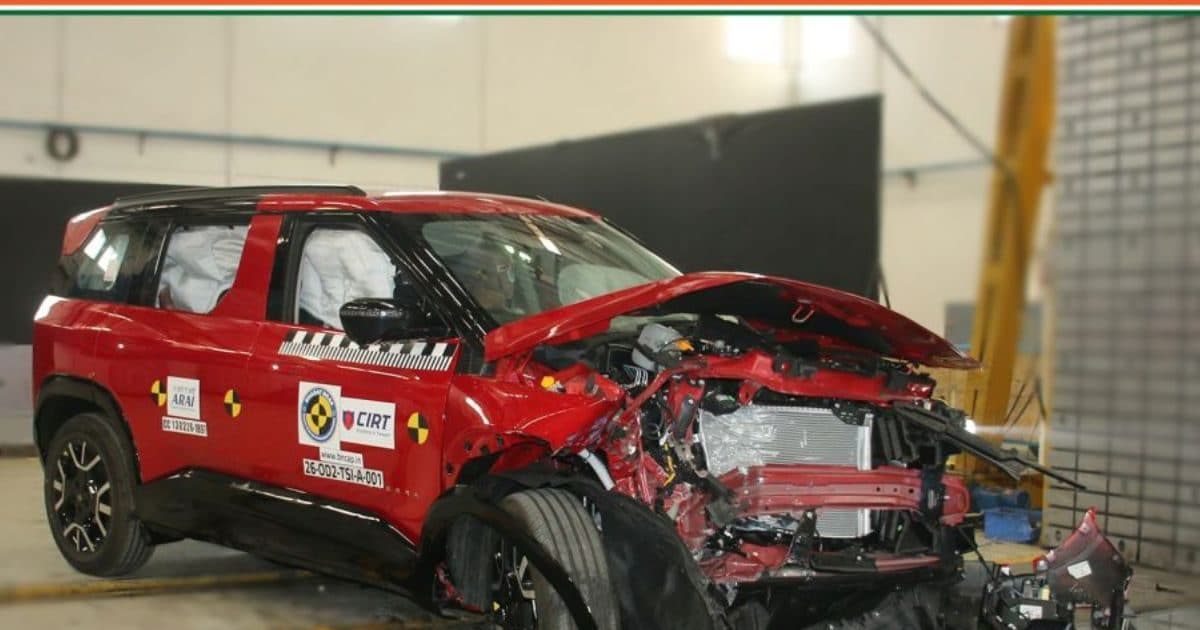
These are the 10 safest SUVs in the country! Got full 5 stars in crash test

These are the 10 safest SUVs in the country! Got full 5 stars in crash test

HomePhotoAutoCar

These are the 10 safest SUVs in the country! Got full 5 stars in crash test

Last Updated:

Safety has now become the biggest factor while buying a car in India and the new report of Bharat NCAP has revealed many shocking names. From Hyundai Venue to Tata Harrier EV and Mahindra BE 6, many popular vehicles have achieved 5-star rating. If you are thinking of buying a new car, then this list is very important for you, because here are only those vehicles which are best in safety.

Bharat NCAP is a government program launched to promote vehicle safety in the country. It crash tests the vehicles on frontal offset, side impact, child protection and many other parameters, on the basis of which 1 to 5 star rating is given.
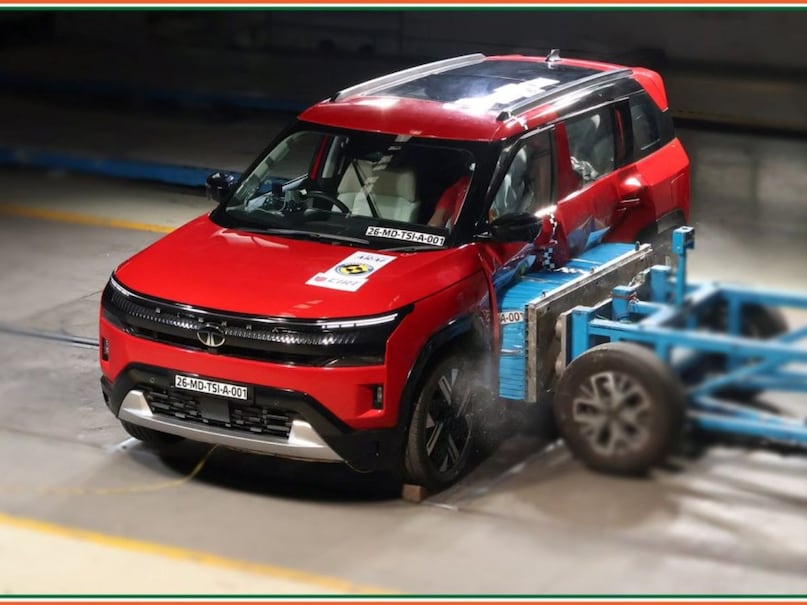
Tata Sierra Crash Test

Many popular cars and SUVs have been tested in BNCAP till April 2026, most of which have received 5-stars. This is rapidly improving the safety standards on Indian roads and helping buyers make safe choices. Let's take a look at the top-10 cars tested so far.
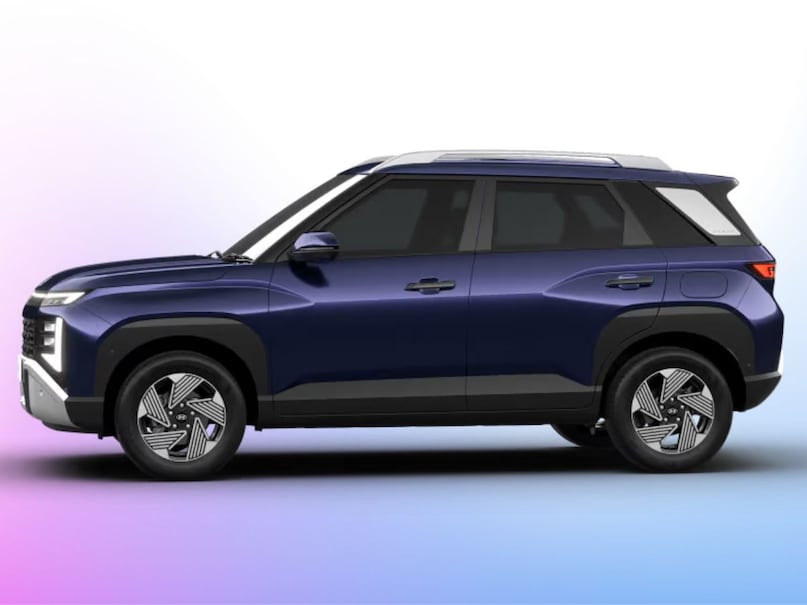
Hyundai Venue Price Hike

Hyundai Venue: It received a 5-star rating in Bharat NCAP in March 2026. In this, adult protection was 31.15/32 and child protection was 44.46/49 points. With standard safety features like 6 airbags, TPMS, ISOFIX and ESC, this sub-compact SUV proved to be a strong safety option in the Indian market.

Add News18 as
Preferred Source on Google
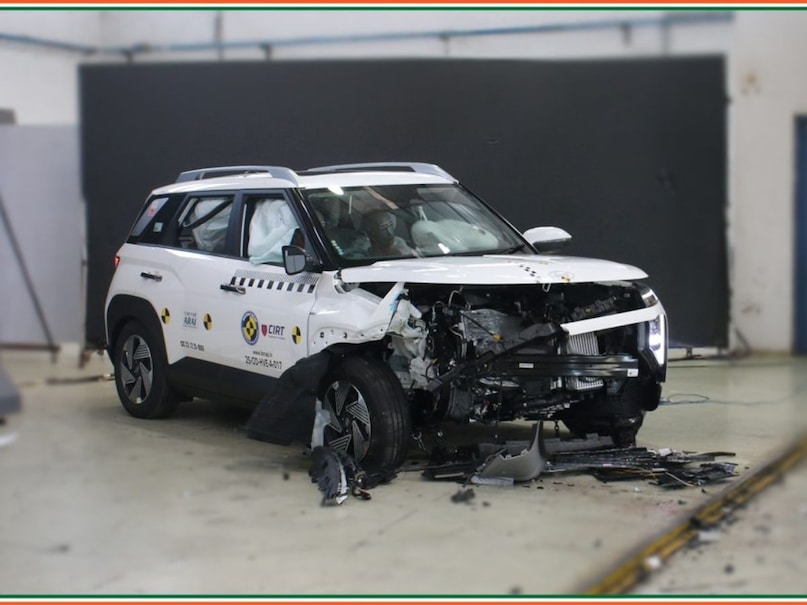
Hyundai Venue and Kia Seltos get 5 star safety rating in BNCAP

Kia Seltos: It got 5-stars in March 2026, 31.70/32 (very good score) in Adult and 45/49 points in Child. Diesel variants were tested but this rating is applicable to the entire lineup. The mid-size SUV with 6 airbags, hill descent control and TPMS has become the benchmark among ICE cars in the segment.

Sierra Crash Result

Tata Sierra: Sierra achieved 5-star rating in March 2026. Got 31.14/32 points in adult protection and 44.73/49 points in child protection. 6 airbags, ESC, traction control and disc brakes are standard. This mid-size SUV takes forward Tata's safety legacy.
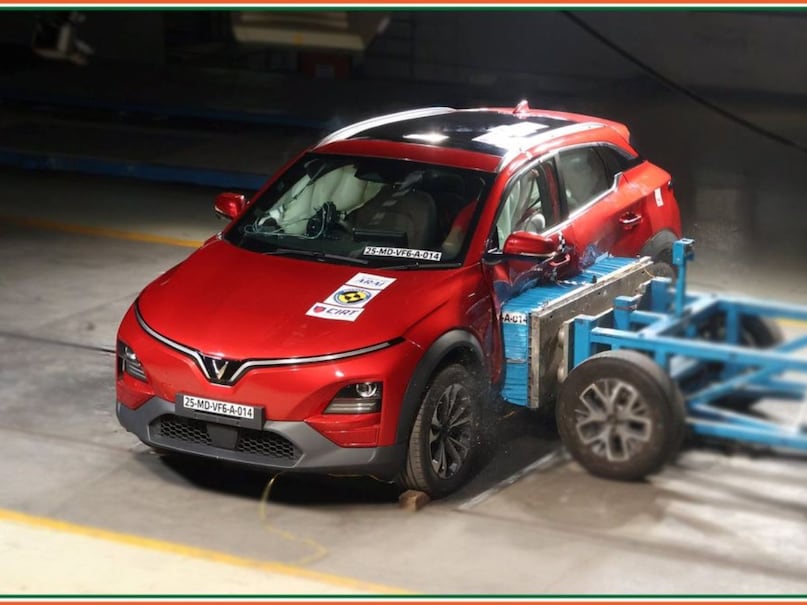
Vinfast VF 6

VinFast VF7: VinFast VF7 has received 5-stars in January 2026. 28.54/32 points were given in adult and 45.25/49 points were given in child. With features like 7 airbags and ESC, this electric SUV showed good performance, although the adult score was slightly low.
Mahindra EV Sales Report

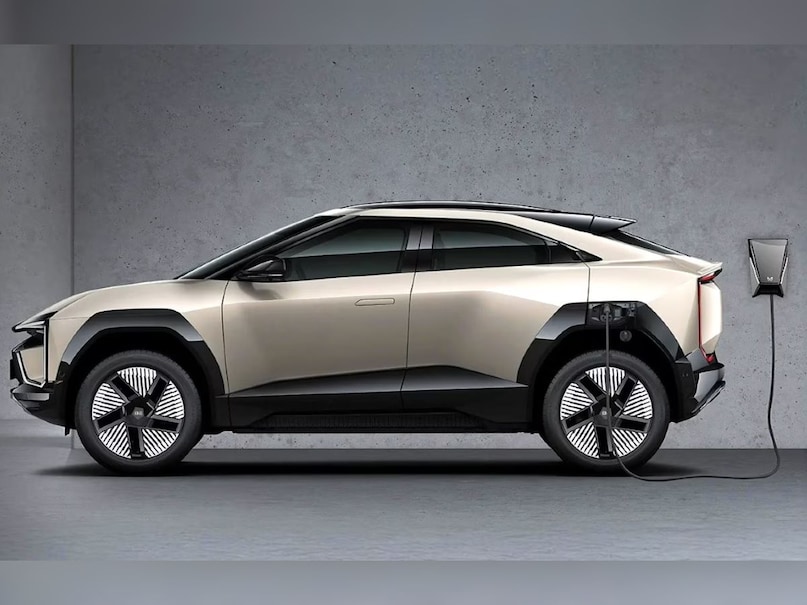
Mahindra BE 6: Mahindra BE 6 has received a 5-star rating. It was given a score of 31.97/32 (almost perfect) in Adult and 45/49 in Child. This car built on EV platform proved to be a top performer with strong structure and advanced safety features.
Mahindra XEV 9e

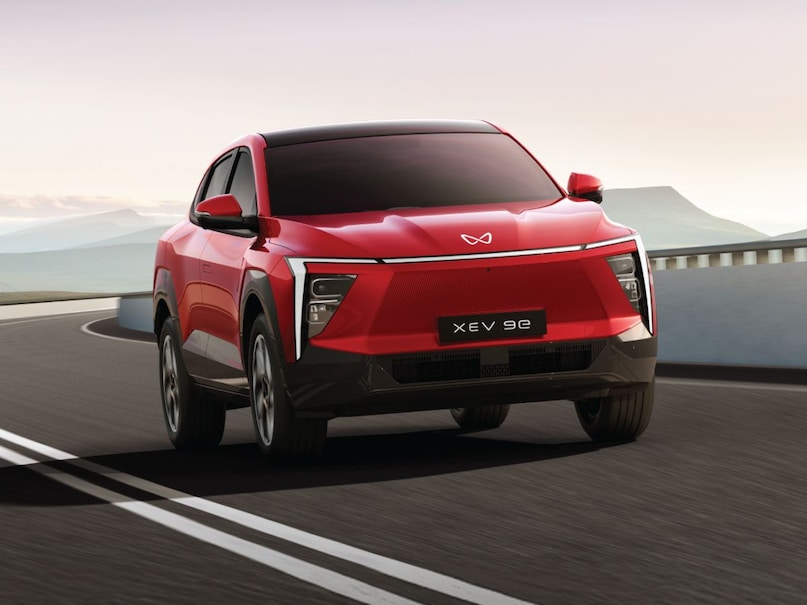
Mahindra XEV 9e: Mahindra XEV 9e achieved 5-stars with a perfect 32/32 adult and 45/49 child scores. It is one of the safest cars in the EV segment, offering a strong body and excellent crash protection.

Tata Harrier EV: Tata Harrier EV has also got 5-star with perfect 32/32 adult and 45/49 child. With excellent performance in EV variant, it has become a benchmark in the mid-size SUV segment.
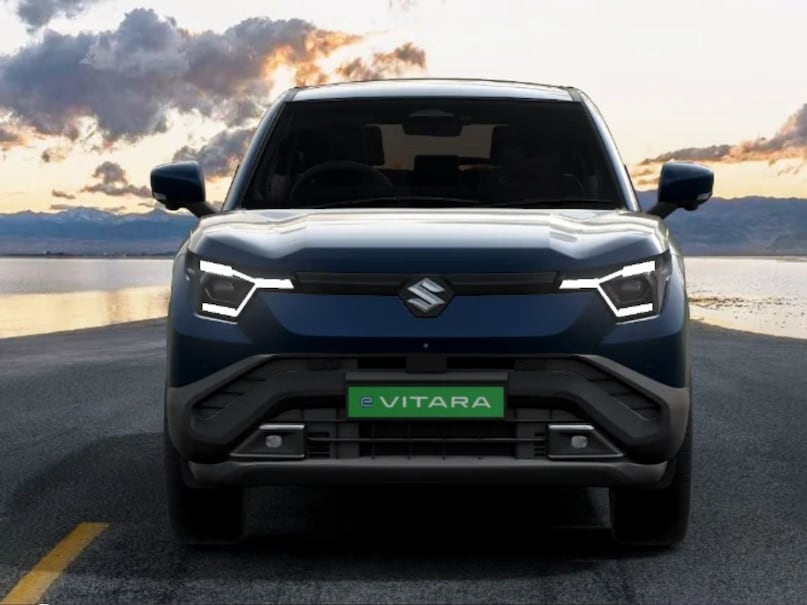
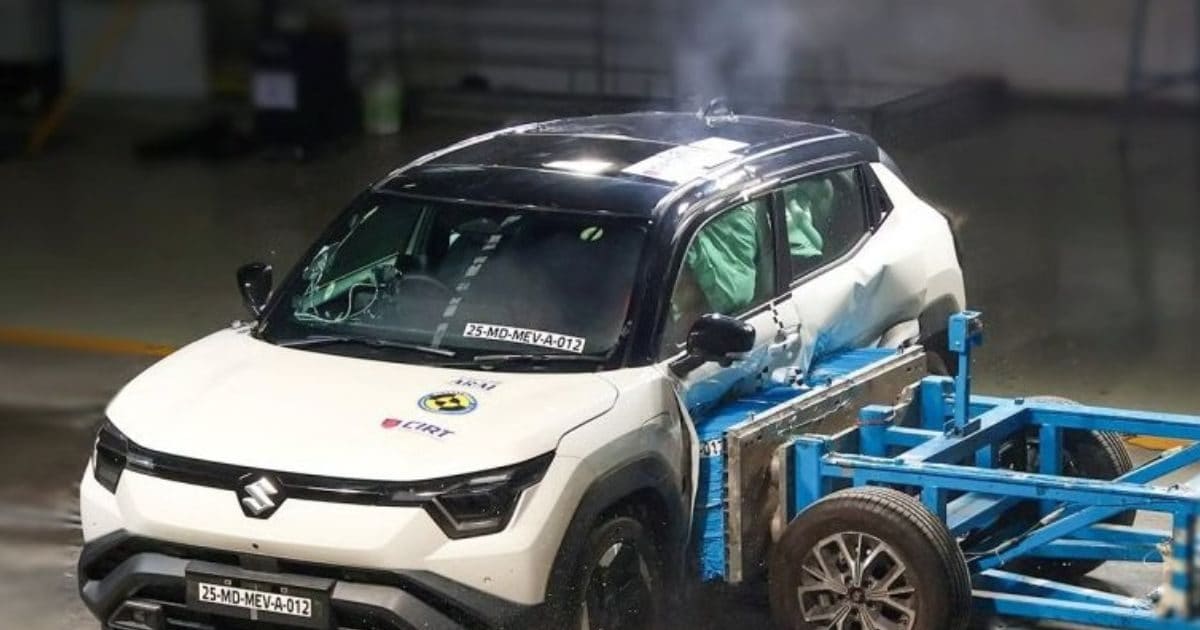
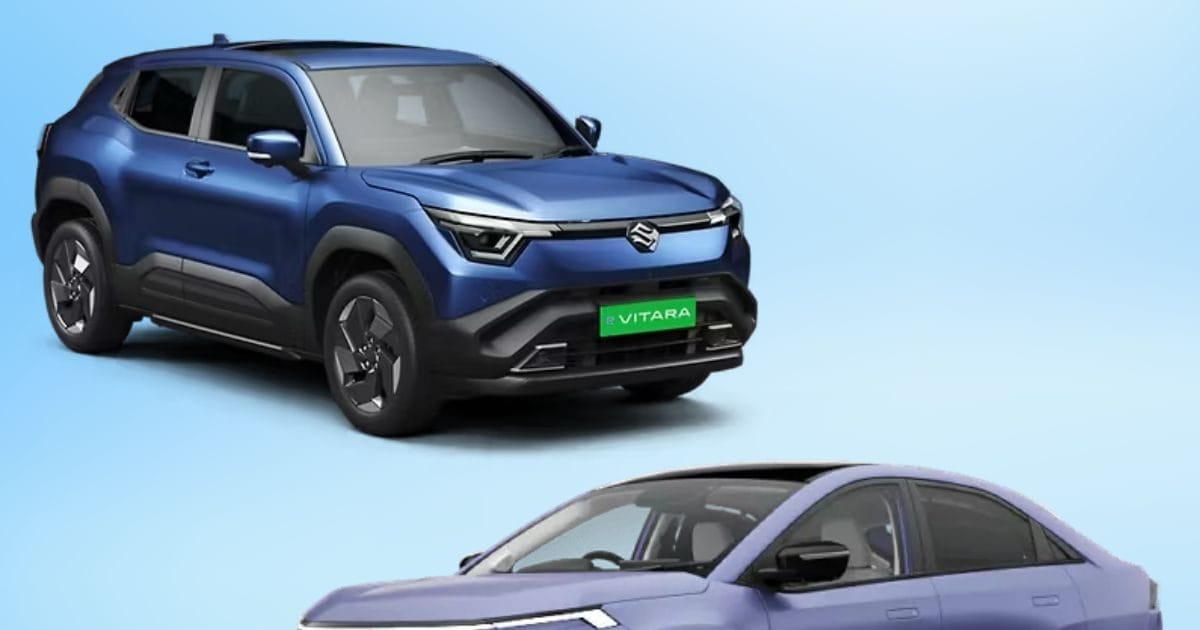
Maruti Suzuki e Vitara: Maruti e Vitara has got 5-star rating. It has got 31.49/32 marks for adult protection and 43/49 marks for child protection. It scores well as an electric SUV and is offered with standard safety features.
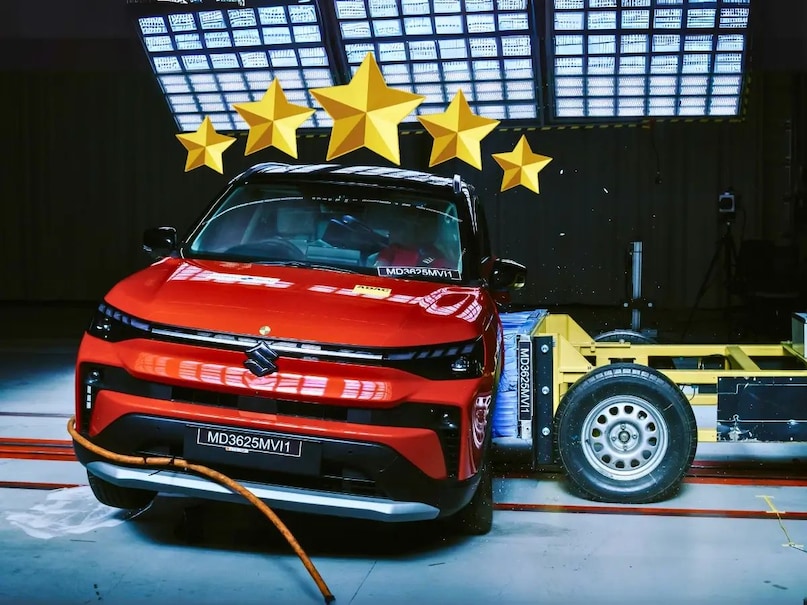
Maruti Suzuki Victoris: Maruti Victoris got 5-stars (Adult 31.66/32, Child 43/49). This shows improvement in safety of Maruti while showing good performance.
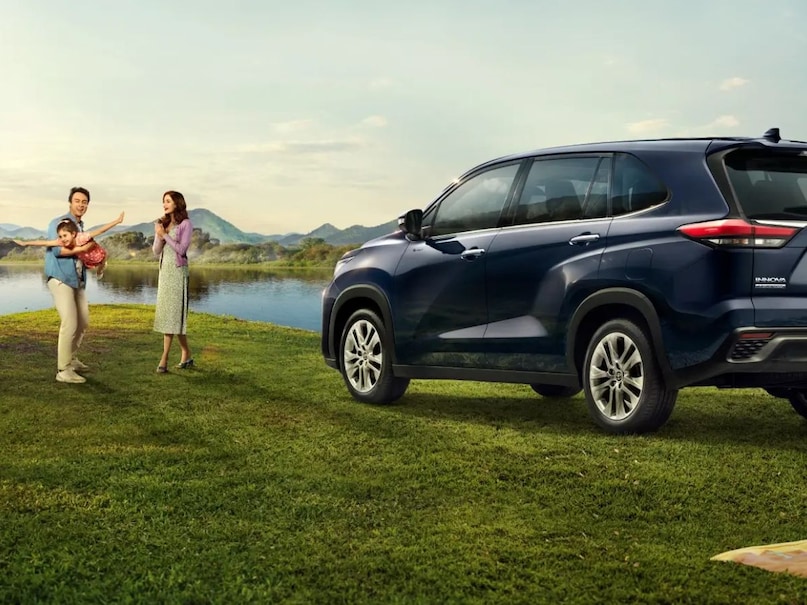
Toyota Innova Hycross

Toyota Innova Hycross: Innova Hycross has received a 5-star rating. It has got 30.47/32 marks for adult safety and 45/49 marks for child protection. The MPV is a safe choice for the family in the segment with a strong body and 6 airbags.
Click here to add News18 Hindi as your favorite news source on Google.

Source link

This EV made in India got less stars in foreign crash test

This EV made in India got less stars in foreign crash test

Australia and New Zealand's independent safety agency ANCAP has given Suzuki's first electric car Suzuki e Vitara a 4 star safety rating. This rating is for all variants that will be implemented from March 2026 and will remain valid till December 2031. This electric SUV manufactured by Maruti Suzuki in India has shown strong safety performance in the global market, although it could not get 5 stars due to the lack of center airbag.

According to the ANCAP test report, the e-Vitara scored 77% (31/40 points) in Adult Occupant Protection, 87% (43/49 points) in Child Occupant Protection, 79% (50.34/63 points) in Vulnerable Road User Protection and 71% (12.78/18 points) in Safety Assist. Let us know how safe ANCAP found it?

How safe is e Vitara?

In the frontal crash test, driver's chest protection was rated 'Weak' and rear passenger's head protection was rated 'Marginal', which were the main factors affecting the overall score. Despite this, the vehicle showed solid performance in most areas.

Standard safety features on the e-Vitara include dual frontal airbags, side and curtain airbags, driver knee airbag, Electronic Stability Program (ESP), ABS with EBD, ISOFIX child seat anchorages and Advanced Driver Assistance System (ADAS) level-2.

ADAS features include technologies like AEB (Automatic Emergency Braking) car-to-car (including rear), lane departure warning, adaptive cruise control, high beam assist and forward collision warning. These features play an important role in crash avoidance and mitigation.

Design, features and specifications

This SUV is built on the HEARTECT-e platform developed in India, which has a length of 4275 mm, width of 1800 mm and wheelbase of 2700 mm. Two battery options are available in it – 49 kWh and 61 kWh LFP. The 61 kWh variant delivers 172 bhp power and ARAI range of up to 543 km.

With fast charging, 10-80% charge is done in just 45 minutes. The interior has premium features like 10.1 inch infotainment screen, 10.25 inch digital cluster, ventilated seats, 360 degree camera, sunroof and level-2 ADAS. Boot space is 310 litres, which can be expanded with a flexible rear seat.

In India, Maruti Suzuki e-Vitara has already received a 5 star rating in BNCAP, which is very positive for the domestic market. Getting 4 stars in ANCAP confirms that the vehicle has met global safety standards. However, ANCAP experts say that 5 stars could have been achieved by adding additional features like a center airbag. This SUV is going to be launched in Australia in June 2026.

Source link

Maruti E Vitara vs Tata Curve EV: Which electric SUV costs more? Know before you buy

Maruti E Vitara vs Tata Curve EV: Which electric SUV costs more? Know before you buy

The electric SUV segment is growing rapidly in the Indian auto market. Recently, the country's largest car company has also launched Maruti E Vitara as its first offering in this segment. Its direct competition in the market is with Tata Curve EV. On one hand, Maruti e-Vitara is attractive with its affordable price and Battery as a Service (BaaS) option, while Tata Curve EV is known for its stylish coupe design and strong performance.

Maruti e-Vitara prices start at ₹10.99 lakh with BaaS and go up to ₹14.29 lakh, with a subscription fee of ₹4.39 per km. Without BaaS it is available from ₹ 15.99 lakh to ₹ 20.01 lakh. Variants include Delta, Zeta and Alpha. Whereas, the price of Tata Curve EV ranges from ₹ 17.49 lakh to ₹ 22.24 lakh, in which there are Creative, Accomplished and Empowered variants. Let's take a look at their design, interior, features, safety, battery, motor and range details.

Design

The design of Maruti E Vitara is futuristic SUV style, with bold front grille, matrix LED DRL, projector headlamps and 18-inch alloy wheels. Its length is 4275 mm, width 1800 mm, height 1640 mm and wheelbase 2700 mm, which makes it stable and spacious. Color options include Arctic White, Opulent Red etc.

At the same time, Tata Curve EV is a coupe SUV, which has a sloping roofline, animated LED lighting, flush door handles and aerodynamic alloy wheels. Its length is 4310 mm, width is 1810 mm, height is 1637 mm and wheelbase is 2560 mm. Colors like Virtual Sunrise, Flame Red available. In comparison, Maruti's design is practical and family-oriented, while Tata's is more stylish and has youth appeal.

interior

The interior of the Maruti e-Vitara is dual-tone, with a 10.25-inch digital instrument cluster, 10.25-inch touchscreen infotainment, leather upholstery, ventilated front seats and ambient lighting. There is good space in the rear seats, but headroom could be a little less. Boot space is 500 litres.

The interiors of the Tata Curve EV are also dual-tone, but with a larger 12.3-inch touchscreen, 12.3-inch digital cluster, leatherette upholstery and more storage options. The rear seats are a bit cramped due to the coupe roof, but comfort is good. Boot space is also 500-604 litres. Tata's interior looks more modern, while Maruti's is family-friendly and simple.

Features and safety

Both cars have automatic climate control, wireless charging, cruise control and drive modes (Eco, Normal, Sport). The Maruti has a fixed glass roof, air purifier and more ADAS features like auto emergency braking, lane keep assist. The Curve has a panoramic sunroof, V2V/V2L charging, 360-degree camera and JBL sound system. Tata is ahead in features, but Maruti's connected car tech and smart features are also strong.

Both have received 5-star rating in India NCAP. Maruti has 7 airbags, level 2 ADAS, 360 camera, TPMS and ESC. Tata Curve has 6 airbags, level 2 ADAS, hill descent control and blind spot monitor. Maruti's AOP score is better, while Tata's COP score is strong. Both are safe.

Battery, Motor and Range

Maruti e-Vitara has a 49 kWh battery (142 bhp, 189 Nm, 440 km range) and 61 kWh (171 bhp front, 181 bhp in AWD, 300 Nm, 543 km range). DC fast charging takes 45 minutes from 10-80%. Curve EV has 45 kWh (148 bhp, 215 Nm, 430 km range) and 55 kWh (165 bhp, 215 Nm, 502 km range) batteries. DC charging takes 40 minutes from 10-80%.

Source link