
Tata Tiago EV worth ₹7 lakh or Citroën eC3 with 320KM range? Know who to buy from

Tata Tiago EV worth ₹7 lakh or Citroën eC3 with 320KM range? Know who to buy from

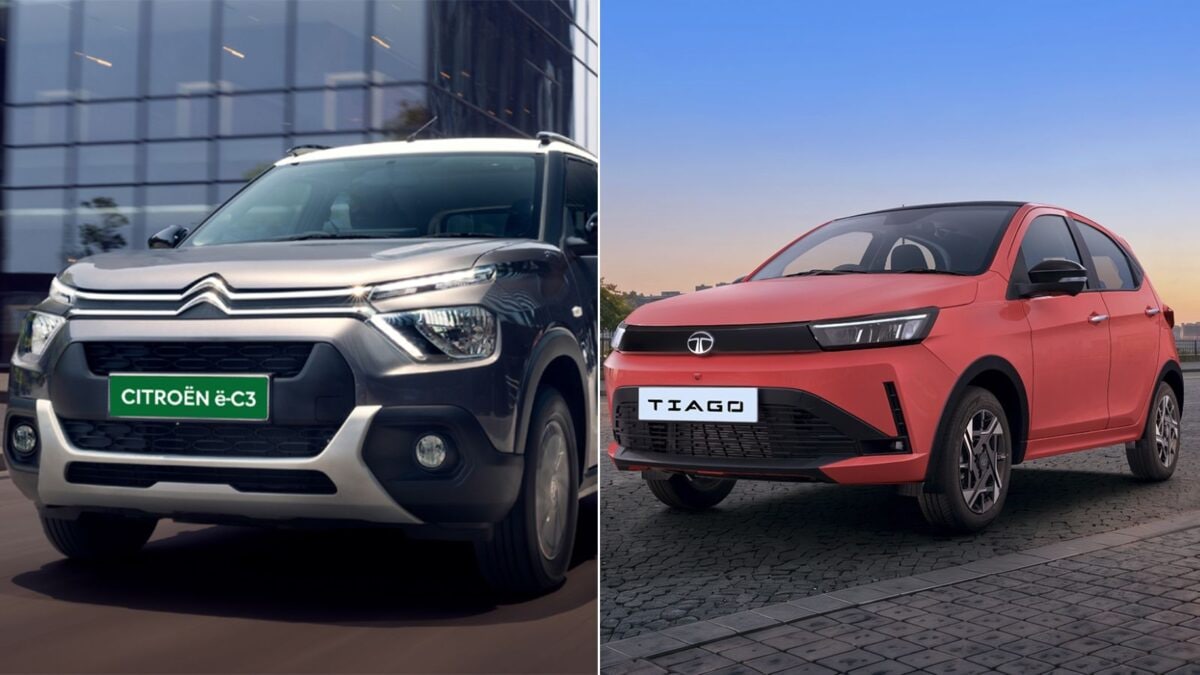
Tata Tiago EV and Citroën eC3 are two strong contenders in the budget electric car market. Tata Tiago EV has been recently updated, which includes new styling, better features and competitive pricing. It is perfect for daily commuting in the city. The Citroën eC3, on the other hand, offers a premium feel with a slightly larger hatchback/SUV-like presence, larger battery pack and a comfortable ride.

Talking about the price, the starting ex-showroom price of Tata Tiago EV starts at ₹ 6.99 lakh (Smart 19.2 kWh) and goes up to ₹ 9.99 lakh for the top variant Creative+ 24 kWh. Citroën eC3 prices range from ₹12.90 lakh (Feel) to ₹13.41 lakh (Shine DT). The Tiago EV is affordable and value for money, while the eC3 is a little expensive due to its larger size and range. Let's take a look at the details from their design to battery, motor and range.

Design and interior

The 2026 Tata Tiago EV looks attractive and modern with revised front-rear styling, connected LED taillamps and new colours. This is a compact hatchback. The Citroën eC3 exudes presence with its SUV-inspired design, high ground clearance and bold stance. The Tiago EV is easier for city parking, while the eC3 feels better on highways and bad roads.

Talking about the interior, Tiago EV gets a new dashboard, updated seats, 360-degree camera and better materials. Space is adequate, but some people may find the cabin small. The eC3 has a larger cabin, more leg-headroom and 315 liters of boot space, which is better for family use. Citroën's suspension gives a soft ride.

Features and safety

Tiago EV has features like touchscreen infotainment, wireless connectivity, connected car tech and ventilated seats. The eC3 offers a 10.2-inch touchscreen, wireless Android Auto/Apple CarPlay and good comfort features. Tiago EV looks more tech-loaded. For safety, Tata Tiago EV now gives hope for better safety score with 6 airbags, 360 camera and strong structure. Two airbags are standard on the Citroën eC3, but the overall build is good.

Battery, Motor and Range

Tiago EV comes with two battery pack options – 19.2 kWh (226 KM ARAI range) and 24 kWh (285 KM ARAI range). The motor generates power around 61-75 hp. Fast charging is available. Citroen eC3 has a 29.2 kWh battery and the motor generates 56 bhp power. It is capable of giving 320 KM ARAI range. The eC3 offers more torque with longer range, but the Tiago EV is better in fast charging and variety.

Our advice: If the budget is within ₹ 10 lakh and city commuting is required, then Tata Tiago EV is a better choice. If you want more space, range and comfort then choose Citroën eC3. Both are making the EV segment affordable. Overall Tiago EV is a champion in value for money.
Source link

Is it more expensive to buy an EV or a Petrol car? Understand the full details of 50,000 KM

Is it more expensive to buy an EV or a Petrol car? Understand the full details of 50,000 KM

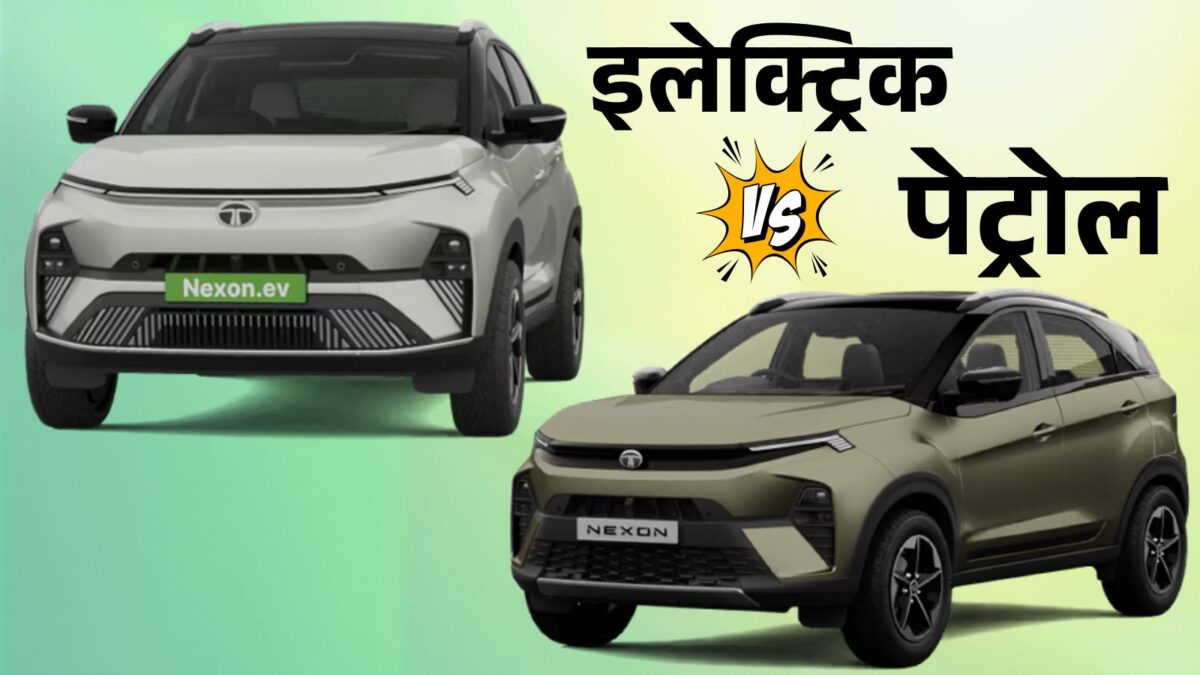
Amidst rising fuel prices and pollution, there is only one big question in the mind of every car buyer today, whether to buy an electric car (EV) or a petrol car? At first glance, EV seems expensive due to its high price, whereas petrol car fits in the budget. But the real game starts when the car hits the road.

Do you know that after driving just 50,000 kilometers, there is a huge difference in the cost of both? An EV, which may seem heavy in initial investment, can save you lakhs of rupees after covering long distances. Come, without any confusion, let us understand which car will prove to be the real value for money for you with simple mathematics of maintenance, running cost and resale value.

Mathematics of Initial Price (Buying Cost)

There is a big difference in the starting price of petrol and electric cars. Generally, compared to a petrol car of the same segment and model, its EV variant is costlier by around Rs 3 to 5 lakh.

Petrol Car: Low starting price, low down payment and low loan EMI.

Electric Car: Higher starting price, but the difference is reduced slightly due to tax exemptions and subsidies on road tax and registration fees in many states.

Running cost: direct calculation per kilometer

The real cost of driving a car is decided from here. While petrol prices are skyrocketing, electricity rates are quite cheap.

Petrol Car: If the car gives a mileage of 15 km/litre and petrol is ₹100/litre, then the cost per kilometer comes to around ₹6.66.

Electric Car: It takes about 30-40 units of electricity to fully charge a normal EV (costs about ₹ 300), which enables it to travel 300 km. According to this, the cost of EV comes to only ₹ 1 to ₹ 1.50 per kilometer.

Total savings after 50,000 kms

Let us now compare the total expenses on fuel and charging after driving 50,000 kms:

type of expense Petrol Car (Mileage: 15 km/l) EV charging costs
cost per kilometer ₹6.66 ₹1.20
Total cost of 50,000 km ₹3,33,000 ₹60,000
Direct savings (on fuel) ₹2,73,000

conclusion: The EV saves you around ₹2,73,000 on fuel costs alone, which covers a large part of its higher starting price.

Difference between maintenance and servicing

Maintenance of electric car is very cheap as compared to petrol car. Come, let us know about both-

Petrol Car: Servicing costs for every 10,000 km range from ₹5,000 to ₹8,000 due to engine oil, oil filter, spark plugs, coolant and gearbox. By 50,000 km this cost increases to ₹ 30,000 to ₹ 40,000.

Electric Car: There is no engine in an EV, so neither the oil has to be changed nor the moving parts get damaged. It only costs tyres, brake pads and AC filter. Its maintenance cost in 50,000 km is less than half that of petrol.

What is better for you?

After driving 50,000 kilometers, the EV not only recovers the extra cost of its petrol variant, but also starts saving you lakhs of rupees (about more than Rs 3 lakh including fuel + maintenance).

Buy EV then: If your daily commute is more than 50-60 kms, you want to keep the car for 5-7 years and you have charging facility at home.

Buy a petrol car then: If your annual running is very low (less than 500 km a month), budget is limited or you often travel on long routes where charging infrastructure is weak.

Source link