
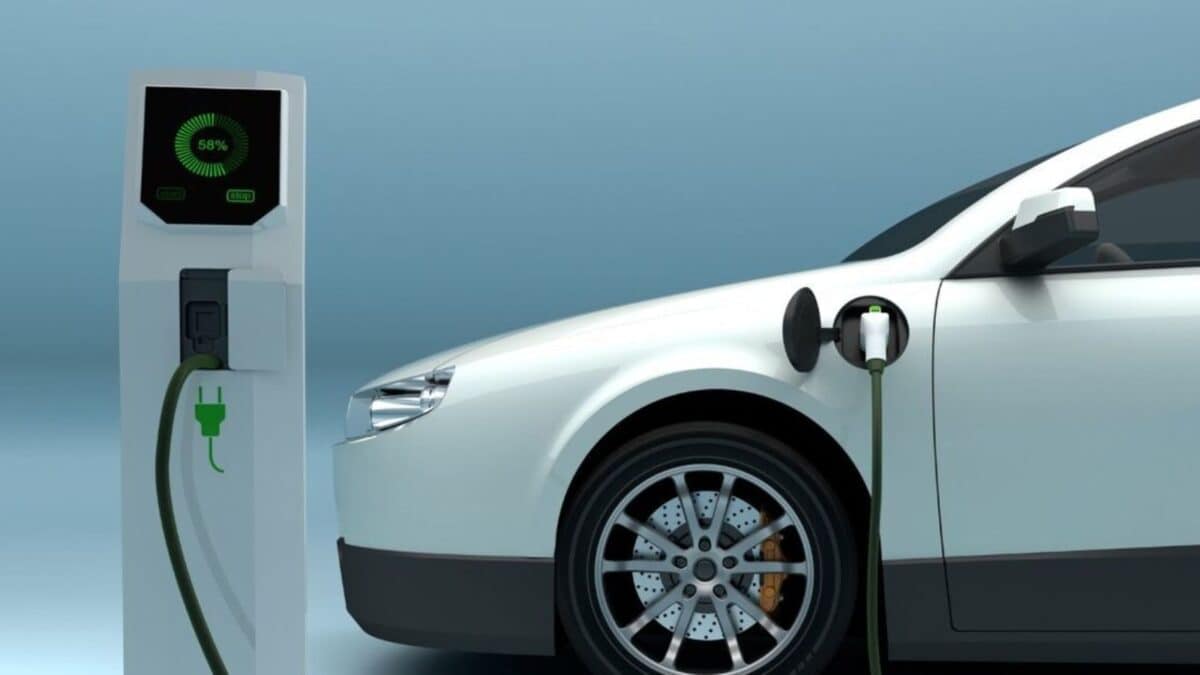
45% Indian homes unsafe for EV charging! The report revealed the dangers of fire and overload.

45% Indian homes unsafe for EV charging! The report revealed the dangers of fire and overload.

A new report has raised concerns amid the rapid pace of promotion of electric vehicles (EV) in India. According to the report, about 45 percent of the houses in the country need to improve the electricity infrastructure for safe EV charging. Despite home charging being the main method for EV users, many homes lack adequate electrical load, proper wiring and safety equipment. This can cause problems like fire, circuit overload and battery damage.

The report says that only 55 percent of potential EV buyers have charging facilities at home. In this report released by AEEE and Kazam, data from more than 80,000 residential charger installations has been analyzed. Along with the policy of EV adoption, it has been advised to take immediate steps to make homes EV-ready, so that the net-zero target can be achieved.

What about research?

The joint report 'The Net-Zero Transition Starts at Home: Enabling EV-Ready Residences in India' by AEEE and EV charging platform Kazam revealed that charging facilities are unevenly available in independent houses, apartments, settlements and rented houses in tier-1, tier-2 and tier-3 cities across the country. Many homes rely on outdated electrical systems, which are not suitable for EV charging.

potential risk

Unofficial charging from a normal socket, extension cable or shared connection can result in fire hazards, electrical faults, equipment problems, voltage fluctuations, wiring overheating and local power outages. This will reduce the reliability of charging and the EV battery may deteriorate quickly. This challenge is even more acute in older homes, apartment complexes and informal settlements, where there is a lack of parking and retrofit guidelines.

Recommendations and Solutions

The report sets minimum standards to make homes EV-ready. These include adequate permissible electrical load, dedicated charging circuit, compliant wiring and earthing, properly installed chargers, rated MCBs, earth-leakage protection and certified EV sub-meter. Also, emphasis has been laid on the need to create a national framework that integrates building codes, electric safety standards and EV charging guidelines. This will increase security and address concerns like cost of upgrades.

This report has come with the new EV policy of the Delhi government, which includes the decision to stop new registration of petrol-CNG three-wheelers from 2027 and petrol two-wheelers from 2028. EV-related electricity consumption is projected to increase from 0.2 percent in 2024 to nearly 6 percent by 2035. Therefore the infrastructure needs to be strong.
Source link

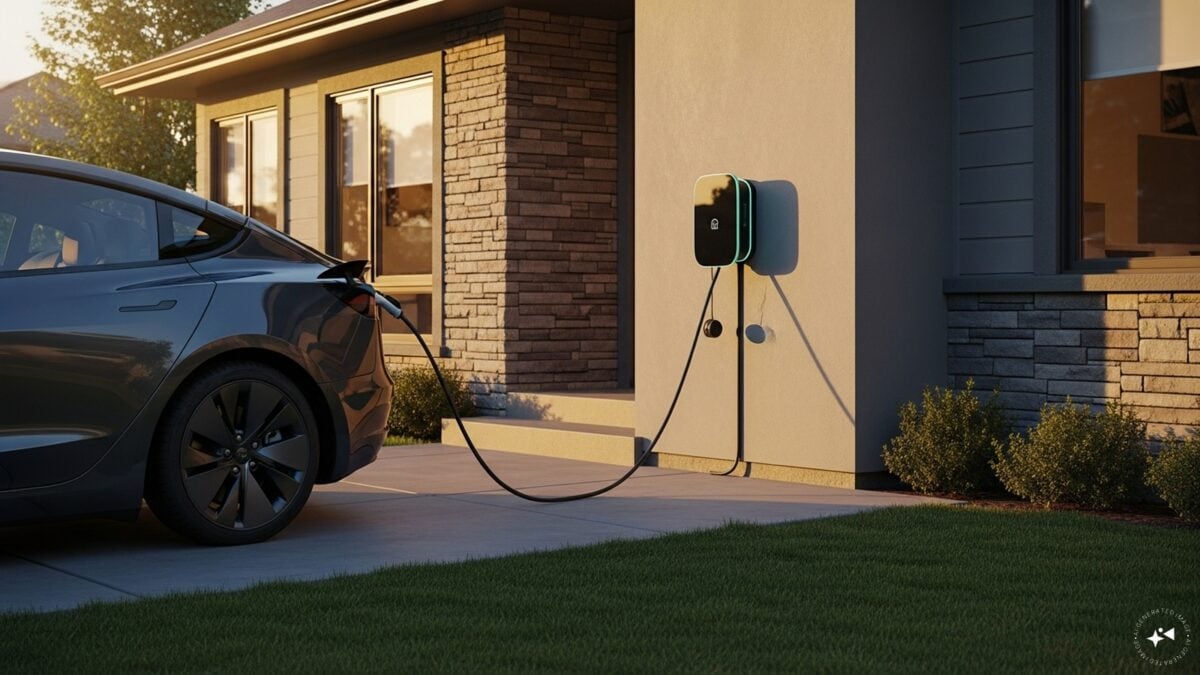
How much does it cost to install an EV Charger at home? Know how much subsidy the government will give

How much does it cost to install an EV Charger at home? Know how much subsidy the government will give

Last Updated:

Are you thinking of buying an electric car but worried about charging? Now it has become easy to install EV charger at home at low cost. Government subsidy schemes, PM E-DRIVE scheme and installation offers from companies can reduce your costs significantly. Know the complete process of installing EV charger at home, expenses, necessary documents and those benefits which can save you thousands of rupees every month.

news quickly

Zoom

Know the process of installing EV Charger at home.

With the increasing popularity of electric vehicles (EV), there is freedom from long queues at petrol pumps and expensive fuel. Now EV owners can easily install charging facility in their home parking itself. Under the government's subsidy schemes, it has become possible to install home EV chargers at low cost. This not only saves time but the cost of traveling per kilometer is many times less than petrol and diesel.

Schemes like PM E-DRIVE and initiatives of state governments are giving a boost to EV charging infrastructure. Experts say that home charger increases the battery life of EV and eliminates range anxiety. Know in this article how to get an EV charger installed at home at low cost and avail the subsidy. Come, let us understand the entire process.

What is EV charger and why is it necessary at home?

There are two types of EV chargers – AC (slow charger) and DC (fast charger). For home use the AC wall box charger is best suited, operating at 7-22 kW power. This is enough to fully charge a normal electric car overnight. Charging at home increases convenience instead of relying on petrol pumps or public charging stations. It is also environmentally friendly, as the EV can be charged with domestic solar energy, reducing dependence on coal-based electricity.

Home Installation Cost and Process

The total cost of installing an EV charger at home can range from ₹35,000 to ₹1.5 lakh, which includes the charger unit, cabling, breaker and installation. Many EV companies (like Tata, MG) offer free or subsidized installation with purchase. The process is simple. First get permission to increase load from DISCOM (electricity department), then get a site survey done by a certified installer. Installation takes 1-2 days. Safe earthing and dedicated meter are necessary. Up to 15 meters of cabling is often provided free.

How to avail government subsidy?

Subsidy on charging infrastructure is available under the Central Government's PM E-DRIVE scheme and FAME-II. In states like Delhi, one can get 100% subsidy up to ₹ 6,000 on domestic/apartment charging points. Many states have discounts ranging from 30-80%, low electricity tariffs and loan facilities. Apply on the online portal. Claim subsidy after installing the charger. There are additional incentives in states like MP, Karnataka, Maharashtra etc. This further reduces the effective cost.

Benefits and future prospects

Home charging can save up to ₹1,000-2,000 in monthly fuel expenses. EV batteries last 8-10 years and maintenance is less. The government aims to achieve mass EV adoption by 2030, so the charging network is expanding rapidly. By connecting with solar panels the electricity bill can be reduced to zero.

Precautions and Tips

Buy only certified (BIS/IS17017) charger. Seek professional help to avoid overload. There is also an option to install community charger in RWA or Society. Ask for installation package from the dealer before purchasing an EV. By installing an EV charger at home, you not only get convenience but also contribute to a green future. For more details check PM E-DRIVE portal or local DISCOM.

About the Author

authoring

Ram Mohan MishraSenior Sub Editor

Ram Mohan Mishra, working as Senior Sub-Editor at News18 Hindi, is active in digital media since 2021 and is currently handling the Auto Desk. They provide car and bike related information in an easy, clear and reliable manner.read more


Source link