You are stuck with petrol and diesel, while electric vehicles are being sold at a rapid rate.

You are stuck with petrol and diesel, while electric vehicles are being sold at a rapid rate.

If you are still entangled in the mathematics of rising prices of petrol and diesel, calculating the mileage or making rounds of the fuel station every week, then just wait! A large population of the country has now moved beyond this problem. Just when you are thinking of standing in petrol pump queues, the footfall of customers at Electric Vehicle (EV) showrooms is increasing.

A silent but very fast revolution is going on in the Indian automobile market. Data is witness that the confidence of Indian customers is now rapidly shifting from traditional fuel to 'green mobility'. If you are planning to buy a car in the coming days and you want to know why your next car should be an electric car, then this article of ours is useful for you.

EV sales are breaking records

If you look at the recent data of Federation of Automobile Dealers Association (FADA) and Government Vehicle Portal, the speed of EV will surprise you. The figures are as follows-

  • Huge jump in annual growth: The total sales of electric vehicles in India have registered an annual growth of about 35% to 40% over the previous financial years.
  • Dominance of two-wheelers: The youth and middle class of the country have taken charge of the EV revolution. The share of electric two-wheelers (scooters and bikes) alone in the total electric vehicle sales is more than 55%. Companies like Ola, Ather, TVS and Bajaj are selling thousands of units every month.
  • Revolution in the three-wheeler segment: The game has completely changed in the commercial segment. More than 50% of the total three-wheelers (auto rickshaws and loaders) sold in the country have now become electric. The entire structure of local transport and delivery is shifting to electricity.
  • Speed ​​in car market also: Thanks to companies like Tata Motors, MG and Mahindra, sales of electric cars have also seen a growth of up to 90% annually.

Why are people leaving petrol and diesel and choosing EV?

What happened that people suddenly started saying 'bye-bye' to petrol and diesel? There are some very concrete and practical reasons behind this. Come, let us try to know these also one by one-

1. Huge savings on pocket: While the average cost of driving a petrol car is Rs 7 to 9 per kilometer, an electric car runs for only Rs 1 to 1.5 per kilometer. In two-wheelers this cost is even less (about 25 to 30 paise per kilometer).

2. No maintenance hassles: A conventional engine has hundreds of moving parts. This includes things like engine oil, filter, spark plug, gearbox. There is no hassle in EV. No engine, no oil change, i.e. almost zero maintenance cost.

3. Increasing Range and Infrastructure: Earlier people were afraid what would happen if the battery ran out. But now the vehicles are giving a range of 150 to 500 kilometers in a single charge. Also, a network of charging stations has been spread from the highway to the society.

The future is EV!

Experts believe that the Indian auto market has now reached the turning point from where return is not possible. The government's FAME scheme, PLI scheme and tax exemptions given by state governments have doubled this pace. So next time you think of buying a car or bike, don't just look at petrol and diesel variants. The market trend is clear. The world is changing and vehicles are no longer being charged at petrol pumps but at home plug points.
Source link

Tata kept watching the show! Windsor looted the market, changed the game of EV segment in 2025

Tata kept watching the show! Windsor looted the market, changed the game of EV segment in 2025

Last Updated:

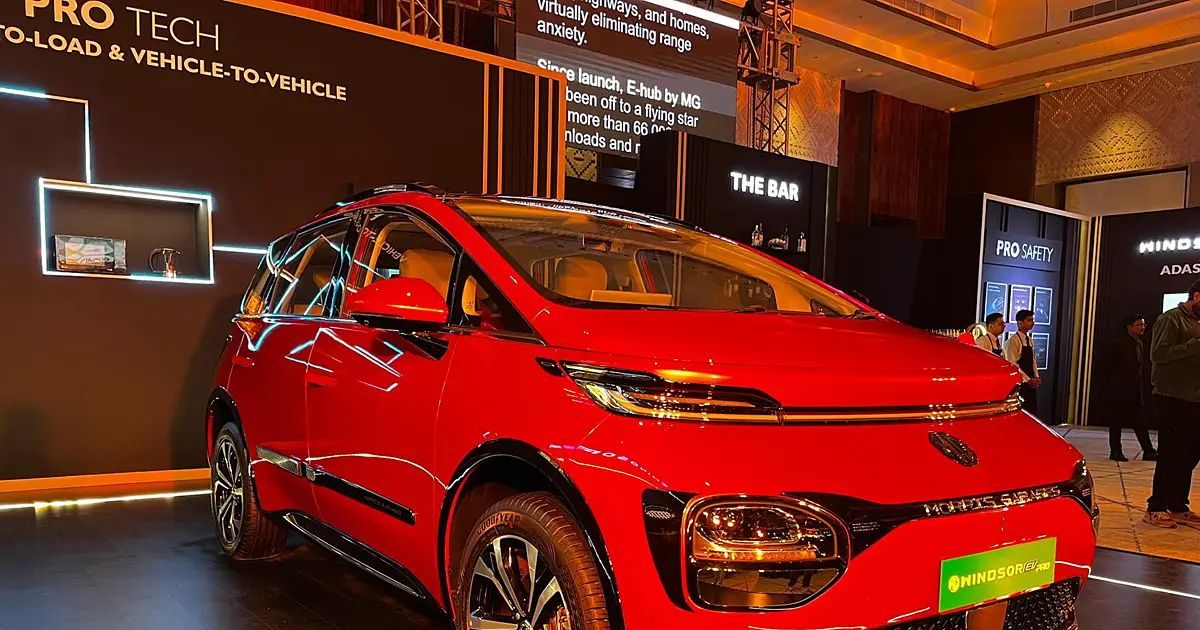
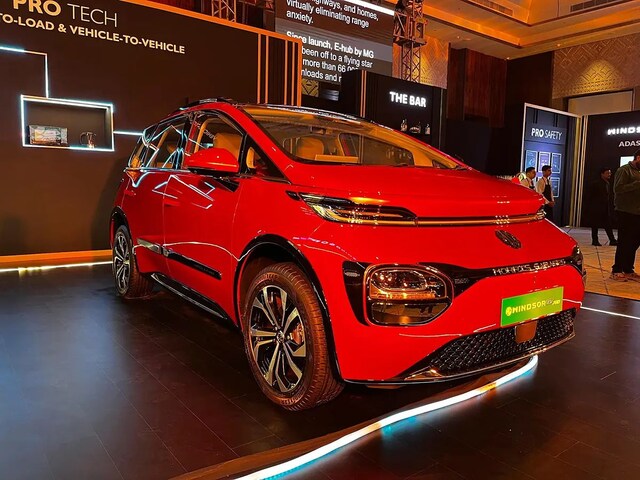
MG Windsor won the title of India's number 1 EV by selling 46735 units in 2025. This SUV of JSW MG Motor India became popular for its family-friendly design and features.

New Delhi. Tata entered India's EV market with Nexon and dominated. For many years there was no EV in India to compete with it. After this, MG's Windsor enters and within no time this EV snatches the leader's crown from Nexon. This was the biggest upset of the EV segment in 2025. JSW MG Motor India has announced that MG Windsor has achieved the title of the country's best-selling electric vehicle in 2025. With sales of 46,735 units across the year, the model has set a new benchmark in the four-wheeler EV segment in India, reflecting its growing popularity among buyers. The success of the Windsor can be attributed to its family-friendly design, spacious interior and comfort features. With its feature loaded cabin and smooth driving experience, it has become one of the most popular SUVs in India.

price
The company ended the calendar year 2025 with an overall growth of 19 percent and recorded an impressive growth of 111 percent in EV sales compared to 2024. The ever-increasing demand for MG EVs is being seen not only in tier-1 cities but also in smaller cities and emerging markets. It has been introduced under the BaaS model at a starting price of Rs 9.99 lakh + Rs 3.9 per kilometer and it delivers 100 KW (136 PS) power and 200 Nm torque. The MG Windsor comes with two battery pack options: a 38 kWh pack, which gives a range of 332 km and its PRO variant comes with a 52.9 kWh pack, which gives an impressive range of 449 km.

Futuristic 'aeroglide' design
MG Windsor has a futuristic 'aeroglide' design language, which goes beyond traditional segmentation thinking. Its interior offers business class-like comfort, in which the 'Aero Lounge' seats can recline up to 135 degrees, which provides excellent comfort. Additionally, the massive 15.6-inch GRANDVIEW Touch Display on the center console makes the driving experience even more intuitive.

homeauto

Tata kept watching the show! Windsor looted the market, changed the game of EV segment

Source link

Flood of Dhansu electric cars coming to India, get ready for new 6 models

Flood of Dhansu electric cars coming to India, get ready for new 6 models

Last updated:

India has a target of 30% EV sales by 2030. Companies like Maruti, Tata, Mahindra, Kia and Winfast are preparing for EV launch. Many new electric SUVs will be launched by 2026.

The demand for electric vehicles (EVS) in India is gradually increasing. India aims to achieve 30 percent EV sales share by 2030. Major automobile companies such as Maruti Suzuki, Hyundai, Tata, Mahindra, Kia and MG are preparing to enter the EV region in the coming years or extend their existing EV product lineups. Meanwhile, we take a look at the 6 most awaited electric SUVs to be launched by the beginning of 2026.

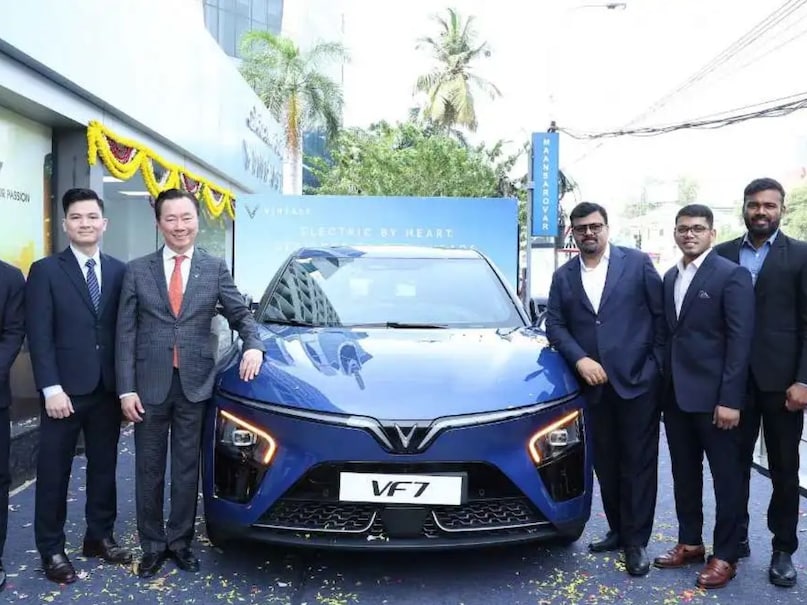
Winfast is ready to make its debut in India, and the VF6 and VF7 electric SUVs will be launched at the end of August 2025. The VF6 will be available in two trims – meaning and wind – which will have all -black and dual -tone mocha brown and black cabin themes. This EV will have a 59.6kwh battery pack, which will come with a single motor FWD system. It will offer a range of up to 470 km.

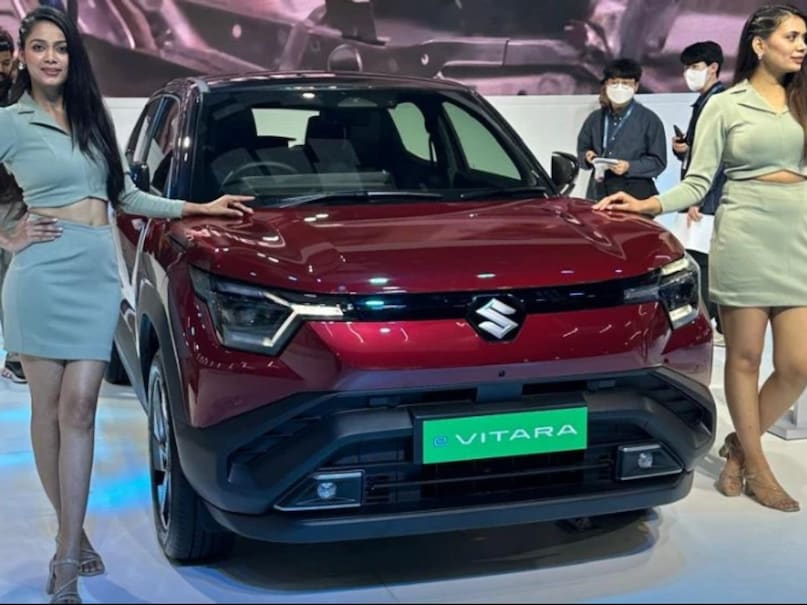
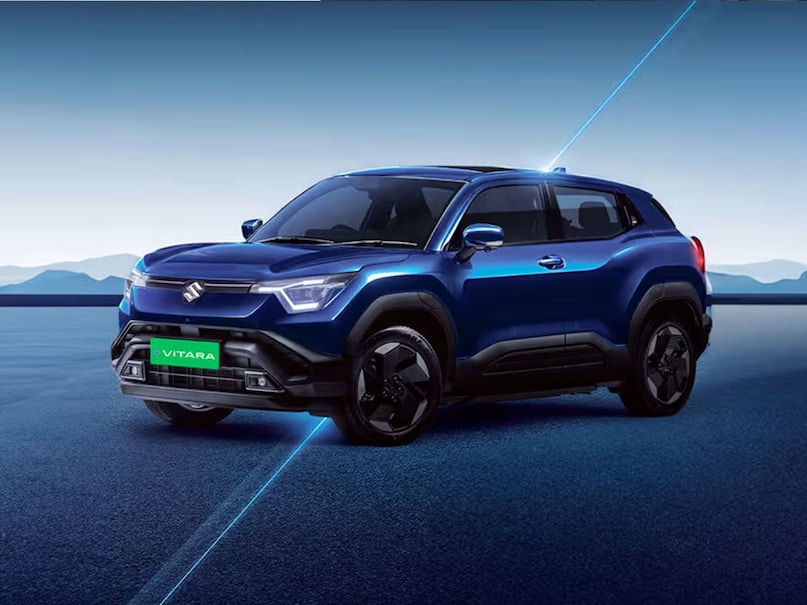
The launch of Maruti E Vitara has been delayed, and no official date has been announced yet. However, it is expected to come before the end of 2025. This SUV can have 143bhp motor with 49kwh battery or 173bhp motor with 61kwh battery. Maruti Suzuki has confirmed that E Vitara will offer a MIDC range of more than 500 km.

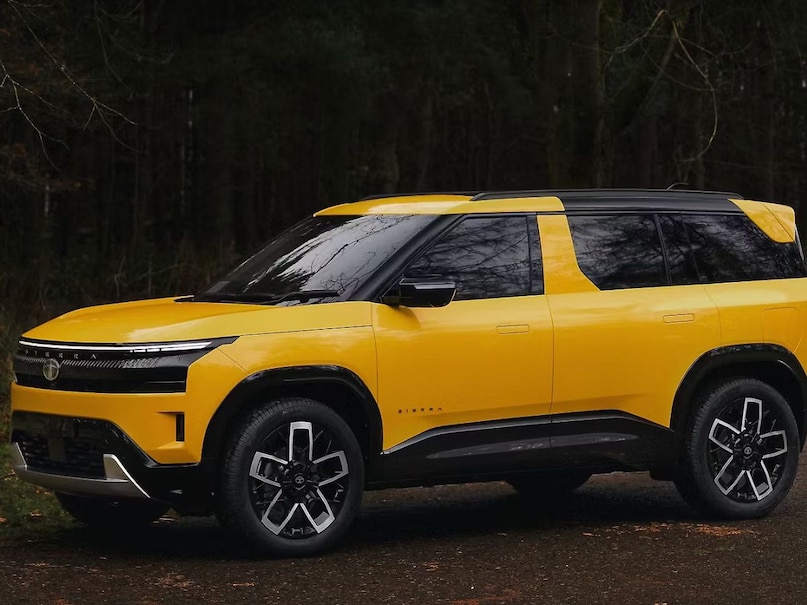
Tata Sierra is one of the biggest launch of this year. The SUV is expected to visit the showroom in October 2025. It will be introduced with several powertrain options, including electric. The Poetrain setup of Sierra EV can be shared with the recently launched Harrier EV, which has 65KWH and 75KWH battery pack options. It can be offered with RWD and QWD/AWD Drivetrain options.

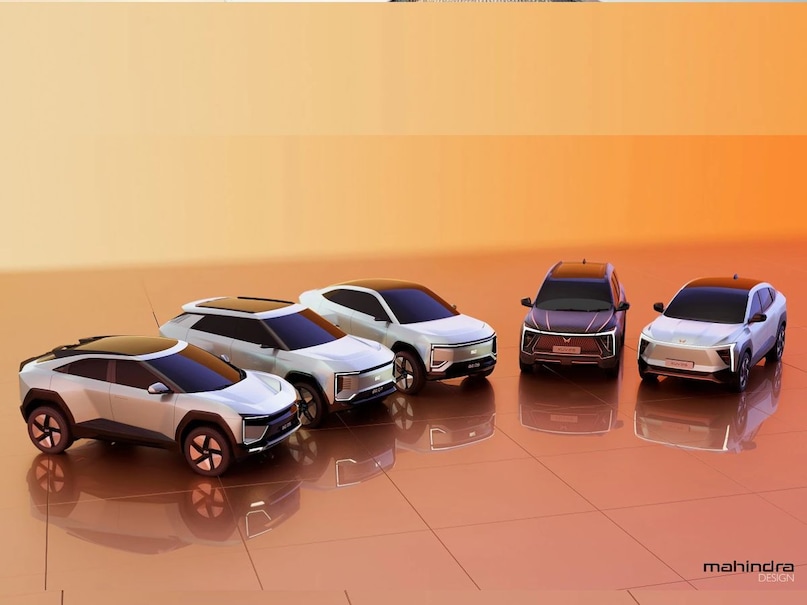
The Mahindra XEV 7e XEV 9E will have a 3-ru variant, in which its powertrain, features and design elements will be shared. This means that it will be available with 59kwh and 79kwh LFP battery packs, which will have 286bhp and 231bhp motors respectively. While most of its features will be like XEV 9E.

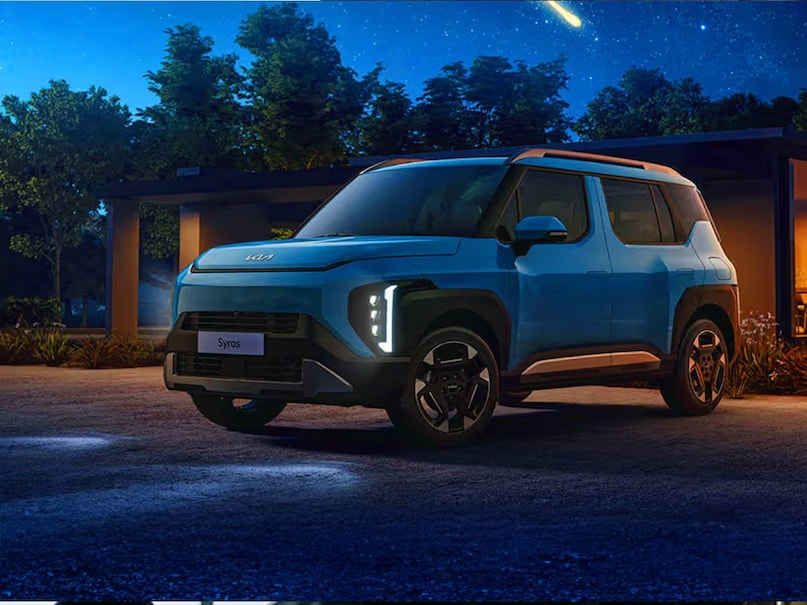
Kia India is likely to launch an electric version of Cyros in the first half of 2025. After the launch, the segment leader will compete with the Leader – Tata Nexon EV. At the moment, there is no information about its powertrain. However, the Hyundai Intestor EV of the Kiya Syrose EV is expected to take 42kwh and 49kwh NMC battery packs, which will also come to India in 2026.

homeauto

Flood of electric cars coming in India, get ready for new models

Source link