If you are planning to buy Tata Sierra EV, then know these 10 important things!

If you are planning to buy Tata Sierra EV, then know these 10 important things!

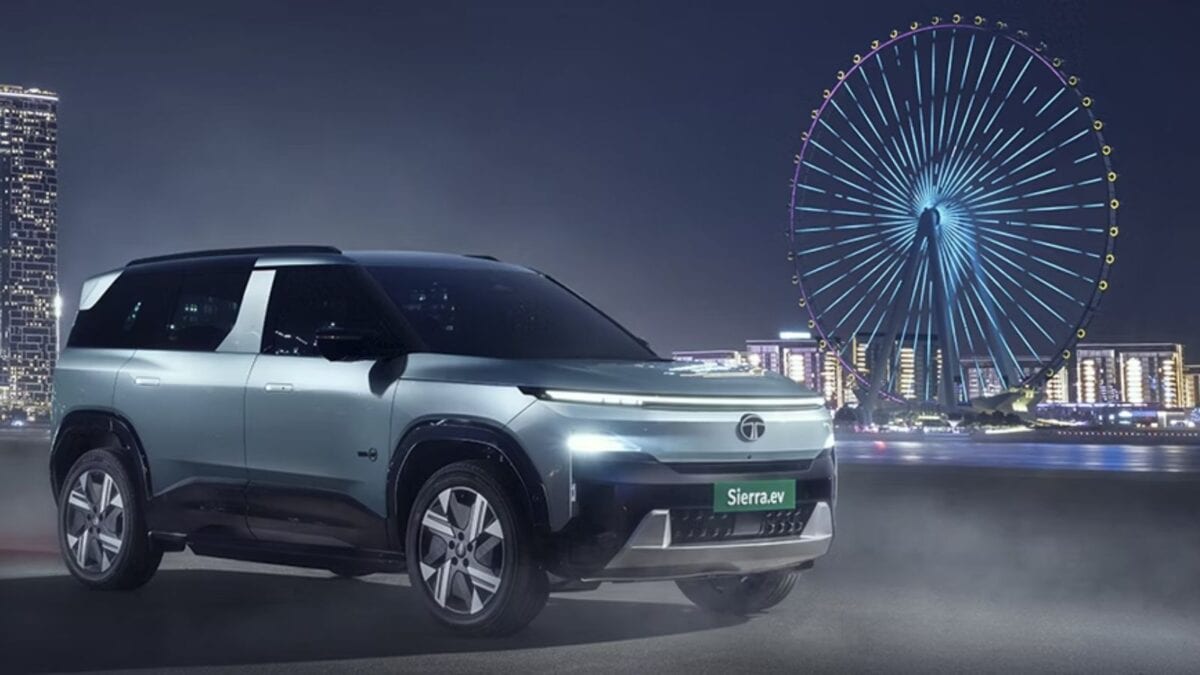
Tata Motors has launched Sierra EV in the Indian market after a long wait. This electric SUV is going to set a new benchmark in the Indian EV market, which combines the classic Sierra design with modern electric technology. Ex-showroom prices start at ₹18.79 lakh and go up to ₹25.99 lakh, making it a strong competitor among competitors like the Creta Electric, Mahindra BE 6 and the Harrier EV.

It is built on the Acti.ev+ platform and has 63 kWh and 75 kWh battery pack options available. The top variant has a dual-motor AWD (QWD) setup, which is perfect for off-roading. The ARAI-certified range is 565-665 km, while 500 km+ is easily expected in the real-world. Fast charging with 120 kW support goes from 20-80% in just 26 minutes.

This model is not only eco-friendly but also offers a complete package of luxury, technology, safety and performance. Features like three-screen dashboard, L2+ ADAS, 540° camera, panoramic sunroof and JBL sound system give it a premium feel. This launch by Tata has injected new energy into the EV segment, especially for those customers who want a stylish SUV but also want electric efficiency. Sierra EV's iconic 'Alpine Window' design and robust build quality make it a next-generation family SUV.

Design: Classic Meets Modern

The design of the Tata Sierra EV is quite similar to the ICE version, but the EV-specific updates make it unique. The upright and muscular look along with the single-piece LED DRL, split LED headlamps and blanked-off grille add premium appeal to the front. The side profile features the iconic Alpine Windows, flush door handles, thick wheel arches and 19-inch dual-tone alloy wheels. The rear has connected LED taillights, EV badging and dual-tone bumper.

Ground clearance is 205 mm, which is suitable for off-roading. Color options include Pristine White, Coorg Clouds, Andaman Adventure, Bengal Rouge, Pure Grey, Rishikesh Rapids and Nainital Nocturne (for QWD). The two-tone roof and piano black elements give it a premium look. Overall, the design is a perfect balance of nostalgia and futuristic EV aesthetics.

Interior: Combination of luxury and space

The cabin of the Sierra EV is similar to the ICE model, but looks more refined with a darker dual-tone theme and better materials. The highlight is the three-screen 'Horizon View' setup. It has 12.3-inch driver display, 12.3-inch central infotainment and 12.3-inch passenger display. Four-spoke steering, soundbar, panoramic sunroof (1525mm x 925mm – largest in the segment) and ventilated front seats (with memory function for driver) add to the luxury feel.

There is ample leg room (973 mm) and head room (996 mm) at the rear. Features include rear AC vents, Type-C charging, armrest and sunshade. Boot space is 622-633 litres, which increases to 1257 liters with foldable seats. The frunk (55 litres) provides additional storage. The material quality is high, although the touch climate control panel is prone to fingerprints. Overall, it is a comfortable and tech-loaded cabin for the family.

Features: Full of tech and convenience

The Sierra EV is packed with features. Infotainment includes wireless Android Auto/Apple CarPlay, iRA connected car tech, 5G connectivity, digital key and AirConsole gaming (by turning the smartphone into a controller). JBL 12-speaker sound system with Dolby Atmos gives a theater-like experience.

Other highlights include powered ventilated front seats, multi-colour HUD, 540° surround camera (with transparent view), auto-parking, V2L/V2V charging, ambient lighting and tire support extender. EV-specific features like Boost Mode, Terrain Modes (Normal, Snow/Grass, Mud/Ruts, Sand, Rock Crawl, Custom) and Ultra Glide suspension (with FDD) make it versatile. The entertainment level is much better with AirConsole and Arcade Suite with 30+ games.

Safety: Top-class protection

Tata has left no stone unturned in safety. 6 airbags are standard, along with ABS with EBD, ESP, ISOFIX, TPMS, hill descent control and 540° camera. Higher variants get L2+ ADAS (22+ features) like adaptive cruise control, automatic emergency braking, lane keep assist, blind spot monitoring and rear cross traffic alert.

Ground clearance and QWD setup enhance off-road safety. Tata has also shown a real-world crash demo. Bharat NCAP rating is expected soon, but considering the safety history of Tata's EV lineup, it may be of 5-star level.

Battery, Motor and Range

The Sierra EV has two battery pack options: 63 kWh (RWD only) and 75 kWh (RWD/AWD). 15 years lifetime battery warranty is applicable on both.

  • 63 kWh: 238 PS power, 315 Nm torque, 565 km range (MIDC).
  • 75 kWh RWD: 209 PS, 315 Nm, 665 km range.
  • 75 kWh AWD (QWD): Total 313 bhp (approx), 504 Nm torque
  • 0-100 kmph in just 5.8 seconds, 624 km range.

120 kW DC fast charging charges 20-80% in 26 minutes. Drive modes (Eco, City, Sport) and Boost function enhance performance on-demand. Real-world range is easily attainable at 500+ km, which is perfect for long drives. V2L/V2V increases practical use.

Price, Variants and Market Positioning

Variants: Pure 63 RWD (₹18.79L), Pure S (₹19.99L), Adventure (from ₹20.99L), Empowered (from ₹22.79L) and Empowered A (top ₹25.99L AWD). It has been positioned between Nexon EV and Harrier EV. It offers value for money with off-road capability, luxury features and range.

Tata Sierra EV is not just an EV but a lifestyle statement. It is perfect for those families who want adventure, comfort and sustainability. After the launch, deliveries are going to start soon and bookings are open. This can prove to be a game-changer in the Indian EV market.
Source link

The people of Delhi are crazy! You will get benefit of up to ₹ 1 lakh on buying a new car

The people of Delhi are crazy! You will get benefit of up to ₹ 1 lakh on buying a new car

Last Updated:

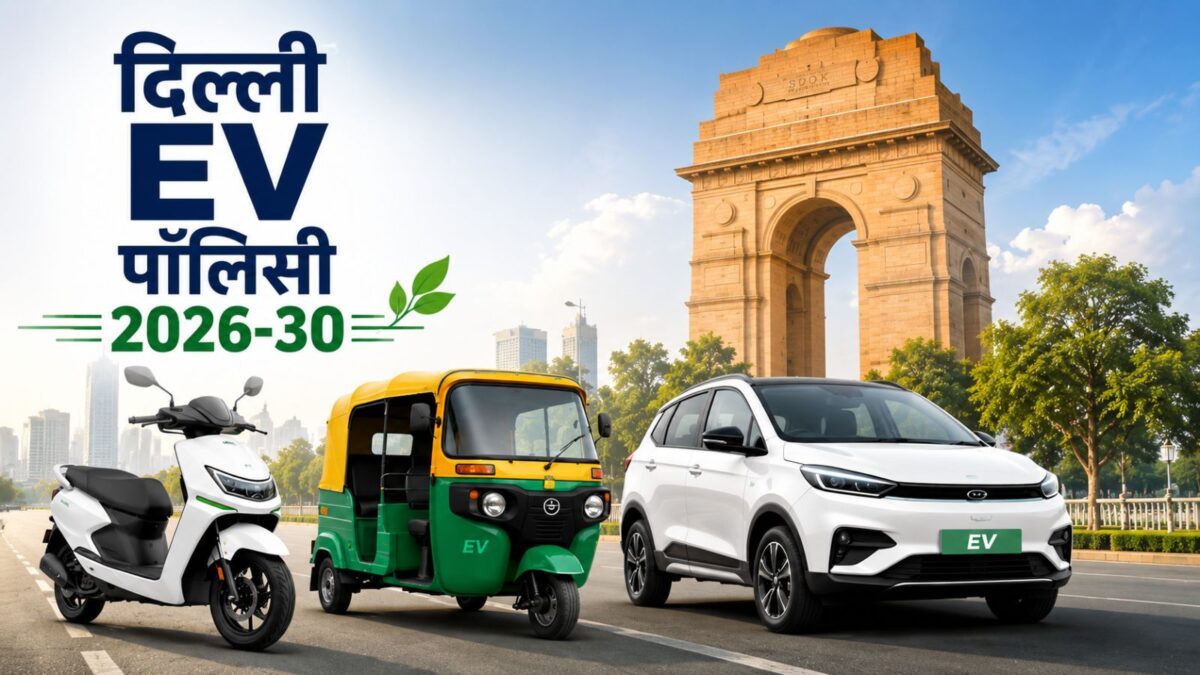
The draft of Delhi Government's new EV Policy 2026-30 has brought many big benefits for the common people. Proposals like subsidy of up to ₹ 30,000 on electric two-wheelers, scrapping incentive of ₹ 1 lakh on four-wheelers and 100% exemption in road tax are under discussion. Along with this, major rules which will be implemented from 2027 and 2028 have also come to the fore. Know what effect this new policy will have on you.

news immediately

Zoom

Know what has been offered in the new EV policy.

Delhi government has released the draft of the new EV Policy 2026-30 to reduce pollution and promote electric vehicles. Under this policy, electric two-wheeler buyers will get Rs 30,000 subsidy in the first year, three-wheeler buyers will get Rs 50,000 subsidy. Also, scrapping incentive of Rs 1 lakh will be given to BS-IV four-wheeler owners.

According to the policy, only electric autos will be registered from January 2027 and only electric two-wheelers will be new registered from April 2028. This policy is a big step towards improving the air quality of Delhi and reducing vehicle pollution (which causes about 23% of pollution in the capital).

Push EV Cell

The government aims to increase the share of EVs in new vehicles and to phase out old polluting vehicles. Subsidy will be given through Direct Benefit Transfer (DBT). The buyer should be a resident of Delhi and the vehicle should be registered in Delhi only. You will also get 100% rebate in road tax and registration fees on purchasing EV (on EVs up to Rs 30 lakh, till March 2030).

How much subsidy on two-wheeler?

The subsidy for two-wheelers has been decided on the basis of battery capacity (kWh). Rs 10,000 per kWh in the first year, maximum Rs 30,000. This will be limited to Rs 20,000 in the second year and Rs 10,000 in the third year. For three-wheeler (L5M), subsidy of Rs 50,000 (first year), Rs 40,000 (second) and Rs 30,000 (third year) will be available. There will be huge incentives for electric goods vehicles also.

Scraping incentive will also be available

Scrapping incentive will be available on scrapping old BS-IV or older Delhi registered vehicles and purchasing a new EV. Rs 10,000 on two-wheeler, Rs 25,000 on three-wheeler, Rs 1 lakh on four-wheeler and up to Rs 50,000 on goods vehicle. A new EV will have to be purchased within six months of scrapping. This model will encourage the adoption of EV along with the removal of old vehicles.

The policy also includes expansion of charging infrastructure, swappable battery stations, financing facilities and single window clearance. The target of 30% EV fleet in school buses has been set by 2030. The government estimates that this will lead to a major reduction in vehicle pollution and Delhi will move towards clean air.

who said what?

Rekha Gupta, Chief Minister

  • Cabinet approves new EV policy.
  • After the approval of LG, it will be implemented from July 1, 2026.
  • The policy will remain effective till 31 March 2030.
  • About ₹7,000 crore will be spent on the policy.
  • Exemption in road tax and registration fee on pure EV.
  • No subsidy to hybrid vehicles.
  • No cap on EV purchase, benefits even on more than one vehicle.

Niharika, Transport Commissioner

  • Incentives up to ₹30,000 on two-wheelers, ₹50,000 on autos and up to ₹1 lakh on N1 e-trucks.
  • Additional incentive on scrapping of old vehicles.
  • From January 1, 2027, new three-wheelers and N1 trucks will be registered only as EVs.
  • From April 1, 2028, new two-wheelers will be registered only as EVs.
  • 23,000 EV charging points will be installed during the policy period.
  • The school bus fleet will be converted to EV in a phased manner.
  • The focus of the policy is to reduce pollution caused by commercial vehicles.

Ashish Sood, Electricity Minister

  • As EVs increase, power infrastructure will be expanded.

Dr. Pankaj Singh, Transport Minister

  • The interests of Delhiites have been fully taken care of in the EV policy.
  • Appeal to people to adopt EV policy.

Manjinder Singh Sirsa, Environment Minister

  • The new EV policy will be a big step towards reducing pollution.
  • The policy has been prepared on the basis of scientific studies.
  • The policy is expected to significantly reduce Delhi's pollution levels.

About the Author

authoring

Ram Mohan MishraSenior Sub Editor

Ram Mohan Mishra, working as Senior Sub-Editor at News18 Hindi, is active in digital media since 2021 and is currently handling the Auto Desk. They provide car and bike related information in an easy, clear and reliable manner.read more


Source link

Hyundai reveals game plan in Auto China 2026!

Hyundai reveals game plan in Auto China 2026!

Last Updated:

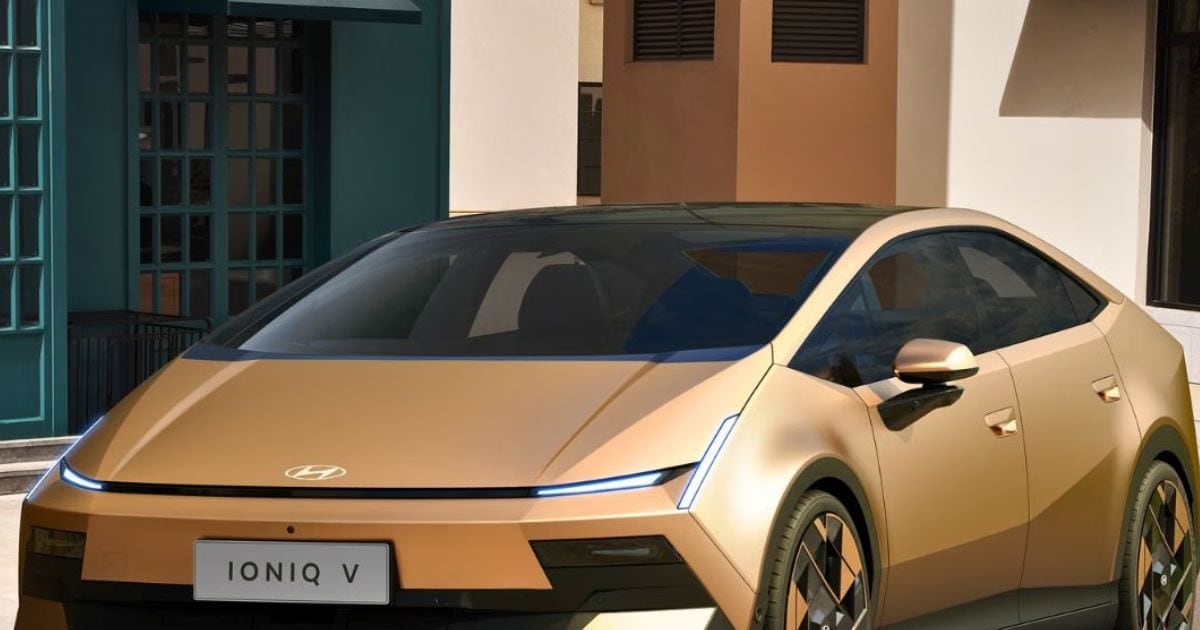
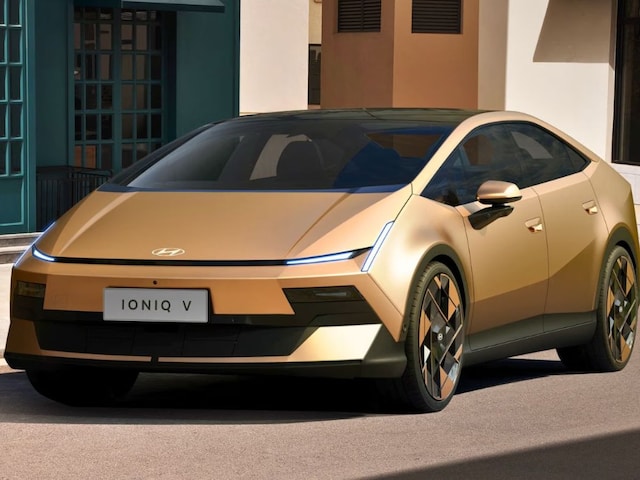
Hyundai has played a big bet in the EV segment by introducing its new electric sedan Ioniq V in Auto China 2026. With a range of more than 600KM, 27-inch 4K display and futuristic design, this car sets a new standard of technology. The special thing is that the company has also announced plans to launch 20 new vehicles in the next 5 years. Is Hyundai going to make a big comeback in China? Read the full news.

news quickly

Zoom

Hyundai Ioniq V made its entry.

Hyundai has unveiled its new electric car Hyundai Ioniq V during Auto China 2026 held in China. This model is being considered as the first big step of the company's new strategy, in which vehicles are being manufactured especially keeping the Chinese market in mind. Ioniq V has been introduced as a mid-size electric sedan, whose design is quite futuristic and reflects the company's 'In China, For China, To Global' vision.

Advanced technology and premium features are seen in this new electric car. It is claimed to have a range of more than 600 kilometers (CLTC standard), which makes it useful for long distances also. The car has a large 27-inch 4K display, head-up display (HUD) and high-tech interior. Apart from this, its aerodynamic design and sleek body give it a concept car-like look.

Company told future plan

Along with this launch, Hyundai has also revealed its big plans for the future. The company is preparing to launch 20 new vehicles in China in the coming five years, which will include electric and plug-in hybrid models. This step has been taken to strengthen its hold in the world's largest auto market, where there is tough competition from local brands.

Investment in local partnership and technology

The company aims not only to increase its sales but also to develop China as a global innovation hub. According to reports, Hyundai wants to achieve sales of millions of units every year under this strategy and for this it is also increasing investment in local partnerships and technology.

Overall, the Ioniq V is not just a new electric car, but a model that reflects Hyundai's future direction. The company's 20 new models in the coming years indicate that the auto industry is rapidly moving towards electrification and localization and Hyundai does not want to lag behind in this race.

About the Author

authoring

Ram Mohan MishraSenior Sub Editor

Ram Mohan Mishra, working as Senior Sub-Editor at News18 Hindi, is active in digital media since 2021 and is currently handling the Auto Desk. They provide car and bike related information in an easy, clear and reliable manner.read more


Source link