BYD Seal U enters Indian market, will get 1200 KM range

BYD Seal U enters Indian market, will get 1200 KM range

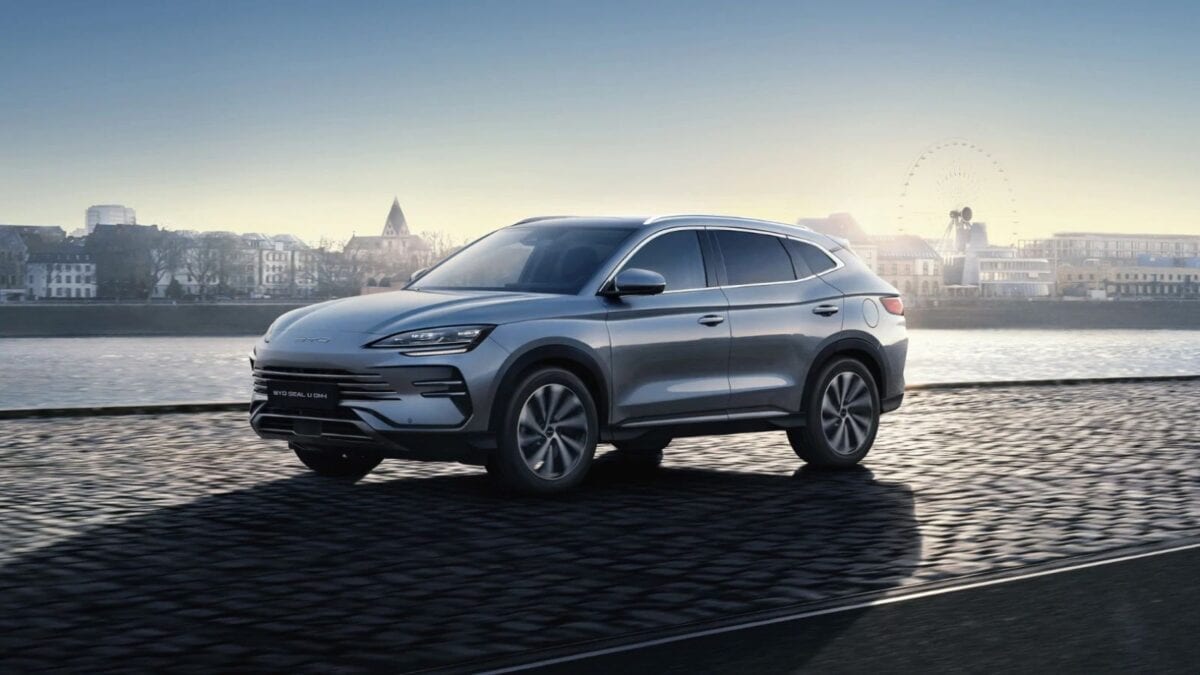
BYD has unveiled the Seal U DM-i SUV, introducing its plug-in hybrid (PHEV) technology in India. This will be BYD's first PHEV SUV, which is scheduled to be launched by the end of the year. The company claims that it will give a combined range of more than 1,200 kilometers, which is perfect for long distance trips. With the DM-i super plug-in hybrid system, this car will overcome the limitations of electric vehicles, where charging infrastructure is currently limited.

BYD's focus is on efficiency, performance and sustainability. With the combination of 1.5-litre turbo petrol engine, dual electric motors and 18.3 kWh Blade battery, this SUV can run in pure electric mode for about 200 km in daily commuting. Low fuel consumption (about 4.8-6.4 litres/100 km) and eco-friendly design make it attractive. BYD, which has already sold 14,000+ units in the EV segment, is now expanding its portfolio with hybrids. This launch can prove to be a milestone for the Indian auto industry. Let's take a look at its design and engine-performance details.

Design and interior

The design of BYD Seal U is based on Ocean Aesthetics, which has futuristic and sleek lines. LED headlamps, bold front grille and 19-inch alloy wheels make it attractive. The SUV has a family-friendly size (length of approximately 4775 mm), with a focus on aerodynamics. Sporty taillamps and panoramic sunroof are available at the rear.

The interior is premium and futuristic. The biggest highlights are the 15.6-inch rotatable touchscreen infotainment system, vegan leather upholstery, multi-functional seats (heated/ventilated/massage) and panoramic view. The floating center console, dual-layer storage and head-up display add to the comfort. A 10-speaker premium audio system and wireless charging are available. 5 passengers can sit comfortably in the spacious cabin.

Features and safety

This SUV includes advanced features like ADAS (Advanced Driver Assistance System), 360-degree camera, wireless connectivity, V2L (Vehicle-to-Load) technology and NFC keyless entry. The rotating screen provides a user-friendly interface. Other highlights include panoramic sunroof, automatic climate control and smart parking.

Talking about safety, BYD's Blade battery is known for safety. With 5-star Euro NCAP rating, this car is equipped with multiple airbags, blind spot detection, lane keep assist and emergency braking. The hybrid system also has strong structural safety.

Powertrain details

The DM-i system features a 1.5-litre turbo/naturally aspirated petrol engine mated to dual electric motors. Total power can range from 215-319 hp and it comes in AWD variant. It reaches the speed of 0-100 km/h in just 5.9 seconds. The 18.3 kWh battery gives a range of up to 200 KM in EV mode. Combined range is 1,200 KM plus, while fuel efficiency is 4.8-6.4 L/100 KM. Driven primarily by electric motors, engine support on battery charge or high load. It also comes with DC fast charging support.
Source link

2 new SUVs are coming to end the reign of Hyundai Creta! Know the features

2 new SUVs are coming to end the reign of Hyundai Creta! Know the features

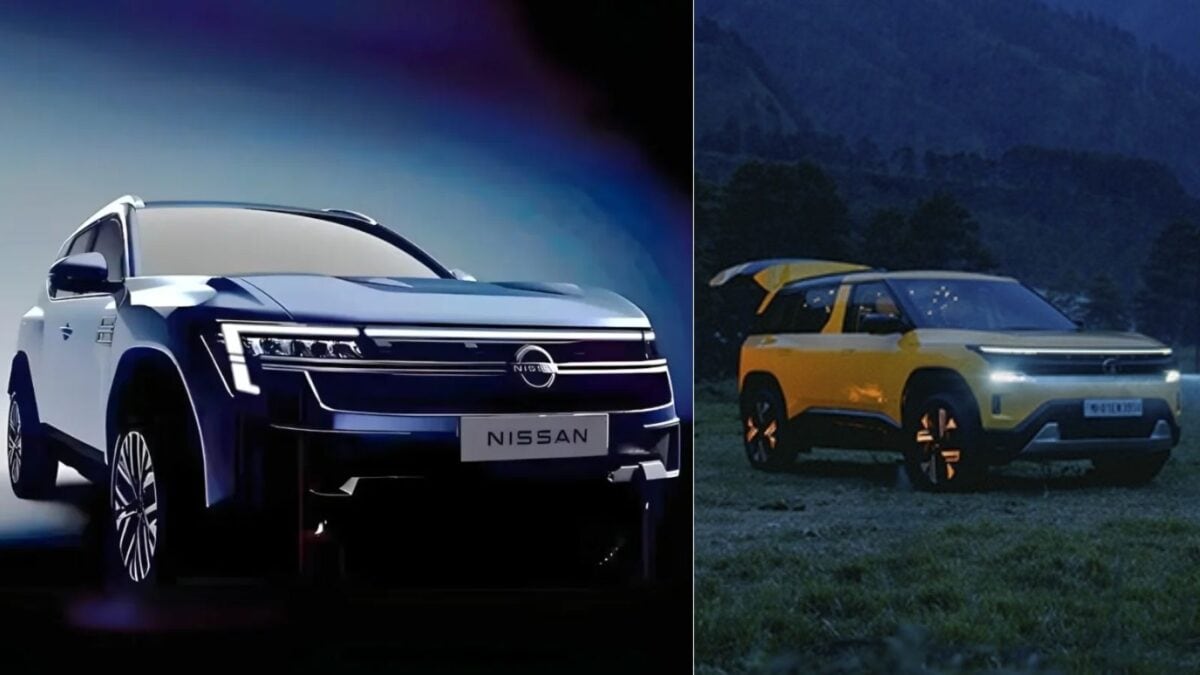
Hyundai Creta has been ruling the Indian SUV market for the last several years. Now two strong challenging new models are coming. This includes the names of Tata Sierra EV and Nissan Tekton. Both of these will compete with Creta, Seltos and other competitors in the mid-size SUV segment. Both of these are going to be much better for the 5-seater SUV segment and family.

The Tata Sierra EV will attract eco-friendly and performance-focused customers with its electric option, while the Nissan Tekton will offer a practical and value-for-money experience with a petrol-hybrid powertrain. With their launch in the coming months of 2026, new competition will increase in the segment. Customers will now be able to choose between better features, range and design. Let us know about these two.

Tata Sierra EV

Tata Motors is also bringing back its popular Sierra in EV version. This is an SUV built on Acti.ev platform, which will challenge Creta EV and other electric SUVs. The launch is expected to take place around August 2026. It will be provided with 65-75 kWh battery pack, which can give a range of up to 500 km. Power can be up to 260 bhp+ and 4WD option will also be available.

Closed-off grille, smooth bumper and iconic rear glass will be seen in the design. The interior will be spacious, which will include a 15-inch large touchscreen, digital cluster, level-2 ADAS, 360 degree camera and premium features. The price is estimated to be between Rs 20-25 lakh. Tata's strong service network and EV experience will make it attractive for families.

Nissan Tekton

Nissan's Tecton will give direct competition to Creta in its segment. It is going to be launched on 9 July 2026. It will be built on the platform (CMF-B) of the new-generation Renault Duster, but will come with a more refined and premium look. This 4.2-4.5 meter long SUV will have modern LED lights, bold styling and strong road presence.

Engine options will include 1.0-litre and 1.3-litre turbo petrol engines. Strong hybrid variant is also possible, which can give mileage up to 25 kmpl. Features will include large touchscreen, ventilated seats, 360 degree camera, wireless charging and ADAS. The price can be kept in the range of Rs 11-18 lakh, which will make it a value pack. Tekton will play an important role in Nissan's comeback.

Overall, the Tata Sierra EV points towards an electric future, while the Nissan Tekton will be a better option for conventional and hybrid buyers. With the arrival of these two, the Indian SUV market is going to become more interesting. If you are planning to buy a new SUV in the coming days, then you can choose one of these.

Source link

hatchback or SUV? Which car is best according to your needs?

hatchback or SUV? Which car is best according to your needs?

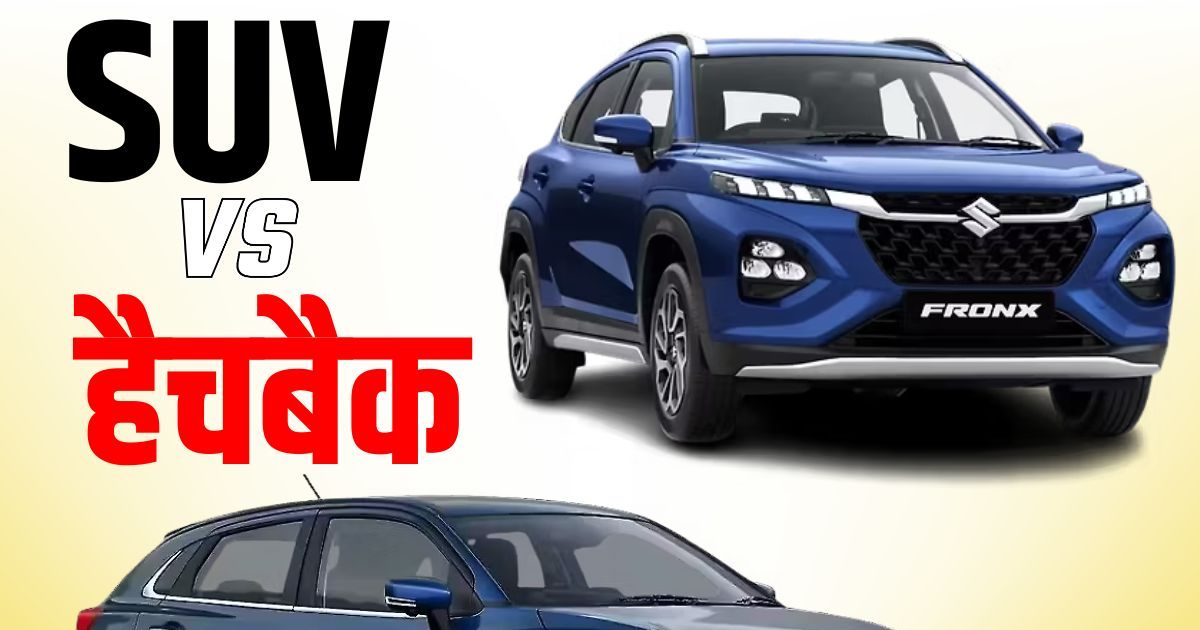
hatchback and SUV are the two most popular segments in the Indian market. The hatchback is small, economical and perfect for the city, while the SUV is considered tall, spacious and an all-road vehicle. It is not easy to choose between the two, because each has its own merits and demerits.

The hatchback offers low budget, better mileage and easy handling. The SUV provides family comfort, high ground clearance and road presence. Considering India's rough roads, city traffic and growing family needs, this decision depends on your lifestyle, budget and daily driving. Let us understand which of the two is best to buy?

Who should buy hatchback?

Hatchback cars are usually compact in size. Their length is usually less than 4 meters. These have a horizontally opening hatch door at the rear, which makes the boot space easily accessible. hatchbacks like Maruti Swift, Hyundai i20, Tata Altroz ​​are best for parking and maneuvering on congested city roads.

Due to their low weight, handling is sporty and responsive. Fuel efficiency is also excellent. You can easily get mileage of 20-25 kmpl in petrol. Due to low purchase cost (up to Rs 6-12 lakh) and low maintenance cost, these are the first choice for budget-conscious buyers. This is perfect for a small family or a single user.

How different is the SUV?

On the other hand, SUVs (Sport Utility Vehicles) are larger and taller cars. Their ground clearance is high (180-200 mm or above), which gives a big advantage on bad roads, speed breakers and bad village roads of India. The cabin is spacious in compact SUVs or large SUVs like Creta, Nexon, Brezza.

More leg room, head room and boot space is available. SUVs are better for family road trips or carrying a lot of luggage. The high seating position provides good road visibility to the driver and increases driving confidence. Modern SUVs also have more advanced safety features, powerful engines and premium feel. The difference between the two can be made like this-

  • Size and Space: hatchback small and compact, SUV big and roomy.
  • Ground clearance: Less in hatchback (150-170 mm), more in SUV.
  • Mileage: The hatchback wins, the SUV may lose 4-8 kmpl.
  • Price: hatchback is cheap, SUV is expensive.
  • Maintenance: The cost of hatchback is less, service and fuel of SUV is expensive.
  • Driving: hatchback easy in the city, SUV comfortable on highways and bad roads.

What is right for you depends on your needs. If you commute daily in the city, have a limited budget, mileage is a priority and have a small family then choose a hatchback. Parking is easy, driving will be fun and running costs will be low. But if the family is big, often has to go to the highway or village, there are bad roads and you need comfort and space, then SUV is a better option. Many people are now choosing compact SUVs because they offer the benefits of both and also come at an affordable price.

Source link

This is the SUV with the largest boot space, it will fit the luggage of the entire family!

This is the SUV with the largest boot space, it will fit the luggage of the entire family!

Top 5 SUVs With Highest Boot Space in India: The popularity of SUVs is continuously increasing in the Indian auto market. It offers a good combination of performance with good design, interior and features. But the most important aspect for families and long trips is the boot space.

Adequate luggage space is what every buyer needs during long drives, weekend getaways, shopping or airport transfers. In such a situation, we have brought for you a list of 5 such SUVs of the country, which are very good in terms of boot space. This list includes names ranging from Renault Duster to Tata Sierra. Come, let us know about them.

1. MG Hector

MG Hector is at number one in the list. The company offers it with 587 liters of boot space. Its ex-showroom price starts from ₹ 11.99 lakh and goes up to ₹ 18.99 lakh (top variant). The feature list includes 14-inch touchscreen, panoramic sunroof, ventilated seats, 6 airbags, ADAS (in top variants), 360° camera, infinity sound system, wireless charging, cruise control, automatic climate control.

2.Renault Duster

The new generation Duster has set a new benchmark in practicality. It has a large boot space of 518 litres, which can be increased to 700 liters by removing the parcel tray. Its ex-showroom price starts from ₹ 10.49 lakh and goes up to ₹ 18.49 lakh. The feature list includes panoramic sunroof, dual-zone AC, ventilated front seats, 10.1-inch infotainment + 10.25-inch driver display, ADAS (17 features), 212 mm ground clearance, electric tailgate and 6 airbags.

3. Tata Curvev

The Curve can be bought with 500 liters of boot space. Despite the coupe-SUV styling, the boot is deep, wide and user-friendly. Bag hook and low floor make it practical. Its ex-showroom price starts from ₹ 9.66 lakh and goes up to ₹ 18.85 lakh. The feature list includes 12.3-inch touchscreen, panoramic sunroof, ventilated front seats, 6-way powered driver seat, level-2 ADAS, 360° camera, 5-star BNCAP safety, 18-inch alloy wheels and JBL sound system.

4.Citroen Basalt

The boot space of Citroen Basalt is 470 litres. It offers good space with stylish coupe look. Its ex-showroom price starts from ₹ 8.55 lakh and goes up to ₹ 14.10 lakh. The feature list includes automatic climate control, rear AC vents, wireless charging, 6 airbags, 4-star BNCAP, LED lights and good suspension comfort.

5.Tata Sierra

The Sierra can be bought with 450 liters of boot space, which expands to 622 liters with the parcel tray removed. Sierra has optimized space by shifting the spare wheel down. Its ex-showroom price starts from ₹ 11.49 lakh and goes up to ₹ 21.29 lakh. The feature list includes triple screen dashboard, panoramic sunroof, level-2 ADAS, 12-speaker JBL sound system, 5-star safety and electronic parking brake.

Source link