E20, EV also… what is the government's plan, why is work on both being done simultaneously?

E20, EV also… what is the government's plan, why is work on both being done simultaneously?

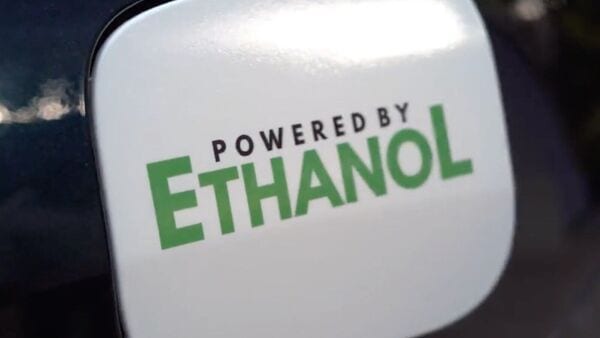
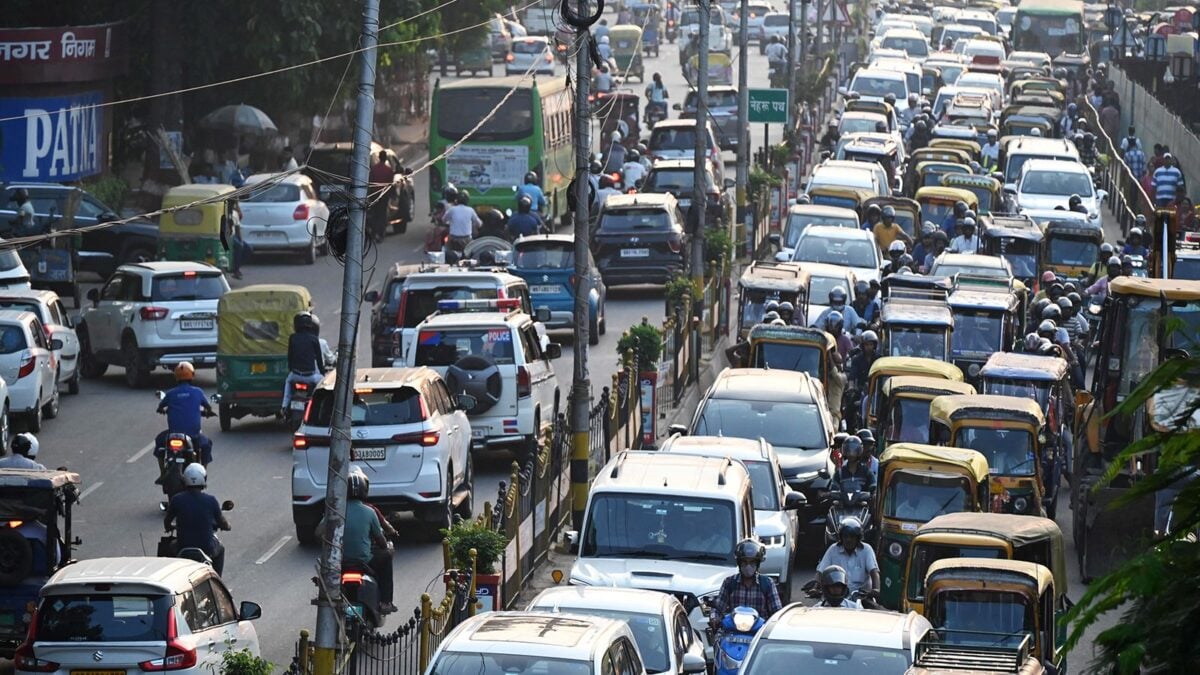
New Delhi. India's transport sector is currently going through a major transformation, based on two different paths to clean-mobility. The first path is of E20 petrol (petrol mixed with 20 percent ethanol) and the second is of battery operated electric vehicles (EVs). Current national policy sees these as a sequential, 'twin-track' strategy rather than a choice between the two.

In this strategy, E20 fuel is serving as an immediate relief means for energy security, while electric vehicles are positioned as the ultimate long-term solution to reduce carbon emissions. The recent fluctuations in the global energy market have further heightened the need for this dual approach, as India imports about 85 percent of its crude oil needs from abroad, which always puts economic pressure on the country.

E20 got big success in a short time

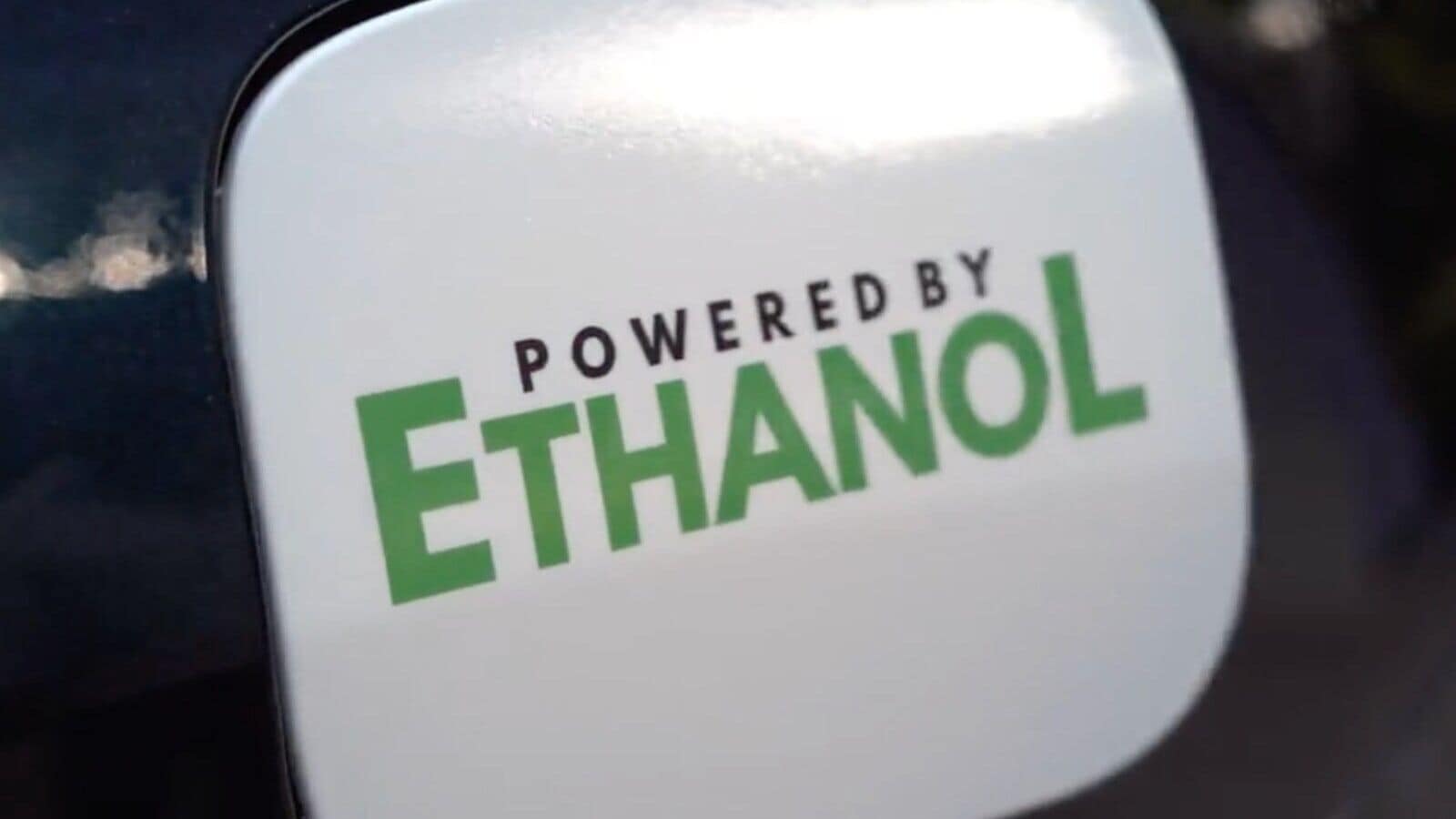
The introduction of E20 petrol in the country has been a huge success in a very short time. India completely shifted its domestic fuel supply to E20 petrol much ahead of its legal schedule. Due to this swift step, there has been a huge reduction in the expenditure on import of crude oil, due to which the country has saved foreign exchange of more than Rs 1.4 lakh crore. Additionally, this policy has provided a strong economic support to the agriculture sector as surplus sugarcane, maize and spoiled grains are being diverted for ethanol production, directly benefiting the farmers.

However, despite these huge economic benefits, there are some practical challenges to a mandatory E20 rollout on the ground. The biggest concern for consumers is the slight drop in vehicle mileage, as ethanol has a lower energy density per liter than pure petrol. According to automotive laboratories, depending on the engine calibration, the use of E20 fuel can result in a slight reduction in mileage of 3 percent to 6 percent. Additionally, vehicles manufactured after April 2023 are fully compatible with this fuel, but it may have adverse effects on parts of older vehicles as ethanol naturally absorbs moisture, which can cause normal rubber gaskets, hoses and fuel line seals to deteriorate quickly.

Electric vehicles: the challenge of high-capital infrastructure

On the other hand, moving towards electric vehicles meets the goal of zero-emission in the long run, but it requires huge capital investment. The pace of adoption of EVs in urban areas has increased rapidly due to government efforts like PM E-DRIVE scheme and Production Linked Incentive (PLI) for Advanced Chemistry Cell Battery Storage. The tax structure of the government is also a big help in this, while a huge GST of 28 percent is applicable on conventional petrol-diesel vehicles, whereas a low GST rate of only 5 percent is applicable on electric vehicles.

Despite this, some major structural bottlenecks remain in the EV sector. Although local assembly for electric two-wheelers and three-wheelers has been successfully integrated in the country, the supply chain for manufacturing the most critical component, i.e. battery cells, is still highly dependent on imported refined minerals. Additionally, the speed of the public charging network still lags far behind vehicle sales, especially in smaller cities (Tier-2 and Tier-3), leading to range anxiety. Grid capacity limitations and the lack of a unified, interoperable charging payment card also make its use difficult for non-commercial users.

Alignment of market reality and policy

According to projections from economic and transportation models, petrol consumption in India may reach its peak around early 2032, after which it will start declining due to mass electrification. Therefore, these timelines need to be balanced very carefully in long-term policy planning. Planning to add excessive capacity for ethanol distilleries beyond current requirements could turn that investment into stranded capital assets over the next two decades.

The strategic need for India is not to choose between E20 and electric mobility, but to manage their different life cycles properly. E20 fuel serves as a vital transitional bridge to provide immediate carbon reduction and financial relief from the existing conventional vehicle fleet. Additionally, the country will need to continue to aggressively expand domestic battery cell manufacturing and charging infrastructure, so that when the liquid fuel market shrinks in the future, India is well prepared to move towards a mature electric mobility ecosystem.

(Originally written by: Pathikrit Sen Gupta)
Source link

Ethanol will assess the ethanol combination scheme before setting high targets: Tel Min Puri

Ethanol will assess the ethanol combination scheme before setting high targets: Tel Min Puri

The statement comes between the Baclash from the vehicle owners on the E20 fuel harmful engines, reducing fuel efficiency and there is no decrease in fuel prices.

All fuel stations across the country are now retail petrol with 20 percent ethanol mixture, which has promoted backlash from vehicle owners on low efficiency and high wear and tears.

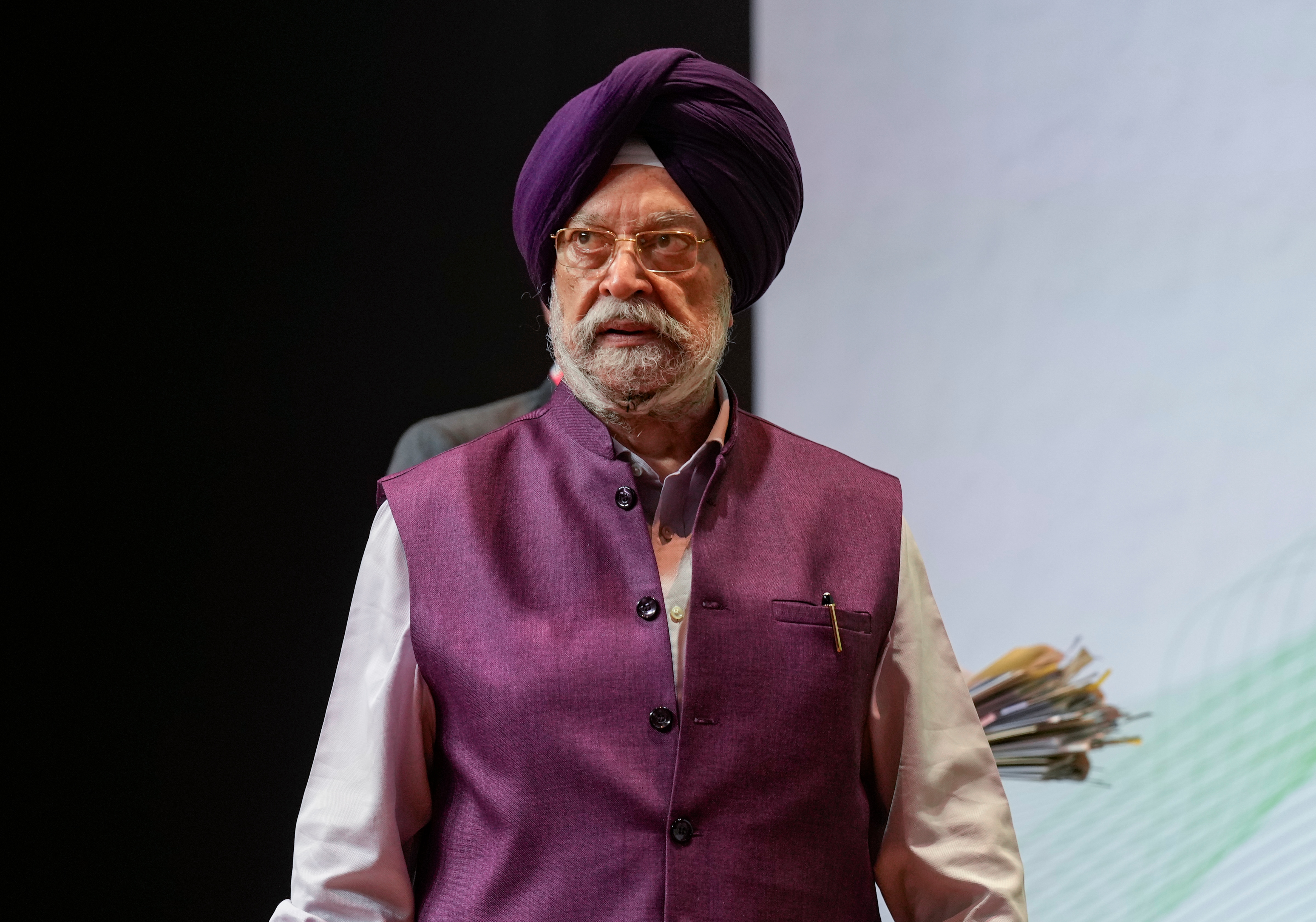
For Central Petroleum and Natural Gas Hardeep Singh Puri, the Union Minister has said that the government will “assess” the ethanol combination program before setting high targets. The statement comes between the Baclash from the vehicle owners on the E20 fuel harmful engines, reducing fuel efficiency and there is no decrease in fuel prices. While the government has said that 20 percent of the ethanol mixed with petrol is safe to use environmentally, vehicle users otherwise believe.

Favorite source banner

No plans to jump for high mixed ethanol fuel: Puri

Speaking in an incident recently, Puri said, “We had a target of 20 percent conclusion – for which the target date was 2030, and we have done it six years ago. I will put a full break there; we will assess where we have to go. You hear all the stories that we are going to learn now, etc.

He added, “All stories that you hear about bio fuel, are harmful to the engine, a lot of 'BS' – 'B' Capital, 'S' are capital. And I don't know what it means, but it is a special.”

There were reports of the government's plan to go to 27 percent ethanol mixture in petrol. A recent report also suggested that the Bureau of Indian Standards (BIS) was directed to come up with criteria for E27 fuel on priority. Now it seems that the plan to introduce it for the same time will be delayed.

Hardeep Singh Puri
Oil Minister Hardeep Singh Puri said that all stories call biofuels harmful (PTI)

The government has made the use of E20 petrol mandatory in all fuel pumps across the country, which has promoted backlash from vehicle users. Motor drivers have complained about fuel damage to engine, with increased wear and tear due to corrosive nature of ethanol. Vehicle owners have fallen by 15–20 percent in fuel efficiency on older vehicles, which were not designed to run on E20 fuel. In contrast, the government claims that the decline in fuel efficiency is just 1-2 percent.

There are questions about the impact of ethanol at the price of fuel, and there is no decrease in fuel prices despite the high ethanol mixture. Fuel prices have been largely stable in the last three years.

There are also concerns about the production of ethanol, which requires water-intensive crops. However, the government says that 20 percent ethanol extract from sugarcane or maize is a national program aimed at cutting emissions and increasing the income of farmers.

Bio fuel required to reduce dependence on oil imports

Puri said that the percentage of mixed ethanol in petrol in 2014 was 1.4 percent. It has increased to 20 percent in the last decade. The Ministry of Oil has also rejected the apprehensions about the use of E20, calling the claims baseless. Puri said that some older vehicles may need to replace some rubber parts and gaskets, it may be called a “simple process”.

The government has been vocal about the plan to introduce a high mixture of ethanol in fuel to reduce dependence on crude oil imports. Puri said that India is 88 percent dependent on imports to meet its oil needs, bio fuel and cleaner energy is called “imperatives of that time”.

Get insight into state -of -the -art technology changing upcoming cars, electric vehicles, bikes in India and automotive landscape.

First published date: 17 September 2025, 13:06 pm IST

Source link

Future of our transport will be on green hydrogen: Hardeep Singh Puri

Future of our transport will be on green hydrogen: Hardeep Singh Puri

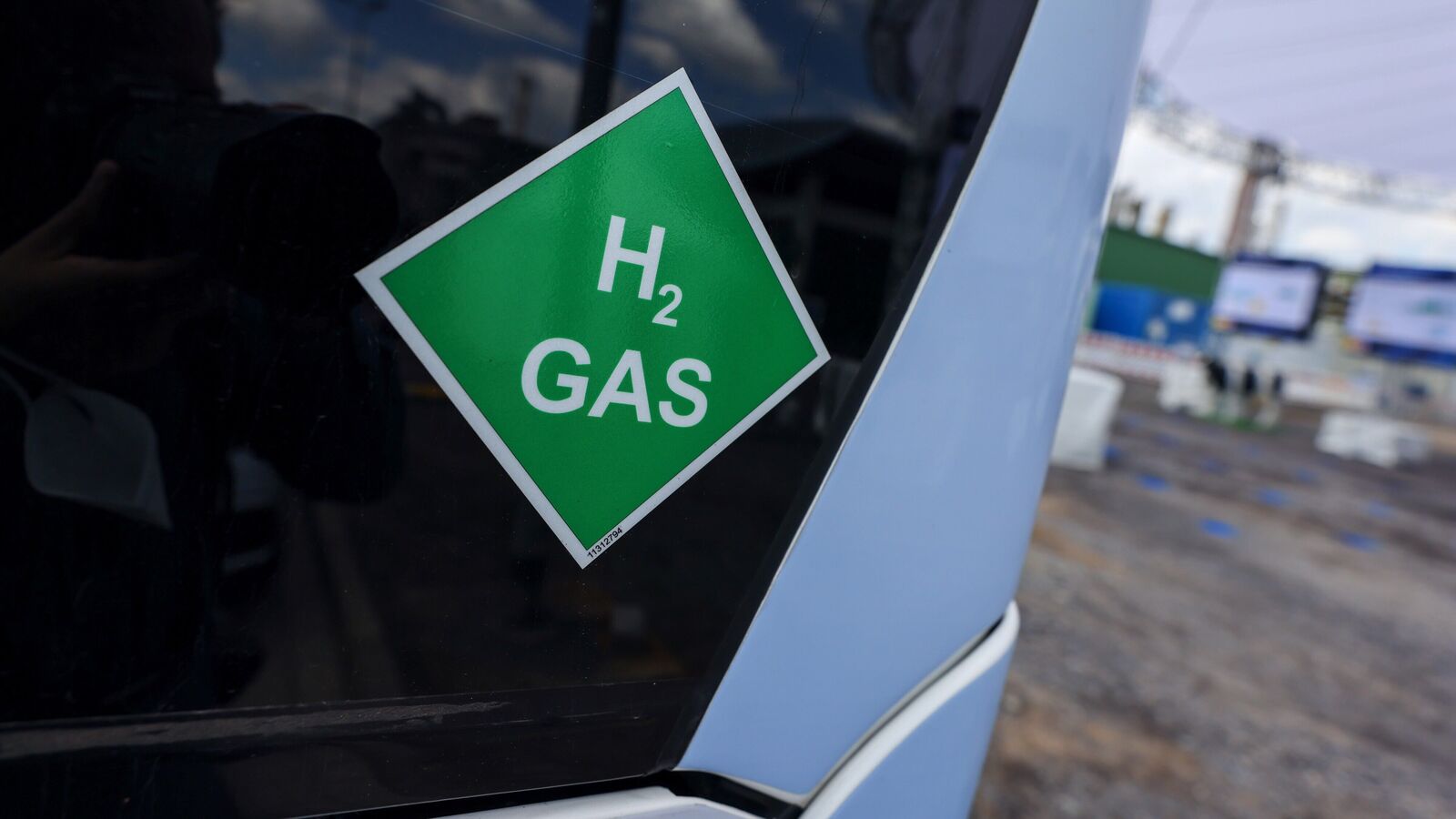
Under this initiative, Indian Oil Corporation (IOCL) has embarked on a meticulously designed program to conduct operational trials of 15 Fuel Cell buses powered by Green hydrogen.

These trials will encompass designated routes in Delhi, Haryana, and Uttar Pradesh. The project’s inaugural moment saw the launch of the first set of two fuel cell buses from India Gate. This program is the first of its kind in India to dispense green hydrogen at 350 bar pressure for operating fuel cell buses.

Furthermore, Indian Oil has established a cutting-edge dispensing facility at its research and development (R&D) campus in Faridabad. This facility can refuel green hydrogen produced through electrolysis using solar photovoltaic panels.

According to SM Vaidya, Chairman of Indian Oil, the launch of these two buses signifies the commencement of a comprehensive assessment of the performance and durability of this new technology. The trial period, spanning more than 3 lakh kilometres across all buses, will generate vital data that will serve as a national repository.

This repository is expected to play a pivotal role in shaping the future of zero-emission mobility in India, powered by green hydrogen. In his address, Hardeep Singh Puri emphasized, the Indian government’s commitment to clean and green energy. Hardeep Singh Puri said, “The Future of our transport will be on green hydrogen”.

BMW is among the automakers who have been working on hydrogen fuel cell technology over the last few years, as hydrogen could be a potential green and clean fuel for future cars.

India’s endeavours in the realm of low-carbon development, including emerging fuels like hydrogen and biofuels, are central to these efforts. Puri said, “India has one of the largest synchronous grids in the world, capable of handling intermittent renewable energy and we have achieved ‘One Nation-One Grid-One Frequency’.”

India, with its extensive synchronous grid capable of handling intermittent renewable energy, is poised to be a global champion in hydrogen production and exports. “We have recently witnessed the launch of the world’s first Bharat Stage 6 (BS 6) (Stage II) Electrified Flex Fuel vehicle prototype that encompasses both the flex fuel engine as well as an electric powertrain that offers higher use of ethanol combined with better fuel efficiencies. With Industry and Government collaboration, India is on its way to becoming a global hub for cleaner technologies and achieving self-reliance in energy soon”, Puri said.

Hydrogen, hailed as the fuel of the future, holds immense potential in helping India achieve its decarbonization targets. The global demand for hydrogen is projected to surge four to seven times by 2050, reaching 500-800 million tonnes. Domestically, demand is set to quadruple, from the current 6 million tonnes to 25-28 million tonnes by 2050.

The Ministry of Petroleum and Natural Gas is actively driving initiatives related to green hydrogen, including production and utilization in refineries, hydrogen blending in natural gas pipelines, localization of electrolyzer-based technologies, and promoting bio-pathways for green hydrogen production.

Fuel cells, the heart of these green hydrogen-powered buses, employ hydrogen and air to generate electricity for propulsion.

These buses are environmentally friendly, with the only byproduct being water, offering a stark contrast to conventional buses running on diesel and petrol.

Fuel cells are also highly efficient compared to internal combustion engines. Fuel cells boast an electrical efficiency of 55-60 per cent, a notable improvement over the thermal efficiency of 25 per cent for conventional internal combustion engines.

These buses are set to achieve a remarkable fuel economy of around 12 km per kilogram of hydrogen, compared to 2.5-3 km per litre for diesel buses.

Hardeep Singh Puri commended IOCL and Tata Motors for their collaborative efforts in developing indigenous solutions for fuel cells and hydrogen infrastructure for heavy-duty buses in passenger transport applications.

Puri stated, “I would like to congratulate the IOCL team for undertaking this collaborative approach along with Tata Motors for the development of indigenous solutions pertaining to Fuel Cell and hydrogen infrastructure in the country, for heavy-duty buses for passenger transport application. I am sure that the ecosystem developed through efforts like these can integrate a larger economy with the energy sector”.

He stressed that this green hydrogen-powered bus initiative could potentially transform India into a net exporter of clean hydrogen energy and set a global precedent in technology transfer and green hydrogen production.

The initiative has plans to soon operate an additional 15 fuel cell buses in the National Capital Region (NCR). Minister Puri expressed his commitment to closely monitoring this project, highlighting its importance on the national stage and its potential to revolutionize city transport in India.

India’s foray into green hydrogen technology signifies a significant stride toward achieving energy self-reliance and global leadership in the realm of sustainable energy solutions.

First Published Date: 25 Sep 2023, 17:11 PM IST


Source link