
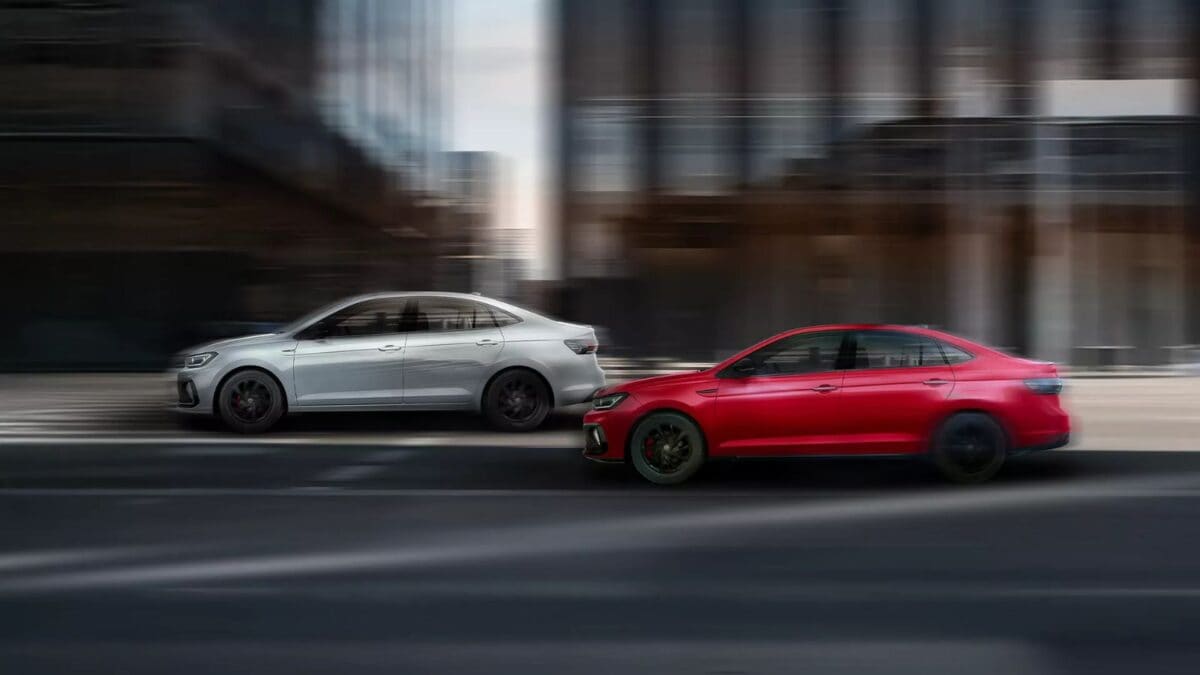
2026 Honda City Facelift vs Volkswagen Virtus: Which sedan has more power? Know

2026 Honda City Facelift vs Volkswagen Virtus: Which sedan has more power? Know

2026 Honda City Facelift vs Volkswagen Virtus: City and Virtus compete among themselves in the mid-size sedan segment. City facelift has been launched recently, which includes new styling, ventilated seats and new technology like larger touchscreen. It is available with both petrol and strong hybrid powertrains. Its ex-showroom price starts from ₹ 11.99 lakh and goes up to ₹ 21 lakh for the top ZX+ Hybrid variant.

Volkswagen Virtus, on the other hand, is known for its sporty dynamics and solid build quality. It has 1.0L and 1.5L TSI turbo petrol engines. Its price starts from ₹ 10.5 lakh (base Comfortline) and goes up to around ₹ 19 lakh for the top GT Plus variant. Let us know who is better in terms of design, engine and performance?

Design Details

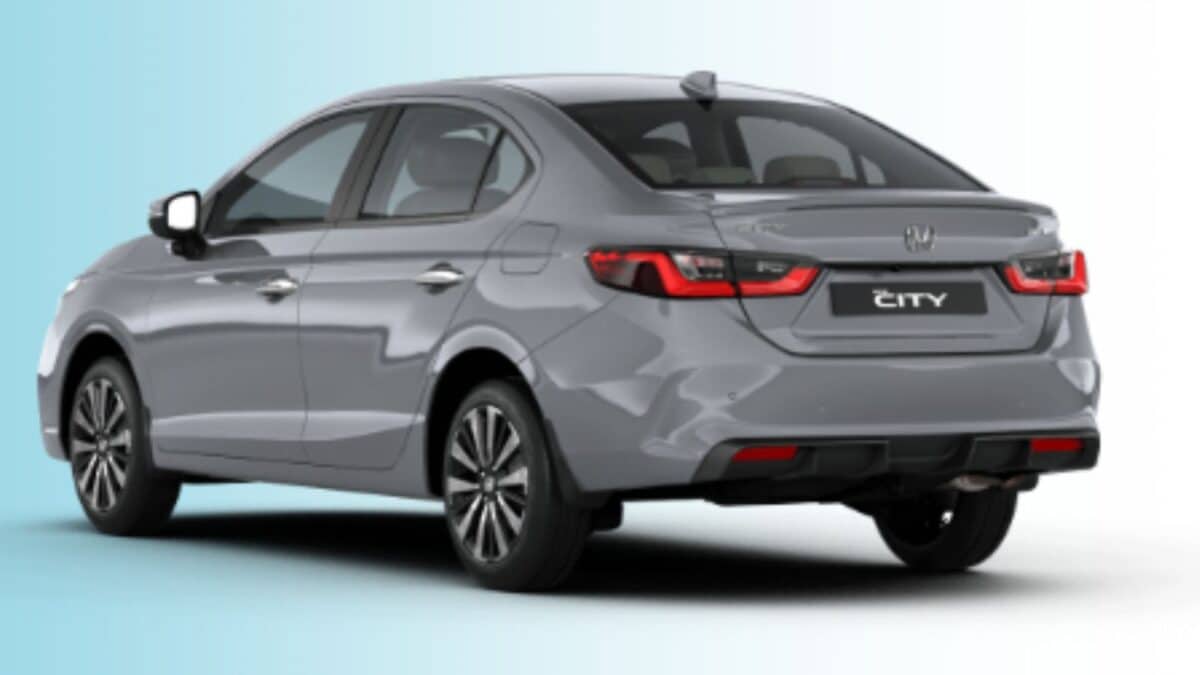
The design of 2026 Honda City facelift has become more sporty and premium than before. The new front grille, connected LED light bar, new Bi-LED projector headlamps, revised bumpers and AeroBlade alloy wheels give it an attractive look like the Honda Civic. There are updated taillights at the rear. Overall it looks sleek and modern.

The design of the Volkswagen Virtus is already bold and European. It looks sportier with sharp lines, strong shoulders and attractive LED lighting. GT variants get dual tone alloy wheels and sporty elements. The body of the Virtus feels more premium and stable, while the City facelift maintains a young and fresh appeal.

Cabin and Comfort

The cabin of Honda City is luxurious, spacious and has a luxurious feel. New upholstery, ventilated front seats, ambient lighting and better material quality make it premium. With a 10.1 inch touchscreen, digital instrument cluster and rear AC vents, it is very comfortable for the family. Rear leg room and headroom are good.

The interiors of the Virtus are also premium, but with a bit more sporty touch. Good build quality, soft touch materials, ventilated seats and sunroof are available. The City's cabin is more refined and quiet, while the Virtus focuses on driving engagement.

Who is better in features?

Honda City facelift gets the latest features like 360 ​​degree camera, ventilated seats, wireless charging, large touchscreen, wireless Android Auto/Apple CarPlay and level-2 ADAS, which includes features like adaptive cruise control and lane keep assist.

Volkswagen Virtus also has features like 10 inch touchscreen, ventilated seats, panoramic sunroof (top variant), 360 camera and wireless charging. The Honda City is more tech-loaded with ADAS, while the Virtus comes with sporty features like paddle shifters.

safety detail

The safety of both the cars is excellent. Honda City gets 6 airbags as standard, ESC, TPMS and Level-2 ADAS. Whereas, Volkswagen Virtus is 5-star Global NCAP rated. It also has 6 airbags and strong body shell. The safety structure of Virtus is considered to be a little more robust.

Engine and Mileage

Honda City is available with 1.5 liter i-VTEC petrol (121 PS, 145 Nm) engine with MT/CVT. Its mileage is up to 17.8-18 kmpl. The top hybrid variant (126 PS system power) gives mileage up to 27.26 kmpl. In Volkswagen Virtus, 1.0L TSI (115 PS) engine is capable of giving a mileage of 19-20 kmpl and 1.5L TSI (150 PS) engine is capable of giving a mileage of 18-19.6 kmpl.
Source link

2026 Honda City Facelift vs Volkswagen Virtus: Which sedan has more power? Know

Honda City Facelift or Hyundai Verna? Know which is better before buying

Both 2026 Honda City Facelift and Hyundai Verna are attractive options for families and youth planning to buy a new car. The new facelift of Honda City comes with sporty looks, hybrid option and reliability, while Hyundai Verna attracts the youth with stylish design, powerful turbo engine and feature-loaded cabin. Prices for the Honda City start at ₹12 lakh and go up to ₹21 lakh, while the Verna is available from ₹10.98 lakh to ₹18.25 lakh (ex-showroom).

Both mid-size sedans offer a good balance of comfort, performance and value for money. City is more refined and mileage-focused, while Verna is ahead in dynamic driving and modern technology. Which one is better based on budget, preferences (mileage vs power) and features? Let us try to find out.

design details

The 2026 Honda City Facelift gets a new front with connected LED DRLs, revised grille, sportier bumper and new alloy wheels, which give it a premium and bold look. Its length is about 4594 mm. The design of Hyundai Verna is more sleek and youth-oriented. It can be purchased with sharp lines, stylish LED lights and sporty profile. The Verna is slightly wider (1765 mm), which increases road presence. City looks more mature and Verna is aggressive.

interior

The cabin of the City is refined and comfortable. It gets a new 10.1-inch touchscreen, ventilated front seats, ambient lighting and updated ivory white theme. Space is good, but the hybrid has slightly less boot space (306 L). The interior of Verna is more technology-forward. It has been introduced with dual 10.25-inch screens, better materials and sportier feel. The boot space is huge at 528 L. Verna looks a bit modern here.

Features and safety

Honda City has new additions like 360° camera, wireless Android Auto/Apple CarPlay, sunroof, ventilated seats, electric parking brake and connected car tech. Verna gets dual large screens, Bose audio (top variants), powered seats, dashcam and more gadgets. Verna is slightly ahead in features.

6 airbags are standard in both. City gets Honda Sensing Level-2 ADAS (Adaptive Cruise, Lane Keep, Collision Mitigation), 360° camera and ESC. The Verna also has a strong track record of good ADAS, 7 airbags (top) and a 5-star GNCAP rating. Both are quite safe.

Engine and Mileage

Honda City can be purchased in 1.5 liter NA petrol (121 PS, 145 Nm) engine and e:HEV hybrid (126 PS system, 253 Nm) options. Its maximum claimed mileage is 27.26 kmpl. At the same time, Hyundai Verna can be purchased with 1.5 liter NA (115 PS) or 1.5 liter Turbo (160 PS, 253 Nm) engine. Its maximum claimed mileage is 20.6 kmpl.

Source link

2026 Honda City Facelift vs Volkswagen Virtus: Which sedan has more power? Know

2026 Honda City Facelift or Skoda Slavia? Before buying, know which sedan has the best power.

2026 Honda City Facelift vs Skoda Slavia: Honda City Facelift has made a new entry in the sedan segment. With its new sporty design, advanced features and hybrid option, this car remains a symbol of comfort and reliability. Whereas, Skoda Slavia attracts performance lovers with driving dynamics, space and 5-star safety. Both midsize sedans are giving tough competition in the premium segment.

Talking about ex-showroom prices, the Honda City facelift starts at ₹ 11.99 lakh (SV petrol MT), while the top ZX+ Hybrid variant goes up to ₹ 21 lakh. Skoda Slavia is more economical. Prices start at ₹10 lakh for the base Classic 1.0 TSI and go up to ₹17.99 lakh for the top Monte Carlo 1.5 DSG. The City hybrid offers value, while the Slavia offers a better entry price in lower variants. Let's take a look at the design, engine and mileage details of both.

design details

The Honda City facelift gets a sportier look with a new front facia, full-wide LED light bar, projector headlamps and aeroblade alloy wheels. It looks more modern and premium. The design of Skoda Slavia is European. Elegant with clean lines, butterfly grille, sleek profile and 16-inch alloys. The rear of the Slavia looks bolder, while the updated look of the City will appeal more to young buyers.

Cabin and Comfort

The interior of the City is now more refined. The new ivory white theme, ventilated front seats, 10.1-inch touchscreen and premium materials make it special. It has always been strong in space and comfort. The cabin of the Slavia is larger, with 521 liters of boot space more than the City. It has a 10-inch touchscreen, virtual cockpit and ventilated seats. The interior of the Slavia feels more spacious and family-friendly.

Features and safety

Features like 360-degree camera, wireless charging, ADAS (top variants), sunroof and connected tech have been added to the City facelift. Slavia gets a 10-inch screen, wireless Apple CarPlay/Android Auto, ventilated seats, sunroof and digital driver display. Both have good features, but the City Hybrid offers a smoother e-CVT experience, while the Slavia is more engaging with its driving modes.

The big plus of the Slavia is the 5-star Global NCAP rating, 6 airbags as standard, ESC, TPMS and the strong MQB platform. City also gives good safety. It gets 6 airbags, ABS, EBD, ADAS. However, the crash test performance of Slavia is considered better. ISOFIX and other standard safety features are present in both.

Engine and Mileage

The 1.5 liter i-VTEC petrol (121 PS, 145 Nm) with MT/CVT in the Honda City returns 17.77-17.97 kmpl, while the e:HEV Strong Hybrid (126 PS system, 253 Nm) returns a mileage of 27.26 kmpl. In Slavia, 1.0 liter TSI (115 PS, 178 Nm) gives a mileage of 18.73-20.32 kmpl and 1.5 liter TSI (150 PS, 250 Nm) with DSG gives a mileage of up to 19.36 kmpl.

Which is better: If you want comfort, mileage (especially hybrid) and long-term reliability, then the 2026 Honda City facelift is a better option. Skoda Slavia is ahead in terms of driving enjoyment, space, safety rating and value for money. The decision depends on your priority.

Source link

2026 Honda City will enter the Indian market tomorrow! Know how much will change from before

2026 Honda City will enter the Indian market tomorrow! Know how much will change from before

Honda Cars India is going to launch the facelift version of its popular midsize sedan Honda City tomorrow on 22 May 2026. This update will make the current 5th generation City stronger than its competitors like Hyundai Verna, Skoda Slavia and Volkswagen Virtus. The new City will get upgrades like sharp front design, larger touchscreen, ventilated seats and Level 2 ADAS, while the engine and hybrid options will remain the same.

Expected prices could start from ₹12.50 lakh and go up to ₹19-23 lakh (ex-showroom) for the top variant. This facelift will further increase the popularity of Honda City by focusing on stylish look, better comfort and safety. The car spotted in the dealer yard has confirmed that Honda has made necessary changes keeping in mind the consumer demand. Let's take a look from design to feature updates.

Design and interior

The front of the new Honda City will look more sharp and modern. A new horizontal grille, slim LED headlamps with connected LED DRLs, revised bumper and tweaked tail lamps have been provided. The side profile will remain almost the same, but there will be subtle changes in the new alloy wheels (16 inches) and rear bumper. Overall the car will look wider and premium. Fresh options can also be found in colors and styling.

The biggest change in the cabin will be the 10.25-inch floating touchscreen, earlier it was 8-inch. Features like digital instrument cluster, satin silver accent, ventilated front seats, powered driver seat and ambient lighting have been added. The dashboard layout will remain almost the same, but the overall feel will be more premium and modern. It is also expected to include a 360-degree camera and better connectivity. Space and practicality will remain the specialty of City.

Features and safety

The new Honda City will get wireless Android Auto/Apple CarPlay, large infotainment system, 360-degree camera, ventilated seats and advanced connected tech. Level 2 ADAS will be available with Honda Sensing Suite. Other features may include auto climate control, wireless charging and ambient lighting. These updates will make City more competitive in the segment.

Strong upgrades are expected in safety. It will have 6 airbags as standard, along with Level 2 ADAS, 360-degree camera, blind spot monitoring, rear cross traffic alert and Honda Sensing technology. Features like ABS, EBD, VSA, TPMS and ISOFIX are already present. Safety ratings are likely to improve with the facelift, which will be a big plus point for family sedan buyers.

Engine and Mileage

There will be no major changes mechanically. It can be purchased with 1.5 liter NA petrol engine (121 PS / 145 Nm), which will be available with 6-speed MT or CVT. Mileage will be around 17.8-18.4 kmpl. The Hybrid e:HEV version (124 PS system output, 253 Nm) will also continue, offering better efficiency (up to 25+ kmpl). Both powertrains are reliable and smooth.

Source link